
No, teeth cannot grow in your hand. Not naturally, not under any normal circumstances, and not as some hidden developmental quirk. Teeth form exclusively from very specific tissue interactions that only happen in the jaw during fetal development. Whatever hard bump, lump, or tooth-like growth you might be noticing on your hand, it is not a tooth, and it never will be. But something is clearly there, and figuring out what it actually is matters.
Can Teeth Grow in Your Hand? What It Really Means

Marcus Holloway
19 Jun 2026
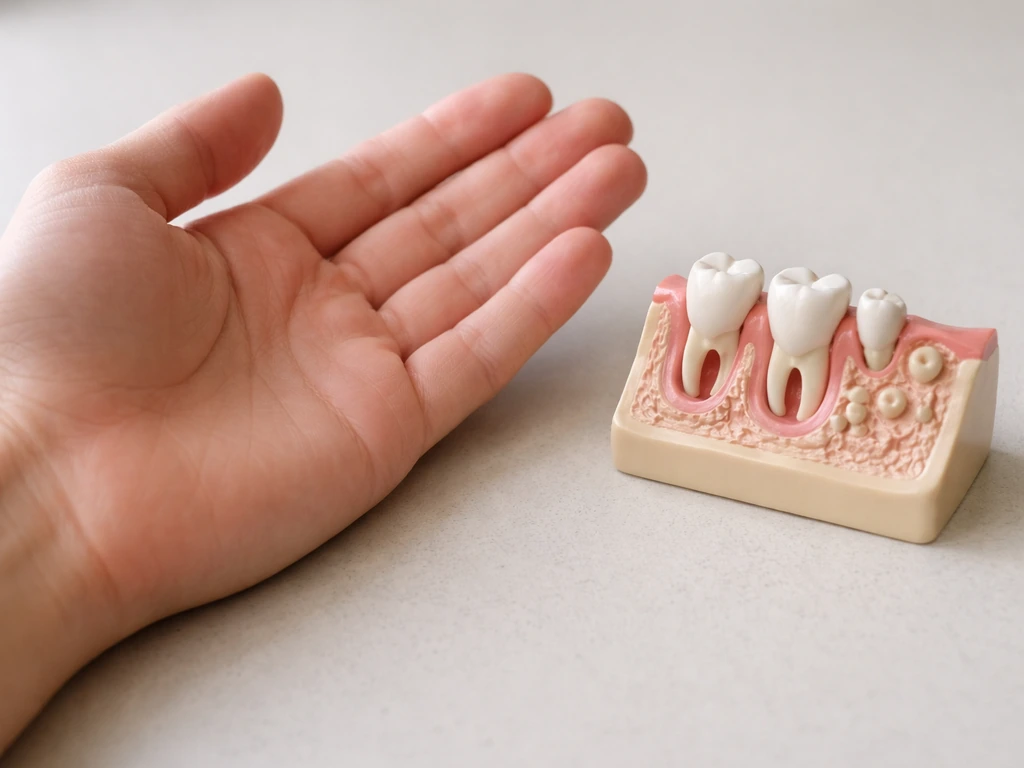
Why teeth only form in the jaw
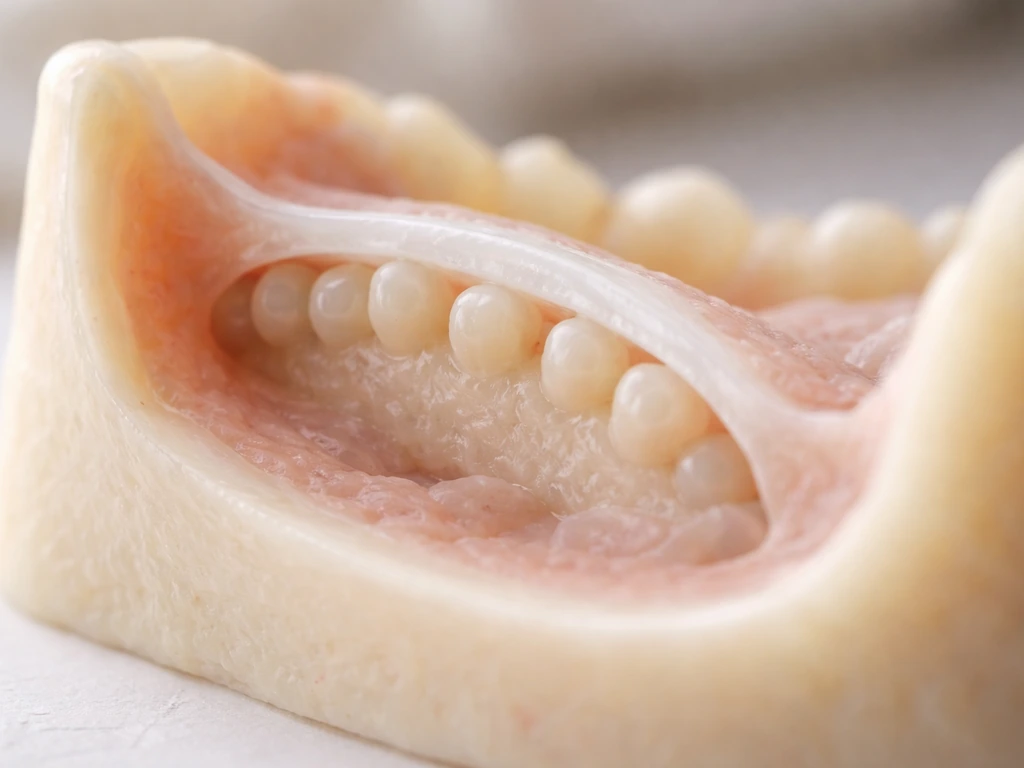
Tooth development is not a simple process that can happen anywhere in the body. It requires a very precise conversation between two completely different types of tissue: dental epithelium (which lines the developing jaw) and odontogenic mesenchyme (neural crest-derived cells that migrate into the jaw during early fetal development). These two tissue types send molecular signals back and forth, a process called reciprocal epithelial-mesenchymal interaction, and without both partners doing their jobs in the right place at the right time, no tooth forms. Research confirms that dental epithelium alone cannot produce a tooth, skin epithelium alone cannot produce a tooth, and mesenchyme without the right epithelial signals won't do it either.
The actual sequence goes like this: the dental lamina (a band of oral epithelium in the jaw) buds inward, forms the enamel organ, and triggers the dental papilla beneath it. Ameloblasts form from the inner enamel epithelium and lay down enamel. Odontoblasts differentiate from the dental papilla and create dentin. Hertwig's epithelial root sheath guides root formation. Every step depends on jaw-specific tissues and timing that begins in the womb. Your hand contains none of these structures. Skin epithelium is completely different from dental lamina epithelium, and there is no odontogenic mesenchyme sitting under the skin of your palm waiting for instructions.
The myth vs. what is actually happening
The idea of teeth growing somewhere unexpected does have a grain of real science behind it, but it applies to the mouth and jaw only, not limbs. Ectopic teeth, meaning teeth that erupt in the wrong location, do occasionally occur.
There are documented cases of teeth forming in the nasal cavity, the maxillary sinus, and even extremely rare reports of odontomas (benign, tooth-like tumors) appearing in soft tissue outside the dental arches, such as the buccal mucosa (the inside cheek lining). Ectopic teeth can show up in the nasal cavity or maxillary sinus in rare cases, which is why you might see the idea of a tooth root being linked to the sinuses.
A handful of case reports describe peripheral odontomas in gingival soft tissue. One highly unusual case documented an ectopic compound odontoma in buccal mucosa with actual enamel, dentin, pulp, and cementum present on histology.
Here is the critical point though: even these rare ectopic cases happen because fragments of the dental lamina got displaced during fetal odontogenesis, carrying latent odontogenic potential with them. Because teeth development depends on jaw-specific tissue interactions, two teeth generally cannot fuse or grow together outside the normal dental formation process can two teeth grow together. They are developmental anomalies that begin in the jaw region during embryonic development, not spontaneous tooth growth sprouting from random body parts after birth. A tooth appearing on your hand as an adult, with no developmental history of displaced dental tissue, is biologically impossible by current science. The internet fascination with this idea is just that, fascination.
So what is that tooth-like bump on your hand?
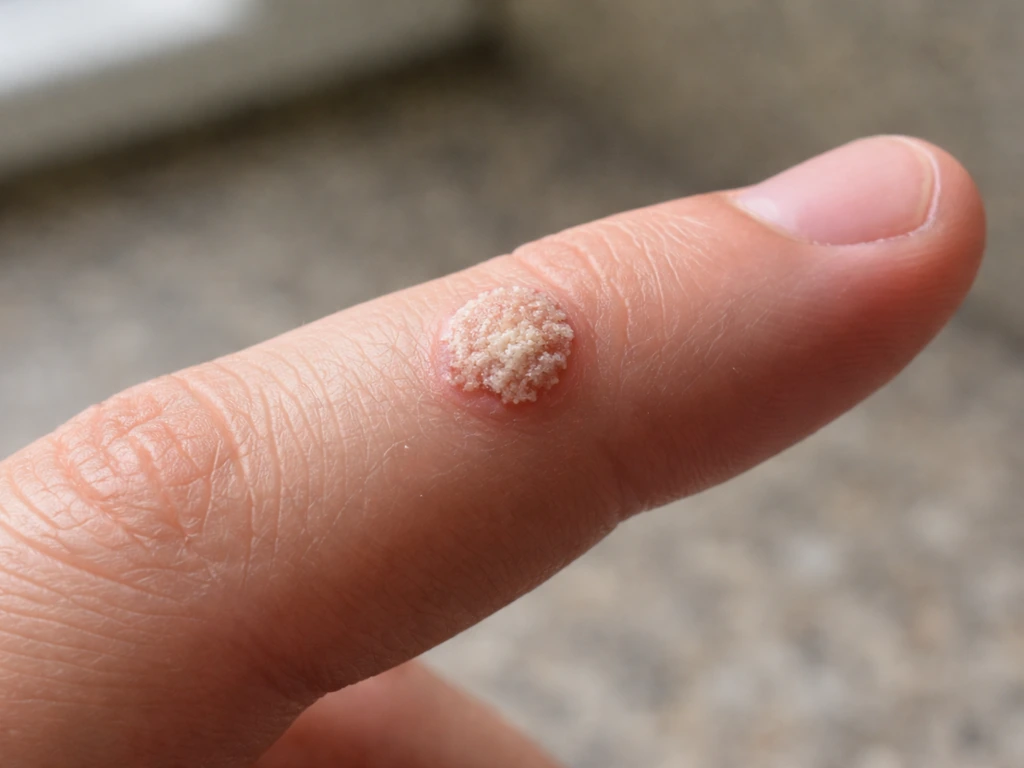
Hard, white, or bumpy growths on the hand are actually pretty common, and several conditions can look or feel surprisingly tooth-like to someone who doesn't know what they're looking at. Here are the most likely explanations:
- Warts (verrucae): Common warts caused by HPV are rough, grainy, hardened growths most often found on fingers and hands. They can develop over 2 to 6 months and often have tiny black dots (thrombosed capillaries) visible on the surface. Some have a cauliflower-like texture that can feel surprisingly hard and prominent.
- Epidermoid cysts: These are slow-growing, painless lumps under the skin that elevate the skin surface and often have a small central punctum (a tiny pit or plugged opening). They can contain a thick, cheese-like material inside. Completely benign, but they can feel like a solid bump.
- Calcinosis cutis: This is a condition where calcium salts deposit in the skin and subcutaneous tissue, forming hard, white-yellow nodules that can appear near joints and on the extremities. The deposits are bony-hard and can look white or yellowish through the skin, which is exactly why people sometimes describe them as tooth-like.
- Osteoma cutis: Actual bone formation in the dermis or subcutaneous tissue. Lesions are described as bony-hard on palpation with possible white or yellowish skin discoloration. Rare, but genuinely hard like bone.
- Foreign body: Splinters, glass fragments, thorns, and other materials that have embedded under the skin harden the surrounding tissue and can create a firm, raised bump. If you work with your hands or have had an injury, this is worth considering.
- Ganglion cysts: These fluid-filled cysts commonly appear on the wrist and hand, feeling firm or even hard when the fluid is under tension. They are benign but can be confused with harder growths.
Calcinosis cutis and osteoma cutis are probably the two conditions that most convincingly mimic the look and feel of something tooth-related because both involve actual mineral deposits that are genuinely hard, sometimes white or yellowish, and can feel distinctly different from normal soft tissue. Calcinosis cutis is especially associated with connective tissue disorders, tissue damage, and certain metabolic conditions, so if you are finding hard white nodules on your hands, it is worth taking seriously.
When to get it checked out
Most hard bumps on the hand are benign, but some symptoms should push you to see a doctor sooner rather than later. Use this as your checklist:
- The bump is growing rapidly over weeks or months
- It bleeds, oozes, or crusts over without healing
- There is an open sore that hasn't healed after about 4 weeks
- The lesion is asymmetric, has irregular borders, or is changing in color
- You have pain, numbness, or loss of function in the area
- The skin over it looks ulcerated, eroded, or scaly
- You have a known connective tissue disorder or history of calcium metabolism issues and are developing new hard nodules
The CDC's ABCDE criteria for skin cancer (Asymmetry, Border irregularity, Color variation, Diameter over 6mm, Evolving or changing appearance) apply here too. Any growth that is changing is a growth worth evaluating. A dermatologist or your primary care physician is the right starting point for a hand lesion. If it turns out to be something involving the jaw or dental tissue somehow, you would end up referred to an oral and maxillofacial surgeon.
What happens at the appointment
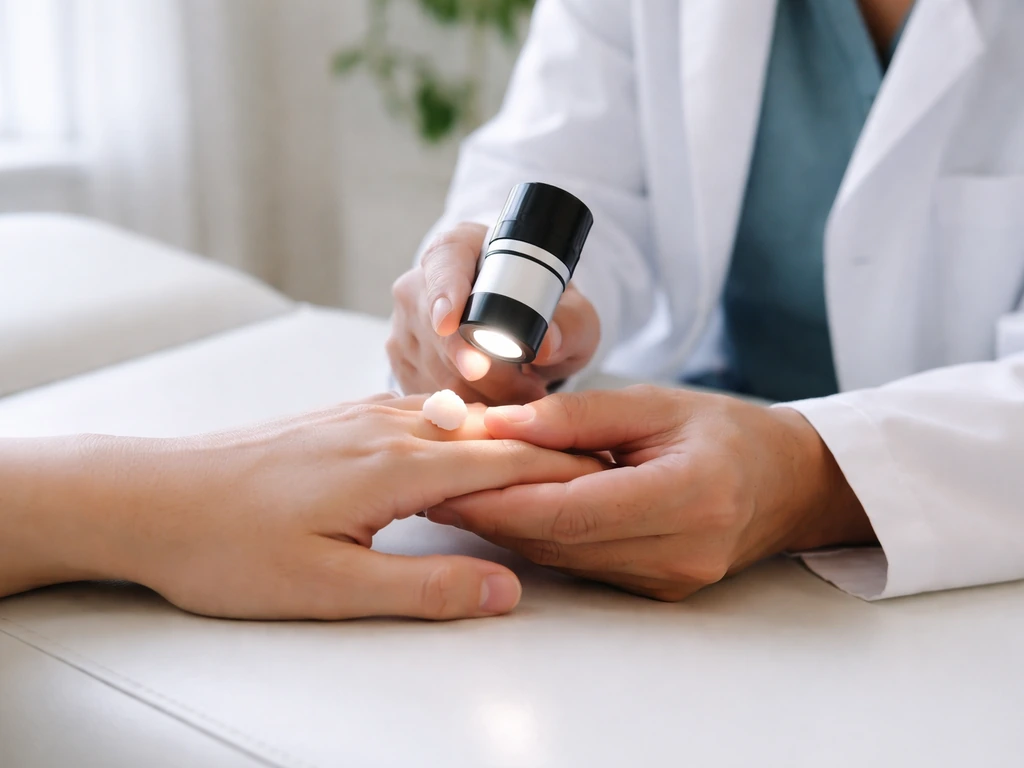
When you show up with a hard, tooth-like bump on your hand, here is the realistic sequence of what a dermatologist or physician will do:
- Visual and physical examination: The doctor will look at the lesion under good lighting, palpate it to assess hardness and attachment to underlying tissue, and check for a central punctum, color changes, or surface texture clues.
- Dermatoscopy: A handheld dermoscope magnifies the lesion and can reveal vascular patterns, pigmentation structures, or other features that help distinguish between warts, cysts, melanoma, and other conditions.
- Imaging: If the bump feels bony hard or appears to involve deeper tissue, X-rays or ultrasound may be ordered. Imaging can confirm whether there is actual calcification, ossification, or a cystic structure present.
- Skin biopsy: For any lesion where the diagnosis is uncertain or there is concern about malignancy, a skin biopsy is the definitive next step. The tissue sample is sent for histopathology, which can definitively identify calcium deposits (calcinosis cutis), bone formation (osteoma cutis), epidermoid contents, or other specific tissue types.
- Follow-up and treatment planning: Based on results, treatment ranges from nothing (watchful waiting for benign cysts) to excision (for epidermoid cysts, osteomas, or calcinosis nodules causing symptoms) to more specific management if a systemic condition is found.
The biopsy step sounds intimidating but it is actually straightforward for skin lesions. It is done under local anesthetic in-office, takes a few minutes, and gives you a definitive answer when the clinical picture is not clear. Do not let worry about the procedure stop you from getting answers.
Can any dental tissue actually regenerate? What science says right now
Since this question touches on whether teeth can grow somewhere unexpected, it is worth being clear about what tooth regeneration can and cannot do, even in the mouth. Teeth also cannot grow under your tongue, because tooth-forming tissues only develop in the jaw during early development whether teeth can grow somewhere unexpected. Humans get two sets of teeth, that is it. There are no adult stem cell niches in teeth designed to produce a third set of teeth from scratch. Whole tooth regeneration in humans simply does not happen naturally.
Enamel regeneration is the most active research area right now. Enamel is made entirely by ameloblasts, which are lost once the tooth erupts. So once your enamel is gone, your body cannot replace it on its own. Researchers have made genuine progress in the lab, including engineering enamel-related outcomes by differentiating induced ameloblast organoid systems and co-culturing them with dental pulp stem cells. One study showed that adult human epithelial stem cells can be induced to become functional ameloblasts. But these are experimental findings, not clinical treatments you can access today.
Periodontal tissue (the ligament and bone around the tooth root) has more clinical options. Enamel matrix derivative therapies have solid 5-year clinical trial data supporting periodontal regeneration in intra-bony defects. Gum tissue can be grafted and regenerated in various ways. But growing a full new tooth from scratch, or growing any dental tissue outside the jaw, remains firmly in the realm of future medicine, not current reality.
A quick comparison: conditions that mimic tooth-like growths on the hand
| Condition | How it feels | Appearance | Location on hand | Needs treatment? |
|---|---|---|---|---|
| Wart (HPV) | Rough, grainy, firm | Cauliflower-like, may have black dots | Fingers, knuckles, palm edges | Yes, various options available |
| Epidermoid cyst | Smooth, mobile, firm to soft | Dome-shaped, may have central punctum | Anywhere on hand or wrist | Only if symptomatic or growing |
| Calcinosis cutis | Rock hard, fixed | White or yellow through skin | Near joints, fingers, extremities | Yes if causing pain or ulceration |
| Osteoma cutis | Bony hard | White/yellowish skin discoloration | Dermis or subcutaneous anywhere | Excision if symptomatic |
| Foreign body | Hard, tender spot | May have entry wound or scar | Site of old injury | Yes, removal often needed |
| Ganglion cyst | Firm, tense | Smooth, rounded, translucent | Wrist, back of hand | Only if painful or limiting movement |
The bottom line
Teeth growing in your hand is not something that happens. The biology simply does not support it. Tooth formation requires a very specific developmental process locked to the jaw during embryonic life, and the hand has none of the tissue prerequisites. What you are finding on your hand is something else, and the most common culprits (warts, cysts, calcium deposits, bone growths, foreign bodies) are all identifiable and manageable.
If the bump is hard, white, growing, or behaving strangely, get it looked at by a dermatologist or your doctor. You will get a real answer much faster than googling will give you. The same curiosity that brings people to this question also drives searches about teeth appearing in unexpected places elsewhere in the body, but in every case, the answer comes back to the same truth: teeth are jaw structures, and they stay that way.
FAQ
If it looks like a tooth on my hand, what should I do first? (Do I wait or get it checked?)
Any hard, tooth-like bump should be treated as a skin lesion until proven otherwise. Even if it looks white or resembles calcified tissue, the right next step is a clinician exam, often followed by a biopsy if the appearance is unclear or it is changing.
How do I know if my hand bump is actually changing enough to be urgent?
“Evolving” means you notice changes over weeks to months, such as getting bigger, changing shape or color, bleeding, crusting, or developing irregular borders. If any of those are happening, schedule evaluation rather than monitoring it on your own.
Is it safe to remove or treat a tooth-like bump on the hand at home?
You can describe your lesion and measure its size, but do not try to pop, shave off, freeze at home, or dig into it. Those actions can worsen infection, scarring, and make diagnosis harder.
What are the most common conditions that mimic something tooth-like on the hand?
Calcinosis cutis and osteoma cutis can feel very hard, but warts, epidermoid cysts, foreign-body granulomas, and some benign tumors can also mimic a “tooth” look. A dermatologist can use dermoscopy and, when needed, imaging or biopsy to sort them out.
When would a doctor recommend a biopsy for a hand lesion that looks like it could be a tooth?
A biopsy is usually chosen when the lesion’s appearance does not confidently match a benign diagnosis or when it is growing or has suspicious features. It provides tissue confirmation, which is the main reason diagnosis becomes definitive.
Would imaging be useful before or instead of a biopsy for a hard white hand bump?
If the bump is hard and fixed, radiology can help in some cases. For example, ultrasound or X-ray can detect calcification or bone-like tissue, and that can guide whether management is watchful waiting versus biopsy or referral.
What role does previous trauma or a splinter play in tooth-like lumps on the hand?
If you had an injury, splinter, or repeated friction in that spot, a foreign-body reaction is more likely. Tell your clinician about any trauma and when it started, because that history can change the differential diagnosis.
Could two teeth fuse or form together somewhere on the skin or hand?
Teeth can look like they are growing together in stories online, but outside the mouth and jaw, true tooth formation does not occur. In the rare ectopic cases, the tissue pathway is already established during embryonic development, not created after birth.
Could mineral buildup be related to tooth regeneration or enamel growth?
Yes, but they are not your body making new enamel. If you have a mineralized bump, it is typically a skin or soft-tissue condition that deposits minerals, not teeth regenerating from stem cells.
What information should I collect to help my doctor evaluate a changing bump?
If you can, take clear photos in the same lighting and angle every 1 to 2 weeks and note symptoms like pain, itching, bleeding, or ulceration. That makes it easier for a clinician to judge whether the lesion is stable or evolving.
Next Articles
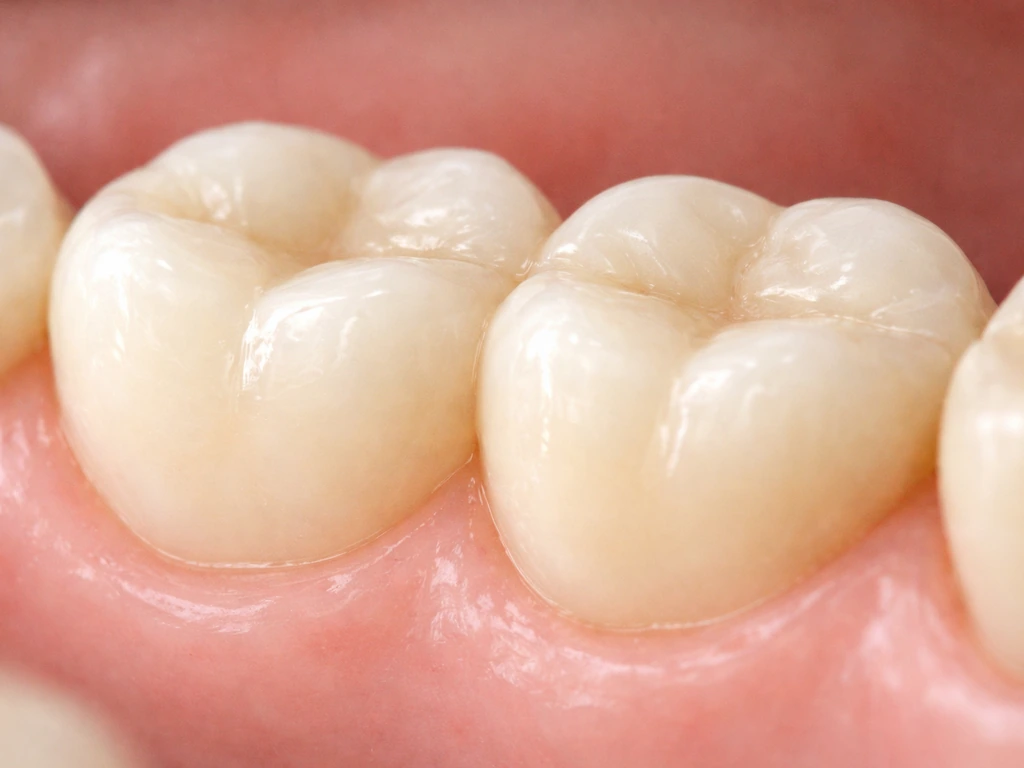
Can Two Teeth Grow Together? Fusion, Ankylosis, and What to Do
Learn if two teeth can really fuse, how it differs from gemination, and what dentists do next with images and treatment.
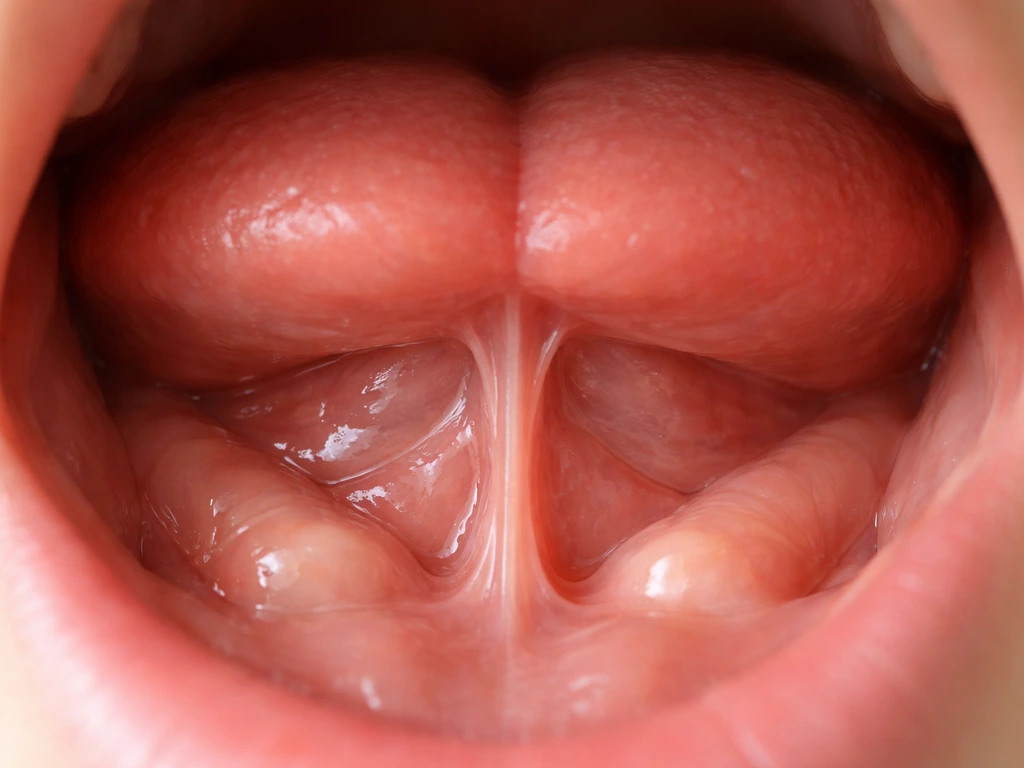
Can Teeth Grow Under Your Tongue? Causes and What to Do
Can teeth grow under your tongue? Learn causes of bumps, real tooth limits, and next steps for urgent evaluation.
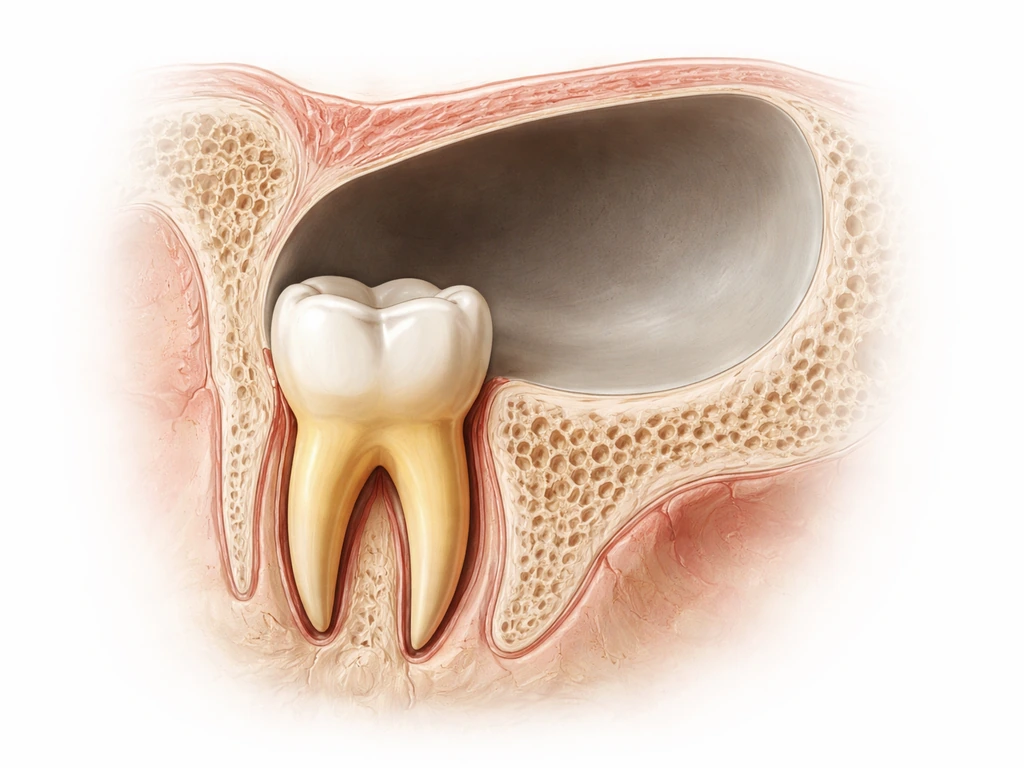
Can a Tooth Root Grow Into the Sinus? What to Know
Can an upper tooth root grow into the sinus? Learn anatomy, X-ray clues, symptoms, tests, risks, and treatment options.