
Here is the short answer every parent deserves upfront: children's teeth, enamel, dentin, and gums cannot truly grow back after they are damaged or lost, with one important exception: the natural eruption of permanent teeth that are already developing under the gums. What parents often mean by 'grow back' is actually one of two very different things, and mixing them up leads to real mistakes in how families treat dental problems. This guide sorts it all out, gives you the biological facts without the jargon, and tells you exactly what to do if something goes wrong today.
Good to Grow Pediatric Dental: Can Teeth Regrow in Kids?

Marcus Holloway
18 Apr 2026
What people actually mean by 'grow' in pediatric dentistry
When parents search for terms like 'good to grow pediatric dental' or 'will my child's teeth grow in,' they are usually asking one of two completely different questions. The first is about normal development: will my child's adult teeth come in after the baby teeth fall out? The answer there is yes, on a predictable timeline. The second question is about regeneration: can a damaged or lost tooth repair itself or grow back? The answer there is almost always no, and understanding why matters a lot for the decisions you make in the next few hours after an injury or in the next few months of managing decay.
The internet has not helped here. Search results mix legitimate pediatric dental practices (some actually named 'Good to Grow' or similar) with biology questions about tooth regrowth, enamel remineralization, and gum recession. Parents end up confused about whether a dentist can somehow trigger regrowth, or whether waiting it out is safe. It is not, in most cases. So let's be precise about what biology allows and what it does not.
Can enamel, dentin, and gums actually grow back in kids?
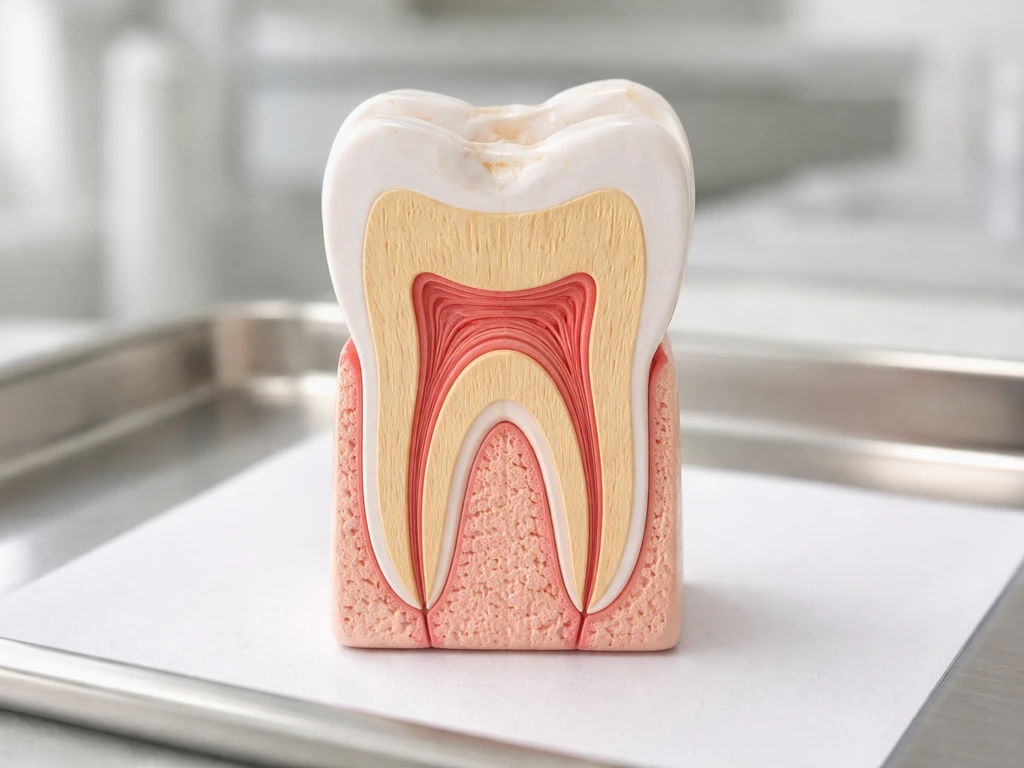
The honest answer is: partially, minimally, and not in the way most people hope. Each dental tissue has a different story.
Enamel: the one that hurts to hear
Enamel is the hardest substance in the human body, and it is made by cells called ameloblasts that are only active while a tooth is forming. Once a tooth fully erupts, those cells are gone. That means enamel cannot regenerate itself. However, enamel can remineralize in the very early stages of decay.
When acid from bacteria dissolves minerals out of the enamel surface (a process called demineralization), fluoride, calcium, and phosphate from saliva and fluoride treatments can deposit minerals back into that weakened zone. This works only when the enamel surface is still physically intact, meaning no cavity has formed yet. Once there is an actual hole in the enamel, remineralization cannot fill it. A dentist must restore it.
In children, whose enamel is thinner and more porous than adult enamel, catching this early matters even more.
Dentin: limited and slow
Dentin, the layer beneath enamel, can produce a small amount of new material called tertiary or reparative dentin in response to injury or decay. This is the pulp's defense mechanism, essentially laying down a thin barrier to protect the nerve. It is not regeneration in any meaningful sense, it is more like scar tissue, and it does not restore the lost tooth structure. For kids with deep cavities approaching the pulp, this slow biological response is no substitute for treatment.
Gums: they don't grow back either
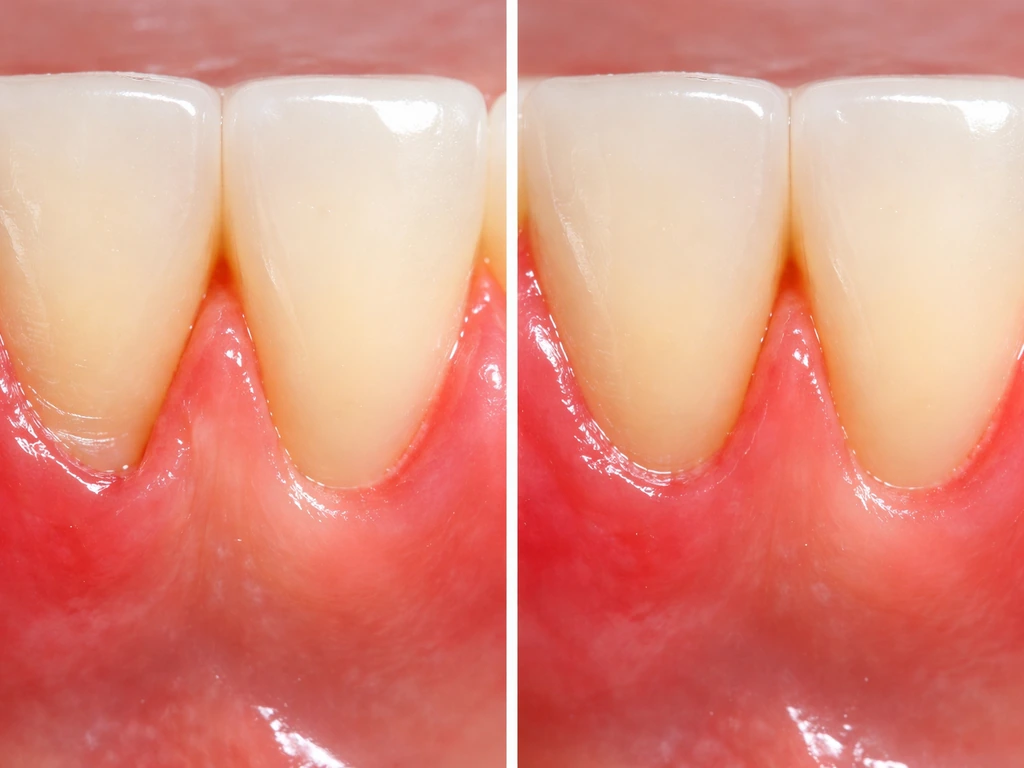
Gum tissue that has receded due to aggressive brushing, gum disease, or trauma does not spontaneously grow back. In adults this is a well-known problem. In children it is less common, but not unheard of, especially around baby teeth that are being aggressively brushed or in kids with certain medical conditions. If gum loss is significant, a graft may eventually be needed. What gums can do is recover from inflammation: if gingivitis (swollen, bleeding gums from plaque buildup) is caught early and treated with good brushing and flossing, the tissue can return to a healthy, firm state. That is healing from inflammation, not actual tissue regrowth.
The normal tooth eruption timeline: what really is supposed to grow
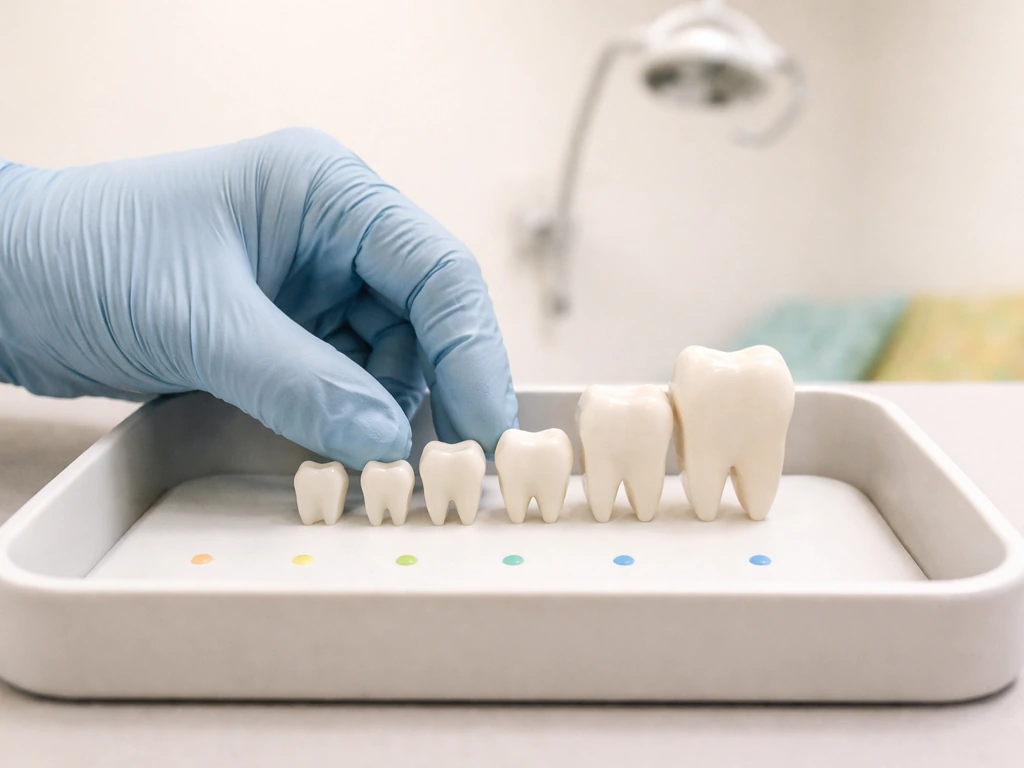
Normal tooth development is the one genuinely reliable form of 'growth' in pediatric dentistry, and it follows a fairly predictable schedule. Knowing it helps parents tell the difference between 'my child's tooth is growing in on schedule' and 'something is delayed or wrong.'
| Teeth | Baby Teeth Erupt | Baby Teeth Fall Out | Permanent Teeth Erupt |
|---|---|---|---|
| Central incisors (bottom) | 6–10 months | 6–7 years | 6–7 years |
| Central incisors (top) | 8–12 months | 6–7 years | 7–8 years |
| Lateral incisors | 9–16 months | 7–8 years | 7–9 years |
| First molars | 13–19 months | 9–11 years | 6–7 years |
| Canines | 16–23 months | 10–12 years | 9–12 years |
| Second molars | 23–33 months | 10–12 years | 11–13 years |
| Second premolars | N/A (no baby version) | N/A | 10–12 years |
| Third molars (wisdom teeth) | N/A | N/A | 17–21 years (often never fully erupt) |
A few things stand out here. First, permanent first molars erupt around age 6 without replacing any baby tooth, so many parents do not realize these are permanent and treat them as expendable. They are not. Losing a first permanent molar in childhood can shift the entire arch and affect bite development for life. Second, there is real variation in these timelines, and being a few months off is usually fine. But if a permanent tooth is more than a year overdue or a baby tooth was lost early due to decay or trauma, a dentist should check whether the underlying permanent tooth is developing properly and whether a space maintainer is needed.
When teeth can come back vs when they absolutely cannot
This is the section parents really need, because the type of damage determines everything about whether nature or a dentist can fix it.
| Situation | Can it come back / heal? | What actually happens |
|---|---|---|
| Early enamel demineralization (white spots, no hole) | Partially, with fluoride and improved hygiene | Remineralization can reverse early decay if caught before a cavity forms |
| Actual cavity (hole in enamel or dentin) | No | Must be drilled and filled; enamel does not regenerate |
| Baby tooth knocked out | No replantation recommended | Primary teeth are not replanted; space management is the focus |
| Permanent tooth knocked out (within 60 min) | Possibly, if replanted quickly | Replantation is viable; survival depends heavily on time and storage method |
| Permanent tooth knocked out (over 60 min dry) | Unlikely long-term survival | Replantation may be attempted but prognosis is poor; root likely to resorb |
| Enamel chip or fracture | No | The fractured piece will not reattach; bonding or crown needed |
| Gum recession from brushing or disease | No (modest healing from inflammation only) | Tissue does not regenerate; severe cases need grafting |
| Baby tooth missing due to early decay (before permanent ready) | No regrowth; gap management needed | Space maintainer prevents drift; permanent tooth still erupts normally if developing |
The clearest rule of thumb: if the damage has already resulted in a structural loss (a hole, a missing tooth, a fractured piece), biology will not fill it in. AAPD’s pediatric trauma guidance on primary teeth avulsion supports that avulsed primary teeth should not be replanted, providing pediatric-specific framing for this type of injury structural loss (a hole, a missing tooth, a fractured piece). The only genuine 'second chance' in the mouth is the natural eruption of a permanent tooth that was already developing. Everything else requires a dentist.
Urgent steps for a knocked-out tooth: do this right now
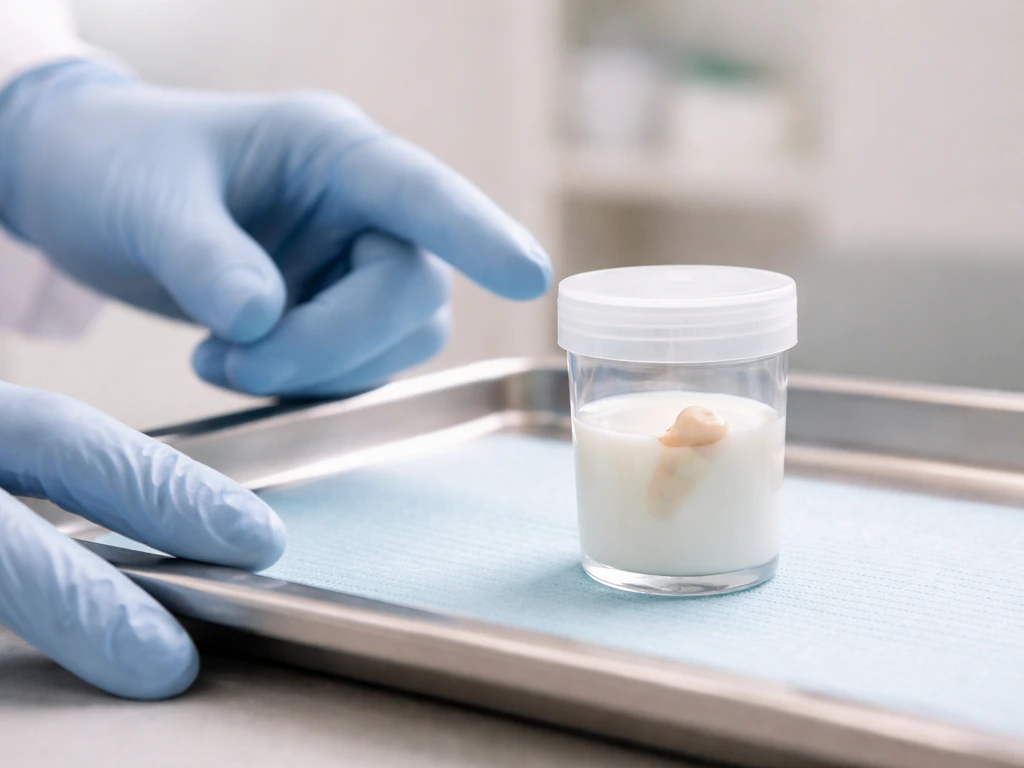
A knocked-out permanent tooth is one of the few dental emergencies where the next 15 minutes genuinely determine the outcome. Here is what to do, in order, without wasting time.
- First, figure out whether it is a baby tooth or a permanent tooth. If your child is under 6 and it is a front tooth, it is almost certainly a baby tooth. Baby teeth should NOT be replanted, per the International Association of Dental Traumatology guidelines. Replanting them can damage the permanent tooth developing underneath. Call a dentist to manage the space and check for injury.
- If it is a permanent tooth: pick it up by the crown (the white part you can see when the tooth is in the mouth), not the root. Do not scrub or wipe the root. Any cells clinging to it are critical for reattachment.
- Rinse it briefly and gently in milk, saline, or the child's own saliva to remove visible dirt. Do not use tap water to rinse or store the tooth. Tap water is hypotonic and will damage the root surface cells quickly.
- Try to replant it immediately into the socket. Have the child bite gently on a clean cloth to hold it in place. Immediate replantation (under five minutes) gives the best outcome.
- If you cannot replant it, store it in cold cow's milk, saline, or the child's saliva. If Hank's Balanced Salt Solution (HBSS, sold as 'Save-A-Tooth') is available, use that. Do not store in tap water or wrap it in a dry cloth or tissue.
- Get to an emergency dentist or emergency room immediately. The clock is running. Under 60 minutes of extraoral dry time is the critical threshold. Over 60 minutes dry, the prognosis drops significantly.
- After replantation, root canal treatment will typically need to be initiated within two weeks.
It is worth saying clearly: the storage medium and time out of the mouth are the two biggest factors in whether a replanted tooth survives. Clinical guidance from multiple sources, including the AAPD and University of Iowa's trauma protocols, consistently points to HBSS or milk as the best interim storage options when immediate replantation is not possible. Milk works well in a pinch because it is readily available and has the right osmolality and pH to keep root cells alive for up to 30 to 60 minutes.
Prevention and treatment that actually protect development
Since regrowth is largely off the table, protecting what is there and what is still developing is everything. If you’re setting up a dental membership plan for your family or patients, the goal is to make prevention and timely care easy to access—especially when regrowth isn’t on the table. The good news is that prevention in kids is genuinely effective when done consistently.
Fluoride: the real remineralization tool
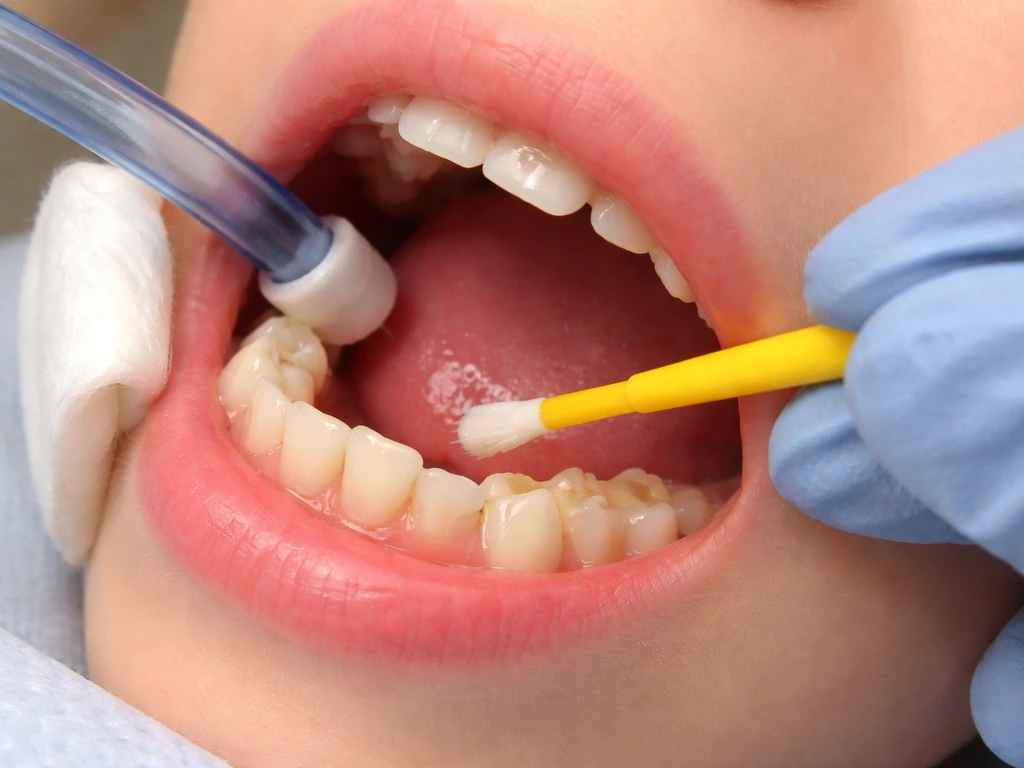
Fluoride works by incorporating itself into the enamel crystal structure, making it more resistant to acid attack, and by promoting remineralization of early lesions. For children, this means fluoridated toothpaste twice a day (a smear for kids under 3, a pea-sized amount for ages 3 to 6), fluoridated water where available, and professional fluoride varnish applied at dental visits. Fluoride varnish applied every 3 to 6 months has strong evidence behind it for reducing cavity rates in kids. It is not a magic shield, but it meaningfully shifts the odds in favor of the tooth.
Dental sealants: the underused protection for molars
Dental sealants are thin plastic coatings applied to the chewing surfaces of back teeth, especially the first and second permanent molars, to fill in the deep grooves where bacteria and food love to hide. The CDC reports that sealants prevent about 80% of cavities in the back teeth where most childhood cavities occur. Yet many kids still do not get them. They are quick to apply, painless, and most dental insurance covers them. If your child's first permanent molars have erupted and they do not have sealants yet, ask about this at the next visit.
Space maintainers after early tooth loss
When a baby tooth is lost earlier than expected (from decay, infection, or trauma), the neighboring teeth will start to drift into the space. This can block or crowd the permanent tooth that is supposed to erupt there. A space maintainer is a simple dental appliance that holds the gap open until the permanent tooth is ready to come in. It does not help the tooth 'grow back,' but it protects the development that is still naturally happening underneath.
Restorative care: fillings, crowns, and pulp therapy
When a cavity is already present, the right move is to treat it, not wait. In children, leaving a cavity in a baby tooth untreated can lead to infection, pain, and damage to the permanent tooth developing below it. Stainless steel crowns are often the most durable option for badly decayed baby teeth and can last until the tooth naturally falls out. Pulp therapy (a pulpotomy, sometimes called a baby root canal) can save a severely decayed baby tooth that is still needed for spacing. These are not last resorts; they are evidence-based tools for protecting normal development.
Habits that protect developing teeth
- Limit juice and sugary drinks, especially from bottles or sippy cups at bedtime, which is a primary cause of early childhood caries
- Start brushing as soon as the first tooth erupts and flossing when two teeth touch
- Use a mouthguard for contact sports and recreational activities like biking or skateboarding, which are common causes of dental trauma in kids
- Schedule the first dental visit by age 1 or within 6 months of the first tooth erupting, whichever comes first, per the AAPD recommendation
- Ask about xylitol-containing products, which have evidence for reducing cavity-causing bacteria in the mouth
How to pick the right pediatric dental approach and what to ask
If you are researching pediatric dental practices, whether it is a practice called Good to Grow Pediatric Dental or any other, the name matters much less than what they actually do and how they communicate it to you. If you’re in Delmar, a pediatric dentistry team can help you protect enamel and manage tooth eruption on the right timeline pediatric dentistry Delmar. Here is how to evaluate any pediatric dental approach or practice with confidence.
If you’re wondering how to grow a dental practice, start by building a team and systems that deliver the kinds of evidence-based prevention and clear communication this guide recommends. If you’re choosing a clinic, look for the kind of team that practices evidence-based pediatric dentistry—like good to grow dental center—with clear explanations and realistic expectations.
Reading reviews the right way
Most positive reviews for pediatric dental practices mention how the staff made a child feel comfortable and whether parents felt informed. Those things matter, but they do not tell you whether the clinical approach is sound. Look for reviews that mention specific treatments explained clearly, whether the dentist discussed prevention (not just fixing existing problems), and whether families felt pressured or genuinely guided. A red flag in any review: a practice that pushes large amounts of restorative work on very young children without a clear explanation, or conversely, one that dismisses visible decay in baby teeth as 'not worth treating since they'll fall out anyway.'
Questions to ask at the first visit
- What is your approach to monitoring early enamel lesions versus treating them immediately?
- Do you apply fluoride varnish at routine visits, and how often do you recommend it for my child's risk level?
- Do you offer sealants, and at what age do you typically recommend them?
- If my child needs a crown on a baby tooth, what material do you use and why?
- How do you handle dental anxiety in kids, and what sedation or behavior management options do you offer?
- What is your protocol if my child has a dental emergency after hours?
- Do you use digital X-rays with reduced radiation exposure?
What a good pediatric dentist will and won't promise
A trustworthy pediatric dentist will never promise that enamel will grow back, that a treated cavity will self-heal, or that a knocked-out permanent tooth is definitely fine if left alone. What they will do is explain the biological reality clearly, outline realistic treatment options with honest prognoses, and focus as much on prevention as on repair. If a dentist is heavy on selling remineralization products as a substitute for treating existing cavities, or vague about the limits of what those products can do, that is worth pushing back on. Remineralization products like fluoride varnish and certain prescription toothpastes are real and useful, but only for pre-cavity, early-stage demineralization, not for actual holes or structural damage.
The bottom line for parents is this: the mouth is not a self-repairing system in the way that skin or bone partially is. Children have one biological advantage that adults do not, which is a full set of permanent teeth still waiting to erupt. Protecting that process, catching problems early, and acting fast in emergencies is the entire game. Nothing in pediatric dentistry replaces those three things, and no product, practice name, or review star rating changes the underlying biology.
FAQ
If my child’s enamel looks “white” after a fall, can it re-harden on its own?
If the white spot is still just a surface change (no hole or rough edge), it may remineralize with fluoride and better home care, but it must be monitored. A dentist should check whether it is truly early demineralization versus a crack or fracture, because cracks and chipped enamel cannot be “filled back” with remineralization products.
My child has a cavity in a baby tooth. Is it ever okay to wait since it will fall out?
Delaying is risky, especially if the cavity is deep, near the nerve, or causing pain, swelling, bad breath, or unusual bite changes. Treating can prevent infection and protect the permanent tooth developing underneath. When the tooth is needed for space guidance, saving the tooth with the right restoration matters even if it will exfoliate later.
What is the difference between remineralization and dental filling, and how do I tell which my child needs?
Remineralization reverses early mineral loss while the enamel surface is still intact, so the area often looks chalky or matte but does not have an actual opening. A filling or crown is needed when there is a cavity, a visible hole, stickiness to a probe, or the tooth feels rough because structure has been lost. The most practical “decision aid” is whether food catches and whether the tooth shows a clear defect, but the dentist must confirm with exam and X-rays.
If a permanent tooth is knocked out, does it matter whether it is baby or permanent that was actually removed?
Yes, but the treatment urgency is specifically for a knocked-out permanent tooth. Baby teeth are not replanted routinely because the roots could damage the developing permanent tooth. If you are unsure which tooth is out, treat it as an emergency and call right away, but the dentist will determine whether replantation is appropriate based on tooth type and development stage.
How long can a knocked-out permanent tooth survive out of the mouth?
Survival depends on minutes and the storage medium. If immediate replantation is not possible, HBSS is preferred and milk is a practical alternative that can support root cell viability for roughly 30 to 60 minutes. The safest next step is to start with rinsing only if needed (no aggressive scrubbing), place it in the recommended medium, and get to urgent pediatric dental care immediately.
Should we brush a knocked-out tooth before putting it back or storing it?
No. Gentle handling is key, avoid scraping the root, and do not disinfect. If it is dirty, a quick, gentle rinse with clean fluid is preferable, but the priority is minimizing time out of the mouth and getting the tooth into an appropriate storage medium and to a clinician quickly.
If my child’s permanent tooth is more than a year overdue, what might the dentist check first?
Often the clinician will take X-rays to confirm the permanent tooth’s position and development, then assess whether a baby tooth has been retained or prematurely lost. If the gap and eruption are affected, they may recommend a space maintainer or orthodontic guidance to reduce the risk of crowding and drifting.
Can gums that receded from hard brushing or gum inflammation return to normal?
If the recession is mainly from inflammation (gingivitis) and tissue health is restored, gum appearance can improve and bleeding can stop. But true recession from tissue loss does not spontaneously refill, and aggressive brushing habits must be corrected. If recession is significant or persistent, the dentist may discuss longer-term options like gum grafting after determining the cause.
Are dental sealants safe for kids who already have some cavities?
Sealants are best for preventing new cavities on clean, non-cavitated grooves. If a spot already has a cavity, it usually needs treatment first, then sealants may be applied to other areas that are still intact. The dentist will map which teeth are ready for sealants based on exam and X-rays.
What should we do about a space maintainer if my child lost a baby tooth early?
Do not skip the follow-up, because the maintainer must fit the child’s eruption pattern and may need adjustment. Some kids outgrow appliances or tolerate them poorly, so ask how long it is expected to stay in place and how the team will monitor eruption. If the permanent tooth does not erupt as planned, the dentist may need to reassess alignment.
How can we spot a practice that is overpromising about “tooth regrowth”?
A good sign is realistic language, clear explanations of limits, and a focus on prevention and early intervention. A red flag is claiming that enamel or cavities will “heal back” after a hole is already present, or pushing remineralization products as a substitute for proper restorations. You should expect honest prognoses for fractured teeth, deep decay, and any trauma-related injuries.
What preventive routine matters most between dental visits for protecting teeth in kids?
Consistency usually beats complexity. The core is brushing with the appropriate fluoride toothpaste amount, daily cleaning between teeth when plaque gets trapped, and keeping sugary snacks and drinks less frequent. If your child is high risk for cavities, ask whether their dentist recommends additional support like more frequent varnish applications or specific cavity-prevention products beyond standard toothpaste.
Next Articles
Good to Grow Dental Center: What Can Regrow Teeth Safely
Safely regrow teeth? Learn what regrowth is possible, what is myth, and how to evaluate claims and next steps.
Good to Grow Dental: What Can Grow Back and What Can’t
What can regrow in dental tissues and what can’t, plus age timelines, wisdom teeth, and evidence-based treatment options
Where Smiles Grow Pediatric Dentistry in Delmar: Find Us Fast
Find Where Smiles Grow in Delmar fast: pediatric dentist address, hours, booking tips, and dental regrowth facts for par