Here is the short, honest answer: adults cannot grow back a lost tooth. Not naturally, not with supplements, not with any "oil pulling" routine you read about online. But that is not the whole story, because the question "how to grow back teeth" actually covers several very different things, and some of them do have real, evidence-based answers. Gum tissue can partially recover. Early enamel damage can remineralize. Children still developing their permanent teeth may simply be waiting for a tooth that is already on its way. Knowing which situation applies to you changes everything.
How to Grow Back Teeth: What’s Possible and Next Steps

Marcus Holloway
6 Apr 2026
What "growing teeth back" can and can't mean
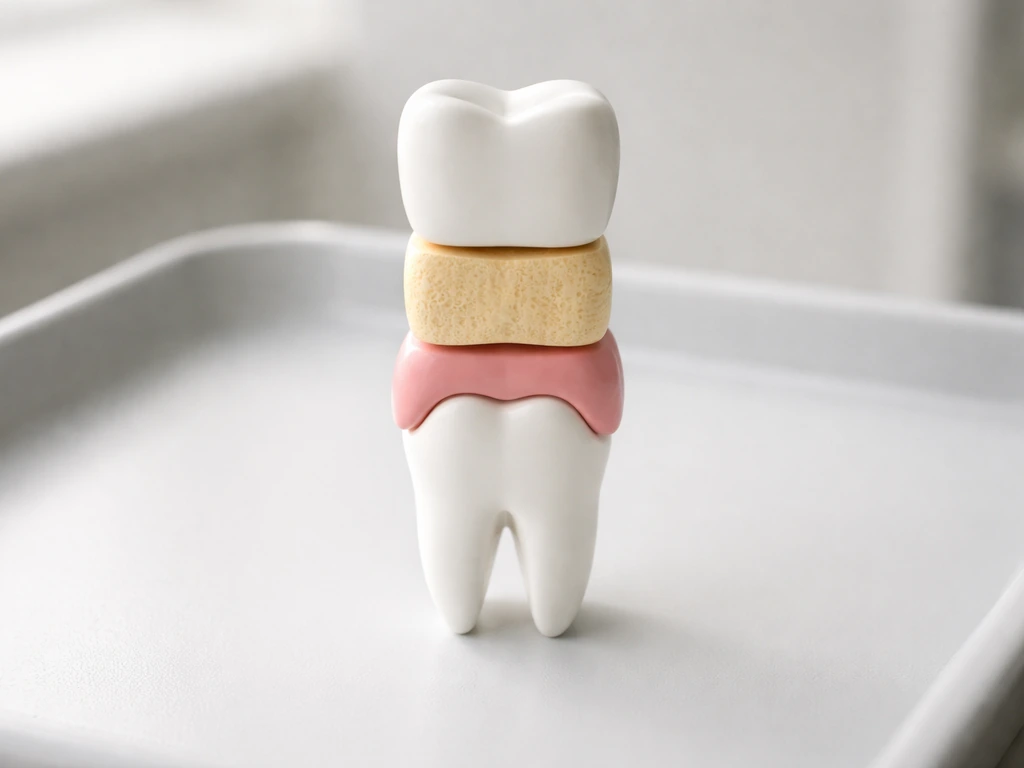
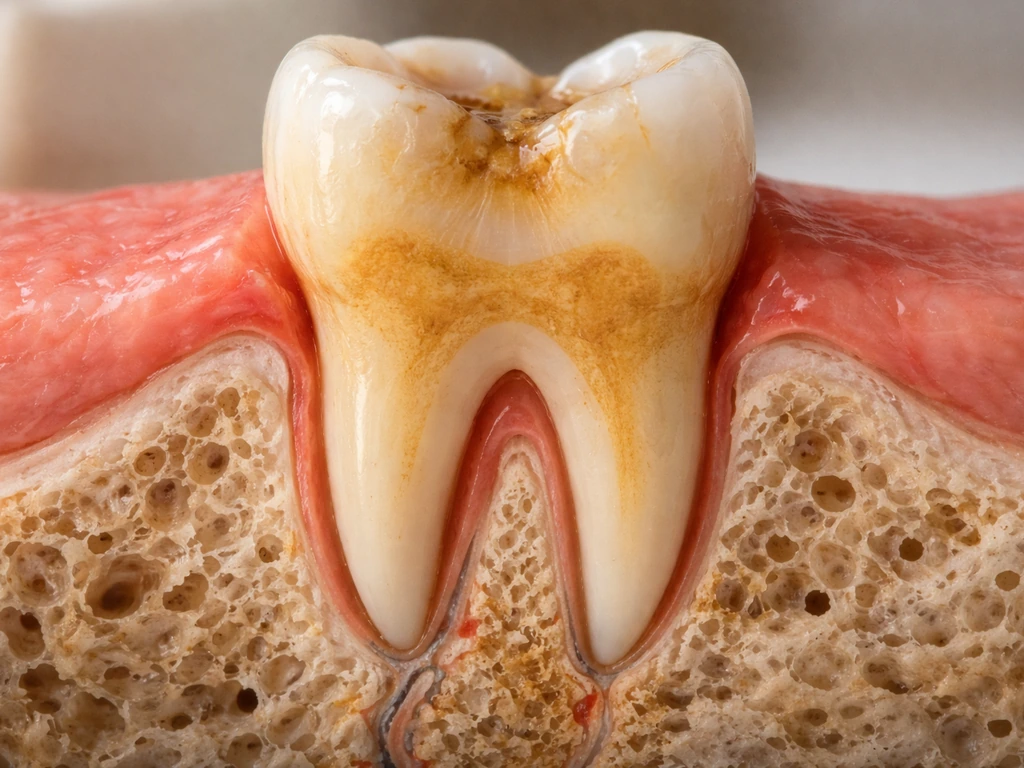
When people search for how to grow teeth back, they usually mean one of four things: regrowing lost enamel, regrowing dentin, regrowing gum tissue, or regrowing an entire tooth. These are completely different biological problems, and lumping them together is where most of the confusion starts.
- Enamel: The hard outer layer of the tooth. Enamel that has been fully destroyed cannot regrow. Period. It is acellular after the tooth erupts, meaning there are no living cells left in it to produce new enamel. What is possible is remineralization, where minerals like calcium and phosphate are redeposited into partially damaged (but not yet fully destroyed) enamel. That is a real and useful process, but it is not the same as regrowing enamel.
- Dentin: The layer beneath enamel. The pulp-dentin complex can form a type of repair tissue called reparative dentin when it is injured, but this is more of a patching response than true physiological regeneration. Research on stem-cell-based dentin regeneration exists but is not yet a routine clinical option.
- Gums: Gum tissue is the most realistically "improvable" structure on this list. Inflamed, diseased gum tissue can recover to some degree with proper periodontal care, though severely receded gum tissue does not fully grow back on its own without surgical intervention.
- Whole tooth: Currently, no proven clinical therapy exists to regenerate a complete tooth in an adult human. Stem-cell-based full tooth regeneration is experimental and not available outside of research settings.
If you are wondering about how to grow new teeth in a more general biological sense, the honest framing is: you are largely working with what you have, but you can do a lot to protect and support what remains.
Why adult teeth don't regrow
Humans are diphyodonts, meaning we get exactly two sets of teeth: primary (baby) and permanent. Most other mammals work the same way. Unlike sharks, which grow teeth continuously throughout life, or some rodents with ever-growing incisors, human dental biology stops producing new teeth after the permanent set erupts. This is not a design flaw you can work around with the right diet or supplement. It is how our biology is structured.
Enamel is the clearest example of this limitation. After a tooth erupts, the cells responsible for producing enamel (ameloblasts) are no longer present in the tooth. What you see is what you get. So when someone asks whether enamel can "grow back," the answer from basic dental biology is no, not in the way you might hope.
[Mature enamel cannot regenerate itself](https://pmc. ncbi. nlm. nih.
gov/articles/PMC4226000/) because enamel is formed by cell populations that are lost after tooth eruption, so mature enamel is acellular and non-regenerative. The remineralization process the ADA describes, where calcium returns to partially demineralized enamel during the early stages of a cavity, is genuinely protective, but it only works on early surface damage. If the enamel is gone, it is gone.
Dentin is slightly more dynamic because the pulp-dentin complex contains living cells called odontoblasts. When dentin is injured, these cells can lay down a layer of reparative calcified tissue. But research is clear that this is more of a defensive wall than true regeneration, and the adult dentin-pulp complex lacks the reliable capacity to regenerate physiological dentin through routine clinical methods. Stem cell therapy for dentin-pulp regeneration is an active research area, but it is still experimental.
As for a whole tooth: full organ-level tooth regeneration via stem cells has been demonstrated in animal models, but translating that into a clinically available human therapy is a much bigger step that has not yet happened. If you read a headline claiming otherwise, read the fine print.
When regrowth is actually possible: kids, teens, and developing teeth
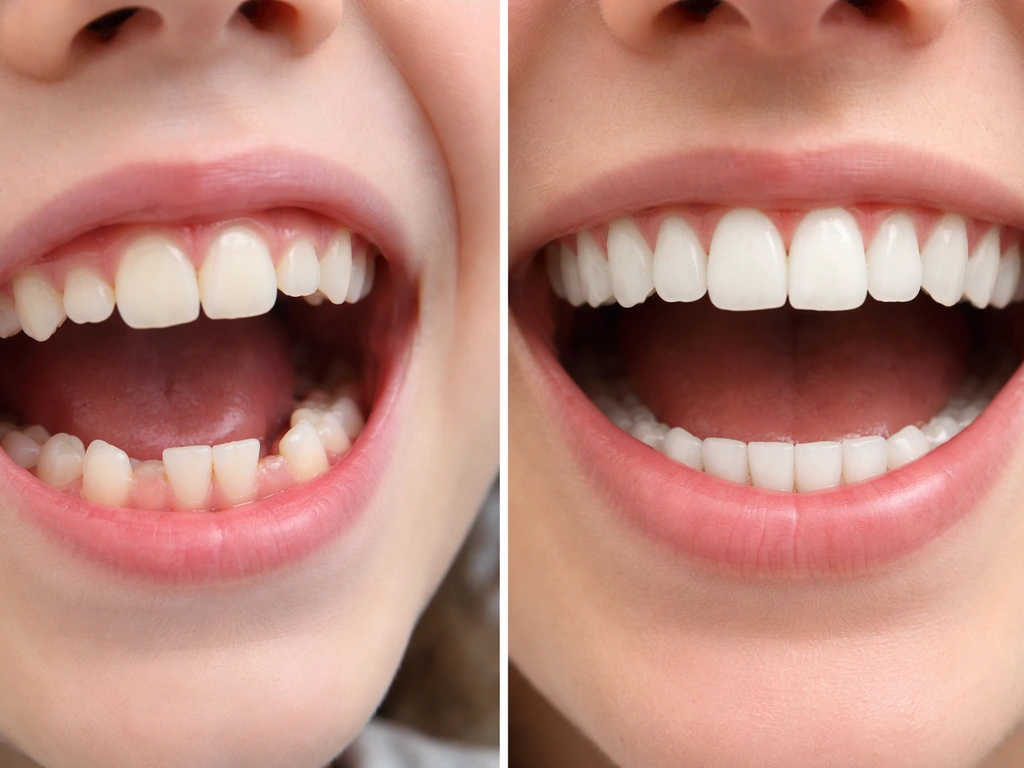
If you are a parent reading this because your child seems to be "missing" a tooth, there is a real chance the tooth simply has not erupted yet. Permanent teeth follow a fairly predictable schedule: the first permanent molars and central incisors typically appear around age 6 to 7, lateral incisors around 7 to 8, canines around 10 to 13, and premolars and second molars filling in through the early teen years. If a child is 7 and a tooth has not appeared, that is often completely normal development, not a missing tooth.
For children and teens whose permanent teeth are still forming or erupting, the "how to grow back" question sometimes reframes itself naturally. A baby tooth that fell out early does not mean the permanent tooth is gone; that permanent tooth is still developing in the jaw and will erupt on its own schedule, assuming the underlying tooth bud is healthy. Questions like my teeth are small, will they grow often come from parents comparing their child's newly erupted permanent teeth to fully mature adult teeth, which is not a fair comparison because permanent teeth are not fully developed the moment they break through the gum line.
The key message for kids and teens: the window for natural tooth development is real, but it closes. Once a permanent tooth is lost in a child, the tooth bud is gone and that tooth will not be replaced naturally. Early dental evaluation is important any time a child has had a tooth knocked out, lost a tooth earlier than expected, or shows a significant delay in eruption compared to typical timelines.
Gum and bone: what you can realistically improve
This is where realistic hope lives for most adults asking this question. Gum tissue and the supporting bone structure of the jaw are far more responsive to treatment than enamel or a lost tooth. In the early stages of gum disease (gingivitis), inflamed gum tissue can return to a healthy state with thorough, consistent oral hygiene, sometimes within a few weeks. Periodontitis (the more advanced stage where bone is affected) is a different situation: the bone loss that occurs does not spontaneously reverse, but the disease process can be halted and sometimes partially reversed with professional treatment.
The American Dental Association notes that after scaling and root planing (the deep cleaning procedure used for periodontitis), periodontal tissues typically need about four weeks to show the optimal effects of nonsurgical therapy. That is a real and meaningful timeline, not a magic fix, but it tells you that improvement is measurable and achievable within a month of proper treatment. For more significant recession or bone loss, a periodontist may discuss surgical options including bone grafting or guided tissue regeneration, which can restore some of what was lost.
What you cannot do is regrow severely receded gums through brushing and flossing alone. These habits are essential for stopping further recession and creating the conditions for healing, but they do not reverse structural tissue loss that has already occurred. If your gums have pulled back noticeably and your tooth roots are exposed, that is a conversation for a periodontist, not a home remedy.
Natural and medical options that are actually evidence-based
Let's separate what works from what gets repeated on wellness blogs but has no real dental science behind it.
Things that genuinely help
- Fluoride: Supports remineralization of early enamel damage. Fluoride toothpaste (1,000 to 1,500 ppm for adults) used twice daily is one of the most evidence-backed habits in dentistry. It will not regrow destroyed enamel, but it helps arrest early cavities and strengthens the enamel that remains.
- Consistent brushing and flossing: The mechanical removal of plaque is the foundation of gum health. Soft-bristled brush, twice daily, along the gum line. Flossing once daily. No shortcut replaces this.
- Diet adjustments: Reducing frequency of acidic and sugary foods and drinks reduces the acid attacks on enamel. Drinking water after meals helps neutralize acid. Dairy products, including milk and cheese, provide calcium and phosphate that support enamel health. The question of does milk help your teeth grow has a real answer: calcium from dairy supports both developing teeth in children and the remineralization process in adults.
- Hydroxyapatite toothpastes: Emerging evidence supports hydroxyapatite (a synthetic form of the mineral in enamel) as an alternative to fluoride for remineralization. It will not regrow enamel, but it can support surface repair.
- Scaling and root planing for periodontitis: Performed by a dentist or periodontist, this procedure removes built-up tartar from below the gum line and is the standard of care for treating active gum disease.
- Quitting smoking and tobacco use: Smoking significantly impairs gum healing and is one of the major risk factors for periodontitis. Quitting produces measurable improvement in gum health outcomes.
- Managing dry mouth: Saliva is your mouth's natural defense against acid and bacteria. If you take medications that cause dry mouth, talk to your dentist about strategies to increase saliva flow, including prescription fluoride or saliva substitutes.
Things that don't actually regrow teeth
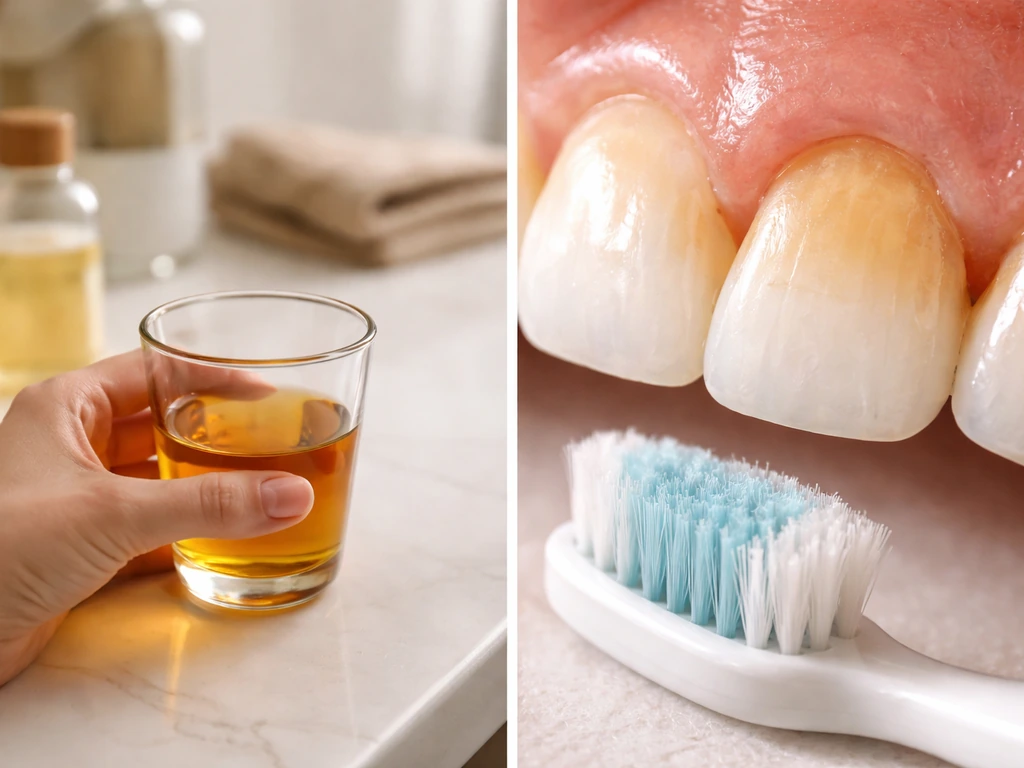
Oil pulling has been studied and does not regenerate teeth, enamel, or gum tissue. Activated charcoal, despite being marketed as a tooth restorer, is abrasive and can actually wear away enamel. "Remineralizing" powders that claim to regrow enamel are misusing the word remineralization, which only applies to early, partial enamel damage, not full enamel loss. No supplement, essential oil, or herbal product has demonstrated the ability to regenerate a lost tooth structure in a human clinical setting.
Understanding what helps teeth grow means understanding the biology: it is mostly about creating conditions where your body's natural repair processes (and the remineralization process) can function effectively, not about triggering some latent regrowth mechanism that your teeth actually do not have.
Supporting enamel specifically
If your concern is enamel, the practical approach is protecting what you have and maximizing remineralization of early damage. Knowing how to grow teeth enamel back is really about understanding that remineralization is your ceiling, not regrowing a new enamel layer, and building your habits around that reality. The more clinically useful framing is: how do I stop losing enamel, and how do I support what remains? That means fluoride, reduced acid exposure, and staying on top of early cavities before they breach the enamel layer entirely. The ADA notes that toothpastes bearing the ADA Seal of Acceptance for cavity protection must contain blank" rel="noopener noreferrer">fluoride.
For a deeper look at remineralization specifically and what the evidence actually supports, the article on how to grow back enamel covers the science and practical steps in more detail.
Timelines and what to realistically expect
| Goal | Realistic Outcome | Expected Timeline |
|---|---|---|
| Reverse early enamel demineralization (pre-cavity) | Remineralization possible with fluoride and diet changes | Weeks to months with consistent habits |
| Treat gingivitis (early gum disease) | Gums return to healthy state with proper brushing, flossing, and professional cleaning | 2 to 4 weeks of consistent care |
| Treat periodontitis (advanced gum disease) | Halt progression; partial tissue improvement after scaling and root planing | 4 weeks post-treatment for measurable improvement; ongoing monitoring |
| Recover from severe gum recession | Partial recovery possible with periodontal surgery (grafting) | Months, requires professional treatment |
| Regrow a lost permanent tooth (adult) | Not currently possible through any natural or clinical means | No timeline; redirect to implant, bridge, or denture options |
| Eruption of a developing tooth (child/teen) | Normal eruption if tooth bud is healthy | Weeks to years depending on tooth type and age |
The four-week mark after professional periodontal cleaning is a meaningful checkpoint. If your dentist or periodontist performed scaling and root planing, you should have a follow-up evaluation around that time to assess how the tissue responded. Do not skip that appointment. It determines whether nonsurgical treatment was sufficient or whether a surgical approach is needed.
Red flags, safety, and myths to stop believing
See a dentist urgently if you notice
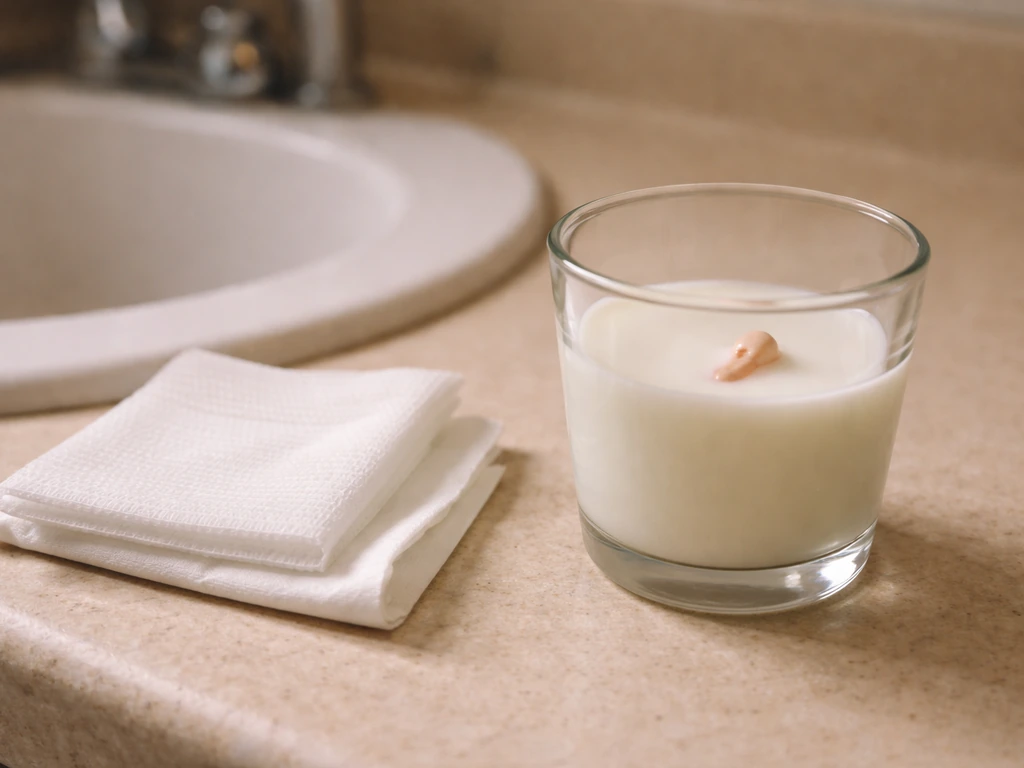
- A tooth that has been knocked out (avulsed): you have roughly 30 to 60 minutes to attempt reimplantation, and the tooth should be kept moist (in milk or between your cheek and gum) on the way to the dentist
- A loose permanent tooth in an adult (not a child with a baby tooth), which can indicate significant bone loss or trauma
- Visible tooth root exposure with sensitivity, which suggests gum recession that needs professional evaluation
- Persistent toothache or swelling, which can signal infection that will not resolve on its own
- A child over age 8 who has not begun erupting any permanent teeth, warranting X-ray evaluation
- Bleeding gums that do not improve after two weeks of improved oral hygiene
Common myths to drop
- Myth: "You can regrow enamel naturally with the right diet." Fact: Diet supports remineralization of early damage and prevents further loss, but cannot restore destroyed enamel.
- Myth: "Oil pulling can regenerate teeth or reverse gum disease." Fact: No clinical evidence supports oil pulling as a treatment for tooth or gum regeneration.
- Myth: "A tooth that fell out means no tooth will grow there." Fact: For children, a lost baby tooth does not mean the permanent tooth is lost; the permanent tooth bud is still developing. For adults who lose a permanent tooth, there is no natural replacement.
- Myth: "Stem cell supplements can grow back teeth." Fact: Stem cell tooth regeneration is experimental, not available commercially, and no supplement activates it.
- Myth: "Charcoal toothpaste restores teeth." Fact: Activated charcoal is abrasive and may worsen enamel loss over time.
- Myth: "If it does not hurt, the tooth is fine." Fact: Significant gum disease and enamel loss can progress with no pain at all until the damage is severe.
The bottom line is this: for adults, the goal is protection, remineralization of early damage, and treating gum disease professionally before it progresses. For children and teens, the goal is understanding the normal eruption timeline and getting X-rays when something seems off. For everyone, the single most effective "regrowth" step you can take today is booking a dental exam if you have not had one in the past year, being honest with your dentist about what you are seeing, and building a consistent home care routine that gives your gum tissue and remaining enamel the best possible environment to stay healthy.
FAQ
If I lost an adult tooth, are there any situations where it can come back naturally?
In general, no. Adult teeth are not replaced once lost, because humans do not continue forming new teeth after the permanent set erupts. The exception is not natural “regrowth,” it is that a tooth may have been missing because it never erupted yet, such as in children or teens, where X-rays can confirm whether the tooth bud is still developing.
Can fluoride or remineralization reverse early cavities before they cause permanent damage?
Sometimes, yes, but only when the problem is early and limited to demineralization on the surface layer. Once a cavity has progressed into a real lesion that has broken through enamel, “remineralizing” will not restore the lost structure, and treatment is needed to stop progression.
How do I know whether my enamel loss is early (reversible) versus fully gone (not reversible)?
The distinction usually requires a dentist’s exam and bitewing or other dental imaging, sometimes with visual and tactile cues like staining, softness, and sensitivity. At home, do not rely only on sensitivity, because dentin exposure and gum recession can also cause pain. Ask your dentist to grade whether you have early enamel demineralization or established enamel loss.
My gums look like they have receded. Can I regrow them with better brushing or flossing?
Improving brushing and flossing is essential to stop further recession, but regrowth of lost gum tissue is not a typical outcome for people with established recession and exposed root. If you have noticeable root exposure, a periodontist can discuss options like grafting or guided tissue regeneration, depending on the cause and defect type.
How long should I wait after deep cleaning (scaling and root planing) to see if gum disease is improving?
A common checkpoint is about four weeks after nonsurgical periodontal therapy, because tissues often take time to settle after inflammation decreases. Your dentist or periodontist should reassess bleeding, pocket depths, and tissue response at follow-up, which determines whether nonsurgical care was enough.
What is the biggest mistake people make when trying to “grow teeth back” online?
Chasing products that claim true regeneration, like oils, charcoal, or “enamel regrowth” supplements. These do not restore lost tooth structures in a predictable, clinically proven way, and some can worsen things, for example abrasives that increase enamel wear. Focus on diagnosis, stopping the disease process, and evidence-based remineralization when damage is early.
Is oil pulling or charcoal toothpaste ever useful for dental health?
Oil pulling is not shown to regenerate enamel, dentin, or gum tissue, and it should not replace brushing, flossing, and fluoride use. Charcoal products can be abrasive, and abrasion can increase enamel wear over time. If you want an abrasive-free approach, stick to fluoride toothpaste and ask your dentist about sensitivity-safe options.
If my child’s permanent tooth is delayed, when should I stop assuming it is normal?
Some delays are within normal variation, but significant delay compared with typical eruption patterns, lack of eruption when expected, or a history of trauma are reasons to request X-rays. A dentist can check whether the tooth is simply erupting later or whether there is an issue with the underlying tooth bud.
Can a knocked-out baby tooth affect the development of the permanent tooth?
It can. While a baby tooth is temporary, trauma can sometimes influence the developing permanent tooth depending on timing and severity. If your child’s tooth was knocked out or injured, it is wise to bring them in promptly so the clinician can evaluate and monitor the permanent tooth bud using clinical exam and imaging.
What home routine best supports “repair,” even if it cannot regrow a lost tooth?
Use fluoride toothpaste consistently, limit frequent acid exposure from snacks and sugary drinks, and maintain meticulous plaque control with technique that does not injure gums. If you are prone to gum recession or sensitivity, ask your dentist whether a soft-bristle brush, a specific toothpaste formulation, or additional periodontal support tools would be appropriate.
When should I seek a specialist instead of waiting for my next routine dental visit?
Seek a periodontist if you have visible gum recession with exposed roots, bone-level concerns, or persistent bleeding and deep pockets. For suspected enamel breakdown, schedule with a general dentist soon so the diagnosis can guide whether you are in an early remineralization window or need restorative care.
Next Articles
How to Grow Teeth Enamel: What Works and What Doesn’t
Learn what works to strengthen enamel and partially remineralize it, plus what can’t regrow and a daily routine.
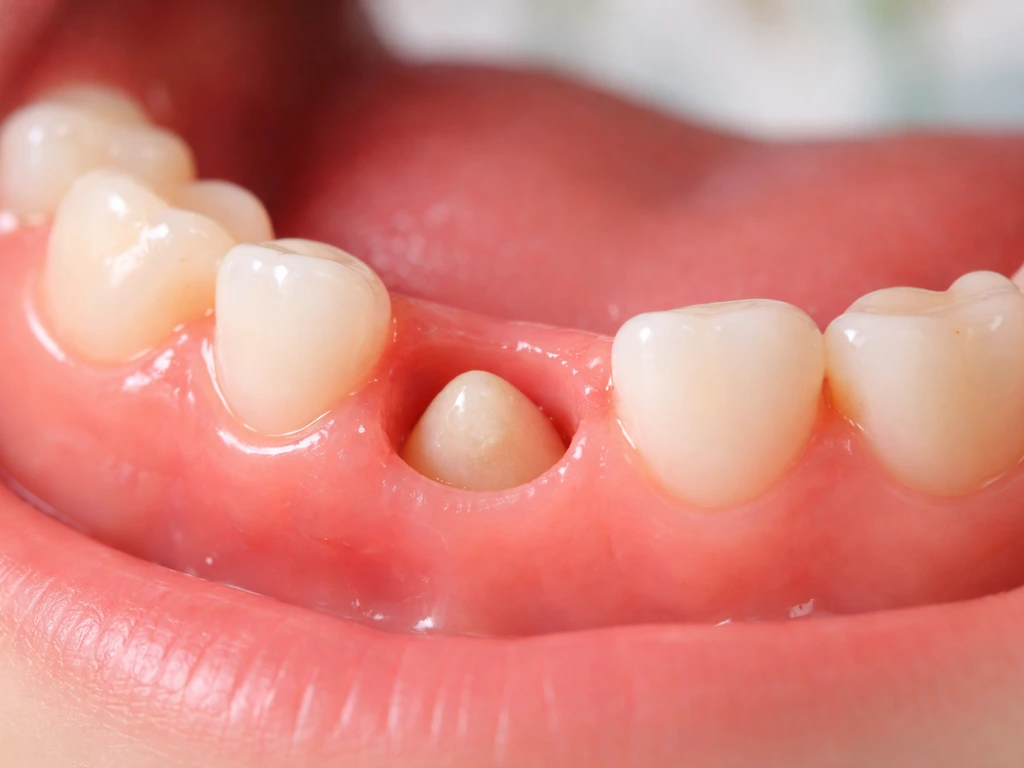
Do Milk Teeth Grow Back? Timelines, What to Do, Red Flags
Learn if milk teeth regrow, typical timelines for permanent teeth, what to do after loss or injury, and red flags.
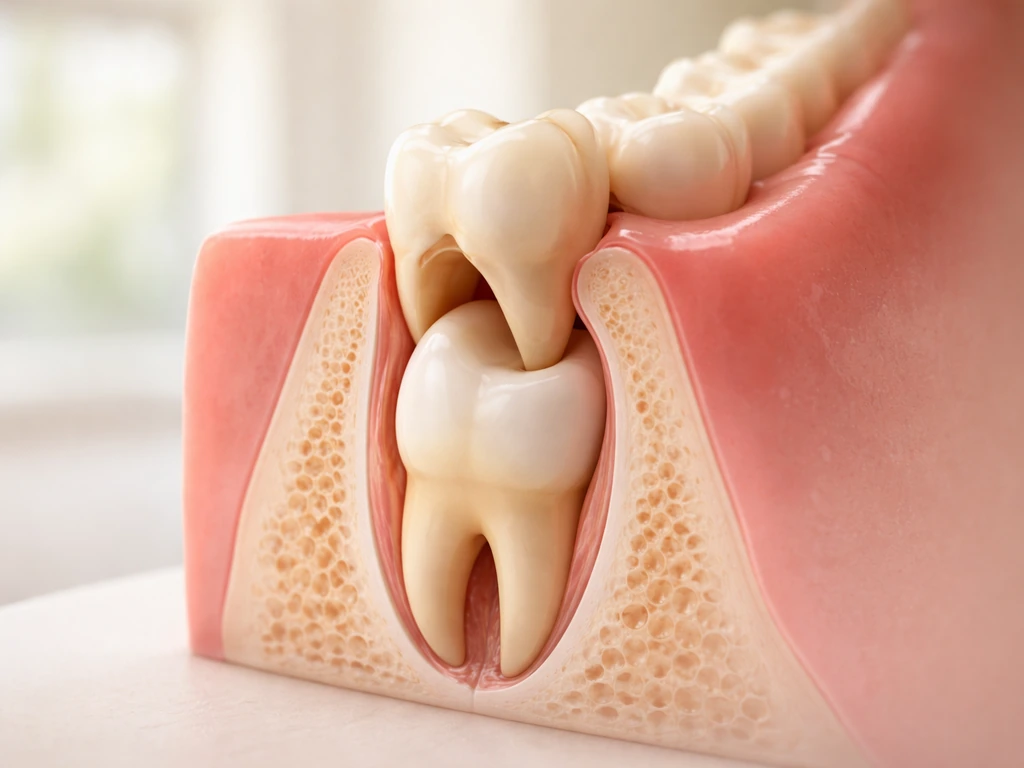
Can Milk Teeth Grow Twice? Replacement vs True Regrowth
Can milk teeth grow twice? Learn why baby teeth usually only get replaced, not regrown, and what to do if one falls out