Teeth grow through a tightly scheduled biological process called eruption, and what helps that process go smoothly is a combination of genetics, good nutrition, overall health, and solid oral hygiene. There is no supplement, food, or trick that makes teeth erupt significantly faster than your biology allows. But there are real, evidence-based things you can do to support normal development, avoid delays, and protect the teeth that are already there. If you are asking, “my teeth are small will they grow,” it helps to first clarify whether you mean eruption timing in children or regrowth, because they are very different processes.
What Helps Teeth Grow: Diet, Habits, and Timelines

Marcus Holloway
24 Apr 2026
What 'teeth grow' really means: eruption vs regrowth
When most people ask what helps teeth grow, they are usually thinking about one of two very different things: tooth eruption (a new tooth pushing through the gum for the first time) or tooth regrowth (a lost or damaged tooth coming back). These are not the same thing, and understanding the difference saves a lot of frustration.
Eruption is a complex, organized biological process. Your tooth forms inside the jaw, and a structure called the dental follicle orchestrates bone remodeling along an eruption pathway, guided by signaling molecules and a physical cord of tissue called the gubernacular cord. The tooth migrates upward through the bone and gum in a scheduled, developmental sequence. This is active tooth 'growing' in the truest sense.
Regrowth is a different story. Once a permanent tooth is lost, it does not grow back. Enamel, the hard outer shell of your tooth, is produced by cells called ameloblasts that disappear after the tooth finishes forming. Without those cells, your body has no mechanism to manufacture new enamel. Dentin has a slightly different story in that odontoblasts can produce a little reactive dentin under certain conditions, but this is limited repair, not regeneration. The bottom line: human teeth do not regenerate like a lizard's tail. Claiming otherwise is not biology, it is marketing.
So when this article talks about what helps teeth grow, it means what supports healthy, on-time eruption in children and teens, what protects already-erupted teeth from damage, and what modest remineralization is actually possible for enamel (hint: it is not the same as regrowing enamel from scratch).
Normal eruption timeline: who can grow teeth and who can't
Your age and dental stage determine whether any tooth 'growing' is happening at all. Here is how the timeline actually works.
Babies and toddlers (primary dentition)

Primary teeth typically start erupting around 6 months of age and the full set of 20 baby teeth is usually in place by age 3 to 6. Upper central incisors tend to come in around 8 to 12 months. There is about a 6-month window of normal variation around most eruption dates, so a tooth arriving a bit early or late does not automatically mean something is wrong.
Children and teens (mixed and permanent dentition)
The mixed dentition phase, when kids have both baby and permanent teeth, runs roughly from age 6 to 13. Permanent mandibular (lower) incisors typically erupt around age 6 to 7, and permanent maxillary (upper) incisors come in around ages 7 to 9. The rest of the permanent teeth follow in waves through the early teen years. This is the window when nutrition, oral hygiene, and overall health have the most meaningful influence on how teeth develop.
Teens and young adults (wisdom teeth)
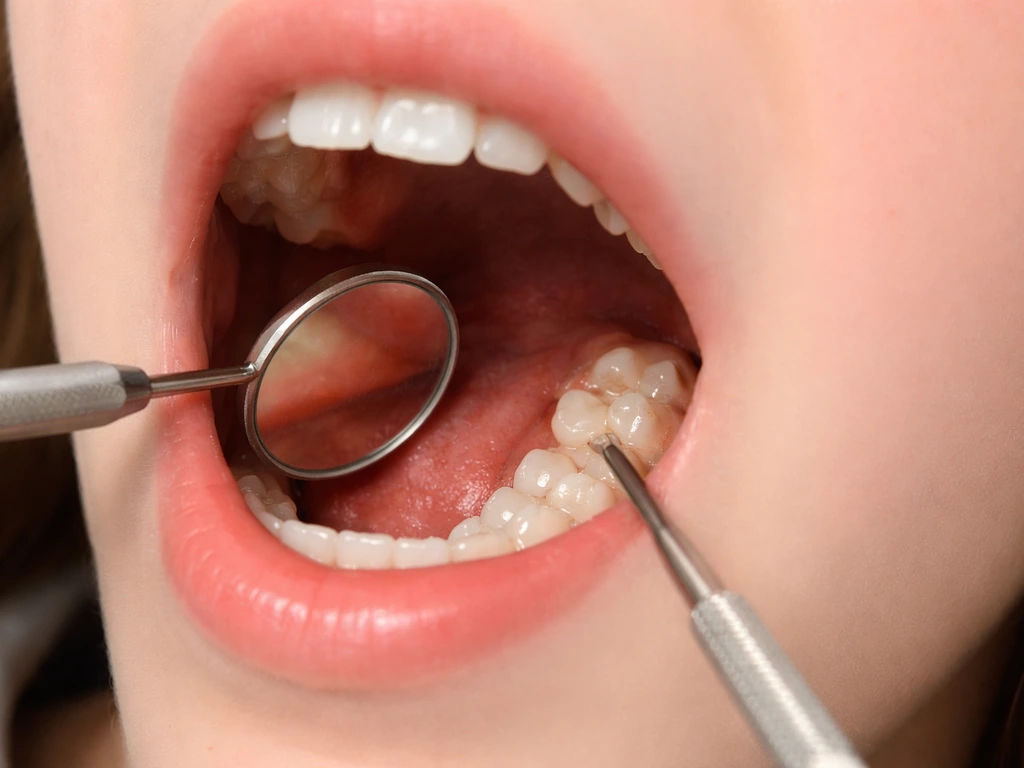
Third molars, better known as wisdom teeth, are the last teeth to erupt. They typically come in between ages 17 and 25, though the range is wide. Wisdom teeth are a common reason young adults feel like teeth are 'growing' in their late teens. Impaction, pain, and partial eruption are frequent issues because modern jaws often do not have room for them.
Adults (no new tooth growth)
Once the permanent dentition is fully erupted, no new teeth are forming or waiting to erupt (assuming no unerupted supernumerary teeth, which are rare). Adults who lose a tooth are done. That tooth is not coming back without dental intervention like an implant or bridge. If you are looking for options after a tooth is lost, the main pathways are dental interventions like implants or bridges rather than true regrowth. If you have been reading about 'natural tooth regrowth' protocols for adults online, you are looking at misinformation.
What actually drives tooth development in biology (and what doesn't)
People want to know if there is something they can take or do to make teeth grow faster. The honest answer is that eruption speed is primarily set by your genetics, regulated by hormones, and supported by nutrition. You can remove obstacles and meet nutritional needs, but you cannot override the biological clock.
- Genetics: The schedule and shape of your teeth is largely inherited. Genetic variations can cause hypodontia (missing teeth entirely) or oligodontia, conditions where certain teeth simply never develop. No diet fixes this.
- Hormones: Growth hormone, thyroid hormone, and parathyroid hormone all influence eruption timing. Hypothyroidism, hypopituitarism, and hypoparathyroidism are known systemic causes of delayed eruption. Children with growth hormone deficiency can experience measurable delays in permanent tooth eruption, including first molars and incisors.
- Dental follicle signaling: The dental follicle coordinates bone remodeling through PTHrP signaling and controls the pathway the tooth uses to erupt. Disruptions here cause eruption disorders that no home remedy will fix.
- Local factors: Physical barriers like a thick gum pad, a retained baby tooth, a cyst, or a benign tumor can physically block a tooth from erupting. These need clinical management.
- Medications: Certain medications are documented to delay eruption as a side effect.
- Nutrition: Severe deficiencies in key nutrients impair tooth formation and oral tissue health. Meeting nutritional needs supports development; exceeding them does not speed things up.
What does not drive faster eruption: supplements beyond meeting your baseline requirements, special toothpastes marketed as 'tooth growing' products, oil pulling, remineralizing serums, or any food used in excess. There is no evidence that any of these moves the eruption timeline forward in a healthy child.
Foods and nutrients that support tooth development (and their real limits)
Nutrition genuinely matters during the years teeth are forming and erupting. Deficiencies in several key nutrients are linked to structural problems in teeth, delayed development, and gum tissue issues. But getting more than enough of these nutrients does not make teeth erupt ahead of schedule. Think of it like watering a plant: not enough water harms it, but drowning it does not make it bloom faster.
| Nutrient | Role in Tooth Development | Best Food Sources | What Deficiency Causes |
|---|---|---|---|
| Calcium | Primary mineral in enamel and dentin; essential for hardness and structure | Dairy, fortified plant milks, leafy greens, almonds | Weak enamel, poor bone/jaw development |
| Phosphorus | Works with calcium to mineralize enamel and dentin | Meat, fish, eggs, dairy, beans | Impaired mineralization of tooth structure |
| Vitamin D | Regulates calcium and phosphorus absorption; supports bone and jaw growth | Fatty fish, fortified milk, egg yolks, sunlight | Rickets, delayed eruption, enamel hypoplasia |
| Vitamin C | Critical for collagen in gum tissue and periodontal ligament; needed for normal dentin formation | Citrus, bell peppers, strawberries, broccoli | Scurvy: abnormal dentin, gum bleeding, poor wound healing |
| Protein | Building block of organic tooth matrix (collagen framework before mineralization) | Meat, fish, dairy, legumes, eggs | Underdeveloped tooth structure, poor tissue repair |
| Fluoride | Integrates into enamel during development to make it more acid-resistant; supports remineralization after eruption | Fluoridated water, fluoride toothpaste | Increased cavity risk; does not impair development but leaves enamel more vulnerable |
A note on fluoride: it does not make teeth erupt faster, but it does two important jobs. During tooth formation, systemic fluoride (from water and diet) is incorporated into developing enamel, making it harder and more resistant to acid. After teeth erupt, topical fluoride from toothpaste decreases demineralization and increases remineralization of early cavity lesions. This is enamel protection and limited surface repair, not enamel regrowth. Most US toothpastes contain around 1,000 to 1,100 ppm fluoride. For young children, a rice-grain-sized smear is recommended; for kids 3 and up, a pea-sized amount.
Milk deserves a specific mention because it is one of the most common diet questions in this space. Milk provides calcium, phosphorus, protein, and (when fortified) vitamin D, all of which support tooth development. It is one of the best dietary combinations for supporting healthy teeth during childhood. Whether milk alone 'helps teeth grow faster' depends entirely on whether a child was deficient to begin with.
Habits and oral care that genuinely support healthy eruption
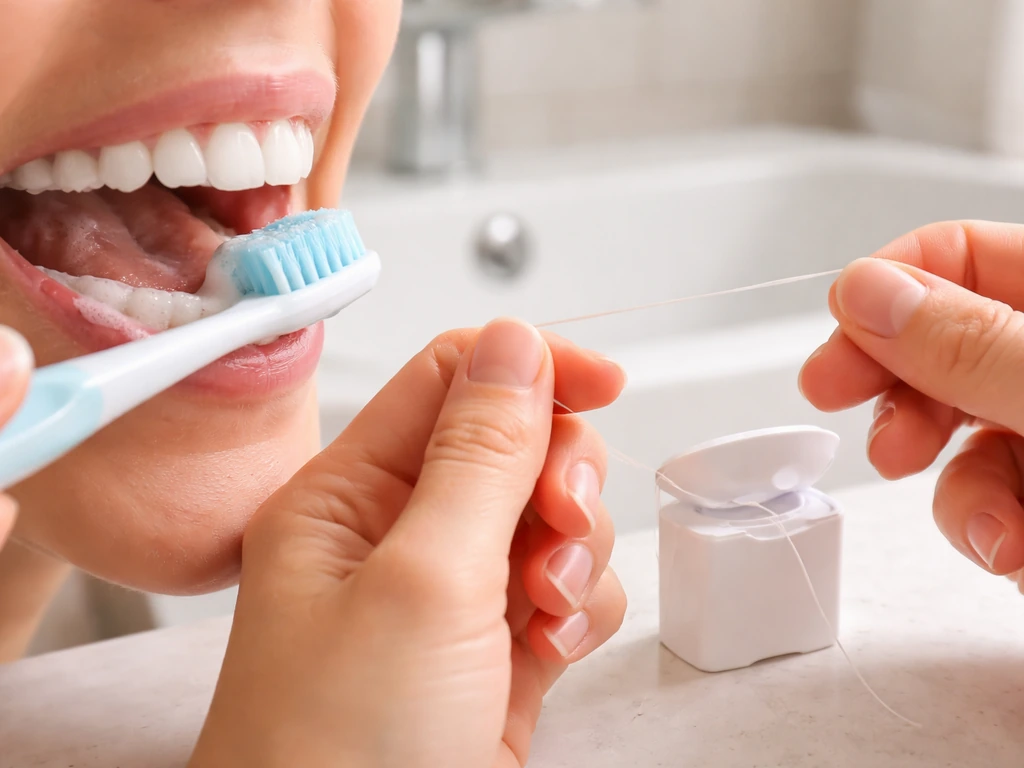
Beyond diet, daily habits shape the environment your erupting teeth develop into. A healthy oral environment makes it easier for teeth to erupt normally and harder for problems to start.
- Brush twice daily with fluoride toothpaste: This protects erupting teeth from decay right from the moment they break through the gum. New teeth have softer, less mature enamel and are especially vulnerable.
- Limit sugar and acidic drinks: Acid attacks from soda, juice, and sports drinks erode enamel. Since enamel cannot regenerate, protecting what is there is the only option.
- Do not skip primary teeth care: Baby teeth hold space for permanent teeth. Losing them early to decay can cause adjacent teeth to drift and block normal eruption of permanent teeth.
- Avoid prolonged pacifier use and thumb sucking past age 3 to 4: These habits can affect jaw shape and tooth alignment, which influences how and where permanent teeth erupt.
- Stay on top of pediatric dental checkups: A dentist can spot a retained baby tooth, a gum barrier, or a crowding problem before it becomes a bigger issue. Early intervention is far easier than late correction.
- Manage overall health: Chronic illness, poor sleep, and high stress affect hormonal balance and immune function, which in turn affect oral tissues. Staying healthy broadly supports dental development.
- Avoid enamel-damaging habits: Grinding, chewing ice, nail biting, and using teeth as tools all wear down enamel faster than normal. Since enamel cannot grow back, prevention is everything.
When to worry: delayed eruption, missing teeth, and getting a proper workup
Most parents notice at some point that a tooth seems late. The 6-month variation window covers most normal cases. But there are real red flags that warrant a visit to a pediatric dentist or orthodontist sooner rather than later.
Signs that deserve a professional evaluation
- A tooth is more than 6 months outside its expected eruption window
- The same tooth has erupted on one side of the mouth but not the other
- A baby tooth fell out but no permanent tooth has appeared after 6 or more months
- The child has a noticeably small or asymmetric jaw
- Multiple teeth are delayed or missing across different quadrants
- There is pain, swelling, or a visible bump over an area where a tooth should be erupting
- The child has a known systemic condition like hypothyroidism, growth hormone deficiency, or is on long-term medications
When a dentist investigates delayed eruption, they rely on clinical exam plus imaging. Periapical X-rays, panoramic radiographs, and in complex cases CBCT scans can show where an unerupted tooth is sitting, whether a physical barrier exists, and whether the tooth is developing at all. This is not something you can diagnose or treat at home.
If multiple teeth are missing or underdeveloped, a genetic referral may be appropriate. Conditions like nonsyndromic tooth agenesis have specific genetic causes and patterns, and identifying them changes the treatment plan significantly. Missing teeth are not always something that will 'eventually come in.' Sometimes they genuinely did not develop, and a plan involving implants, bridges, or orthodontic space management is needed.
For adults concerned about wisdom teeth: if you are in your late teens or early twenties and feeling pressure or pain in the back of your mouth, that is a normal experience worth discussing with your dentist. If you are well past age 25 and a wisdom tooth has never come in, it is either impacted (stuck in the bone) or congenitally absent. An X-ray will tell you which. Waiting and hoping it erupts on its own is not a strategy at that point.
Myths about enamel, gum, and tooth regeneration: what science actually says
There is a lot of noise online about 'regrowing' teeth, enamel, and gums. Here is where the science draws a hard line.
Myth: You can regrow enamel with the right diet or supplement
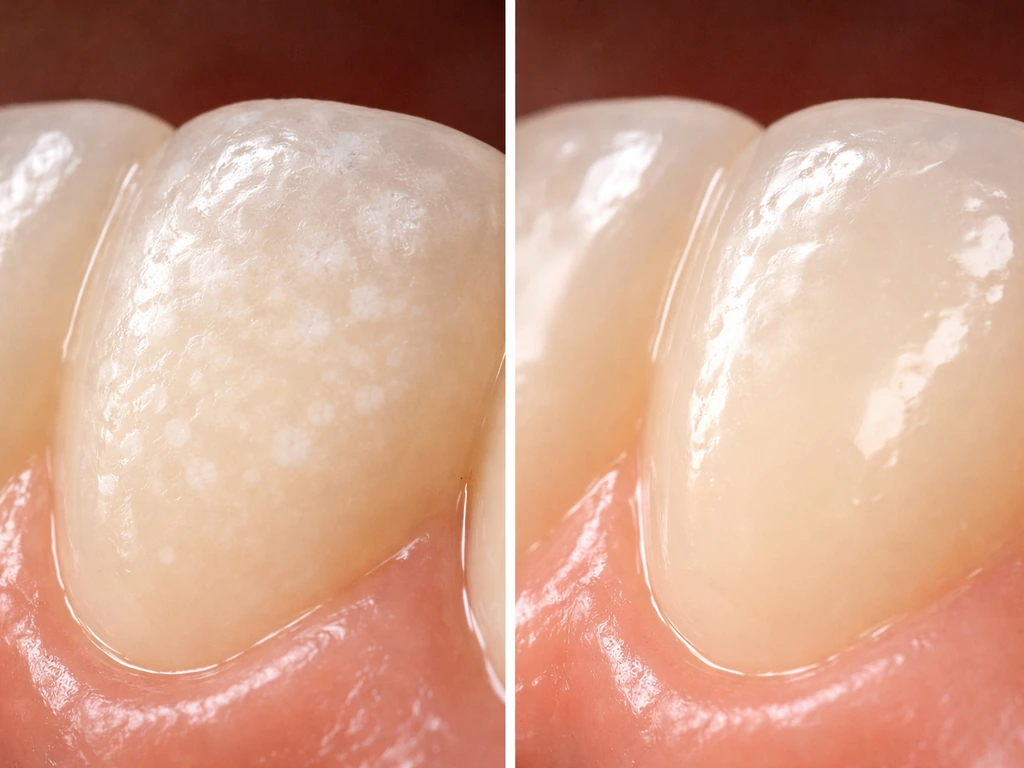
False. Enamel is non-renewable. The ameloblasts that built your enamel are gone by the time your tooth erupts. No food, oil, serum, or supplement can trigger those cells to reappear and lay down new enamel. What fluoride and certain calcium-based products can do is remineralize early-stage lesions, meaning they can harden and partially repair microscopic damage on the surface. This is real and clinically meaningful, but it is not the same as growing new enamel. A British Dental Journal article assessing 'tooth regenerating' toothpastes put it plainly: when enamel is lost to acid or wear, it has no ability to regenerate. Some newer materials can partially repair surface mineral loss, but that is a far cry from the claims you see advertised.
Myth: Natural protocols can regrow a lost adult tooth
Also false. Human teeth do not have ongoing stem-cell niches capable of forming a whole new tooth de novo. Dental organogenesis, the process by which teeth form, happens during fetal and early childhood development and does not restart. If you have seen viral posts about herb regimens or oil protocols that claim to regrow a lost tooth, those claims have no biological basis. Stem-cell research in dentistry is a real and active field, but it is nowhere near a clinical option you can replicate at home.
Myth: Gums grow back on their own if you improve your oral hygiene
Partially misleading. Improving oral hygiene can reduce gum inflammation and help swollen tissue return to a healthier, tighter state, which may look like 'regrowth.' But true periodontal tissue lost to disease does not fully regenerate on its own. Periodontal regenerative procedures do exist and can produce measurable clinical improvements in bone defects, but even those are described by researchers as offering limited, variable outcomes. Complete and predictable regeneration remains a clinical goal, not a current reality. Platelet-rich plasma and similar approaches are still emerging with inconsistent evidence. Healthy gums are best maintained by not losing them to disease in the first place.
What is actually possible (and worth doing)
You can remineralize early enamel lesions with fluoride and good oral hygiene. If you are specifically trying to improve enamel, focus on remineralization and preventing acid damage rather than expecting new enamel to grow back how to grow teeth enamel. You can reduce gum inflammation and halt disease progression with consistent oral care. You can support healthy tooth development in children through nutrition and regular dental visits. You can prevent future damage by stopping enamel-eroding habits now. None of this is flashy, but all of it is real. The idea that some treatment will cause your tooth or enamel to regrow like it is brand new is the part that does not hold up.
Your next steps, depending on where you are
Ask yourself a few quick questions to figure out what action actually makes sense for you right now.
- Are you a parent wondering why your child's tooth is late? Check the expected eruption timeline, allow for the 6-month variation window, and book a pediatric dentist visit if it is outside that window or if other teeth are also delayed.
- Are you a teen or young adult with wisdom tooth pain or pressure? See a dentist for an X-ray to determine whether eruption is possible or whether extraction is the better path.
- Are you an adult who lost a tooth and hoping it comes back? It will not. Talk to your dentist about implants, bridges, or partial dentures as permanent replacement options.
- Are you trying to protect enamel you still have? Use fluoride toothpaste twice daily, cut acidic drinks, and avoid abrasive habits. That is the evidence-based approach.
- Did you read something online about regrowing teeth naturally? Run it by your dentist before acting on it. Most viral dental 'regrowth' content is not grounded in biology.
Tooth development is one of those biological processes that you support rather than control. Feed it well, protect what has already grown, catch problems early, and rely on a dentist rather than a trend when something seems off. That is genuinely what helps teeth grow and stay healthy.
FAQ
If my child drinks a lot of milk or takes vitamins, will their teeth come in faster?
Usually no. “More” of minerals or vitamins helps only if a child is below baseline. Once needs are met, extra amounts do not speed eruption, and in some cases very high doses can cause harm (for example, too much vitamin D can lead to toxicity). If you suspect deficiency, a clinician can help decide whether testing or targeted supplementation is appropriate.
Do oil pulling, herbal rinses, or special “natural” routines help teeth erupt faster?
Oil pulling and similar practices are not proven to move eruption forward. At best, they may slightly reduce plaque for some people, but they should not replace brushing with fluoride toothpaste and dental cleanings. For eruption support, the bigger levers are adequate calories, protein, calcium, vitamin D status, and regular oral hygiene.
How late is too late for a tooth to come in?
Late eruption can be normal within the typical variation window, but it is worth evaluation if it is notably delayed, if multiple teeth are consistently late, or if there are other signs like missing teeth, retained baby teeth, or delayed growth. A pediatric dentist can check with an exam and imaging to determine whether the teeth are simply late or actually blocked or underdeveloped.
What should I do if a tooth seems stuck under the gum?
Do not try to “pull” or force eruption at home. If a tooth is stuck under the gum, pushing it through too early can damage tissue and complicate orthodontic planning. The right next step is a dental exam, because the cause could be a physical barrier, spacing issues, or developmental differences.
At what point should I stop waiting for wisdom teeth to erupt on their own?
If a permanent tooth is delayed, it is different from an adult tooth “growing.” The common adult scenario is a wisdom tooth that is impacted or a congenitally missing tooth. An X-ray is the deciding factor, because waiting for spontaneous eruption is not a plan once you are past the usual eruption age range.
Does fluoride help teeth grow, or does it just prevent cavities?
Yes, but the relationship is nuanced. Fluoride helps enamel resist acid and supports remineralization after demineralization, which can reduce cavity risk during the eruption years. It still does not make teeth come in sooner, and using the wrong amount or skipping fluoride can increase decay risk.
Can remineralizing toothpaste or serums repair cavities or regrow enamel?
If enamel is lost to decay or severe wear, it cannot be “grown back” naturally. What you can do is prevent further mineral loss and sometimes harden early, microscopic lesions with fluoride and good home care. For clear guidance, a dentist can tell whether the issue is early reversible demineralization or established cavitation that needs restorative treatment.
How much fluoride toothpaste should a child use?
For most children, brushing with an age-appropriate fluoride toothpaste is the priority, and toothpaste quantity matters. A rice-grain-sized smear is typically recommended for younger children, and a pea-sized amount for kids 3 and up. If swallowing is a concern, talk to your dentist about technique and supervision rather than switching to nonfluoride products.
If my child is missing teeth, is it ever genetic, and should we ask for genetic testing?
Sometimes. Certain patterns of missing or underdeveloped teeth run in families, and genetics can play a role when multiple teeth are absent or malformed. If a dentist suspects a genetic condition or agenesis pattern, a genetic referral can affect the overall plan, including how space is managed orthodontically and what replacements are planned.
Can chewing hard foods or teething toys change how a tooth erupts?
Biting habits are not a substitute for medical evaluation. If a tooth appears to be erupting abnormally or is unusually painful, evaluate first for teething versus impaction, gum inflammation, or infection. If you see persistent swelling, fever, or worsening pain, seek care promptly rather than trying self-treatment.
What happens if a baby tooth falls out too early before the permanent tooth is ready?
A gap between baby teeth and later permanent teeth is usually normal. However, very early loss of a baby tooth, extensive caries, trauma, or ankylosis (a baby tooth stuck to bone) can affect space and eruption pathways. A dentist can assess whether space maintenance or orthodontic guidance is needed to protect the eruption of the permanent successors.
Next Articles
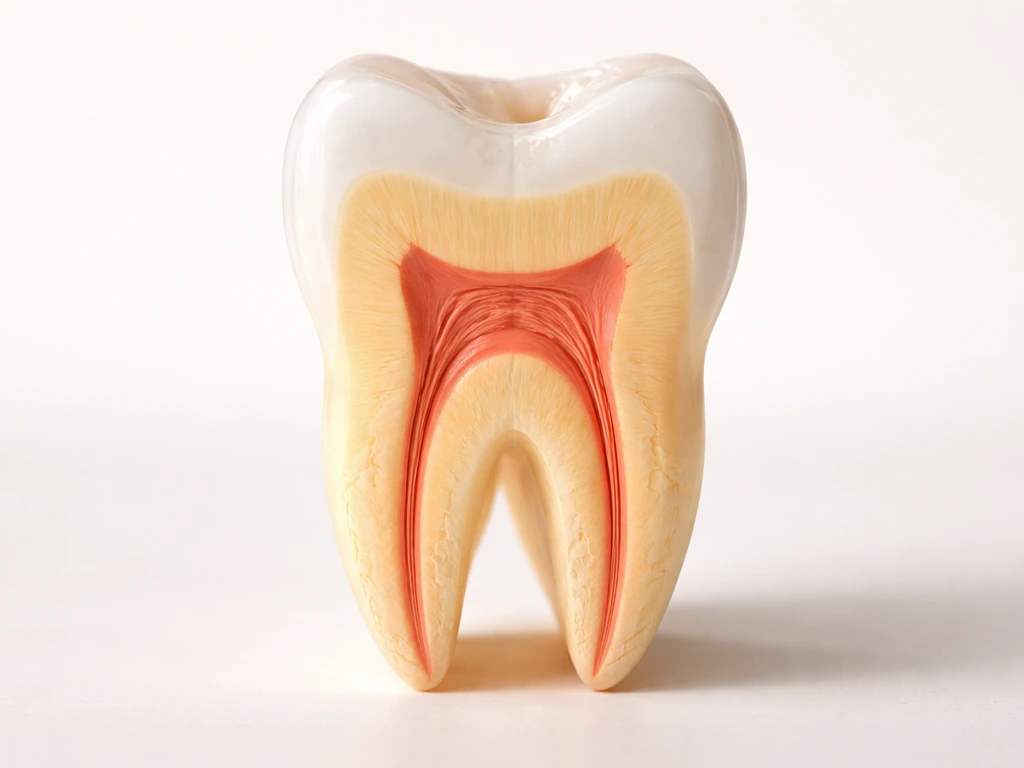
How to Grow New Teeth: What’s Possible and Next Steps
Learn if and how to grow new teeth, what can regrow, and next steps with dentists when natural methods won’t work.
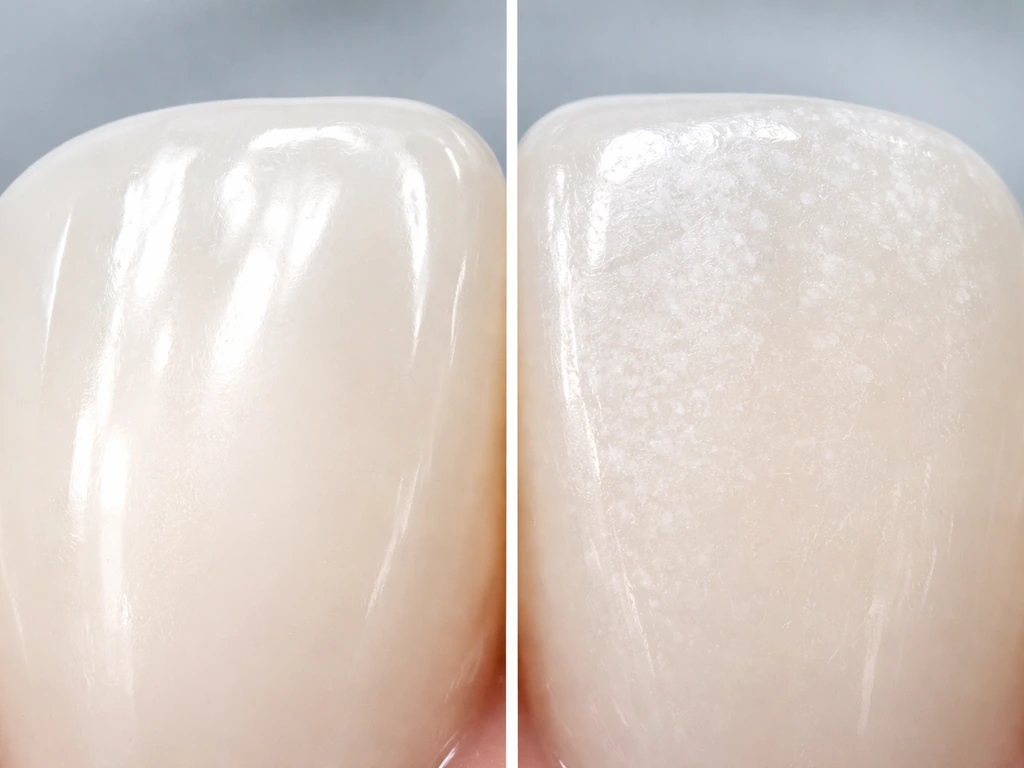
How to Grow Back Enamel: What Works and What Doesn’t
Learn what enamel can’t regrow, how to reverse early loss with fluoride and diet, and when dentist repair is needed.
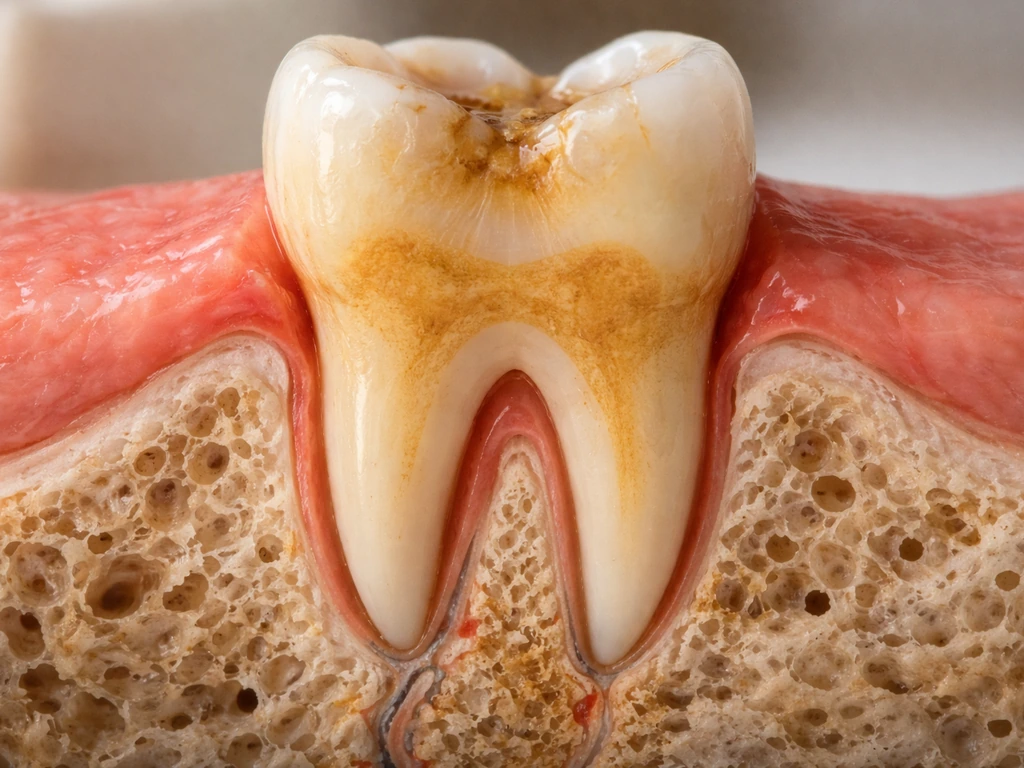
How to Grow Back Teeth: What’s Possible and Next Steps
Learn what can regrow after tooth loss, what cannot, and next steps to rebuild gum and support bone safely.