
Dental Pro 7 will not regrow your gums. No oral rinse, oil, or botanical concentrate can regenerate gum tissue that has receded due to periodontal disease or mechanical trauma. The product may help reduce bacterial load and inflammation at the gum line, which is genuinely useful, but that is a far cry from regrowing tissue. Once gum recession reaches a certain point, the only proven way to get coverage back is through surgical procedures performed by a periodontist. That said, there is a lot of nuance here worth understanding, because "gums growing back" can mean different things, and the steps you take today do matter for stopping things from getting worse.
Does Dental Pro 7 Grow Back Gums? What to Expect

Marcus Holloway
14 Jun 2026
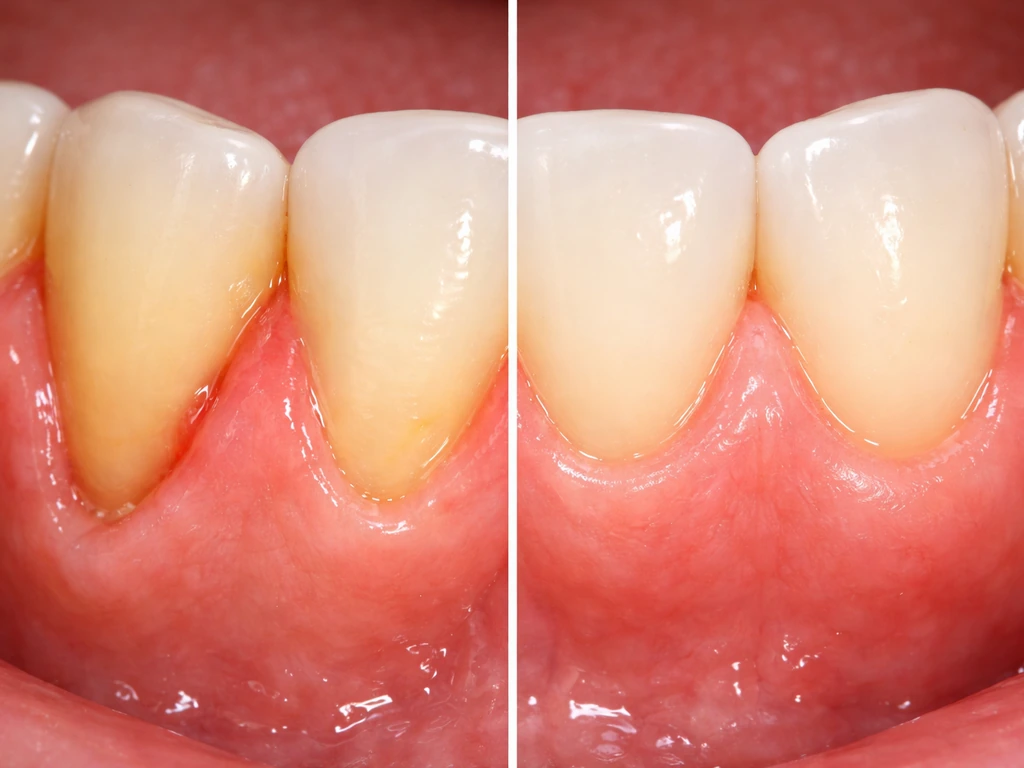
What Dental Pro 7 is and what it can realistically do
Dental Pro 7 is a plant-based liquid concentrate marketed as a "professional strength botanical gum care" product. It is applied directly to the gum line and is designed to stay in contact with gum tissue rather than rinse away. The brand positions it for people dealing with receding gums, plaque, and general gum health concerns. Importantly, the product's own regulatory-style disclaimer states it is not intended to diagnose, treat, cure, or prevent any disease, which places it firmly in the cosmetic/support category, not periodontal therapy.
The ingredient profile draws on botanical extracts, essential oils (categories like thyme, clove, and similar antimicrobial plant compounds), and herbal blends. Some of these individual ingredients, like tea tree oil and green tea extract, have shown genuine anti-gingivitis effects in randomized controlled trials. Green tea mouthwash, for example, has demonstrated reductions in plaque and gingival inflammation in clinical studies. Tea tree oil rinses have been compared against chlorhexidine in pilot trials for gingivitis. So the underlying ingredient science is not nonsense, but inflammation reduction and gum regrowth are completely different biological outcomes.
The honest summary is this: Dental Pro 7 works as a support product, not a replacement for periodontal treatment. There are no independent clinical trials specifically on the product demonstrating true gum regrowth. The brand itself acknowledges this indirectly by pointing to general essential oil research rather than product-specific trials. If you are using it to maintain gum hygiene or reduce bacterial load between dental visits, it may have a role. If you are hoping it will visibly pull your gum line back up over an exposed root, that expectation will not be met.
Can gums actually "grow back": what recession really means
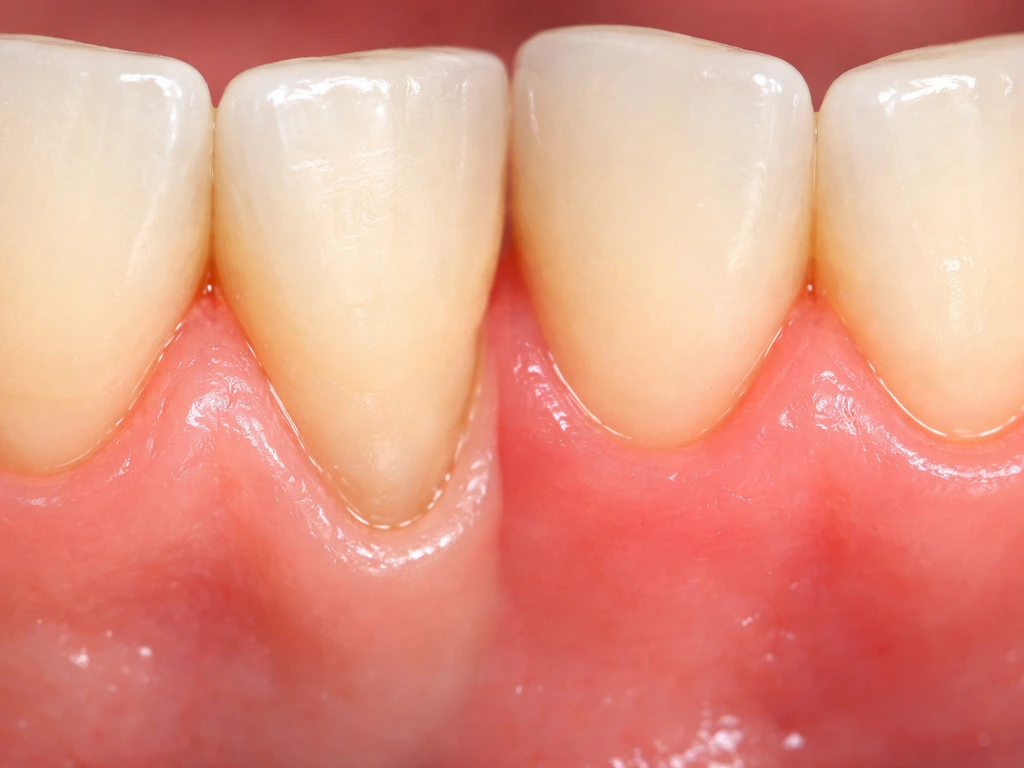
Here is where the biology gets important. When people say they want their gums to "grow back," they usually mean one of two different things, and the answer is completely different depending on which one they mean.
Swollen, inflamed gums resolving (this CAN happen)
If your gums look lower because they are currently inflamed and swollen, and the underlying cause is gingivitis or early periodontitis, then improving your oral hygiene and reducing bacterial load can genuinely make the gum tissue look fuller and healthier. This is not technically "regrowth," it is resolution of swelling. Reduced probing depth and reduced bleeding are clinical signs of disease resolution, and gum tissue can appear to recover position once inflammation clears. This is a real and achievable outcome with proper cleaning and treatment.
True gum recession: lost tissue that does not come back on its own
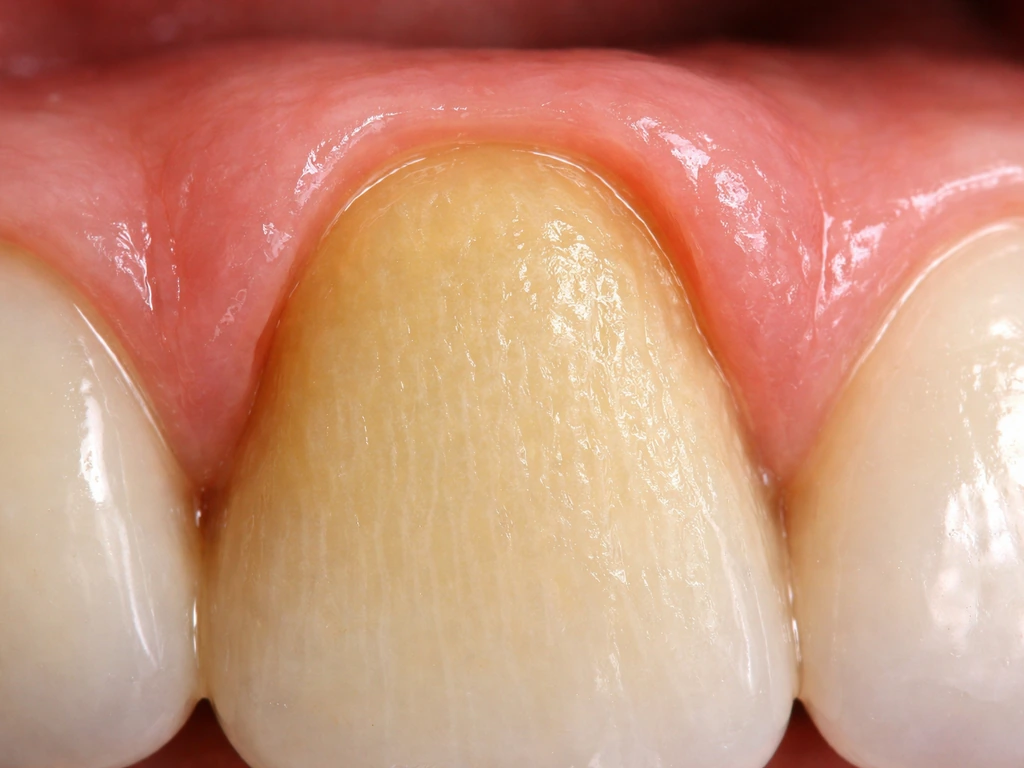
True gum recession means the gingival margin has physically migrated away from the tooth, exposing the root surface. This is a structural loss of soft tissue, not just inflammation. Gum tissue does not regenerate on its own in the same way that skin can heal a minor cut. More importantly, real periodontal recession involves loss of the entire attachment apparatus: the cementum (the hard layer on the root surface), the periodontal ligament (PDL), and the alveolar bone underneath. True periodontal regeneration, meaning the histologic reconstruction of new cementum, new PDL, and new bone with proper Sharpey's fiber reattachment, is biologically challenging even with advanced surgical techniques. SDCEP recommends recording clinical attachment level (CAL), probing pocket depth (PPD), and gingival recession as periodontal parameters to standardize what improvement means clinical attachment level (CAL), probing pocket depth, and gingival recession. This is not something that happens from rinsing with any product.
Researchers and periodontists distinguish between periodontal repair (where a long junctional epithelium forms, essentially a biological patch job) and true periodontal regeneration (where all lost structural components are rebuilt). The American Academy of Periodontology's Regeneration Workshop consensus makes this distinction clear: regeneration is the biological goal, but repair is frequently the actual outcome even with professional treatment. A botanical concentrate applied at home is not going to achieve what specialized clinical interventions often cannot fully deliver.
What the evidence actually says about supplements and gum regrowth
Several supplement categories have been studied as adjuncts to scaling and root planing (the standard professional cleaning for periodontitis), and the evidence is worth understanding because Dental Pro 7 falls into a similar category of "adjunct support."
| Supplement/Ingredient Type | Evidence Level | What It Can Do | What It Cannot Do |
|---|---|---|---|
| Green tea extract (botanicals) | RCT evidence for gingivitis | Reduce plaque and gingival inflammation | Regenerate lost gum or bone tissue |
| Tea tree oil | Pilot RCT vs chlorhexidine | Anti-gingivitis, reduce bacterial load | Reverse true gum recession |
| Vitamin C | Systematic review (3-month RCT data) | Support healing if deficient; no significant PPD improvement | Produce clinically significant regrowth |
| Omega-3 fatty acids | Randomized clinical trial adjunct data | May modestly improve periodontal parameters as SRP adjunct | Replace surgical recession treatment |
| CoQ10 | Randomized controlled trials | Improve plaque index and gingival index as adjunct | Cause true cementum or PDL regeneration |
| Probiotics | Systematic reviews (weak evidence) | Modest short-term (~3 month) improvement in clinical parameters | Achieve confirmed tissue regeneration |
The pattern across all of this research is consistent: botanical and nutritional adjuncts can support gum health, reduce inflammation, and improve clinical markers when used alongside professional treatment, but none of them produce true tissue regeneration on their own. Vitamin C supplementation, for example, did not result in clinically significant improvements in pocket probing depth in periodontitis patients in a systematic review of the evidence. If you're wondering, does vitamin C help gums grow back, the evidence suggests it supports gum health but does not reverse true recession on its own Vitamin C supplementation. Similar findings hold for CoQ10 and probiotics. These are useful tools in a broader strategy, not stand-alone cures. Dental Pro 7 fits into that same category.
If you are curious how this compares to other popular approaches, the same pattern applies to oil pulling, coconut oil, and similar home remedies. They may contribute to reduced bacterial inflammation, which is genuinely valuable, but the claim that they regrow gum tissue does not hold up against the biology.
How gum tissue can actually recover, and when it is possible
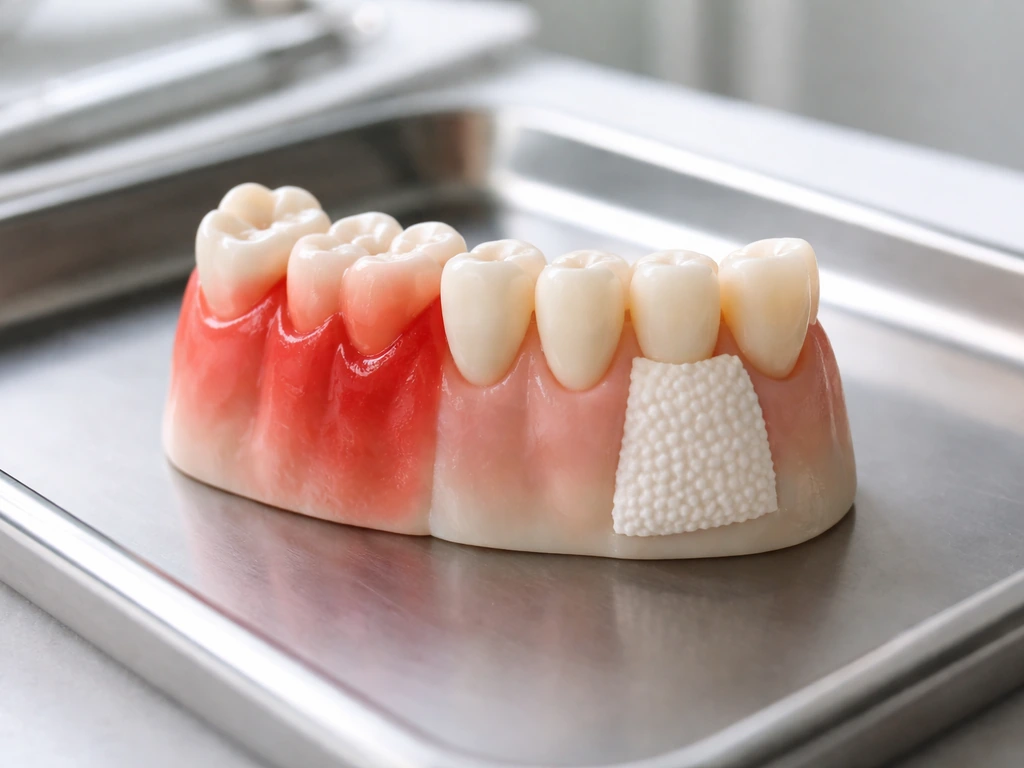
There are real scenarios where gum health improves meaningfully, and it is worth being specific about them so you know what to aim for.
- Gingivitis-driven recession: If gums have receded partly because chronic inflammation caused soft-tissue changes, professional cleaning (scaling and root planing) plus improved home care can reduce inflammation and allow the tissue to look and feel healthier. This can produce visible improvement at the gum line.
- Aggressive brushing trauma: If you have been brushing too hard with a stiff-bristle brush, switching to a soft brush with gentle technique can stop the mechanical recession and occasionally allow minor soft-tissue stabilization, though significant recession from this cause typically does not fully reverse without surgery.
- Early-stage disease caught quickly: The earlier periodontitis is treated, the less structural loss has occurred. Professional intervention at an early stage gives the best chance of stabilizing gum levels without surgery.
- Surgical root coverage: For established recession, connective tissue grafts (CTG) combined with coronally advanced flap (CAF) or tunnel techniques are the gold standard. Systematic reviews and meta-analyses confirm these approaches achieve meaningful root coverage in Miller Class I and II recessions. Enamel matrix derivatives (EMD) have been studied as adjuncts to these procedures as well.
The ADA and AAP are both clear on this point: gum graft surgery is designed to cover exposed root surfaces and prevent further recession and bone loss, and it reduces sensitivity. That is different from a product that supports gum hygiene. If your recession is visible and significant, surgery is the intervention that has an evidence base for actual root coverage. If you are looking for how to grow back gums, talk with a periodontist about gum graft surgery, since it is the evidence-based option for true root coverage.
What to do right now: practical steps, red flags, and when to call a dentist
Steps to take today
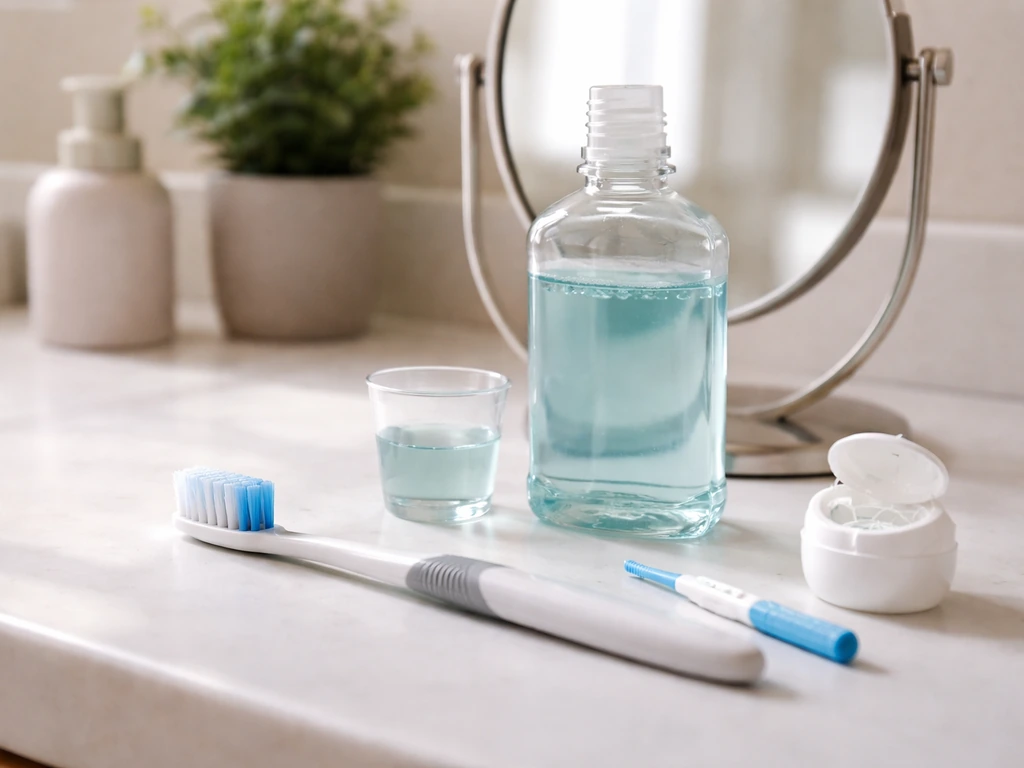
- Look at your gums honestly. Are they red, puffy, and bleeding easily? That suggests active inflammation, which is treatable and may improve with professional cleaning. Is the gum line visibly lower on one or more teeth, exposing a yellowish root surface? That is structural recession requiring professional evaluation.
- Switch to a soft-bristle toothbrush if you have not already. Use gentle, circular motions at the gum line rather than scrubbing back and forth. Aggressive brushing is one of the most common mechanical causes of recession, and stopping it costs nothing.
- Floss or use interdental brushes daily. Bacterial buildup between teeth is a primary driver of gum disease. No product replaces mechanical plaque removal.
- If you want to use Dental Pro 7 or a botanical rinse, use it as a supplement to proper brushing and flossing, not instead of them. It may help reduce bacterial load at the gum line, which supports gum health.
- Book a dental appointment. You need a professional measurement of your clinical attachment level, probing pocket depth, and gingival recession to know what you are actually dealing with. A dentist or periodontist will use a probe to measure pocket depth; home products cannot give you this information.
- If your dentist refers you to a periodontist, go. Periodontists specialize in exactly this problem and can tell you whether your recession is a candidate for surgical root coverage.
Red flags: get seen urgently
Do not wait for a routine appointment if you have any of the following. These are signs the situation may be escalating beyond what home care can address.
- Severe or uncontrolled bleeding from the gums
- Significant pain in one or more teeth or in the jaw
- Rapid, visible recession happening over weeks rather than years
- Loose or shifting teeth
- Pus, swelling, or a bad taste suggesting infection
- Teeth that are increasingly sensitive to temperature or pressure
Gum disease can be serious before you notice obvious symptoms, and infections in periodontal tissue can develop quickly. Loose teeth in particular indicate significant bone loss has already occurred. If you notice any of these signs, contact a dentist or seek urgent dental care the same day.
Preventing further recession and keeping your gums stable long-term
Whether you are managing existing recession or trying to avoid it, the long-term strategy matters more than any single product. The biggest risk factors for ongoing gum recession are well established.
- Smoking: The CDC identifies smoking as a major risk factor for periodontal disease and tooth loss. Smoking reduces blood flow to gum tissue and impairs healing, which is why smokers tend to have worse periodontal outcomes regardless of what products they use.
- Poor brushing technique: Horizontal scrubbing with a medium or hard brush is one of the most preventable causes of gum recession. Technique matters as much as frequency.
- Untreated grinding or clenching (bruxism): Excessive force on teeth contributes to recession and bone stress. A nightguard can help.
- Skipping professional cleanings: Periodontal maintenance, including regular scaling and monitoring of clinical attachment levels and pocket depths, is essential for catching deterioration early. Maintenance is not optional once you have had periodontal disease.
- Nutritional deficiencies: While supplements alone do not regrow gums, being deficient in vitamin C or other nutrients important for connective tissue does impair healing. Eating a balanced diet supports your gum tissue's ability to repair itself.
If your recession has already reached a point where coverage matters for aesthetics, sensitivity, or preventing further structural loss, ask your dentist or periodontist about connective tissue grafts. These are the most evidence-supported surgical option for root coverage. For situations where surgery is not yet warranted, maintaining strict oral hygiene, attending professional cleanings every three to six months depending on your risk level, and eliminating modifiable risk factors like smoking is the path that actually changes outcomes over time. If you stop smoking, that can help your gums heal better and slow further recession, but it will not automatically regrow lost gum tissue eliminating modifiable risk factors like smoking.
The bottom line is straightforward: Dental Pro 7 and similar botanical products can play a supportive role in reducing inflammation and bacterial load, which is worth something. But they sit in the same category as oil pulling, coconut oil, and vitamin C supplementation when it comes to actual gum regrowth: they may help at the margins, but they cannot reverse structural recession. If you are wondering whether oil pulling grows back gums, the same limitation applies: it may help reduce inflammation, but it cannot reverse true structural gum recession. Biology does not work that way, and no amount of marketing changes what gum tissue can and cannot do on its own. Your best move is to get a professional assessment, address modifiable risk factors now, and explore surgical options if recession is already significant.
FAQ
If Dental Pro 7 does not regrow gums, can my gumline still look higher?
Often, yes in appearance but not as true tissue regrowth. If your gums look lower because of active swelling or inflammation, reducing bleeding and probing depth can make the gumline seem to “move back,” but this is resolution of inflammation, not new cementum or bone.
How can I tell whether it is helping me, or just masking symptoms? (bleeding, sensitivity, or gumline changes)
If you are seeing faster improvement in redness or bleeding, that is a sign it may be helping inflammation at the gum margin. If you are seeing the gumline creep up over exposed root, that would be unusual for a home botanical concentrate, and you should get a periodontist assessment to rule out gingival margin remodeling vs ongoing recession.
What timeline should I realistically expect if I use Dental Pro 7 for receding gums?
Expect limited, short-term changes at best, and no dependable timeline for root coverage. Botanical anti-inflammatory effects can show up over weeks, but structural recession tends to progress slowly without periodontal intervention, so you should use Dental Pro 7 only as adjunct support while you address the underlying cause.
Can I use Dental Pro 7 instead of professional deep cleaning for gum recession?
No. Do not replace scaling and root planing or other periodontal treatment with the product. If you have pockets, bleeding on probing, or attachment loss, delaying professional care can worsen bone loss and reduce the options for root coverage later.
Are there signs I should stop using Dental Pro 7 because it is irritating my gums?
Look for local irritation. Essential oil or tea tree type ingredients can aggravate some mouths, especially if you have sensitivities or active ulcerations. Stop and contact a dental professional if you notice burning, increased swelling, or new sores.
How should Dental Pro 7 fit into my daily routine (brushing, flossing, interdental brushes)?
It may help as a supportive step, but only alongside consistent mechanical plaque control. Concentrates cannot substitute for thorough brushing at the gumline, flossing or interdental cleaning, and regular professional cleanings, especially if recession is driven by plaque biofilm and inflammation.
If I stop smoking, will Dental Pro 7 help my gums regrow more than without quitting?
Yes, smoking can change outcomes. Even if the product reduces bacterial load, smoking slows healing and increases periodontal risk, so quitting is still one of the highest-impact steps for slowing further recession, even though it will not regrow lost tissue.
What are my best options if I have visible exposed root and I want coverage?
Not directly. If your root is exposed, root coverage procedures like connective tissue grafts are what have the best evidence for covering the exposed surface. Home products can be adjuncts for inflammation control, but they do not rebuild the attachment apparatus.
When is gum recession or gum health decline urgent enough to see a dentist the same day?
Yes. Check for “red flags” that suggest you need prompt evaluation: loose teeth, pus, rapidly progressing gumline changes, deep pockets, or significant bleeding that does not improve with cleaning. Those patterns often indicate active periodontitis rather than simple irritation.
How should I measure whether Dental Pro 7 is actually helping my periodontal health?
If you want to use it, treat it like an adjunct and pair it with a clear plan you can measure. For example, track bleeding, sensitivity, and dental visit metrics like pocket depth and gum measurements every few months, and reassess with your dentist if there is no improvement.
Next Articles
Does Oil Pulling Grow Back Gums? What Evidence Says
Does oil pulling regrow gums? Evidence says it may reduce inflammation, not rebuild lost gum tissue; see safer next step
Does Vitamin C Help Gums Grow Back? Evidence and What Works
Evidence on whether vitamin C can regrow gums, when it helps gum healing, and what treatments truly restore gum tissue.
Does Coconut Oil Help Gums Grow? Evidence, Risks, and Next Steps
Evidence on whether coconut oil helps gums, what it can’t regrow, risks, and next-step care for gum recession.