
Coconut oil will not make receded gums grow back. That is the direct answer, and it matters because a lot of people are trying coconut oil or oil pulling hoping to reverse gum recession, and that is simply not something this remedy can do. What coconut oil can do is reduce gum inflammation and bleeding in people with early gingivitis, which is a real but much more modest benefit. Understanding the difference between reducing inflammation and actually regrowing gum tissue is the key to making smart decisions about your gum health today.
Does Coconut Oil Help Gums Grow? Evidence, Risks, and Next Steps

Marcus Holloway
27 May 2026
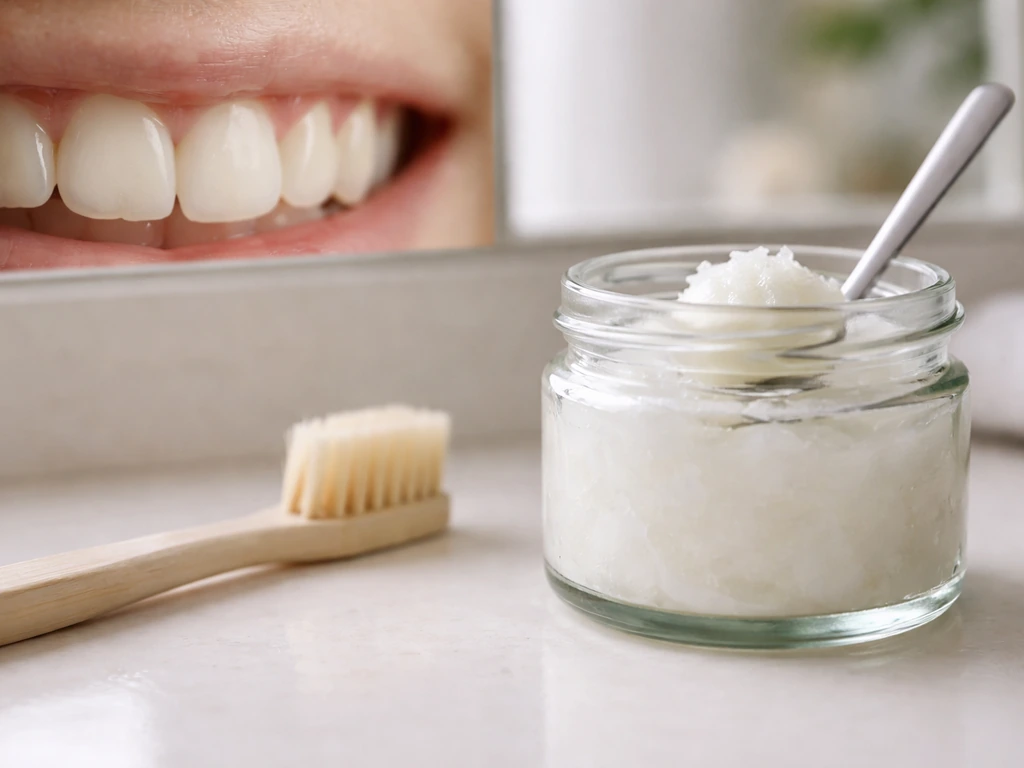
What people really mean when they say 'gums grow back'
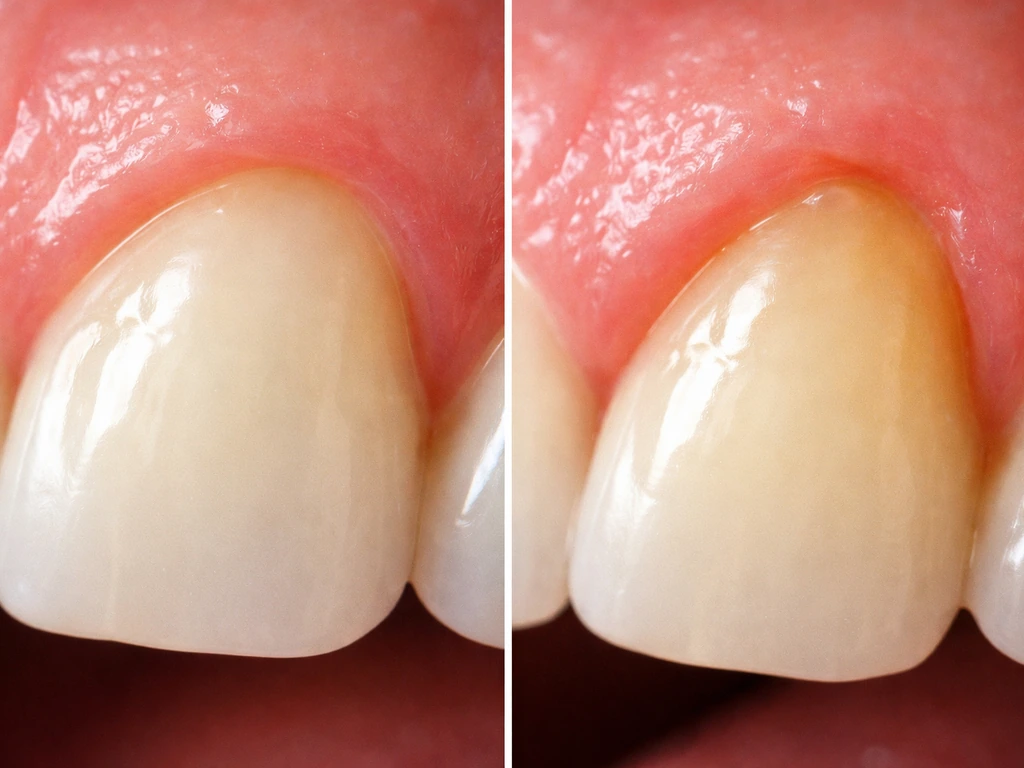
This distinction is worth getting right before anything else. When your gums recede, the gum margin (the edge of your gum tissue) moves downward or apically, away from the crown of the tooth and toward the root. Clinically, recession is defined as the gum margin sitting below the cement-enamel junction (CEJ), which is the fixed line where your tooth's root surface begins. So when you see more tooth than you used to, that exposed root surface is the problem.
True 'gum regrowth' would mean that lost gum tissue, the underlying periodontal ligament, and the bone supporting your tooth all regenerate and reattach. That is a very different biological event from simply reducing redness and swelling. Gum tissue in adults does not spontaneously regenerate the way skin heals a shallow cut. Once clinical attachment is lost (measured as clinical attachment level, or CAL), that support does not come back on its own. Even with surgery, complete root coverage is only predictable in certain types of recession defects (specifically Miller Class I and Class II, where the interproximal bone and tissue around the tooth are still intact). In more advanced defects, only partial coverage is typically achievable.
So there are really two different situations people are asking about: inflamed, puffy gums that look like they have 'shrunk' because swelling is masking healthy tissue (which can improve with better hygiene), and actual recession with root surface exposure and lost attachment (which requires professional intervention). Coconut oil is only potentially relevant to the first scenario.
How coconut oil is supposed to help your gums
The main claim is that oil pulling, swishing a tablespoon of coconut oil around your mouth for 15 to 20 minutes and then spitting it out, pulls bacteria and toxins from the gum line. The proposed mechanism is that the oil physically traps oral bacteria and that coconut oil in particular has antimicrobial properties due to its lauric acid content. Lauric acid does have documented antimicrobial activity in laboratory settings, and coconut oil has been promoted as having anti-inflammatory effects through this pathway.
There is also some topical application advice floating around online, where people apply coconut oil directly to the gum line and rub it in. This is purely anecdotal territory with no clinical trial support. The oil pulling approach at least has some research behind it, even if that research is limited.
What the research actually shows about coconut oil and gum health
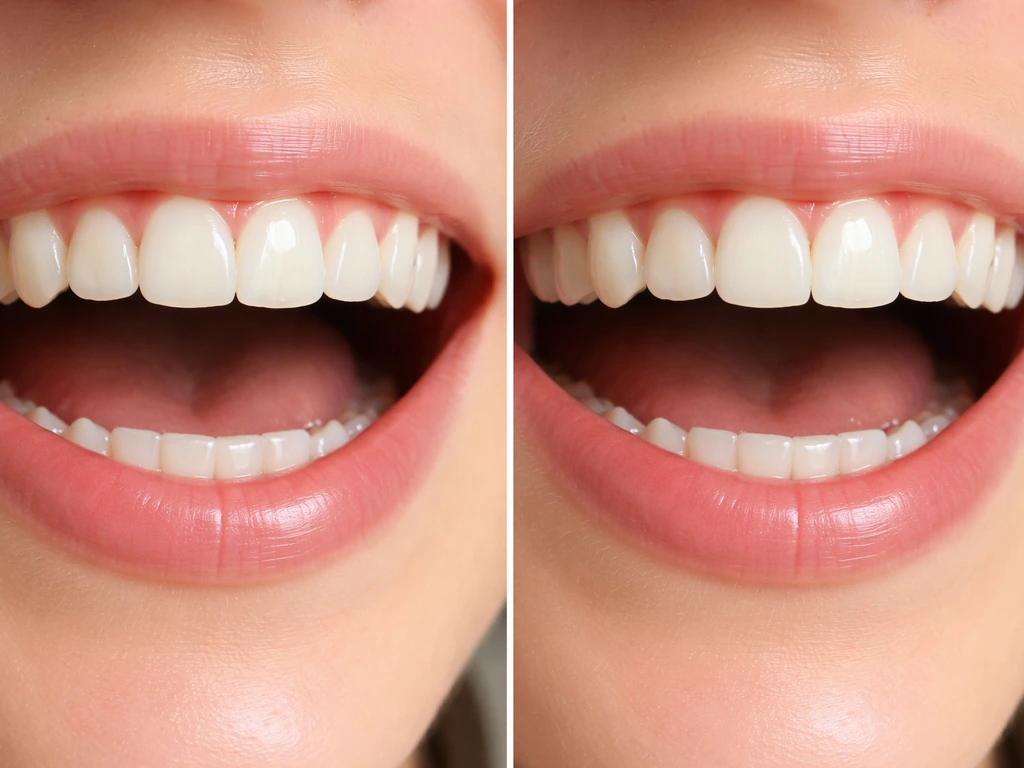
Here is where you have to separate the internet hype from the clinical evidence. Several randomized trials and systematic reviews have looked at oil pulling for plaque and gingivitis outcomes. The results are genuinely mixed and the studies are short-term, typically a few weeks to a few months, measuring outcomes like plaque index and gingival index (a measure of gum inflammation and bleeding).
Some studies, including a preliminary trial specifically on coconut oil pulling in plaque-induced gingivitis, found reductions in plaque and modified gingival index scores. A randomized clinical trial also found microbiological changes in gingival inflammation patients after virgin coconut oil pulling. However, when systematic reviews and meta-analyses have compared oil pulling to chlorhexidine mouth rinse, a proven antiseptic, some found no significant difference in modified gingival index between the two, which sounds impressive for coconut oil until you realize chlorhexidine itself only produces modest reductions in gingivitis over four to six weeks, and is intended as a short-term adjunct prescribed alongside professional care, not a standalone treatment.
The American Dental Association does not recommend oil pulling as a dental hygiene practice, citing lack of scientific evidence. This is not the ADA being conservative for its own sake. The problem is that even the most favorable oil pulling trials measure inflammation markers, not clinical attachment level changes or actual gum tissue regrowth. No credible clinical trial has shown that oil pulling, with coconut oil or any other oil, reverses gum recession or regenerates lost periodontal attachment. That evidence simply does not exist.
The bottom line from the research: coconut oil may help modestly with gum inflammation and plaque accumulation in people who already have good oral hygiene habits and mild gingivitis. It will not grow your gums back.
How to use coconut oil safely if you want to try it
If you have mild gum inflammation, no significant recession, and you want to add oil pulling to a solid hygiene routine, here is how to do it without making things worse.
- Use about one tablespoon of coconut oil. Solid coconut oil melts quickly in your mouth, so do not be put off by the texture.
- Swish gently for 15 to 20 minutes. You do not need to force it aggressively between teeth; a gentle swishing motion is enough.
- Spit it out into a trash can, not the sink. Coconut oil solidifies and will clog your drain over time.
- Rinse your mouth with water afterward.
- Do not swallow the oil. After swishing, the oil contains bacteria and waste products from your mouth.
- Do it before brushing, not instead of brushing. Oil pulling is not a replacement for twice-daily brushing with fluoride toothpaste and daily flossing.
A few things to avoid: do not skip your regular brushing and interdental cleaning because you think oil pulling is covering those bases. It is not. Adding interdental brushes or floss to your daily routine has better evidence behind it for gingivitis reduction than oil pulling does. Also, if you are using a prescribed chlorhexidine rinse from your dentist, do not replace it with coconut oil without talking to your dentist first. Chlorhexidine has a more established evidence base for reducing gingivitis. There are also rare but documented concerns about aspirating (inhaling) oil, so if you have any swallowing difficulties or respiratory issues, skip oil pulling entirely.
Signs that coconut oil is nowhere near enough
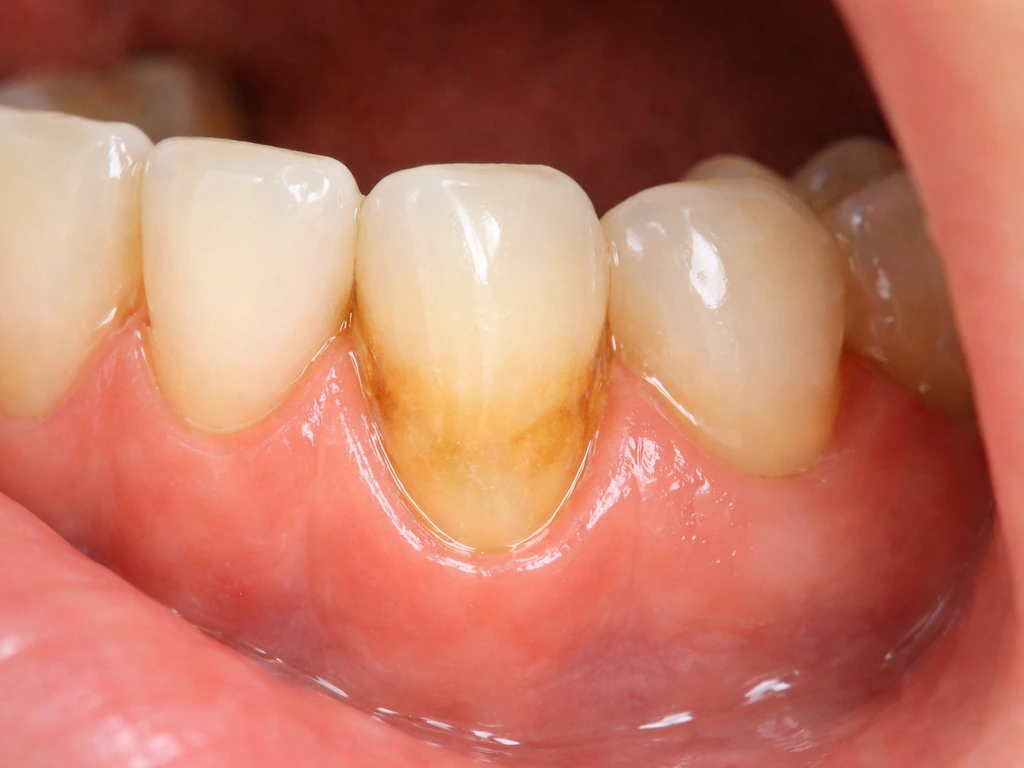
This is really important to get right, because delaying proper treatment for periodontal disease causes irreversible bone and attachment loss. Here are the red flags that mean you need to see a dentist or periodontist, not experiment with home remedies.
- Visible root surface exposure: you can see the darker, more yellow root of the tooth below what used to be your gum line
- Tooth sensitivity to cold, heat, or sweet foods at the gum line, which often signals root exposure
- Gums that bleed every time you brush or floss, especially if this has been going on for more than a couple of weeks
- Pain or tenderness in the gum tissue
- Teeth that feel loose or have shifted position
- Persistent bad breath that does not improve with brushing
- Pockets between your teeth and gums that feel deeper than normal (your dentist measures these with a probe; 4mm or more typically signals a problem)
- Any recession that has been getting worse over time, even slowly
Any of these signs point to periodontal disease with true attachment loss, and that is a different category of problem entirely. The ADA defines periodontitis as an inflammatory disease of bacterial origin that results in loss of periodontal tissue attachment and alveolar bone. Once bone loss has occurred, no home remedy reverses it. Coconut oil in this context is not just unhelpful, it is a distraction from treatment you genuinely need.
What actually works to improve or regain gum tissue
This is where the evidence is much clearer and more encouraging, at least for what professional care can achieve. Here is the honest breakdown.
For gingivitis and early gum problems
Mechanical plaque removal is the foundation. Brushing twice daily with a soft-bristled brush, using proper technique (angled at 45 degrees to the gum line, gentle pressure), combined with daily interdental cleaning, has strong evidence behind it. Cochrane reviews show that adding interdental brushes to toothbrushing can meaningfully reduce gingival index scores at one month. If your dentist prescribes a chlorhexidine rinse, that has documented modest gingivitis reduction over four to six weeks as an adjunct. These steps can genuinely allow inflamed, swollen gums to return closer to their healthy position because reducing inflammation removes the false appearance of recession caused by puffy tissue.
For true gum recession with attachment loss
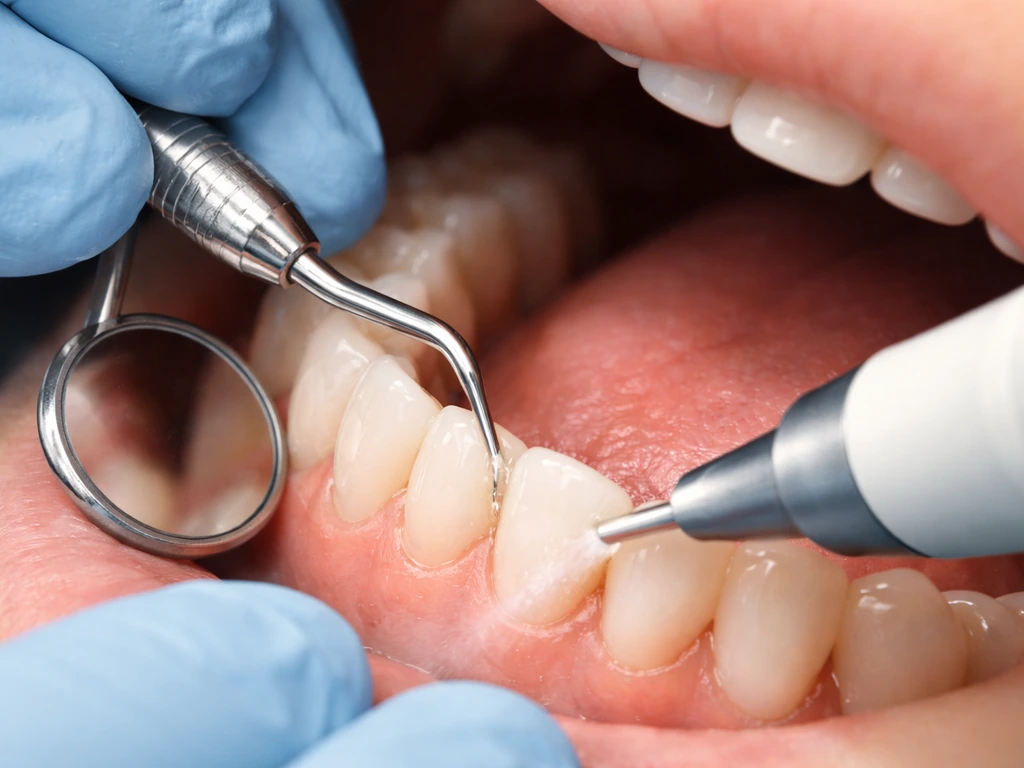
Scaling and root planing (sometimes called a 'deep cleaning') is the first-line professional treatment for periodontitis. It removes calculus and bacterial biofilm from below the gum line, which reduces infection and halts further attachment loss. Cochrane evidence confirms that probing pocket depth and clinical attachment level improve after non-surgical periodontal treatment like full-mouth scaling and root planing. This does not regrow what is lost, but it stops further damage and is the necessary starting point.
For cases where you want to actually cover exposed root surface, periodontal surgery is the only proven option. Surgical techniques include the connective tissue graft (taking tissue from the palate and placing it over the recession), the coronally advanced flap, and tunnel procedures. Guided tissue regeneration (GTR) using barrier membranes has also shown success in root coverage meta-analyses. Full root coverage is predictably achievable in Miller Class I and Class II recession defects where the surrounding bone and interproximal tissue are still intact. In more advanced defects, partial coverage is the realistic outcome. These are surgical decisions made by a periodontist, not something you can replicate at home.
| Approach | What it targets | Evidence level | Can it regrow gums? |
|---|---|---|---|
| Coconut oil pulling | Plaque, gum inflammation (gingivitis) | Low to moderate (short-term RCTs) | No |
| Brushing + interdental cleaning | Plaque, gingivitis | Strong (Cochrane reviews) | No (but reduces false recession from swelling) |
| Chlorhexidine rinse (prescribed) | Gingivitis, bacterial load | Moderate (Cochrane) | No |
| Scaling and root planing | Periodontal infection, attachment loss progression | Strong (Cochrane) | Halts loss; modest CAL gain |
| Periodontal maintenance | Ongoing disease control after active treatment | Strong | Maintains gains; prevents further loss |
| Gingival graft / connective tissue graft | Root coverage, recession defects | Strong (systematic reviews) | Yes, for appropriate defect types |
| Guided tissue regeneration (GTR) | Recession defects, attachment regeneration | Moderate to strong (meta-analyses) | Yes, in suitable cases |
A realistic timeline and your next steps starting today
If your gums are inflamed and bleeding but you do not have significant recession or attachment loss, four to six weeks of consistent, proper mechanical hygiene, flossing or interdental brushing daily, brushing twice with correct technique, and possibly oil pulling as a low-risk add-on, can produce visible improvement. The gum inflammation will reduce and gums may look fuller and healthier because swelling has gone down. That is a real win, but it is not the same as regrowing lost gum tissue.
If you have visible root exposure, sensitivity, or any of the red flags listed above, the timeline shifts. You need a periodontal evaluation, ideally within the next few weeks, not months. A dentist or periodontist will measure your pocket depths and clinical attachment levels to determine what stage of disease you have and what treatment is appropriate. Waiting makes periodontal disease worse, and no amount of home remedy use changes that outcome.
Here is a practical decision framework for right now. Use coconut oil as an adjunct only if you have mild gingivitis, no recession, and solid hygiene habits already in place. Do not use it as a substitute for brushing, flossing, or professional care. If you have true recession with exposed root surface, make a periodontal appointment instead of experimenting with oils. If you stop smoking, you may still be able to slow gum damage and improve healing, but it does not replace professional care for recession If you have true recession with exposed root surface. And if you are exploring other remedies in this space, it is worth knowing that the question of whether oil pulling in general can help gums is addressed separately, as is the evidence on vitamin C and other supplements for gum tissue. If you are wondering, does vitamin C help gums grow back, the evidence is limited and it does not replace proper periodontal treatment when tissue has been lost the evidence on vitamin C and other supplements for gum tissue. That same question, whether oil pulling can grow back gums, comes up a lot online, but the evidence focuses more on inflammation and plaque than true tissue regrowth whether oil pulling in general can help gums. None of them replace the mechanical and surgical tools that periodontal science has actually validated.
The realistic summary: coconut oil is a low-risk, low-cost addition for people with mild gum inflammation who are already doing everything else right. For anyone with actual gum recession, it is a distraction from the treatments that genuinely work. Talk to a periodontist, get your clinical attachment levels measured, and make decisions based on what your tissue has actually lost, not on what feels promising in a jar.
FAQ
What’s the difference between gum inflammation getting better and real gum regrowth?
When inflammation improves, swollen gum tissue can look less “receded” because the gum edge appears higher. Real gum regrowth would require a clinical attachment gain (CAL) and support restoration around the tooth, which home care cannot reliably achieve.
If I don’t see bleeding after a week or two of oil pulling, does that mean my gums will start growing back?
Less bleeding suggests reduced gingivitis, not regeneration of lost gum or bone. Gum recession with exposed root often needs a periodontal assessment and, if indicated, procedures for root coverage.
Is coconut oil pulling safe for people with dentures, implants, or crowns?
It can be harder to control contact with acrylic and implant surfaces, and oil can make oral hygiene feel “handled” when it is not. You should still prioritize brushing at the gumline and professional maintenance schedules, and ask your dentist if oil pulling could interfere with your specific appliance or care regimen.
Can I apply coconut oil directly to the gums instead of oil pulling?
Direct topical rubbing is largely anecdotal and not well studied for plaque control or attachment changes. If you try anything, use it as an adjunct at most, not a replacement for brushing, interdental cleaning, or prescribed rinses.
How often should I oil pull if I’m trying it as an adjunct?
Many studies use it daily for short periods, but there is no strong evidence that more frequent use improves recession outcomes. If you notice irritation, increased sensitivity, or trouble keeping plaque controlled, stop and focus on mechanical cleaning.
What are signs that my gum issue is too advanced for home remedies like coconut oil?
Look for persistent bleeding, gum pockets or deep spaces that don’t improve, gum recession with visible root, tooth mobility, bad breath that doesn’t improve with cleaning, or changes in how teeth fit together. These warrant periodontal probing and measurements, not further experimentation.
If my dentist gave me chlorhexidine, can coconut oil replace it after the first few weeks?
Generally, no without checking first. Chlorhexidine is designed as a short-term adjunct to mechanical plaque removal, and stopping early or swapping could reduce its benefit. Confirm the plan with your dentist, especially if bleeding or inflammation returns.
Does coconut oil help if I already have periodontitis and bone loss?
Coconut oil does not restore lost attachment or bone. The priority is a periodontal diagnosis and evidence-based treatment like scaling and root planing, maintenance, and (when appropriate) surgical options.
Can oil pulling make it harder to do proper interdental cleaning?
Yes, some people delay flossing or interdental brushes because the mouth “feels clean” after swishing. Avoid this mistake, interdental cleaning is specifically linked to improvements in gingivitis, and it targets areas that oil pulling cannot reliably reach.
Is coconut oil safe if I have swallowing problems or asthma or allergies?
There is a documented concern about aspirating oil, so people with swallowing difficulties, significant reflux, or respiratory issues should skip oil pulling. Also consider allergy or sensitivity to the oil and stop if you notice burning, rash, or worsening irritation.
Could coconut oil stain my teeth or affect taste long term?
Some oils can leave a residue that changes taste sensation and may contribute to buildup if oral hygiene is inconsistent. If you see new staining, persistent coating, or worsening plaque control, stop and return to a strictly mechanical routine.
What should I do first if I’m unsure whether my gums are inflamed or truly receded?
Get your gums measured by a dentist or periodontist. Ask for pocket depths and clinical attachment level (CAL) so you know whether you’re dealing with gingivitis, recession, or periodontitis, because the correct treatment path depends on that distinction.
Next Articles
If I Stop Smoking, Will My Gums Grow Back?
Quitting smoking can reduce gum inflammation and bleeding, but true gum regrowth is limited; learn timelines and next st
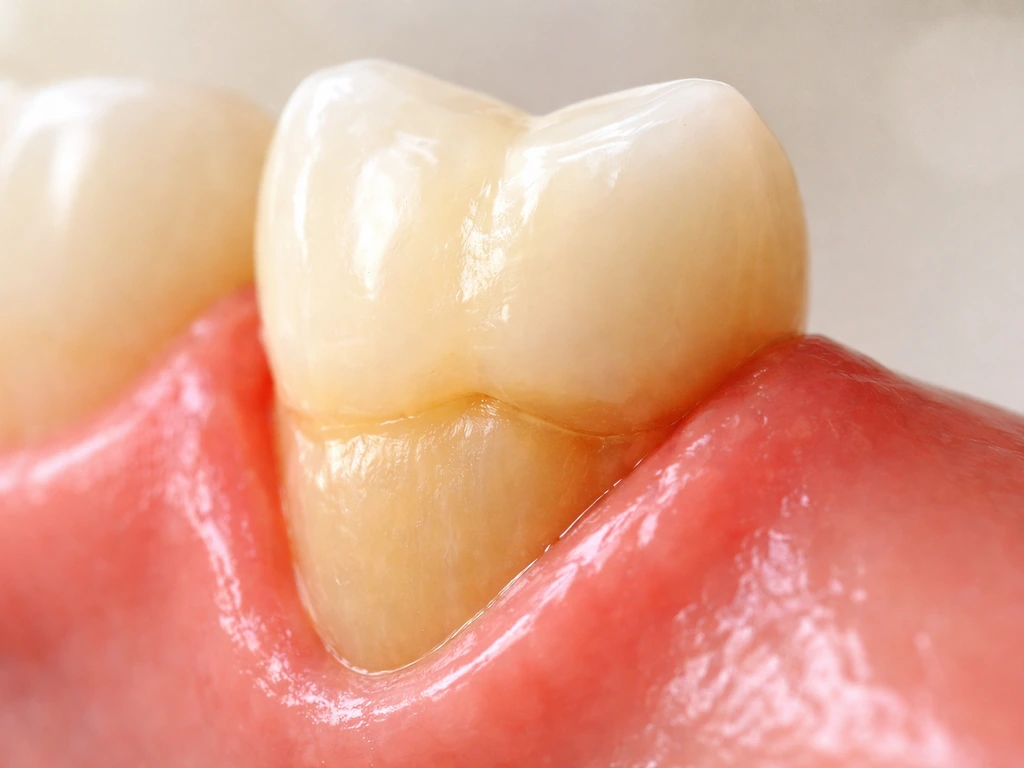
How to Grow Back Gums: What’s Real, What Helps, Next Steps
Learn what helps receding gums, real vs possible regrowth, causes, step-by-step care, and when to see a periodontist.
Do Milk Teeth Grow Back? Timelines, What to Do, Red Flags
Learn if milk teeth regrow, typical timelines for permanent teeth, what to do after loss or injury, and red flags.