Oil pulling does not grow back gums. No amount of swishing oil around your mouth will regenerate lost gum tissue, and no credible research says it can. What oil pulling might do in a limited way is reduce certain oral bacteria and possibly help with gum inflammation, but that is a completely different thing from reversing gum recession. If you've lost gum tissue, the only way to get it back is through professional periodontal treatment, and in many cases, a surgical procedure like a connective tissue graft. The sooner you understand that distinction, the sooner you can actually do something effective about it.
Does Oil Pulling Grow Back Gums? What Evidence Says

Marcus Holloway
12 Jun 2026
Can gums actually grow back?
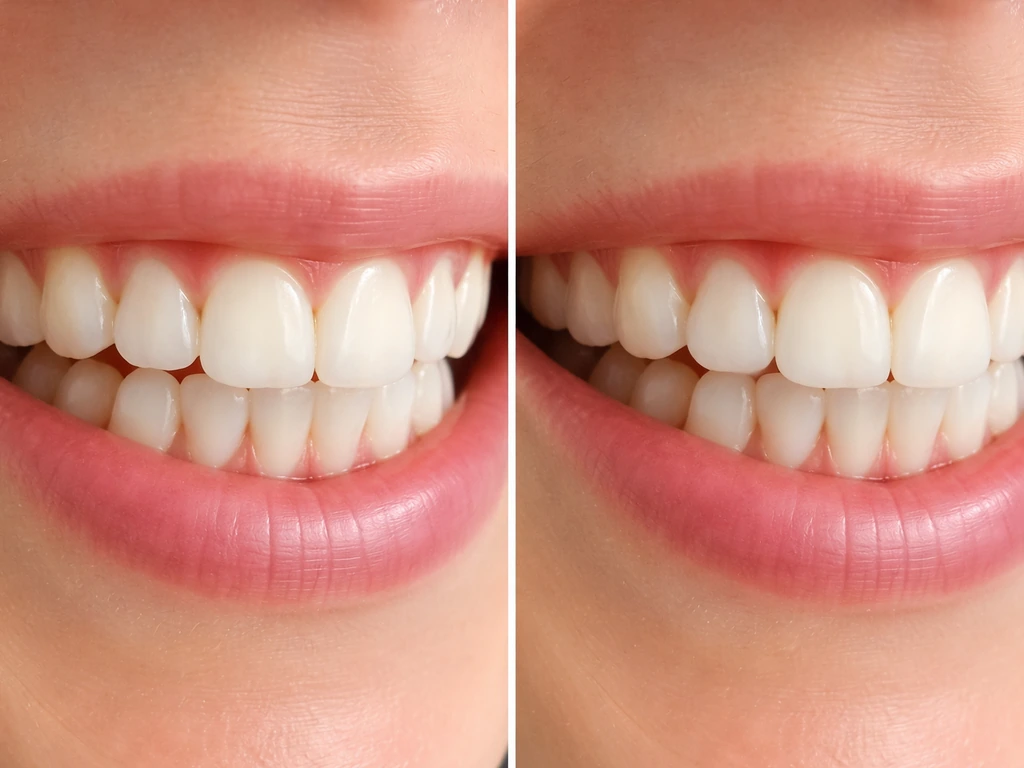
This is the core biology question, and the honest answer is: not on their own, and not through any home remedy. Gum tissue (gingiva) that has receded due to periodontal disease, aggressive brushing, or other causes does not spontaneously regenerate. True periodontal regeneration means restoring new cementum on the root surface, new periodontal ligament fibers with proper insertion into that root surface, and new alveolar bone. That is a highly specific biological process, and it requires very specific clinical interventions to even attempt it.
There is one important distinction worth making here. If your gums are swollen, inflamed, and bleeding because of gingivitis (early-stage gum disease), treating that inflammation can make gums look like they've bounced back. Mayo Clinic notes that with proper treatment, healthy gum tissue can return within days or weeks when gingivitis is the problem. But that's not regrowth. That's swelling going down. The underlying tissue was there all along. Once gum tissue actually recedes, pulling back from the tooth and exposing root surface, it does not grow back without professional intervention.
Surgical options exist for treating true recession. The gold standard procedure, a coronally advanced flap combined with a subepithelial connective tissue graft, can achieve around 80% root coverage in appropriate candidates. Coronally advanced flap techniques, tunneling procedures, guided tissue regeneration, and the use of biomaterials are all tools periodontists use. But even these are technically 'root coverage' procedures, meaning they cover exposed root surface. They are not the same as regrowing a full new attachment from scratch, though some regenerative approaches do aim to restore the deeper structures.
What oil pulling can and can't do for your gums

Oil pulling is a traditional practice, typically done by swishing a tablespoon of oil (coconut, sesame, or sunflower are most common) around the mouth for several minutes, then spitting it out. The proposed mechanism is that the oil physically pulls bacteria and debris from between teeth and gum surfaces. There's also some interest in the idea that certain oils have antimicrobial properties that could affect oral bacteria.
Here's what the research actually shows. A randomized controlled trial of sesame oil pulling found it significantly reduced plaque scores compared to distilled water, which is mildly interesting. Research on virgin coconut oil pulling has shown some measurable microbiological effects on bacteria counts in people with gingival inflammation. A pilot study using high-resolution microbiome analysis found that sunflower oil pulling does produce measurable shifts in the oral microbiome. So there is evidence that oil pulling can do something to the bacterial environment in your mouth.
The problem is that none of this translates to growing back gums. Reducing plaque or shifting bacteria is helpful for preventing further damage and managing inflammation, but it does not rebuild tissue that is already gone. To actually regrow gums or reverse recession, you typically need periodontal treatment like scaling, root planing, and sometimes grafting procedures. Think of it like this: cleaning a wound thoroughly helps it not get infected, but it doesn't make the skin grow back. The biological machinery for gum regeneration requires far more than an improved bacterial environment.
Evidence vs. hype: what the research actually proves
The online claims about oil pulling are dramatically ahead of what the science supports. A 2024 systematic review and meta-analysis specifically evaluating randomized controlled trials on oil pulling for gingival health, plaque control, and bacterial counts concluded that the evidence is limited and uncertain, not definitive. A separate systematic review focused on oil pulling for oro-dental hygiene reached the same conclusion: the RCT evidence is insufficient to make strong claims.
The American Dental Association is more direct. Their position is that there are no reliable scientific studies showing oil pulling reduces cavities, whitens teeth, or improves overall oral health and well-being, and the ADA does not recommend it as a dental hygiene practice. That's not a fringe opinion. That's the mainstream dental science establishment saying the evidence doesn't hold up.
No study on oil pulling has measured actual tissue attachment gain or recession reversal. The outcomes studied are things like plaque index scores, bleeding scores, and bacterial colony counts. Plaque index going down is not gum tissue growing back. These are different biological events measured by completely different methods. Anyone telling you that oil pulling regrows gums is either misreading the research or not reading it at all.
What actually helps with gum recession and healing
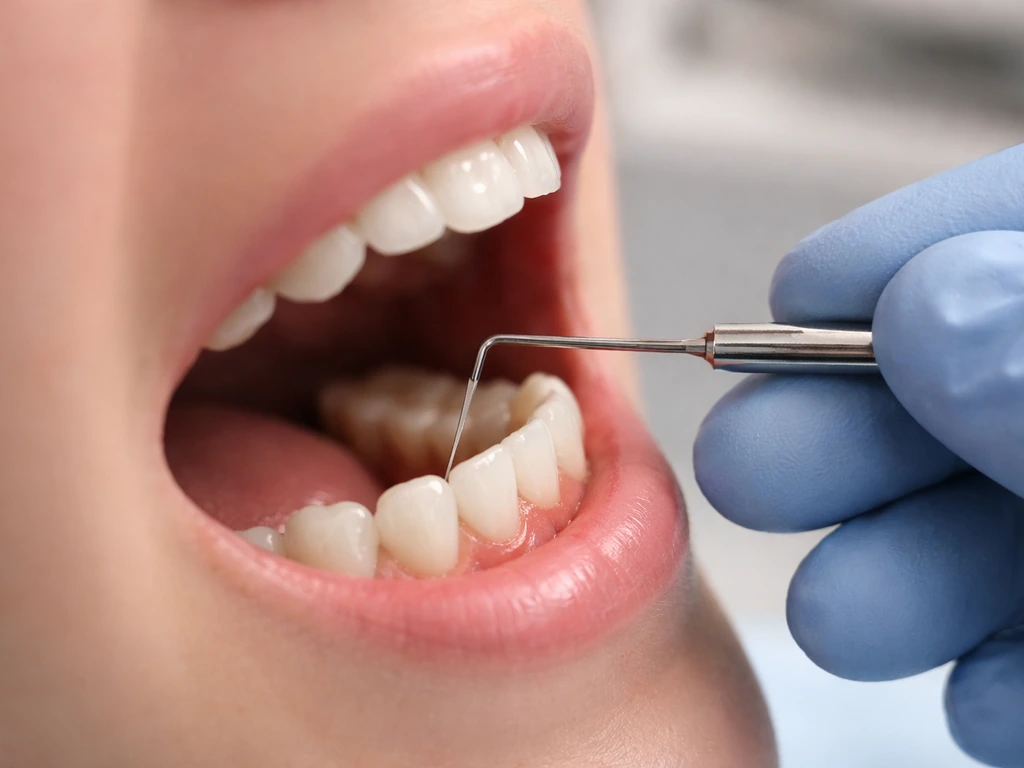
If you have true gum recession, here's the path that actually works. First, you need a professional assessment. A dentist or periodontist needs to measure the recession, check pocket depths, and determine whether disease is active. Without knowing the cause and severity, you're guessing at treatment.
For most people with active periodontal disease, the first treatment step is blank" rel="noopener noreferrer">scaling and root planing, which is a deep cleaning that removes plaque and calculus from below the gum line and smooths root surfaces to reduce bacterial adhesion. The CDC describes blank" rel="noopener noreferrer">scaling and root planing as a non-surgical periodontal procedure that targets affected tooth and root surfaces, and notes that gingivitis can be prevented or treated with self-care plus professional cleanings. This is not glamorous, but it is effective at halting disease progression and reducing inflammation. The CDC frames this as the foundational non-surgical treatment for periodontal disease.
From there, the approach depends on your situation:
- Improve daily plaque control: brush gently with a soft-bristle brush using proper technique, and use interdental cleaners (floss, interdental brushes) to remove plaque from between teeth. The ADA emphasizes that interdental cleaning is essential for gum health.
- Address the cause: if recession is caused by aggressive brushing, you need to change your technique and possibly switch to a softer toothbrush. If it's from grinding or clenching, a night guard may help. If it's from periodontal disease, that needs active treatment.
- Consider root coverage surgery: for significant recession where aesthetics or sensitivity are a problem, a periodontist can discuss options like coronally advanced flap with connective tissue graft. This is the gold standard for root coverage.
- Regenerative procedures: in some cases, especially where bone loss accompanies recession, more advanced procedures using enamel matrix derivatives or bone grafts may be appropriate for true regenerative outcomes.
- Regular maintenance: after any treatment, 3-4 month periodontal maintenance appointments (instead of the standard 6-month schedule) are typically recommended to prevent recurrence.
It's also worth knowing that other factors people ask about, like vitamin C intake and smoking cessation, do play a real role in gum health. Smoking significantly accelerates gum disease and recession, and stopping can meaningfully slow that process. If you stop smoking, it can help slow gum disease and recession, but it typically does not regrow lost gum tissue stopping smoking can meaningfully slow that process. Nutrition matters too. These aren't miracle cures, but they're real contributors to the overall picture. But vitamin C is not a reliable way to make receded gums grow back on their own vitamin C help gums grow back.
If you still want to try oil pulling, here's how to do it safely
Oil pulling is not dangerous for most people when done correctly, and if you want to use it as a low-risk add-on to your regular oral hygiene routine (not instead of it), that's a reasonable personal choice. Just keep your expectations grounded in what the evidence supports: it may modestly help with plaque and bacterial load, and that's about it.
- Do it in the morning before eating or drinking anything.
- Use about 1 tablespoon of oil. Coconut, sesame, or sunflower oil are the most commonly studied options.
- Swish gently around your mouth for 10 to 20 minutes. Research protocols have ranged from 8 minutes upward. You don't need to be vigorous about it.
- Spit the oil into a trash can, not the sink (it can clog drains over time).
- Rinse your mouth with water afterward, then brush your teeth normally.
- Do not swallow the oil. It accumulates bacteria and debris during the process.
- Limit this to once per day at most. There is no evidence that doing it more often provides additional benefit.
- Stop immediately if you feel nausea, throat irritation, or any discomfort.
One genuine safety note: there are documented case reports of exogenous lipoid pneumonia from repeated sesame oil pulling, caused by small amounts of oil being accidentally aspirated into the lungs. This is rare, but it's real. If you have a swallowing disorder, a strong gag reflex, or any respiratory condition, skip oil pulling altogether and talk to your doctor first.
Also, do not use oil pulling as a substitute for brushing, flossing, or professional care. That's the scenario most likely to cause actual harm, not the oil pulling itself, but the delay in getting real treatment.
When you need to see a dentist or periodontist now
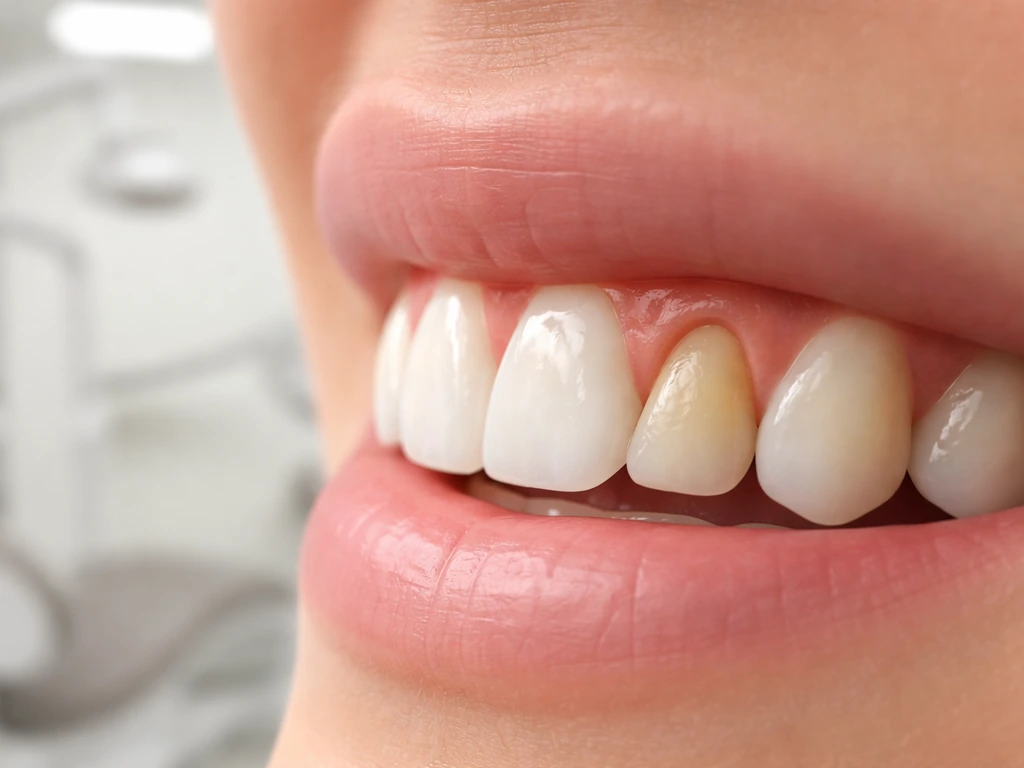
Gum recession is one of those conditions where waiting makes it permanently worse. Gum tissue that recedes further is harder to treat and may require more extensive surgery. There are several situations where you should stop experimenting at home and get a professional evaluation immediately.
- You can see that your gums have visibly pulled back from your teeth, exposing the root surface (often appearing as a yellower, more sensitive section at the base of the tooth).
- You have persistent bleeding when brushing or flossing that hasn't improved after 2 weeks of better oral hygiene.
- You have tooth sensitivity, particularly to cold, that is getting worse.
- Any of your teeth feel loose or have shifted position.
- You have pain, swelling, or pus around the gums.
- You have deep pockets when your dentist probes (5mm or more is a significant warning sign).
- Your recession appears to be progressing, meaning teeth look 'longer' over time.
- You have not had a professional cleaning in more than a year and have any of the above signs.
A periodontist is a gum specialist and the right person to see if you have significant recession or active periodontal disease. Your general dentist can refer you, or you can self-refer. The earlier you get evaluated, the more treatment options you have and the less tissue you'll have lost by the time you start. No home remedy changes that equation, and oil pulling certainly doesn't.
FAQ
If my gums look better after oil pulling, does that mean my gums grew back?
No. Oil pulling may reduce plaque and inflammation, but gum recession involves lost attachment and root exposure. If you can see more tooth root or a “longer tooth” appearance, you need a periodontal exam and treatment planning, not waiting for tissue to regrow.
Can oil pulling reverse gingivitis enough to look like gum regrowth?
It can still be useful as an add-on, but only for oral hygiene outcomes you can measure (less bleeding, less plaque, better inflammation), not for tissue regrowth. If bleeding or sensitivity improves, that usually reflects reduced inflammation or better plaque control rather than true recession reversal.
Why doesn’t oil pulling count as gum regeneration the way periodontal surgery does?
Oil pulling does not target the specific attachment biology needed for regeneration, so it should not be viewed as a substitute for procedures like scaling and root planing or grafting when recession is true. If your goal is “root coverage” or “new attachment,” those are clinician-managed options.
Is oil pulling safe to do instead of flossing or brushing?
Oil pulling can be done safely for some people if you do not swallow it, but it can also cause irritation or risks if technique is poor. More importantly, if you replace brushing and flossing with oil pulling, the delayed infection control can worsen recession and pocket depth.
How can I tell whether my problem is gingivitis or real gum recession before trying oil pulling?
Check for gingivitis first. If symptoms are mainly bleeding with brushing and swollen gums, anti-inflammation steps may improve appearance quickly. If you have recession (root exposure), persistent sensitivity, or food traps, expect you will need professional periodontal treatment rather than home oil pulling.
Has any research measured true recession reversal from oil pulling?
No studies have shown tissue attachment gain or recession reversal from oil pulling. The evidence measured so far focuses on proxies like plaque scores and bacterial counts, which do not prove the gum has rebuilt its deeper structures.
Does the type of oil (coconut vs sesame vs sunflower) change whether gums can regrow?
Yes, and it matters. Periodontists determine treatment based on pocket depth, recession width, tooth anatomy, and whether disease is active. That is why the same product and habit can appear to “work” for one person but not another.
How long should I try oil pulling before I switch to professional periodontal care?
If you use oil pulling, treat it as optional and time-limited while you get assessed. For someone with significant recession, a reasonable decision is to stop relying on it if you are not seeing improvements in bleeding within a few weeks or if recession is progressing, and instead start scaling/root planing if recommended.
Who should not oil pull due to aspiration or respiratory risk?
Avoid oil pulling if you have a swallowing disorder, trouble controlling saliva, a strong gag reflex that leads to coughing, or any respiratory condition where aspiration risk is a concern. This is because rare cases of oil aspiration-related lung injury have been reported.
What should I track to know whether oil pulling is actually helping my gum health?
Track outcomes that indicate inflammation control, such as bleeding on gentle probing and plaque levels, rather than expecting visible recession to “fill in.” A dentist or hygienist can also take standardized measurements of recession and pocket depth to confirm what is changing.
If oil pulling helped someone else, can it still fail for me? (What risk factors matter)
Yes. Smoking, uncontrolled diabetes, and poor plaque control can drive progression and can make any home add-on look ineffective. The practical step is to address these risk factors alongside professional periodontal therapy.
Next Articles

Does Vitamin C Help Gums Grow Back? Evidence and What Works
Evidence on whether vitamin C can regrow gums, when it helps gum healing, and what treatments truly restore gum tissue.
Does Coconut Oil Help Gums Grow? Evidence, Risks, and Next Steps
Evidence on whether coconut oil helps gums, what it can’t regrow, risks, and next-step care for gum recession.
If I Stop Smoking, Will My Gums Grow Back?
Quitting smoking can reduce gum inflammation and bleeding, but true gum regrowth is limited; learn timelines and next st