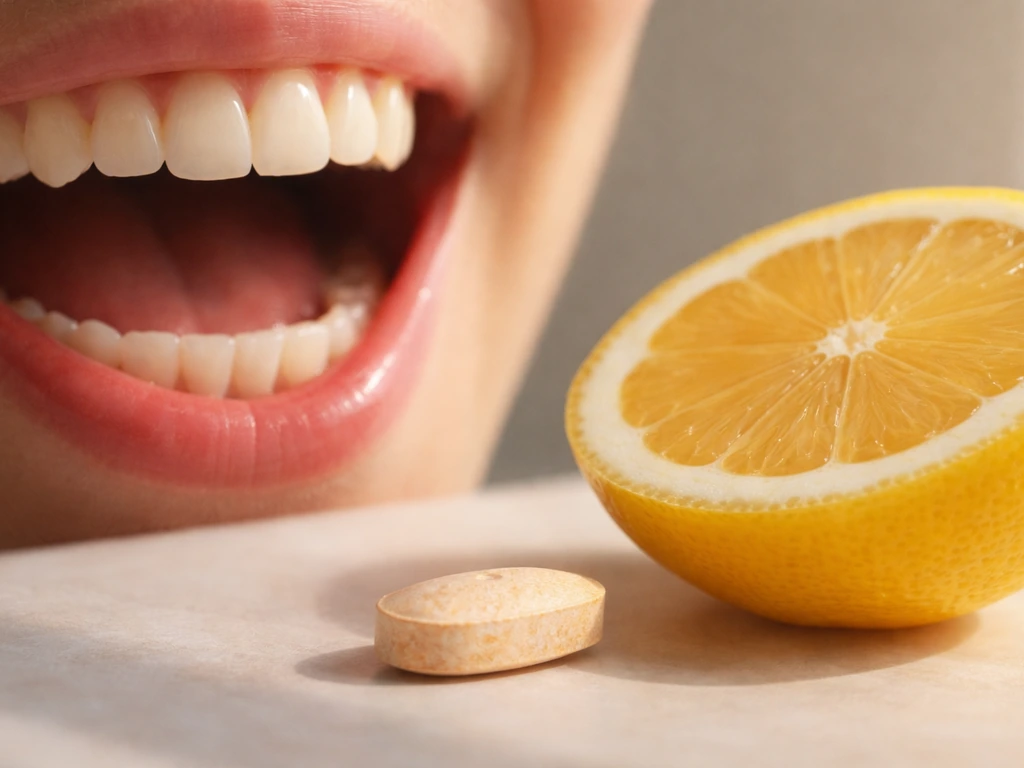
Vitamin C cannot make receded gums grow back. Lost gum tissue does not regenerate on its own, and no supplement changes that biological reality. What vitamin C can do, and this is genuinely useful, is support the healing and maintenance of gum tissue you still have. It helps your body make collagen, fights gum inflammation, and reduces bleeding. If your gums are damaged from a deficiency or inflamed from gingivitis, getting enough vitamin C can help them recover. But if you have actual gum recession, where the gum margin has physically pulled away from the tooth and exposed root surface, you need a periodontal procedure to get that tissue back. No vitamin closes that gap.
Does Vitamin C Help Gums Grow Back? Evidence and What Works

Marcus Holloway
5 Jun 2026
What vitamin C actually does for your gum tissue
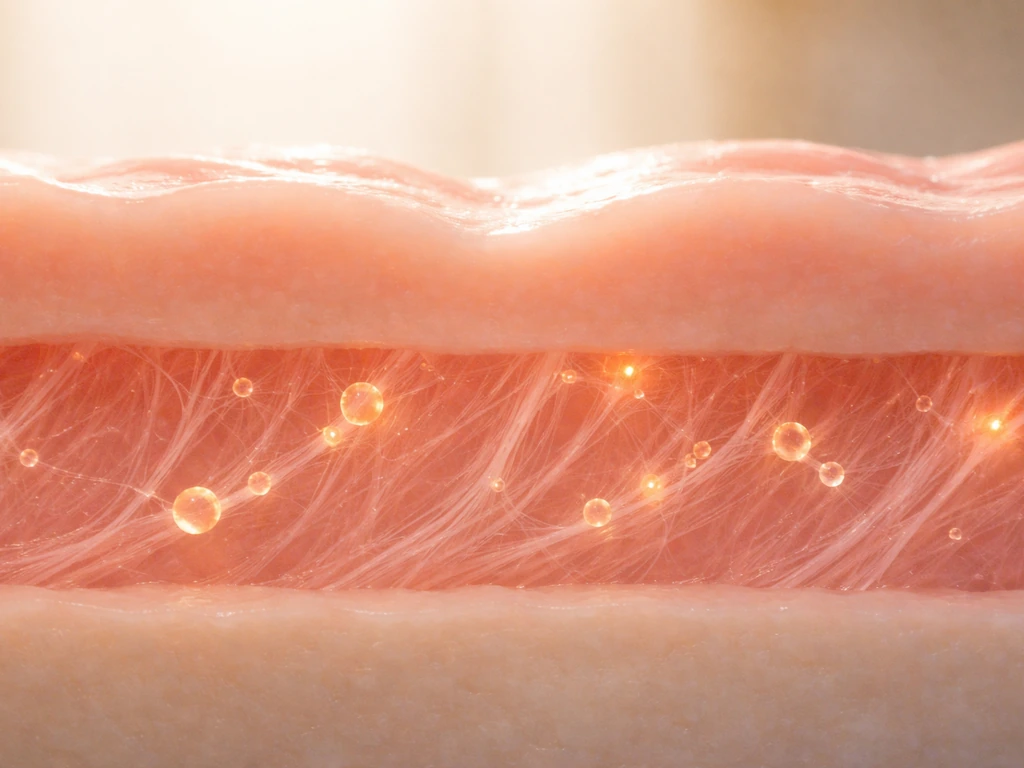
Vitamin C plays a central role in collagen synthesis. Your gums are largely made of collagen, a protein that requires vitamin C at nearly every step of production. Specifically, vitamin C is needed for the hydroxylation of proline and lysine, the molecular steps that give collagen its stability and structure. Without enough of it, fibroblasts (the cells that build and repair connective tissue) can't do their job properly. That's why classic vitamin C deficiency (scurvy) shows up first in the gums: bleeding, swelling, and tissue breakdown.
Beyond collagen production, vitamin C is a powerful antioxidant. In inflamed gum tissue, oxidative stress makes the inflammatory cycle worse. Vitamin C helps interrupt that cycle, which partly explains why studies have found it reduces bleeding on probing and improves gingival inflammation scores, especially in people who are deficient or have gingivitis. A multicenter randomized double-blind placebo-controlled trial of a fixed-dose combination product that included vitamin C found improvements in gingival inflammation outcomes in chronic periodontitis reduces bleeding on probing and improves gingival inflammation scores. It also supports the immune response against the bacteria driving gum disease. These are real, measurable effects. They just don't add up to regrowing tissue that's already gone.
Gum regrowth vs. gum healing: this distinction matters
When people search for whether vitamin C can help gums "grow back," they usually mean one of two very different things. The first is healing inflamed, swollen, or bleeding gums that have been damaged by gingivitis or poor nutrition. The second is regrowing gum tissue that has physically receded from the tooth, leaving exposed root surface. These are not the same problem, and the answer for each is completely different.
For the first scenario, vitamin C can genuinely help. If your gums look shrunken because they're severely inflamed and swollen, treating the inflammation can make them look and feel healthier. Good nutrition, including adequate vitamin C, supports that recovery. Gums that bled constantly may stop bleeding. Tissue that was puffy and unhealthy can tighten up and look more normal. That's not regrowing tissue. That's healing tissue that was there all along but damaged.
For the second scenario, gum recession, vitamin C doesn't move the needle structurally. Once the gum margin has migrated down the root, that tissue is gone. Human gum tissue simply doesn't regenerate and reattach to exposed root surfaces on its own. Vitamin C supports repair of what's there, but it cannot rebuild what isn't. If you want gum recession to look better, the key is root coverage, which is usually done with a periodontal procedure rather than vitamin C. That requires a procedure, and sometimes bone support has been lost underneath too, which complicates things further.
Common causes of damaged or receded gums, and what each one actually needs
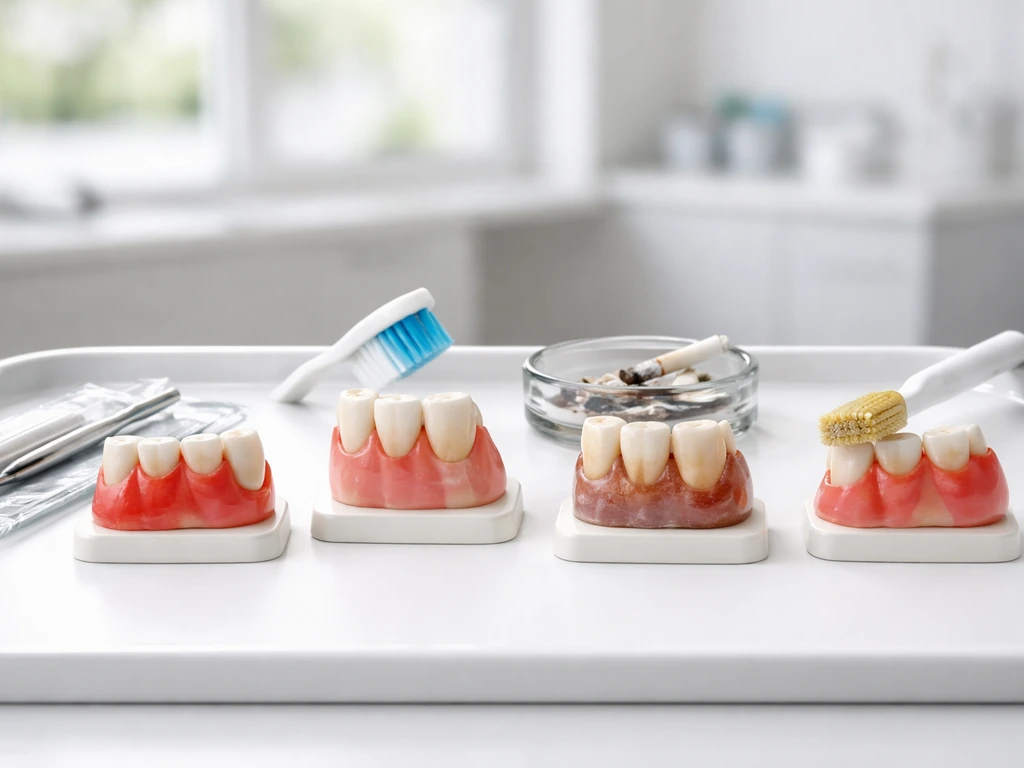
Not all "gum problems" are the same, and the right solution depends entirely on what caused the damage. Here's a breakdown of the most common scenarios:
| Gum Problem | Root Cause | Can Vitamin C Help? | What Actually Fixes It |
|---|---|---|---|
| Bleeding, inflamed gums (gingivitis) | Plaque buildup, poor oral hygiene, deficiency | Yes, supports healing and reduces inflammation | Professional cleaning, better brushing/flossing, adequate vitamin C |
| Swollen gums that look receded | Inflammation making tissue look shrunken | Yes, anti-inflammatory support | Treat the gingivitis; gums often rebound |
| True gum recession (exposed root surface) | Aggressive brushing, periodontitis, genetics, grinding | No structural benefit | Connective tissue graft or other periodontal surgery |
| Periodontitis with bone loss | Advanced bacterial infection, untreated gingivitis | Minor adjunct benefit only | Scaling and root planing, surgery if needed |
| Vitamin C deficiency (scurvy-related gum damage) | Severe dietary deficiency | Yes, directly addresses the cause | Correcting deficiency resolves symptoms |
| Post-procedure healing (after dental surgery) | Surgical wound | Yes, supports collagen formation and wound healing | Vitamin C as supportive care, follow dentist instructions |
The most important distinction in that table is the one between true gum recession and inflamed gums. If your gums are red, puffy, and bleed easily, addressing infection and inflammation (with vitamin C as part of good overall nutrition) can make a real difference. If you have a visible gap between where your gum used to be and where it sits now, with exposed yellowish root surface, that's recession and vitamin C won't close that gap.
What actually works for gum recession
The only evidence-based way to restore coverage over an exposed root is periodontal plastic surgery. The most well-studied approach is the coronally advanced flap (CAF) combined with a subepithelial connective tissue graft (SCTG or CTG). This combination is considered the gold standard for root coverage and blank" rel="noopener noreferrer">achieves roughly 80% root coverage in suitable candidates, specifically those with Miller Class I and II recessions (shallower recessions without significant bone loss between teeth). Research consistently shows that adding a connective tissue graft to the flap procedure significantly improves complete root coverage outcomes compared to the flap alone.
Other options include enamel matrix derivative (EMD) added to the coronally advanced flap, and guided tissue regeneration (GTR) approaches. Long-term data, including 10-year follow-up studies on CTG and GTR procedures, show these results hold up over time when the patient maintains good oral hygiene. The American Academy of Periodontology (AAP) Regeneration Workshop identified these surgical soft-tissue root coverage procedures as the main evidence-based interventions for recession, not supplements or home remedies.
For deeper periodontal disease involving bone loss, scaling and root planing is the non-surgical starting point. A periodontist will clean below the gumline to remove calculus and bacteria, which can reduce pocket depths and allow some gum reattachment. For more advanced cases, regenerative surgery targeting bone defects may be needed. None of this is replaced by vitamin C, though vitamin C can support healing after these procedures.
It's worth noting that other popular home remedies, like oil pulling, coconut oil, and some commercial products marketed for gum regrowth, face the same biological ceiling. Oil pulling is often marketed as a way to make gums regrow, but it does not restore receded gum tissue or close gum recession structurally. They may support gum health and reduce inflammation, but they don't structurally restore receded tissue either. The biology simply doesn't allow it without surgical intervention.
How much vitamin C to take, and how to get it safely

For most adults, the RDA for vitamin C is 75 mg/day for women and 90 mg/day for men, with smokers needing an additional 35 mg/day because smoking depletes vitamin C faster. These amounts are easy to hit through diet alone. The NIH sets the tolerable upper intake level (UL) at 2,000 mg/day from all sources combined (food, beverages, and supplements). Staying well below that is wise for most people.
Food is the best way to get vitamin C for gum health. Citrus fruits are the classic source, but bell peppers (especially red ones), kiwi, strawberries, broccoli, and guava are all excellent. A single medium orange delivers about 70 mg. One cup of chopped red bell pepper has over 190 mg. You don't need supplements to hit your target if you're eating a reasonably varied diet.
If you're supplementing, standard doses of 250 to 500 mg/day are plenty for most people and well within safe limits. The Mayo Clinic notes that exceeding 2,000 mg/day can cause gastrointestinal side effects like nausea, diarrhea, and cramps. People with kidney disease on hemodialysis, hereditary hemochromatosis (an iron overload condition), or certain other health conditions need to be cautious with high-dose supplementation. If any of those apply to you, check with your doctor before adding a high-dose vitamin C supplement.
Best dietary sources of vitamin C for gum health
- Red bell pepper (1 cup chopped): ~190 mg
- Kiwi (1 medium): ~70 mg
- Orange (1 medium): ~70 mg
- Strawberries (1 cup): ~85 mg
- Broccoli (1 cup cooked): ~100 mg
- Guava (1 fruit): ~125 mg
- Grapefruit (half): ~40 mg
When to stop relying on vitamins and see a periodontist
If you're noticing that your teeth look longer than they used to, if root surface is visible and sensitive to cold or sweet, or if you've been told you have recession or bone loss, it's time to see a periodontist. Not a regular dentist visit for a cleaning, but an actual periodontal evaluation. A periodontist will measure your recession depth, assess whether bone support is intact, classify the recession type, and tell you whether you're a candidate for root coverage surgery.
The earlier you go, the better your options. Shallow recessions (Miller Class I and II) have the best outcomes with grafting. Deeper recessions with significant bone loss between teeth (Class III and IV) have more limited predictability for complete root coverage. Waiting doesn't help. Recession tends to progress, especially if the cause (aggressive brushing, grinding, gum disease) isn't addressed.
If your main concern is bleeding gums, swelling, or gum disease rather than visible recession, start with a comprehensive periodontal exam and a professional cleaning or scaling and root planing if your periodontist recommends it. Add vitamin C to support your tissue health during and after treatment. A clinical review of studies found that vitamin C supplementation showed meaningful improvement in bleeding and inflammation markers in gingivitis patients. That's a real, useful role for it. Just don't expect it to stand in for the procedure your gums actually need. Just don't expect it to stand in for the procedure your gums actually need, such as what to consider when asking does dental pro 7 grow back gums.
The short version: use vitamin C to support your gum health, fuel healing after treatment, and fill a genuine nutritional gap if you have one. Use a periodontist to address the structural damage that vitamin C cannot fix. Both have a role. They're just not interchangeable.
FAQ
If I start taking vitamin C now, will my receded gums fill back in over time?
No. Vitamin C can support healing of existing tissue and reduce bleeding or inflammation, but it cannot rebuild gum tissue once the gum margin has moved down the root. If you can see exposed root surface, the structural change typically needs root coverage surgery.
How can I tell whether my problem is gum inflammation or true recession?
Inflamed gums usually look red and puffy and bleed easily, and the gumline itself has not clearly migrated away. True recession is suggested by a visible gap, longer-looking teeth, exposed yellowish root, and cold or sweet sensitivity. If you are unsure, a periodontist can measure recession depth and recession type.
Can vitamin C prevent gum recession from getting worse?
It may help indirectly if your recession is tied to poor nutrition, gingivitis, or ongoing inflammation, because vitamin C supports collagen formation and reduces bleeding. But if the drivers are mechanical (aggressive brushing, occlusal trauma) or periodontal (attachment loss, bone changes), vitamin C alone will not stop progression.
Should I take vitamin C supplements if I already eat fruit and vegetables?
Often you do not need extra. Standard dietary intakes can meet recommended levels, and supplements are most useful when intake is low, you smoke, or you have confirmed deficiency. If your diet is solid, focus more on gum-friendly habits and professional periodontal evaluation.
What dose of vitamin C is most sensible for gum health?
For most people, supplementing at 250 to 500 mg per day is enough to correct low intake and support tissue health, without approaching very high doses. If you already reach your daily needs through food, additional supplementation may add little benefit for recession.
Are there risks to high-dose vitamin C for gums or teeth?
High doses can cause gastrointestinal side effects, such as nausea, diarrhea, or cramping, especially as you move toward the upper intake limit. People with kidney disease on hemodialysis or conditions involving iron overload need extra caution and should discuss dosing with a clinician.
Will vitamin C help after scaling and root planing or gum surgery?
It can support the recovery phase by helping collagen formation and calming inflammation-related stress in healing tissue. However, it does not replace the procedure’s role in cleaning infected areas or restoring coverage where it was lost.
Can vitamin C replace scaling and root planing if I have pocketing or bleeding?
No. Bleeding and pocket depth often reflect bacterial biofilm and inflammation below the gumline. Vitamin C may improve markers like bleeding in gingivitis, but it cannot remove calculus or address subgingival infection the way professional periodontal treatment can.
If my gums bleed, does that mean vitamin C deficiency is the cause?
Not necessarily. Bleeding commonly comes from gingivitis or periodontal disease, and deficiency is only one possible contributor. If bleeding persists, you need periodontal assessment rather than assuming it is vitamin C related.
How soon after improving vitamin C intake might I notice gum changes?
If the issue is gingivitis or deficiency-related inflammation, you may see reduced bleeding and improved appearance within days to weeks, as inflammation settles. For recession itself, visible structural change will not typically occur without root coverage procedures.
Does adding vitamin C help in combination with grafting or root coverage surgery?
It may improve overall healing support, especially if your intake was low, but the coverage outcome is driven mainly by the surgical approach, recession classification, and oral hygiene. Discuss supplement use with your periodontist, particularly if you plan higher-than-standard dosing.
Could “gum regrowth” products that include vitamin C actually work?
Usually not for true recession. Many products can reduce inflammation or support gum health, but they cannot structurally reattach and regenerate lost gum tissue on their own. Look for improvements in bleeding and comfort, and expect recession coverage to require periodontal evaluation.
Next Articles
Does Coconut Oil Help Gums Grow? Evidence, Risks, and Next Steps
Evidence on whether coconut oil helps gums, what it can’t regrow, risks, and next-step care for gum recession.
If I Stop Smoking, Will My Gums Grow Back?
Quitting smoking can reduce gum inflammation and bleeding, but true gum regrowth is limited; learn timelines and next st
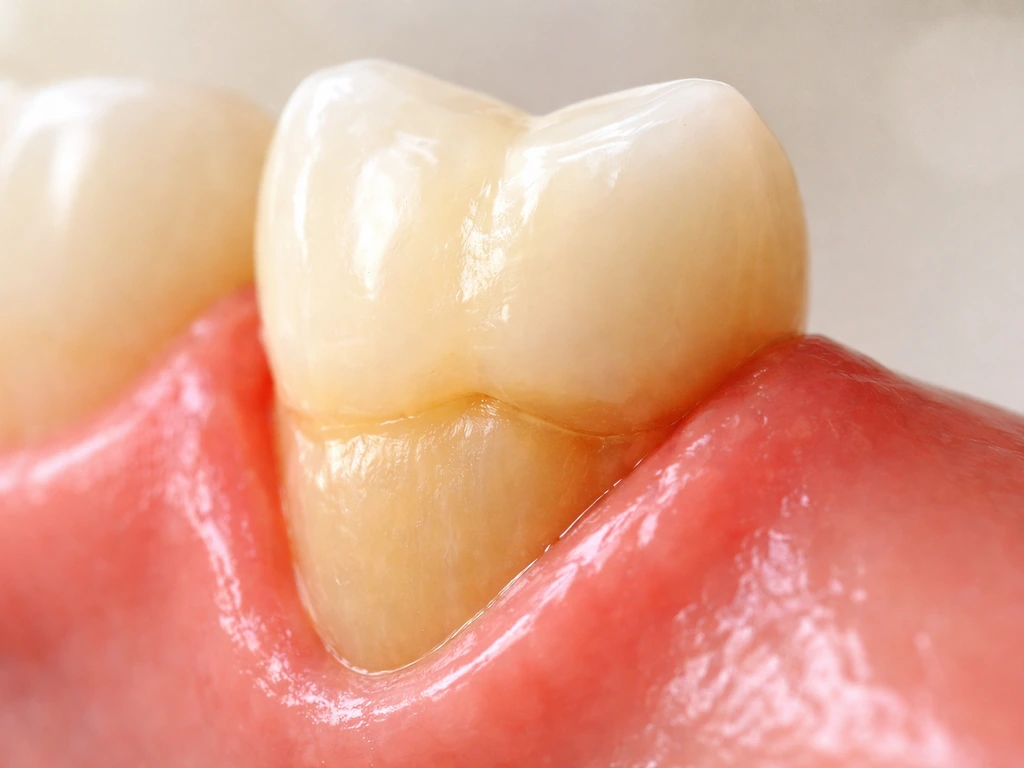
How to Grow Back Gums: What’s Real, What Helps, Next Steps
Learn what helps receding gums, real vs possible regrowth, causes, step-by-step care, and when to see a periodontist.