Stopping smoking will not make your gums grow back in the literal sense. Gum tissue that has receded due to periodontal disease does not spontaneously regenerate just because you quit. But here is the part that actually matters: quitting smoking dramatically improves your mouth's ability to heal, slows further destruction, and makes professional treatment far more effective. So while the answer to "will my gums grow back?" is technically no, the answer to "will quitting help my gums?" is a very clear yes.
If I Stop Smoking, Will My Gums Grow Back?

Marcus Holloway
23 May 2026
What smoking actually does to your gums
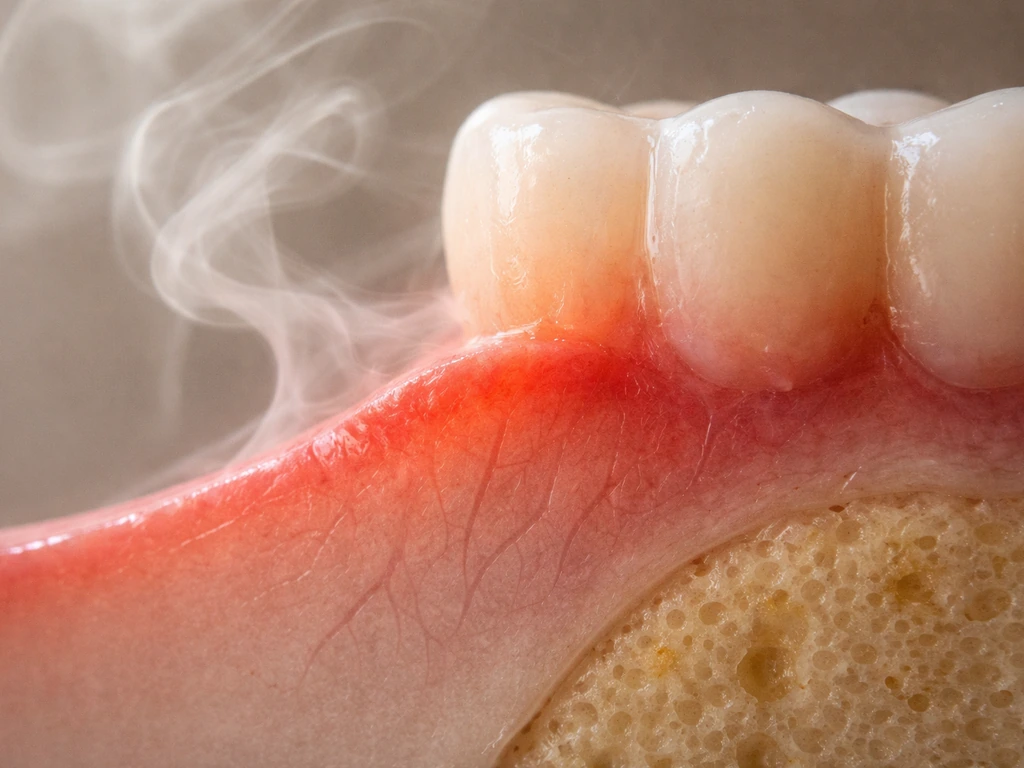
Cigarette smoke and nicotine attack your gums in a few specific ways. They impair blood flow to gum tissue, which reduces the delivery of immune cells and oxygen needed for normal repair. They also blunt your immune response, including the neutrophils that are your first line of defence against bacterial infection in periodontal pockets. On top of that, smoking disrupts collagen production, which is the structural protein that gives gum tissue its firmness and attachment to the tooth root. The result is that smokers tend to develop periodontitis faster, suffer more severe attachment loss, and lose bone support around teeth at a higher rate than non-smokers.
There is also a deceptive side effect: smoking can mask gum disease symptoms. Nicotine constricts blood vessels, which reduces bleeding on probing. That sounds like healthier gums, but it is actually hiding inflammation. Many smokers are surprised to find out how advanced their gum disease is because the usual warning sign, bleeding when you brush or floss, was suppressed by smoking all along.
What happens to your gums after you quit
Within days of quitting, your gingival blood flow starts to increase. Research shows measurable improvement in blood flow as early as three days after stopping, with continued improvement over roughly eight weeks. That increased circulation is what kick-starts better healing capacity. Your immune response also begins to normalize, meaning your body can actually fight the bacteria in periodontal pockets more effectively again.
One thing that surprises a lot of people: your gums may start bleeding more after you quit, especially in the first few weeks. That is not your gums getting worse. It is the opposite. Blood flow is returning to tissue that was artificially constricted by nicotine. The inflammation was there before, just hidden. So increased bleeding shortly after quitting is actually a sign your circulation is recovering, though it absolutely should be evaluated by a dentist.
Will gum recession actually reverse? Here is what is realistic
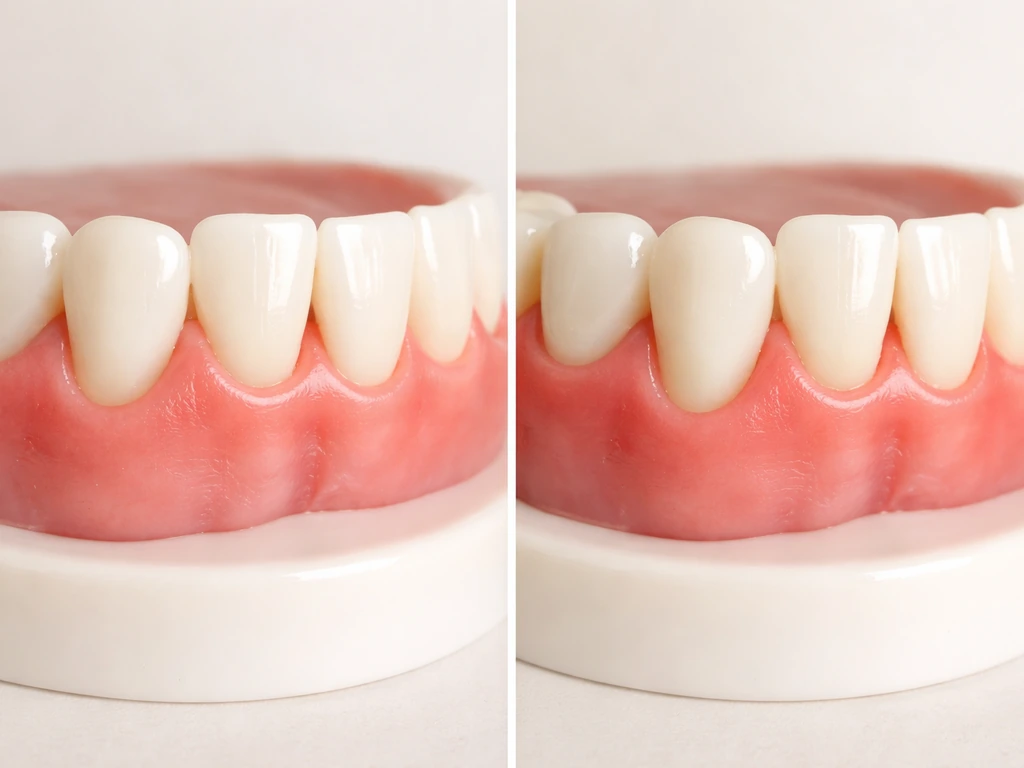
This is where it is important to separate two things: gum health improvement versus actual gum tissue regrowth. Quitting smoking can achieve the first but not the second on its own.
What can realistically improve after quitting: inflammation in gum tissue reduces, so puffy, swollen gum tissue may appear to "fill in" slightly around teeth. Bleeding on probing decreases over time. Probing depths (the measurement your dentist takes inside periodontal pockets) can improve with treatment. Response to professional cleaning and periodontal therapy is significantly better in ex-smokers than current smokers. A meta-analysis comparing smokers and non-smokers after nonsurgical periodontal therapy showed that ex-smokers and non-smokers achieved meaningfully better reductions in probing depth and better clinical attachment gains than people who kept smoking.
What does not spontaneously reverse: if you have established gum recession, meaning the gumline has visibly moved down the tooth and exposed root surface, that tissue does not grow back on its own. Similarly, bone loss around the roots that occurred during active periodontitis is considered irreversible once established. Quitting stops the bleeding, slows or halts further damage, and improves your surgical outcomes if you need procedures, but it does not make lost attachment tissue reappear.
A realistic timeline for what to expect
| Timeframe after quitting | What tends to change |
|---|---|
| 3 to 7 days | Gingival blood flow begins increasing; tissue starts receiving better oxygen and immune support |
| 2 to 4 weeks | Bleeding on probing may temporarily increase as circulation returns; some gum swelling may reduce slightly |
| 6 to 8 weeks | Blood flow improvement continues; gum tissue inflammation typically decreasing with good oral hygiene |
| 3 months | Measurable improvements in probing depth and clinical attachment levels are assessable after professional treatment |
| 6 to 12 months | Studies show significant improvement in periodontal outcomes over 12 months in those who quit and undergo treatment, compared with those who continue smoking |
| Long term | Disease progression slows considerably; surgical outcomes (if needed) are significantly better than in active smokers |
Keep in mind that these improvements are most meaningful when paired with professional periodontal treatment and meticulous home care. Quitting alone, without addressing the bacterial buildup in periodontal pockets, will still leave you with active disease. The cessation is a critical part of the equation, not the whole solution.
Red flags that mean see a dentist now
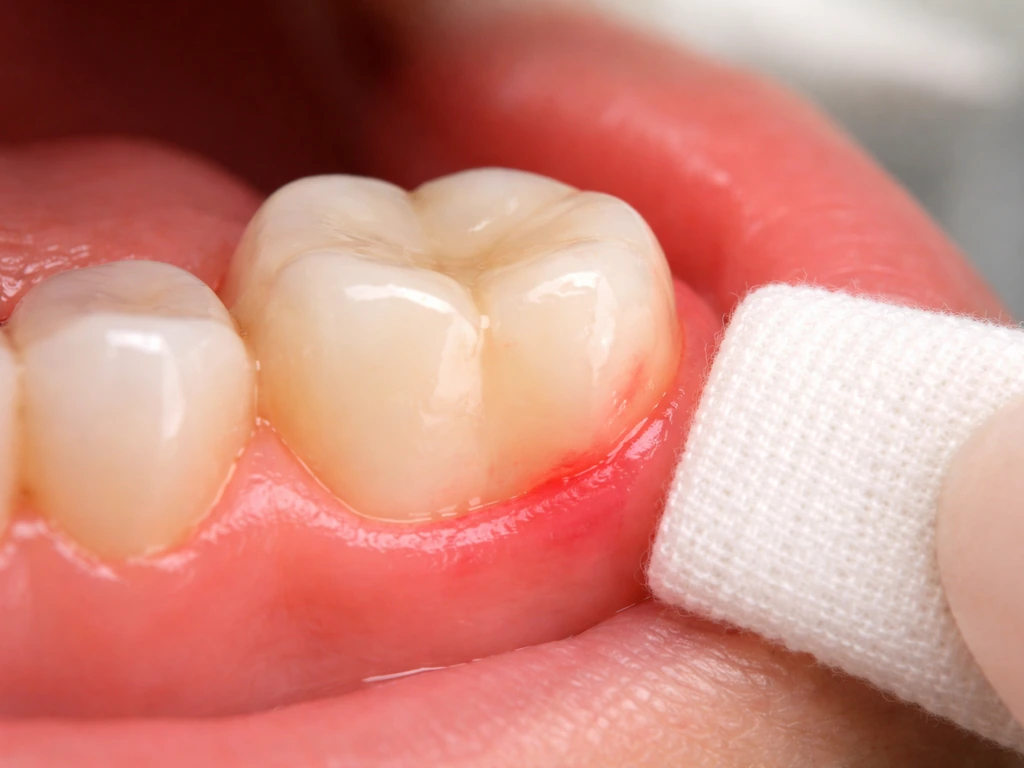
Some signs should not wait for a routine appointment. If you have any of the following, get evaluated as soon as possible, and treat fever or facial swelling as a dental emergency:
- Pus coming from around a tooth or from the gum tissue (periodontal abscess)
- A tooth that feels loose or has shifted position
- Persistent or worsening pain in the gum or jaw
- Visible swelling in the gum, jaw, or face
- Fever alongside any oral symptoms
- Rapidly progressing gum recession that is visibly changing over weeks
- Deep pockets or bleeding that does not settle after a few weeks of quitting and improving hygiene
A periodontal abscess, pus trapped in a gum pocket, is a dental emergency. It can cause rapid bone and tissue destruction if left untreated and can spread infection beyond your mouth if systemic symptoms like fever or swelling appear. Do not wait to see if it goes away on its own.
When you see a dentist or periodontist, they will assess your situation using periodontal probing (measuring pocket depth at multiple sites per tooth), check for bleeding on probing, and measure clinical attachment level (CAL), which combines the depth of the pocket with the position of the gumline relative to a fixed point on the tooth. This tells them how much actual attachment you have lost, not just how inflamed things look. They will also assess bone levels, often with X-rays, to see how far disease has progressed.
Treatment options for receded gums
Nonsurgical periodontal therapy first
The standard first step for most cases is scaling and root planing (sometimes called a "deep clean"), where a hygienist or periodontist removes calculus and bacterial deposits from below the gumline and smooths the root surfaces to discourage reattachment of bacteria. This is followed by a period of periodontal maintenance (usually every three to four months rather than the standard six-month cleaning) to keep bacteria in check while tissue heals. Evidence consistently shows this works significantly better in people who have quit smoking compared with those who have not.
Surgical options for recession coverage
If recession has exposed root surface and you want to restore coverage, there are surgical procedures designed specifically for this. The most evidence-backed option is the connective tissue graft (CTG), where tissue is taken from the palate (roof of the mouth) and placed over the exposed root. Guided tissue regeneration (GTR) uses barrier membranes to encourage the body to rebuild supporting tissue in specific defect areas. These procedures can achieve meaningful root coverage and clinical attachment gain, but smoking significantly worsens healing outcomes after gum surgery. Most periodontists strongly prefer to operate on patients who have already quit, and some will decline to perform elective grafting on active smokers because the failure and complication rates are considerably higher.
At-home support measures
No supplement or oil pulling routine replaces professional periodontal care. To be direct about some popular ideas: current evidence does not support vitamin C supplementation as a reliable way to improve primary periodontal outcomes, and coconut oil pulling has only limited evidence for plaque reduction with no demonstrated ability to reverse recession or restore lost attachment tissue. These are fine additions to a healthy routine but should not be substituted for scaling and root planing or gum grafting when those are indicated. If you are curious about whether things like oil pulling or specific supplements help gums, the honest answer from the research is that the effect sizes are small at best. Coconut oil is sometimes promoted for gum support, but there is no strong evidence that it helps gums grow back coconut oil help gums grow. Vitamin C may support gum healing, but it cannot regrow lost gum tissue on its own supplements help gums.
How to care for your gums after quitting
Your daily habits make a significant difference in how well your gums respond after you stop smoking. Here is what actually moves the needle:
- Brush twice daily with a soft-bristle toothbrush using gentle, circular motions angled toward the gumline. Hard scrubbing accelerates recession rather than helping it.
- Clean between teeth daily. Floss, interdental brushes, or a water flosser all work. The goal is disrupting the bacterial biofilm below the gumline that your toothbrush cannot reach.
- Use a fluoride toothpaste. If you have exposed root surfaces, consider a sensitivity toothpaste with potassium nitrate or stannous fluoride, as root surfaces are more vulnerable to sensitivity and decay than enamel.
- Avoid tobacco in all forms, including smokeless tobacco, which carries its own significant periodontal and tissue damage risks.
- Stay hydrated. Dry mouth encourages bacterial growth and worsens gum disease.
- Keep your periodontal maintenance appointments. After treatment, three to four month recall intervals are typically recommended rather than the standard six months.
- Tell your dentist about any nicotine replacement products you are using, as some (like nicotine gum or lozenges) can still affect oral tissues, though far less so than smoking.
For sensitivity on exposed root surfaces, your dentist can apply professional desensitizing agents or fluoride varnish. Over-the-counter sensitivity toothpastes used consistently over several weeks also reduce discomfort for most people. If sensitivity is severe or sharp, it is worth mentioning at your next appointment because it can also be a sign of root surface decay, which is a separate issue that needs treatment.
Can teeth or bone regrow after you quit? The hard limits
It is worth being clear about what the human body can and cannot regenerate in the mouth, because there are a lot of misleading claims out there. Quitting smoking does not trigger regrowth of any of the following: tooth enamel (which cannot regenerate at all once lost), the root surface or dentin exposed by recession, or the alveolar bone that has been destroyed by periodontitis. Adult teeth also do not regrow. These are hard biological limits, not things that change with better habits or supplements.
What can improve with cessation and treatment is the health and stability of the tissue that remains. Inflammation reduces. Pocket depths improve with treatment. The rate of ongoing bone loss slows substantially, and in some cases measurable bone density improvements have been observed on radiographs following treatment and cessation. Clinical attachment levels can improve, meaning the gum tissue reattaches more firmly to the root surface even if the overall position of the gumline does not fully move back to where it was. That stabilization, preventing further loss, is genuinely valuable even when full reversal is not possible.
The bottom line is this: quitting smoking is one of the most impactful things you can do for your periodontal health. It will not undo established recession on its own, but it makes every other treatment work better, slows or stops further damage, and gives your gum tissue the blood supply and immune function it needs to heal. Pair cessation with a periodontal evaluation and consistent home care, and you are working with the best evidence-based approach available. If recession is already significant, talk to a periodontist about grafting options, knowing that your outcomes as an ex-smoker will be meaningfully better than they would be if you kept smoking. Does Dental Pro 7 grow back gums? The evidence for any supplement or product doing true gum tissue regrowth is limited, and established recession usually needs professional periodontal treatment.
FAQ
If I stop smoking today, how soon will I notice improvement in my gums?
Not right away. Even though circulation starts improving within days, visible changes like less swelling or less bleeding usually take weeks. If you have a lot of recession, the gumline itself typically does not rise, so expectations should focus on inflammation control and pocket stabilization rather than immediate “re-growth.”
I bled more after quitting, does that mean my gum disease is getting worse?
Yes, especially in people who were suppressing bleeding before quitting. Increased bleeding in the first few weeks often reflects inflammation that was previously hidden, but it should still be assessed if it is heavy, lasts more than about 2 to 4 weeks, or comes with bad breath, loose teeth, or gum swelling.
If my gums get healthier after I quit, can I skip scaling and root planing?
Quitting helps, but active periodontal infection still needs professional cleaning. If you have periodontal pockets, scaling and root planing (and sometimes additional therapy) is what removes the bacterial deposits that home care alone cannot reach.
Should I wait after quitting before I get gum surgery or a graft?
Treatment timing can matter. Many periodontists prefer you quit before elective procedures like connective tissue grafting because healing failure and complication rates are higher in current smokers. In practice, you may be asked to demonstrate a period of cessation before scheduling.
How much gum recovery can I realistically expect after I quit smoking?
It depends on your baseline. Quitting can improve probing depths and attachment stability, but the amount of actual attachment gain is limited once significant bone loss and recession are established. A clinician can estimate prognosis using pocket measurements, clinical attachment level, and bone assessment on X-rays.
What if my gums hurt or look worse even though I quit smoking?
Dry, sore, or bleeding gums can also have causes other than periodontitis, like aggressive brushing injury, mouth breathing, uncontrolled diabetes, medication-related gum changes, or a fungal or viral issue. If symptoms do not track with your periodontal status or worsen rapidly, ask for a full oral exam rather than assuming it is “just quitting.”
Is nicotine replacement therapy (patch or gum) enough, or do I need zero nicotine to help my gums?
Using nicotine replacement or other nicotine sources is often still better than smoking because it avoids smoke-related blood flow and immune effects, but it can still influence tissue response. If you are planning periodontal surgery, tell your periodontist exactly what you use (patch, gum, vape, or lozenges) and how much.
What happens to my gum treatment results if I relapse to smoking?
If you relapse, the benefit you gained from quitting can be reduced. Even occasional smoking can increase risk of ongoing inflammation and slower healing after procedures. The safest plan is complete cessation, and if you slip, contact your periodontist promptly so they can adjust the care plan.
Can oil pulling or vitamins regrow gums after I quit smoking?
Oil pulling and supplements are unlikely to reverse recession or regenerate attachment. They may modestly help plaque control in some people, but they should not delay evidence-based care like periodontal maintenance and, when indicated, grafting.
My teeth feel sensitive on the areas with recession. What should I do after quitting smoking?
Yes. Exposed root surfaces can become very sensitive, and you may need targeted strategies like desensitizing toothpaste, fluoride varnish, or professional desensitizing agents. If sensitivity is sharp or worsening, it can indicate root decay or active disease requiring treatment.
What gum symptoms are serious enough that I should get urgent dental help?
If you notice pus, sudden gum swelling, fever, facial swelling, or rapidly worsening tooth looseness, treat it as urgent rather than waiting for routine care. These can signal a periodontal abscess or spreading infection that needs prompt evaluation.
Next Articles
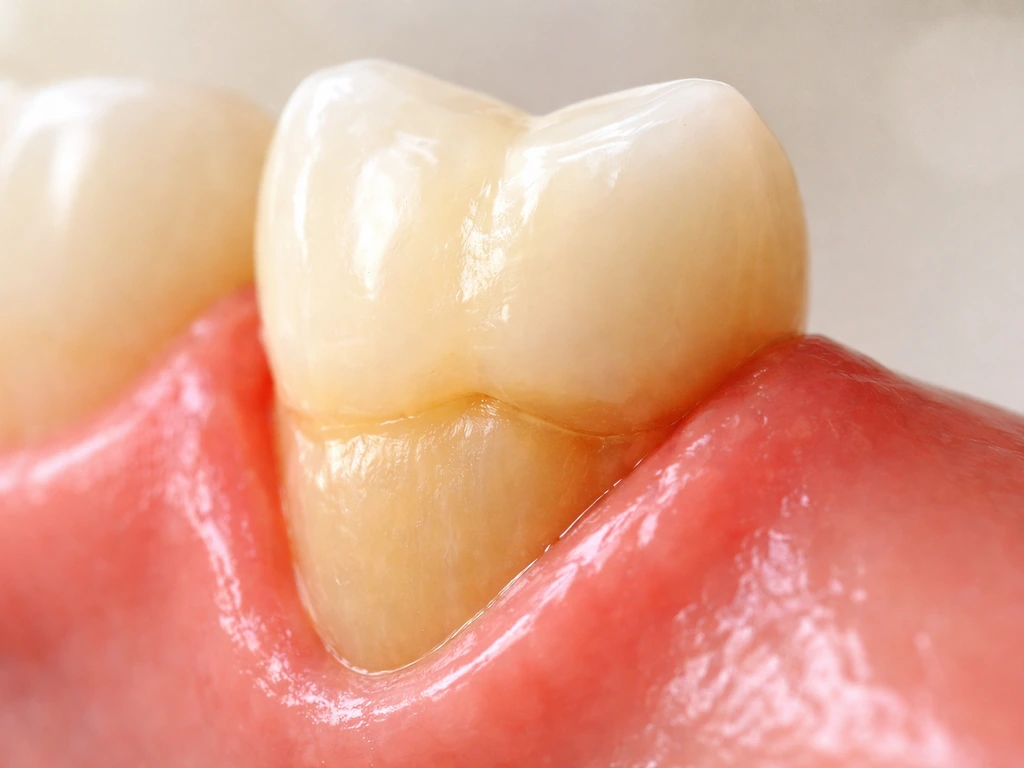
How to Grow Back Gums: What’s Real, What Helps, Next Steps
Learn what helps receding gums, real vs possible regrowth, causes, step-by-step care, and when to see a periodontist.
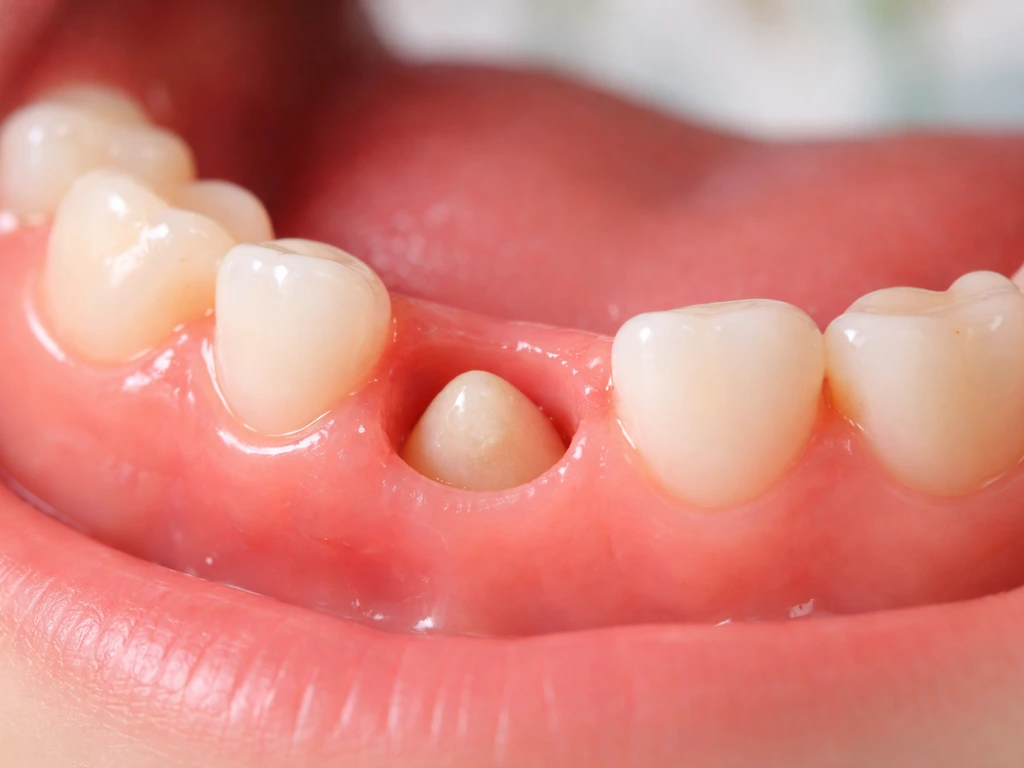
Do Milk Teeth Grow Back? Timelines, What to Do, Red Flags
Learn if milk teeth regrow, typical timelines for permanent teeth, what to do after loss or injury, and red flags.
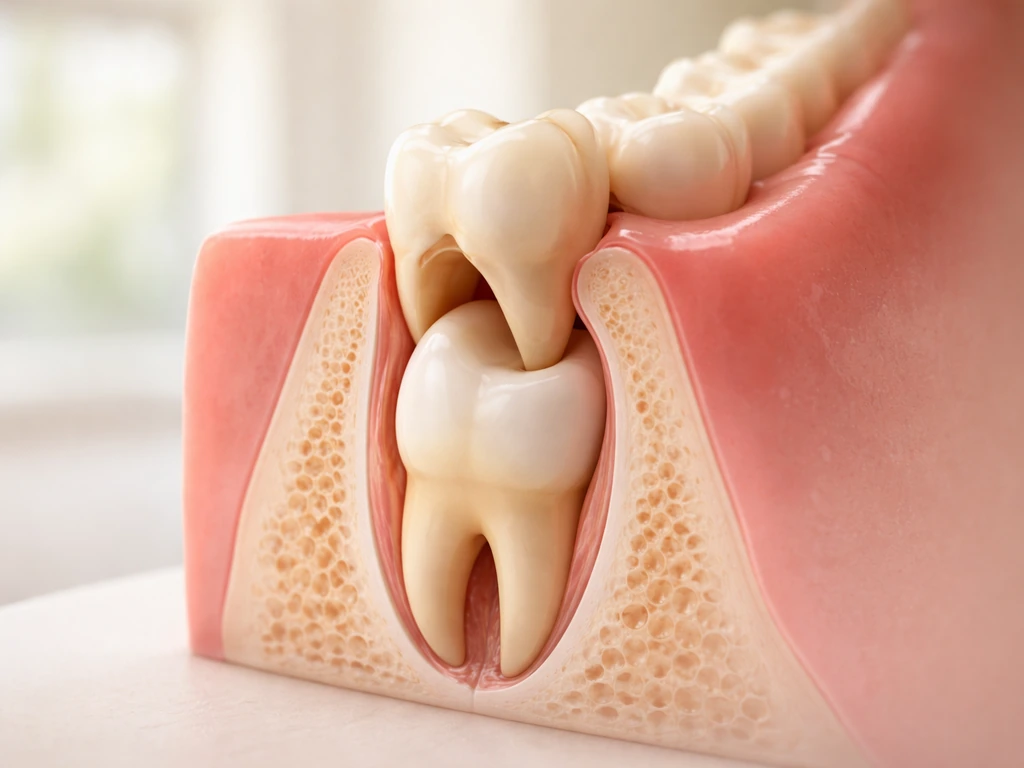
Can Milk Teeth Grow Twice? Replacement vs True Regrowth
Can milk teeth grow twice? Learn why baby teeth usually only get replaced, not regrown, and what to do if one falls out