
Gums do not grow back the way hair or skin does. Once you have lost actual gum tissue from recession, that tissue does not regenerate on its own at home. What can improve naturally is the inflammation side of the equation: if your gums are swollen, bleeding, and pulling away because of plaque buildup and gingivitis, getting on a solid oral hygiene routine can reduce that inflammation, firm up the tissue, and make your gums look and feel healthier within a few weeks. That is the honest truth, and it is still worth pursuing because early-stage gum damage is reversible. Actual lost attachment from periodontitis or physical recession is a different story, and that usually needs professional treatment, sometimes surgery, to address properly.
How to Grow Gums in Teeth Naturally: What Works

Marcus Holloway
28 May 2026
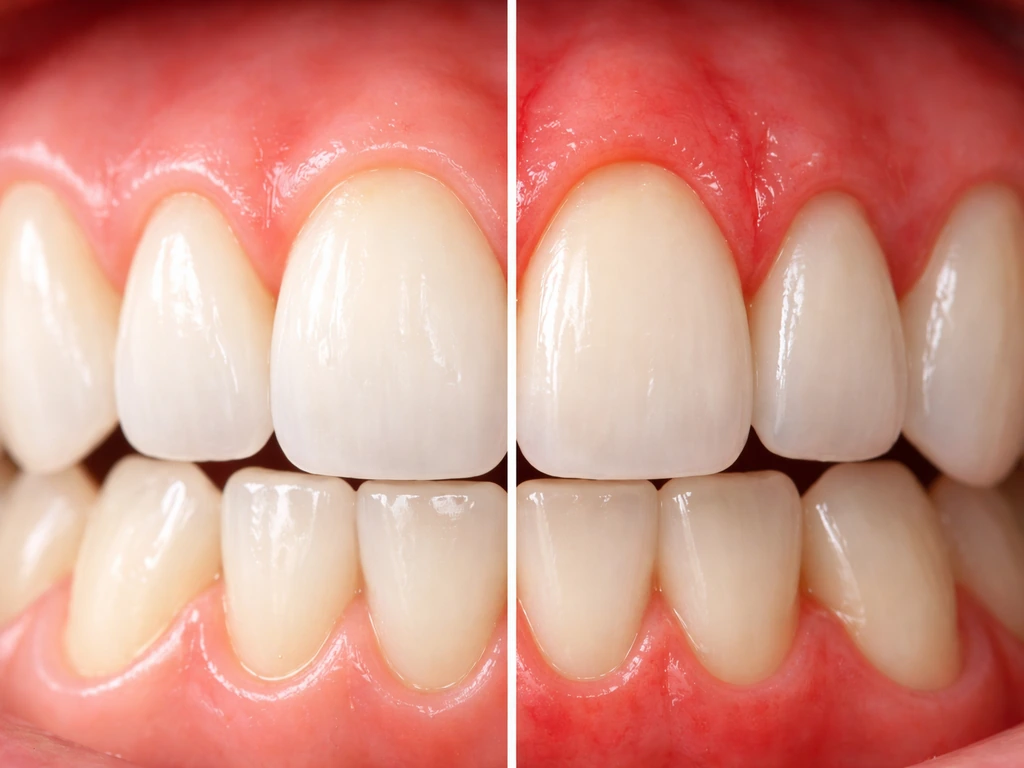
Are you trying to grow back gum tissue or just improve gum health?
Before you do anything, it helps to know which problem you actually have, because the answer changes everything. There are two very different situations people describe when they say they want to 'grow gums back.'
The first is inflamed, unhealthy gums that are red, swollen, or bleeding. This is usually gingivitis or early periodontitis, and here the gum tissue is still present but irritated. Get rid of the inflammation and your gums can return to a healthier, firmer state. That feels like 'growing back' and in a functional sense it is an improvement, but what you are really doing is reducing swelling and letting the tissue heal to its normal shape.
The second is true gum recession, where the gum line has physically moved down the tooth and exposed root surface. In this case, the tissue is gone. No toothpaste, oil pulling, or herbal rinse will rebuild it. If you are wondering can tartar grow on gums, the answer is yes because plaque can harden into tartar at or below the gumline. The only way to get root coverage in a case of true recession is through a professional procedure, most commonly a connective tissue graft. If someone is telling you otherwise online, that is the folklore talking, not the dental science.
A quick way to tell the difference: if your gums bleed easily and look puffy but the gum line sits at roughly the same height on all teeth, you likely have an inflammation issue. If you can see the yellowish root surface below where the pink gum line should be, or your teeth look longer than they used to, that is recession. Many people have both at the same time.
Why gums recede or become unhealthy in the first place
Understanding the cause matters because treatment and prevention both depend on it. Here are the main drivers:
- Plaque and bacterial buildup: the most common cause of gingivitis and periodontitis, which leads to bone and tissue loss over time if untreated
- Aggressive brushing: brushing too hard or with a hard-bristled brush physically abrades gum tissue and wears it away at the margin
- Periodontitis (gum disease): bacterial infection that destroys the connective tissue and bone holding gums in place, causing measurable clinical attachment loss
- Smoking: consistently linked to greater bone loss, more frequent deep pockets, and impaired healing, and it masks inflammation so problems progress silently
- Genetics: some people are genetically predisposed to thin gum tissue or faster-progressing gum disease regardless of hygiene habits
- Hormonal changes: pregnancy, menopause, and puberty can all increase gum sensitivity and inflammation
- Dry mouth (low saliva): saliva neutralizes acids and washes away bacteria, so reduced flow accelerates damage
- Poor-fitting dental work: crowns or partials that irritate the gum margin cause localized recession over time
- Trauma or injury: physical damage to gum tissue from habits like nail biting, toothpick use, or oral piercings
- Teeth grinding (bruxism): creates excessive forces that contribute to bone and tissue loss at the margins
Self-check: how to tell what's going on and when to get help
You cannot accurately measure your own gum pocket depths at home. A dentist or periodontist does that with a probe and checks the numbers in millimeters. Pockets deeper than 3 mm are a clinical red flag, and bleeding on probing (the gum bleeds when touched gently with the instrument) signals active inflammation. But there are some things you can assess yourself to decide how urgently to act.
| Sign you notice at home | What it likely means | How urgent |
|---|---|---|
| Gums bleed when brushing or flossing | Gingivitis or early periodontitis | See a dentist within a few weeks; start improving hygiene today |
| Gums look red, puffy, or shiny | Active inflammation, likely gingivitis | Same as above; good hygiene may resolve it |
| Teeth look longer than they used to | Recession has already occurred | See a dentist or periodontist soon to assess severity |
| Visible yellowish surface below the gum line | Exposed root from recession | Schedule a periodontist evaluation; this needs professional assessment |
| Tooth feels loose or sensitive to pressure | Possible significant bone loss | See a dentist promptly, do not wait |
| Persistent bad breath despite brushing | Bacterial load likely high, possible periodontal infection | Dental visit recommended |
| Gums look and feel fine, no bleeding | May be healthy; recession from aggressive brushing is possible with no symptoms | Annual checkup, review brushing technique |
If you have any combination of loose teeth, visible bone loss on an X-ray, suppuration (pus near the gum line), or pain, you are past the self-care stage and need a periodontist specifically, not just a general cleaning.
Your at-home gum recovery plan: what to start today
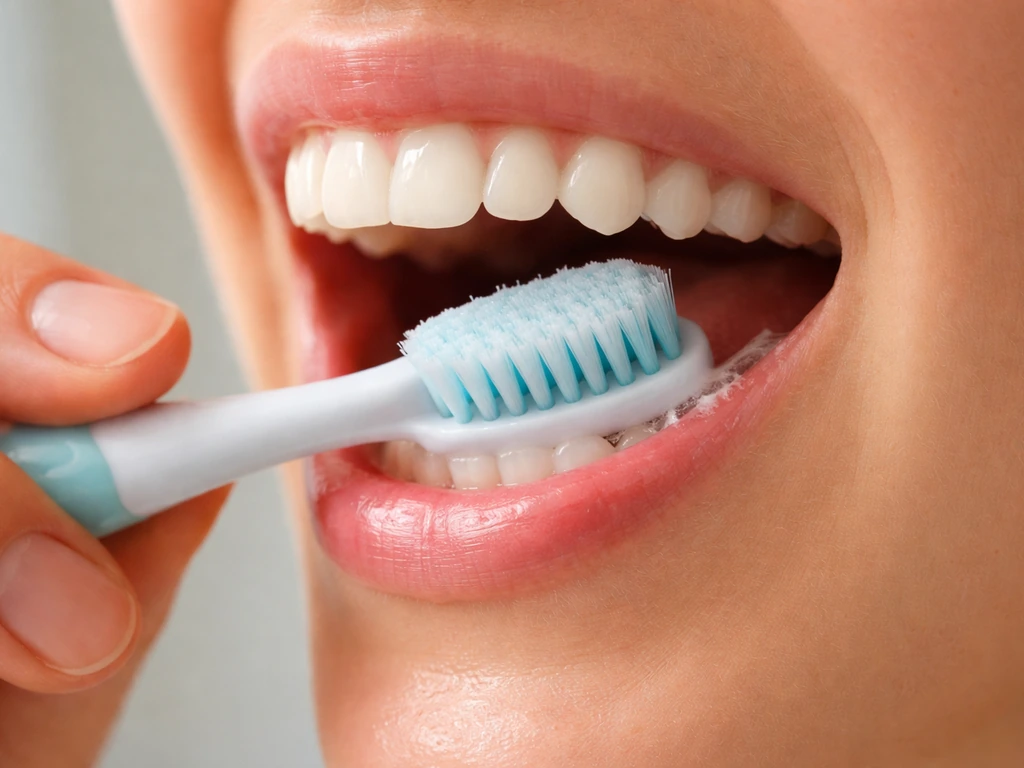
If your problem is primarily inflammation-based gum disease, the right daily routine can produce noticeable improvement in as little as four to six weeks. The key word is technique. Most people are brushing, but not correctly.
Brushing technique
Switch to a soft-bristled toothbrush if you are not already using one. Hold it at a 45-degree angle to the gum line and use small, gentle circular or vibratory strokes rather than scrubbing back and forth. Two minutes, twice a day, minimum. An electric toothbrush with a pressure sensor is genuinely helpful here because it takes the guesswork out of how hard you are pressing.
Interdental cleaning

Brushing alone does not clean between teeth where gum disease loves to start. Adding interdental cleaning to brushing is supported by good evidence for reducing plaque and gingivitis. You have options: traditional floss, interdental brushes (especially useful if you have gaps or spaces), or a water flosser. Water flossers are a solid choice if you struggle with manual flossing, and they are particularly helpful around crowns, bridges, and braces. The ADA notes that water flossers or irrigators can be useful especially for people who have trouble flossing by hand, as an option for interdental plaque control. Use whatever you will actually do every day, because consistency beats perfection of technique.
Mouthrinse as an adjunct
An antimicrobial mouthrinse can be a useful short-term addition. If plaque buildup is the main issue, controlling it early can help keep the gums from becoming inflamed or receding. Chlorhexidine rinse has strong evidence behind it for reducing gingivitis and plaque, with measurable improvements over four to six weeks in studies. The catch is that it should not be a permanent fixture because it can stain teeth and cause taste disturbance with prolonged use. Use it as a short-term boost when starting your routine or after a professional cleaning, under dentist guidance. Over-the-counter antibacterial rinses with cetylpyridinium chloride or essential oils are better for ongoing daily use.
Fluoride
If you have exposed root surfaces from recession, those areas are more vulnerable to decay than enamel because root dentin is softer. Using a fluoride toothpaste and, in some cases, a prescription-strength fluoride gel your dentist can provide, protects those surfaces while you address the gum issue. This does not regrow gums, but it prevents recession from creating a second problem.
Xylitol
Xylitol-sweetened gum after meals has some evidence behind it for reducing plaque and gingivitis. It is not a replacement for brushing, but it is a useful and easy add-on, especially after meals when you cannot brush immediately. Look for products where xylitol is listed as the first sweetener.
Lifestyle factors that genuinely support gum health
Beyond your daily oral hygiene routine, several lifestyle factors have a real, documented impact on your gums. These are not just general wellness tips added to fill space.
Quit smoking
Smoking is one of the most significant modifiable risk factors for gum disease. It causes greater bone loss, more frequent deep pockets, and worsens outcomes even with professional treatment. It also suppresses bleeding, which masks how bad your gums actually are. Stopping smoking shifts the oral microbiome in a healthier direction and significantly improves treatment outcomes. If you smoke and have gum issues, quitting is probably the single most impactful thing you can do besides seeing a periodontist.
Diet
A diet high in sugar and refined carbohydrates fuels the bacterial biofilm that drives gum disease. Vitamin C supports collagen synthesis in gum tissue, and deficiency is historically associated with gum problems (scurvy being the extreme end). Getting adequate vitamin C through food (citrus, bell peppers, leafy greens) or supplementation is a reasonable and low-risk addition. Vitamin D and calcium support bone health including the alveolar bone that anchors teeth. These are supporting players, not cures, but they matter at the margins.
Hydration
Saliva is your mouth's natural defense system. It buffers acids, delivers antibacterial proteins, and mechanically clears food and bacteria. Chronic dehydration or conditions that cause dry mouth (including many medications) reduce that protection and accelerate gum and tooth damage. Drinking enough water throughout the day, and talking to your doctor if dry mouth is a medication side effect, genuinely matters.
Stress and sleep
Chronic stress elevates cortisol, which can impair immune response and make you more susceptible to periodontal infection. Stress is also a known driver of teeth grinding, which contributes to bone and tissue loss at the gum margins. Poor sleep compounds the immune suppression. These connections are real even if they feel indirect. Managing stress and getting adequate sleep are legitimately part of a gum-health strategy, not filler advice.
Professional treatments that actually repair or regrow gum tissue
Once you cross into true attachment loss or measurable recession, self-care maintains but does not restore. Here is what professional treatment looks like at different stages.
Professional cleaning and scaling/root planing
For early to moderate periodontitis, the first line of professional treatment is non-surgical subgingival instrumentation, commonly called scaling and root planing (or a 'deep cleaning'). The goal is to remove calculus and bacterial biofilm from below the gum line, which your toothbrush cannot reach. This reduces pocket depths, reduces inflammation, and allows the soft tissue to reattach in some areas. The clinical benchmark for a successful outcome is getting pocket depths to 4 mm or less with no bleeding on probing. This is stabilization and reattachment, not full regeneration to original anatomy, but it is the foundation everything else depends on.
Connective tissue graft (CTG)
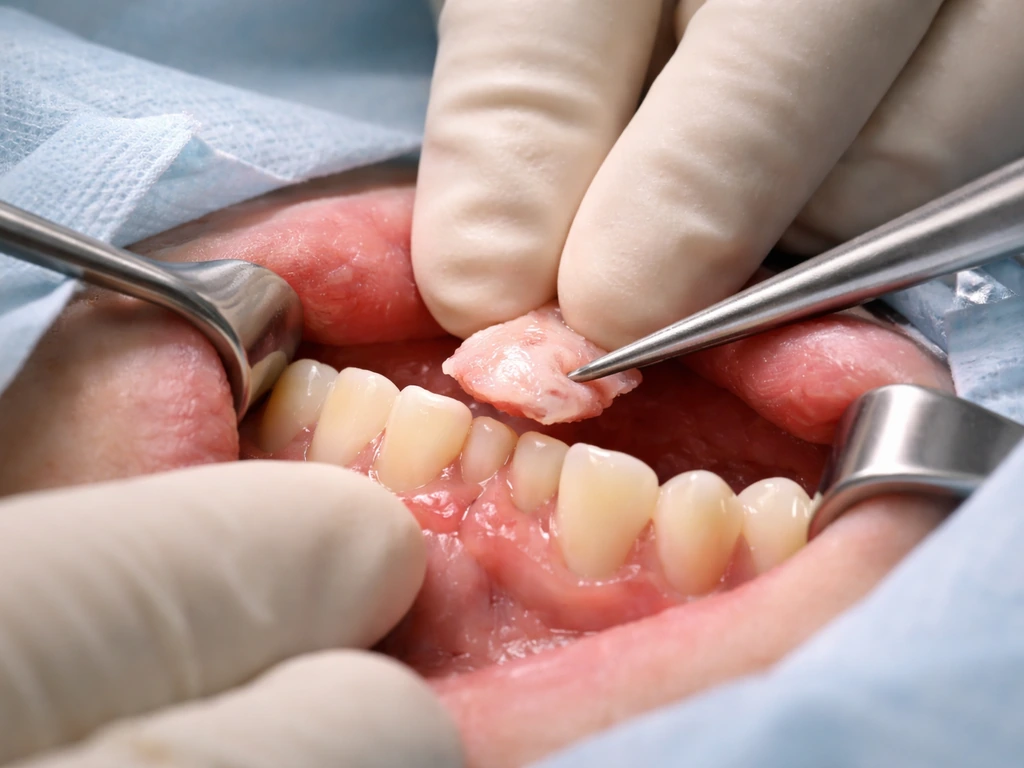
For localized recession, a connective tissue graft is the closest thing to actually regrowing gum tissue that exists. A small amount of tissue is taken from the palate (or from a tissue bank in some cases) and placed over the receded area. Clinical trials measure outcomes including recession depth reduction, clinical attachment gain, and keratinized tissue gain. The subepithelial connective tissue graft is widely considered the reference standard for root coverage procedures, with high mean coverage percentages in controlled studies. Healing and evaluation typically happens over months, with six-month data being a common clinical endpoint in research.
Guided tissue regeneration (GTR)
GTR uses a barrier membrane placed at the recession site to exclude faster-growing epithelial cells and allow slower-growing periodontal ligament and bone-forming cells to regenerate the attachment apparatus. Studies comparing CTG and GTR for Miller Class I and II recessions show both can achieve meaningful improvements in recession, clinical attachment level, and keratinized tissue gain. GTR tends to be more technique-sensitive and outcomes can vary more, which is why CTG is more commonly favored for straightforward recession cases.
When surgery is and is not appropriate
Not every recession needs a graft. Grafting is most appropriate when recession is causing sensitivity, putting tooth longevity at risk, is progressing, or is cosmetically significant to the patient. A periodontist will classify the recession (using systems like the Miller classification or more recent staging) and discuss whether surgery makes sense for your specific case. Minor recession that is stable and not symptomatic may just require monitoring and risk factor control.
What to realistically expect and how to protect what you have
Here is an honest timeline for each scenario:
| Situation | Realistic outcome with proper care | Typical timeline |
|---|---|---|
| Gingivitis only (no attachment loss) | Full resolution of inflammation; gums return to healthy firm appearance | 2 to 6 weeks of consistent hygiene improvement |
| Early periodontitis (mild attachment loss) | Stabilization, reduced pockets, less bleeding; some reattachment possible after deep cleaning | 3 to 6 months of treatment plus maintenance |
| Moderate to advanced periodontitis | Slowing or stopping progression; pockets reduced; some sites may still need surgery | 6 to 12 months active treatment, then ongoing maintenance |
| Localized recession with CTG | Significant root coverage in favorable cases; studies show reductions in recession depth and attachment gain measured at 6+ months | Healing 4 to 8 weeks, full evaluation at 6 months |
| True attachment loss (no surgery) | Cannot reverse; can only prevent further loss with excellent maintenance | Lifelong maintenance required |
Prevention of recurrence is not optional. After any professional treatment, your periodontist will recommend supportive periodontal care intervals tailored to your risk level. Skipping those follow-up appointments is how people end up back where they started. The evidence is clear that without ongoing maintenance and continued risk factor control (hygiene, smoking, stress), disease recurs and tissue loss continues.
One related thing worth knowing: some people ask whether gum tissue can grow over teeth or food debris on its own. The biology there is different from recession recovery, and it is worth understanding the distinction between tissue that is inflamed and swollen (which can appear to 'grow over' a tooth) versus healthy attachment, since plaque and tartar on or near gums also play a role in how the gum tissue behaves around the tooth surface.
The bottom line: start your at-home routine today, because reducing inflammation is both achievable and meaningful. But get a professional evaluation if you have any signs of recession, deep pockets, or loose teeth. Self-care and professional care are not either/or. The best outcomes happen when both are working together.
FAQ
How can I tell whether I have inflammation that can improve versus true gum recession?
If your gums bleed when gently touched, that points more toward active inflammation than “just dry gums.” In that situation, the priority is correct plaque control, and you should not assume it is too late. Bleeding that does not improve after consistent brushing and interdental cleaning for about 4 to 6 weeks, or bleeding with pus or pain, should be assessed by a periodontist.
What signs mean my gum problem is progressing and I should not wait at home?
You cannot safely measure pocket depth at home, but you can monitor a few clues that often track with worsening disease, such as new tooth lengthening, gum line creeping down over months, a persistent bad taste, or gum swelling that keeps returning. Any of these, especially if paired with bleeding or sensitivity, is a reason to book a periodontal exam rather than trying new home remedies.
Is mouthwash enough, and how do I use antiseptic rinses without making things worse?
Start with a soft brush at a 45 degree angle, small gentle strokes, and floss or interdental brushes daily. If you decide to try an antimicrobial rinse, avoid using chlorhexidine as a long-term routine, because staining and taste changes can happen. If you use it, keep it time-limited and coordinate with your dentist, especially if you already use other strong mouthwashes.
Should I brush harder to grow gums back, or change technique instead?
Do not treat gum recession by “scrubbing harder.” In many people, aggressive brushing increases trauma and can worsen recession and sensitivity. If you use an electric brush, use the pressure sensor mode, and if you still see bleeding after technique changes, get evaluated, because bleeding can be from inflammation that needs professional scaling.
Can plaque and tartar under the gumline be the reason my gums look like they are not healing?
Yes, tartar can form below the gumline, even if the gum looks relatively okay from the outside. That is why bleeding, persistent inflammation, or pockets need an in-person assessment. Professional scaling and root planing removes calculus where home tools cannot reach, which is often the step that allows gums to look healthier again.
If I have exposed roots, what should I do for tooth protection while addressing recession?
If you have recession with exposed root surfaces, fluoride is mainly about preventing root decay and reducing sensitivity, not rebuilding gum tissue. Ask your dentist whether you need prescription-strength fluoride gel or other desensitizing strategies, especially if the exposed areas hurt with cold drinks or brushing.
How useful is xylitol gum if I’m trying to improve gum inflammation?
Xylitol gum is a helpful add-on, especially after meals when you cannot brush immediately, but it does not replace brushing and interdental cleaning. For best effect, choose products where xylitol is the main sweetener and chew soon after eating, then return to your normal routine.
What role does smoking really play in gum “growth” and healing?
Smoking can mask disease severity and slows healing, so it often makes results harder even when you do everything right at home. If you are ready to quit, consider asking your dentist or primary care clinician about cessation support options, because quitting is one of the highest impact changes for periodontal outcomes.
What if I have both bleeding gums and visible recession at the same time?
Some people have both gingivitis and recession at the same time, so one change might improve appearance while another problem still progresses. A good approach is to focus first on controlling inflammation and cleaning thoroughly, while getting a periodontal evaluation to determine whether you need grafting or just stabilization and maintenance.
After professional treatment, how often do I really need follow-ups to keep results?
After graft or deep-cleaning therapy, skipping supportive periodontal visits is a common reason gums worsen again. Ask your periodontist how often you should return based on your risk, and whether you will need more frequent maintenance, because recurrence risk is highly individual (especially with smoking, diabetes, or heavy calculus buildup).
Next Articles
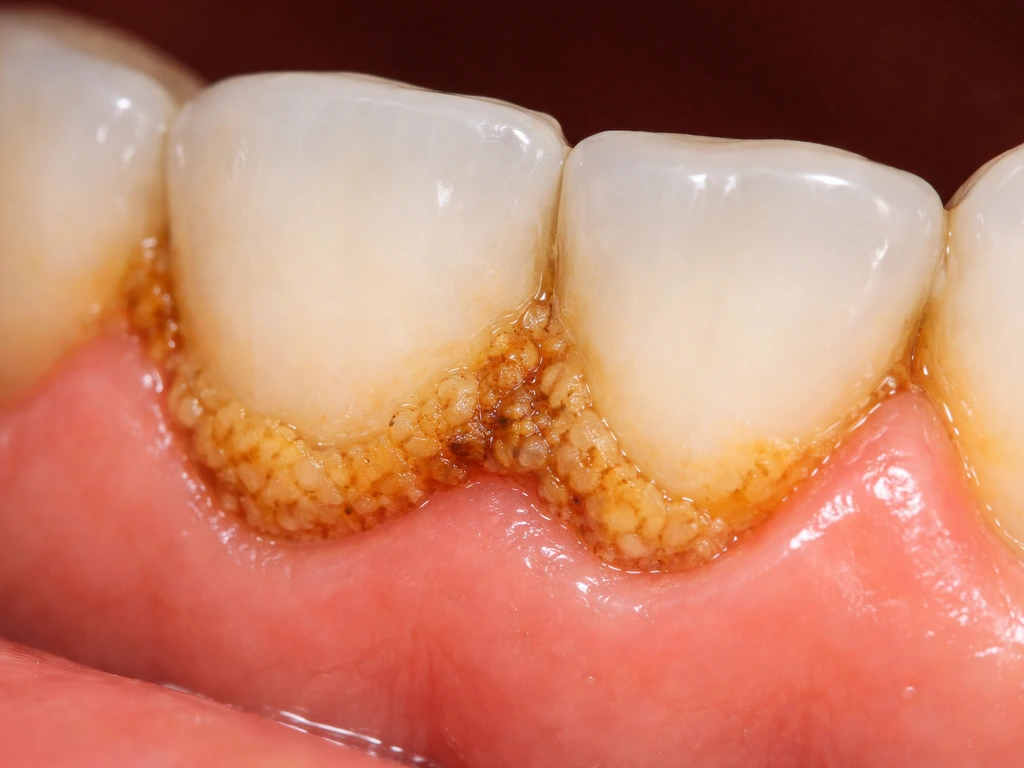
Can Tartar Grow on Gums? How It Forms and What to Do
Learn if tartar builds on gums, why it forms at the gumline, and how to remove it safely and prevent recurrence.
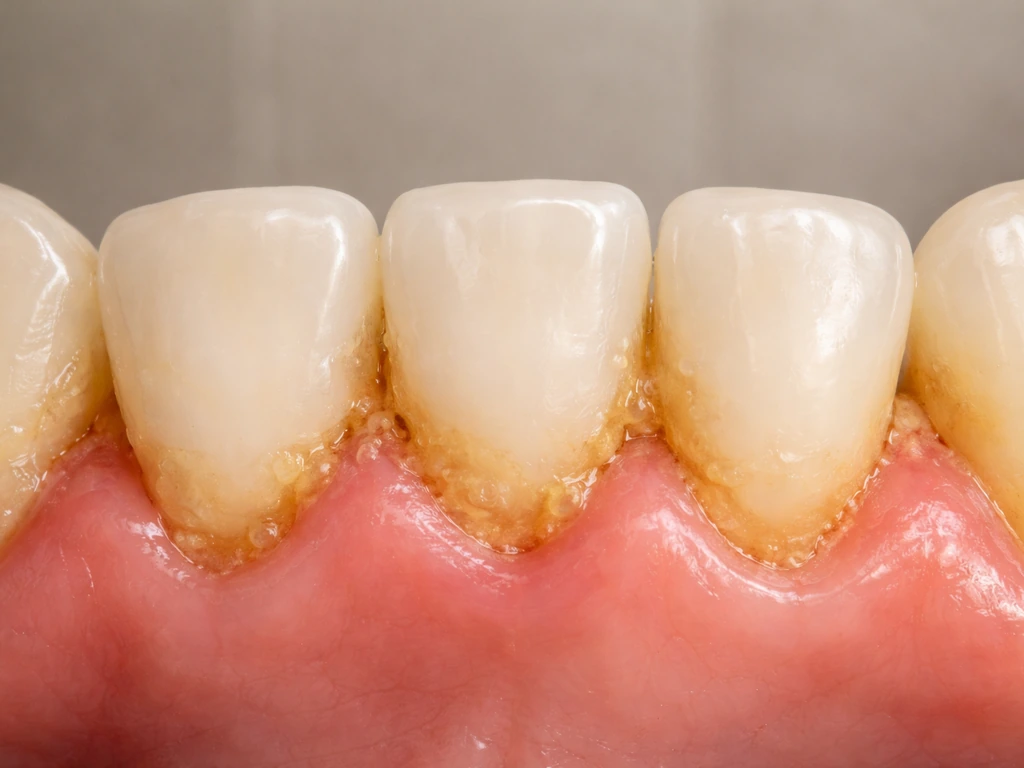
Can Plaque Grow on Gums? What It Means and What to Do
Learn if plaque forms on gums, signs to watch, and a step-by-step routine to remove it and prevent gingivitis.
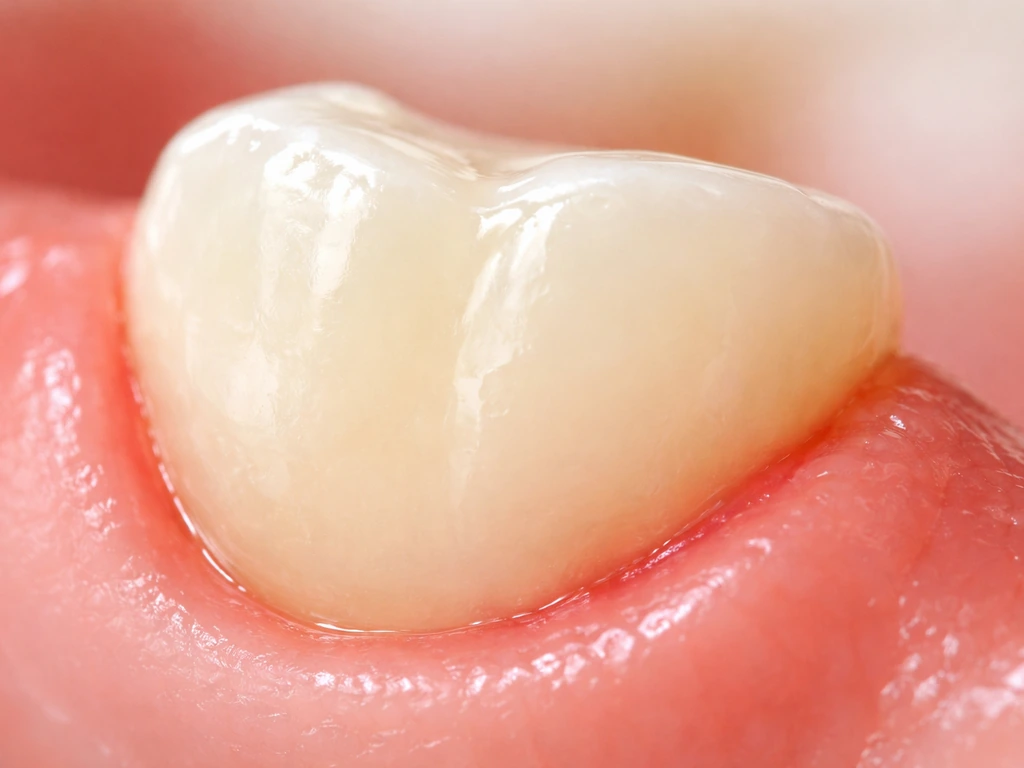
Can Gum Grow Over Teeth? Causes, Timelines, and What to Do
Can gum grow over teeth? Know causes, timelines, and what to do for recession, overgrowth, or broken teeth.