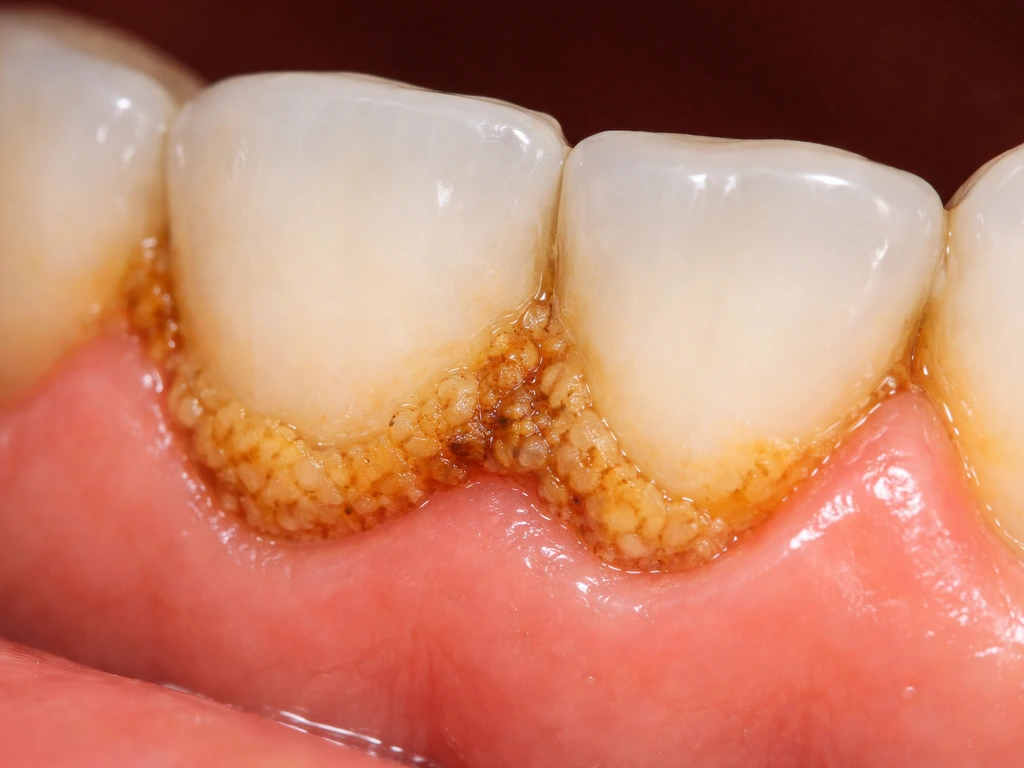
Yes, tartar absolutely can build up on and around your gums. It forms at the gumline, creeps below it, and can look like it is sitting directly on gum tissue. But here is the important distinction: tartar is not your gum growing or regenerating. It is hardened, mineralized plaque, and it is a problem that only gets worse the longer it stays there.
Can Tartar Grow on Gums? How It Forms and What to Do

Marcus Holloway
18 May 2026
How tartar actually forms and where it ends up
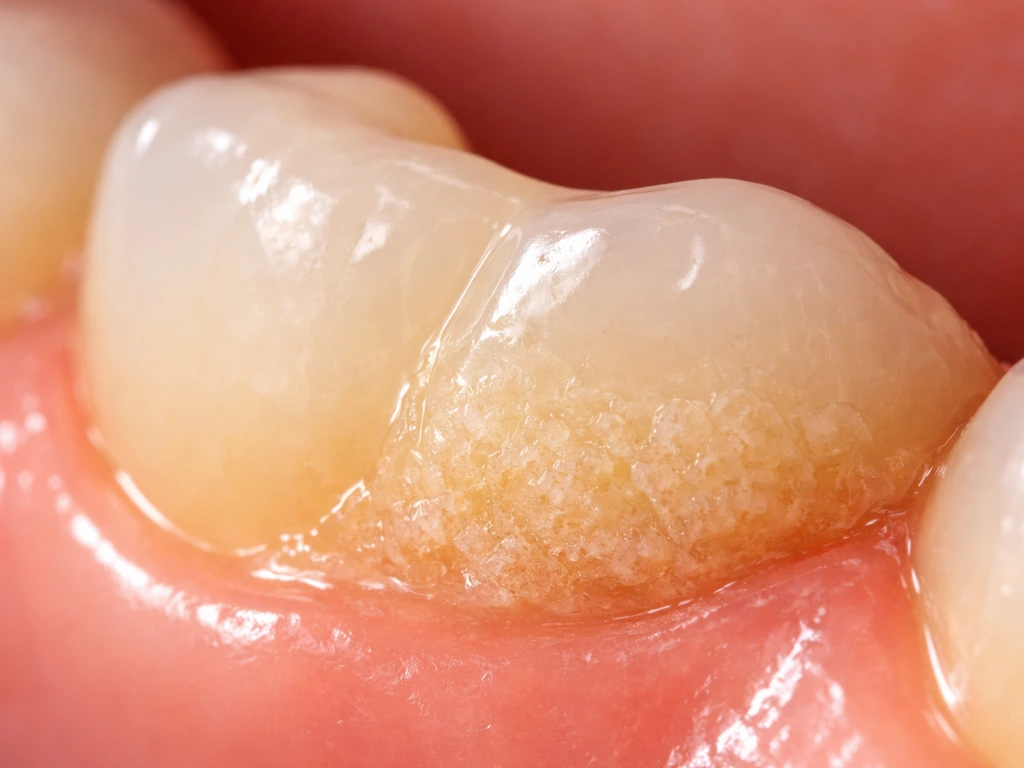
Tartar, also called dental calculus, starts as plaque. Plaque is the soft, sticky bacterial film that forms on your teeth constantly. If you do not brush it away, the minerals in your saliva begin to harden it. That mineralization can start in as little as 4 to 8 hours. Once plaque calcifies into tartar, it bonds to the tooth surface and you cannot brush or floss it off.
There are two types, and understanding both explains why tartar seems to be 'on the gums.' Supragingival calculus forms above the gumline on exposed tooth surfaces, and it gets its minerals from saliva. Subgingival calculus forms below the gumline, inside the pocket between your tooth and gum, and it gets its minerals from the fluid your gum tissue produces. Supragingival calculus is roughly 37% mineral by volume, while subgingival calculus is denser at around 58% mineral. The subgingival type is darker, harder, and more damaging because it is hidden and harder to treat.
The heaviest buildup tends to happen where saliva flows into the mouth. The inside surfaces of your lower front teeth, right where the submandibular (Wharton) duct opens near the floor of your mouth, are classic hotspots. The upper molars, near the parotid (Stensen) duct opening on the inside of your cheek, are another. If you notice crusty-looking deposits around those areas, that is almost certainly tartar.
Some people form calculus faster than others. Smokers have a significantly higher rate of supragingival calculus deposition. People with certain saliva chemistry, higher plaque retention (like those with orthodontic brackets), or less effective brushing habits tend to accumulate it more quickly too.
Why tartar looks like it's 'on' your gums
This is one of the most common points of confusion, and it is worth clearing up directly. When tartar sits right at the gumline, or when subgingival calculus irritates the tissue and causes the gum to swell and pucker around it, the whole mass can look like it is part of the gum itself. It is not. The gum tissue is responding to the irritation caused by the calculus and the bacteria living in it.
There is also a related question people sometimes have about whether gum tissue can grow over a tooth or over deposits. Inflamed gum tissue can swell or proliferate in response to chronic irritation, which can make deposits look even more embedded. But that swelling is inflammation, not regeneration. Gum tissue does not generate new, healthy material on its own in response to damage or tartar buildup.
Plaque and tartar are also genuinely different things, even though they are related. Plaque is soft and invisible or slightly white and filmy. Tartar is hard, rough, yellow to brown or even black (subgingivally), and it cannot be wiped away. If you are unsure whether what you are seeing is gum swelling, plaque, or tartar, that uncertainty itself is a good reason to see a dentist.
Symptoms to watch for and when to act fast
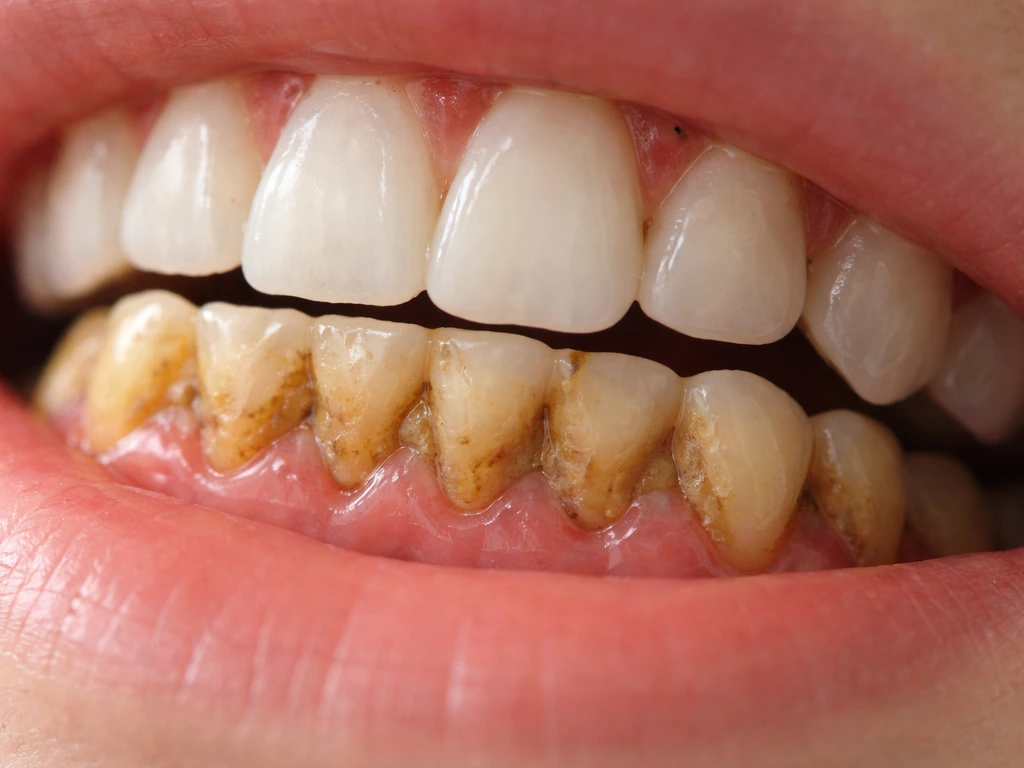
Tartar buildup does not always hurt, at least not at first. But it triggers a chain of events in your gum tissue that eventually becomes very noticeable. Here is what to watch for:
- Visible yellowish, brown, or dark crusty deposits along the gumline or between teeth
- Bleeding gums when you brush or floss, which signals inflammation (gingivitis)
- Red, puffy, or tender gum tissue that looks swollen around certain teeth
- Persistent bad breath that does not go away with brushing
- Gums that appear to be pulling away from teeth or a sense of teeth looking 'longer'
- Sensitivity near the gumline, especially to cold
Those first few signs, bleeding and redness, usually mean gingivitis. At that stage, the damage is still reversible with professional cleaning and better home care. But if tartar is left untreated and spreads below the gumline, the bacteria it harbors can lead to periodontal pockets, which are gaps between your tooth and gum where infection sets in. That is periodontitis, and it is a much more serious condition. If your gums are bleeding consistently, you notice pus, you have tooth mobility, or you have significant pain, do not wait. See a dentist promptly.
Getting rid of tartar: what works and what doesn't
What you can do at home (and the real limits of it)
Here is the blunt truth: once plaque has hardened into tartar, you cannot remove it at home. Not with a toothbrush, not with floss, not with a waterpik, and definitely not with any DIY scraping. Calculus (tartar) cannot be removed with a toothbrush, and it requires removal by a dental professional. The American Academy of Periodontology and the Cleveland Clinic are both clear on this. Only a dental professional using proper scaling instruments can remove calcified deposits safely.
What you can do at home is control the plaque that has not hardened yet. Brush twice a day for two minutes with a soft-bristled toothbrush and fluoride toothpaste. A rotating-oscillating electric toothbrush has modest but real evidence behind it for better plaque removal compared to manual brushing. Clean between your teeth daily with floss or an interdental brush, both to disrupt plaque before it calcifies and to reduce the gum inflammation that tartar worsens.
Antiseptic rinses like chlorhexidine can reduce gingivitis and help control plaque as an adjunct to brushing and flossing, but they come with important trade-offs. Using chlorhexidine for four weeks or longer causes noticeable tooth staining, taste changes, and, ironically, can actually promote supragingival calculus formation. It is not a replacement for mechanical cleaning and is best used under a dentist's guidance rather than indefinitely on your own.
What a dentist does (and what to expect)
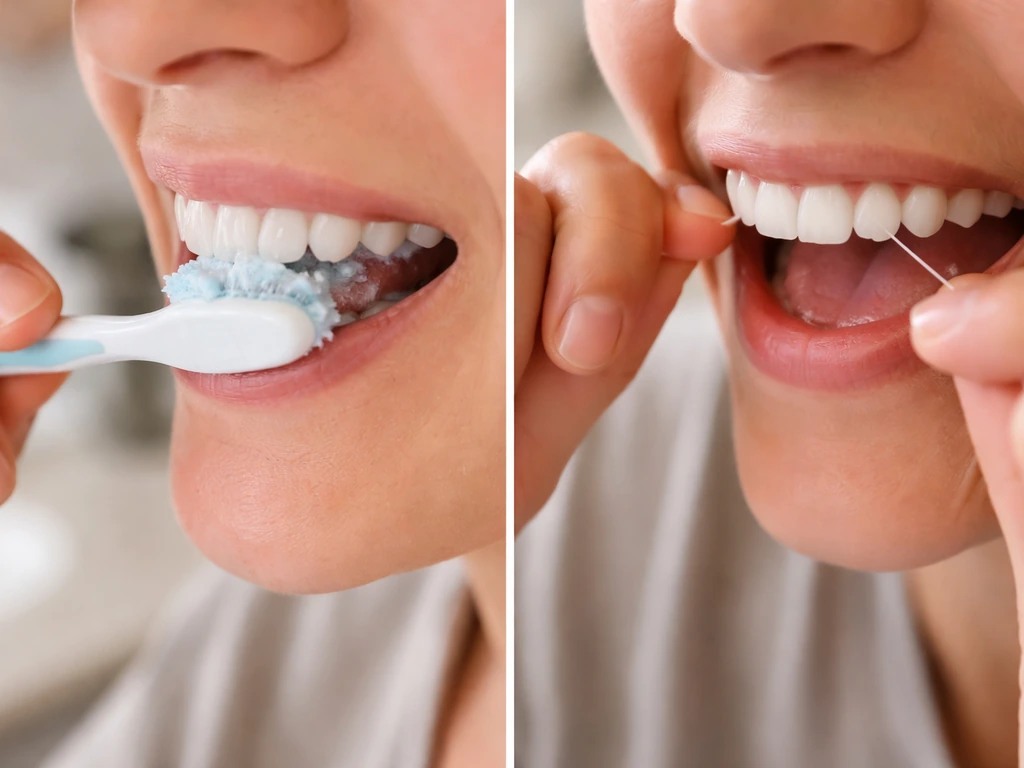
A routine professional cleaning (scale and polish) removes supragingival calculus and surface deposits using hand instruments or ultrasonic scalers. If you have subgingival buildup or periodontal pockets, your dentist or periodontist may recommend scaling and root planing, sometimes called a deep cleaning. This goes below the gumline to remove calculus from root surfaces and smooth them to discourage bacteria from reattaching. Depending on how much buildup you have, this may take more than one appointment and may be done with local anesthesia. After treatment, most people notice reduced bleeding, less redness, and gradually tighter-feeling gum tissue.
Preventing tartar from building back up
Prevention really does come down to consistency. The goal is to remove plaque before it mineralizes, which means making daily brushing and interdental cleaning non-negotiable. Here is a practical framework:
- Brush for two full minutes, twice a day, with a soft-bristled brush and fluoride toothpaste. An electric toothbrush with rotating-oscillating action gives you a measurable advantage over manual brushing for plaque removal.
- Clean between your teeth once a day. Floss works, and so do interdental brushes. The key is actually doing it, not which tool you use.
- If your dentist recommends an antiseptic rinse, use it as directed and for the time period recommended, not indefinitely.
- See a dentist or hygienist for a professional cleaning at least once a year. If you are a rapid calculus former or have a history of gum disease, every three to six months is more appropriate.
- If you smoke, quitting reduces your calculus formation rate significantly and directly improves how well your gums respond to treatment.
- Manage systemic conditions like diabetes, which are associated with worse periodontal outcomes.
There is no tartar-preventing toothpaste that works as well as those six steps combined. Some tartar-control toothpastes contain pyrophosphates that can slow calcification of supragingival plaque, but they do not eliminate the need for professional cleanings.
What can and can't regenerate: clearing up the myths
Because this site spends a lot of time sorting out what dental structures actually regrow versus what cannot, it is worth being direct here. Tartar does not regenerate as a natural process, it accumulates because of ongoing bacterial activity and mineral deposition. Removing it does not leave behind something that 'grows back' in a healthy way. It simply means the bacterial film will start the process again unless you stay on top of plaque control.
Gum tissue is also frequently misunderstood. Healthy gum tissue does not regenerate on its own after it has been damaged or lost from periodontitis. Gum recession is not reversible through natural regrowth. Inflamed gum tissue can return to a healthier, tighter state after treatment and improved oral hygiene, but that is resolution of swelling, not regrowth of lost tissue. If significant gum tissue has been lost, surgical options exist, but the body does not rebuild it spontaneously.
Similarly, the idea that you can 'dissolve' tartar with natural remedies like oil pulling, lemon juice, or baking soda paste is not supported by evidence. These methods may help with mild plaque control as adjuncts, but they do not demineralize established calculus. Lemon juice in particular can erode enamel, doing more harm than good. The only thing that removes tartar reliably is a dental instrument in the hands of someone trained to use it.
If you are trying to understand whether changes in your gums represent something growing, something swelling, or something building up on the surface, the context matters a lot. Questions about whether gum tissue can grow over teeth, whether plaque behaves differently on gum surfaces, or how to actually rebuild gum health are all related threads worth understanding. The short version: tartar builds up, gums swell and can change shape, but neither tartar accumulation nor gum inflammation represents any kind of regenerative process you would want. In other words, plaque and tartar can accumulate around gum tissue, but they do not mean your gums are actually growing can plaque grow on gums. The path forward is professional removal plus consistent daily prevention. If you are wondering how to grow gums in teeth, focus on restoring gum health through plaque control and professional cleaning when tartar is present.
| Feature | Tartar (Calculus) | Gum Swelling/Inflammation | Plaque |
|---|---|---|---|
| What it is | Hardened, mineralized bacterial plaque | Gum tissue response to irritation or infection | Soft bacterial biofilm on teeth/gumline |
| Appearance | Yellow, brown, or black crust; rough texture | Red, puffy, shiny gum tissue | White or colorless film; not crusty |
| Can you remove it at home? | No, requires professional scaling | Reduces with treatment and hygiene improvement | Yes, with brushing and flossing |
| Does it 'grow back'? | Accumulates again without prevention | Resolves with treatment; lost tissue does not regrow | Reforms within hours without removal |
| Urgency | See a dentist; subgingival buildup is serious | Urgent if accompanied by pain, pus, or mobility | Address daily to prevent calculus formation |
FAQ
How can I tell if I’m looking at tartar versus plaque or gum swelling?
Tartar feels rough and looks chalky or crusty, it does not wipe off, and it usually sits right along the gumline. Plaque is softer and tends to smear or wash away, and gum swelling looks more like a puffy edge that changes the contour rather than forming a hard deposit.
Why does tartar sometimes look dark or almost black around my gums?
Dark, hard deposits are more common with subgingival calculus because it forms below the gumline and is denser. It is also harder to see fully, so you may need an exam to confirm the extent.
Can I remove tartar at home with scraping tools, toothpicks, or hard brushing?
No. Once hardened, calculus cannot be brushed or flossed off, and DIY scraping can injure the gum margin, push bacteria deeper, and create new bleeding sites. Only professional scaling removes it safely.
If my gums bleed, does that always mean I have tartar?
Bleeding often tracks with inflammation from plaque and gingivitis, tartar can be a major contributor, but it is not the only cause. New bleeding after changes in meds, brushing technique, or mouth dryness can also happen, so a dental check helps confirm the trigger.
How often should I get my teeth professionally cleaned if I tend to form tartar quickly?
If you notice recurring deposits, bleeding, or you have known gum pockets, many people benefit from shorter intervals than once per year. Your dentist can set an interval based on how fast supragingival versus subgingival buildup forms in your mouth.
Does tartar come back immediately after a cleaning?
It does not usually reform overnight, but plaque can start building within hours after cleaning. That is why home care matters, especially daily interdental cleaning, to prevent early mineralization before the next appointment.
What’s the difference between a regular cleaning and deep cleaning (scaling and root planing) for tartar?
A regular cleaning mainly addresses deposits above or near the gumline. Deep cleaning targets calculus below the gumline and smooths root surfaces to reduce reattachment of bacteria. If you have pockets, pain, or persistent bleeding, deep cleaning may be recommended.
Are tartar-control toothpastes enough if I’m trying to avoid dental scaling?
They can help slow mineralization of plaque, mainly for deposits that have not fully calcified. They cannot remove existing calculus, so they do not replace professional cleaning when tartar is already present.
Can chlorhexidine mouthwash get rid of tartar?
It can help control gingivitis and reduce plaque bacteria as an adjunct, but it does not dissolve hardened calculus. It may also lead to staining and taste changes with longer use, so it should be used as directed by your dentist, not indefinitely.
If I stop getting tartar removed, what could eventually happen?
Leaving subgingival tartar in place increases the risk of periodontal pockets and periodontitis. Over time, that can lead to gum attachment loss, tooth mobility, and more complex treatment needs.
What are the best at-home habits to slow gumline mineral buildup?
Brush twice daily for two minutes with fluoride toothpaste, and clean between teeth every day with floss or an interdental brush. An electric rotating-oscillating brush can improve plaque removal for many people, but the key is consistency, especially at the gumline and between teeth.
Next Articles
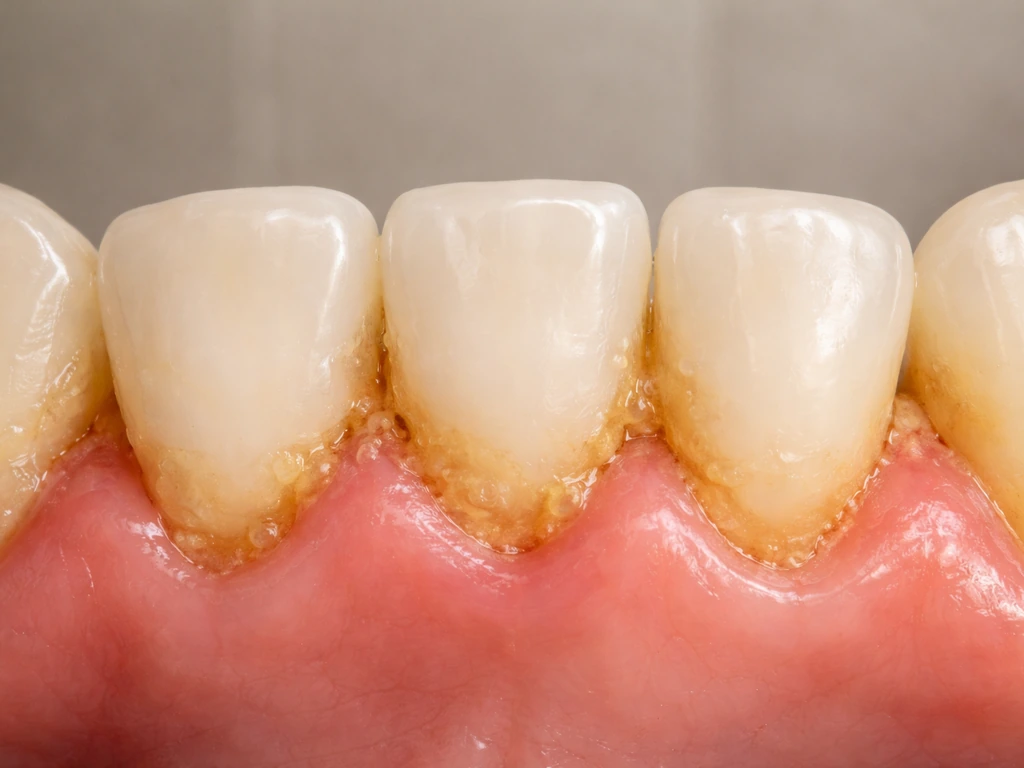
Can Plaque Grow on Gums? What It Means and What to Do
Learn if plaque forms on gums, signs to watch, and a step-by-step routine to remove it and prevent gingivitis.
Can Gum Grow Over Teeth? Causes, Timelines, and What to Do
Can gum grow over teeth? Know causes, timelines, and what to do for recession, overgrowth, or broken teeth.
Do Milk Teeth Grow Back? Timelines, What to Do, Red Flags
Learn if milk teeth regrow, typical timelines for permanent teeth, what to do after loss or injury, and red flags.