Teeth are not simply "always there" in the way most people imagine, but they're not exactly "grown" from nothing either. You are born with tooth buds already forming under your gums, but no erupted teeth in your mouth. Those buds develop into baby teeth first, then a second set of permanent teeth, and once your full adult set is in place, your body does not grow any new teeth to replace them. That's it. Two sets, and you're done. No regeneration, no third chances.
Do Teeth Grow or Are They Always There? Adult Timeline

Marcus Holloway
3 Jun 2026
What "always there" really means: tooth buds vs. erupted teeth
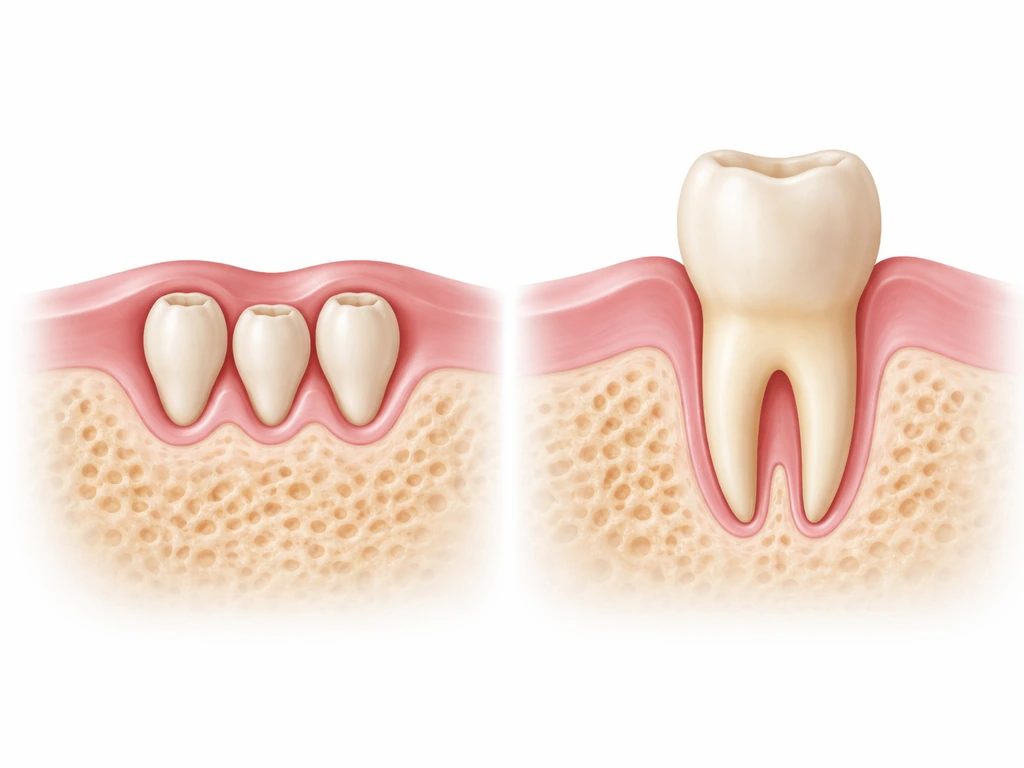
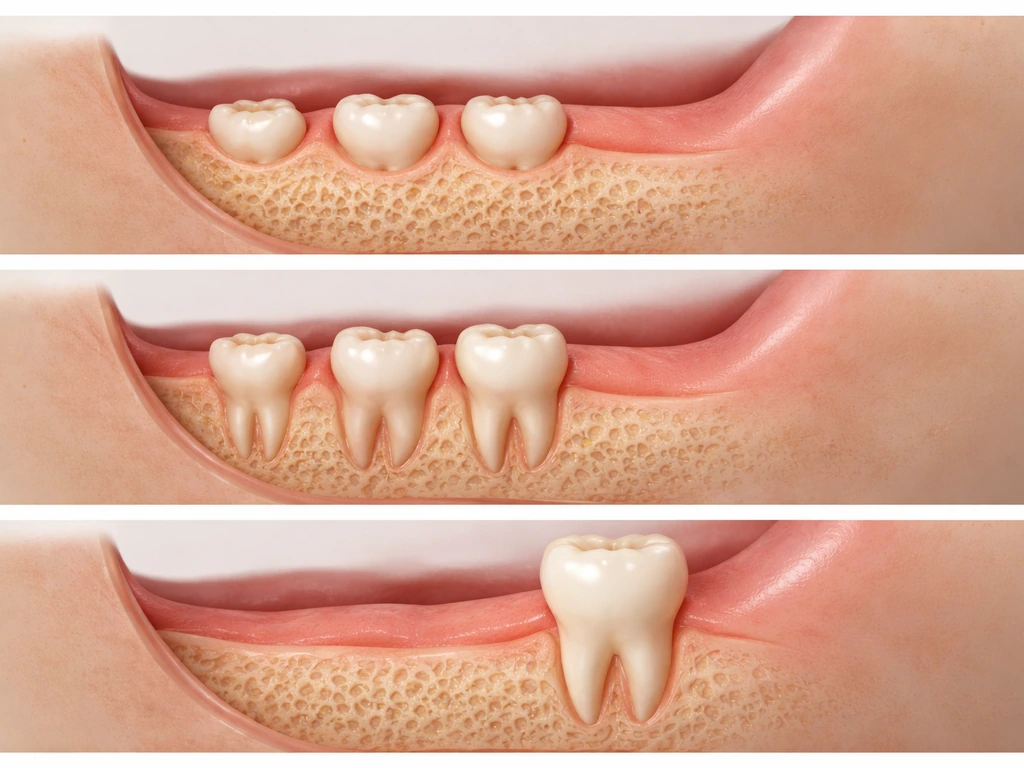
Here's where the confusion starts. People hear that babies are "born with teeth" and picture tiny hidden chompers waiting to pop through. What's actually happening is more interesting. Between the 6th and 8th weeks of pregnancy, primary (baby) tooth buds begin forming inside the developing jaw. By around the 20th week in utero, the first permanent tooth buds also start taking shape. So yes, a lot of dental architecture is laid down before birth, but none of that is an erupted tooth sitting in your gums ready to go. It's a tooth germ, a cluster of specialized cells that still needs months or years to complete development, harden into actual tooth tissue, and then physically push through the gum.
The process that drives a tooth from a bud into your mouth is called tooth eruption, and it's a coordinated biological event involving bone remodeling, tissue signaling between the dental follicle and the surrounding jaw bone, and the periodontal ligament. The tooth isn't "growing" in the way a plant sprouts. It's migrating through tissue that's actively being remodeled to let it through. So when someone asks if teeth are always there, the honest answer is: the blueprint is there from early in fetal development, but the finished product takes years to arrive.
Baby vs. adult teeth: when each set erupts
Most babies cut their first tooth somewhere between 6 and 12 months old, usually a lower front incisor. If you're wondering how many months teeth grow, it's helpful to know the usual window for the first eruption is around 6 to 12 months between 6 and 12 months old. From there, teething continues in a fairly predictable sequence, and by about 2.5 to 3 years old, the full set of 20 primary teeth is typically in place. That's 10 on top, 10 on the bottom, covering front teeth, canines, and two sets of molars per arch.
Around age 6, things get interesting again. The primary teeth start loosening and falling out as permanent teeth push up to replace them, and the process runs from roughly age 6 to 12. These ages are part of the larger timeline of when adult teeth grow in, replacing the primary teeth as the jaw and roots develop replace them.
The typical adult ends up with 32 permanent teeth, including wisdom teeth, though plenty of people have fewer if wisdom teeth are removed or never fully erupt. The first permanent molars often come in around ages 6 to 7, and central incisors follow around ages 7 to 8. By 19 months, a toddler is usually expected to have around 12 deciduous teeth already erupted, which gives pediatric dentists a useful benchmark for checking whether development is on track.
| Tooth Type | Set | Typical Eruption Age | What Comes Next |
|---|---|---|---|
| Central incisors (lower) | Primary | 6–10 months | Shed around age 6–7 |
| First molars | Primary | 13–19 months | Shed around age 9–11 |
| Full primary set (20 teeth) | Primary | By ~2.5–3 years | Gradually replaced from age 6 |
| First molars | Permanent | 6–7 years | Stay for life (ideally) |
| Central incisors | Permanent | 7–8 years | Stay for life |
| Second molars | Permanent | 11–13 years | Stay for life |
| Wisdom teeth (third molars) | Permanent | 17–25 years | Often removed if impacted |
Do adult teeth keep growing? What happens after the permanent teeth arrive
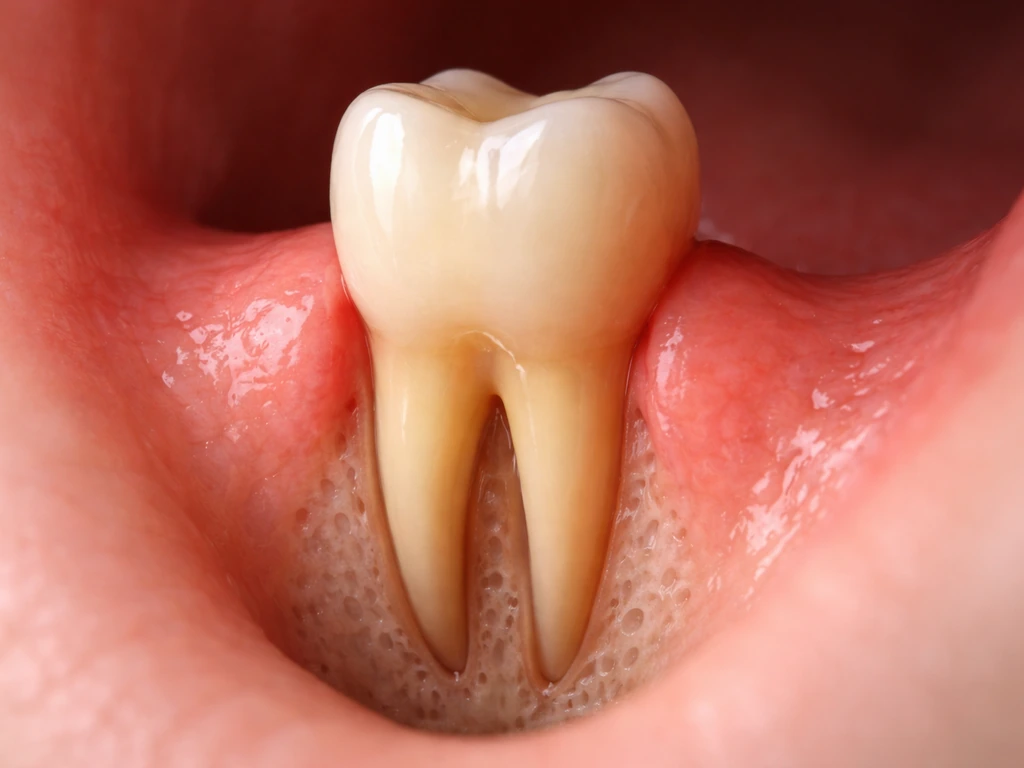
Once your permanent teeth are in, you don't grow new ones. But here's something a lot of people don't realize: adult teeth can still move. After a tooth fully erupts, it can continue shifting position in a process called passive eruption, where the gumline gradually migrates relative to the crown, making the tooth appear longer. There's also something called compensatory eruption, where a tooth slowly drifts toward the opposing jaw if the tooth it used to bite against is removed. These movements involve the periodontal ligament and ongoing bone remodeling, not the formation of new tooth tissue.
Root development is another piece of this worth knowing. A tooth's crown can start erupting through the gum before its root is even fully formed. Root development continues for a period after the tooth has already appeared in the mouth, guided by a structure called Hertwig's epithelial root sheath. So "the tooth is in" doesn't mean "the tooth is done." But again, this is completion of existing development, not new growth in any meaningful regenerative sense.
Wisdom teeth and other late eruption surprises
Wisdom teeth are the last teeth to develop and erupt, typically showing up between ages 17 and 25. For a lot of people, this is the first time as an adult that they experience something that genuinely feels like a new tooth arriving, which can make it seem like teeth are still "growing" well into adulthood. In a sense, they are, but wisdom teeth are part of the same permanent set that began forming before you were born. They're just late to the party.
Nine out of ten people have at least one impacted wisdom tooth, meaning it can't fully erupt because there isn't enough room or the angle is wrong. Impacted wisdom teeth can press against neighboring molars, cause infections, and create real problems if left unaddressed. Partial impaction, where the tooth breaks through the gum but never fully emerges, is also common and carries its own risk of chronic infection around the gum flap covering it. If you're feeling pressure or pain at the back of your jaw in your late teens or twenties, that's almost certainly wisdom teeth activity, and it warrants a check-in with a dentist or oral surgeon.
Can teeth, gums, or enamel truly regrow in humans (and why the myth exists)
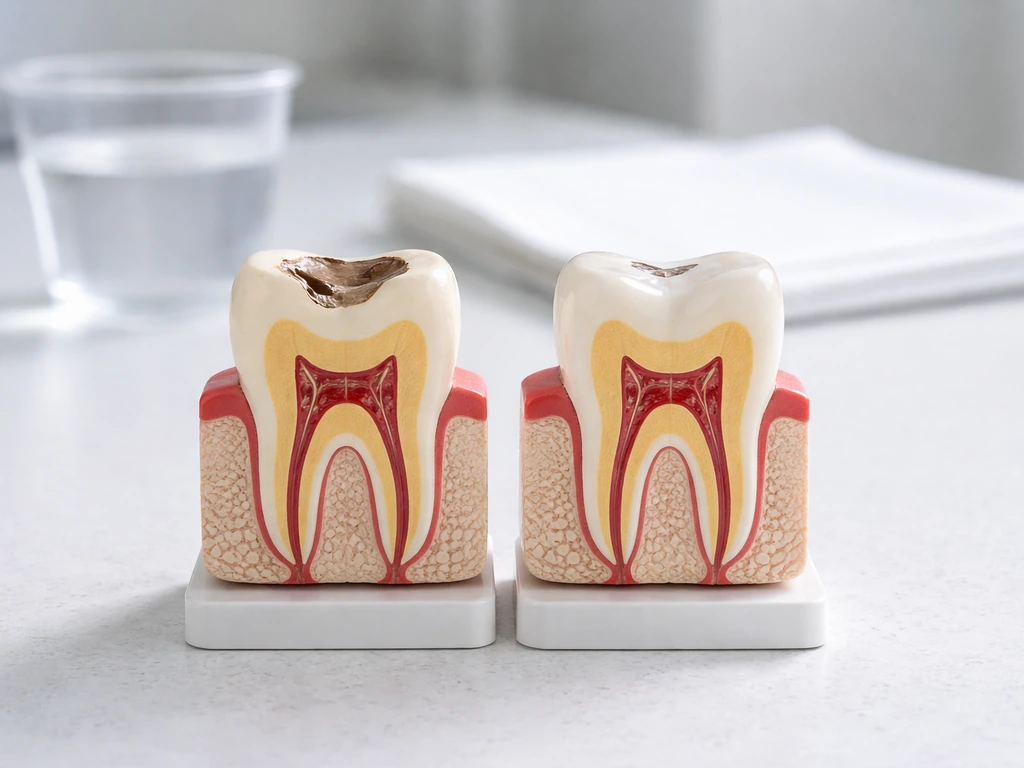
This is the part where a lot of internet advice gets things badly wrong. The short biological reality: humans cannot regrow a lost tooth. We cannot regrow bulk enamel. We have very limited capacity to regenerate dentin, and only under specific controlled circumstances. The cells responsible for building enamel, called ameloblasts, are shed after the tooth erupts. Once they're gone, they're gone. There's no reservoir of enamel-making cells waiting to repair a cavity or rebuild a chipped surface.
Dentin is a slightly different story. The dental pulp contains stem cells that can produce some reparative dentin in response to injury, which is the biological basis for procedures like pulp capping. When a dentist places a protective material over an exposed or nearly exposed pulp, they're trying to stimulate the pulp to lay down a thin bridge of mineralized tissue. This is repair, not regeneration, and it doesn't come close to replacing a full tooth or even a significant amount of lost tooth structure.
The myth of human tooth regrowth often comes from a few sources. Some people confuse remineralization with regrowth. When a very early cavity (a demineralized spot on enamel) is caught before it becomes a true cavity, fluoride and saliva can restore some mineral content to that surface. This gets talked about as enamel "growing back," which is misleading.
You're stabilizing a softened surface, not regenerating new enamel tissue. Similarly, people sometimes hear about sharks, crocodiles, or other animals that replace teeth throughout their lives and assume humans might have that same capacity lying dormant. They don't. Human dental development is designed for two sets only, and the molecular signaling that would enable a third set simply isn't activated in human biology.
Researchers are actively exploring stem cell and bioengineering approaches to recapitulate the developmental signaling that creates tooth buds, but this is not a clinical reality available today.
What to do if you're missing teeth or worried about eruption timelines
If you're a parent, the first thing to know is that there's a real range of "normal" when it comes to eruption timing. Some babies cut their first tooth at 4 months; others don't see one until 14 months. The ADA and AAFP recommend scheduling a child's first dental visit within six months of the first tooth erupting, and no later than age 1. This isn't just about checking teeth. It's about establishing a baseline and catching any developmental issues early, including delayed eruption, crowding, or signs of a mucosal barrier blocking a tooth.
For adults, the concern usually shifts to lost or damaged teeth rather than eruption timing. Once a permanent tooth is gone, it's gone. The options dentistry offers are replacements and restorations, not true biological regrowth. Dental implants, bridges, and dentures are the practical answers right now. If you've lost a tooth due to decay, trauma, or extraction, the conversation to have with your dentist is about which restoration option fits your situation, not whether the tooth might come back.
Normal vs. red flags: a quick guide
| Situation | Likely Normal | See a Dentist If... |
|---|---|---|
| No teeth by 12 months | Some babies are slower; 6–14 months is a wide normal range | No first tooth by 15–18 months |
| Loose baby tooth in a 6–7 year old | Primary teeth shed from around age 6 | Adult tooth is coming in behind a baby tooth that isn't loose |
| Wisdom tooth pressure at age 18–22 | Common; wisdom teeth erupt 17–25 | Severe pain, swelling, difficulty opening mouth, or no eruption by mid-20s |
| Adult tooth feels like it's shifting | Minor movement is normal, especially with gum changes | Noticeable shift, loosening, or movement with no clear cause |
| White spot on a tooth | Could be early demineralization (not a cavity yet) | Spot is growing, turning brown, or there's sensitivity |
| Gap where a baby tooth fell out | Permanent tooth usually emerges within a few months | Gap remains empty for 6+ months with no sign of eruption |
If you're in your adult years and concerned about a tooth that seems to be missing from your permanent set, your dentist can take an X-ray to check whether a tooth is simply delayed, impacted, or genuinely absent (a condition called hypodontia, which affects a small percentage of the population). Knowing which situation you're in makes a real difference for treatment planning, and it's a straightforward thing to assess clinically.
The bottom line is this: teeth develop on a biological schedule that starts before birth and finishes (for most people) in the late teens to mid-twenties with wisdom teeth. An ADA Foundation Give Kids a Smile resource provides tooth development and eruption timing charts for primary and permanent teeth, including age ranges for eruption and replacement windows teeth develop on a biological schedule. After that, what you have is what you work with. Understanding the timeline, what's normal at each stage, and what modern dentistry can actually offer when teeth are lost puts you in a much better position to make decisions, ask the right questions, and not waste energy on myths about regrowth that the science simply doesn't support.
FAQ
If my adult tooth never showed up, does that mean teeth grow later in life?
No, missing permanent teeth are not usually “late eruption,” they can be delayed, impacted, or truly absent (hypodontia). A dentist can sort this out with an exam plus a panoramic X-ray and, if needed, a 3D scan to check whether a tooth germ is present and where it sits.
How can a tooth look erupted but still not be fully developed? (What about the roots?)
Root formation can lag behind crown eruption. That means a tooth may look fully “in” on the outside but still be biologically maturing inside, which can affect how stable it feels and how dentists time certain treatments like orthodontic movement.
If my tooth seems to be getting longer or moving, is it growing new enamel or dentin?
Gumline changes can make teeth appear to lengthen or shift even when no new tooth tissue forms. This is passive and compensatory movement driven by the periodontal ligament and ongoing bone remodeling, which is why a “longer tooth” does not automatically mean it is growing from scratch.
Do wisdom teeth problems always mean the tooth is fully erupting?
Wisdom teeth can change position even after partial eruption, and infections can start under a gum flap before the tooth fully breaks through. This is why persistent back-of-jaw pain, swelling, bad taste, or trouble opening your mouth should be evaluated promptly rather than waited out.
Can fluoride make enamel “grow back” after a cavity starts?
Yes, fluoride can reverse early enamel demineralization, and brushing and saliva can help that stabilized surface harden again. But it is not the same as rebuilding lost enamel structure, so a cavity that has crossed into true decay cannot be “grown back” with fluoride.
If I lose a tooth, will another one grow in later?
Not safely or realistically. If a tooth is extracted or permanently lost, dentistry can replace it with options like implants, bridges, or dentures, but the body does not regenerate the missing tooth in humans the way some animals do.
Why can a tooth that partially erupts still cause ongoing infection or pain?
Partial eruption can create a gum flap that traps bacteria and leads to recurrent inflammation. Treatment plans vary, but the key point is that “it broke through a little” is not always a harmless stage, it can keep causing problems until evaluated.
Is it normal to have fewer than 32 permanent teeth?
Teeth count can be normal to vary because wisdom teeth may never fully form or never erupt, and some people have missing premolars or other teeth. What matters is the pattern on imaging and whether there is enough space and alignment, not just the number you expect.
What eruption delays should parents consider “not normal”?
A key milestone is monitoring eruption timing and tooth count, not guessing from symptoms. If a child has no erupted tooth by around 12 months or seems far behind peers, a dental evaluation helps check spacing, jaw development, and whether anything is blocking eruption.
Why is the first dental visit recommended so early if teeth are still coming in?
Even if the eruption schedule seems fine, the “first dental visit” is meant to establish a baseline and check for issues you cannot see at home, like overcrowding risk, abnormal eruption paths, or delayed development. Waiting until multiple teeth are missing can make treatment planning harder.
Next Articles
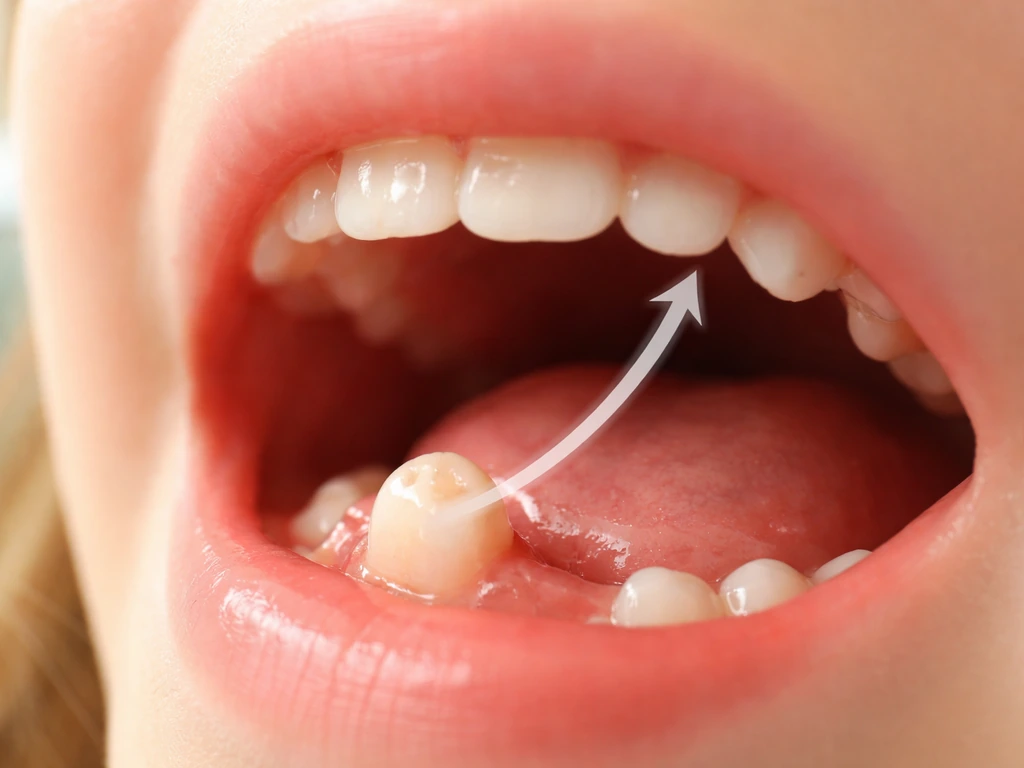
How Many Months Teeth Grow: Eruption Timelines Explained
Months from tooth eruption to completion, ages by tooth type, and why teeth do not regrow after loss
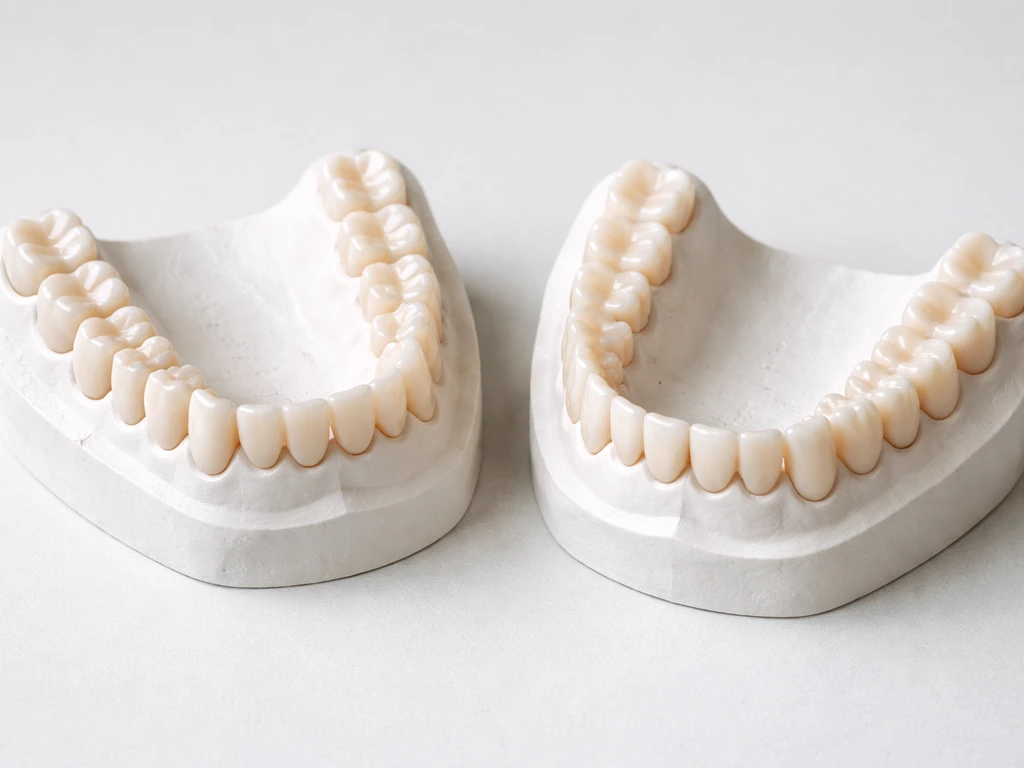
How Many Teeth Do Most Adults Grow? Normal Count and Timing
Most adults have 28 to 32 teeth; learn eruption timing, wisdom tooth impact, and whether teeth can truly regrow.
When Do Adult Teeth Grow? Ages for Erupting Teeth
Adult teeth eruption timeline: ages for each tooth, last teeth/wisdom, and what to do if they don’t come in