
Once a tooth is chipped, cut, or extracted, it does not grow back on its own, at least not if you are an adult with permanent teeth. What can happen, depending on the situation, is healing of the surrounding tissue, dentist-assisted repair of the tooth itself, or (if you are a child) natural replacement by the permanent tooth waiting underneath. The timeline varies dramatically based on what actually happened: a minor chip can be fixed in one appointment, a post-extraction socket takes 1 to 3 weeks for gum closure and several months for full bone healing, and a wisdom tooth working its way in can take months to fully erupt. This guide breaks all of that down so you know exactly what to expect and what to do today.
Once Tooth Cuts: How Long Does It Take to Grow Back?

Marcus Holloway
15 Jun 2026
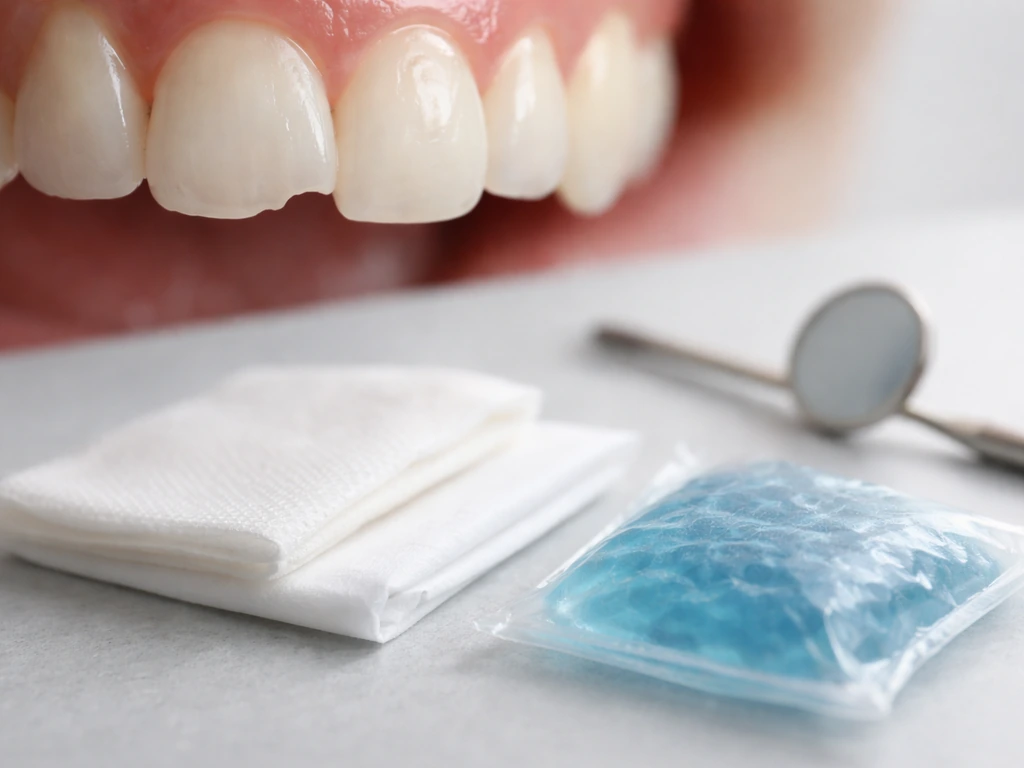
What people usually mean by "once tooth cuts"
The phrase "once tooth cuts" tends to mean one of three different things depending on who is searching. First, it can refer to a tooth that has been chipped, cracked, or fractured, as in the tooth "cut" the inside of the lip or cheek, or the injury left a sharp edge. Second, it can describe a tooth that was cut during a dental procedure, including extraction or surgical removal.
Third, and very commonly, it refers to a tooth erupting or "cutting through" the gum, the way people say a baby "cut a tooth. " That last usage is especially relevant when the search involves wisdom teeth, which are the last permanent teeth to cut through the gum. Knowing which situation applies to you completely changes the answer, so the sections below address each one specifically.
Can a tooth actually grow back? The biological reality
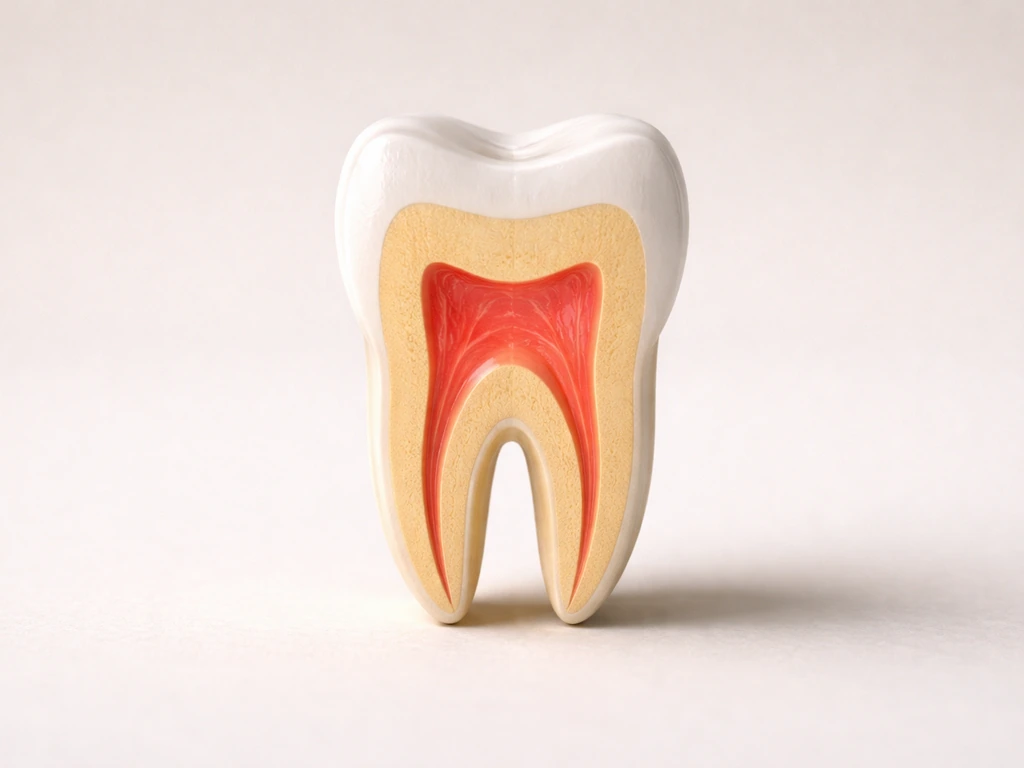
Here is the myth-busting part: adult teeth do not regenerate. The enamel on the outer surface of your tooth is produced by cells called ameloblasts, and those cells are lost once the tooth finishes forming and erupts. Without those cells, your body has no mechanism to deposit new enamel. Remineralization can strengthen a weakened surface slightly, but it cannot rebuild a chip or replace structure that has physically broken off. Research is clear on this: bulk enamel regrowth is not biologically possible with current human biology.
Dentin, the layer beneath enamel, is a slightly different story. The pulp-dentin complex does have some limited capacity for repair. When pulp tissue remains vital and intact, the body can sometimes deposit what is called tertiary dentin as a protective response to minor irritation or early decay. But this is a defensive barrier, not regrowth of a broken tooth. It will not fill in a chip you can see in the mirror. For children with baby teeth, the situation is entirely different: the tooth itself does not regrow, but a permanent tooth is already developing underneath and will eventually replace it naturally.
Timelines by age: what "growth" actually looks like at each life stage
Children (roughly ages 6 to 12)
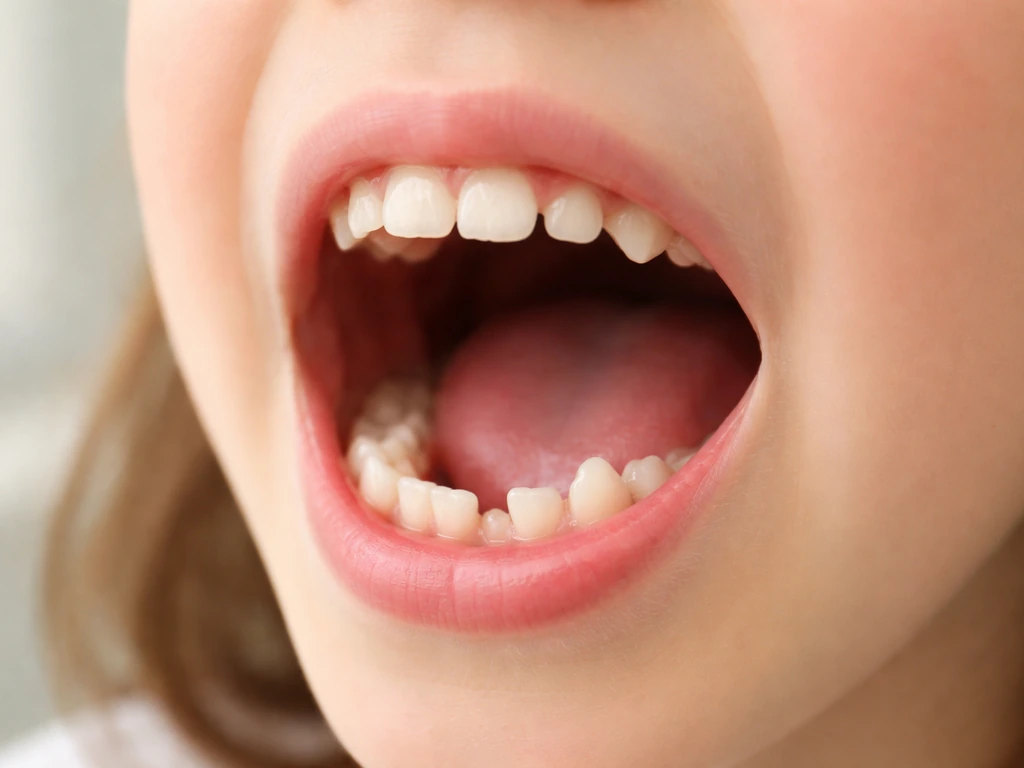
If a child chips or loses a baby tooth, the real question is how far along the permanent tooth replacement is. Baby teeth are shed naturally between about ages 6 and 12, and the permanent teeth erupt in a fairly predictable sequence.
If a baby tooth is lost early due to trauma, the permanent tooth underneath will still erupt on its own schedule, which could be anywhere from a few months to a couple of years depending on which tooth it is and where the child is in development. A dentist may place a space maintainer to prevent neighboring teeth from drifting into the gap while the permanent tooth finishes forming.
The permanent tooth is not "growing back" faster because the baby tooth was lost; the timeline is set by biology, not by injury.
Teenagers (roughly ages 13 to 21)
Most permanent teeth have erupted by the early teens, but the third molars (wisdom teeth) are still on their way for most people. By age 21, all 32 permanent teeth have typically erupted, with wisdom teeth appearing most commonly between ages 17 and 21. Most adults reach their full set of permanent teeth by early adulthood, which is why the question of how many teeth do most adults grow is usually answered by the typical eruption timeline.
If a teenager chips a permanent tooth, no natural regrowth will occur. Treatment depends entirely on how much tooth structure was lost and whether the pulp was exposed. A small chip to enamel only may need polishing or bonding. A larger fracture exposing dentin usually needs a filling or crown.
If the pulp is exposed, urgency increases significantly.
Adults (ages 21 and older)
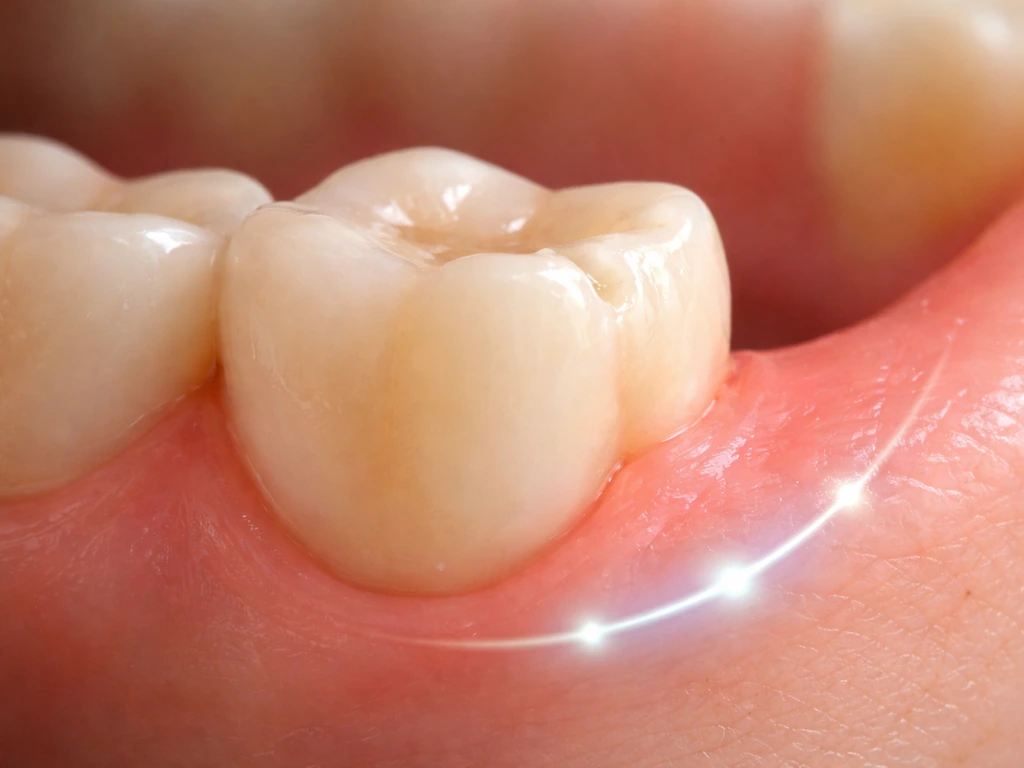
For adults, no tooth regrowth happens under any natural circumstances. After a chip, crack, or extraction, healing refers to soft tissue and bone recovery in the area, not the tooth itself. A dentist can restore the tooth using bonding, a crown, or a veneer depending on the extent of damage. If a tooth is extracted, the socket goes through a healing process: soft tissue (gum) closure typically happens within 1 to 3 weeks, and bone remodeling in the socket can take several months, sometimes 12 to 24 weeks for meaningful bone fill. A dental implant, if that route is chosen, usually cannot be placed for at least 3 to 4 months after extraction, though timelines vary by case.
If your tooth is chipped or cracked: what to expect
Tooth fractures fall on a spectrum, from a tiny enamel chip you can barely feel to a split that goes through the root. Where yours lands on that spectrum determines the urgency and the treatment timeline. A small enamel chip with no pain or sensitivity can usually wait a few days for a non-emergency appointment. A chip that has exposed dentin (you will notice increased sensitivity to temperature or touch) needs attention within 24 to 48 hours. A fracture that has exposed the pulp (often recognizable by intense, spontaneous pain or visible pink/red tissue inside the tooth) is a dental emergency that needs to be seen the same day if possible.
Timing really matters when the pulp is involved. Research on pulp capping (a procedure to save exposed pulp) shows success rates dropping from around 93% when treated within about an hour of injury to around 56% when treatment is delayed by several days. That gap is significant. The sooner an exposed pulp is treated, the better the odds of saving the tooth without a full root canal.
| Fracture Type | Symptoms | Urgency | Likely Treatment |
|---|---|---|---|
| Enamel chip only | Rough edge, minor cosmetic issue, no pain | See dentist within days | Smoothing, bonding, or veneer |
| Dentin exposed (no pulp) | Sensitivity to hot/cold/touch | See dentist within 24-48 hours | Filling or crown |
| Pulp exposed (complicated) | Intense spontaneous pain, visible pink/red | Same-day emergency care | Pulp capping or root canal, then crown |
| Root fracture | Pain with biting, tooth mobility | Same-day emergency care | Splinting, root canal, or extraction depending on location |
Wisdom tooth eruption: how long until it fully comes in
If your question is really about wisdom teeth cutting through the gum, that is a different process entirely. Wisdom teeth (third molars) typically begin erupting between ages 17 and 21, though some people see them earlier or later, and some people never develop all four. The process of a wisdom tooth moving from its position in the jaw to fully erupting through the gum is not a quick event. It can take months, and partial eruption (where the tooth is partly visible but not fully through) can last for an extended period, sometimes over a year.
Partially erupted wisdom teeth carry a real risk: the flap of gum tissue over a partially erupted tooth traps food and bacteria, making the area prone to infection (called pericoronitis). If you are experiencing swelling, pain, or difficulty opening your mouth near a wisdom tooth that is coming in, that is worth a dental visit, not just waiting it out. Not every wisdom tooth that cuts through needs to be removed, but many do need monitoring and often extraction, especially if there is not enough room in the jaw for them to fully erupt in a functional position.
What to do right now: dental first aid and when to go in
If you have a chipped or cracked tooth, here is what to do before you can see a dentist. Apply a cold compress or ice pack to the outside of your cheek near the area to help control pain and swelling. Do not apply ice directly to the tooth. Rinse your mouth gently with warm water. If a large fragment broke off, try to save it in a small container of milk if possible and bring it with you. Avoid chewing on that side, and skip extremely hot, cold, or hard foods until you are seen.
For wisdom tooth pain, ice pack use on the outside of the jaw for the first day or two can help reduce swelling. Over-the-counter pain relief can take the edge off, but it is not a substitute for having the area assessed, especially if swelling is spreading toward the throat or you are having trouble swallowing or opening your mouth.
If you have had a recent extraction, the socket area begins forming a protective clot within the first few hours. Protect that clot: avoid smoking, spitting forcefully, or using a straw for at least the first 24 to 48 hours. The surgical site will start closing with new tissue within about a week, though complete gum closure takes 1 to 3 weeks and bone takes months.
- Go to the dentist the same day: visible pulp exposure, severe spontaneous tooth pain, tooth knocked loose or out, or swelling spreading rapidly
- Go within 24 to 48 hours: sensitivity to temperature, a large visible chip, a sharp edge cutting your tongue or cheek, or post-procedure pain that is worsening instead of improving
- Schedule within the week: small cosmetic chip with no pain, mild gum tenderness near an erupting wisdom tooth, or routine follow-up after a procedure
- Go to an emergency room if you cannot reach a dentist: severe swelling spreading toward the throat or eye area, high fever alongside dental pain, or difficulty breathing or swallowing
Signs of complications and how dentists evaluate what is happening
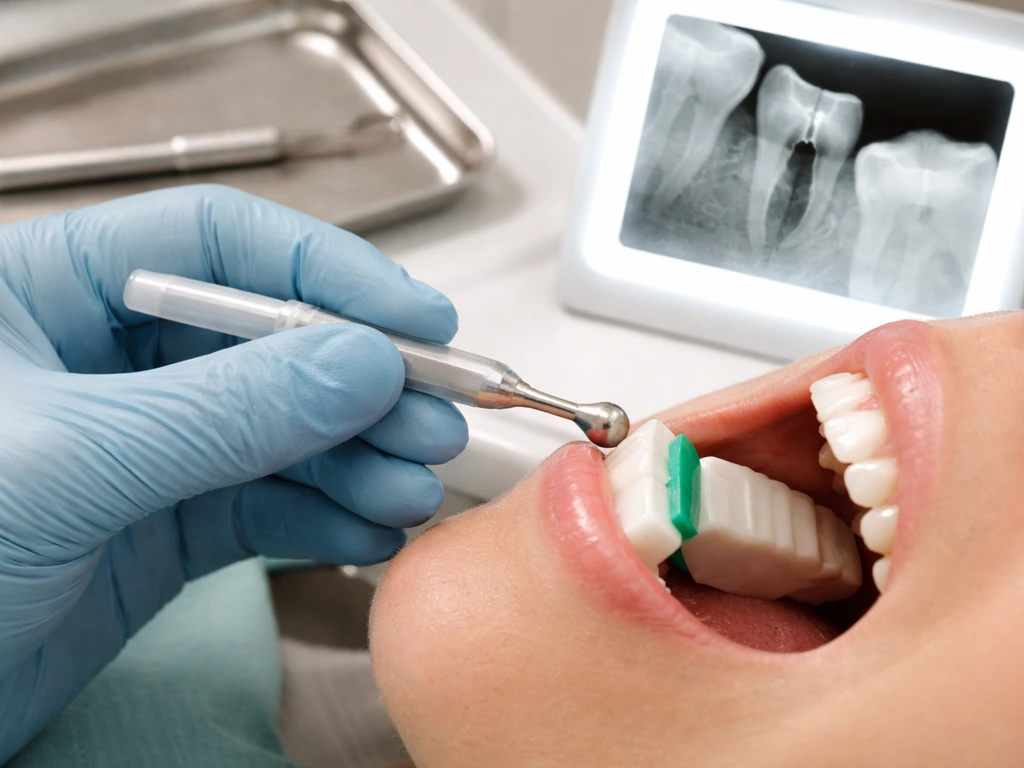
When you do see a dentist, they will not just look at the tooth visually. For a chipped or cracked tooth, they will check for pain with biting pressure, sensitivity testing to hot and cold, and tooth mobility. X-rays are almost always taken to see how far a fracture extends and whether the root or surrounding bone is affected. One thing worth knowing: after trauma, a tooth's pulp can test as non-responsive even when it is still viable. That is why dentists schedule follow-up appointments (often at 4 weeks, then at 3 months, then at a year) to recheck vitality over time rather than making a final call immediately.
For a post-extraction site, the main complication to watch for is dry socket. It typically appears 1 to 3 days after a tooth is removed and feels like severe, radiating pain that worsens rather than improves after the procedure. Dry socket happens when the blood clot in the socket is lost or breaks down prematurely, leaving the bone and nerve endings exposed. It is not dangerous, but it is painful and does require treatment at the dental office to pack and protect the area.
For wisdom teeth that are erupting, a dentist will take a panoramic or periapical X-ray to assess the angle of the tooth, how much room is available in the jaw, and whether any existing teeth are being pushed or the roots are near the nerve canal. This assessment drives whether the recommendation is to wait and monitor or to extract before more problems develop. Understanding where your wisdom tooth is in this process also relates to broader questions about how adult teeth develop overall, a topic that connects to the full picture of permanent tooth eruption timing across the lifespan.
The bottom line is straightforward: no adult tooth grows back on its own once it is damaged or lost, but the right treatment at the right time can preserve, restore, or replace it effectively. Acting quickly when pain or exposure is involved almost always leads to better outcomes and fewer complications. When in doubt, call your dentist, describe the symptoms clearly, and let them tell you how fast you need to come in.
FAQ
If my adult tooth chipped, can it “remineralize” or harden back on its own?
Yes, but only in limited ways. After an adult enamel chip, the tooth cannot rebuild missing enamel structure, but a dentist can improve appearance and protection with bonding or a crown. If the chip only affects surface smoothness, polishing and sealants may be enough, yet if you have lingering sensitivity, you still need an exam because sensitivity can indicate dentin involvement.
How can I tell whether a chipped tooth has damaged the nerve, and how urgent is it really?
Do not rely on symptoms alone to judge pulp status. A tooth can feel mostly okay while the pulp is compromised, or it can hurt intensely even if the injury is smaller. Dental tests (bite test, cold/heat sensitivity, percussion, mobility) plus X-rays, and sometimes follow-up vitality checks, are needed before deciding on repair versus root canal.
I have a broken tooth fragment, does it help and what should I do with it right away?
If you broke off a fragment, it should be brought to the dentist in clean milk (not water) and kept cold. The earlier you see a dentist, the better your chance of saving the fragment for potential reattachment, but reattachment is only realistic if the fracture is clean and the crack lines match, and if the pulp is not exposed.
After an extraction, how long until I can consider replacement options like an implant or bridge?
If you are an adult and a tooth was extracted, you should assume it will not grow back. Healing will close the gum in 1 to 3 weeks, but bone remodeling takes months. If you want to replace the tooth, typical options are a bridge or an implant, and implant placement is usually delayed 3 to 4 months (sometimes longer) depending on bone quality and any need for grafting.
If my pain after extraction started later, could it still be dry socket?
Dry socket is usually not a late problem. It most often starts 1 to 3 days after extraction and worsens rather than improving. If pain begins later than a few days, or you develop fever, swelling that spreads, or foul taste, you may be dealing with infection instead, which needs prompt evaluation.
What habits after extraction actually increase the risk of dry socket?
Smoking, vaping, and using straws increase the chance of clot loss, which raises dry socket risk. In general, avoid any suction around the extraction site for 24 to 48 hours, and follow your dentist’s specific post-op instructions about rinses or mouthwashes.
If my wisdom tooth is only partly through, what symptoms should trigger a visit today?
Yes, a partially erupted wisdom tooth flap can become trapped and infected even if it is not fully out. That is why dentists often look for signs like swelling, bad taste or drainage, worsening pain, and trouble opening your mouth. If those symptoms are present, waiting can prolong infection and make treatment harder.
Can a wisdom tooth cause issues before it fully erupts, and how would a dentist decide to monitor versus extract?
A wisdom tooth can cause problems before it is fully erupted because the gum flap can trap bacteria, and the tooth can also crowd neighboring teeth or sit at an angle. Even without severe pain, repeated gum inflammation or food trapping is a reason to get an X-ray and a plan rather than waiting for complete eruption.
At what point is pain control not enough, and I should treat this as an emergency?
Over-the-counter pain relief helps symptoms but does not prevent complications like pulp breakdown, advancing infection, or a worsening fracture line. If you have exposed pulp, severe spontaneous pain, facial swelling, fever, or trouble swallowing or opening your mouth, you should seek urgent dental care rather than only taking medication.
Next Articles
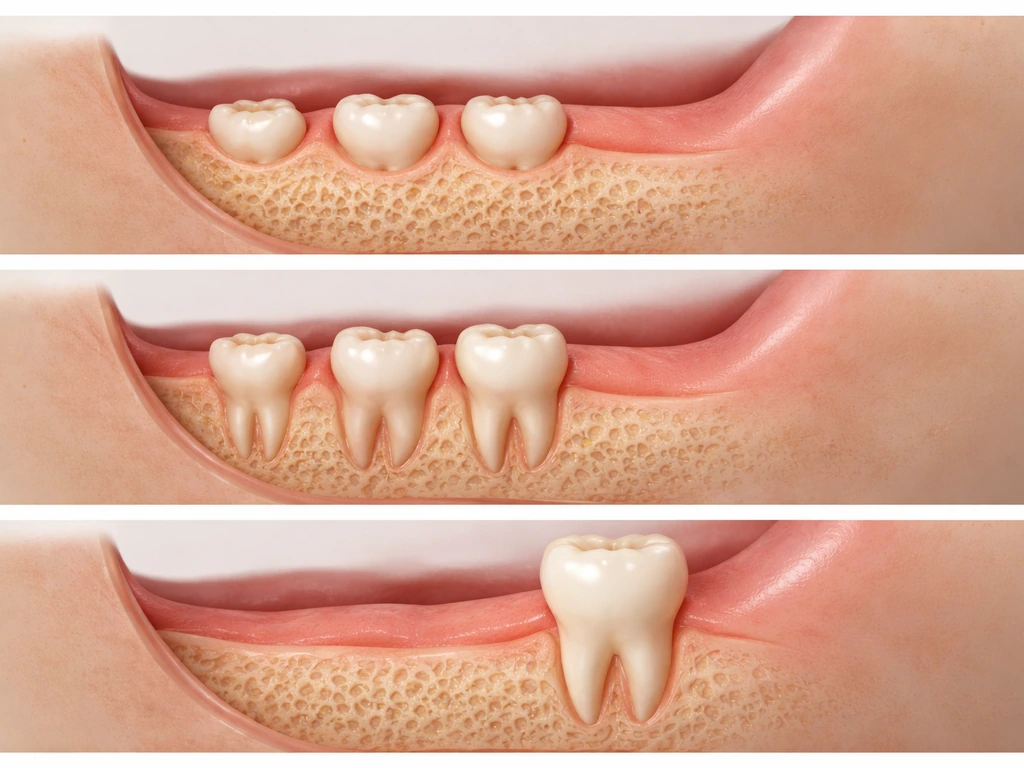
Do Teeth Grow or Are They Always There? Adult Timeline
Learn if teeth really grow or were there from birth, adult eruption timing, wisdom teeth, and what can regrow vs not
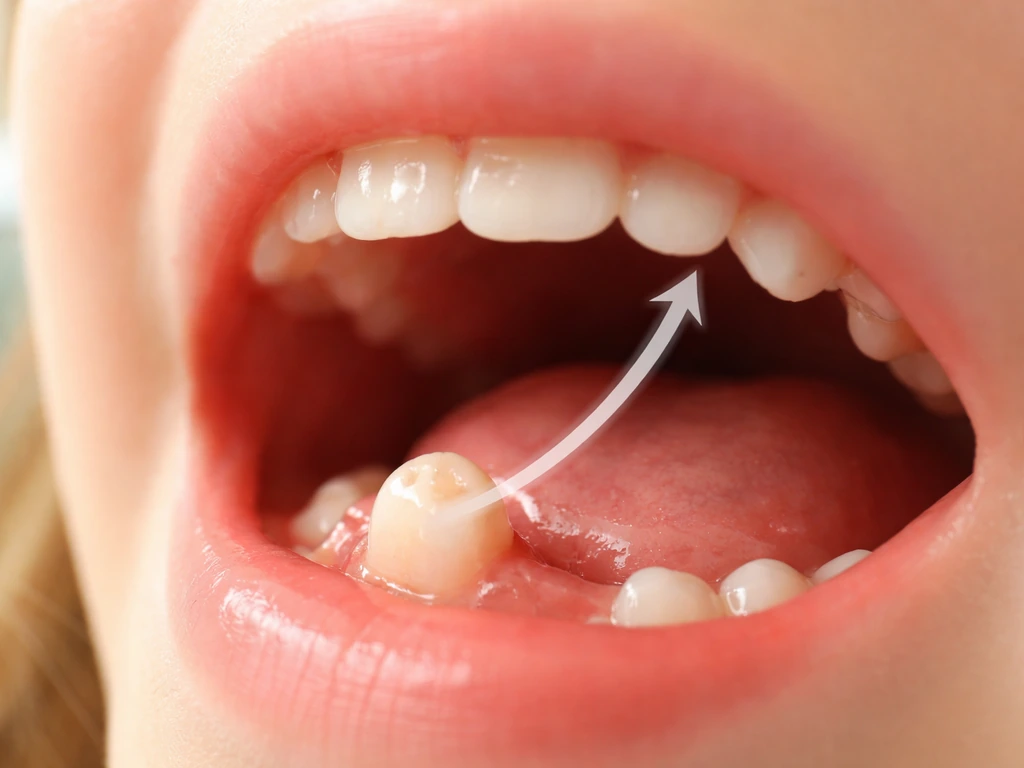
How Many Months Teeth Grow: Eruption Timelines Explained
Months from tooth eruption to completion, ages by tooth type, and why teeth do not regrow after loss
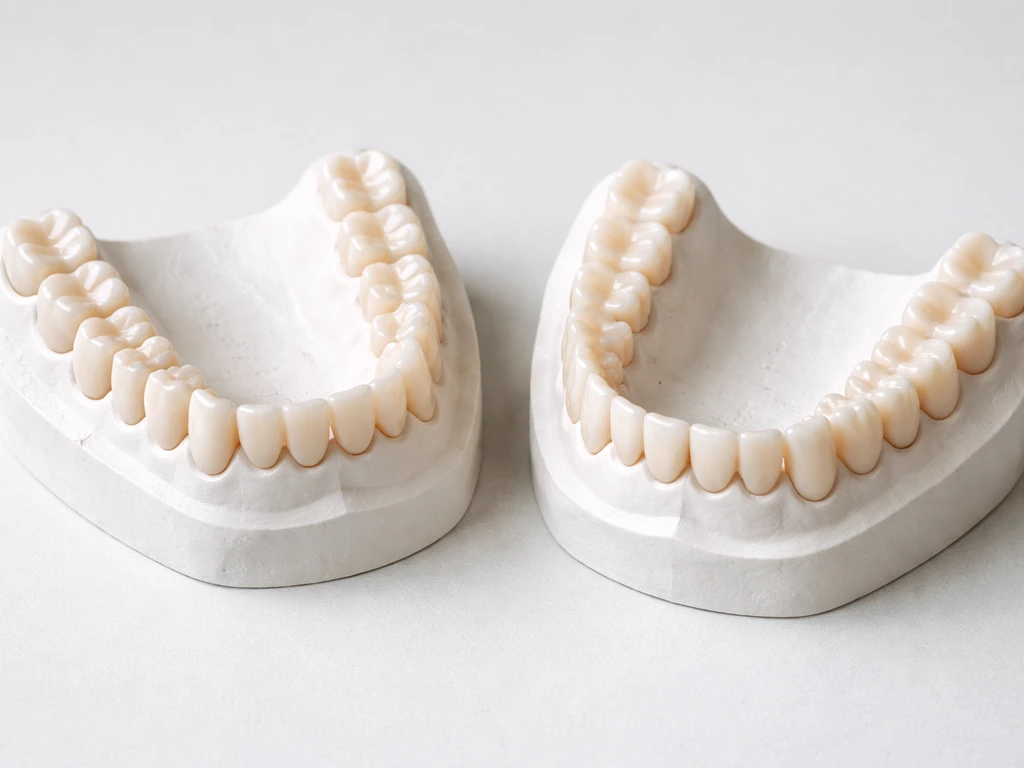
How Many Teeth Do Most Adults Grow? Normal Count and Timing
Most adults have 28 to 32 teeth; learn eruption timing, wisdom tooth impact, and whether teeth can truly regrow.