
Yes, two wisdom teeth absolutely can erupt at the same time, and it happens more often than you might think. "At the same time" rarely means perfectly simultaneous to the day, but it's very common for two teeth on the same side (upper and lower) or both teeth on the same arch (both uppers or both lowers) to become active within the same few weeks or months. Your body doesn't run on a strict schedule here, and eruption timelines across all four third molars can overlap, stagger, or differ wildly even within the same mouth.
Can 2 Wisdom Teeth Grow at the Same Time? What to Expect

Marcus Holloway
11 Jun 2026
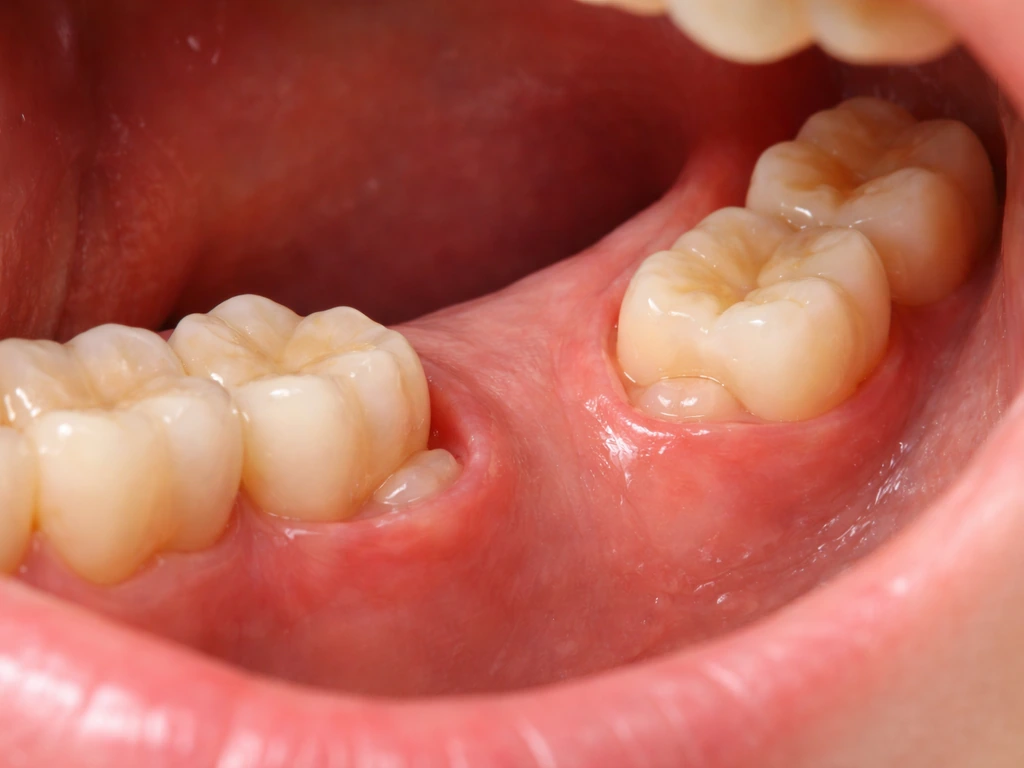
What "at the same time" actually means in practice
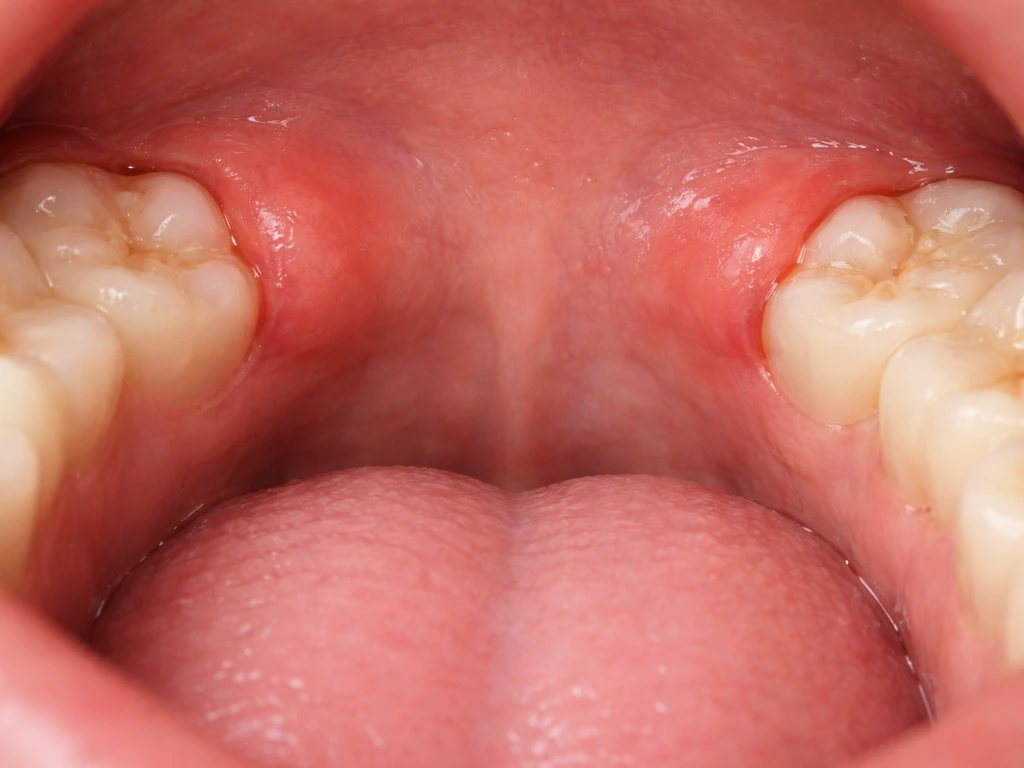
When people say two wisdom teeth came in together, they usually mean the soreness and gum pressure showed up on both sides or both arches within the same stretch of weeks. That's real and common. What's far less likely is two teeth breaking through the gum on the exact same day. Think of it more like overlapping windows: one tooth might start pushing through while another is still a week or two behind. Both can be causing symptoms at the same time even if one is slightly further along.
It's also worth knowing that the mouth has four potential wisdom tooth positions: upper left, upper right, lower left, lower right. Some people notice their lower two moving first, others feel the upper pair. Some get all four active within the same six-month stretch. The variation is normal, not a sign that something is going wrong.
Typical eruption timeline and how long it actually takes
Wisdom teeth generally start erupting between ages 17 and 25, and that window is wide on purpose because individual variation is genuinely that broad. MedlinePlus lists the third molar eruption age as 17 to 21 years, while the Cleveland Clinic, Merck Manual, and AAOMS all cite 17 to 25. Both are right because both are describing real population ranges, not a single correct age.
The actual physical process of a wisdom tooth coming through the gum can take months, sometimes longer. It doesn't pop up overnight. The tooth travels slowly upward through bone and then gum tissue, and you might feel intermittent pressure or soreness for quite a while before any visible tooth is apparent. Two teeth going through this process at the same time means double the potential discomfort across two areas of your mouth, but the biology of each tooth is otherwise the same.
Why two wisdom teeth might erupt around the same time
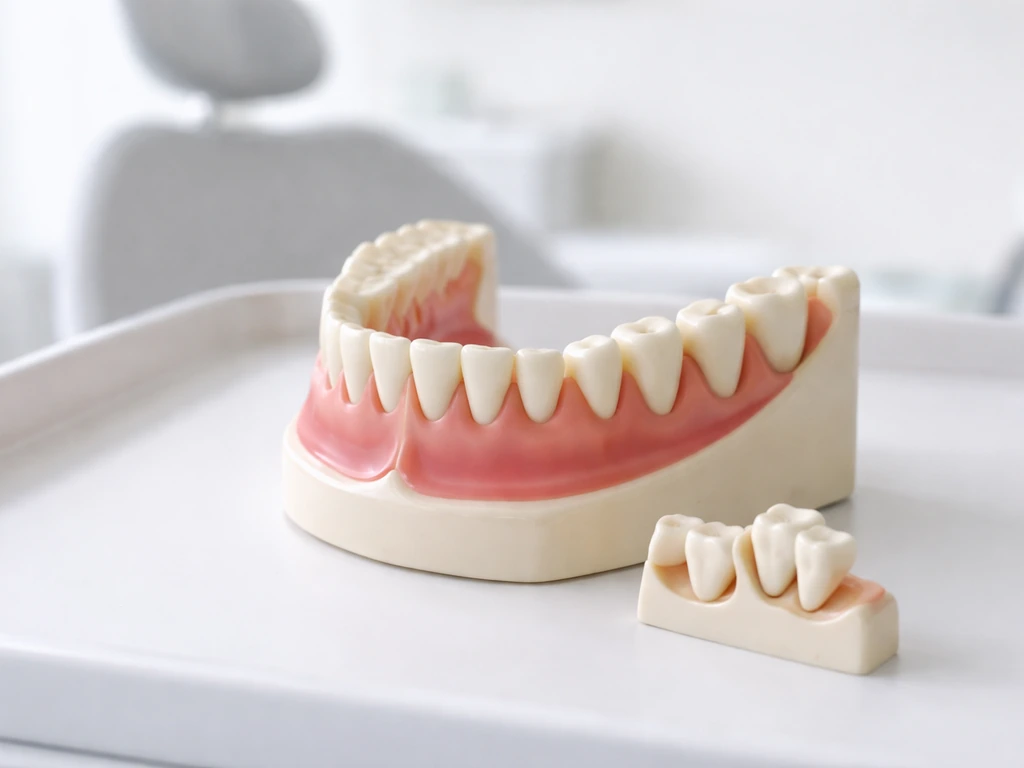
The biggest driver is genetics. Research consistently identifies hereditary factors as a major influence on when and whether third molars erupt, how much jaw space is available, and what angle the teeth take as they travel through bone. If your parents had their wisdom teeth come in pairs, there's a reasonable chance yours will too.
Jaw space and the eruption path matter enormously as well. Third molars are the last teeth in the arch, and they're working with whatever real estate is left after all your other permanent teeth are settled. When two wisdom teeth share similar spatial conditions on their respective sides or arches, they tend to move on similar schedules.
In some cases, a wisdom tooth can develop toward the cheek and press on the inside of the mouth rather than erupt straight up can wisdom teeth grow into your cheek. A review of mandibular third molar impaction highlights that insufficient jaw space is one of the central reasons third molars get stuck or delayed, and by extension, sufficient space on multiple sides can allow multiple teeth to move forward around the same time.
Eruption angle is another piece of the puzzle. Wisdom teeth don't always point straight up. Some are tilted toward the adjacent molar, some tip backward, and some are nearly horizontal in the bone. Two teeth with favorable eruption paths are more likely to both emerge within a similar timeframe than a tooth with a clear path alongside one that's angled into dense bone.
Normal signs of eruption vs. red flags that need fast attention
What you can usually expect
- Dull soreness or pressure at the back of the jaw on one or both sides
- Mild gum swelling directly behind your last visible molar
- A visible white edge or bump of tooth just beginning to show through the gum
- Occasional tenderness when biting or chewing, especially on harder foods
- A general feeling of fullness or tightness at the back of the mouth
These are the normal signs of eruption. They can come and go in waves, and they can absolutely affect two areas at once if two teeth are active. Mild symptoms like these can often be managed with over-the-counter pain relief and soft foods while you monitor things.
Red flags that mean see a dentist now
- Significant swelling of the gum, jaw, or face that isn't improving
- Pus or a bad taste/smell coming from the area around the tooth
- Fever alongside mouth or jaw pain
- Difficulty opening your mouth fully (trismus)
- Pain when swallowing or any difficulty swallowing
- Swollen lymph nodes in the neck or under the jaw
- A change in your voice or difficulty breathing (get emergency care immediately)
These symptoms can signal pericoronitis, which is an infection of the gum flap that can sit over a partially erupted wisdom tooth. Columbia University College of Dental Medicine describes pericoronitis as swelling and infection around wisdom teeth and notes it occurs when a wisdom tooth has failed to come in or is only partially erupted, with signs that can include an unpleasant smell or taste and pus discharge. Pericoronitis ranges from mild and manageable to serious and spreading. According to StatPearls, symptoms like trismus, difficulty swallowing, and extraoral swelling can indicate that infection has spread into deeper tissue spaces, which is a medical emergency. Don't wait those out at home.
What affects how many wisdom teeth appear and when
Not everyone gets four wisdom teeth, and not everyone who has them will see all of them erupt. According to AAOMS, nine out of ten people have at least one impacted wisdom tooth, meaning it either never breaks through or only partially emerges. A panoramic radiographic survey found third molars present in about 90% of the population, but roughly one in three people has at least one that's impacted.
Some people are simply missing one or more wisdom teeth entirely. Third molar agenesis (the tooth never formed at all) is actually the most common form of tooth agenesis and is strongly influenced by genetics and evolutionary changes in jaw size over generations. So if you're only feeling two wisdom teeth move and wondering about the other two, there's a real chance the others are impacted, delayed, or never developed.
Age plays a role too. If you're past 25 and some wisdom teeth haven't erupted, they may still be present in the bone and just haven't moved, or they may be impacted in a position where eruption isn't going to happen naturally. Johns Hopkins Medicine notes that completely impacted wisdom teeth may never erupt at all, and this can happen even while a person's other wisdom teeth come in without any issue.
| Scenario | What it means | Likely outcome |
|---|---|---|
| Two teeth erupting around the same time | Both have sufficient space and favorable angles | Normal variation, monitor symptoms |
| One tooth erupts, others delayed | Different eruption paths, space, or angles per tooth | Delayed teeth may still come in or become impacted |
| Tooth partially through the gum but stuck | Partial impaction, gum flap covering part of tooth | Higher infection risk, dentist evaluation needed |
| Tooth never appears past age 25 | Complete impaction or agenesis (never formed) | X-ray needed to confirm which situation applies |
| Fewer than four wisdom teeth | Agenesis of one or more third molars | Common, no treatment needed if no pathology |
What to do next: monitoring, X-rays, and treatment decisions
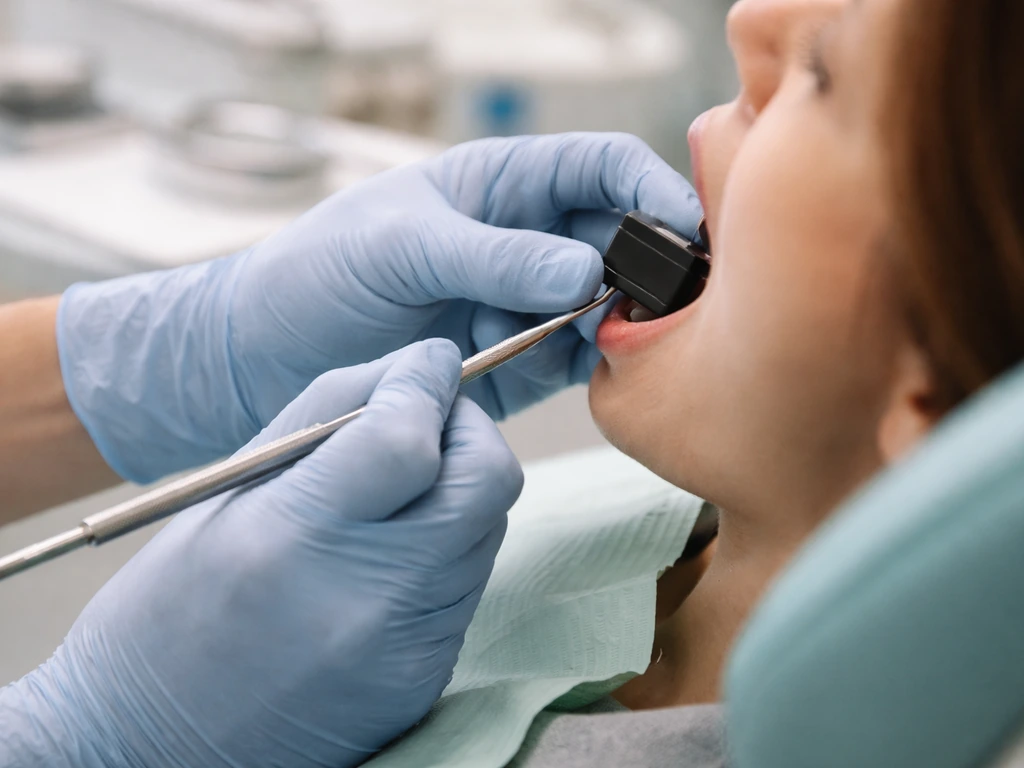
If you're feeling signs of eruption in two spots but have no red-flag symptoms, a reasonable first step is a few days of monitoring. Mild soreness that comes and goes, without swelling, fever, or pus, is something you can manage at home briefly. But if symptoms persist beyond a week or two, or if anything on the red-flag list appears, book a dental exam rather than waiting it out.
The single most useful diagnostic tool your dentist will use is a panoramic X-ray (sometimes called an OPG). This one image shows all four wisdom teeth, their positions, angles, and relationships to surrounding structures including nerves. Newcastle Hospitals NHS Foundation Trust similarly notes that lower wisdom teeth are close to important nerves, which is why radiographic assessment matters for extraction risk relationships to surrounding structures including nerves. It will tell you whether teeth that haven't erupted actually exist in the bone, whether they're impacted, and what direction they're heading. You simply cannot make good decisions about wisdom teeth without this image, and neither can your dentist.
From there, the path splits into a few options. AAOMS guidelines support a watchful waiting approach for wisdom teeth that haven't caused problems and show no signs of pathology, with periodic monitoring and repeat radiographs over time. On the other hand, teeth that are partially erupted, chronically causing infection, or positioned in a way that threatens adjacent teeth or nerves are typically candidates for extraction.
NICE guidance is clear that a first mild episode of pericoronitis alone is generally not enough to push toward extraction, but recurrent infections or more serious pathology (cysts, damage to adjacent teeth, resorption) are solid indications for removal. Your dentist and possibly an oral surgeon will weigh the clinical picture alongside your imaging before recommending anything.
- Monitor at home for a week or two if symptoms are mild and there are no red flags
- Book a dental exam if pain persists, worsens, or any red-flag symptoms appear
- Ask your dentist for a panoramic X-ray to see all four wisdom teeth and their positions
- Discuss whether a watch-and-wait approach or active treatment makes sense based on your imaging and symptoms
- If extraction is recommended, ask about timing (one side at a time vs. multiple teeth) and what surgical risks apply to your specific anatomy
Can anything be "regrown" if wisdom teeth don't erupt?
This is where some internet folklore needs direct pushback: wisdom teeth do not grow back after they've been removed, and there is no established treatment to regenerate a wisdom tooth that failed to erupt. Once a third molar is extracted, that tooth is gone. Healthline addresses this myth directly, and it's worth stating plainly because a lot of people assume dental tissue has more regenerative ability than it does.
Researchers are studying stem cell approaches and regenerative techniques for tooth socket healing after extraction, and tooth regeneration is an active area of dental research, but none of this translates to regrowing a missing or extracted wisdom tooth in clinical practice today. The research focus is on healing the extraction site and, in broader contexts, potentially regrowing simple tooth structures from stem cells, but these approaches are not available as routine treatment.
What this means practically: if a wisdom tooth never erupts because of impaction or agenesis, the options are to monitor it in place (with periodic X-rays to check for cyst formation or other pathology), extract it if it becomes problematic, or simply leave it alone if it's causing no harm. Wisdom teeth don't serve a critical functional role in modern humans, so missing one or more doesn't require replacement the way a front tooth or premolar might. There's no implant or bridge conversation to have for a wisdom tooth that never came in.
If you're curious about how wisdom teeth behave once they do break through the gum, or whether they tend to come in on both sides of the jaw symmetrically, those are closely related questions worth exploring alongside what you've read here. The short version is that eruption patterns across the four third molar positions are highly individual, which is why imaging rather than guesswork is always the right foundation for decisions. Whether a wisdom tooth can do wisdom teeth grow out of the gum depends on its specific eruption pattern, which is why imaging rather than guesswork is always the right foundation for decisions. If you are wondering whether a wisdom tooth can grow into your cheek, it is best to confirm the angle and position with imaging.
FAQ
Can two wisdom teeth erupt at the same time even if one is upper and the other is lower?
Yes. Many people feel symptoms on an upper and lower tooth within the same few weeks because the timing across the four third molars can overlap. The exact pace still depends on each tooth’s angle, bone position, and whether there is enough space to travel. Upper and lower eruption can feel “in sync” even when neither tooth breaks through on the same day.
If I have pain on both sides, does that guarantee two wisdom teeth are erupting?
Not necessarily. Bilateral gum pressure can come from several causes, including gum irritation, a developing pericoronitis infection, or even non-wisdom sources like inflamed gums around other back teeth. A panoramic X-ray helps confirm whether both problem areas actually involve third molars and whether any are impacted or only partially erupted.
What’s the difference between mild eruption discomfort and pericoronitis?
Eruption discomfort is usually intermittent soreness or pressure near a partially covered tooth with no spreading symptoms. Pericoronitis is inflammation or infection around the gum flap, and it more often comes with increasing pain, swelling, bad taste, pus, or symptoms that worsen rather than improving. If you develop difficulty opening your mouth, swallowing, or extraoral swelling, that’s a red flag that needs urgent evaluation.
How long should I monitor at home before I call my dentist?
If symptoms are mild and come and go, short monitoring is reasonable, but persistent discomfort beyond about a week or two is a good trigger to book a dental exam. Also call sooner if you get fever, facial or neck swelling, pus, trouble swallowing, or you cannot open your mouth normally.
If both wisdom teeth feel “active,” will an X-ray still be necessary?
Yes, because symptoms alone cannot reliably tell whether the teeth are actually erupting, partially erupting, or impacted. Imaging also checks tooth angles, proximity to nerves, and whether infection is present under the gum flap. That information affects whether watchful waiting or extraction is the safest option.
Can both wisdom teeth on the same side become impacted even if I feel pressure in two areas?
Yes. You can have gum pressure without seeing much tooth because an impacted tooth can partially emerge or remain trapped under bone while still causing inflammation. Another possibility is that one tooth is more advanced while the other is blocked, so symptoms may appear on both sides even though one or both teeth are not truly breaking through.
Is there anything I should avoid while two wisdom teeth might be erupting?
Avoid poking the gum flap, using harsh rinses that irritate the area, or delaying care when symptoms worsen. Stick with soft foods and gentle oral hygiene. If you are told you have pericoronitis, you should not treat it only with home measures if symptoms are escalating.
Can two wisdom teeth erupt at the same time and still not require extraction?
Often, yes. If the teeth are erupting comfortably, there’s no recurrent infection, and imaging shows no risk to nearby teeth or nerves, dentists may recommend monitoring. Extraction is more likely when there are recurrent or serious pericoronitis episodes, signs of pathology, or harmful positioning.
Does removing one wisdom tooth change the eruption or outcomes of the other one on the same side?
Sometimes. Removing a problematic third molar can reduce local inflammation and may make symptoms feel better, but it does not reliably “make room” for another wisdom tooth to erupt. The other tooth’s eruption depends on its angle and how much space exists in the bone and jaw, which imaging can clarify.
If one or both wisdom teeth never erupt, can they grow back after extraction?
No. Once a wisdom tooth is removed, it cannot regrow, and there is currently no routine clinical treatment to regenerate a missing or extracted wisdom tooth. Research exists around regenerative science and socket healing, but it does not translate into the ability to regrow an extracted third molar.
Next Articles
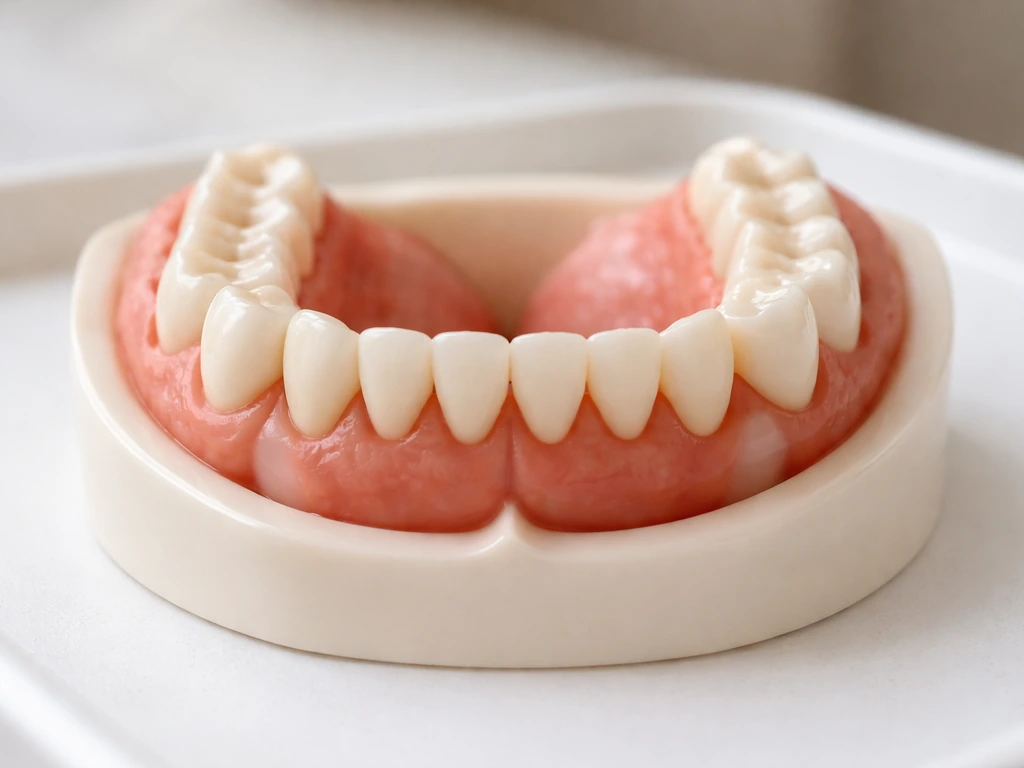
Do Wisdom Teeth Grow on Both Sides? One-Side Eruption Explained
Find out if wisdom teeth erupt on both sides or just one, why it happens, symptoms, and when to get an X-ray.
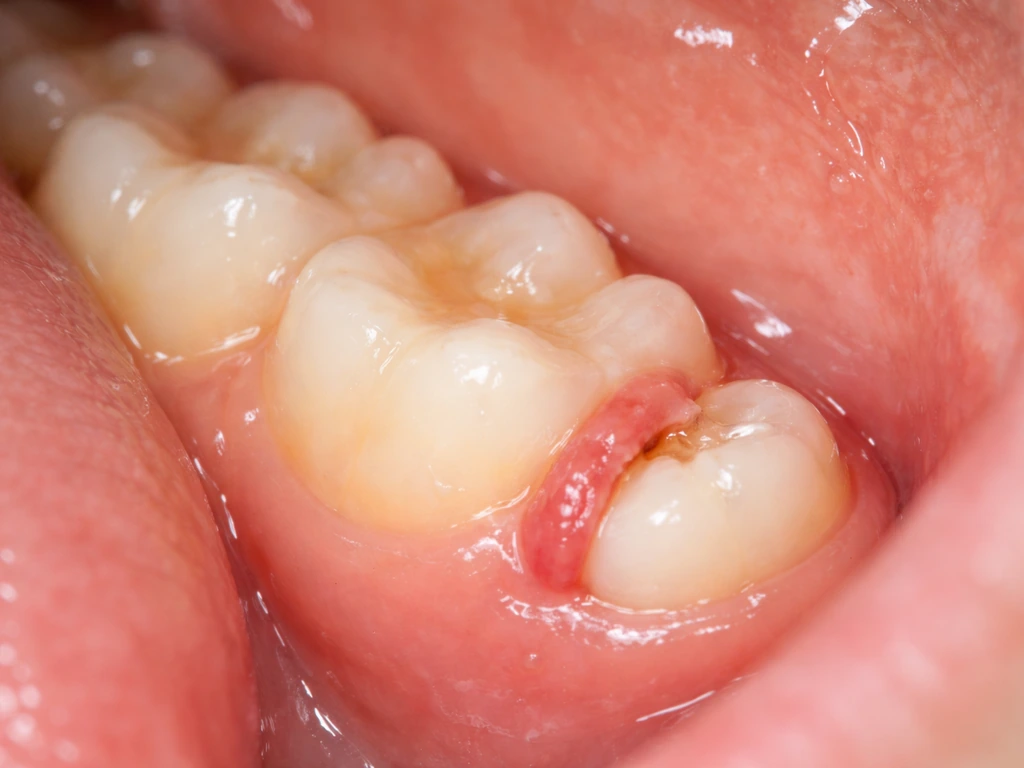
Do Wisdom Teeth Grow Out of the Gum? What’s Normal
Learn if wisdom teeth truly grow out, normal eruption signs and timelines, red flags, and what to do next.
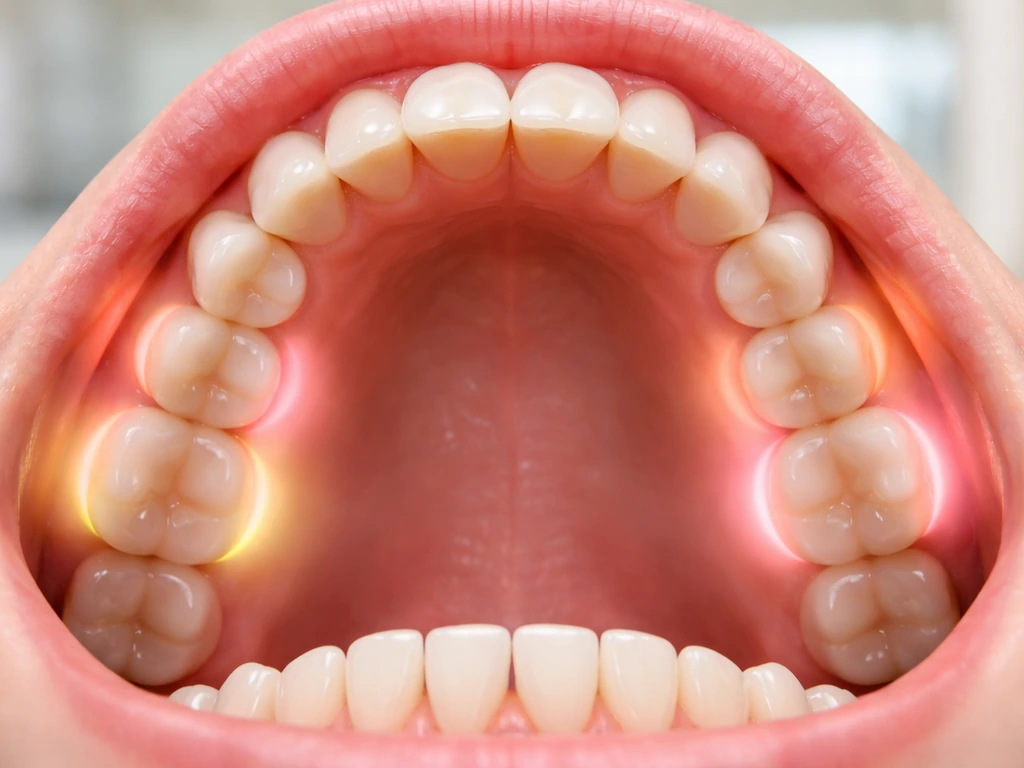
Do Wisdom Teeth Grow at the Same Time? Eruption Timeline
Do wisdom teeth grow at the same time? Learn typical eruption timeline, staggered patterns, and when to see a dentist.