
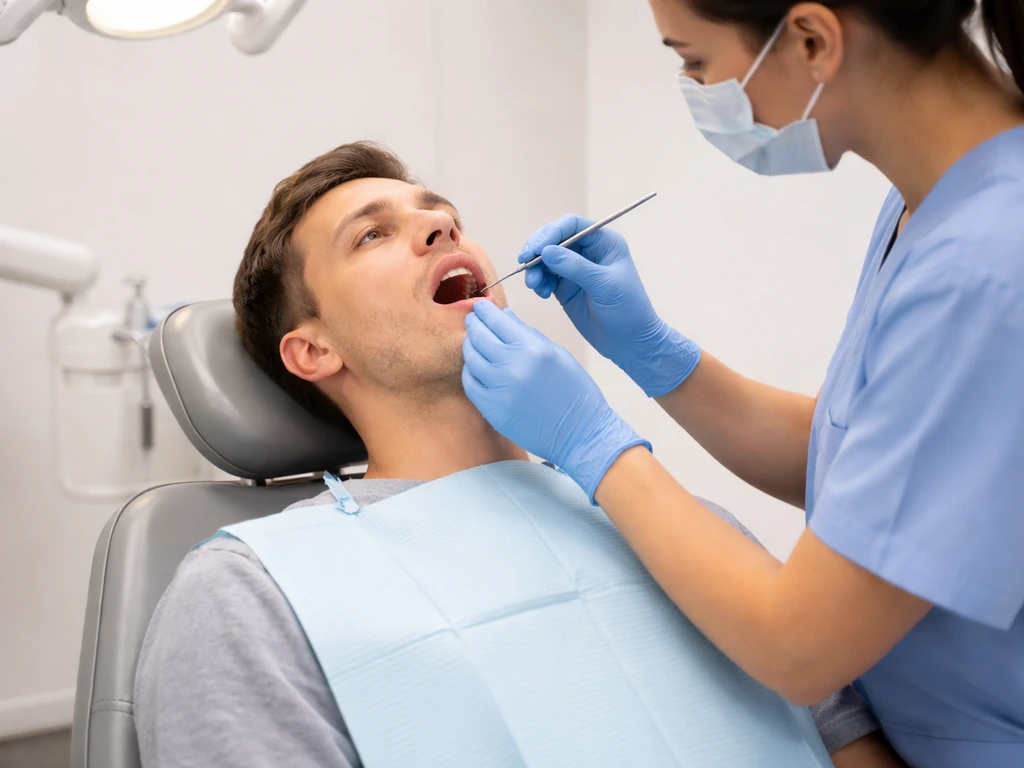
Yes, wisdom teeth can absolutely still erupt after age 25. It is not the norm, but it happens more often than most people expect. A 12-year observational study of adults aged 20 to 32 found that 22% of third molars actually erupted during the study period, and some of those eruptions happened after age 26. So if you are in your late 20s, 30s, or even older and you are feeling pressure, pain, or something unfamiliar pushing up at the back of your jaw, a late-erupting wisdom tooth is a real and legitimate possibility.
Can Wisdom Teeth Grow After 25? Timeline, Symptoms, and What to Do

Marcus Holloway
31 May 2026
Can wisdom teeth still erupt after age 25
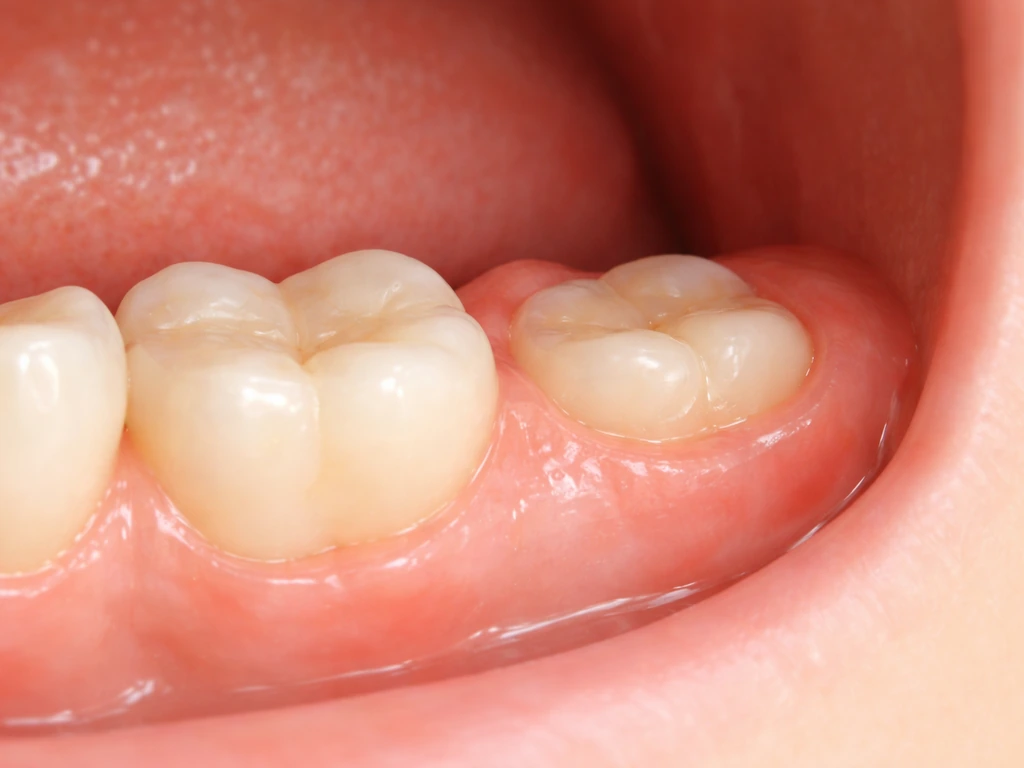
The short biological answer is yes, but with an important caveat: after 25, eruption becomes progressively less likely. Most sources, including the NHS, place the typical eruption window in the late teens to early 20s. Clinical research puts it more bluntly: after age 25, it is not probable that a third molar will shift significantly in position or break through the gumline. 'Not probable' is not the same as impossible, and that distinction matters if you are the person dealing with symptoms right now.
What makes this confusing is that a wisdom tooth can sit in your jaw completely dormant for years and then, under the right conditions, start moving. Teeth do not follow a strict clock. They respond to the space available, the surrounding bone density, and factors like hormonal shifts or changes in your jaw as you age. So while your dentist may have looked at an X-ray in your early 20s and said 'they are impacted, we will watch them,' that same tooth could still become active later.
What drives late wisdom tooth growth (genetics and space)
Two things matter more than almost anything else: your genetics and how much room exists at the back of your jaw. Both are largely out of your control, which is why wisdom tooth timelines vary so widely from person to person.
Genetically, some people simply develop their third molars later. The roots of wisdom teeth continue forming through the mid-20s, and root development is one of the main drivers of eruption. If your roots are still maturing at 24, 25, or 26, there is still biological momentum pushing that tooth upward. Family history is a reliable predictor here. If your parents had late or unusual wisdom tooth eruptions, you are more likely to experience the same.
Space is the other critical variable. Wisdom teeth are the last teeth to arrive in a jaw that is already fully occupied. If previous teeth have shifted slightly, if you lost a back molar, or if your jaw happens to be shaped in a way that allows clearance, a tooth that was previously stuck can find a path. Tooth angulation plays into this too. A tooth angled horizontally is almost certainly not going to erupt on its own; a tooth sitting at a slight angle or nearly vertical has a much better chance of eventually breaking through.
Typical eruption timelines and how late is possible
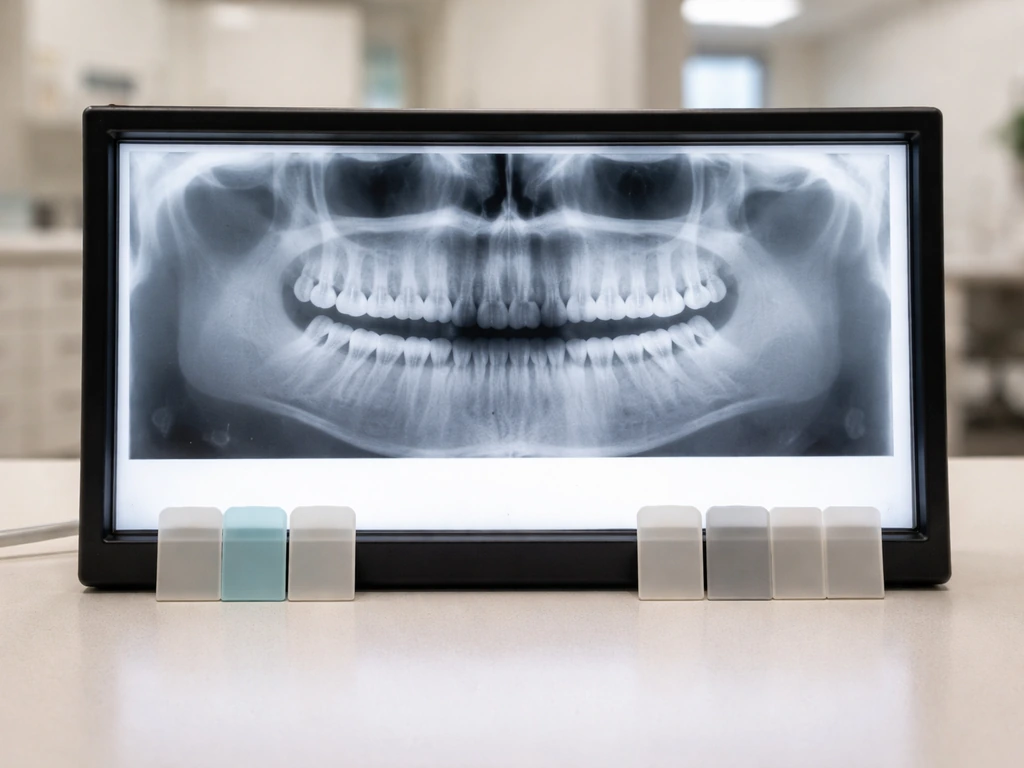
Most wisdom teeth that are going to erupt do so between ages 17 and 24. That is the well-established standard range. But 'late' eruptions, meaning those occurring at 25 and beyond, are documented and not especially rare in a clinical setting. Reports of wisdom teeth erupting in the early 30s exist, and there are occasional cases in the 40s, though those become progressively uncommon. Yes, can you grow wisdom teeth at 30? There are documented late eruptions in people in their early 30s, but they are less common than eruptions in the late teens and early 20s.
The practical takeaway for timeline is this: if you are 25 to 30 and feel something happening at the back of your mouth, a late eruption is still plausible and worth investigating. For many people, this is exactly why the question of whether wisdom teeth can grow in your 20s still comes up, even when symptoms start later 25 to 30. If you are in your 30s, it is less likely but not off the table. By the 40s, a wisdom tooth that has been quietly impacted for two decades is more likely to cause problems like cysts or infection than it is to simply erupt cleanly. The older the impacted tooth, the more the concern shifts from 'will it erupt?' to 'is it causing silent damage?'
It is also worth noting that people in their 30s and 40s sometimes experience symptoms from wisdom teeth that have been partially erupted for years, not newly erupting ones. So the question is not always 'is it growing now?' but sometimes 'was it always there, partially, and now it is finally causing trouble?'
Signs you might be getting wisdom teeth vs other problems
Back-of-the-mouth discomfort after 25 is not automatically a wisdom tooth. Several other conditions produce almost identical sensations, and mixing them up leads to delayed treatment. Here is how to think through the possibilities.
Wisdom tooth symptoms tend to include a dull, persistent pressure deep behind your last molar, swelling or tenderness in the gum tissue at the very back of your jaw, and sometimes a partially visible flap of gum (called an operculum) covering the emerging tooth. You might also notice jaw stiffness, mild pain that radiates toward your ear, and occasional difficulty fully opening your mouth if surrounding tissue is inflamed.
But those same symptoms overlap heavily with other issues. A cavity in your second molar (the tooth right in front of where wisdom teeth sit) can cause nearly identical pain. Gum disease affecting the back of your mouth can produce swelling and deep aching. Sinus pressure from an infection can radiate pain that feels like it is coming from your upper back teeth. And TMJ or jaw joint issues often generate radiating pain that is easy to confuse with a tooth problem. The only way to reliably separate these causes is a dental exam with imaging.
- Pressure or aching specifically behind your last visible molar, deep in the jaw
- Swollen or tender gum tissue at the very back of your mouth
- A visible or palpable flap of gum tissue partially covering a tooth
- Jaw stiffness or limited opening, especially in the morning
- Pain that radiates toward your ear or the side of your face
- Bad taste or odor from the back of your mouth (possible sign of infection around a partially erupted tooth)
- Headache combined with jaw tension and back-of-mouth soreness
If you have pain but no visible gum changes and no palpable pressure at the very back of the arch, sinus issues, gum disease, or a cavity may be more likely culprits than a new eruption.
What the dentist checks (exam, X-rays, impacted teeth)
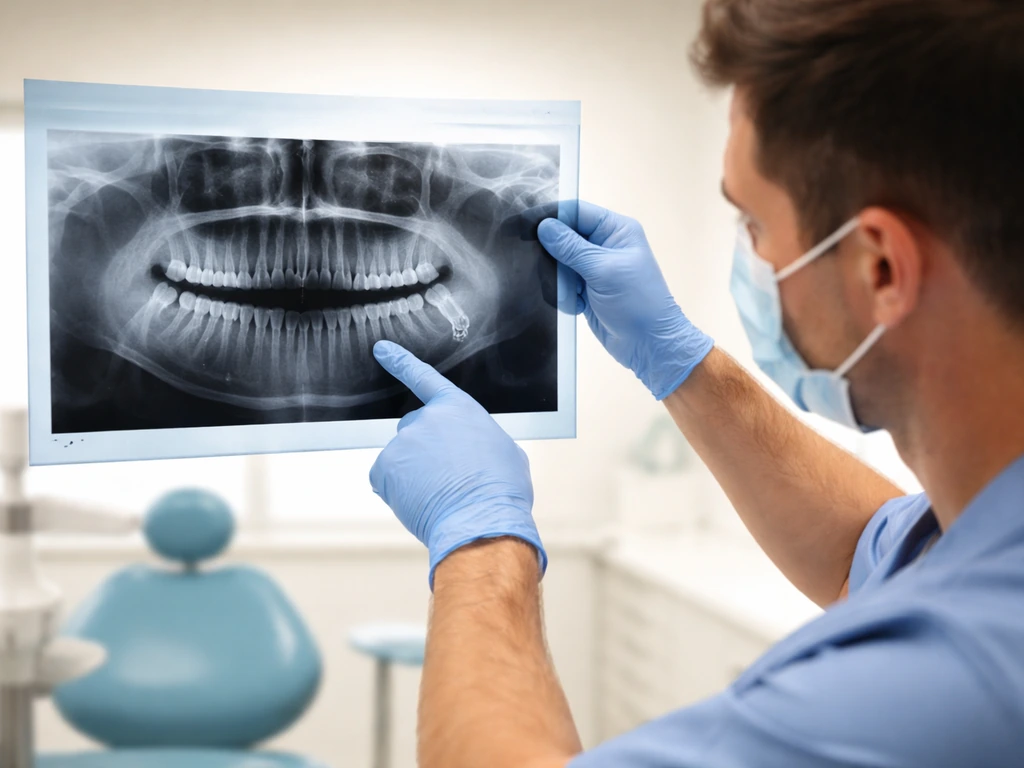
When you walk into the dental office with back-of-mouth symptoms, here is what is going to happen. First, the clinician will do a visual and tactile exam of the back of your mouth, checking for visible gum inflammation, probing any pockets around existing molars, and feeling for any bony or soft-tissue changes at the end of the arch. They will also ask about the nature of your pain, when it started, and whether it is constant or comes and goes.
The most useful diagnostic tool here is a panoramic X-ray (sometimes called an OPG). This is the wide-view image that shows all your teeth, jaw, and surrounding structures in one picture. It will show exactly where your wisdom teeth are, how they are angled, how much root development has occurred, whether they are fully impacted in bone, partially through the gum, or close to erupting. It will also reveal if there is a cyst or bone loss around an impacted tooth, which changes the urgency of treatment significantly.
If you do not already have recent imaging, ask for a panoramic X-ray specifically. A standard bite-wing or periapical X-ray of the back teeth can help identify cavities and bone levels around existing molars, but it often misses the full picture of where wisdom teeth sit in the jaw. The panoramic view is worth requesting by name.
Based on what they find, the clinician will categorize the situation: a wisdom tooth that is actively erupting with adequate space, one that is partially erupted and chronically inflamed (pericoronitis), one that is fully impacted with no pathway to erupt, or one that has been impacted for years and is now affecting neighboring teeth or forming a cyst. Each scenario has a different management path.
Treatment options and when you should get care now
Not every late-erupting wisdom tooth needs to come out immediately. The decision depends on what it is doing, not just on how old you are. Here is how the main options break down.
| Situation | Likely Approach | Urgency |
|---|---|---|
| Erupting with adequate space, no symptoms | Monitor with periodic X-rays | Low: routine follow-up |
| Erupting but crowded or causing bite shift | Orthodontic assessment, possible extraction | Moderate: schedule soon |
| Partially erupted with inflamed flap (pericoronitis) | Irrigation, antibiotics if infected, likely extraction | Moderate to high: see dentist within days if painful or swollen |
| Fully impacted, asymptomatic, no cyst | Monitor every 1 to 2 years with imaging | Low: routine monitoring |
| Impacted with cyst, bone loss, or damage to neighboring tooth | Surgical extraction | High: act promptly to prevent further damage |
| Acute infection or swelling spreading to face or throat | Urgent care or ER, then extraction | Emergency: seek care today |
If you have facial swelling that is spreading, difficulty swallowing, or a fever alongside jaw pain, do not wait for a regular appointment. A spreading dental infection can become dangerous quickly and needs same-day evaluation, either at an emergency dental clinic or an emergency room.
For most people reading this who are experiencing dull, manageable discomfort, the right move is to schedule a dental visit within the next week or two, get a panoramic X-ray, and find out exactly what is happening. Over-the-counter pain relief (ibuprofen handles dental inflammation better than acetaminophen for most people) can manage symptoms in the meantime. Salt-water rinses help keep the area clean if gum tissue is inflamed around a partially erupted tooth.
Questions worth asking your dentist at that appointment: Is this tooth actively moving or static? Is there any damage to the tooth next to it? If I leave it alone, what is the realistic worst case in the next five years? And if extraction is recommended, is this a straightforward procedure or a surgical referral?
Extraction after 25 is generally more straightforward when the tooth has erupted partially or fully. Fully impacted wisdom teeth in adults do require surgical extraction, and recovery takes longer than it did for your friends who had theirs out at 18. Most people are back to normal in about a week, though complete bone healing takes longer. The older you are, the denser your jaw bone, so surgical extractions in your 30s and 40s can involve a slightly longer recovery than in younger adults.
Can anything 'grow back' like tooth regrowth, what is real vs myth
Here is a point worth being clear about, because it comes up a lot and there is genuine confusion around it. When a wisdom tooth erupts at 27 or 32, it is not 'growing back' in any regenerative sense. That tooth was already there, sitting in your jaw, fully or partially formed. Eruption is just the tooth moving through bone and gum tissue into the mouth. It is migration, not regrowth.
Actual tooth regrowth, meaning a lost adult tooth regenerating from scratch, does not happen in humans. Once your permanent teeth are gone, they are gone. There is no biological mechanism in adult humans that produces new tooth structure to replace a lost adult tooth. This is one of the fundamental limitations of human dental biology, unlike some animals (sharks famously regrow teeth continuously) or even certain reptiles.
Enamel follows a similar rule. Enamel is the hardest tissue in your body, but it cannot regenerate once it is lost. The cells that produce enamel (ameloblasts) stop functioning once a tooth finishes forming. Remineralization, meaning the process where minerals from saliva and fluoride re-harden the surface of slightly softened enamel, is real and valuable, but that is repair at a microscopic level, not regrowth of lost enamel.
Gum tissue is slightly different in that it can heal and even partially reattach after treatment for gum disease, but gum tissue that has receded significantly does not spontaneously grow back on its own. Procedures like gum grafts can restore coverage, but that is a surgical intervention, not natural regeneration.
So when people ask whether wisdom teeth can 'grow' after 25, the accurate framing is: they can erupt, meaning move into position from where they have been sitting all along. That is a very different biological process from regeneration. The tooth has been there for years. The question is just whether it finally finds its way into the mouth, and after 25, that outcome becomes less and less likely with each passing year.
If you are curious how this compares at other ages, late wisdom tooth activity in your 30s or 40s follows similar biological rules but with even lower probability of clean eruption and higher risk of complications from long-standing impaction. The consistent advice across all adult age groups is the same: get imaging, know what you are dealing with, and make a decision based on what is actually happening in your jaw rather than waiting for symptoms to escalate.
FAQ
If I had wisdom teeth “fully impacted” on an X-ray at 22, can they start erupting after 25 anyway?
It can happen, but “fully impacted” usually means there is no clear eruption pathway at that time. If you later develop pressure, the key next step is a new panoramic X-ray (or surgical consult with imaging review) to see whether angulation or nearby tooth movement changed the available space or whether the symptoms are coming from the gum tissue around an edge of the tooth rather than true eruption.
Are there signs that suggest a late-erupting wisdom tooth is more likely, versus tooth decay or gum disease?
A stronger clue is consistent, deep pressure at the very back of the jaw that worsens when you chew and is associated with localized tenderness or a small gum flap near the last molar. If the pain is tied to biting on a specific tooth, you may instead be dealing with a cavity or a crack in the second molar, which is why imaging to evaluate adjacent teeth matters.
What symptoms mean I should go to urgent care or an emergency room rather than waiting for a dentist?
Seek same-day care if you have fever, rapidly spreading facial swelling, trouble swallowing or breathing, swelling that’s pushing the tongue or causing drooling, or you cannot open your mouth more than a few centimeters. These can signal a spreading odontogenic infection that needs prompt treatment, not just pain control.
Can I manage suspected late wisdom tooth symptoms at home while waiting for my appointment?
Often yes for mild, localized discomfort. Use warm salt-water rinses if the gum at the back is irritated, and consider ibuprofen as directed on the label if you can safely take NSAIDs. Avoid applying heat to swollen areas if you are developing worsening infection signs, and avoid hard foods that intensify pressure on the back of your jaw.
How long should I wait before I get checked if the pain comes and goes?
If symptoms recur over more than one to two weeks, or they are gradually increasing, book a dental visit rather than waiting for it to “settle.” Intermittent pericoronitis can flare repeatedly because the gum tissue around a partially erupted tooth stays inflamed, and the pattern is hard to distinguish from other causes without imaging.
If a panoramic X-ray shows a wisdom tooth near the nerve, does that change treatment urgency?
Yes. Proximity to the inferior alveolar nerve can increase the stakes of extraction, even if the tooth is not erupting. Your dentist may discuss whether to monitor, provide antibiotics only if infection is present, or refer to an oral surgeon for a more detailed assessment (often with additional imaging) and a risk-benefit plan.
Is it possible that my symptoms are from a partially erupted wisdom tooth that has been there for years, even if I “don’t remember it hurting” before?
Yes. Partially erupted teeth can remain dormant or mildly inflamed for long periods, and symptoms may start when the gum flap traps debris, when local swelling increases, or when nearby teeth shift enough to create new pressure. A proper exam should evaluate for gum inflammation around the wisdom tooth and also check the second molar for cavities.
What questions should I ask to decide between monitoring and extraction for a late-erupting case?
Ask whether the tooth is actually moving or just causing chronic inflammation, whether it is damaging the adjacent second molar, whether there is any cyst or bone loss, and what the realistic risk of deterioration is if you wait (for example, over 1 to 5 years). Also ask about recovery expectations for your specific age and tooth position (simple versus surgical extraction, likely downtime, and planned follow-up).
Can I “wait it out” if the symptoms are mild, and what are the common risks of delaying?
You may be able to monitor if there is no infection, no cyst or bone loss, and no evidence of damage to neighboring teeth. Delaying becomes riskier if flares are frequent, if there is swelling that keeps returning, or if imaging shows bone loss, a cystic change, or progressive irritation of the adjacent molar.
If a wisdom tooth erupts at 27 or 32, is that considered “regrowth”?
No. Late eruption means the tooth already existed in bone, and it moves through bone and gum when conditions allow. It is migration, not regeneration, so any tooth that was missing would not “come back” later, and previously damaged enamel or gum recession would not reverse naturally just because eruption starts.
Next Articles
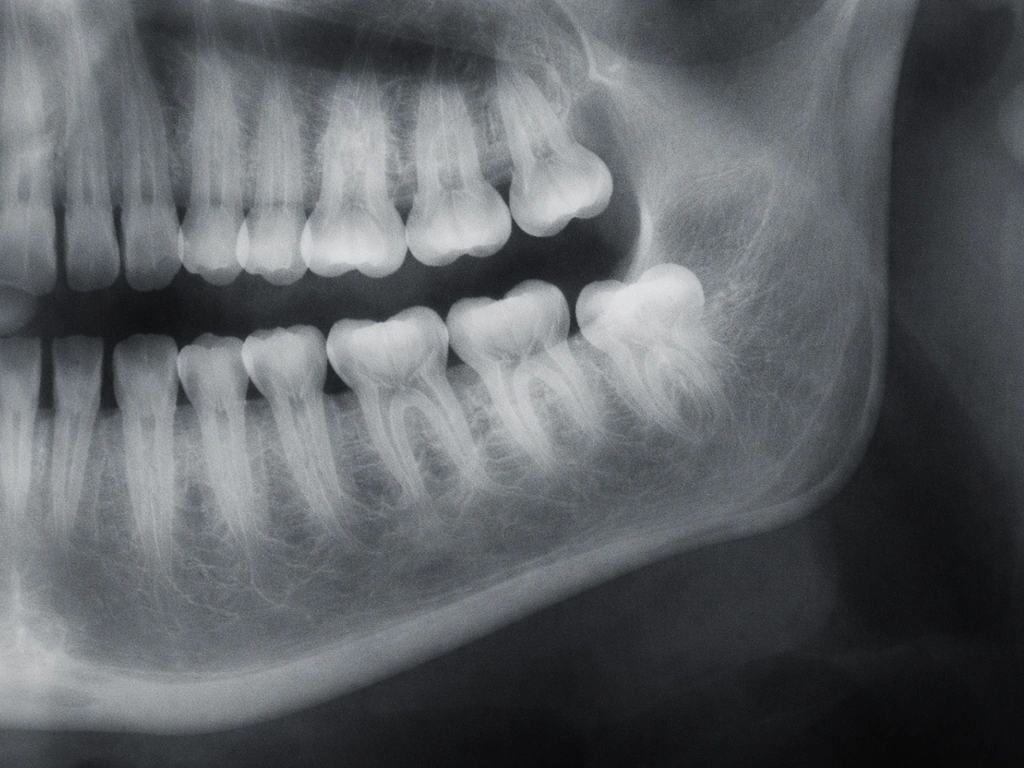
Can You Grow Wisdom Teeth at 30? What to Expect
Can wisdom teeth erupt after 30? Learn late eruption signs, timelines, myths, and next steps for diagnosis and care.
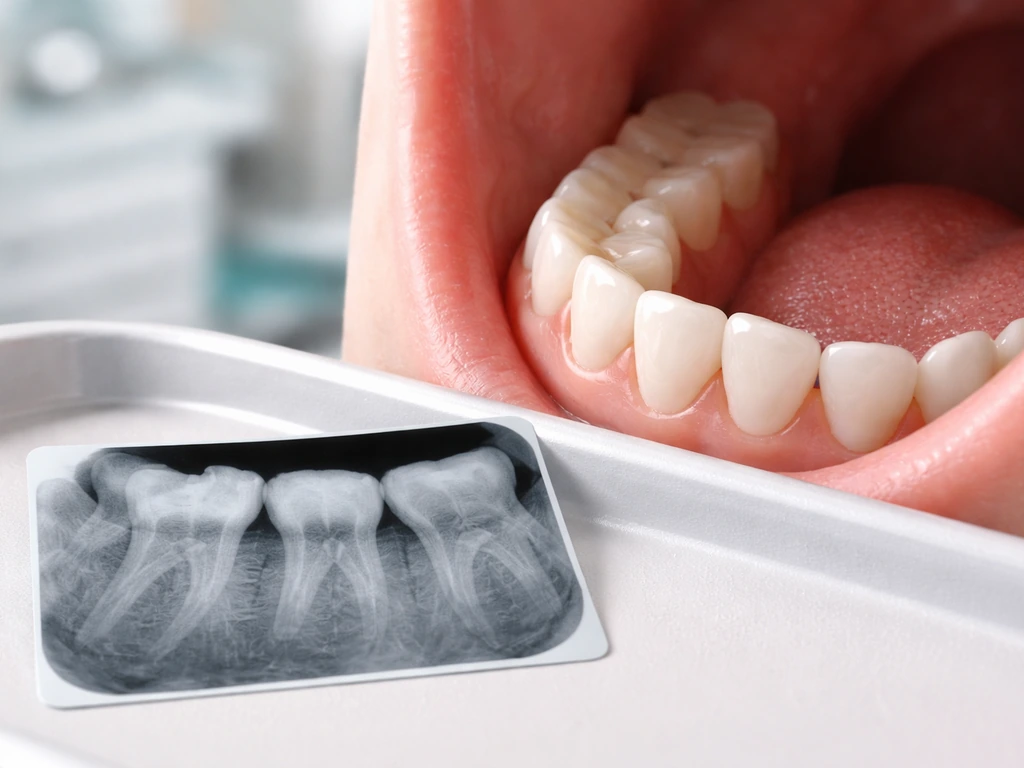
Can Wisdom Teeth Grow in Your 40s? Late Eruption Guide
Can wisdom teeth erupt in your 40s? Learn late eruption signs, risks, and dentist options to monitor or extract.
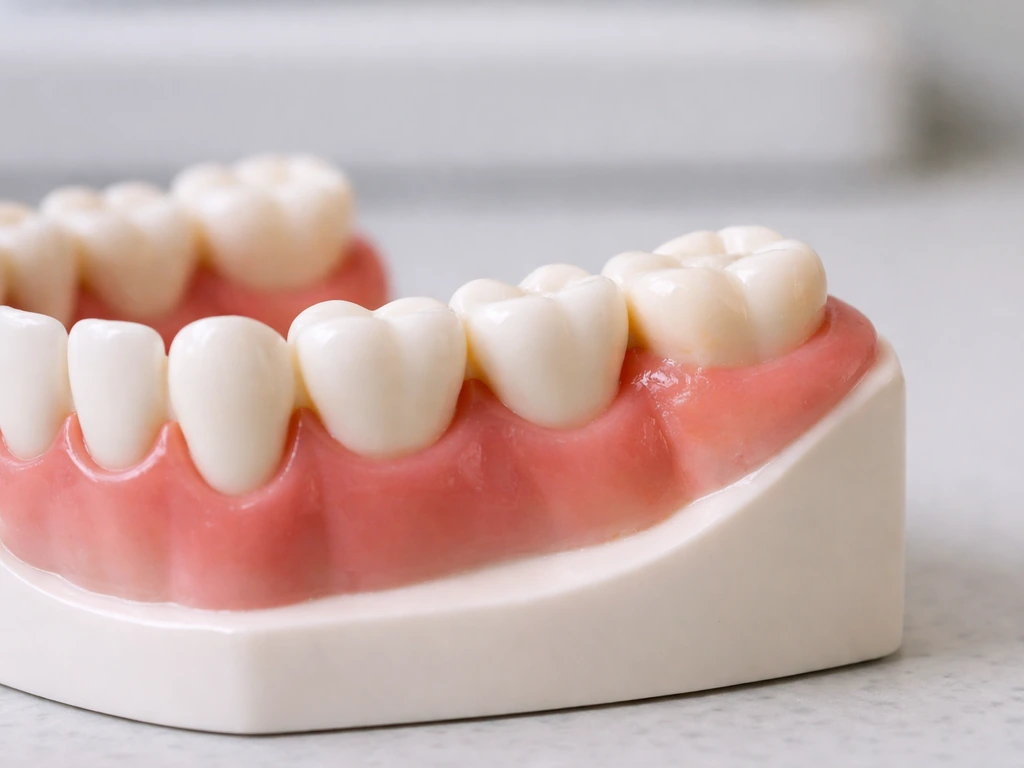
Can Wisdom Teeth Grow in Your 20s? Signs and Next Steps
Can wisdom teeth erupt in your 20s? Learn signs, diagnosis with X-rays, and when extraction is needed.