Pain when new teeth grow in is usually normal, but it is not always something you should just push through. Whether you are a parent watching a baby gnaw on everything in sight, a teenager feeling jaw pressure from a new molar, or an adult dealing with a wisdom tooth making its slow, uncomfortable entrance, the core question is the same: is this normal eruption discomfort, or is something actually wrong? The short answer is that typical eruption pain is dull, comes and goes, and stays mild. Many people also wonder, do teeth hurt when they grow, and whether that discomfort should feel mild and temporary. If you are also trying to understand how wisdom teeth grow in, knowing the typical timeline and eruption patterns can help you judge whether your symptoms match normal progress. Pain that is sharp, spreading, comes with swelling, or is paired with a fever is a different story entirely.
Pain When New Teeth Grow In: What’s Normal and When

Normal eruption pain vs. something that needs attention
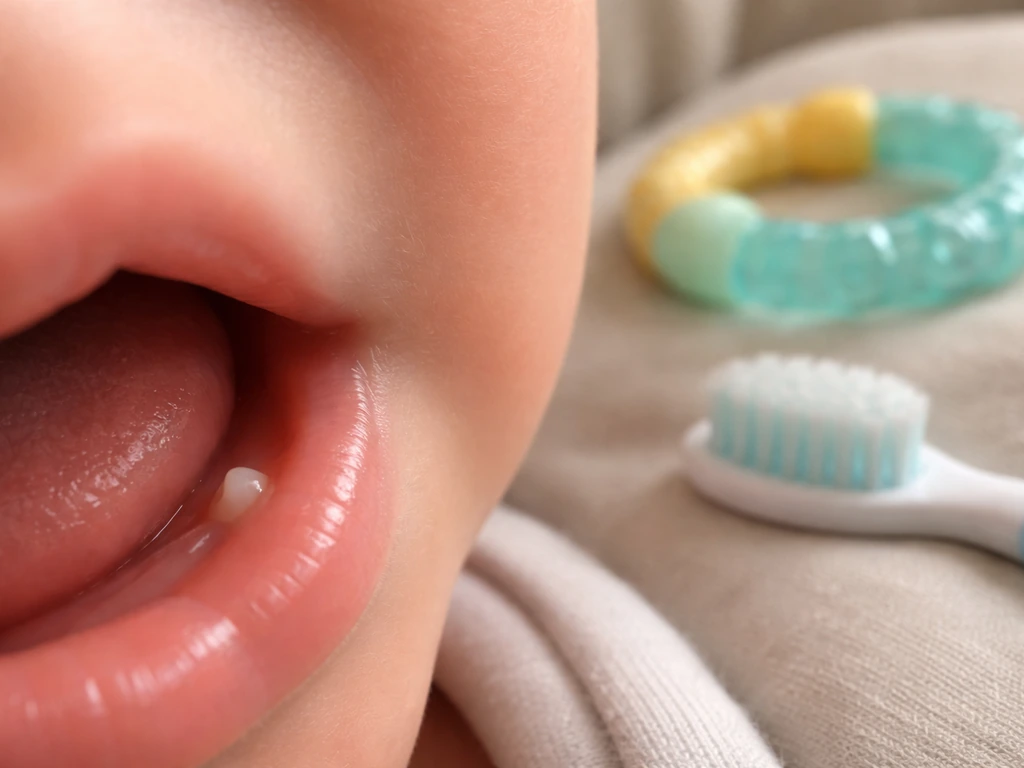
Normal eruption pain happens because the tooth is physically pushing through the gum tissue. That pressure causes inflammation in the gum, tenderness, and sometimes a bit of swelling right at the eruption site. The pain tends to follow a pattern: it flares for a few days before the tooth breaks through the gum, then eases off fairly quickly once it does. For babies, that cycle typically lasts about a week per tooth, with a few days of discomfort before and after the tooth appears.
Abnormal pain looks different. It does not follow that short flare-and-fade pattern. Instead, it lingers, intensifies, or comes with other symptoms that have nothing to do with normal tissue movement. If a child or adult has a fever alongside tooth pain, that is not teething or normal eruption. Teething does not cause fever. This is one of the most widespread misconceptions in pediatric dental care, and it matters because a parent who assumes fever is just teething may miss an illness that needs treatment. Similarly, if you have jaw swelling, a bad taste in your mouth, pain when you bite down, or difficulty opening your mouth, those are signs the problem has moved beyond simple eruption discomfort.
| Symptom | Normal Eruption | See a Dentist |
|---|---|---|
| Gum soreness/tenderness | Yes, localized | If spreading or worsening after 1–2 weeks |
| Mild swelling at eruption site | Yes | If swelling spreads to cheek or jaw |
| Drooling (babies) | Yes | Not a concern on its own |
| Irritability/fussiness (babies) | Yes, short-lived | If persistent or paired with other symptoms |
| Fever | No — not caused by eruption | Always evaluate separately |
| Bad taste or discharge from gum | No | Yes — possible infection |
| Pain when biting/chewing | Mild pressure is normal | Sharp or worsening pain needs evaluation |
| Difficulty swallowing or breathing | No | Emergency — seek care immediately |
| Cheek or jaw swelling | No | Yes — urgent care |
When teeth typically grow in: a timeline by age
Knowing when to expect teeth helps you figure out whether what you are seeing is on schedule or worth checking out. Here is how eruption generally unfolds from infancy through adulthood.
Baby teeth (primary teeth): roughly 6 months to 3 years
Most babies cut their first tooth somewhere between 6 and 10 months, though the range is wide. The lower front teeth (central incisors) usually come in first, followed by the upper front teeth, then lateral incisors, first molars, canines, and finally the second molars. The full set of 20 primary teeth is usually complete by about 2.5 to 3 years of age. If a baby has no teeth at all by 12 to 15 months, that is worth mentioning to a pediatric dentist.
Permanent teeth: roughly ages 5 to 14
The transition from baby teeth to permanent teeth is a long process. The lower central incisors are usually first to arrive, around ages 6 to 7. First molars also come in around 5 to 7 years, making them some of the earliest permanent teeth to erupt (and because they appear in the back without replacing any baby tooth, parents sometimes do not realize they are new permanent teeth that need protecting). Canines and premolars follow between roughly ages 9 and 13, with second molars arriving around 11 to 13. The ADA provides detailed eruption charts if you want to track specific teeth by age.
Wisdom teeth: late teens through mid-20s (and sometimes never)
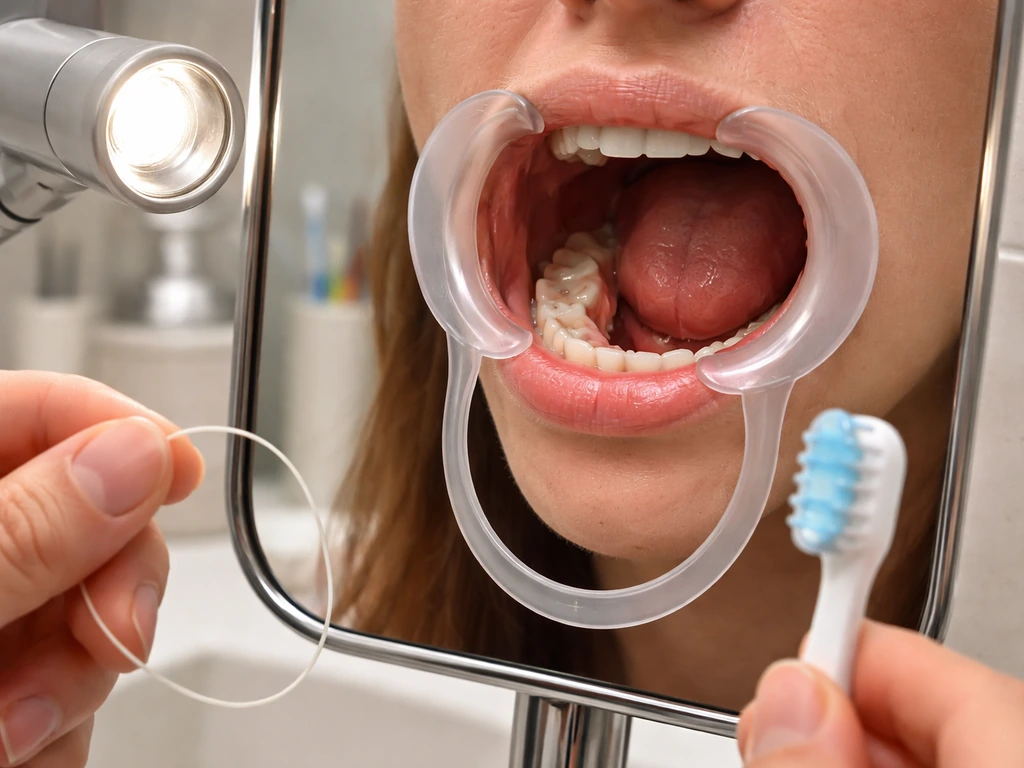
Third molars, commonly called wisdom teeth, typically begin erupting between ages 17 and 25, though some people see them earlier or later, and some never develop them at all. If you are also wondering how long a wisdom tooth takes to grow, the timing can vary by person how long does wisdom tooth take to grow. Because they are last to arrive in an already-full mouth, they often cause more problems than other teeth: limited space, partial eruption, and awkward angles are all common. Third molars, commonly called wisdom teeth, typically begin erupting between ages 17 and 25, though some people see them earlier or later, and some never develop them at all. Because they are last to arrive in an already-full mouth, they often cause more problems than other teeth: limited space, partial eruption, and awkward angles are all common. If you are wondering more about why does my head hurt when my wisdom teeth grow, that topic is covered in depth in a related article on this site. If you are also trying to understand how wisdom teeth grow in, you can start with the timeline and typical eruption patterns covered here.
Why teeth and gums hurt when a new tooth is coming in
Not all eruption pain has the same cause. Understanding what is driving the discomfort helps you pick the right response.
- Eruption pressure: The tooth physically pushing through gum tissue creates inflammation and tenderness at the site. This is the most common cause and is completely normal.
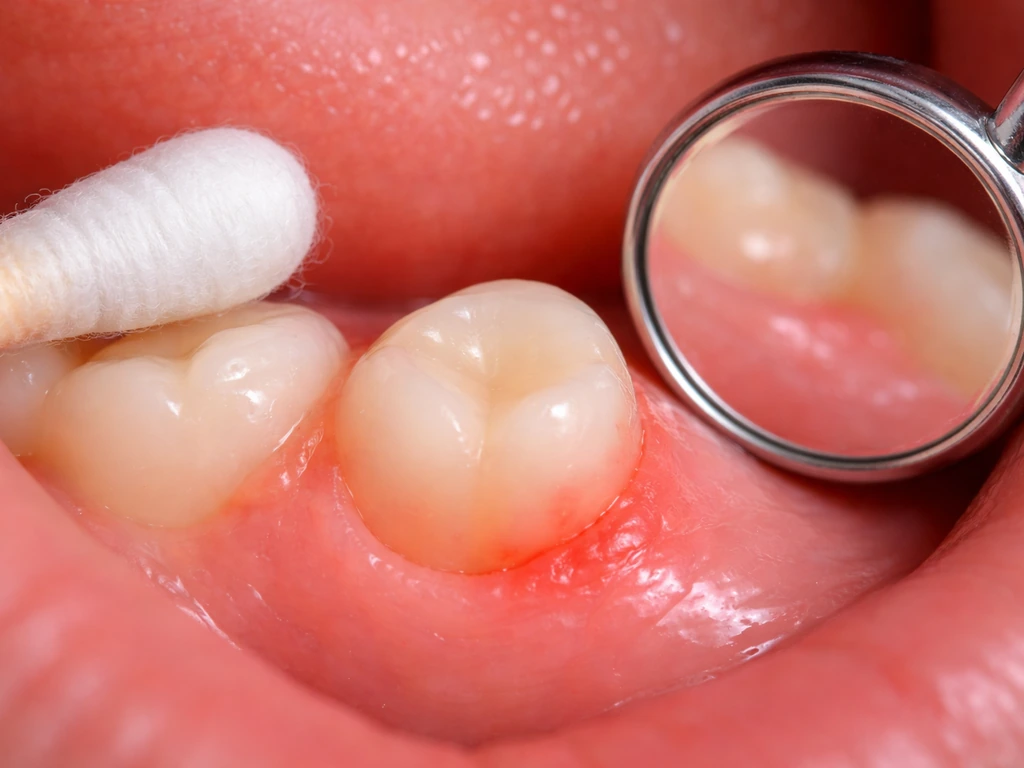
- Gum inflammation (pericoronitis): When a tooth only partially breaks through the gum, a flap of gum tissue can cover part of the tooth and trap food and bacteria underneath. This causes localized infection, swelling, and pain. It is most common with wisdom teeth but can happen with any partially erupted tooth.
- Infection or abscess: If bacteria get into the gum or tooth pulp, an abscess can form. This produces throbbing or severe pain, swelling, and often a bad taste from discharge. An abscess is not a normal part of eruption and needs prompt treatment.
- Cavities in newly erupted teeth: New teeth, especially in kids, can develop cavities quickly because the enamel is still maturing and oral hygiene routines are still being established. A cavity in a newly erupted tooth causes sensitivity or pain that is different from eruption pressure.
- Impaction: A tooth that is growing at an angle and pushing against another tooth or bone causes sustained pressure pain. This is most commonly discussed with wisdom teeth growing sideways, but it can affect other permanent teeth too.
- Injury or trauma: A new tooth that has been bumped or chipped can hurt in ways that mimic eruption pain. Check for visible damage.
What you can do today to relieve eruption pain
For straightforward eruption discomfort, the good news is that several safe, effective methods work well at home. The approach shifts a bit depending on age.
For babies and toddlers
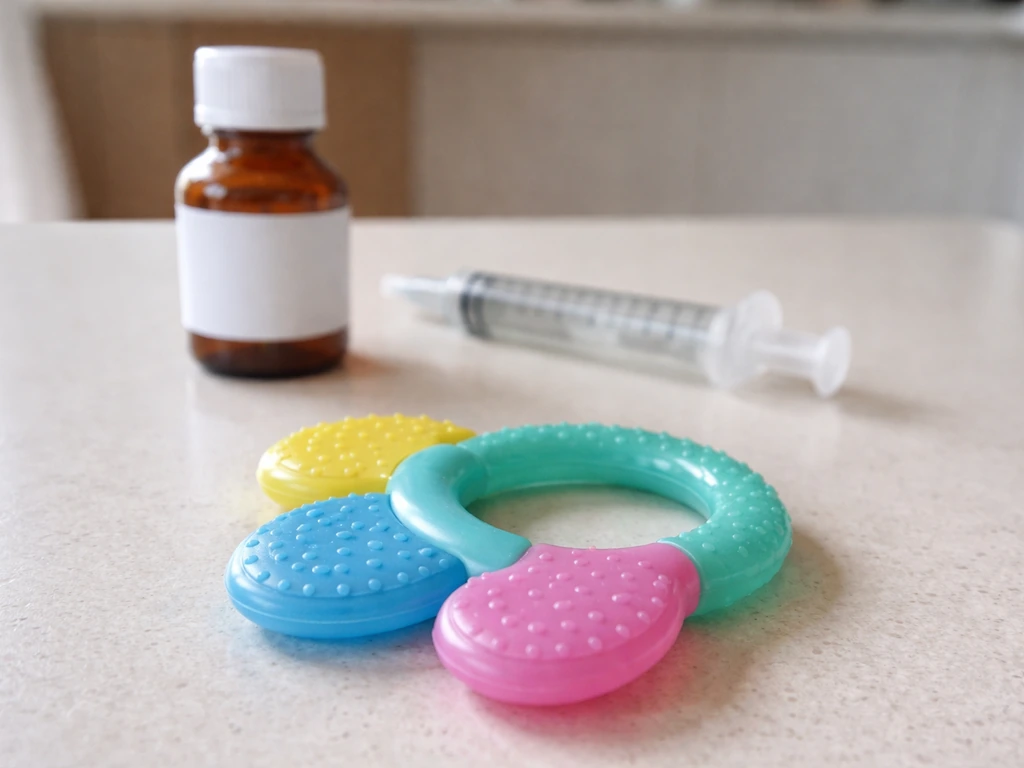
- Chill a teething ring and let the baby chew on it. Cold reduces gum inflammation and numbs the area gently. Do not freeze the ring solid, as extreme cold can cause tissue damage. A chilled (not frozen) ring or a cold, damp washcloth works well.
- Gently massage the gum with a clean finger. The counter-pressure can temporarily ease the discomfort.
- If non-medicine methods are not enough, age-appropriate pain relievers are an option. For babies over 2 months, paracetamol (acetaminophen) can be used. For babies over 3 months, ibuprofen is also an option. Always follow weight-based dosing on the label.
- Keep the baby's face dry to prevent drool rash, which can make an already fussy baby more uncomfortable.
For children and teenagers
- Use over-the-counter ibuprofen or acetaminophen dosed correctly for weight and age. These are the main OTC options supported by dental guidelines for managing eruption-related discomfort.
- Rinse with warm salt water if there is gum irritation or mild inflammation, especially around a partially erupted molar or wisdom tooth. Mix about half a teaspoon of salt in a glass of warm water and rinse for 30 seconds, 3 to 4 times a day.
- A cold pack held gently against the outside of the cheek can help with swelling and discomfort.
- Encourage soft foods temporarily and avoid chewing directly on the affected area.
- Keep up with brushing and flossing, including gently around the eruption site. Buildup of food around a partially erupted tooth makes things worse.
For adults dealing with wisdom tooth pain
- NSAIDs like ibuprofen are first-line for acute dental pain in adults who can safely take them. The ADA supports NSAIDs (alone or combined with acetaminophen) as the first-choice OTC option. Always follow dosing instructions and avoid combining products that share the same active ingredient.
- Warm salt water rinses 3 to 4 times daily help manage pericoronitis-related inflammation and keep the area clean.
- Cold compress on the outside of the jaw can reduce swelling.
- Avoid foods that get stuck in the area (seeds, crunchy or sticky foods) until things settle.
- If you can, use a soft-bristled brush and water flosser or an oral irrigator to clean around the partially erupted tooth without forcing floss into inflamed tissue.
What to avoid and a word on OTC products
There are several products and approaches that are popular but either useless or genuinely dangerous, so this is worth being direct about. The FDA warns that benzocaine gels and liquids applied to the gums or mouth for teething are associated with rare but serious methemoglobinemia, and should not be used on children under 2 years of age except under healthcare professional advice and supervision genuinely dangerous.
- Do not use benzocaine gels or liquids on infants or children under 2 years. The FDA has issued strong warnings about these products because they carry a risk of methemoglobinemia, a serious and potentially fatal blood disorder. Beyond the safety risk, topical gels wash off so quickly in the mouth that they provide little real relief anyway.
- Do not use lidocaine-based teething products on young children. The FDA specifically recommends against this due to risks including seizures and death.
- Do not give aspirin to children for any dental (or other) pain due to the risk of Reye's syndrome.
- Avoid double-dosing. If you give a child a multi-symptom cold medicine that already contains acetaminophen and then also give acetaminophen separately, you risk exceeding safe limits. Always read labels for active ingredients before combining any OTC products.
- Amber teething necklaces are not safe and have no proven benefit. They are a strangulation and choking hazard for babies and toddlers.
- Frozen teething rings (frozen solid) can damage delicate gum tissue. Chilled is fine; frozen solid is not.
- Do not rub alcohol (including spirits) on a baby's gums. This is an old folk remedy with no benefit and genuine harm potential.
Warning signs that mean call a dentist now
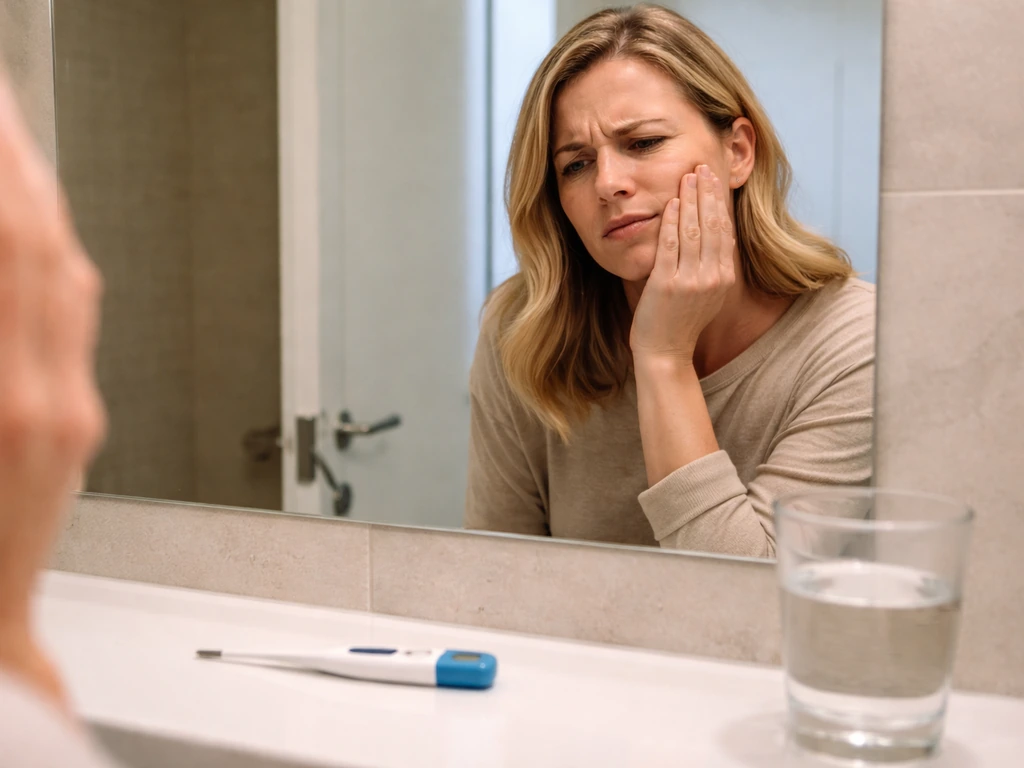
Some symptoms are clear signals that home care is not enough and that waiting will make things worse. If any of the following are present, contact a dentist as soon as possible or go to urgent/emergency care.
- Fever alongside tooth or jaw pain (in any age group, including adults with wisdom tooth pain)
- Visible swelling of the cheek, jaw, or lymph nodes in the neck
- A bad or foul taste in the mouth, which can signal infection or abscess
- Pain that gets worse when biting or applying pressure
- Red, swollen gums that bleed readily, especially around a partially erupted tooth
- Difficulty opening the mouth fully (trismus)
- Difficulty swallowing or breathing — this is a dental emergency and warrants immediate emergency care, not just a call to the dentist's office
- Pus or visible discharge near the tooth
- Pain that has not improved at all after 3 to 5 days of home management
- A child with a fever in the teething age range — evaluate the fever separately, not as teething
To be very clear about the breathing and swallowing point: swelling from a spreading dental infection can compromise the airway. This is rare but life-threatening. If someone with tooth or jaw pain is struggling to breathe or swallow, call emergency services immediately.
Eruption is not the same as regrowth, what can and cannot regenerate
Here is a distinction worth making clearly, because it comes up a lot on this site: when a new tooth 'grows in,' nothing has regenerated. The tooth was already forming inside the jaw and has simply moved into its position in the mouth. That is eruption, not regrowth. Adult humans do not grow new teeth after the permanent set is in place. If a permanent tooth is lost or removed, no biological replacement will grow back on its own.
The limits go further. Tooth enamel, the hard outer layer of the tooth, cannot be repaired or regenerated by the body once it has fully mineralized. The body simply has no mechanism to do this. Research into enamel biology has confirmed that once enamel is damaged or lost, the body cannot restore it. This is why enamel protection matters so much during and after eruption, when the surface is still relatively new.
Dentin, the layer beneath enamel, has some limited capacity for repair (secondary and tertiary dentin can form in response to injury), but this is not meaningful regrowth in a regenerative sense. The pulp and periodontal ligament have some healing capacity, but again, this is repair, not regeneration of missing tissue.
Dental regeneration research is an active field, and scientists are working on approaches using stem cells and tooth germ biology. However, significant barriers remain, including the fact that the embryonic cells needed to grow a complete anatomically correct tooth are not accessible in adults. Some other species, like sharks and crocodilians, can continuously replace teeth throughout their lives, but this polyphyodonty is not a biological feature humans have. If you have come here after a lost tooth wondering whether it might grow back, the honest answer is: it will not without dental intervention, similar to the question of whether wisdom teeth grow back.
If you have read the companion article on whether wisdom teeth grow back after extraction, you already know the answer is no. The same applies to any other permanent tooth.
What a dentist will check and how they can help
If you bring an eruption-related pain concern to a dentist, here is roughly what they will do and what the outcomes might look like.
For infants and young children
A pediatric dentist will examine the gums visually and check for signs of infection, early tooth decay, or developmental issues. If everything looks like typical eruption, they will confirm your home care approach and answer questions about timing. If there is an infection or a tooth that is erupting in an unusual position, they will discuss options, which may include antibiotics for infection or monitoring for positional issues.
For school-age children and teens
The dentist will look at whether the tooth is coming in on track, check for early cavities in new enamel, and assess whether any crowding or alignment issues are developing. X-rays are often used to see what is happening below the gumline. If there is a cavity in a newly erupted tooth, early treatment is much easier and less involved than waiting. If a tooth seems to be erupting at an odd angle, they may refer to an orthodontist.
For adults with wisdom tooth pain
A dentist will take X-rays to see the position of the wisdom tooth, whether it is impacted, and whether there is any sign of infection, cyst formation, or damage to neighboring teeth. For mild pericoronitis (the gum-flap inflammation), treatment often involves professional cleaning of the area, improved home hygiene, and sometimes a short course of antibiotics if infection is present. Acute episodes typically resolve in a few days with proper care, though the problem can recur if the tooth does not fully erupt. If the tooth is impacted, growing sideways, causing repeated infections, or damaging adjacent teeth, extraction is usually recommended. For urgent cases with spreading infection, swelling, or systemic symptoms like fever and difficulty swallowing, the dentist may need to coordinate more involved treatment including drainage or referral to an oral surgeon.
Preventing things from getting worse while you wait for your appointment
- Keep the area as clean as possible. Bacteria around a partially erupted tooth drive inflammation into infection.
- Do not poke or prod the area with fingers, toothpicks, or other objects.
- Use pain relievers as needed but do not exceed recommended doses.
- Stay hydrated and stick to soft foods.
- If swelling increases noticeably, pain becomes severe, or you develop fever or difficulty swallowing after scheduling an appointment, move to urgent care rather than waiting.
To bring it all together: eruption pain is real, it is temporary, and it is manageable at home in most cases. The American Dental Association notes that nonsteroidal anti-inflammatory drugs (NSAIDs) have been shown to be more effective than opioid analgesics and are recommended as first-line therapy for acute dental pain management Oral Analgesics for Acute Dental Pain. The goal is knowing the difference between 'this tooth is just coming in and it is uncomfortable' versus 'something is infected and getting worse.' Stay on top of your child's eruption schedule, protect new enamel from the moment it appears, and do not talk yourself out of a dental visit when the warning signs show up. That combination will get you through most eruption-related discomfort without it turning into something more serious.
FAQ
How can I tell if pain when new teeth grow in is from normal eruption versus a cavity in a new tooth?
Eruption discomfort usually stays mild and tied to the day or two when the tooth’s edge is closest to the gum surface, then fades. Cavity pain often feels more localized to one spot, may worsen with sweet or hot/cold, and can persist even after the tooth has broken through. If pain lasts longer than the typical short flare or you notice a dark spot, roughness, or a food trap, ask a dentist to check the tooth soon.
Can teething or eruption pain happen without a visible tooth breaking through yet?
Yes. Many people feel gum tenderness before they can actually see enamel, because the tooth is moving up beneath the gum. What matters is the overall pattern, it should improve over several days and not keep escalating. If discomfort is getting worse day by day, especially with swelling or bad taste, treat it as abnormal and get it assessed.
Is it safe to alternate pain medicines for children with pain when new teeth grow in?
Follow your clinician’s dosing guidance or the product label, don’t guess doses based on age alone. Alternating two medicines can be appropriate for some children, but timing errors are common and can lead to too much medication. If you are considering alternating, call your pediatrician or pharmacist to set a clear schedule and maximum daily dose.
What if my child is drooling a lot and seems to bite everything, but they do not have gum swelling or a clear tooth coming in?
Drooling and chewing can happen during eruption, but they are also common when a child is sick or has mouth irritation. If there is refusal to drink, persistent irritability, sores on the lips or inside the mouth, or a high fever, that points away from simple eruption. In those cases, focus on hydration and get medical advice rather than assuming it is just teething.
How should I manage pain without numbing gels or tooth-whitening type products?
Use gentle pressure methods (clean finger massage on the gum, chilled teething ring sized for the child’s age). Avoid numbing gels unless your dentist specifically recommends them, because they can be misused or swallowed and may not be the best choice when pain is mild. Also avoid “DIY” remedies like placing honey or alcohol on the gums.
Can gum swelling around an erupting molar be normal, and how do I know when it is pericoronitis or an infection?
Mild, localized tenderness right at the eruption site can be normal. Pericoronitis or infection is more likely if swelling increases, the gum looks very inflamed over a partially erupted tooth, there is pus or a strong bad taste, pain is sharp or throbbing, or chewing and opening the mouth become difficult. Those signs warrant a prompt dental visit.
Is a mild fever ever associated with tooth eruption pain?
Teething is not expected to cause a true fever. If the temperature is elevated, treat it as a possible illness that coincides with eruption timing rather than eruption itself. For infants and young children, call your pediatrician for guidance if the fever is persistent, high, or paired with lethargy, vomiting, or breathing issues.
When should I call a dentist versus urgent care for pain when new teeth grow in?
Call a dentist soon if pain is interfering with eating for more than a day or two, if you see swelling beyond the immediate gum margin, or if pain lasts longer than the typical flare-and-improve pattern. Seek urgent or emergency care if swelling spreads in the face or neck, there is trouble swallowing or breathing, the person cannot open the mouth well, or there are systemic symptoms like fever with worsening discomfort.
What should I do if a wisdom tooth is partially erupted and keeps causing episodes of pain?
Recurrent flares often happen when the gum flap traps debris and bacteria, and the tooth does not fully erupt. Keep the area clean with gentle brushing and rinsing as advised by your dentist, and book a visit to discuss whether monitoring, professional cleaning, antibiotics when appropriate, or extraction is the best option based on the tooth’s angle and space.
Do X-rays hurt, and how often are they needed for eruption-related pain?
X-rays are painless, but the frequency depends on the age and symptoms. Dentists use them selectively to check tooth position, impaction, and early cavities that aren’t visible on the surface. If eruption pain is typical and mild, a dentist may start with an exam first, while imaging becomes more important when symptoms are persistent, severe, or accompanied by bite pain or swelling.
If a permanent tooth is lost, will it regrow on its own if the tooth was still “forming”?
No. Once permanent teeth are developed, humans do not naturally replace them the way some animals do. If a tooth is knocked out or removed, the next steps depend on how recently it happened, the child’s age, and the injury. Seek prompt dental or emergency care for best outcomes, including possible reimplantation in some cases.
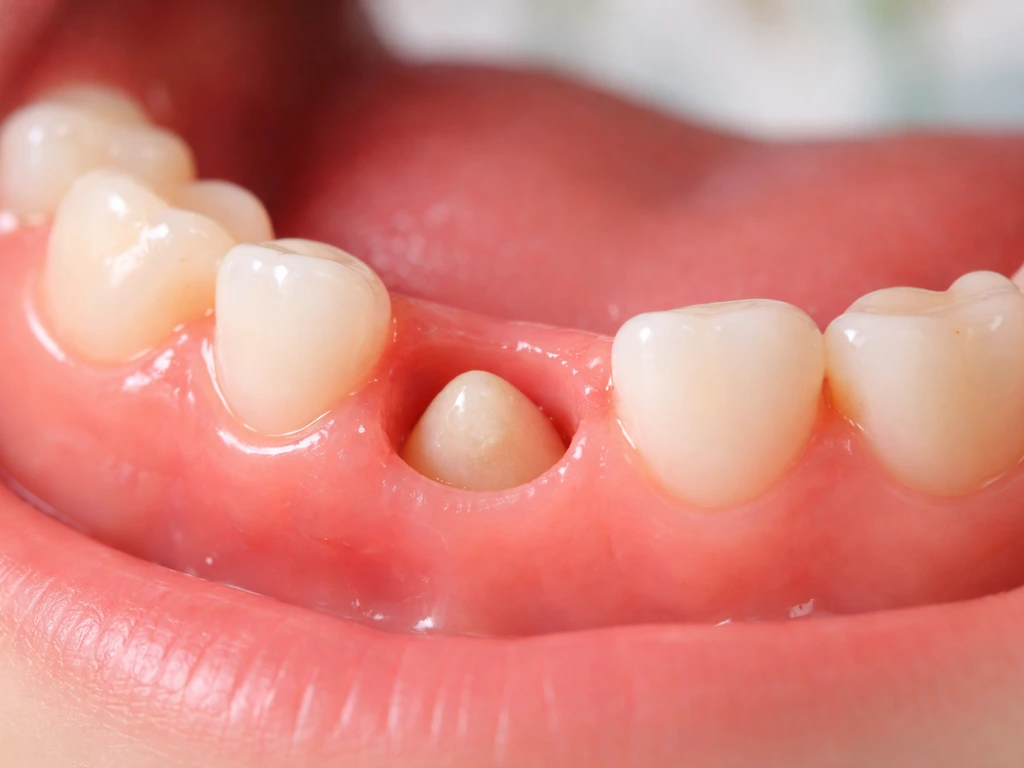
Learn if milk teeth regrow, typical timelines for permanent teeth, what to do after loss or injury, and red flags.
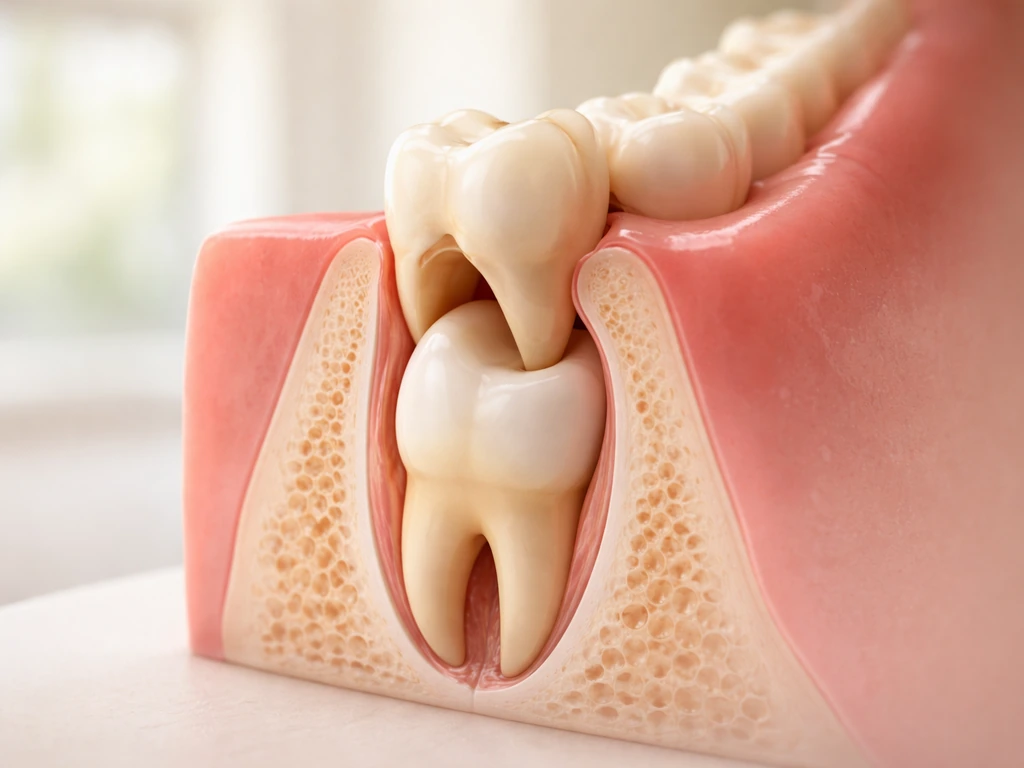
Can milk teeth grow twice? Learn why baby teeth usually only get replaced, not regrown, and what to do if one falls out
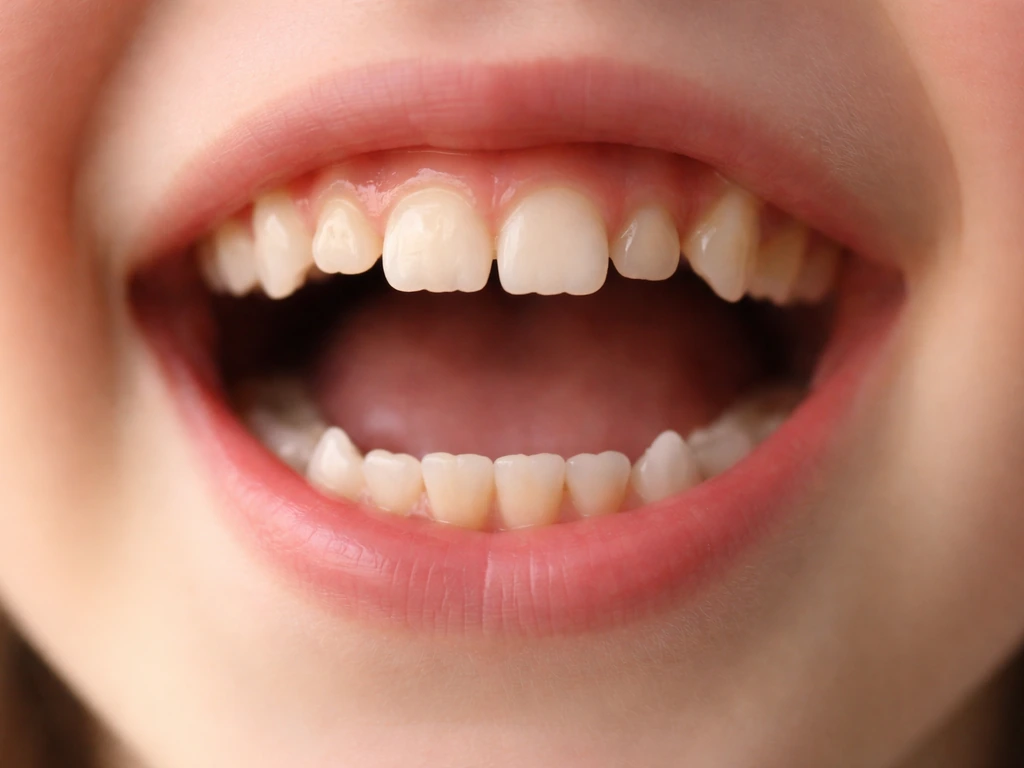
Why humans have only baby and permanent teeth: eruption timeline, limits of enamel regrowth, and common exceptions to kn