
Wisdom teeth growing at age 12 is genuinely rare, but it is not impossible. The standard eruption window for third molars (the clinical name for wisdom teeth) is 17 to 25 years, with the American Dental Association citing 17 to 21 as the most common range. At 12, most kids are still finishing up their second molars and premolars. That said, a small number of people do show earlier-than-average wisdom tooth development, and some published reviews note eruption can occasionally be observed as early as 13 to 14. So if something unusual is going on in the back of a 12-year-old's mouth, it deserves attention, even if a wisdom tooth at that age would be well outside the norm.
Can Wisdom Teeth Grow at 12? What to Expect and Next Steps

Marcus Holloway
15 May 2026
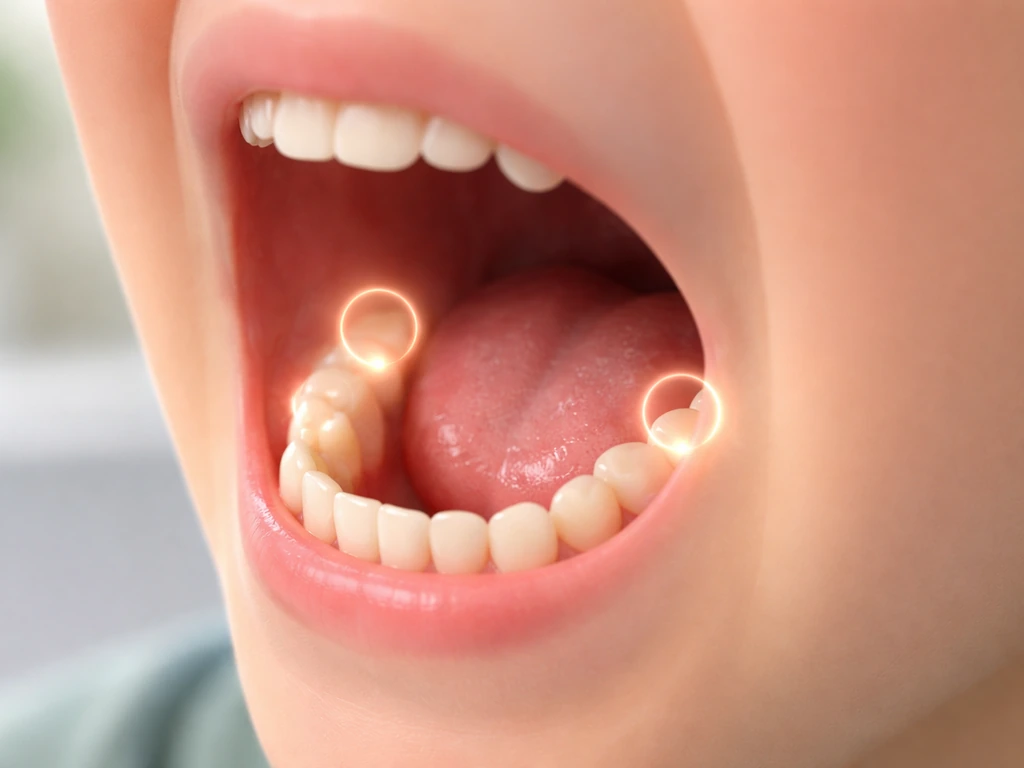
What age 12 actually means for dental development
At 12, most kids are right in the thick of the blank" rel="noopener noreferrer">permanent dentition stage. The first and second molars are typically coming in or recently settled, the canines and premolars are usually wrapping up, and the mouth is essentially transitioning into its full adult set, minus the third molars. The Cleveland Clinic's eruption chart puts wisdom teeth at 17 to 21 years, which is still 5 to 9 years away for most 12-year-olds. That gap is not trivial. Third molars are the last teeth to both form and erupt, and the jaw itself is still growing at 12 in ways that will eventually determine whether there is even enough space for wisdom teeth to come through.
It helps to understand what "growing" actually means here. A wisdom tooth forming inside the jaw bone is not the same as one erupting through the gum. Formation (the tooth taking shape in the jaw) can start well before eruption ever happens. So a 12-year-old might have wisdom tooth buds beginning to develop in the bone, which is completely normal, without those teeth being anywhere close to breaking through the gum line. What most people mean when they say wisdom teeth are "growing" is eruption: the tooth physically moving through the jawbone and gum into the mouth.
What actually has to happen before a wisdom tooth erupts
Eruption is not a simple pop-through-the-gum event. According to StatPearls, it is a coordinated biological process that moves a tooth from its developmental position deep in the jaw into a functional position in the mouth. For wisdom teeth specifically, this involves the tooth bud forming, the crown of the tooth calcifying, the roots beginning to develop, and then the tooth physically migrating upward through dense bone and gum tissue. That whole sequence typically takes years. At age 12, the formation stage may be early or just getting underway for most people, with actual eruption still years off. For a wisdom tooth to erupt at 12, this whole developmental sequence would have had to begin unusually early and progress faster than typical.
Realistic scenarios: could it actually be a wisdom tooth at 12?
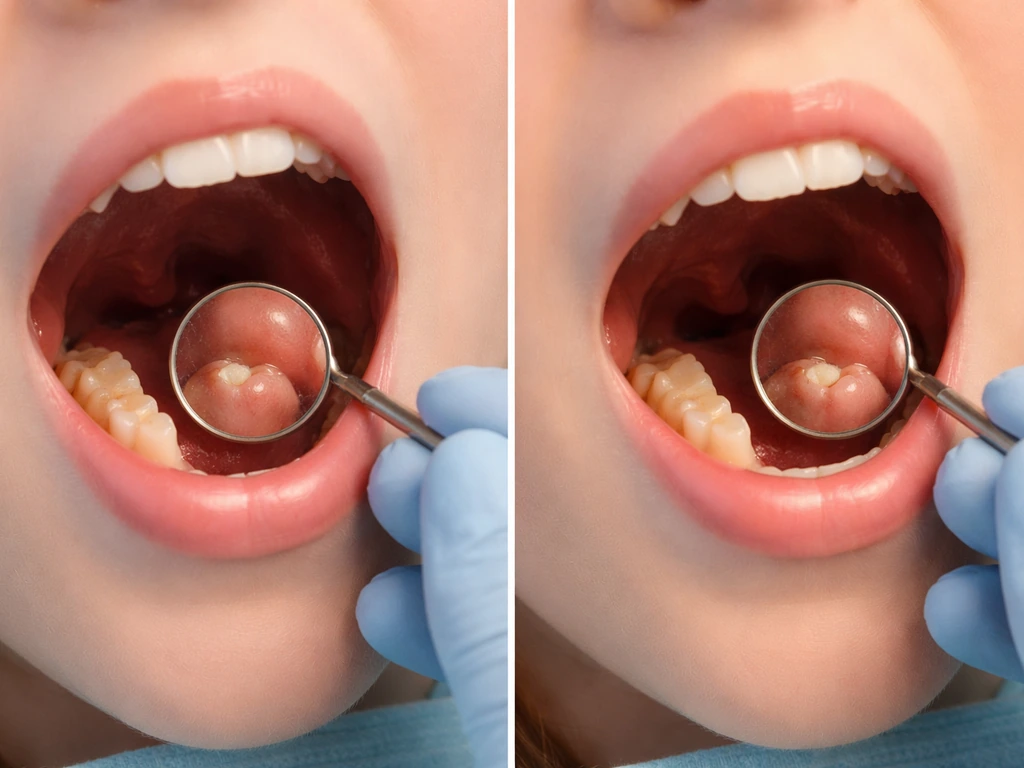
Here is the honest answer: true wisdom tooth eruption at 12 is uncommon, but the back-of-mouth symptoms that make parents think "wisdom teeth" at this age are quite common. The second molars typically come in around ages 11 to 13, and their eruption can cause exactly the kind of gum soreness, pressure, and back-of-jaw discomfort people associate with wisdom teeth. So before assuming a 12-year-old has an early-erupting wisdom tooth, the far more likely explanation is a second molar finishing its eruption.
That said, genuine early development is real. Some kids are simply ahead of the dental development curve. If a 12-year-old has already had all other permanent teeth in for a couple of years and is experiencing pressure or visible gum changes at the very back of the mouth, an early-developing third molar is worth investigating. Early eruption is biologically possible, though it would put this child well outside the standard range. There is also the sibling-topic angle worth noting: the question of wisdom teeth at 13, 14, 15, or 16 comes up for similar reasons, and the answer shifts slightly as those ages get closer to the typical eruption window. Because 16 is much closer to the typical eruption window than 12, the odds and the recommended next steps may differ wisdom teeth at 16. If you are specifically asking can wisdom teeth grow at 13, the answer is still usually unusual, but early development can occasionally show up around that age wisdom teeth at 13.
What parents typically notice includes a visible bump or swelling at the very back of the gum line, behind the second molar. Some kids report a dull ache or pressure in the jaw, mild difficulty chewing, or occasional soreness that comes and goes. Occasionally there is some jaw stiffness or sensitivity. These are not dramatic symptoms, and they can come and go over weeks or months as the tooth makes its slow approach toward the gum surface.
How dentists figure out what is actually going on
The only reliable way to know whether a 12-year-old has a developing or erupting wisdom tooth is through dental imaging, specifically a panoramic X-ray. A panoramic X-ray gives a wide view of the entire jaw, showing all the teeth and their developmental status, including buds and partially formed teeth that have not broken through the gum yet. For a 12-year-old, a dentist can see whether wisdom tooth buds are present, how far along they are in formation, and whether they appear to be positioned in a way that might eventually lead to eruption or impaction.
For more complex cases, particularly if there are concerns about nerve proximity, cyst formation, or significant impaction, the AAOMS notes that 3D imaging (cone beam CT, or CBCT) can give a much more detailed picture. CBCT can show the degree of impaction, the tooth's exact relationship to the inferior alveolar nerve, and whether any cysts or infections are already developing around the tooth. However, CBCT is not routine for a straightforward evaluation at age 12. An experienced dentist or oral surgeon will start with a panoramic X-ray and clinical exam, and only escalate to advanced imaging if the standard view raises specific concerns.
The clinical exam itself also matters. A dentist will look at the back of the mouth for signs of partial eruption, gum changes, or inflammation. They will differentiate between a second molar still erupting, a wisdom tooth beginning to break through, or something unrelated like a cyst or infection. Impaction, where a tooth is unable to break through the gum due to insufficient space or poor positioning, can only truly be diagnosed by combining what the dentist sees clinically with what the X-ray shows.
When to actually worry: red flags and when to act fast
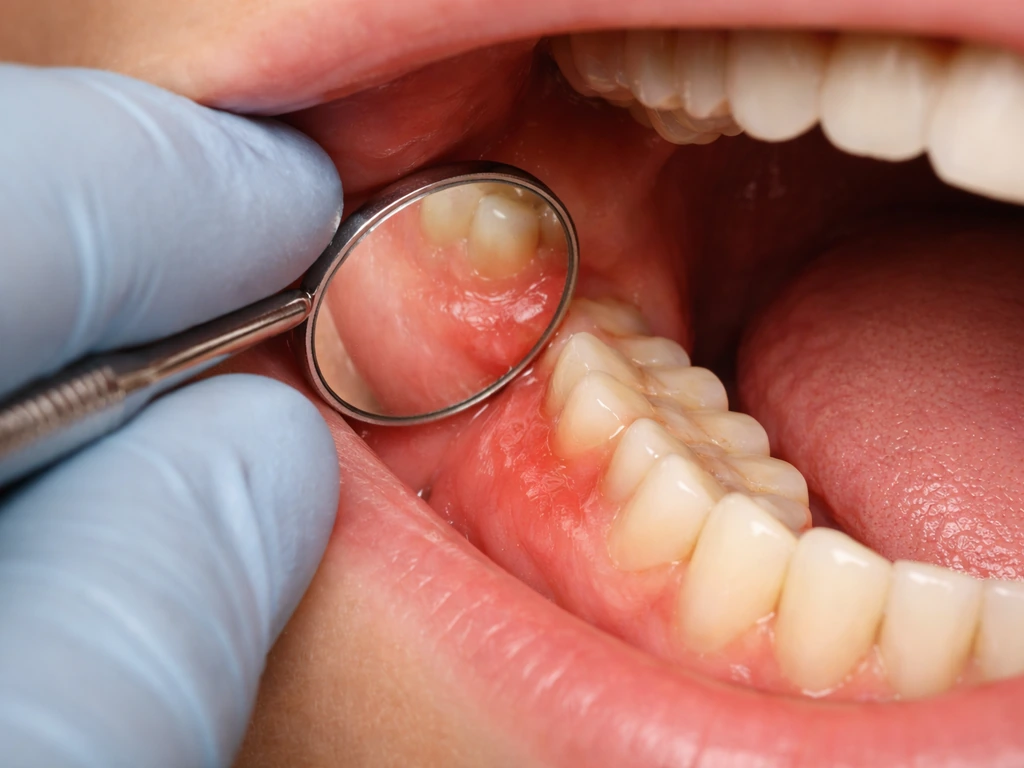
Mild discomfort in the back of the mouth at 12 does not require an emergency visit, but some symptoms should prompt urgent dental attention. If wisdom teeth do erupt early or partially erupt, one risk is pericoronitis: an infection of the gum tissue surrounding the partially erupted tooth. The partially trapped tooth creates a pocket where bacteria accumulate, leading to inflammation and infection. Cleveland Clinic describes this as swelling, inflammation, and sometimes a gum flap (operculum) over the tooth that traps debris. StatPearls defines it specifically as an inflammatory process caused by infection of gingival tissue surrounding an erupting or partially erupted tooth.
Seek urgent dental care for any of the following:
- Significant swelling in the jaw, face, or gum that is growing rather than stable
- Severe pain that over-the-counter pain relief does not control
- Limited ability to open the mouth (trismus)
- Fever alongside dental pain or jaw swelling
- A visible pus pocket or bad taste coming from the back gum area
- Swelling that spreads toward the throat or neck
These symptoms can indicate spreading infection, which in the jaw can escalate quickly. SDCEP guidance is clear that antibiotics are not the first line of treatment for simple dental infections and should not replace local dental treatment, but systemic signs like fever or spreading swelling do change the calculus toward more urgent intervention. Do not wait on those symptoms hoping they resolve on their own.
The ADA also notes that impacted wisdom teeth, even without active infection, can form cysts near the tooth over time. This is another reason that finding a wisdom tooth bud at 12 is worth monitoring even if it is not causing symptoms right now.
What to do now if you're 12 (or the parent of a 12-year-old)
The most useful thing to do today is book a dental exam and mention the concern specifically. Ask the dentist to take or review a panoramic X-ray to assess whether wisdom tooth buds are present and how developed they are. This is a routine request, and most dentists will be happy to check. At 12, if buds are visible but the teeth are clearly years from erupting, the typical advice is to monitor with periodic X-rays, often every year or two, to track whether the position looks favorable or whether early intervention might make sense later.
On the hygiene side, the very back of the mouth is notoriously hard to brush. If second molars or early wisdom tooth tissue are present back there, a soft-bristled toothbrush and careful brushing at the gumline around the back teeth is important. A water flosser can help reach areas that traditional floss misses. Keeping that area clean reduces the risk of pericoronitis if any tooth is partially erupted.
If orthodontic treatment is already underway or being considered, this is an important data point to share with the orthodontist. Wisdom teeth and jaw crowding are connected concerns. The orthodontist and dentist may want to coordinate about long-term space management, especially if the 12-year-old's jaw appears smaller or the teeth are already crowded. Some kids who are on the early end of wisdom tooth development end up needing extraction before the teeth cause shifting or impaction problems. That decision, though, is usually years away at age 12 unless symptoms are significant.
Questions to ask at the next dentist visit
- Are wisdom tooth buds visible on the X-ray, and if so, how developed are they?
- Is what I'm feeling in the back of my mouth a second molar or something else?
- What does the position of the developing wisdom teeth suggest about future eruption or impaction?
- How often should we monitor this with imaging?
- Is there anything I should watch for at home that would mean coming in sooner?
Can wisdom teeth or any teeth actually regrow? What the body can and can't do
This is worth addressing directly because this site focuses on dental regeneration, and it is one of the most common misconceptions people have. Once a wisdom tooth is removed, it does not grow back. Healthline is straightforward on this: wisdom teeth do not regenerate after extraction. The human body does not replace adult teeth. You get one set of baby teeth and one set of permanent teeth, and that is it. There is no biological mechanism that creates a new tooth once a permanent tooth is gone.
Research into stem-cell-based tooth regeneration is real and ongoing, but it is nowhere near a clinical reality. As NCBI's StemBook explains, even though stem cells can produce differentiated dental tissue in research settings, directing true tooth morphogenesis (actually growing a whole, functional tooth) reliably is not an established clinical capability. The science is interesting, but it is investigational, not something available in a dental office today or in the near future.
Age 12 is also not a time when teeth "start growing back" in any normal sense. The confusion sometimes comes from the fact that wisdom teeth develop slowly and invisibly inside the jaw for years before erupting, so it can feel like they appeared from nowhere. But they were forming all along. At 12, a wisdom tooth bud visible on X-ray is developing for the first time, not regrowing or regenerating. This distinction matters: the tooth is on its first and only developmental journey, not a second attempt.
| Scenario | What's actually happening | Action needed |
|---|---|---|
| Back-of-mouth soreness at 12 | Almost certainly a second molar still erupting | Mention at next routine dental visit |
| Visible gum bump behind second molar | Could be second molar or early wisdom tooth bud pushing up | Dental exam and panoramic X-ray to confirm |
| Wisdom tooth bud seen on X-ray, no symptoms | Normal early development, years from eruption | Monitor with periodic imaging |
| Swelling, pain, limited mouth opening | Possible pericoronitis or early impaction issue | Prompt dental appointment, urgent if severe |
| Fever and jaw swelling together | Possible spreading infection | Urgent dental or emergency care same day |
The bigger picture on timing
If you are 12 and wondering about wisdom teeth, or you are a parent trying to figure out what is happening in the back of your kid's mouth, the most important thing to take away is this: true wisdom tooth eruption at 12 is very unusual, but back-of-mouth discomfort at 12 is totally normal because of second molar activity. If you are specifically asking can wisdom teeth grow at 14, the process can be earlier than average but is still uncommon compared with the typical late-teen eruption window wisdom tooth eruption at 12. A dentist can tell the difference quickly with an X-ray. If wisdom tooth buds are developing earlier than average, that is useful to know and worth tracking, not panicking about. The eruption timeline from age 12 forward typically unfolds over many years, with most wisdom teeth not becoming an issue until the mid-to-late teens or early twenties. If you are asking whether a wisdom tooth can grow at 15, it is closer to the typical eruption window than at 12, but still varies from person to person the mid-to-late teens or early twenties. Staying ahead of it with regular dental monitoring is genuinely the best strategy at this stage.
FAQ
If an X-ray shows wisdom tooth buds at 12, does that mean they will erupt soon?
Not always. A panoramic X-ray can show whether third-molar buds are present, but the dentist still estimates timing based on tooth position and how far root formation has progressed. That means you might see buds at 12 without any eruption for several years.
Should I expect antibiotics for early “wisdom teeth” symptoms at age 12?
Usually not. If the tooth has not partially erupted and there is no gum flap, drainage, or spreading swelling, antibiotics often are not the first step. The priority is a dental assessment, local treatment if needed, and cleaning the area until the dentist decides whether intervention is required.
How can we tell the difference between second molar eruption and an early wisdom tooth?
Yes, a second molar can mimic wisdom-tooth discomfort, especially right after it comes in. A dentist can differentiate by checking which tooth is tender, whether there is a partially erupted third molar behind it, and correlating findings with the panoramic image.
How often should a 12-year-old get follow-up X-rays for early wisdom tooth development?
It depends on the findings. If buds are present but positioned in a favorable angle with no signs of pathology, many dentists monitor with repeat panoramic imaging, often spaced about a year or two apart. The exact interval should be set by the dentist based on crowding and progression.
Is a CBCT scan recommended at 12 instead of a panoramic X-ray?
A panoramic X-ray is typically the first choice because it is a standard, low-dose overview for mapping all teeth and their development. CBCT is generally reserved for when there are specific concerns like nerve proximity, complicated impaction, cyst suspicion, or surgical planning.
What symptoms mean we should treat this as urgent rather than “monitor it”?
Ongoing numbness or tingling, trouble opening the mouth (trismus), swelling that is getting worse, fever, or pain that wakes the child at night are red flags. Those symptoms warrant urgent dental evaluation because they can suggest spreading infection or more significant involvement.
If my child is in orthodontic treatment, should we tell the orthodontist about possible early wisdom teeth?
Yes, orthodontics can change the odds. If braces are in progress or planned, the orthodontist can assess available space and may coordinate a plan with the dentist for long-term alignment, possibly reducing the chance of later impaction if timing and space management are addressed.
What’s the best home-care routine if the back gums seem irritated at 12?
Partial eruption behind the second molar can make that area harder to clean and can contribute to pericoronitis risk. The practical approach is careful brushing along the back gumline with a soft brush, and using a water flosser if tolerated, while avoiding aggressive probing that could irritate inflamed gum tissue.
Do early wisdom tooth buds at 12 always lead to extraction?
Many early-exam findings end up being “monitor only.” If a wisdom tooth bud is visible but still clearly months to years from any eruption, dentists usually avoid early procedures and instead track space, angulation, and risk factors over time.
If the pain seems mild, why is an X-ray still worth requesting?
The main reason is diagnostic clarity. If symptoms are real but the diagnosis is unclear, imaging helps confirm whether you are dealing with second-molar eruption, a developing third molar, or something else like a cyst or localized infection.
Next Articles
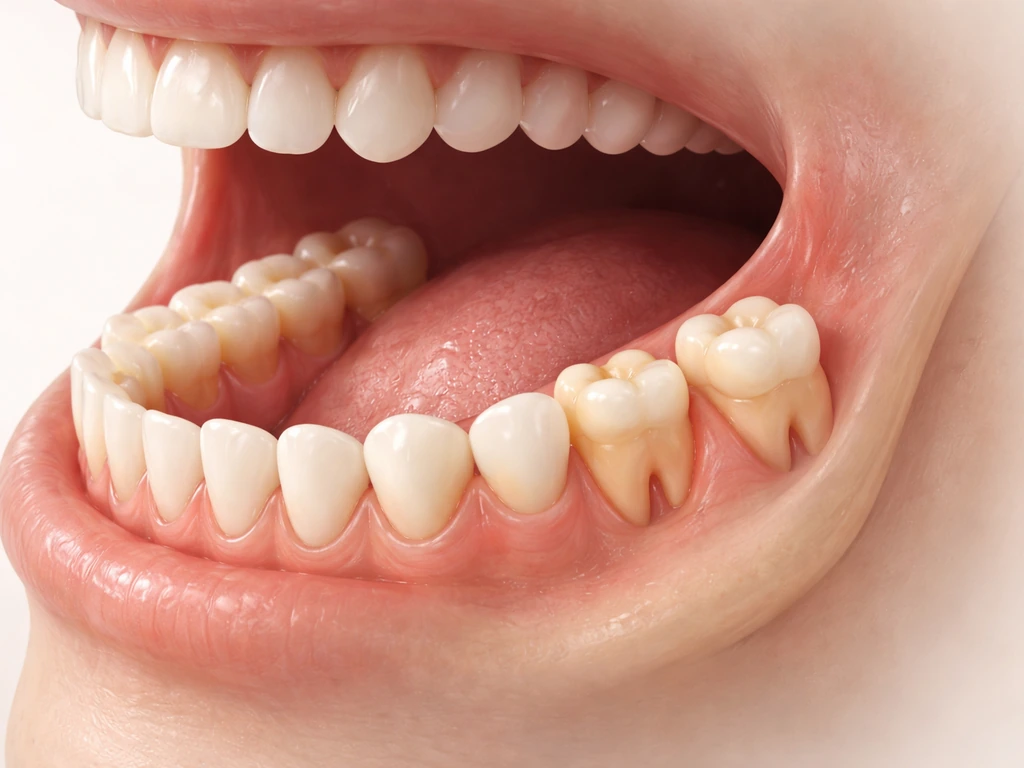
Can Wisdom Teeth Grow at 13? Signs, Timing, and Next Steps
Can wisdom teeth grow at 13? Learn signs, typical timing, when to see a dentist, and risks of impaction.
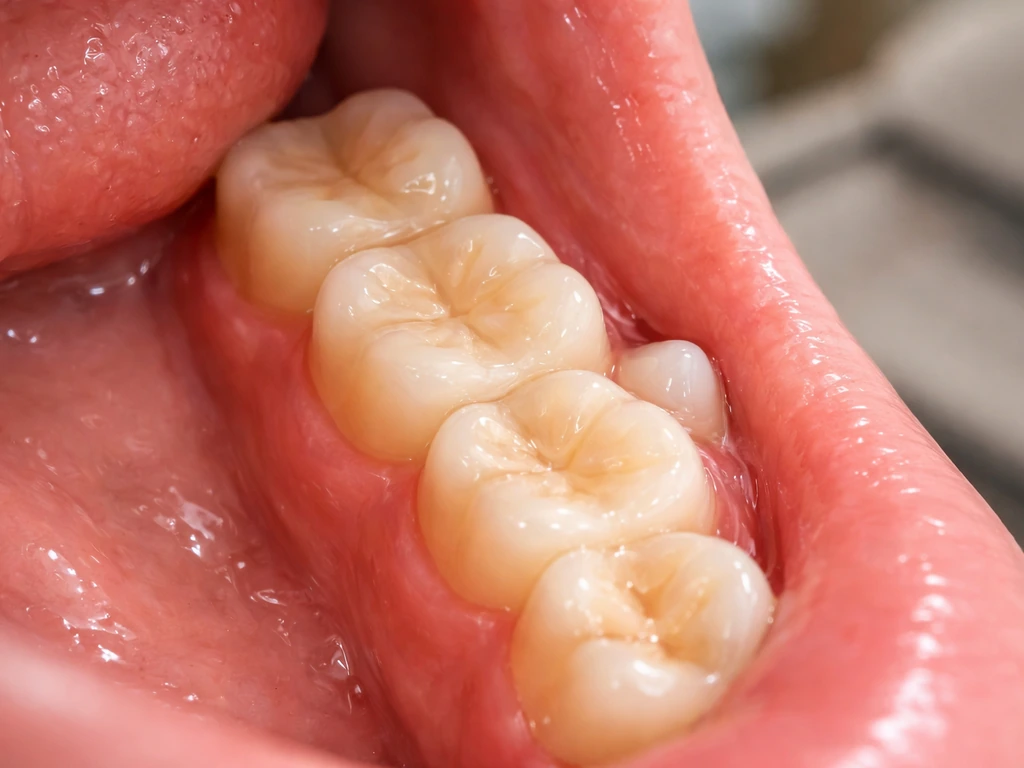
Can Wisdom Teeth Grow at 15? Timeline, Signs, and Next Steps
Yes, wisdom teeth can erupt around age 15. Learn signs, timelines, and next steps with X-rays and care.
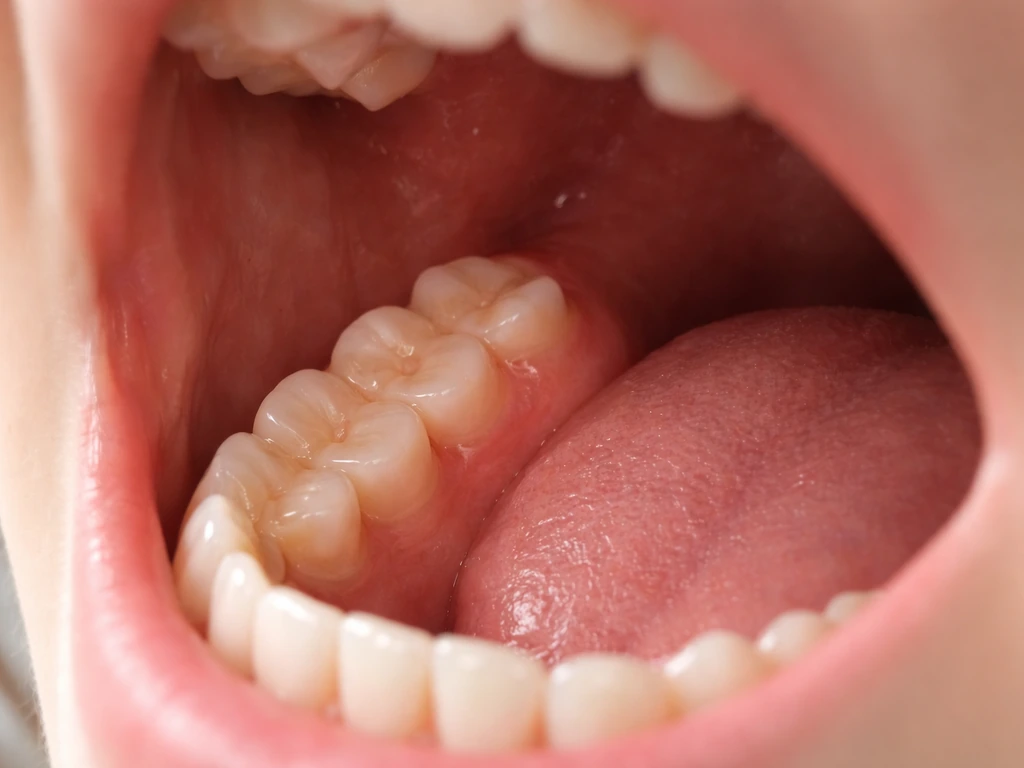
Can Wisdom Teeth Grow at 16? Eruption Timeline and Next Steps
Learn if wisdom teeth can erupt at 16, what true regrowth means, eruption timeline, and next steps for evaluation.