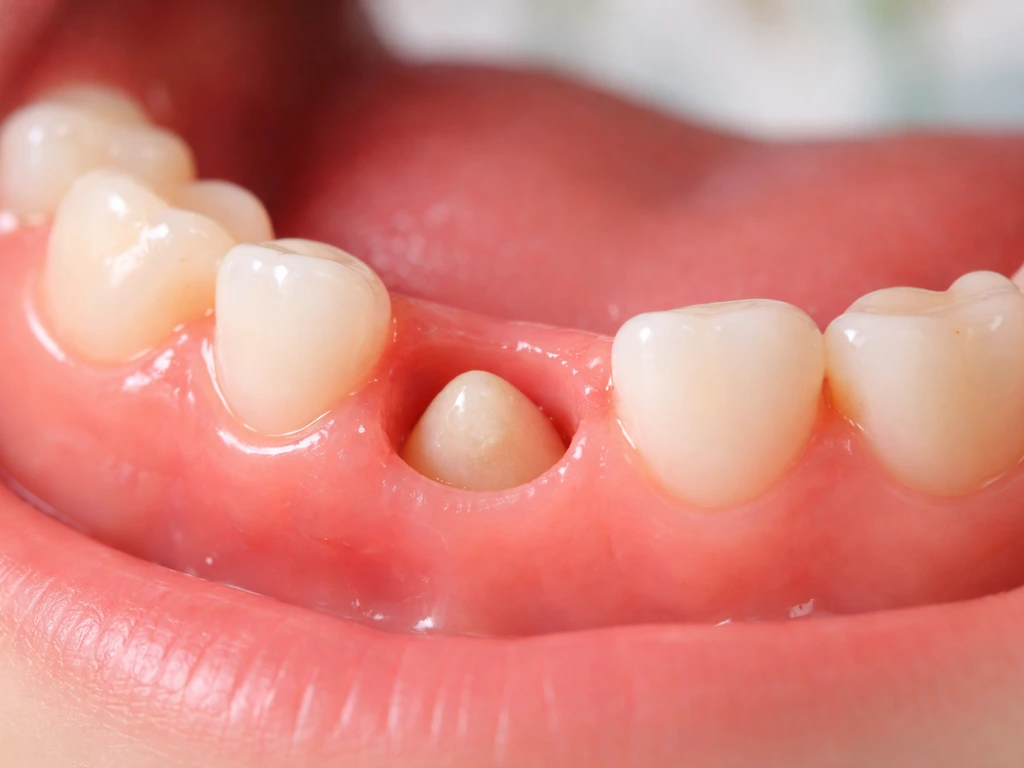
That said, a lot of adults genuinely notice their teeth looking longer, more prominent, or even slightly shifted as they age. That perception is not imaginary, but the cause is almost never the tooth growing. It's almost always changes happening around the tooth, especially to your gums and the supporting structures underneath. Understanding the difference matters because the causes that make teeth look bigger are things you actually need to address, and some of them get worse if ignored.
What actually changes as you get older: tooth length, size, and appearance
Adult teeth do go through real changes over decades, just not the kind most people picture. A few things worth knowing: research has found measurable clinical crown-length changes in adult teeth over a 10-year period, with continuous eruption (tiny vertical movements) being one possible contributor. This is not the dramatic eruption you see when a child cuts their first molar. It's subtle, slow, and still not fully understood in terms of how much it contributes to that "longer teeth" look. What's far more influential are changes to the surrounding gum tissue and the wearing down of enamel.
Inside the tooth, secondary dentin is laid down throughout your entire life, which gradually shrinks the pulp chamber. So in that sense, your teeth are changing internally as you age. But again, this doesn't make the tooth bigger on the outside. It actually makes it denser and less sensitive in some ways, but there's no visible size increase you'd notice from this process alone.
Tooth eruption timelines: adult teeth vs. wisdom teeth
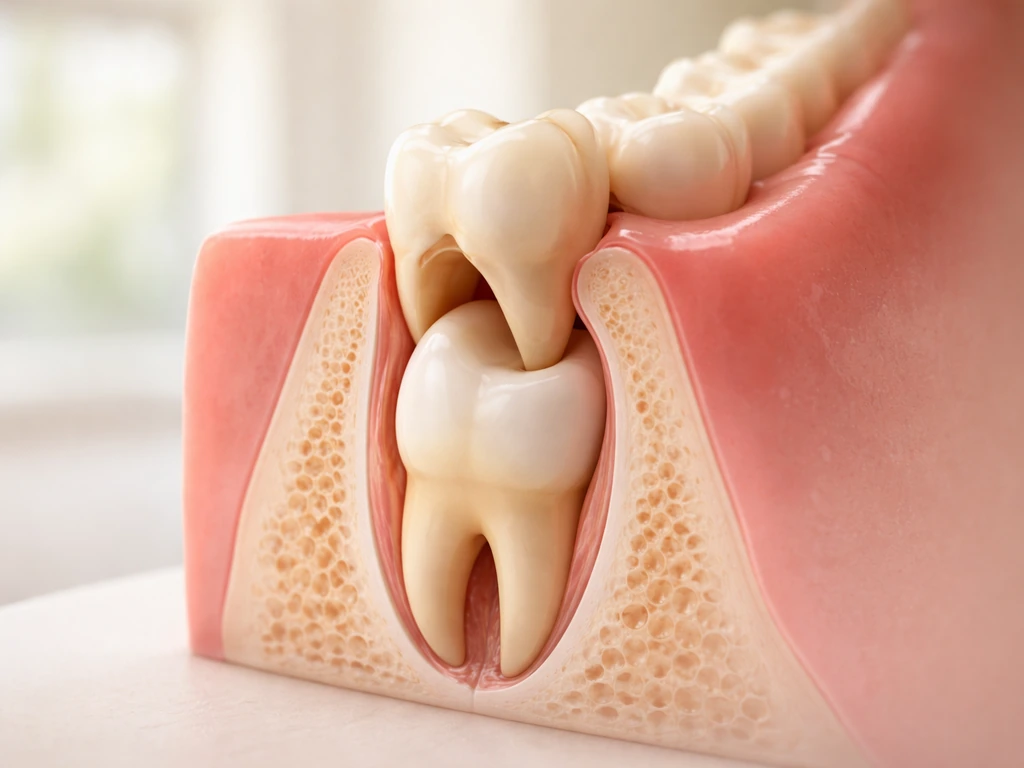
Here's where things get interesting for younger adults. Most of your permanent teeth are in place by your early teens, but there is one notable exception: wisdom teeth (your third molars). These are the last teeth to come in, and they operate on a very different schedule. The American Association of Oral and Maxillofacial Surgeons puts their typical emergence window at 17 to 25 years of age, while the AAPD's eruption chart extends that range all the way to 30 years in some cases.
So if you're in your late teens or twenties and feel something happening at the back of your mouth, that's likely your wisdom teeth making their move. This is the one scenario where teeth genuinely "growing in" during adulthood is biologically accurate. If you're curious about what teeth grow in at 18, wisdom teeth are almost always the answer. For most people, the question of whether any teeth are still developing at that age comes down entirely to those third molars.
Beyond the wisdom teeth window, though, you're not getting any new teeth. Many people wonder about this specifically around adulthood, and there's a lot of confusion about the cutoff. If you've seen questions like does teeth grow at the age of 18, the practical answer is: possibly, if your wisdom teeth haven't come through yet, but otherwise no. After that, there's no eruption left on the biological schedule.
Why your teeth might look bigger or longer (the real culprits)
Gum recession
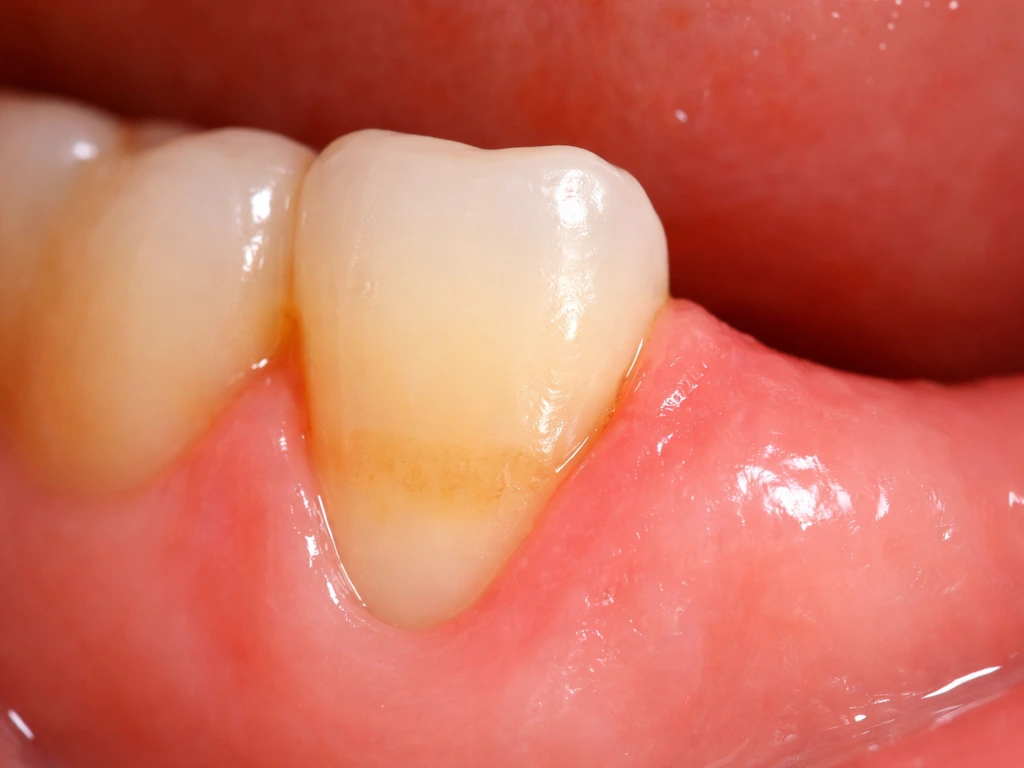
This is the big one. Gum recession is clinically defined as the apical displacement of the gingival margin beyond the cementoenamel junction, which is a technical way of saying the gum pulls away from the tooth and exposes part of the root that's supposed to stay covered. The most obvious sign, as dental sources consistently note, is that your teeth simply look longer. The tooth hasn't grown at all. You're just seeing more of it because the protective gum tissue has receded.
Recession happens for several reasons, including periodontal (gum) disease, brushing too aggressively, and even certain medications. The mechanical wear from overly hard brushing can cause cervical abrasion along the gumline that compounds over years. And once the gum pulls back and root surface is exposed, sensitivity typically follows because dentin and cementum don't have the same protective enamel covering that the crown does.
Tooth wear and enamel loss
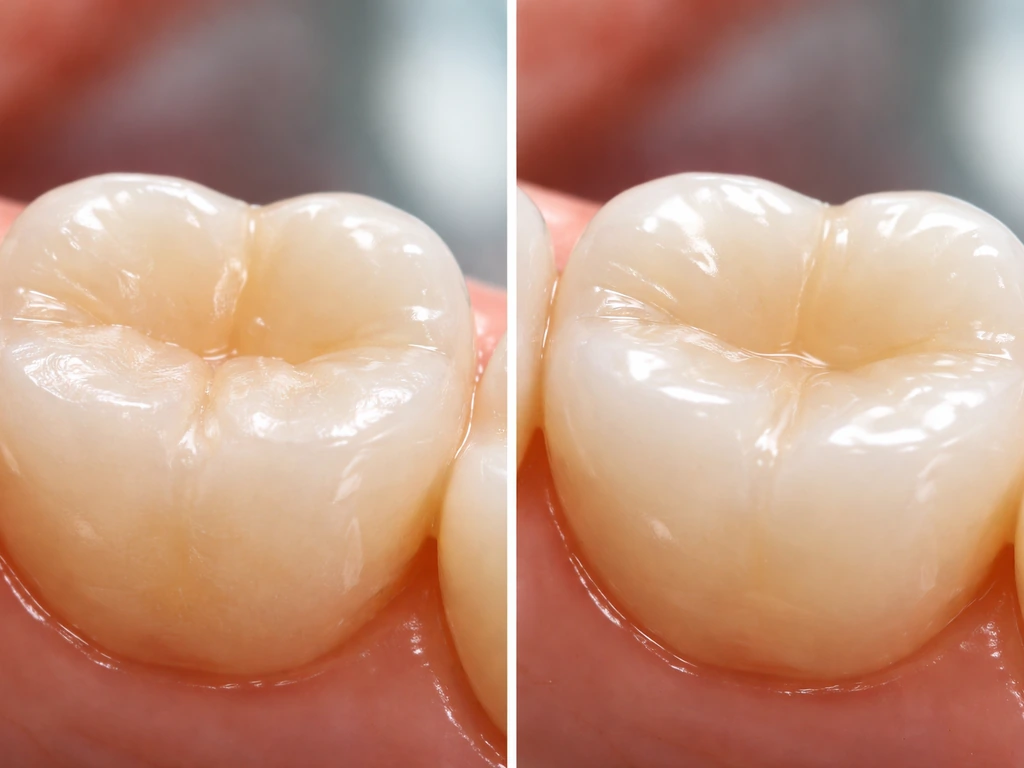
Enamel erosion and attrition (the gradual grinding down of tooth surfaces) change how your teeth look over time. Worn teeth can look different, sometimes shorter if the biting edges have worn flat, sometimes more prominent if the surrounding gum tissue has also changed. This is the opposite of growth, but it still alters the apparent size and shape of your teeth. Think of it as the tooth being slowly sculpted by years of use, acid exposure, and sometimes nighttime grinding.
Shifting and alignment changes
Your teeth don't stay perfectly fixed in position throughout your life, even if you've never had orthodontic treatment. Research tracking untreated adults from age 15 to 50 has found that incisor crowding and irregularity increase with age, with the sharpest changes happening in early adulthood. Teeth drift, tip, and crowd over time, especially on the lower front teeth. When a tooth shifts forward or rotates, it can look more prominent, giving the impression of being larger even though nothing about the tooth's actual dimensions has changed.
Can teeth or enamel grow back in adults? What's actually possible
This is where the site's core topic becomes directly relevant. Many people searching for answers about whether their teeth are growing also want to know whether teeth can regenerate. The short answer: true tooth regrowth doesn't happen in adult humans. You get two sets of teeth in a lifetime, and once your permanent teeth are in, there's no third set waiting. Can teeth grow back after 18 is a question that comes up often, and the honest biological answer is no, not through any natural mechanism currently available.
Enamel is similarly limited. Unlike bone, enamel can't self-repair because the cells (ameloblasts) that formed it are no longer present once the tooth has erupted. If you lose enamel to erosion, it's gone. Early-stage mineral loss can be partially arrested through remineralization, which is what fluoride and certain calcium-based treatments help with, but this is about stabilizing existing structure, not regrowing destroyed enamel.
NIH/NIDCR similarly frames remineralization as an approach for early mineral loss and lesions, distinguishing it from bulk enamel or tissue regeneration and supporting the idea to stabilize rather than regrow [remineralization, which is what fluoride and certain calcium-based treatments help with, but this is about stabilizing existing structure, not regrowing destroyed enamel. ](https://www. nidcr. nih.
gov/grants-funding/grant-programs/mineralized-tissue-physiology-program/remineralization-current-state-of-science-meeting-summary). The NIH's dental research arm draws a clear distinction between remineralization of early lesions and true tissue regeneration. Ongoing research into enamel-regrowing materials exists, but it hasn't translated into routine clinical treatment yet. The current standard for significant enamel loss is still restoration: bonding, crowns, or veneers.
For anyone still wondering about the broader question, do teeth grow after 18 covers this in more detail, but the takeaway is consistent: adult dental tissue doesn't regenerate the way skin or bone can partially repair itself. What feels like growth is almost always a change in position, surrounding tissue, or appearance rather than new tooth material.
Quick comparison: what looks like growth vs. what's actually happening
| What you notice | What's actually causing it | Is the tooth itself growing? |
|---|
| Teeth look longer than before | Gum recession exposing root surface | No |
| New pressure/pain at the back of the mouth | Wisdom tooth erupting (age 17–30) | Yes, this is real eruption |
| Front teeth look more prominent | Shifting/crowding changing tooth position | No |
| Tooth edges look different or flatter | Enamel wear/attrition over time | No (tooth is actually smaller) |
| Sensitivity near the gumline | Recession exposing dentin or cementum | No |
What to do if your teeth seem to be getting longer: self-checks and when to call a dentist
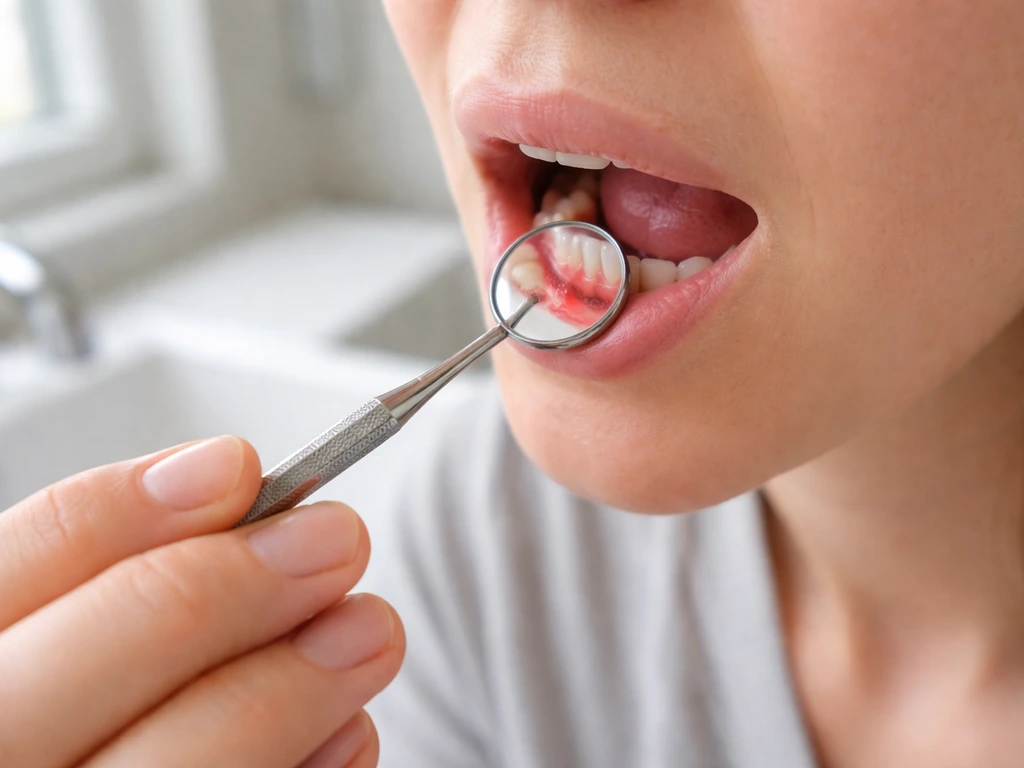
If you've noticed your teeth looking longer or more prominent, you can do a few simple self-checks before your next dental visit. First, look at your gumline in good lighting. If the pink gum tissue seems lower on some teeth than others, or if you can see a slightly yellowish or darker area near the base of the tooth that wasn't visible before, that's a sign the gum may have pulled back. The root surface has a different texture and color than enamel, so this visual shift is usually detectable once you know what to look for.
Second, pay attention to sensitivity. Exposed root surfaces are a major trigger for dentin hypersensitivity. If hot drinks, cold water, or sweet foods are causing a sharp, short-lived pain near the gumline, that's a red flag that root surface is exposed and worth discussing with a dentist. Dentin hypersensitivity is typically a pain or discomfort that occurs when dentin becomes exposed, often triggered by hot or cold temperatures and sweet or acidic foods. This kind of sensitivity tends to worsen as more dentin is exposed, so it's not something to wait out.
Here's a practical self-check list to run through:
- Look at your gumline: does it sit noticeably lower on any teeth compared to photos from a few years ago?
- Check for color differences near the base of affected teeth (root surface is typically more yellow or tan than enamel)
- Notice whether you have increased sensitivity to temperature or sweet foods at the gumline
- Consider whether you brush with heavy pressure or use a hard-bristled toothbrush
- Think about whether you've noticed bleeding gums, puffiness, or bad breath (signs of gum disease)
- Check if any teeth look shifted, crowded, or tilted compared to before
- If you're between 17 and 30, assess whether new pressure or discomfort is coming from the very back of your jaw
On the dentist question: don't wait for pain to be your signal. Gum recession, in particular, can progress without causing significant discomfort for a long time. By the time it hurts consistently, there's often meaningful attachment loss that's harder to address. A dentist can measure your attachment levels, compare against previous records, and identify whether what you're seeing is recession, wear, shifting, or something else entirely. If the change seemed to happen relatively quickly or is affecting multiple teeth, that warrants a visit sooner rather than later.
The bottom line is simple: your teeth aren't growing. But the changes you're seeing are real and they have causes worth identifying. Whether it's gum recession pulling back to reveal more tooth, enamel wearing down, teeth slowly drifting, or (in younger adults) wisdom teeth finally making an appearance, all of these are manageable once you know what you're dealing with. Getting in front of the issue early almost always leads to a better outcome than waiting to see if it resolves on its own.