At age 18, no new teeth grow in from scratch, and adult teeth that are lost or damaged do not regrow on their own. What many 18-year-olds are actually experiencing is wisdom tooth eruption, which is the emergence of third molars that have been developing in the jaw since childhood. That is the one real form of "tooth growth" that happens around this age, and even then it does not always go smoothly. If you have lost or broken an adult tooth, the biology is clear: it is gone for good without a replacement treatment like a dental implant, bridge, or orthodontic correction.
Does Teeth Grow at Age 18? Eruption, Wisdom Teeth, and Regrowth

Marcus Holloway
22 May 2026
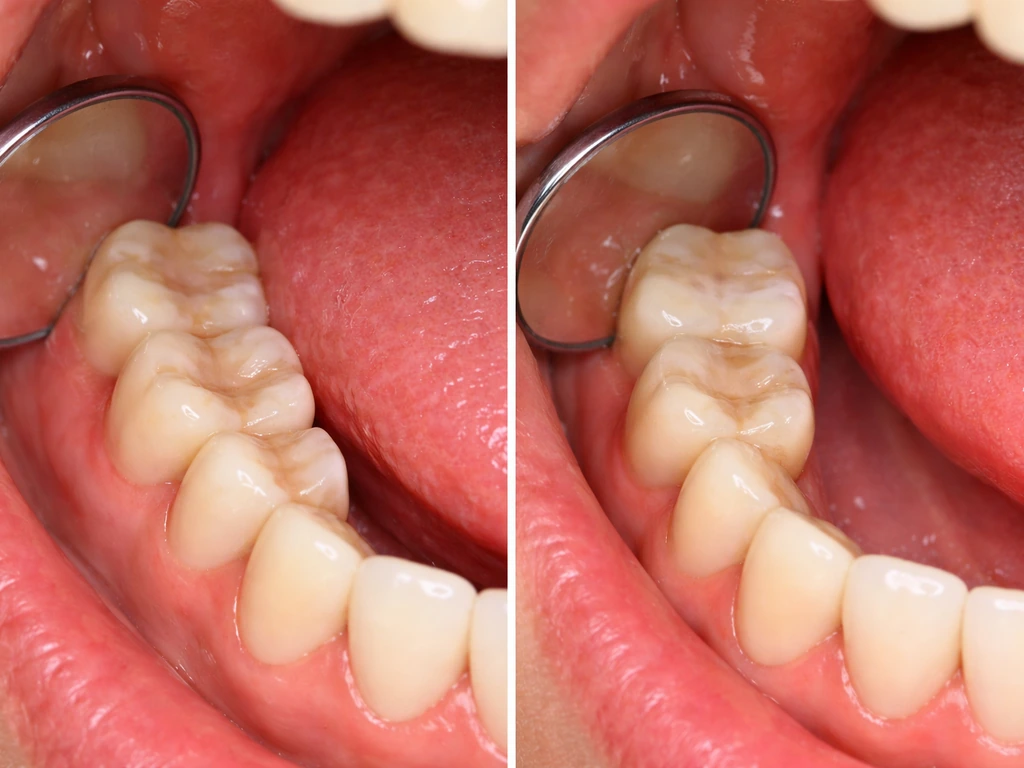
What people usually mean when they say teeth grow at 18
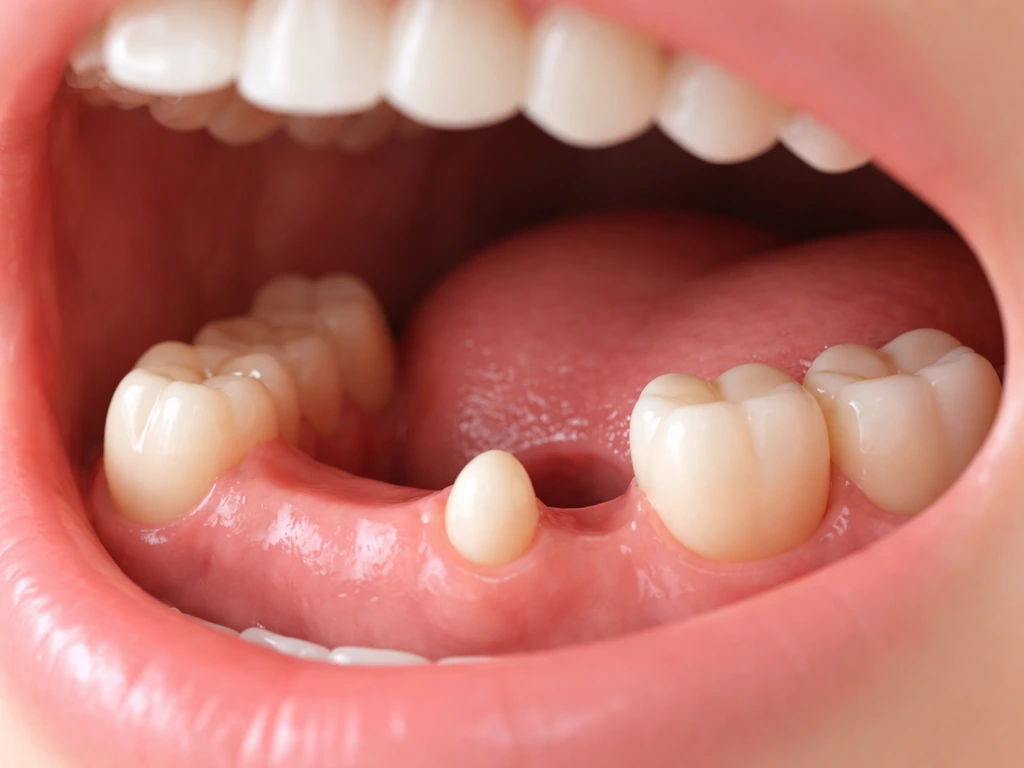
There are really two separate things people are asking about when they search this topic, and mixing them up causes a lot of confusion. The first is wisdom teeth, which are the third and final set of molars. These legitimately erupt (push through the gum) during the late teens and early twenties, so it is accurate to say something is "growing in" at age 18 in that specific sense. The second is the idea that a missing or damaged adult tooth might somehow grow back, the way a child's baby tooth is replaced by a permanent one. That does not happen, and it is one of the most persistent myths in dental health.
If you are noticing something pushing through at the back of your mouth, that is almost certainly a wisdom tooth. If you are hoping a tooth you lost or had pulled will somehow return, unfortunately that is not how adult dental biology works. The rest of this article covers both scenarios in detail.
Can adult teeth actually regrow or grow back at 18?
The honest, biology-based answer is no. If you are wondering whether your teeth grow as you get older, the answer depends on whether you mean wisdom teeth or true regrowth of lost adult teeth do your teeth grow as you get older. Once your permanent teeth are fully formed and erupted, they do not regenerate. The main reason is enamel: it is acellular, meaning the cells that built it (called ameloblasts) are shed after the tooth erupts and are never replaced. Without those cells, your body has no mechanism to repair bulk enamel after it wears away, chips, or decays. Fluoride and remineralizing toothpastes can help with very early-stage mineral loss at the surface, but that is a far cry from regrowing a tooth or even a meaningful chunk of enamel.
Dentin, the layer beneath enamel, has slightly more regenerative capacity, but only in a limited and slow way. And tooth roots, once gone, do not come back. There is a developing field called regenerative endodontics that uses biologically based techniques to stimulate continued root development in young patients with damaged immature teeth, but this is not a routine "regrowth" solution for a healthy 18-year-old who has lost a tooth. It is a specialized treatment for specific clinical situations involving teeth that were not fully formed before trauma or infection hit.
The question of whether teeth can grow back after age 18 is closely related to the broader question of whether teeth grow back at all in adulthood, and the answer is the same across the board: they do not. What can change after age 18 is tooth position (through orthodontic treatment) or the way a missing tooth is replaced (through implants, bridges, or dentures), but none of those are the same as biological regrowth.
Wisdom tooth eruption: what the timeline actually looks like
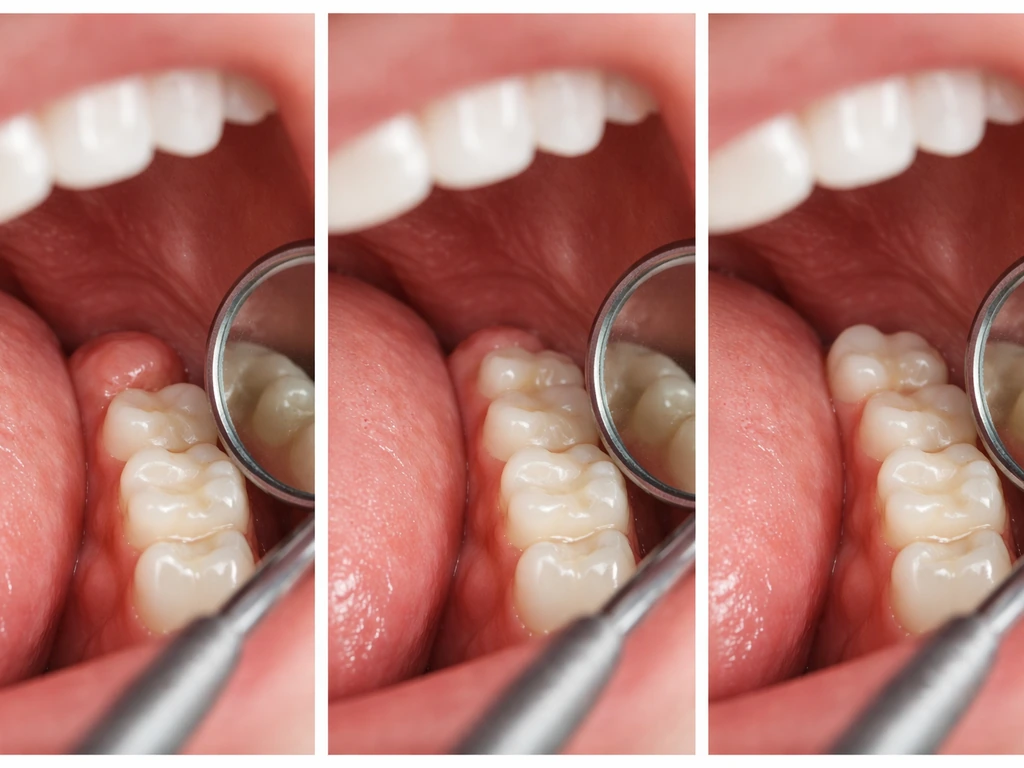
Wisdom teeth most commonly start pushing through somewhere between ages 17 and 21, though some people experience eruption as early as 15 or as late as 25. If you are 18 and feel something moving at the very back of your mouth, this is the most likely explanation. You might notice a little gum tenderness, a feeling of pressure, or even a slight bulge in the gum tissue. Sometimes gum tissue swells over a partially erupted wisdom tooth and then seems to settle back down, which can feel confusing, like the tooth "came in and then disappeared." That gum flap is still there; the tooth just has not fully cleared it yet.
Not everyone's wisdom teeth erupt fully, or at all. About 90% of people have at least one impacted wisdom tooth, meaning the tooth remains stuck in the gum or jawbone and cannot emerge properly. This happens because modern jaws often do not have enough room for a full set of four third molars. A tooth can be fully impacted (completely trapped in bone), partially impacted (some of the crown has pushed through the gum), or occasionally it simply never develops. The only reliable way to know what is happening with your wisdom teeth is a dental X-ray.
Signs your wisdom tooth is erupting normally
- Mild pressure or aching at the very back of the jaw, usually on one or both sides
- A small visible bump or ridge of gum tissue behind your last molar
- Slight soreness that comes and goes over weeks or months
- No fever, no swelling spreading to your jaw or cheek, no foul taste
Signs something is going wrong
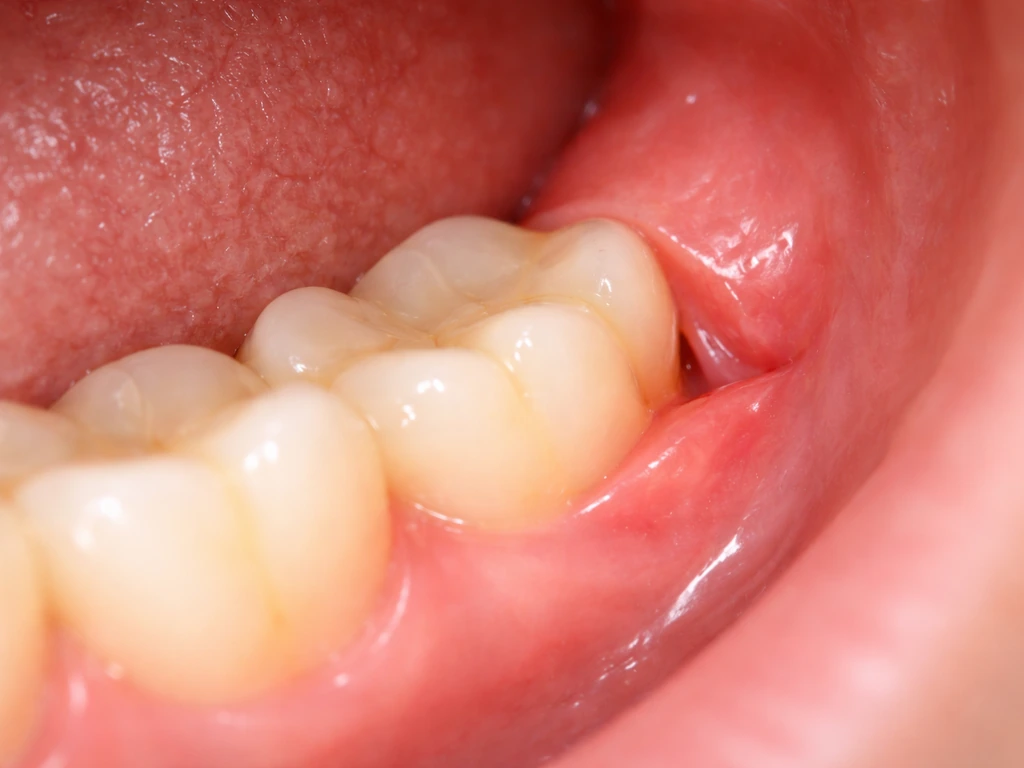
A partially erupted wisdom tooth creates a pocket between the tooth and the overlying gum flap where bacteria thrive. This leads to a condition called pericoronitis, which is an infection of the gum tissue around the partially erupted tooth. Pericoronitis is tied to partially erupted wisdom teeth with gum tissue over the crown, and the infection can spread causing swelling and pain to other head and neck areas pericoronitis, which is an infection of the gum tissue around the partially erupted tooth. Symptoms include bad breath that does not go away, a bad or bitter taste in your mouth, pus or discharge near the back of your gum, and swelling that extends beyond just the gum itself. In more serious cases, the swelling moves into the cheek or jaw, lymph nodes under the jaw become tender, and it becomes harder to open your mouth fully. That last cluster of symptoms is an urgent situation, not something to monitor at home for another week.
Why your teeth won't grow back after damage or loss
Humans are diphyodont, meaning we get exactly two sets of teeth: baby teeth and adult teeth. Once you have gone through that second set, the biological program for tooth formation is essentially switched off. There is no third round waiting in reserve. This is different from some animals, like sharks, that continuously replace teeth throughout their lives, but that is not how human genetics works.
Here is a quick breakdown of what each part of a tooth can and cannot do on its own:
| Tooth Structure | Can It Regenerate? | What Actually Happens |
|---|---|---|
| Enamel | No | Acellular after eruption; only minor surface remineralization possible with fluoride |
| Dentin | Limited | Tertiary dentin can form slowly in response to mild irritation, but not true repair of significant loss |
| Pulp | Experimental only | Regenerative endodontics exists for immature teeth in specific clinical situations, not routine adult cases |
| Cementum/Root | No | Lost roots do not regrow; extraction changes the surrounding bone over time |
| Whole tooth | No | No biological mechanism exists in adults; replacement requires dental treatment |
The one nuanced exception worth knowing about is a knocked-out (avulsed) tooth. If a permanent tooth gets completely knocked out, there is a narrow window, ideally within 30 minutes to one hour, during which a dentist can reimplant it. The key is keeping the periodontal ligament cells on the root alive by storing the tooth in milk, saline, or even between your cheek and gum while you get to a dentist. The tooth is not "regrowing," but the original tooth can heal back into the socket if treated fast enough. After the window closes, or if the ligament cells die, that option is off the table and you are looking at a bridge or implant instead.
Urgent care vs. a routine dental visit: how to tell the difference
Most wisdom tooth discomfort at 18 is not a dental emergency, but some situations genuinely are. Here is how to sort out what needs immediate attention versus what can wait for a scheduled appointment.
| Symptom | What It Suggests | How Soon to Seek Care |
|---|---|---|
| Mild aching or pressure at the back of the jaw | Normal wisdom tooth eruption | Schedule a routine check within a few weeks |
| Gum tenderness with no swelling past the tooth area | Eruption or mild pericoronitis | See a dentist within a few days to a week |
| Bad taste, pus, or localised gum swelling around a back tooth | Pericoronitis or early infection | See a dentist within 24 to 48 hours |
| Swelling spreading to the cheek, jaw, or neck | Spreading dental infection | Seek urgent or emergency dental/medical care same day |
| Fever, difficulty swallowing, or difficulty breathing | Serious spreading infection | Emergency room immediately |
| Tooth completely knocked out | Avulsion | Get to a dentist within 30 to 60 minutes for best outcome |
| Sharp pain with no visible cause, or pain waking you at night | Pulp involvement, possible abscess | See a dentist within 24 to 48 hours |
One thing that catches people off guard: a spreading jaw infection can become life-threatening faster than most people expect. If you have swelling that is moving down your neck or you are having any trouble swallowing or breathing, that is an emergency room situation, not a wait-and-see one.
What your dentist can actually do at this stage
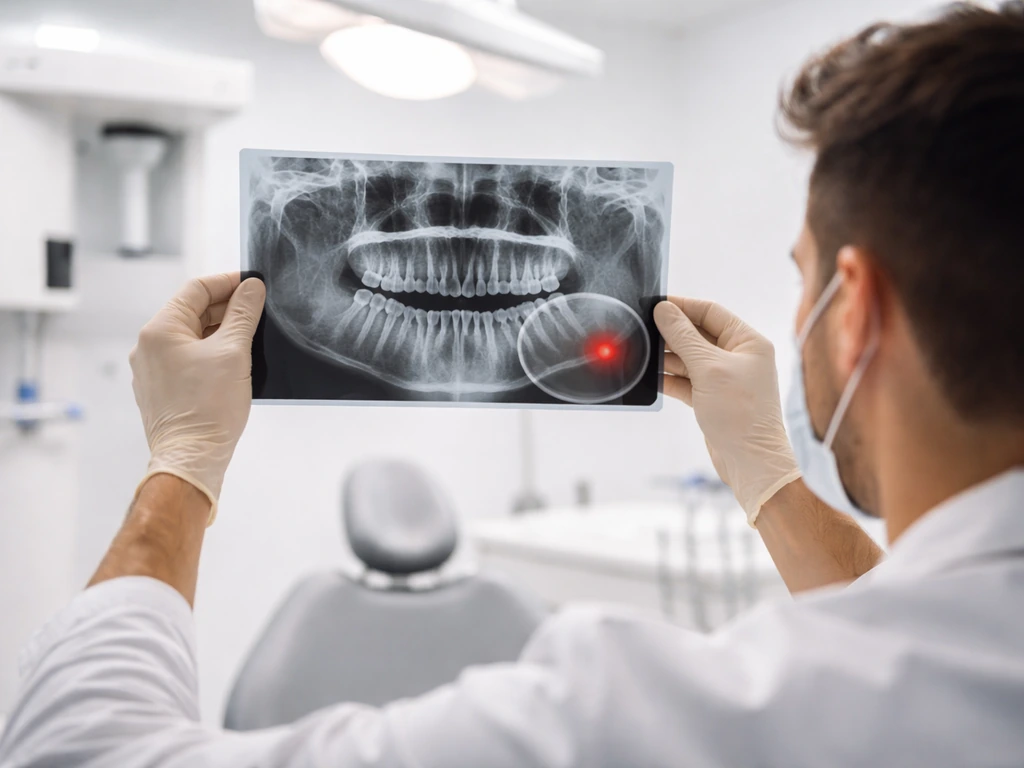
If you go in at 18 with concerns about your wisdom teeth or a tooth you have lost, a good dentist is going to start with X-rays. Panoramic or periapical X-rays show exactly where your wisdom teeth are sitting, whether they are angled toward adjacent teeth, how developed the roots are, and whether there is enough space for them to erupt. You cannot make a smart decision about wisdom teeth without that imaging.
From there, the options depend on what is found. The American Association of Oral and Maxillofacial Surgeons points out that if wisdom teeth come in fully, are functional, pain-free, cavity-free, and easy to keep clean, they do not always need to come out. But the same organization notes that complications increase with age and that root development makes extraction more complex over time, so the late teens and early twenties are actually the ideal window for evaluation and, when needed, extraction.
If a wisdom tooth needs attention
- Monitoring with periodic X-rays if the tooth is impacted but causing no problems
- Antibiotics or irrigation to treat acute pericoronitis before a procedure
- Surgical extraction if the tooth is impacted, infected, decayed, or damaging the adjacent molar
- Referral to an oral and maxillofacial surgeon for more complex impactions
If a tooth has been lost or is missing
- Reimplantation if the tooth was just knocked out and the timing and conditions are right
- A dental implant, which is a titanium post placed into the jawbone topped with a crown, generally considered the closest thing to a natural tooth replacement
- A dental bridge, which anchors a false tooth to the adjacent teeth on either side
- Orthodontic treatment to close a gap or prevent teeth from drifting into the space left by a missing tooth
- Alveolar ridge preservation at the time of extraction to protect the jawbone and keep implant options open later
Age 18 is actually a good time to be thinking about all of this. Jaw development is typically complete or nearly complete, wisdom teeth are in the evaluation window, and any orthodontic changes from wisdom tooth pressure or extractions can still be addressed efficiently. Whether you are dealing with eruption discomfort, a missing tooth, or just want to know what is going on back there, getting an X-ray and a professional assessment is genuinely the most useful next step you can take right now.
FAQ
If I’m 18 and feel new tooth growth, does that mean my adult teeth are coming back?
Not in the sense people usually mean. At 18, your existing adult teeth are already formed, and missing or damaged adult teeth do not regrow. The only common “new tooth” event around this age is wisdom teeth (third molars) emerging from the back of the jaw.
I had a gum bump near the back for a few days and now it seems smaller, did my tooth really grow in then retreat?
You might be experiencing gum swelling over a partially erupted wisdom tooth (a flap). Sometimes it looks like the tooth “came in and then disappeared,” but the tissue is still covering part of the crown and it can flare again when bacteria get trapped under the flap.
At 18, when is wisdom tooth pain something I should treat as urgent?
Yes, but it depends on what you mean by “discomfort.” Toothache from wisdom teeth is often not an emergency, but fever, rapidly spreading swelling, trouble swallowing, trouble breathing, or swelling that moves into the neck or jaw are emergency signs.
How can I tell whether what I’m seeing is normal wisdom tooth eruption versus a problem after a missing tooth?
If you see a gap, indentation, or a hole where a tooth used to be, that can suggest an impacted wisdom tooth, an infection, or a lost tooth rather than regrowth. A dentist can tell the difference with an exam and imaging, and you should not assume it is normal regrowth.
If enamel can’t regrow, what can I do at 18 to protect teeth that are already wearing down?
Fluoride toothpaste and professional fluoride can help strengthen early surface enamel and reduce sensitivity, but they cannot rebuild enamel layers that are already lost, replace dentin, or recreate a tooth. For chipped or decayed teeth, options are fillings, crowns, bonding, or other restorations.
Do I really need an X-ray for wisdom teeth if my symptoms seem mild?
An X-ray is the key. Wisdom tooth position can be fully erupted, partially erupted, or trapped in bone (impacted), and the treatment plan changes. Without imaging, it is hard to predict whether pain is from a wisdom tooth, the adjacent second molar, or gum infection.
Will a dentist automatically remove wisdom teeth at 18 if one is impacted?
“Impacted” doesn’t always mean you must remove the tooth. If a wisdom tooth is fully in, cleanable, and not causing problems, some people are monitored. Removal is more likely if it is hard to clean, associated with recurrent pericoronitis, cavities on the adjacent tooth, gum disease, or clear nerve or root risk.
What should I do immediately if I knock out a permanent tooth at 18?
If a permanent tooth is knocked out, time matters for the tooth to have any chance of being replanted successfully. The typical window is within 30 minutes to one hour, and storing the tooth in milk, saline, or inside the cheek helps preserve ligament cells while you get to a dentist or emergency care.
If a knocked-out tooth can heal back, is that the same as regrowth after age 18?
Yes, there is a similar outcome called regrowth-like healing, not real tooth regeneration. If a tooth was avulsed and reimplanted quickly, tissues can heal back into the socket, but that is different from a new tooth growing in.
Why do dentists say the late teens and early twenties are the best time to evaluate wisdom teeth?
Not exactly. As you get older, root development can make wisdom teeth extraction more complex, and complications can rise with age. That is why the late teens and early twenties are often viewed as an ideal evaluation period.
Next Articles

Do Your Teeth Grow as You Get Older? True Causes
Teeth do not grow bigger with age. Learn why they look longer, what can regenerate in adults, and when to see a dentist.
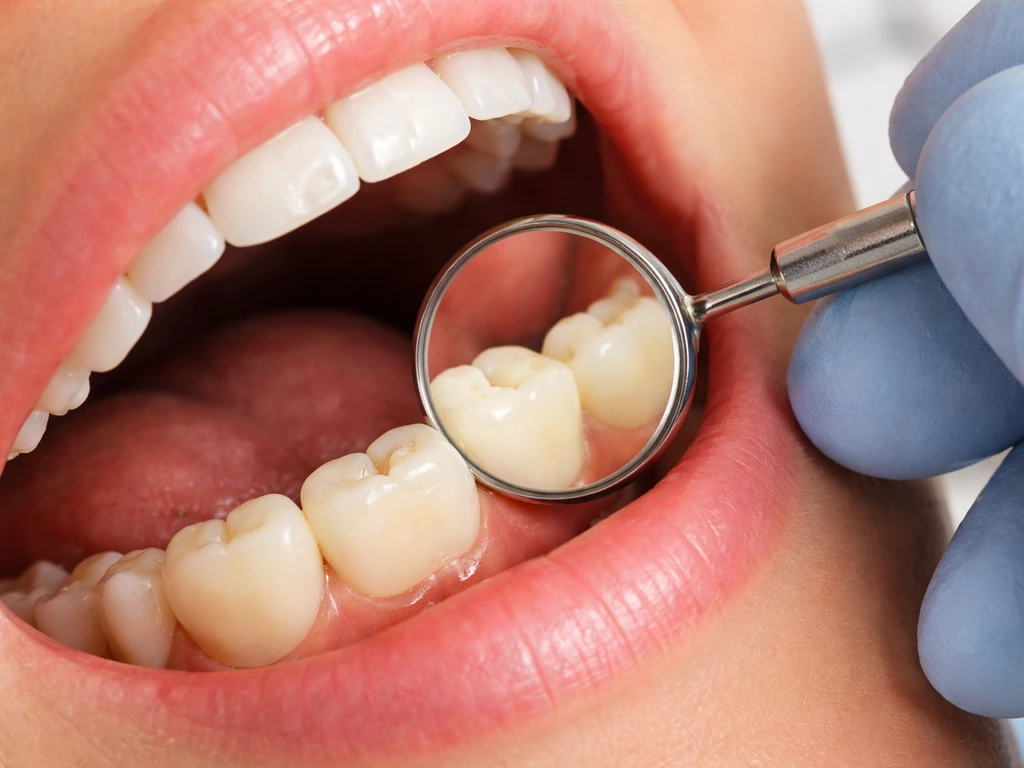
Can Teeth Grow Back After 18? What’s Possible and Next Steps
Can teeth grow back after 18? Learn what regrows vs what needs restorations, and next steps for evaluation.
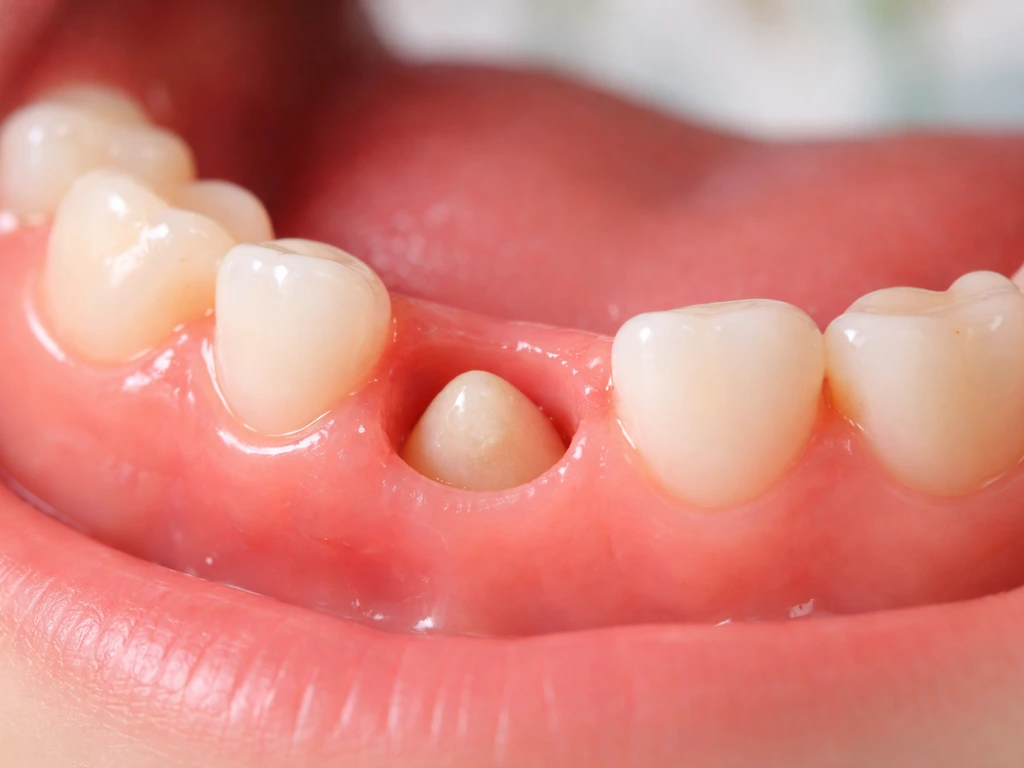
Do Milk Teeth Grow Back? Timelines, What to Do, Red Flags
Learn if milk teeth regrow, typical timelines for permanent teeth, what to do after loss or injury, and red flags.