
Milk teeth do not grow back. Once a baby tooth is lost, whether it falls out naturally, gets knocked out, or has to be pulled, that specific tooth is gone for good. What replaces it is a permanent tooth that was already developing underneath the gum the whole time. So the body does replace baby teeth, just not by regrowing the same tooth. It replaces them with an entirely different set, and that process follows a fairly predictable timeline based on your child's age.
Do Milk Teeth Grow Back? Timelines, What to Do, Red Flags

Marcus Holloway
11 Jun 2026
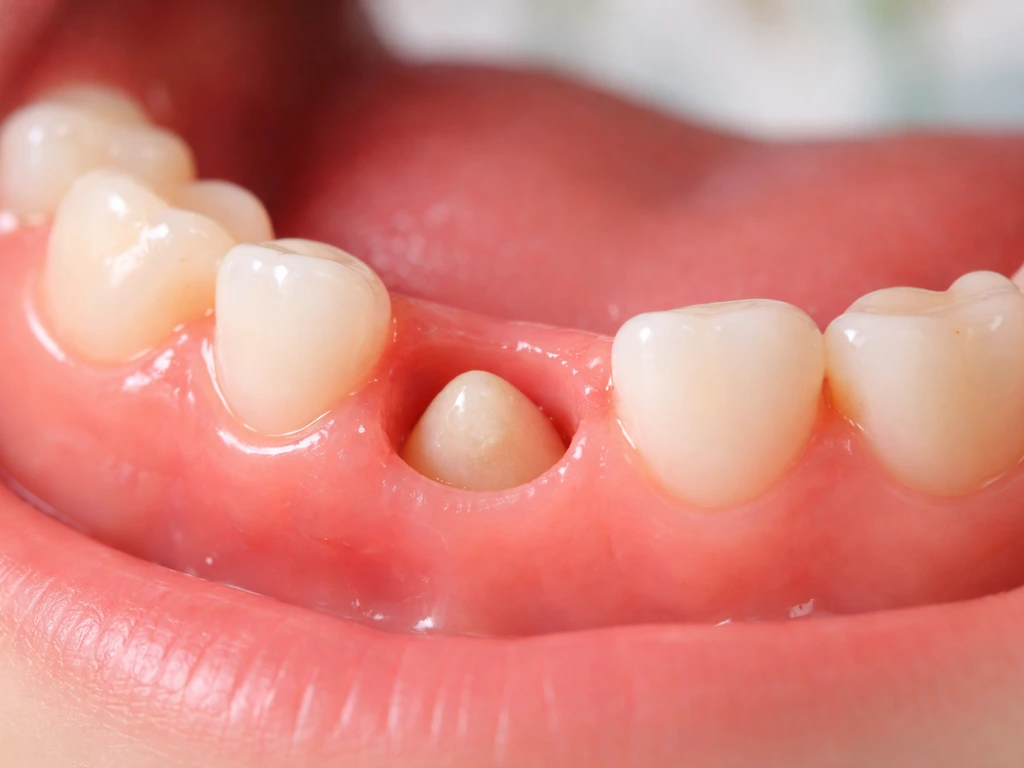
Milk teeth vs permanent teeth: what normally happens
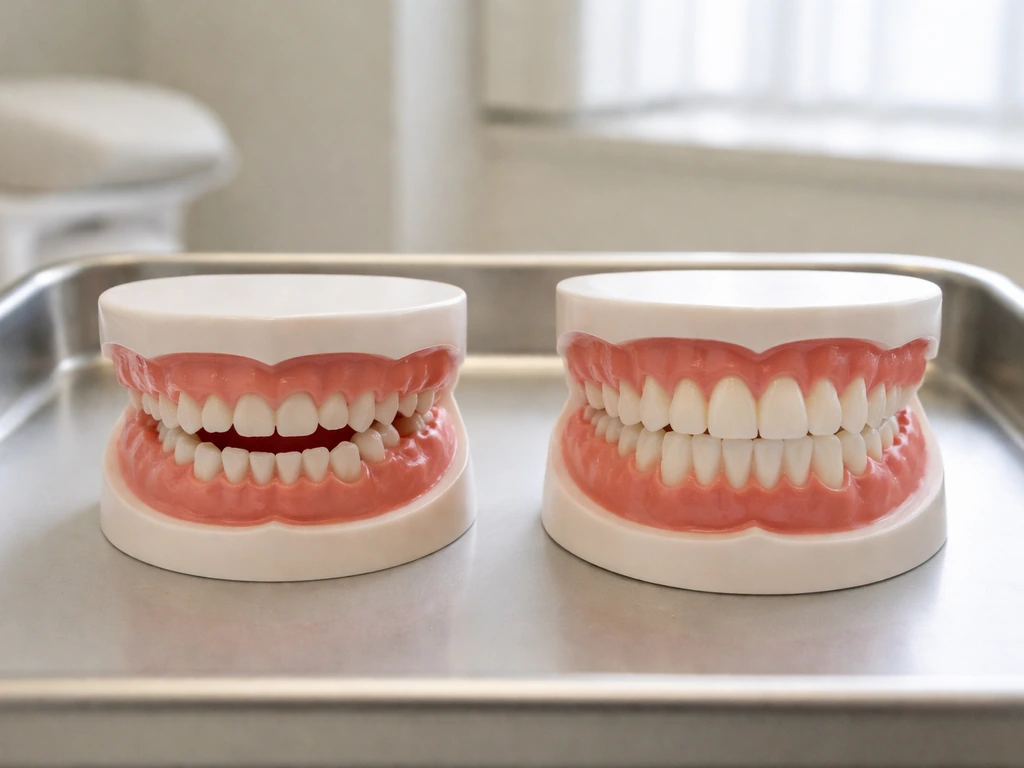
Humans get two sets of teeth, and only two. The first set, called primary, deciduous, or milk teeth, starts erupting around 6 months of age and is usually complete by age 3. Children have 20 primary teeth in total. The second set, the 32 permanent teeth (including wisdom teeth), begins erupting around age 6 and continues into the late teens or early twenties. There are no third chances here, which is why the biology of what can and cannot regenerate matters so much.
The permanent teeth don't appear from nowhere. They develop as tooth buds (called tooth germs) sitting beneath the roots of the baby teeth, essentially waiting in line. As a child grows, those permanent teeth push upward, the baby tooth roots gradually dissolve, and the baby tooth loosens and falls out. The permanent tooth then erupts into the space. This is normal, healthy, and has a predictable sequence. Primary teeth are actually critical guides for this process because they help preserve the space and pathway the permanent tooth needs to come in correctly.
Can milk teeth grow back? The real answer
No, a milk tooth that has been lost cannot regrow. The tooth itself is made of enamel, dentin, and pulp tissue, and once it is out, there is no biological mechanism to regenerate it. This is different from hair or nails, which grow from continuously active follicles and cells. Teeth do not work that way. The dental pulp inside a tooth can produce a small amount of secondary dentin in response to mild irritation, and remineralization can partially repair very early enamel damage, but neither of those processes can rebuild a lost tooth or even a lost large portion of one.
What some people confuse for milk teeth "growing back" is simply the permanent tooth erupting after the baby tooth is gone. If a 6-year-old loses a lower central incisor, a permanent tooth typically appears within weeks to a few months because it was already almost ready to come in. That can look like regrowth, but it is a completely separate tooth that was developing all along.
The related question of how many times teeth can grow back is covered in depth in a companion piece, but the short version is: twice, and twice only. The short answer is that most people get only two sets of teeth, and there are not extra chances for baby teeth to regrow how many times teeth can grow back.
What to do if a baby tooth falls out early (risk signs)
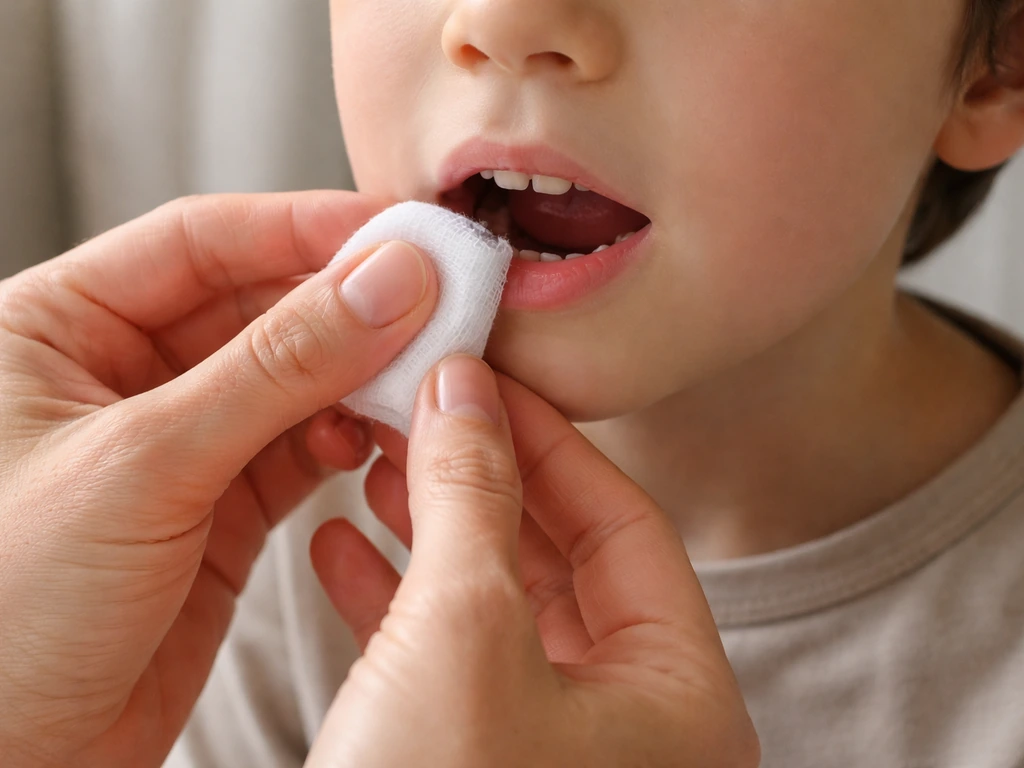
When a milk tooth comes out sooner than expected, whether from an injury, decay, or a dentist removing it, your first job is to stay calm and then check a few things. Here is what to do immediately if a baby tooth is knocked out:
- Do not try to put the tooth back in the socket. Every major dental authority, including the AAPD, IADT, NHS, and AAE, agrees on this. Replanting an avulsed baby tooth risks damaging the permanent tooth germ developing underneath, and that damage can be permanent.
- Rinse your child's mouth gently with water to clear any blood or debris.
- Apply a cold compress to the outside of the cheek to reduce swelling.
- Keep the tooth if you can find it and bring it to the dentist, but do not attempt to store it in milk or saline the way you would for a knocked-out permanent tooth. That approach is for adult teeth only.
- Call your dentist the same day, even if your child seems fine and is not in pain.
The reason you still need a dental visit even when the tooth is already out is that the dentist needs to confirm the tooth actually came out and was not pushed up into the gum (a condition called intrusion). An X-ray is the only reliable way to tell the difference. A tooth that looks "gone" could actually be intruded, which creates a very different set of risks for the permanent tooth below it.
Watch closely for these red-flag symptoms in the days following tooth loss, because they signal infection or complications that need prompt care:
- Swelling in the gum, jaw, or face
- Red, puffy, or oozing gum tissue around the empty socket
- Your child complaining of throbbing pain when chewing
- A bad taste in their mouth without an obvious cause
- Fever or general illness appearing shortly after the tooth was lost
- A pimple-like bump (sinus tract) on the gum near the area
Any of those symptoms means infection may be setting in. Children sometimes do not complain even when infected, so visual checks of the gum matter. Do not wait to see if it gets better on its own.
Tooth "regrowth" vs replacement: space, crowding, and natural eruption
Here is where things get practically important. When a baby tooth is lost significantly earlier than it should be (generally defined as more than 12 months before it would have naturally fallen out, or before the permanent successor is sufficiently developed), the surrounding teeth can drift into that empty space. This is called mesial drift, and it can reduce the room available for the permanent tooth to erupt properly. The result is crowding, misalignment, or a permanent tooth that comes in rotated or blocked.
This is the main reason early tooth loss is not just a cosmetic or timing concern. Primary second molars especially need monitoring after premature loss because there is broad consensus in the literature that a space maintainer is often needed. Primary first molar loss is more debated and handled case by case depending on the child's age, jaw pattern, and how much development the permanent tooth has achieved. A space maintainer is a small dental appliance that holds the gap open so the permanent tooth has somewhere to erupt into. It does not make a tooth grow back. It just keeps the biological pathway clear.
Early loss of front baby teeth (anterior teeth) can also affect speech development and arch shape, on top of the spacing concerns. So even though front baby teeth are sometimes seen as low-stakes because "they fall out anyway," losing them years before schedule creates real consequences worth managing.
When you should call a dentist (age-based guidance)
The right response depends a lot on your child's age, because age tells you roughly where they are in the normal eruption timeline. Here is a practical breakdown:
| Child's age | Tooth lost | What's likely normal | When to act |
|---|---|---|---|
| Under 4 years | Any baby tooth | Not normal at this age; teeth should not be falling out yet | Call the dentist today |
| 4 to 5 years | Front baby tooth after trauma | Could be early but trauma makes it more complex | Call the dentist same day for X-ray |
| 5 to 6 years | Lower front teeth starting to loosen | Can be within normal range; lower central incisors often go first | Monitor; see dentist if no wobbling and it just fell out |
| 6 to 7 years | Front incisors, first molars | Squarely in normal range for natural loss | Routine check if no trauma; permanent teeth expected soon |
| 7 to 8 years | Upper front teeth, lateral incisors | Normal; permanent successors typically erupting around this window | Routine unless signs of infection or no eruption within a few months |
| Over 8 years, molar area | Primary second molars | These are not usually lost until 10 to 12 years; early loss needs evaluation | See dentist within a week to discuss space maintenance |
As a general rule: trauma always warrants same-day contact with a dentist regardless of age. Natural-seeming early loss in a child under 5 also warrants prompt evaluation. For children in the 6 to 8 age range losing front teeth, you are often in normal territory, but it is still worth a quick call to confirm.
Common myths about regrowing teeth and what's actually possible
There is a lot of noise online about tooth regrowth, and most of it is either exaggerated, misunderstood, or flat-out wrong. Here are the myths that come up most often:
Myth: "Teeth grow back like hair or fingernails. Teeth do not regrow three times, but the timing of normal replacement can look similar. " This is completely false. Hair grows from follicles that remain active throughout life. Teeth develop from tooth buds that form during fetal development, and once those buds are used up, that's it. You may also notice that most people never get a third set, which is one of the reasons the question of why teeth only grow twice comes up so often why do teeth only grow twice. The structures are biologically nothing alike.
Myth: "If you put a baby tooth back in the socket quickly, it will reattach and the child's permanent tooth will still grow in fine." Dental guidelines from the IADT, AAPD, AAE, and NHS all agree: blank" rel="noopener noreferrer">do not replant an avulsed baby tooth. The risk of damaging the permanent tooth germ developing directly underneath is too high, and baby teeth do not reattach the way permanent teeth sometimes can. Dental WA advises that you should blank" rel="noopener noreferrer">DO NOT replant a baby tooth because of the risk to the developing permanent tooth. This is one of those cases where acting fast but acting wrong causes worse harm.
Myth: "There is a treatment that can make a baby tooth grow back." No such treatment exists. Dental stem cell research is genuinely interesting and ongoing, and some studies suggest theoretical paths toward tooth regeneration in the future. The AAPD has acknowledged that dental stem cells may eventually contribute to regenerative treatments. But as of now, there is no approved, available, or clinically proven treatment that regenerates a lost tooth in humans. Anyone claiming otherwise is not being straight with you.
Myth: "Only the permanent teeth matter, so losing a baby tooth early is no big deal." Baby teeth are placeholders and guides. Losing them too early disrupts the entire eruption pathway for the permanent teeth that follow. That disruption can mean years of orthodontic work that might have been avoided.
How dentists confirm timing and plan next steps (X-rays, tracking)
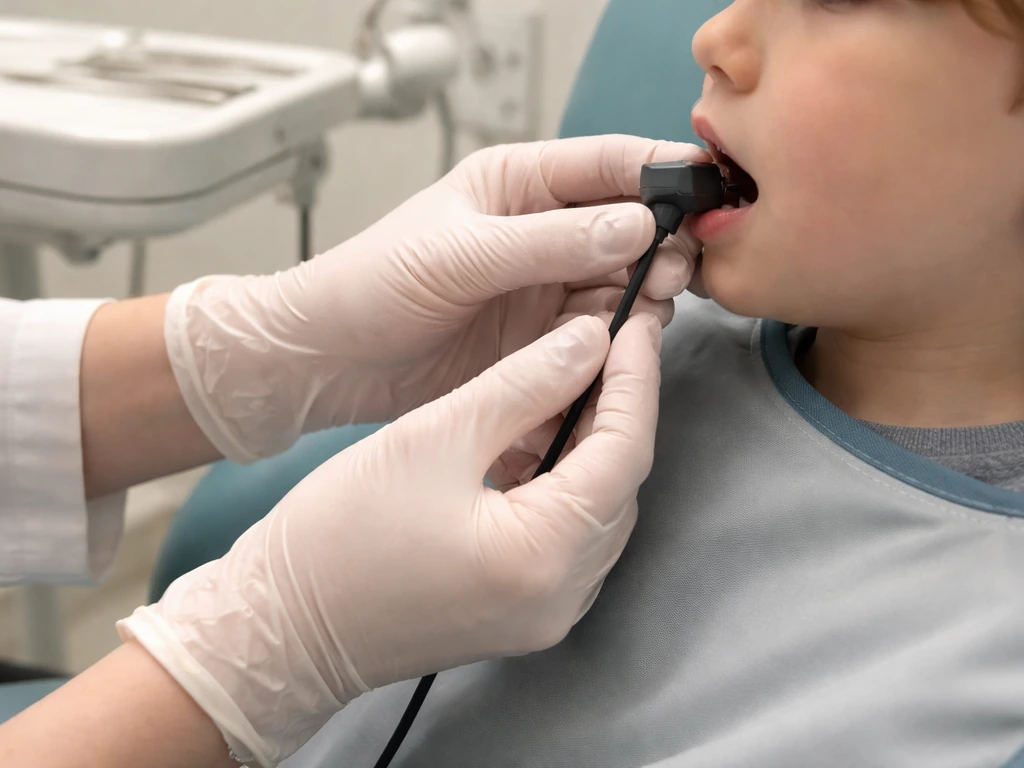
When you bring your child in after a tooth is lost, the dentist is not just checking the gap. They are building a picture of what is happening beneath the gum. A periapical X-ray of the affected area can show whether the permanent tooth bud is intact, how developed it is, whether the lost baby tooth was actually intruded rather than knocked out, and whether any infection is starting around the root remnants.
IADT and AAPD guidelines specifically call for radiographic examination after primary tooth avulsion to rule out intrusion. This matters because an intruded tooth does not look like a gap; it looks like the tooth disappeared, and the management is completely different. Statistically, follow-up is typically recommended at around 6 to 8 weeks after the injury, with additional X-rays ordered if there are any clinical signs of pulp infection or the gum tissue does not look right.
Dentists also use standard eruption reference charts from the ADA and AAPD to assess whether a permanent tooth should already be appearing by now, or whether there is still a normal window to wait. In most cases, this second set includes the teeth that will grow in later as the permanent teeth come in second set of teeth. For example, upper central incisors typically erupt around 7 to 8 years, and lower central incisors around 6 to 7 years. If a permanent tooth is running more than 6 to 12 months late after the baby tooth was lost, that is a reason to look more closely rather than keep waiting.
If space loss is a concern, the dentist may refer to a pediatric dentist or orthodontist to discuss a space maintainer before drift becomes a bigger problem. The goal is never to "grow the tooth back" but to keep the conditions right so the permanent tooth that is already developing can arrive on schedule with enough room to fit. That is what practical dental care around primary tooth loss actually looks like.
FAQ
My child’s baby tooth looks completely gone, how can it still be there?
Yes. If the tooth was knocked in (intrusion) or the root remnants are displaced, it can still be present under the gum even when the crown is missing. That is why a dentist may recommend an X-ray rather than relying on what you can see at home.
If a baby tooth comes out early, is it ever too late to stop the space from closing?
A gap can shrink over time as neighboring teeth drift, especially after loss of primary molars. If the lost tooth is outside the normal timing window, dentists often assess promptly so they can decide whether a space maintainer is needed to prevent crowding.
Can losing front milk teeth early affect speech even if my child is still young?
For front teeth in particular, delayed replacement can be more than cosmetic. Early loss of anterior baby teeth can affect how the child’s lips and tongue form sounds, so asking about speech evaluation or targeted dental follow-up can be useful if you notice speech changes.
How do I decide whether early tooth loss is an emergency?
Not all early tooth loss requires the same urgency. Natural-looking early loss in a child under 5 generally warrants prompt evaluation, but trauma always calls for same-day contact because intrusion and soft-tissue injuries can be missed without an exam.
If the tooth was pulled due to decay, do I still need X-rays and follow-up?
Sometimes, but it depends on what happened. A baby tooth can be removed or lost due to decay, and the treatment plan changes if infection is suspected, if the tooth was intruded, or if the permanent successor is not far enough along. An urgent dental visit helps the dentist check the developing tooth bud and look for infection.
Why is it recommended not to put an avulsed baby tooth back in the socket?
Baby teeth should not be “reimplanted” after avulsion, even if it is put back quickly. The priority is to protect the permanent tooth germ, which is why dental guidelines discourage replanting primary teeth.
What signs should make me stop watching at home and call the dentist?
Look for patterns that suggest problems rather than just missing space. Persistent swelling, pus, a bad taste or odor, fever, or worsening pain are more concerning than a brief tender spot, and any of these symptoms should prompt prompt dental care.
How long should we wait before we worry the permanent tooth is coming in late?
Wait-and-watch has limits. If a permanent tooth is more than about 6 to 12 months late relative to when the baby tooth was lost, dentists usually reassess with exam and often imaging rather than continuing to wait.
Will my child automatically need a space maintainer after losing a baby molar early?
Sometimes primary tooth removal creates an immediate space, but the risk of drift depends on which tooth was lost and the child’s age. Dentists may recommend a space maintainer after premature loss of certain primary molars, while first molar decisions are more individualized.
Is it better to wait for the permanent tooth, or manage the gap proactively?
Teeth can move a bit even without pathology, so “waiting” is about timing. A dentist can compare your child’s eruption stage to eruption charts and determine whether the neighboring teeth have started to drift enough to justify an appliance.
Next Articles
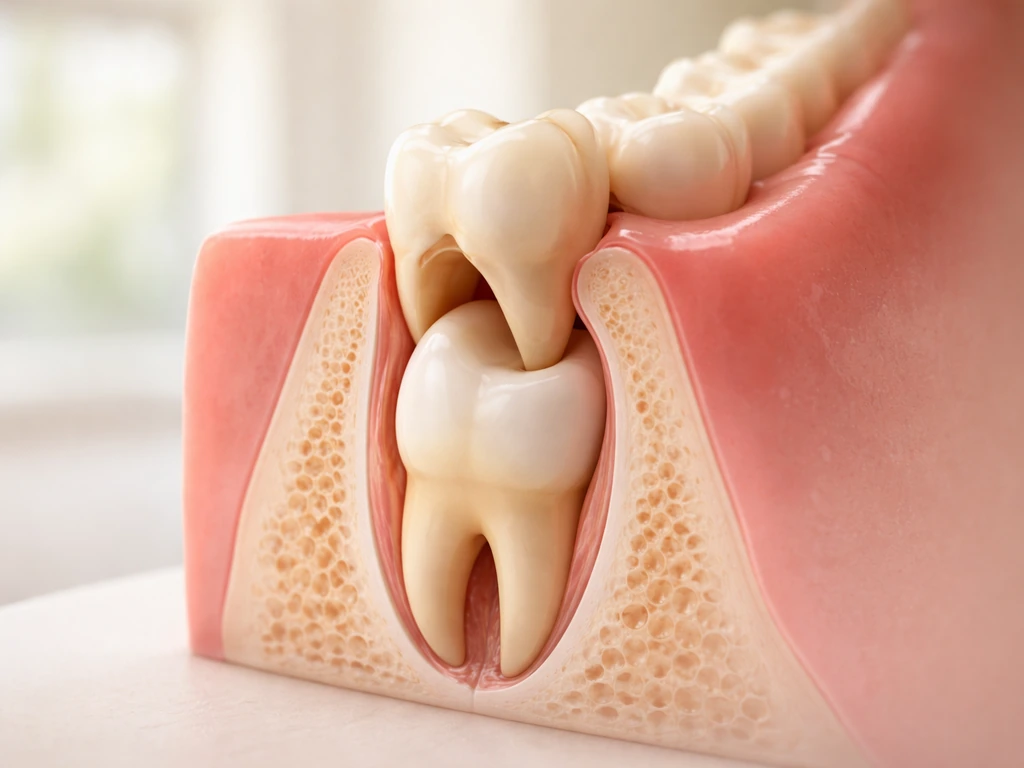
Can Milk Teeth Grow Twice? Replacement vs True Regrowth
Can milk teeth grow twice? Learn why baby teeth usually only get replaced, not regrown, and what to do if one falls out
Why Do Teeth Only Grow Twice? Baby vs Permanent Explained
Why humans have only baby and permanent teeth: eruption timeline, limits of enamel regrowth, and common exceptions to kn
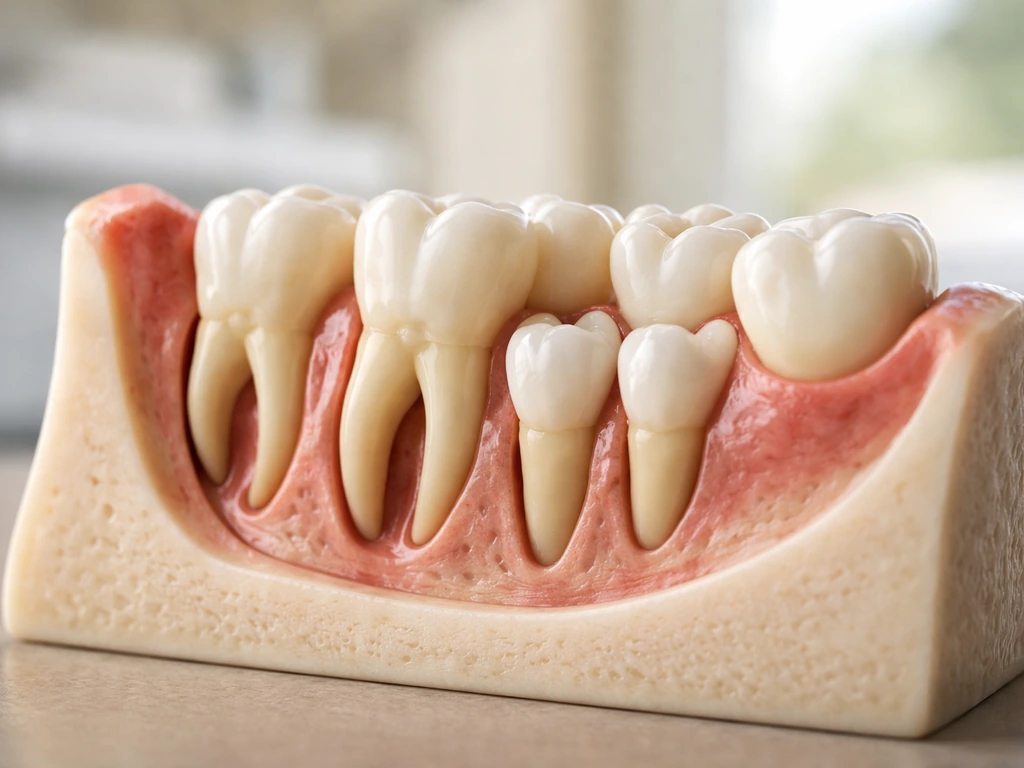
Which Teeth Grow Twice Explained by Real Timelines
Learn which teeth seem to grow twice: primary replaced by permanent, plus wisdom teeth timing and limits on regrowth