
Milk teeth do not grow twice. Each child gets one set of primary (baby) teeth, and those are replaced once by permanent teeth. That replacement is the only "second chance" your mouth gets naturally. If you are seeing what looks like a second tooth appearing where a baby tooth used to be, you are most likely watching a permanent tooth come in, not a milk tooth regrowing. Occasionally there is a more unusual explanation, like a retained baby tooth, an extra tooth, or a delayed eruption, but none of those involve the milk tooth regenerating itself.
Can Milk Teeth Grow Twice? Replacement vs True Regrowth

Marcus Holloway
10 Jun 2026
What "milk teeth grow twice" really means
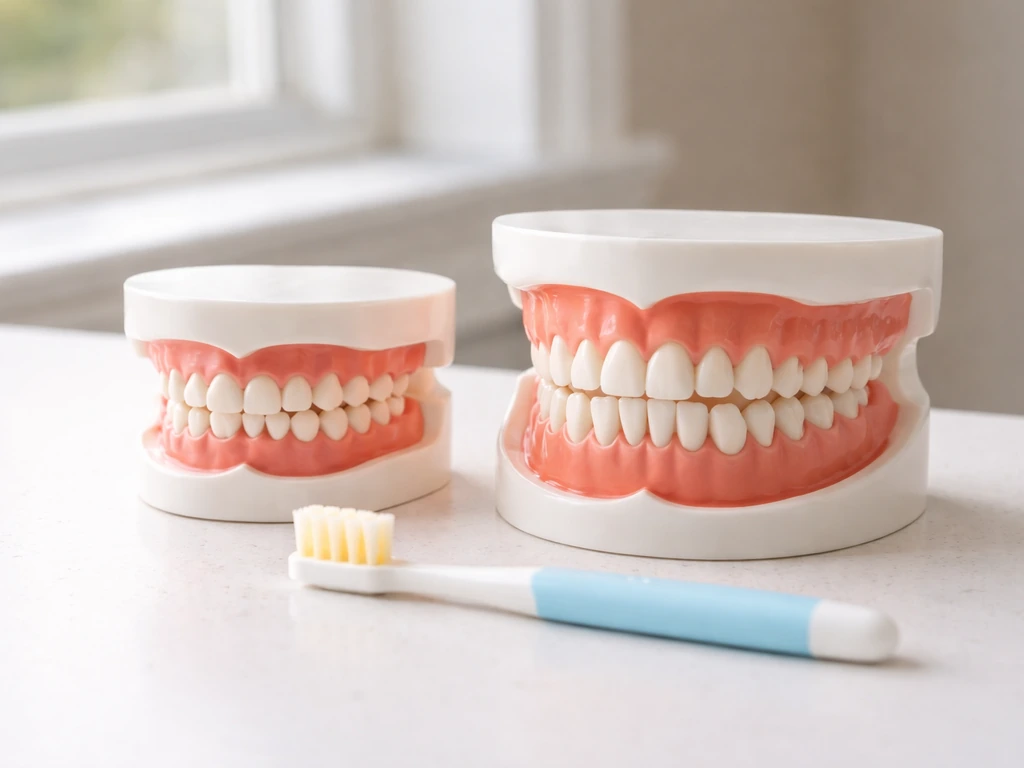
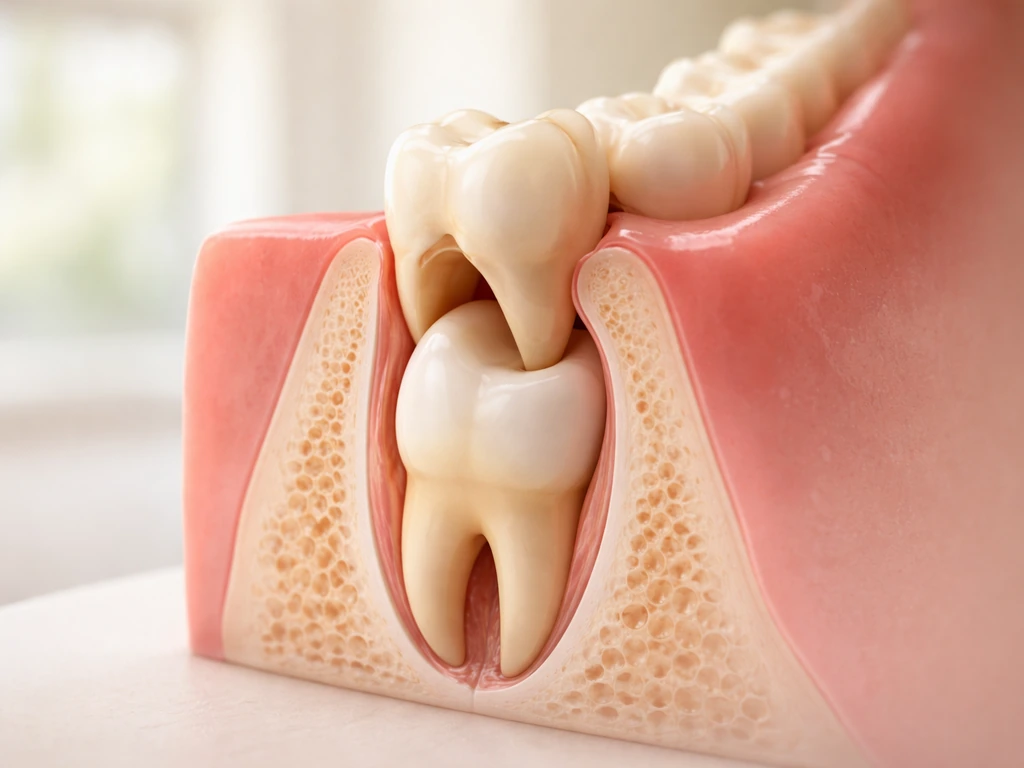
The confusion usually comes from misreading what replacement actually is. This helps explain the question of which teeth grow twice misreading what replacement actually is. When a baby tooth falls out and a permanent tooth pushes through in its place, it can feel like the same tooth grew back. It did not. Those are two completely separate teeth from two completely separate sets of dentition. The primary (milk) teeth form before birth and erupt in infancy. The permanent teeth form later, with their roots developing independently underneath the primary teeth. When the permanent tooth is ready, it triggers the resorption of the primary root, which is why the baby tooth gets wobbly and eventually falls out. The milk tooth does not regrow; it gets retired.
Biologically, humans are diphyodonts, meaning we grow exactly two sets of teeth over a lifetime. Some other animals are polyphyodonts (sharks, for example, cycle through many sets). Humans are not. Once a permanent tooth is gone, no natural third set is coming, and that is equally true for baby teeth. A milk tooth that falls out is done.
Normal baby-to-permanent tooth replacement timeline
Understanding the timeline helps parents stop worrying about things that are perfectly normal and start noticing the things that actually need attention. The full set of 20 primary teeth is usually in place by around age 2. Typically, milk teeth are fully in place by about age 2, and then they start shedding from around age 6, continuing until about age 12. 5 to 3. They then start falling out from about age 6 onward, and that process continues until around age 12. Between ages 6 and 12, most children have a mix of primary and permanent teeth at the same time, which is called the mixed dentition phase.
| Tooth | Primary tooth falls out (approx. age) | Permanent tooth erupts (approx. age) |
|---|---|---|
| Lower central incisors | 6–7 years | 6–7 years |
| Upper central incisors | 6–7 years | 7–8 years |
| Upper/lower lateral incisors | 7–8 years | 7–9 years |
| Upper/lower canines | 10–12 years | 9–12 years |
| Primary first molars | 9–11 years | 10–12 years (premolars replace them) |
| Primary second molars | 10–12 years | 11–13 years (premolars replace them) |
| First permanent molars | No primary predecessor | 6–7 years (erupt behind baby teeth) |
One thing worth knowing: the first permanent molars erupt around age 6 but they do not replace any baby tooth. They come in behind all the primary teeth, in newly available jaw space. Parents sometimes spot these and think a random extra tooth has appeared. It has, in a sense, but it is supposed to be there. These "six-year molars" are permanent from the start and are some of the most important teeth in the mouth.
Reasons you might see a second tooth when you were not expecting one
There are a handful of real scenarios where a parent or child notices what looks like an unexpected or extra tooth. Most are benign but a couple genuinely need a dentist's eye on them.
The permanent tooth comes in before the baby tooth falls out
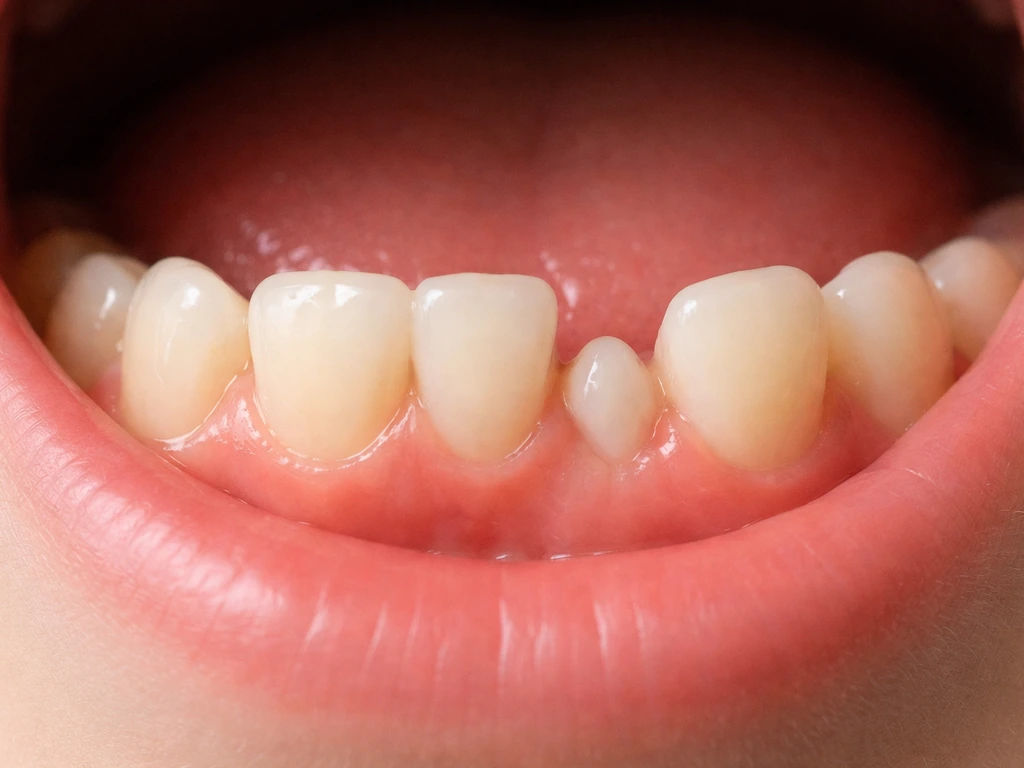
This is the most common scenario and it looks alarming but is usually fine. The permanent lower front teeth especially have a habit of erupting slightly behind or beside the baby teeth before those primary teeth have loosened enough to fall out. You end up with what looks like a double row of teeth, sometimes called "shark teeth." In most cases the primary tooth will loosen and fall out on its own within a few weeks. If it has not come out after two months and the area is not tender, that is worth a quick dental visit.
Retained primary teeth
Sometimes a baby tooth simply does not fall out when it should. The permanent successor might be missing, angled wrong, or blocked. The baby tooth stays put, which can look like nothing has changed, but it also blocks the space the permanent tooth needs. Retained primary teeth need dental evaluation because leaving them too long can cause the permanent tooth to erupt in the wrong position entirely.
Supernumerary (extra) teeth
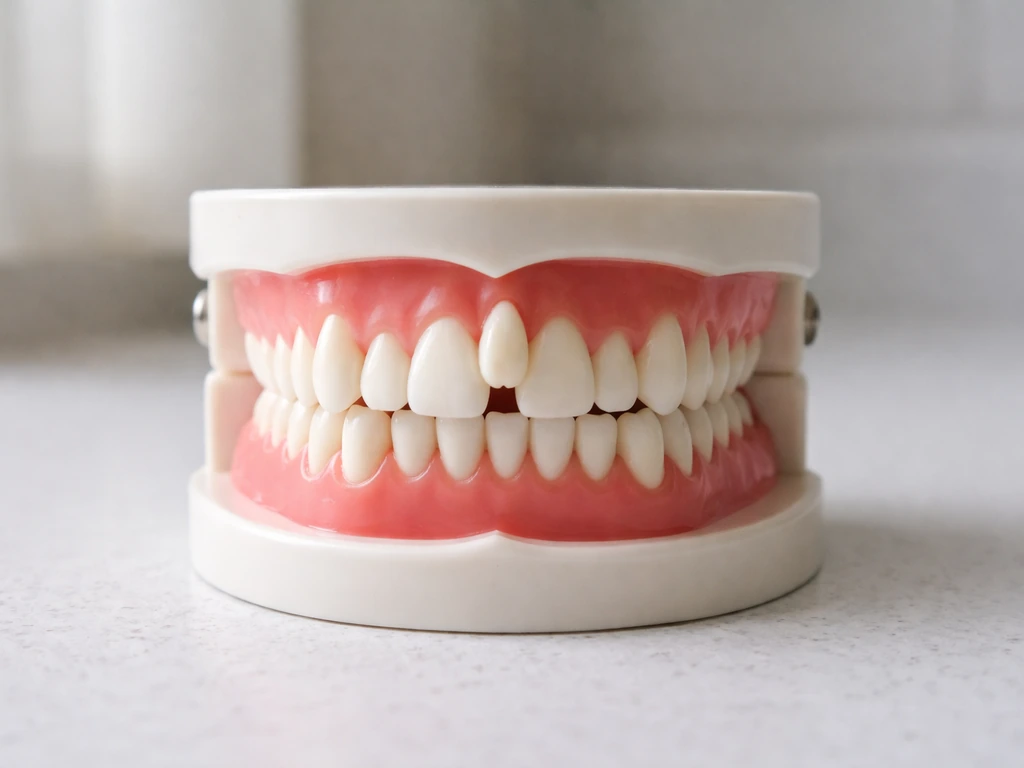
A small number of children develop extra teeth beyond the standard 20 primary or 32 permanent teeth. The most common type is called a mesiodens, which appears between the upper central incisors. Supernumerary teeth can block or delay the eruption of permanent teeth, cause crowding, or erupt themselves in unexpected positions. If your child has what genuinely looks like an extra tooth that does not correspond to any expected tooth in the timeline, this is one to get evaluated. Timely diagnosis matters because interceptive treatment early gives the best outcome for the permanent teeth.
Delayed eruption
Eruption timing has a wide normal range, but sometimes a permanent tooth is significantly delayed by local factors: dense gum tissue over the eruption site, trauma to the primary tooth, or a lack of space. The permanent tooth exists and is developing, but it is not breaking through on schedule. An X-ray confirms it is there and shows whether intervention is needed.
Can any natural tooth regrowth actually happen?
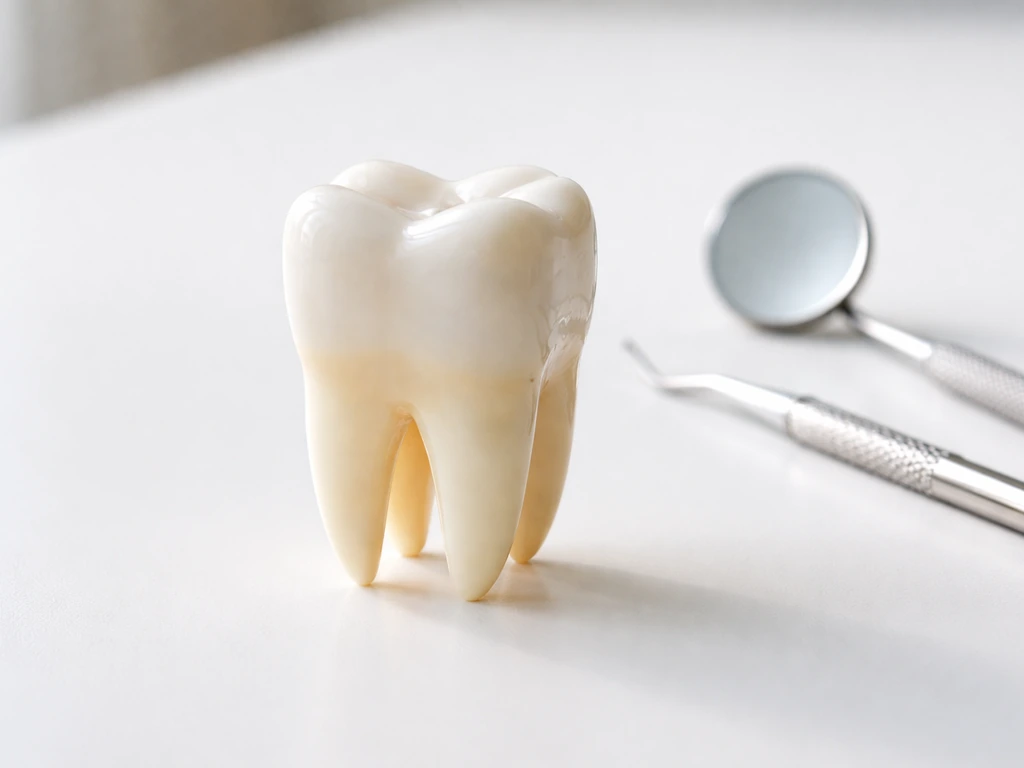
No. And this is where dental biology shuts the door firmly. Once a tooth erupts and matures, the cells that built it are gone. Enamel, the hard outer layer of every tooth, is made by specialized cells called ameloblasts. Once enamel formation is complete, those cells disappear. Mature enamel has no living cells at all. It cannot repair itself the way bone does, it cannot grow back, and it cannot regenerate after loss. The most that can happen is remineralization of very early surface lesions using minerals from saliva or toothpaste fluoride, but that is a chemical process repairing microscopic damage, not regrowing bulk tooth structure.
Research into dental regeneration exists and is genuinely interesting, but as of 2026, clinical translation is still very limited. Lab studies on pulp regeneration, periodontal tissue repair, and biomimetic enamel coatings are ongoing, but none of this means you can grow a new milk tooth or a third set of teeth. Research into dental regeneration exists, but it still does not mean you can grow a third set of teeth or have teeth grow back multiple times. The idea that humans can regrow teeth naturally, like some kind of hidden third set, is a persistent internet myth with no biological basis.
This is also why topics like whether teeth can grow back more than twice, or whether some people get a third set, come up so often. If you are wondering how many times a tooth can grow in, the biologic answer is that humans only have one replacement from baby teeth to permanent teeth. Biologically, humans are diphyodonts, so teeth are meant to come in twice over a lifetime, not more than that whether teeth can grow back more than twice. The answer is always the same: human biology allows for two sets, and that is it. The permanent teeth you get are the ones you keep.
If a milk tooth is lost early: what to expect and when to worry
Early loss of a baby tooth, whether from decay, trauma, or an accident, is a situation that deserves attention rather than a "wait and see" approach. The primary teeth are not just placeholders. They actively hold space for the permanent teeth developing underneath, and they guide the jaw into the right shape.
If a baby tooth is lost early and the permanent successor is already close to erupting, the permanent tooth may actually come in sooner than expected by filling the empty space. That sounds like a positive outcome, but it can sometimes mean the tooth comes in at a slightly different angle. If the permanent tooth is still years away from erupting, the surrounding teeth can drift into the gap over time, reducing the space available. Research shows the most significant space loss tends to occur within the first six months after an early extraction when active tooth movement is happening. A space maintainer (a small dental appliance) is often recommended to hold the gap open until the permanent tooth is ready.
Traumatic injury to a baby tooth is handled differently from injury to a permanent tooth. The primary concern with primary tooth trauma is protecting the permanent tooth bud underneath. A hard blow to a baby tooth can, in rare cases, cause the primary tooth root to fuse to the bone (ankylosis), which would block the permanent tooth from erupting normally. This is why the AAPD and AAP both recommend professional evaluation after any significant dental trauma in young children, even if the baby tooth looks fine afterward.
If a baby tooth is knocked out completely in an accident, unlike with permanent teeth, you do not try to reinsert it. Reinserting a primary tooth risks damaging the permanent successor underneath. Instead, manage any bleeding, keep the child calm, and call a pediatric dentist.
Signs that early loss needs prompt dental evaluation
- A baby tooth falls out before age 4 with no obvious wobbling beforehand
- The tooth was knocked out due to trauma, not natural loosening
- Swelling, bleeding that does not stop, or pain at the site
- No sign of a permanent tooth starting to erupt in the space after several months
- Another tooth is visibly shifting into the gap
- The child is under age 6 and more than one primary tooth has been lost
What to do next today: signs, scheduling, and likely dental checks
If you are reading this because you noticed something unexpected in your child's mouth, here is practical guidance based on what you are actually seeing.
If you see a new tooth appearing behind or beside an existing baby tooth
This is likely a permanent tooth erupting, which is completely normal. Wiggle the baby tooth gently; if it has any movement at all, it will probably come out on its own within a few weeks. Encourage the child to wiggle it themselves. If the baby tooth is completely firm and the permanent tooth has been visible for more than six to eight weeks, schedule a routine dental appointment. The dentist may simply extract the stubborn baby tooth, which is a quick and straightforward procedure.
If a baby tooth came out much earlier than expected
Book a dental appointment within the next week or two, not urgently unless there is pain or swelling. The dentist will take an X-ray to assess where the permanent tooth is in its development and whether a space maintainer is appropriate. Do not wait months on this one; the window for space maintenance is early.
If there was a dental injury
Call a pediatric dentist or emergency dental line the same day, even if the tooth looks okay. Trauma to primary teeth can affect the developing permanent tooth below in ways that are not visible from the outside. An X-ray taken shortly after the injury gives important baseline information.
If you see what looks like an extra or unexpected tooth with no obvious primary tooth nearby
This warrants a dental visit soon, not urgent unless it is painful or the child has difficulty eating. A supernumerary tooth or ectopically erupting tooth needs X-ray evaluation to understand its relationship to the surrounding permanent teeth. The earlier this is identified, the more options there are for interceptive treatment without needing more complex orthodontic work later.
For older teens and adults wondering about their own teeth
If you are past the mixed-dentition years and wondering whether a lost permanent tooth could somehow be replaced naturally, the answer is no. Permanent teeth do not regrow, and neither do milk teeth once you are an adult. If you have a missing permanent tooth, the options are implants, bridges, or partial dentures. These are worth discussing with a dentist sooner rather than later, because surrounding teeth begin to shift into a gap over time and that changes what treatment options are available and how complicated they are.
The bottom line is this: milk teeth give way to permanent teeth once, and that is the only natural "second tooth" event your body runs. Anything else you are seeing has a specific explanation, and a dentist with an X-ray can usually give you that answer in a single appointment. When in doubt, book the visit. The scenarios where watching and waiting works out fine are the same ones where a quick check confirms everything is normal, so there is no downside to getting it looked at.
FAQ
How can I tell if what I’m seeing is a permanent tooth (like a six-year molar) instead of a milk tooth coming back?
Look at the eruption pattern and the tooth type, not just the presence of a “new” tooth. Six-year molars erupt behind the baby molars and are permanent from the start, so they can look like an unexpected extra tooth even though they are expected. They also usually have a different crown shape and larger size than baby teeth.
Is it safe to try to loosen a baby tooth that seems like it should be coming out?
If a baby tooth is still firmly in place, gently wiggling is reasonable only when it is not painful, and only after the permanent tooth is visibly present or the baby tooth looks ready to loosen. Do not force wiggling or pull, because it can injure the gum and (in rare cases) complicate the normal eruption path of the permanent successor.
When do space maintainers become necessary after early baby tooth loss, and is “later” still useful?
Yes, but timing matters. If a child loses a baby tooth early, a space maintainer is most helpful within roughly the first several months after extraction, before adjacent teeth drift. Waiting too long can reduce space, increasing the chance the permanent tooth erupts crowded or at an angle.
What signs suggest a baby tooth is truly retained rather than just taking longer to fall out?
Retained baby teeth are often painless, which is why they can be missed until a permanent tooth erupts in the wrong position. If a baby tooth has not loosened or fallen out by the time the neighboring permanent teeth are coming in normally, a dental exam plus an X-ray helps confirm whether the permanent successor is blocked or misdirected.
What symptoms mean I should not wait weeks for a normal mixed-dentition eruption?
Sometimes eruption looks like a “second tooth,” but if the area is swollen, very tender, or the child is having trouble biting, that raises the odds of a local eruption issue (like an ectopically erupting tooth, infection, or impacted tooth covering). In those cases, do not wait for the typical weeks-long timeline.
If my child has an extra tooth, does it always need removal, or can it be left alone?
Yes. Extra teeth (like mesiodens) often cause delayed eruption, crowding, or a permanent tooth that comes in off-center. The key decision point is whether imaging shows the extra tooth is affecting the eruption path, because early management can be simpler than orthodontics done after the permanent teeth have already settled.
If a permanent tooth seems late, what are the most common reasons besides “it will come later”?
A common misconception is that any tooth “growing in” must be a permanent tooth replacing a baby tooth. But late eruption can also happen because the permanent tooth is present and developing beneath dense gum tissue, has limited space, or is positioned oddly. An X-ray is the fastest way to distinguish delayed eruption from a missing successor.
If a permanent tooth is lost or severely damaged in a child, what are the realistic options if it won’t regrow?
Generally, you should not expect any natural replacement for a missing permanent tooth. If a permanent tooth is lost in childhood, options depend on which tooth it is and the child’s age and jaw growth stage, sometimes including temporary restorations first and definitive options later. Getting evaluated soon helps protect space and alignment for future treatment planning.
My child had a baby tooth knocked out, should we reinsert it at home?
When a baby tooth is knocked out completely, reinsertion is usually avoided because repositioning a primary tooth can damage the permanent tooth bud underneath. The safer approach is managing bleeding, handling pain, and seeking pediatric dental care the same day.
After a dental injury, how long can we wait before seeing a pediatric dentist if the tooth looks okay?
For any significant dental trauma to a primary tooth, especially if there was a hard impact or the tooth looks changed after the injury, professional evaluation is recommended even when the tooth looks fine. An X-ray after trauma provides a baseline for how the permanent tooth bud is developing, and future follow-ups may be needed to catch delayed effects.
Next Articles
Why Do Teeth Only Grow Twice? Baby vs Permanent Explained
Why humans have only baby and permanent teeth: eruption timeline, limits of enamel regrowth, and common exceptions to kn
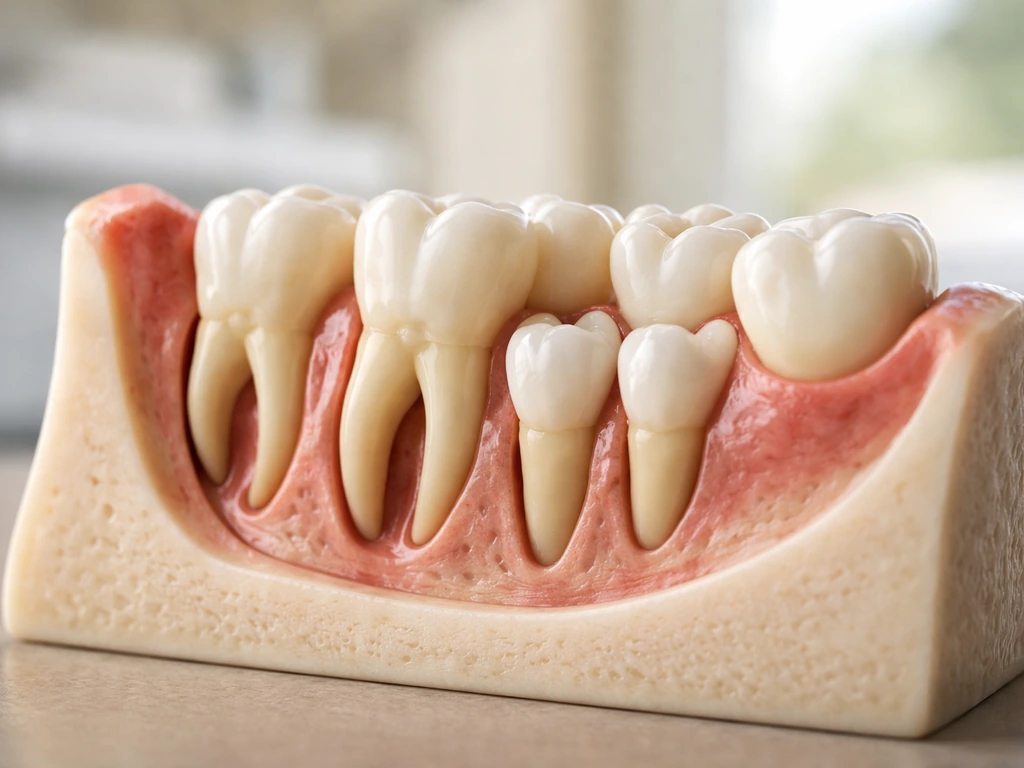
Which Teeth Grow Twice Explained by Real Timelines
Learn which teeth seem to grow twice: primary replaced by permanent, plus wisdom teeth timing and limits on regrowth
How Long Does Milk Teeth Take to Grow? Timelines
Milk teeth eruption timeline by age: first tooth, full primary set, what’s normal, and when to see a pediatric dentist.