Yes, a 13-year-old can absolutely still have permanent teeth erupting. The second molars are the most common teeth still coming in at this age, and they fall squarely within the normal 11–13 year window. So if you or your teen is noticing a tooth pushing through the gum in the back of the mouth, that is completely expected. What is not possible at 13, or any age, is a lost or damaged adult tooth growing back from scratch. Human biology does not work that way, and no supplement, oil pulling routine, or remineralization trick will change it.
Can Teeth Grow at Age 13? What to Expect and Next Steps

Marcus Holloway
18 Jun 2026
What people actually mean when they ask if teeth 'grow' at 13
The word 'grow' covers two completely different things in dentistry, and mixing them up leads to a lot of confusion and false hope. It is worth separating them clearly before going any further.
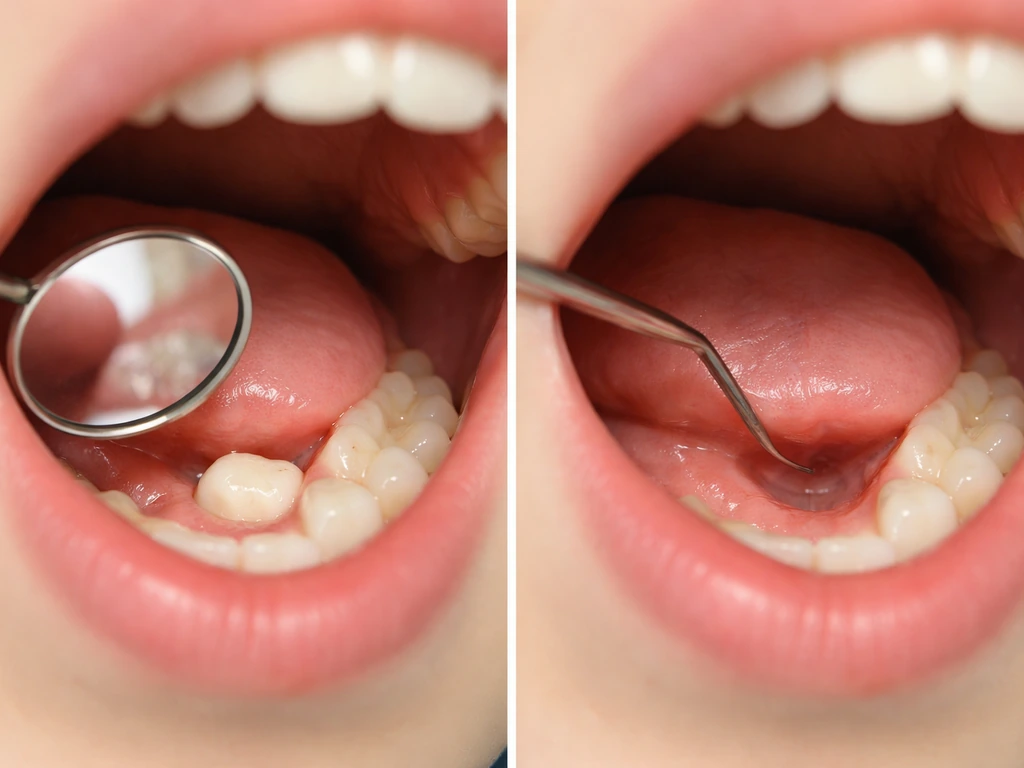
The first meaning is eruption. This is when a tooth that has been developing inside the jaw finally pushes through the gum and becomes visible. This is a normal developmental process, and it absolutely still happens at 13. The tooth was always there, forming in the bone. It just had not surfaced yet.
The second meaning is regeneration. This is the idea that a tooth or part of a tooth that was lost, knocked out, or damaged could grow back from nothing, the way a lizard regrows a tail. This does not happen in humans. Once your permanent teeth are in, losing one means it is gone for good unless a dentist steps in with a restoration or replacement.
Enamel, the hard outer layer of a tooth, cannot regenerate itself. Dentin, the layer beneath enamel, has very limited capacity for what is called 'tertiary dentin' formation as a protective response to irritation, but this is not regrowth in any meaningful sense. The pulp and nerve complex inside a tooth has no regenerative ability at all once significantly damaged or removed.
Which permanent teeth are still erupting around age 13
Most of the permanent teeth arrive between ages 6 and 12, but the timeline does extend into the early teen years for a few of them. Here is where a 13-year-old typically stands.
| Tooth | Lower Jaw Eruption | Upper Jaw Eruption |
|---|---|---|
| Central incisors | 6–7 years | 7–8 years |
| Lateral incisors | 7–8 years | 8–9 years |
| Canines (cuspids) | 9–10 years | 11–12 years |
| First premolars | 10–12 years | 10–11 years |
| Second premolars | 11–12 years | 10–12 years |
| First molars | 6–7 years | 6–7 years |
| Second molars | 11–13 years | 12–13 years |
| Third molars (wisdom teeth) | 17–21 years | 17–21 years |
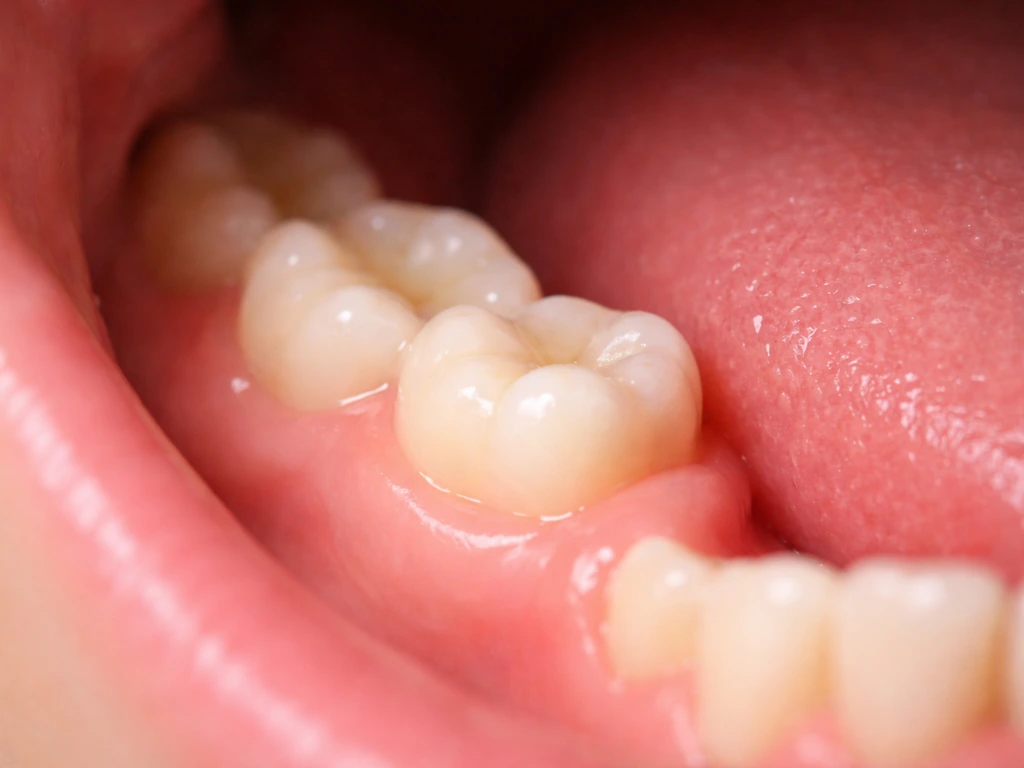
The second molars are the key teeth at age 13. According to both the Merck Manual and MedlinePlus eruption charts, upper second molars typically arrive at 12–13 years and lower second molars between 11 and 13.
Merck’s tooth eruption time table similarly places second molars in the early-teen window, with upper second molars around 12 to 13 years and lower second molars between 11 and 13 upper second molars typically arrive at 12–13 years and lower second molars between 11 and 13. If those back teeth are just starting to poke through at 13, that is right on schedule.
If you’re specifically wondering what teeth grow in at 14, your best clue is usually which permanent teeth are still erupting around that age, especially the second molars. Upper canines, which erupt around 11–12, may also still be finishing their eruption process. If you are comparing notes with the 12-year-old or 14-year-old milestones, the picture is fairly continuous: this period of early adolescence is genuinely one where several teeth are still actively moving.
Can a lost or damaged adult tooth actually grow back?
No, and this is the part of the internet that causes the most damage. There is a persistent idea that you can 'remineralize' a tooth back to health, or that certain protocols can trigger regrowth of a knocked-out tooth. Let's be direct about what the biology actually allows.
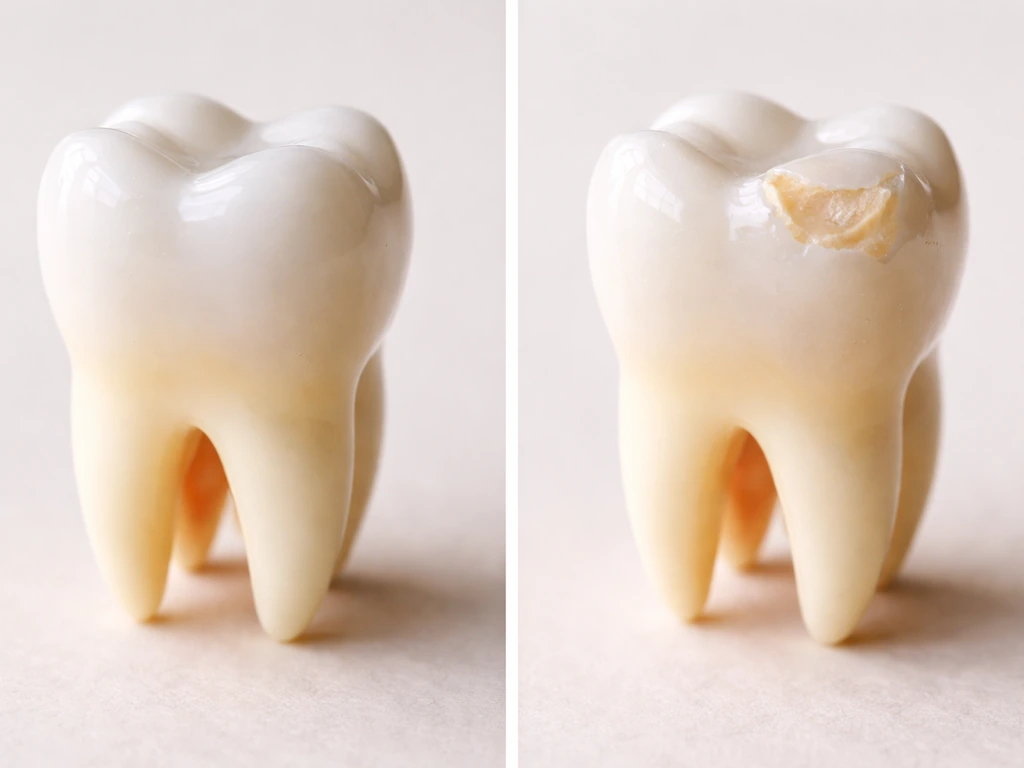
- Enamel: Cannot regenerate. It has no living cells in it once it is fully formed. Remineralization with fluoride can slow or partially reverse early-stage decay at the microscopic level, but it cannot rebuild a visible chip, crack, or cavity that has progressed past the surface. An enamel defect that existed at age 6 will not fill itself in by age 13.
- Dentin: Has very limited protective capacity. When a tooth is irritated by decay or grinding, the pulp can deposit a thin layer called tertiary or reparative dentin as a defensive move. This is not regrowth. It is more like scar tissue. It does not restore what was lost.
- Cementum: The thin layer covering tooth roots can undergo some minor repair, but this is not regeneration of a lost tooth structure.
- Pulp and nerve: Once significantly damaged, infected, or removed during a root canal, the pulp does not come back. Full stop.
- Entire tooth: If a permanent tooth is lost due to trauma, decay, or extraction, it will not regrow. A baby tooth lost too early will not cause a new permanent tooth to appear sooner.
The one partial exception worth knowing about, purely for accuracy, is that researchers are actively studying dental stem cells and tooth bud regeneration in laboratory settings. Some early-stage animal research is promising. But none of this is available as a clinical treatment today, and it is not something a 13-year-old should be waiting on instead of seeking real dental care.
Why a tooth might seem missing or 'not coming in' at 13
Parents and teens often notice a gap where a tooth should be and jump to the worst conclusion. More often than not, there is a straightforward explanation. Here are the most common reasons a tooth is not visible at 13.
- Delayed eruption: Some teeth are simply late. Clinically, a tooth is generally considered delayed if it has not surfaced within about 12 months of its expected eruption window. At 13, second molars and upper canines are the most common late arrivals.
- Impaction: A tooth is impacted when it is blocked from erupting normally, usually by crowding, an overlying baby tooth that did not fall out, or an unusual angle of development. Upper canines are the second most commonly impacted teeth after wisdom teeth.
- Hypodontia (congenitally missing teeth): Some people are simply born without certain permanent teeth. The most commonly missing are third molars (wisdom teeth), followed by upper lateral incisors and lower second premolars. A dentist can confirm this with an X-ray.
- A baby tooth is still in place: If the primary (baby) tooth is still sitting where the permanent tooth should be, it can block or delay eruption. This is more common than many parents realize in early teen years.
- Crowding: Severe crowding can push teeth off their normal eruption path or slow their emergence.
- Previous trauma or infection: A significant injury to a baby tooth or early infection in the area can disrupt the permanent tooth developing underneath.
- Ankylosis: Less common, but a tooth that partially erupted and then stopped moving may have fused to the bone. Dentists check for this because the treatment is different from standard delayed eruption.
When to wait and when to make the call to a dentist
Not every delayed tooth needs an emergency appointment. In clinical dentistry, eruption is often considered delayed if the tooth has not surfaced 12 months after the normal eruption time (or when root development is not yet advanced as expected) eruption is considered delayed if a tooth has not surfaced 12 months after the normal eruption time. But some situations genuinely should not wait. Here is a practical breakdown.
It is reasonable to wait if
- A second molar is just starting to emerge at 13 and there is no pain or swelling
- The teen is in the normal range for their overall dental development
- They already have a routine dental appointment scheduled within the next few months
- A tooth was expected at 12 and is now only a month or two past that window
Go see a dentist now if
- A tooth is more than 12 months past its expected eruption time with no sign of movement
- There is a visible gap where a tooth should be and it has been there since age 11 or 12 with no change
- There is pain, swelling, or redness over the area where a tooth should be erupting
- A baby tooth is still in place well past when it should have fallen out
- You notice asymmetry: the same tooth has erupted on one side but not the other
- There has been a recent injury to the mouth, even if it seemed minor at the time
- The teen complains of pressure or a dull ache near the back of the jaw
- You suspect a tooth may be missing entirely
Asymmetry is one of the most useful red flags here. If the upper right second molar is fully through but the upper left has no sign of movement, that is worth a dentist visit even if neither tooth is causing pain.
What a dentist actually does to evaluate this
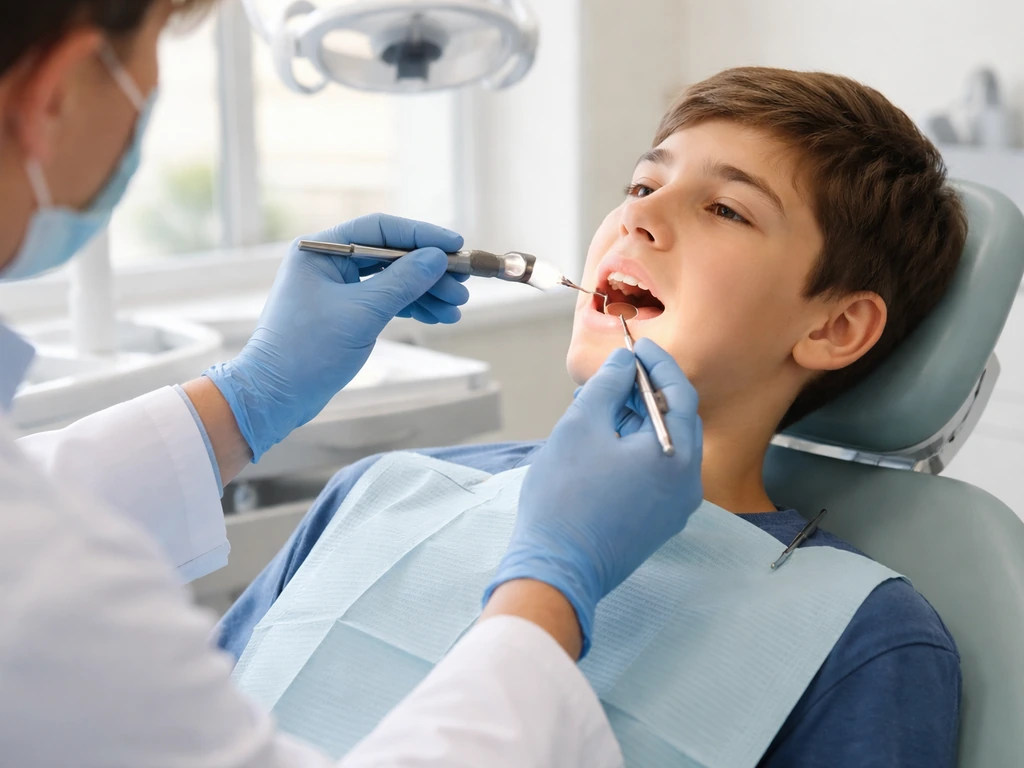
The evaluation process is straightforward and not scary. Here is what to expect when you bring a 13-year-old in for a tooth eruption concern.
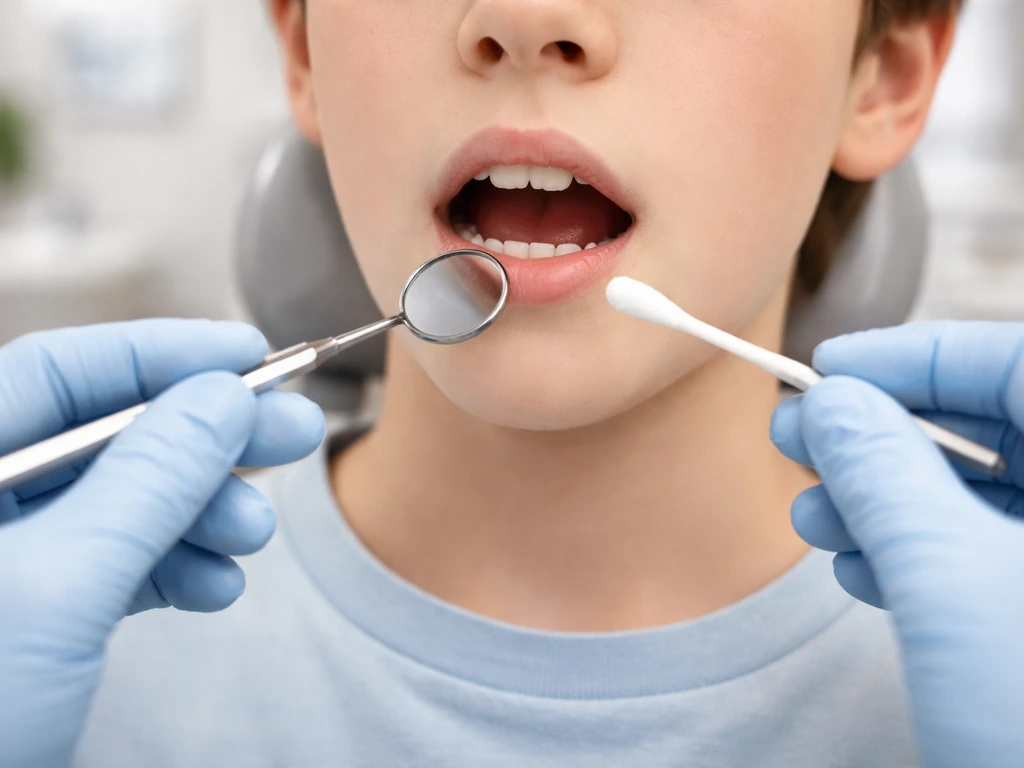
- Clinical exam: The dentist looks at the gums, checks for visible signs of eruption, feels for tooth buds under the gum tissue, and notes whether any baby teeth are still present where they should not be.
- X-rays: This is the key tool. A panoramic X-ray (the one where the machine rotates around the head) shows all the teeth in development at once, including ones still inside the jaw. The dentist can see whether a permanent tooth is present, how developed its root is, what angle it is sitting at, and whether there are any obvious obstructions. Periapical X-rays give more detailed views of individual teeth.
- Eruption status assessment: Based on the X-rays and the teen's age, the dentist determines whether the tooth is on a delayed but normal trajectory, impacted, or genuinely absent.
- Referral decision: If there is a concern about impaction, crowding, or significant delay, the dentist will typically refer to an orthodontist for a fuller evaluation. This often happens around 13 anyway as part of routine orthodontic screening.
The whole appointment usually takes 30 to 60 minutes for an initial evaluation. Getting results from X-rays is immediate. You will not leave without a clear answer about what is actually going on.
What happens after the diagnosis: treatment options
Treatment depends heavily on what the X-ray and exam actually find. Here are the main paths.
Watchful waiting
If a tooth is developing normally but just moving slowly, the dentist may recommend monitoring with follow-up appointments every 3 to 6 months. No intervention needed yet. This is actually the most common outcome for a 13-year-old whose second molar is simply late.
Removing a retained baby tooth
If a primary tooth is stubbornly holding on past its expiration date and blocking the permanent tooth beneath it, simple extraction of the baby tooth is often all it takes. The permanent tooth frequently erupts on its own within weeks to months once the path is cleared.
Space maintenance
If a tooth was lost early (due to decay or injury) and the permanent replacement has not erupted, a space maintainer keeps neighboring teeth from drifting into the gap. A similar rule applies to younger kids: most primary (baby) teeth are already in place by around age 4 and new growth of adult teeth is a different timeline. This preserves the correct path for the incoming tooth.
Orthodontic treatment
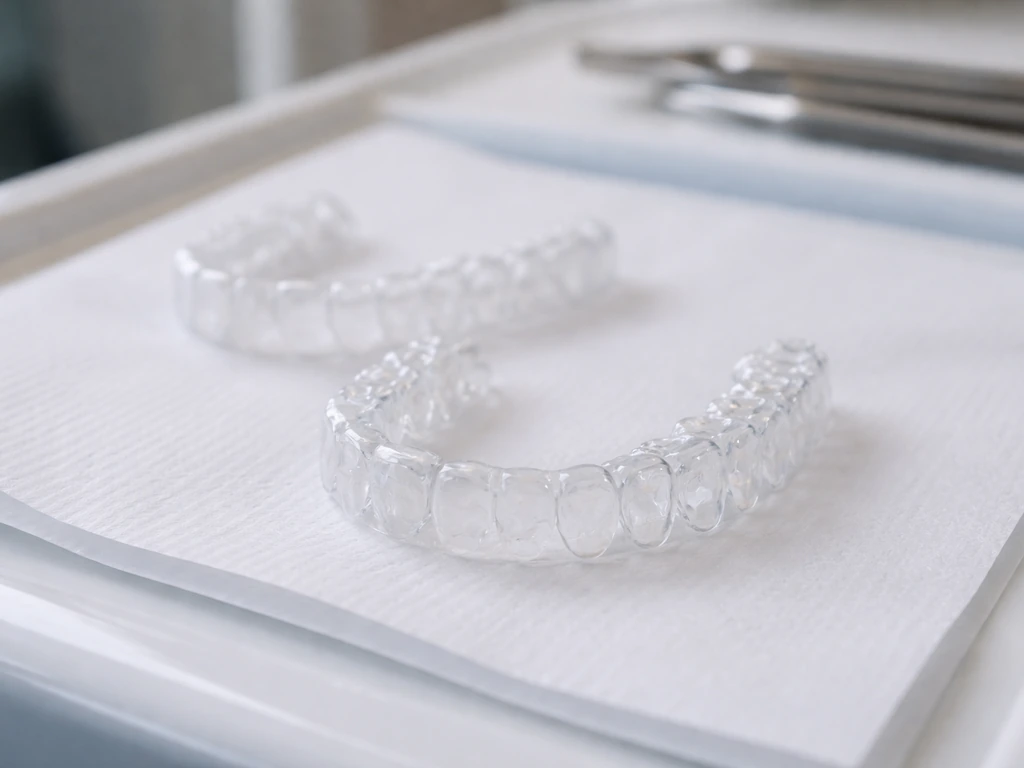
Braces or aligners are often part of the plan at 13 regardless, but they can also serve a specific purpose for eruption problems. Orthodontics can create space for a crowded tooth to erupt into, or guide a tooth that has come in at an angle. For an impacted canine, orthodontists can work with an oral surgeon: the surgeon exposes the impacted tooth through a minor procedure and attaches a bracket, then the orthodontist uses a chain to guide it into position over several months. The full process typically takes 12 to 18 months for an impacted tooth.
Replacement planning for truly missing teeth
If a permanent tooth is confirmed congenitally absent or was lost and cannot return, the conversation shifts to replacement planning. At 13, the jaw is still growing, which means a permanent implant is usually not appropriate until the mid-to-late teens or early 20s when growth is complete.
Because permanent teeth are still erupting for some people around 15, it can be normal to see new teeth come in during the mid-teen years, but it is not the same as a lost tooth growing back At 13, the jaw is still growing. In the meantime, options include a removable partial denture or a bonded bridge to hold space and appearance.
The orthodontist may also discuss whether closing the gap with braces is preferable to replacing the tooth, depending on which tooth is missing and the overall bite situation. This is a longer-term plan, but there is no urgency to rush into it at 13.
The bottom line is that 13 is not too late for normal tooth eruption, especially for second molars. For most 12-year-olds, the teeth that are still coming in are the second molars, which typically erupt around this same window. It is also not an age where you need to panic about a gap. But it is exactly the right age to get a proper evaluation if something looks off, because the earlier an eruption problem is caught, the more options are on the table and the simpler treatment usually is.
FAQ
If a permanent tooth is not visible by 13, does that always mean something is wrong?
Not always. Delayed eruption is common at this age, especially for second molars. The key is whether there is movement on one side, similar eruption timing to the other side, and what the X-ray shows. If the tooth is forming normally but just late, your dentist may recommend monitoring every 3 to 6 months instead of immediate treatment.
How can we tell the difference between a delayed eruption and an impacted tooth?
A delayed eruption usually shows gradual progress, even if slow, and the tooth is positioned in the jaw at a track that suggests it will come through. An impacted tooth tends to show no movement plus a tooth position that is tilted, high, or blocked on the X-ray. Asymmetry is a useful clue, but imaging is what makes the determination.
Is it possible to have a tooth “stuck under the gum” and then suddenly erupt later?
Yes. If the tooth is present and developing and there is no serious obstruction, it can remain covered for months and then break through as the eruption path clears and the jaw changes. Your dentist might suggest follow-up visits over time to confirm that eruption is progressing rather than stalled.
What should we do if a baby tooth is still present when a permanent tooth should be coming in?
Don’t wait indefinitely. A primary tooth that hangs on past its normal window can block the permanent tooth. A common fix is removing the baby tooth so the permanent tooth has room to erupt, and then rechecking to make sure the adult tooth is moving on schedule.
Can pain or swelling during eruption mean an emergency?
Eruption discomfort can happen, but significant swelling, fever, or rapidly worsening pain is not something to watch at home. If there is facial swelling, pus, a bad taste, or trouble opening the mouth, call the dentist promptly or seek urgent dental care, because infection needs different management than normal eruption.
Does brushing harder or using whitening products help a tooth erupt or heal faster?
No. Brushing harder can irritate gum tissue, and whitening products do not influence eruption timing. If you are trying to manage a gap or a delayed tooth, the most useful step is an exam and X-ray to confirm position and eruption potential, then follow the dentist’s plan.
What information should we ask the dentist to confirm during the visit?
Ask: which tooth is delayed, whether the tooth is present and correctly positioned, how close it is to the eruption path, and whether it appears to be blocked by a baby tooth or crowding. Also ask about the recommended follow-up interval (for monitoring) versus what would trigger orthodontic or oral surgery next.
If braces are planned at 13, will they always help with delayed eruption?
Not always, but they often can. Orthodontics can create space, correct crowding, and guide teeth that erupt at an angle. If the tooth is impacted, the orthodontic plan may include coordination with an oral surgeon for exposure and guidance into position over many months.
If an implant is not appropriate at 13, what replacement options are usually considered instead?
When a permanent tooth is truly missing or cannot return, the dentist typically discusses space-holding and appearance solutions first. Options often include a removable partial denture or a bonded bridge to maintain the space while the jaw is still growing, with definitive implant planning delayed until growth is complete.
What is the safest approach if there is a gap and we are worried the tooth will never come in?
Schedule an evaluation rather than waiting for months on your own. The most important decision comes from the X-ray, specifically whether the tooth is present and developing. If it is absent congenitally, the plan shifts to replacement timing, but if it is present and blocked, earlier action usually offers more options.
Next Articles
Do 4-Year-Olds Grow New Teeth or Grow Back Teeth?
See if do 4-year-olds grow new teeth, normal eruption vs regrowth myths, and when to see a pediatric dentist.
Can Teeth Grow at Age 15? Eruption, Enamel, and Treatment Options
Learn what can change at 15: late eruption, wisdom teeth timing, and limits on enamel and tooth regrowth, plus next step
What Teeth Grow In at 14: Molars, Incisors, Wisdom Teeth
Teeth erupting around 14: molars, incisors and wisdom teeth timing, normal signs, red flags, and limits of regrowth