Around age 13, the teeth most likely to be coming in are the second molars (sometimes called the '12-year molars') and possibly a few stragglers from the previous couple of years, like upper canines or second premolars. If you are asking what teeth grow in at 12, this is the stage when the 12-year molars (second molars) often start to show. By 13, most kids have nearly completed their permanent dentition, with the notable exception of wisdom teeth, which won't show up for several more years.
What Teeth Grow In at 13: Eruption Timeline and Red Flags

Marcus Holloway
19 Jun 2026
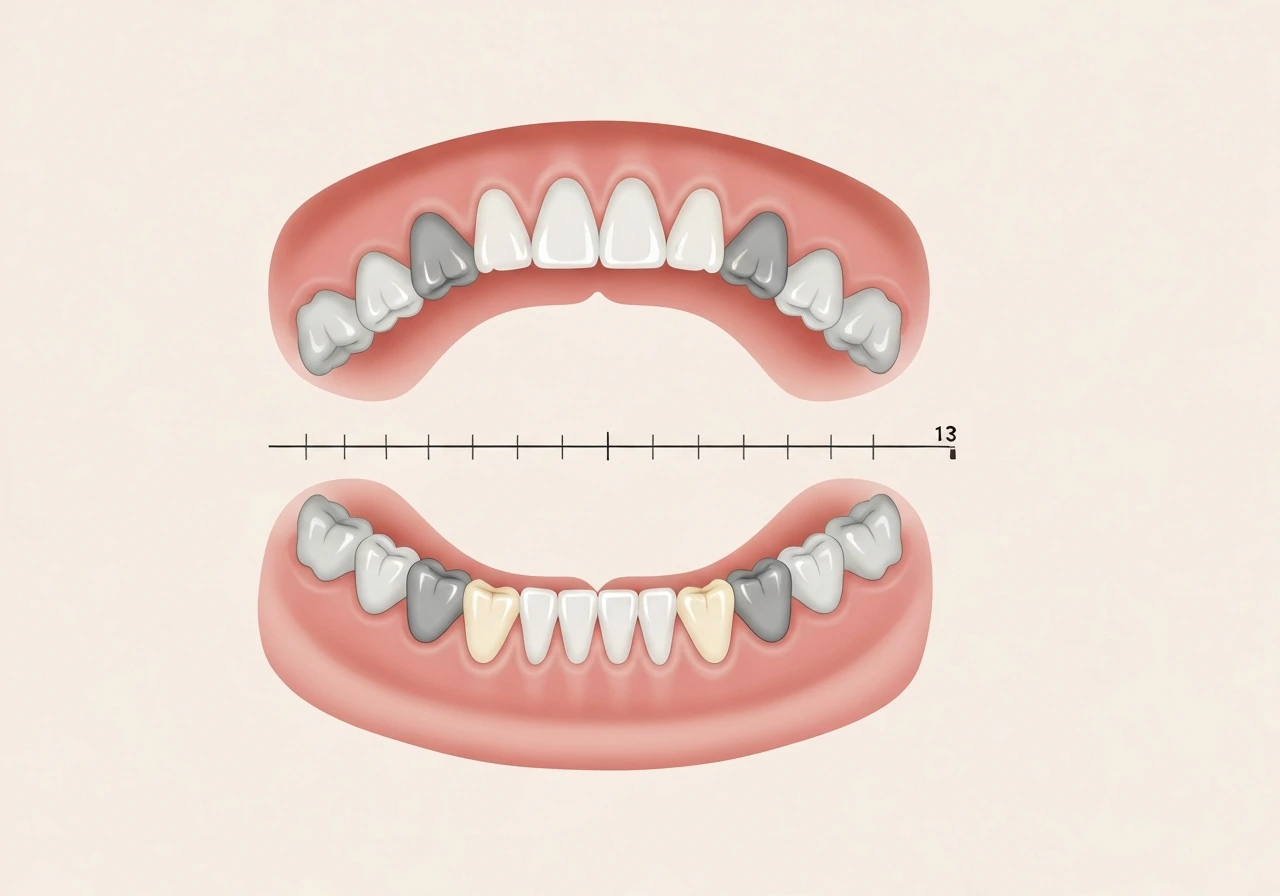
Teeth that usually erupt around age 13
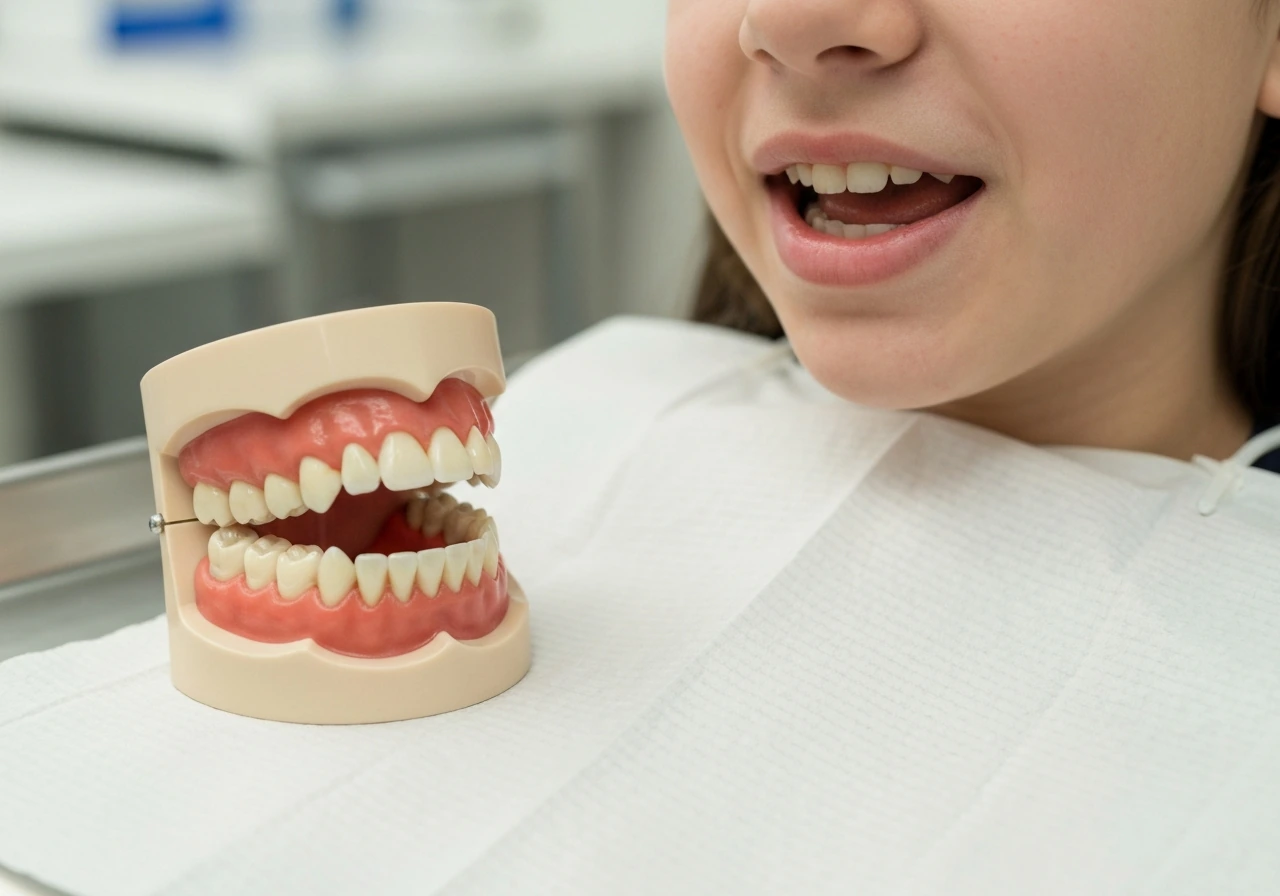
The big event at this age is the second molar. Upper second molars typically erupt around 12 to 13 years, and lower second molars usually arrive somewhere between 11 and 13 years. These are the large back teeth that sit just in front of where wisdom teeth will eventually appear, and they complete the back of the chewing surface on each side of the mouth.
A few other permanent teeth might also be finishing up their eruption around 13 if they ran a little behind schedule. Upper canines (the pointy 'eye teeth') typically come in around 11 to 12 years, and second premolars (the teeth between the canines and molars) usually arrive around 11 to 12 years as well. By age 4, children are typically still in the baby tooth stage, so missing teeth usually reflects something other than permanent tooth eruption Upper canines. If either of those weren't fully through at 12, seeing them emerge at 13 is completely reasonable. By this point, most teens should have 28 permanent teeth in place, not counting wisdom teeth.
| Tooth | Upper jaw eruption | Lower jaw eruption |
|---|---|---|
| Second molars | 12–13 years | 11–13 years |
| Upper canines | 11–12 years | 9–10 years |
| First premolars | 10–11 years | 10–12 years |
| Second premolars | 10–12 years | 11–12 years |
| First molars ('6-year molars') | 6–7 years | 6–7 years |
If you or your teen still has most of these teeth in place and chewing normally, that's the expected picture at 13. The mouth is essentially 'done' with primary development at this stage, at least until wisdom teeth decide to join the party years later.
Normal eruption timeline vs. common variations
Here's something the eruption charts don't always make obvious: the exact age on those charts is an average, not a deadline. Tooth eruption timing can vary normally by several months, typically up to 6 months before or after the usual eruption date up to 6 months before or after the typical eruption date. A tooth erupting up to about 6 months before or after the typical date is generally still within the normal range. There's also real variation between individuals based on genetics, sex (girls tend to erupt teeth slightly earlier than boys on average), nutrition, and general health. So if a second molar is just breaking through at 13 and a half, that's not automatically a red flag.
What dentists care about more than hitting an exact date is the sequence of eruption. Teeth are expected to come in roughly in a predictable order, and they usually mirror each other, meaning the second molar on the left side and the second molar on the right side should appear around the same time. If one side is noticeably behind the other, or if a tooth skipped its expected spot in the sequence, that's worth paying more attention to than a few months of delay on its own.
It's also worth noting that sibling topics like what teeth grow in at 12 and what teeth grow in at 14 cover overlapping windows because eruption doesn't follow a strict birthday schedule. At 14, you are still in the window where some of the late-erupting permanent teeth can show up, especially second molars what teeth grow in at 14. A tooth charted for '12 years' might show up anywhere from 11 to 14 in a perfectly healthy mouth.
If a tooth isn't showing: possible reasons and when it's concerning
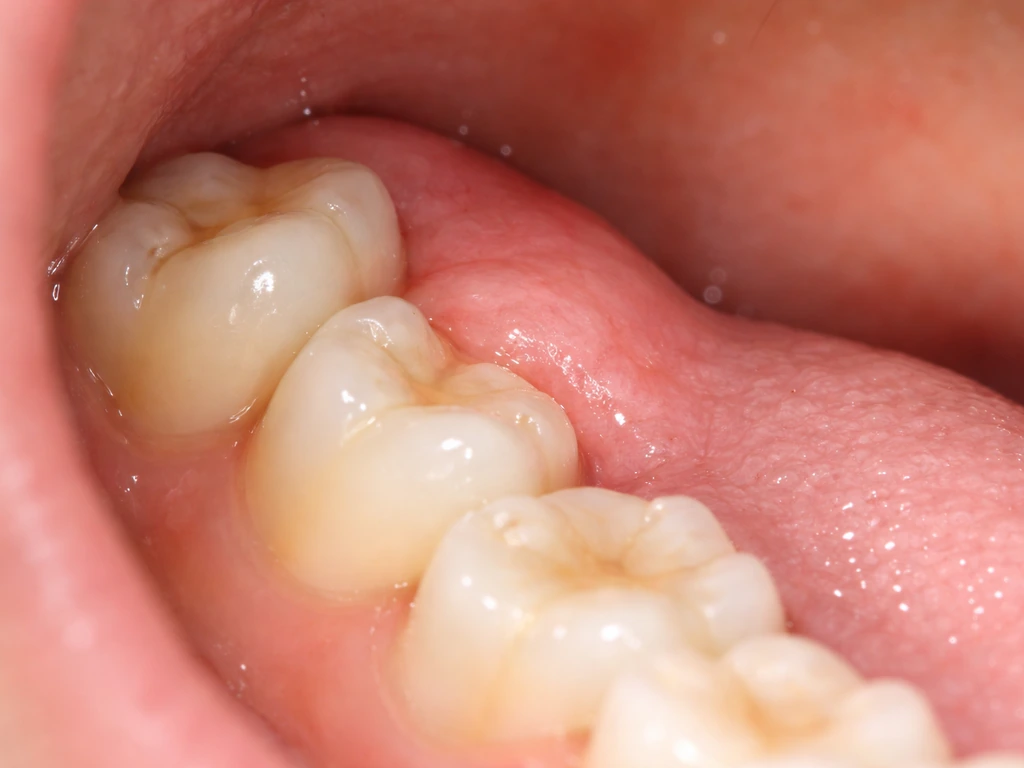
Most of the time, a tooth that's a little late is just that, a little late. But there are situations where a missing or delayed tooth deserves a closer look. Clinically, delayed eruption is generally flagged when a tooth hasn't emerged roughly 12 months past its expected window. Here are the main reasons a permanent tooth might not be showing at 13:
- Retained baby tooth: If the primary (baby) tooth is still in place and hasn't fallen out, it can physically block the permanent tooth below it from erupting.
- Impaction: The tooth is present in the jaw but blocked by adjacent teeth, bone, or other tissue and can't erupt normally. This is most talked about with wisdom teeth but can happen with canines and premolars too.
- Ankylosis: The tooth root fuses to the jawbone, stopping eruption. This is sometimes seen in teeth that suffered trauma earlier in childhood.
- Hypodontia (tooth agenesis): In some cases, the permanent tooth simply never developed. This is a congenital condition where the tooth bud doesn't form, and no permanent tooth exists to erupt.
- Primary failure of eruption (PFE): A less common condition where a tooth stops erupting for no obvious mechanical reason; diagnosis is typically made around mid-adolescence.
The signs that push this from 'wait and see' to 'call the dentist this week' include: the same tooth has erupted on the opposite side but not this one, a baby tooth is still in place well past when it should have been lost, you can feel a firm bump under the gum that isn't moving, or there's visible asymmetry in the jaw or bite. Any of these warrants an X-ray sooner rather than later.
Can teeth or enamel actually grow back?
This is one of the most common misconceptions out there, so let's be direct: no, teeth and tooth enamel cannot regenerate or grow back once they're lost or destroyed. What's happening at age 13 when a 'new tooth grows in' is eruption, not regrowth. At age 13, it's normal to see a new permanent tooth appear because of eruption, but those teeth cannot regrow once they're lost can teeth grow at age 13. The permanent tooth was already there, fully formed inside the jawbone, and it's simply moving up into the mouth. That's a completely different process from regeneration.
Enamel is the hardest substance in the human body, but it has a critical limitation: the cells that build enamel (called ameloblasts) are shed once the tooth finishes forming. After that, there are no cells left capable of producing new enamel. A cavity, a chip, or acid erosion that destroys enamel cannot be repaired by the body. Fluoride and remineralization can help restore very early, microscopic mineral loss at the surface, but that's not the same as regrowing enamel bulk. Once a cavity breaks through enamel, a dentist needs to fill it.
The same goes for entire teeth. Humans are diphyodonts, meaning we get exactly two sets of teeth: baby teeth and permanent teeth. Once the permanent tooth is gone, there is no biological backup. Researchers are actively studying ways to engineer new teeth or repair enamel using gel-based therapies, but none of these are available as standard clinical treatments yet. So if someone tells you a pulled permanent tooth will grow back, or that a certain product regrows enamel, that's not supported by dental science.
What a dentist will check and what to expect
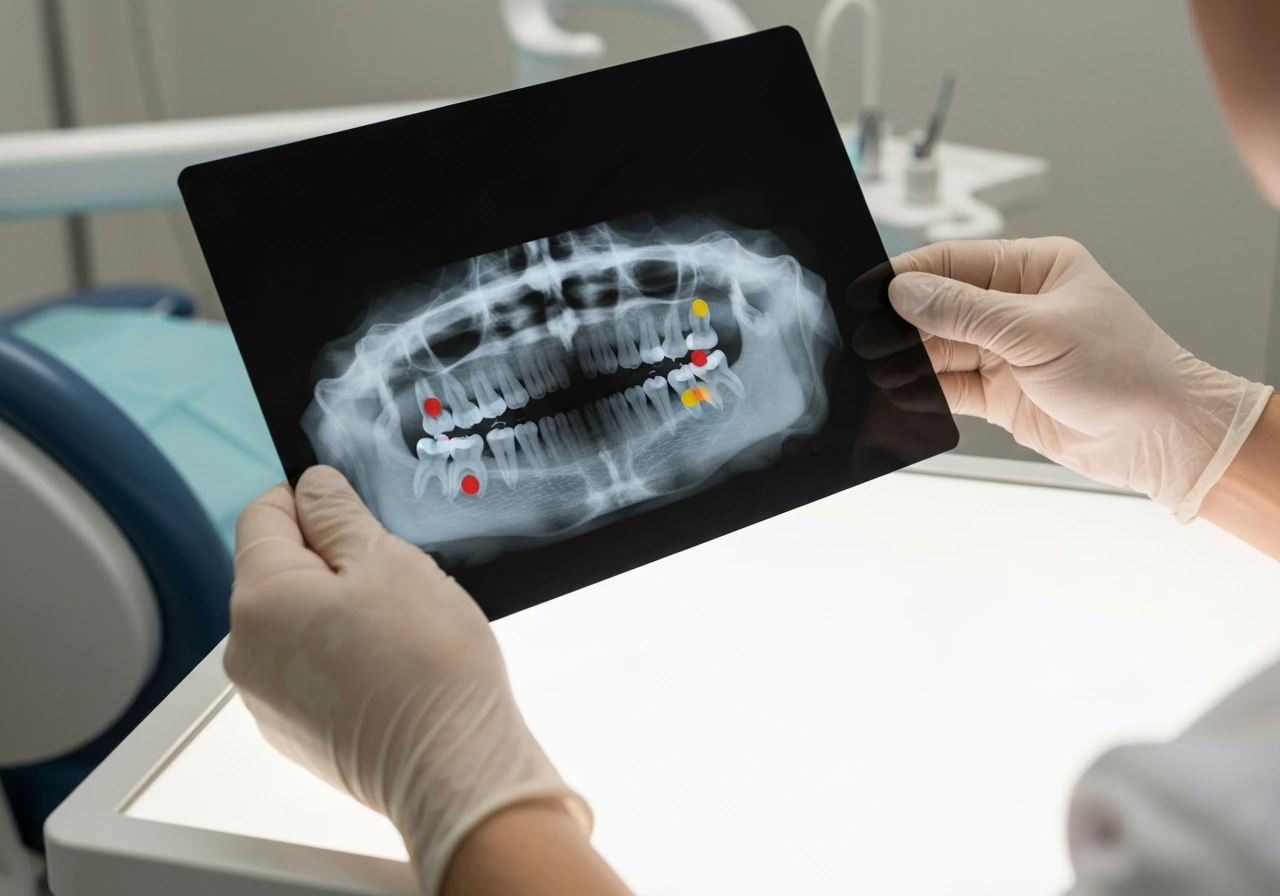
If you bring a 13-year-old in because a tooth seems missing or late, the dentist's first move is almost always a panoramic X-ray (also called an OPG or PAN). This wide-field X-ray captures the entire mouth in one image, showing all teeth that are present, including those still inside the bone, their positions, root development, and any obvious obstructions. It's the single most useful tool for figuring out what's going on with a delayed or missing tooth.
The dentist or orthodontist will be looking for several things: whether the tooth bud exists at all (ruling out hypodontia), whether the tooth is impacted and at what angle, whether there's a retained baby tooth blocking the path, and whether the roots of surrounding teeth are being affected. From there, the options vary quite a bit depending on what they find.
Possible outcomes after the exam include: monitoring with periodic X-rays if the tooth is just slightly delayed, extracting a retained baby tooth to clear the path, orthodontic treatment to open space and guide an impacted tooth into position, surgical exposure of an impacted tooth followed by bracket placement to pull it into the arch, or, in the case of a congenitally missing tooth, planning for a long-term solution like a space maintainer now and an implant or bridge later in adulthood. Age 13 is actually a very good time to catch any of these issues because the jaw is still growing and orthodontic guidance is most effective.
What comes next after 13: the road to a complete adult mouth
After the second molars finish coming in, the mouth enters a relatively quiet phase. Most teens at 14 and 15 are simply maintaining what they have, which means brushing, flossing, and keeping up with dental checkups to catch any cavities or alignment issues early. At 15, you typically cannot grow new permanent teeth, but late eruption and missing teeth still need a dentist to check what is actually going on 14 and 15.
The next major eruption event is wisdom teeth, also called third molars. These typically begin erupting somewhere between 17 and 21 years of age, though the timing is highly variable. Some people see them emerge at 17; others don't see any sign of eruption until their early 20s. Research shows gingival emergence (breaking through the gum line) tends to happen around 17 to 22 years in women and slightly later in men, with root development not completing until around age 20 to 21. At 13, wisdom tooth crowns are usually still forming inside the jaw and won't be visible on a standard exam, though they'll start showing up on panoramic X-rays taken in the mid-teen years.
Not everyone has four wisdom teeth, and not everyone who has them will need them removed. But many do require extraction because the jaw doesn't have room for them, they erupt at an angle, or they become impacted. A dentist will typically start monitoring wisdom tooth development with X-rays around age 16 to 18 and discuss whether intervention is needed.
To sum it up practically: at 13, the second molars are the main teeth to expect, the full adult set of 28 teeth (minus wisdom teeth) should be mostly in place, eruption variation of several months in either direction is normal, and teeth cannot regrow once lost. If anything seems off, especially asymmetric eruption or a tooth that should have appeared but hasn't, a panoramic X-ray is the right next step and the earlier you catch these issues, the more options are available.
FAQ
If my 13-year-old doesn’t have all four second molars yet, should I worry right away?
Not necessarily. Second molars commonly arrive anywhere within the 11 to 13 age range, and the normal window can stretch several months. The key is whether there is an eruption on the opposite side, whether other permanent teeth are coming in on schedule, and whether the delay is closer to a full year past the expected window.
How can we tell the difference between a tooth that is just late versus one that is impacted?
At home, you usually cannot confirm impaction without imaging. Clinically, repeated signs like a firm gum bump that does not change over time, a clear asymmetry between left and right, or a baby tooth staying in place long past expected loss are the practical clues that prompt a dental check and often a panoramic X-ray.
Does the order of eruption matter more than the exact timing for teeth at 13?
Yes. Dentists focus on whether the eruption sequence is roughly following the expected pattern (and mirroring left and right), not just the calendar age. A tooth appearing a bit late can be normal, but a tooth skipping its expected position in the order is a stronger reason to investigate.
If only one side has erupted a second molar, what’s the recommended next step?
Schedule a dental exam and ask whether they recommend a panoramic X-ray to check if the other tooth bud exists and whether there is an obstruction or impact angle. Side-to-side differences matter most when the delayed side is clearly behind and not improving over several months.
Could a tooth be missing at 13 because it never formed (hypodontia), or is it more likely to be hidden?
Both are possible. A panoramic X-ray helps determine whether the tooth bud is present (suggesting it may be delayed or impacted) or absent (suggesting congenital missing tooth). That distinction changes the plan, because guidance for an impacted tooth is different from planning for a long-term replacement.
My teen’s bite looks off, but we’re mainly concerned about eruption. Should we treat it as an orthodontic issue now?
It can be worth discussing with an orthodontist, especially if the bite asymmetry is tied to a specific missing or delayed tooth. At 13, the jaw is still growing, so options like space opening and guided eruption can be more effective than waiting until later adolescence.
Are home remedies or special gels able to make a delayed permanent tooth come in sooner?
No. Once enamel is formed, it cannot be regenerated, and tooth eruption is driven by the tooth moving up through bone and gum as it develops. You can reduce inflammation and protect existing teeth with good brushing and flossing, but you cannot force eruption with gels.
If a tooth looks like it’s under the gum, how long should we “watch and wait” before contacting the dentist?
A common clinical rule is to consider delayed eruption when the tooth has not emerged roughly a year beyond its expected window. If you see a persistent bump, significant asymmetry, or a baby tooth that will not come out, it is reasonable to call sooner rather than waiting for the full year.
What should we expect at the dental visit for a “missing tooth” at 13?
Often the first step is a panoramic X-ray (OPG/PAN) to view the entire mouth in one image. The dentist then checks for a present tooth bud, impaction angle, retained baby tooth blocking the path, and whether neighboring roots are being affected, which determines whether monitoring, extraction, orthodontic guidance, or surgical exposure is the best route.
If a permanent tooth was extracted earlier, will a new permanent tooth grow in later?
Usually no. Humans have only two sets of teeth, baby and permanent. When a permanent tooth is lost after it is formed, there is typically no biological replacement, so the long-term approach often involves orthodontic space management now and a restorative plan later (like options discussed for implants or bridges).
When should we start thinking about wisdom teeth if the child is 13?
Wisdom tooth crowns are often still developing at 13 and typically are not visible on a routine exam, but they may start showing on panoramic images taken in the mid-teen years. Many dentists begin monitoring around 16 to 18, earlier if there is pain, recurrent swelling, or signs they are already pushing against nearby teeth.
Next Articles
Can Teeth Grow at Age 13? What to Expect and Next Steps
Can teeth grow at 13? Know if permanent teeth may erupt, what cannot regrow, red flags, and next steps.
Do 4-Year-Olds Grow New Teeth or Grow Back Teeth?
See if do 4-year-olds grow new teeth, normal eruption vs regrowth myths, and when to see a pediatric dentist.
Can Teeth Grow at Age 15? Eruption, Enamel, and Treatment Options
Learn what can change at 15: late eruption, wisdom teeth timing, and limits on enamel and tooth regrowth, plus next step