Yes, teeth can still 'grow' at age 15, but it depends heavily on what you mean by grow. New teeth can still erupt, roots of permanent teeth may still be finishing their development, and wisdom teeth are often just getting started. What cannot happen at 15 (or at any age, frankly) is a damaged or lost adult tooth regrowing on its own. That part is a myth. If you felt something new pushing through your gum, that is real and worth paying attention to. If you are hoping a chipped or knocked-out permanent tooth will grow back, it will not. Let's break down exactly what is and is not happening at 15.
Can Teeth Grow at Age 15? Eruption, Enamel, and Treatment Options

Marcus Holloway
1 Jun 2026
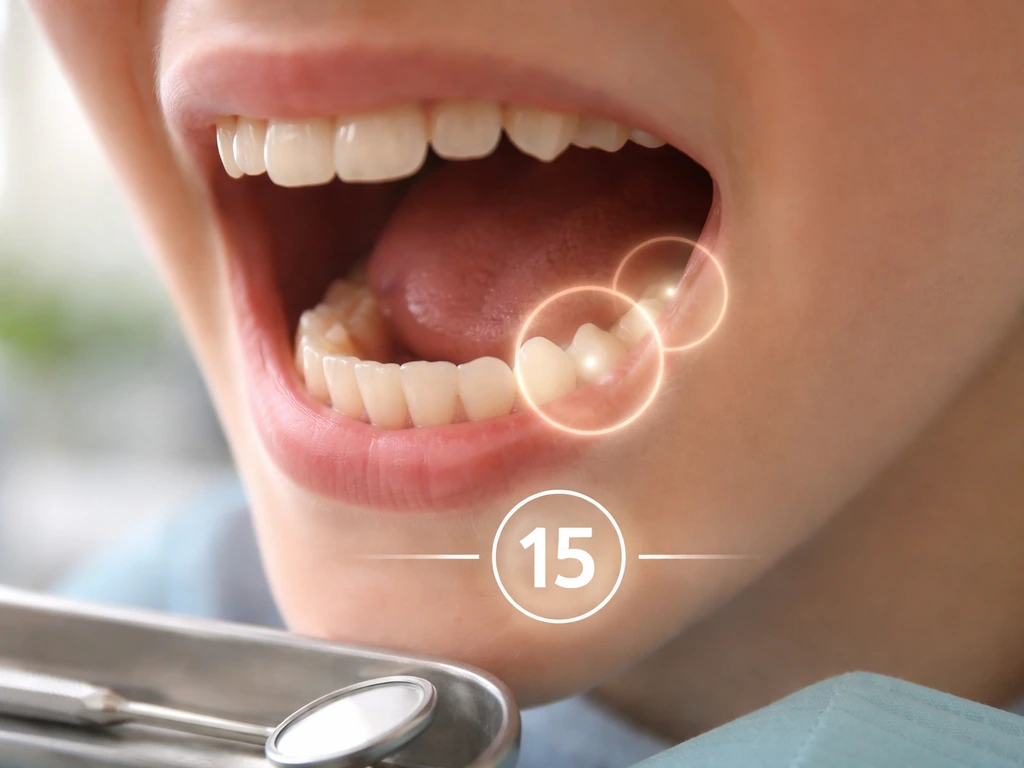
What 'grow' actually means when it comes to teeth
People use the word 'grow' to mean very different things, and mixing those meanings up leads to a lot of confusion and false hope. There are really three distinct scenarios worth separating out.
- Eruption: a tooth that was forming in the jaw pushing through the gum and becoming visible. This is absolutely possible at 15, especially for wisdom teeth and any delayed permanent teeth.
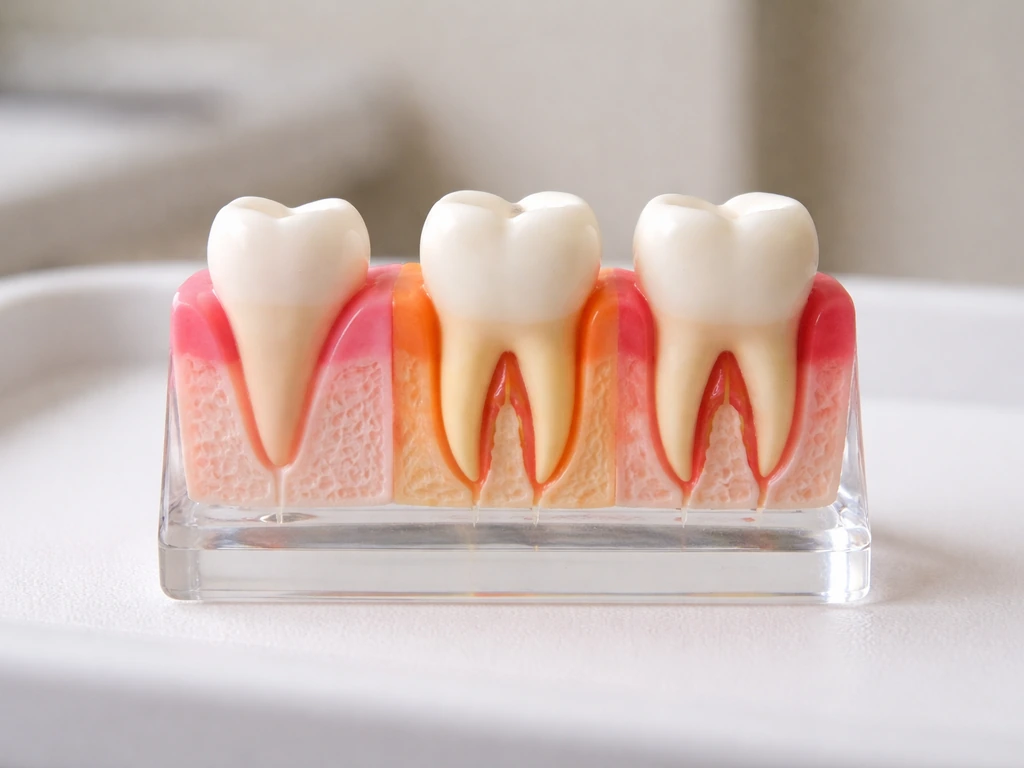
- Root completion: a tooth that has already broken through the gum but whose root is still lengthening and anchoring into the jawbone. Roots of permanent teeth can take two to three years to fully form after the crown appears.
- Regrowth or regeneration: a tooth structure (enamel, dentin, the whole tooth) rebuilding itself after damage or loss. This does not happen in adult human teeth. Not at 15, not at 45, not ever without clinical intervention.
When someone says 'I think a new tooth is growing in at 15,' they almost always mean eruption, which is a completely normal biological event at that age. When someone says 'my enamel is wearing down, can it grow back?' that is regeneration territory, and the answer is unfortunately no. Keeping these categories straight will help you figure out what is actually going on in your mouth.
Where tooth development actually stands at age 15
By 15, most of your permanent teeth are already in. The central incisors, lateral incisors, canines, and premolars typically erupt between ages 6 and 13. At 13, you are often in the same eruption period as your incisors, canines, and premolars what teeth come in at 13. The second molars, the large back teeth on either side of your jaw, usually come through blank" rel="noopener noreferrer">between ages 11 and 13, though some people run a bit late.
By age 12, most people are focused on eruption of late mixed-dentition teeth and any molars or canines that are still coming in between ages 11 and 13. If you are 15 and your second molars are still coming in or feel like they are not fully settled, that is on the later end of normal but not alarming.
The bigger milestone looming at 15 is wisdom teeth. Third molars typically begin erupting somewhere between ages 17 and 25, but the process starts earlier than most people realize. Wisdom teeth, or third molars, usually appear between ages 17 and 21 [third molars (wisdom teeth) usually appear between ages 17 and 21](https://www. ada.
org/sitecore/content/ADA-Organization/ADA/MouthHealthy/home/all-topics-a-z/wisdom-teeth). Dental screenings for impacted wisdom teeth often begin between ages 15 and 17, because that is when X-rays can first show how (and whether) wisdom teeth are developing inside the bone.
Some people start feeling pressure or mild discomfort from wisdom teeth as early as 15 or 16, even if nothing has broken through the gum yet. So if you feel something going on way in the back of your mouth, wisdom teeth are a very reasonable explanation.
A quick look at typical eruption timing

| Tooth Type | Typical Eruption Age | Still Possible at 15? |
|---|---|---|
| Canines (upper) | 11–12 years | Late cases, yes |
| Second premolars | 10–12 years | Rarely, in delayed cases |
| Second molars (lower) | 11–13 years | Yes, on the later end |
| Second molars (upper) | 12–13 years | Yes, possible |
| Third molars (wisdom teeth) | 17–25 years | Early development and pressure, yes |
It is worth noting that just because eruption timelines exist does not mean everyone follows them precisely. Genetics, jaw size, and general development pace all influence when teeth arrive. Ages 13 through 15 are a window where the site's related topics on what teeth come in at 13 and 14 are directly relevant, since some of those same teeth may still be finishing up at 15. Since ages 13 through 15 overlap with typical eruption patterns, you can also look at what teeth come in at 14 to understand what might still be finishing up.
Enamel and gum tissue: what the body can and cannot do
This is where a lot of internet misinformation does real damage, so let's be direct. Enamel, the hard outer layer of your teeth, cannot regenerate. The cells that produce enamel (called ameloblasts) die off once a tooth finishes forming. Once enamel wears down or chips away, your body has no mechanism to replace it. Fluoride treatments and remineralizing toothpastes can strengthen existing enamel and help repair early microscopic damage (called demineralization), but they are not regrowing enamel from scratch. If someone tells you a supplement or oil will regrow your enamel, that is false.
Dentin, the layer beneath enamel, is a slightly different story. The pulp (the living tissue inside the tooth) can produce a small amount of secondary or reparative dentin in response to slow-advancing decay or mild irritation. This is not regrowth in any meaningful sense, it is more like scar tissue, and it has real limits. It cannot repair a cavity that has already broken through enamel.
Gum tissue and jawbone are more nuanced. Gums can heal from minor trauma or inflammation when the cause is removed (like improving brushing habits). But gum tissue that has receded significantly due to gum disease does not simply grow back on its own. The same applies to jawbone lost to periodontal disease. Dentists and periodontists have clinical techniques (grafting procedures, bone regeneration materials) that can help, but these are treatments, not natural regrowth. At 15, severe gum disease is uncommon but not impossible, especially if oral hygiene has been neglected for years.
Situations where real changes still happen at 15
Even though regeneration is off the table, there are several legitimate reasons a 15-year-old might notice tooth-related changes or feel something 'growing.'
- Delayed permanent tooth eruption: if a baby tooth was lost early due to decay or trauma, the permanent tooth below may have shifted or been blocked and could be erupting later than typical. An orthodontist or dentist can identify this with X-rays.
- Wisdom teeth beginning to develop: even if nothing has broken through, the pressure from wisdom teeth moving toward the surface can be noticeable in the mid-teens.
- Orthodontic treatment effects: braces or aligners actively move teeth through the bone, which involves genuine bone remodeling around tooth roots. Teeth that were not visible before may become visible as alignment changes.
- Impacted teeth: a tooth that is blocked from erupting normally (by another tooth, bone, or extra tissue) can cause pain, swelling, or a lump in the gum. This is common with wisdom teeth but can also happen with canines in younger teens.
- Supernumerary (extra) teeth: rare, but some people have extra teeth that develop and try to erupt. These are usually identified by X-ray and need to be monitored or removed.
- Missing permanent teeth (hypodontia): if a permanent tooth never formed, the baby tooth may still be in place at 15. Eventually that baby tooth will fail, and the space will need to be managed with orthodontics, an implant (usually not placed until growth stops), or a bridge.
Your practical next steps: exam, X-rays, and real treatment options
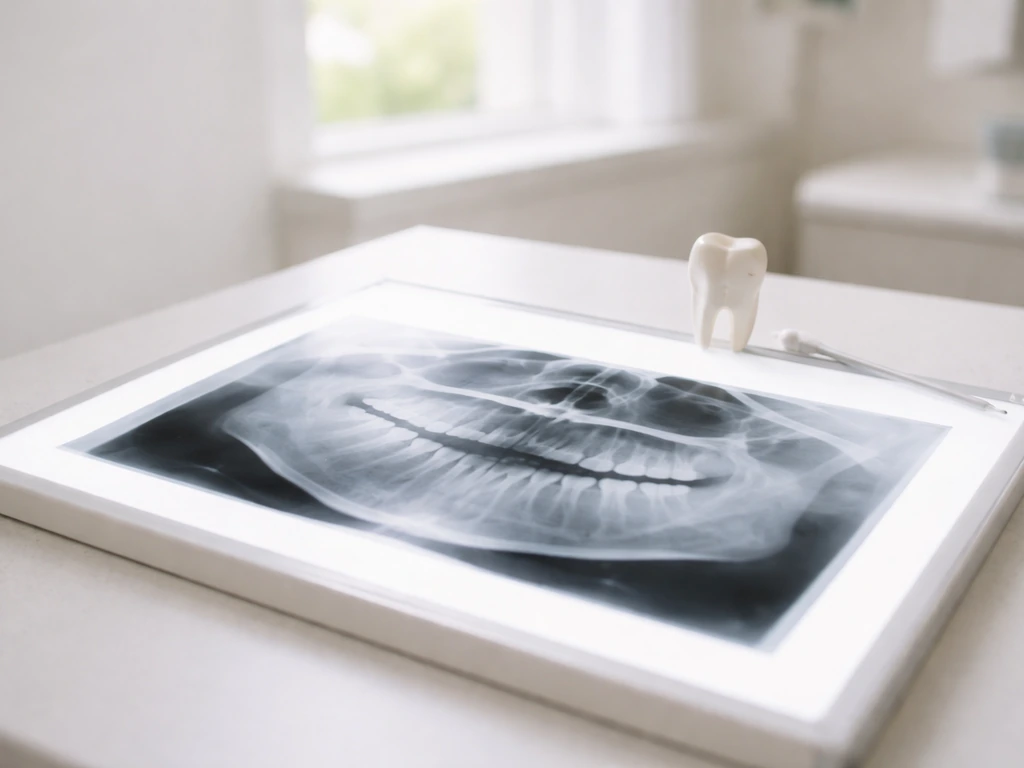
If you are 15 and wondering what is going on with your teeth, the single most useful thing you can do is book a dental appointment. A clinical exam combined with a panoramic X-ray (which shows all teeth, roots, and developing wisdom teeth in one image) gives a complete picture that no amount of self-inspection can match. This is also the standard starting point for wisdom tooth screening in mid-adolescence. For younger kids, parents often ask whether do 4 year olds grow teeth, and the timing is usually different from what happens in the teenage years.
Here is what different scenarios actually look like from a treatment standpoint at 15:
| Situation | What the Dentist/Specialist Does | Timeline |
|---|---|---|
| Delayed eruption or impacted tooth | X-ray assessment, possible orthodontic exposure and guidance | Months to a couple of years |
| Wisdom teeth developing | Monitoring with X-rays every 1–2 years, extraction if impaction risk is confirmed | Late teens onward |
| Chipped or worn enamel | Bonding, composite resin, crown, or veneer depending on severity | One to a few appointments |
| Missing permanent tooth (hypodontia) | Space maintenance with orthodontics now; implant after growth stops (usually 18+) | Multi-year plan |
| Gum recession or early gum disease | Deep cleaning, improved hygiene protocol, possible gum graft if severe | Varies by severity |
| Cavities advancing into dentin | Filling, or crown if damage is extensive | One to two appointments |
Dental implants for missing teeth are generally not placed until jaw growth is complete, which is typically around 17 to 18 for girls and a little later for boys. Until then, orthodontic space maintenance is the go-to strategy. If you are 15 and missing a permanent tooth, that is not an emergency, but it does need a plan sooner rather than later.
Myths to drop and warning signs to take seriously
A few myths circulate online that are worth putting to rest directly. Teeth do not regrow at any age in humans. There are no supplements, oils, or dietary changes that will cause a tooth to regenerate. Remineralization products are real but limited to early, pre-cavity enamel weakening, not structural tooth loss. Stem cell and gene-therapy approaches to tooth regeneration are being researched but are not available as treatments today. Anyone selling a product claiming to regrow teeth is selling something that does not work.
That said, the fact that teeth cannot regrow does not mean you are powerless. Prevention and early intervention at 15 are incredibly effective. Fluoride, sealants, consistent brushing and flossing, and regular dental checkups can preserve the teeth you have for decades. The window between about 12 and 18 is actually a critical one for establishing habits that prevent the kind of damage that cannot be reversed later.
When to seek care urgently (do not wait on these)
- Swelling in the jaw or gum that is growing, warm to the touch, or accompanied by fever: this could indicate an abscess or infection and needs same-day or emergency dental care.
- Severe tooth pain that is constant rather than occasional: could mean nerve involvement, which worsens quickly without treatment.
- A tooth knocked out by trauma: replant it or store it in milk and get to a dentist within 30 to 60 minutes for the best chance of saving it.
- A visible lump or hard bump in the gum that is not going down: could be a cyst, impacted tooth, or in very rare cases something more serious.
- Numbness or tingling in the jaw or lip after dental pain: can signal nerve pressure from an impacted tooth or other issue requiring prompt imaging.
- Loose permanent teeth without obvious trauma: at 15, permanent teeth should not be loose unless there is significant gum disease, bone loss, or injury.
If none of those apply and you are simply curious about something new you noticed, a routine appointment is fine. But do not put off any of the red flags above. Dental infections in particular can escalate faster than people expect, and they do not resolve on their own. At 15, you have a lot of dental health ahead of you, and catching problems early almost always means simpler, less expensive treatment and better long-term outcomes.
FAQ
If I feel a new bump or pressure at age 15, does that mean my tooth is erupting or something is infected?
Most of the time, at 15 a “new tooth” feeling is either an eruption event (often wisdom teeth beginning under the gum) or inflammation from irritation in that area. If the change is in the very back of your mouth, pain, swelling, bad taste, or a partially covered gum flap are more consistent with an erupting or impacted wisdom tooth than with anything “growing back.”
Is a regular exam enough, or should I ask for an X-ray if I think something is coming in at 15?
A panoramic X-ray is especially helpful at 15 because it shows the positions of developing second molars and whether wisdom teeth are present, angled, or impacted, even before they fully break through. If symptoms are localized or severe, your dentist may add a bitewing or targeted film to check for cavities between teeth or around a tooth margin.
What should I do if a permanent tooth was chipped or knocked out, and I’m 15?
If a permanent tooth is knocked out or otherwise lost, the key factor is whether it can be replanted or replaced quickly after the injury. At 15, you still cannot rely on “natural regrowth,” so the next step is urgent dental or emergency care for trauma evaluation, then a longer-term plan like orthodontic space management while growth continues.
Can fluoride or remineralizing toothpaste make damaged enamel stronger at 15, and when is it too late?
Yes, enamel can’t be truly “regrown,” but you can still reverse early surface damage. If you still have white spot lesions or early demineralization, fluoride and professional help can harden the surface and stop progression. Once a cavity breaks through or you have a hole or repeated sharp pain, the issue is structural and usually needs restorative treatment.
If my gums seem to be pulling back at 15, will they grow back if I brush better?
Gum recession that is mild might improve slightly when inflammation is controlled, but significant recession from gum disease typically does not regrow on its own. If you see longer-looking teeth, bleeding when brushing, or persistent sensitivity at the roots, a periodontist can determine whether grafting or other treatments are needed.
If I get sensitivity or a “soft spot,” can my tooth form new dentin at 15 to fix it?
Secondary dentin is limited and not the same as repairing a cavity. If a cavity has already formed (especially one seen on an X-ray), you generally need a filling or another restorative option. If sensitivity is your only symptom, it’s still important to get checked because the cause can include early decay, cracked tooth, or gum exposure.
My second molars feel like they are coming in slowly at 15, is that normal or could something be blocking them?
If your second molars or other permanent teeth feel “not settled,” it can be late eruption within normal variation, but it can also reflect crowding, gum overgrowth, or an erupting tooth that is partially blocked. If you notice worsening pain, swelling, food trapping in the area, or gum tissue covering the tooth like a flap, ask for an exam.
When should tooth-related symptoms at 15 be treated as urgent rather than “watch and see”?
There are a few practical red flags where you should not wait for a routine checkup: facial swelling, fever, pus or a bad taste, severe or worsening tooth pain, rapidly spreading gum swelling, and pain that wakes you from sleep. Dental infections can progress quickly, so same-day or next-day evaluation is safer.
If I’m missing a permanent tooth at 15, what are my options while I’m still growing?
If you lose a permanent tooth at 15, implant timing usually waits until jaw growth is mostly complete, commonly in the late teen years. Your dentist may recommend maintaining space with orthodontic approaches to prevent the neighboring teeth from drifting, which can reduce the need for more complex correction later.
How can I tell if an online product claiming to regrow teeth is a scam?
Be cautious with any product claim that uses phrases like “regrow enamel,” “reverse cavities,” or “make teeth grow back.” Even when products are legitimate for sensitivity or early mineral support, they cannot replace lost tooth structure. If a seller promises full tooth regeneration, it’s very likely not evidence-based.
Next Articles
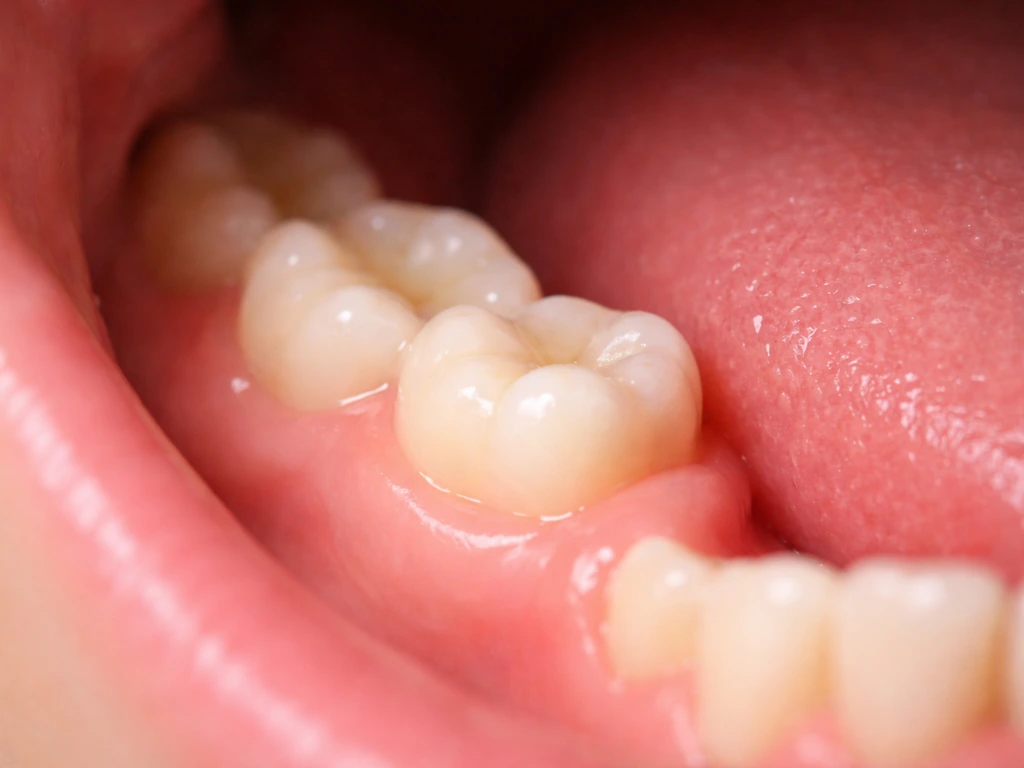
What Teeth Grow In at 14: Molars, Incisors, Wisdom Teeth
Teeth erupting around 14: molars, incisors and wisdom teeth timing, normal signs, red flags, and limits of regrowth

What Teeth Grow In at 12: Timing, Signs, and Next Steps
Teeth eruption at 12: which permanent teeth come in, signs it is on track, and what cannot regrow vs options
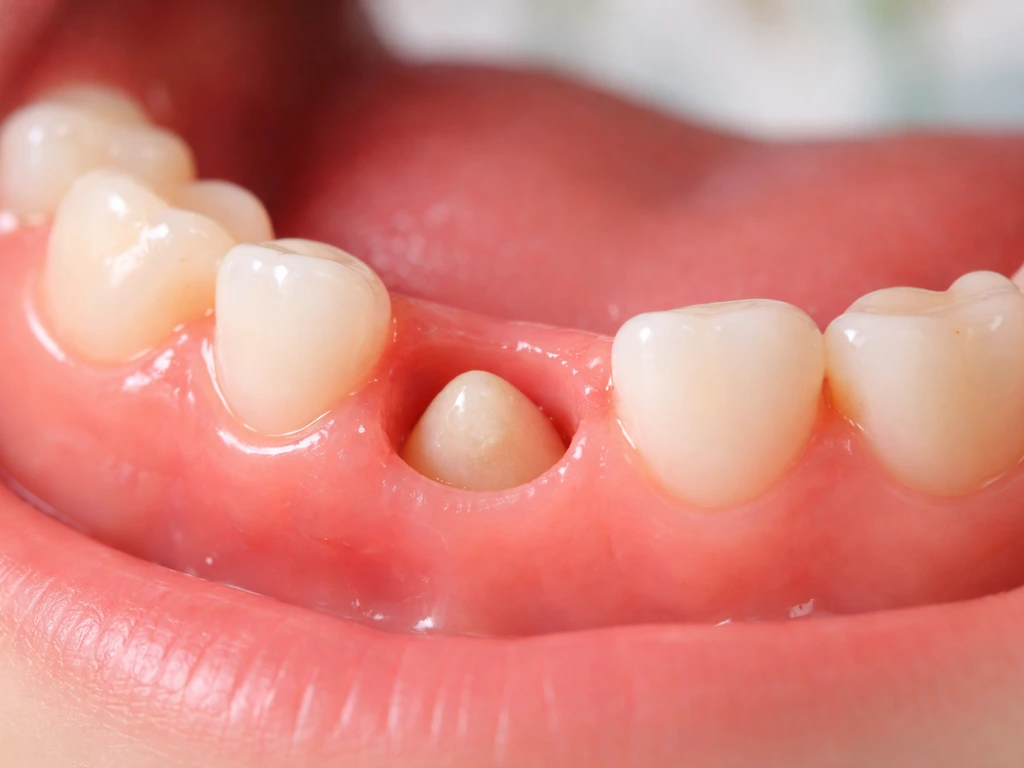
Do Milk Teeth Grow Back? Timelines, What to Do, Red Flags
Learn if milk teeth regrow, typical timelines for permanent teeth, what to do after loss or injury, and red flags.