Yes, 4-year-olds can still grow new teeth, but it's not quite what most parents picture. At this age, "growing teeth" means the last of the primary (baby) teeth are finishing their eruption, not that brand-new permanent teeth are popping through. By age 4, most kids have a full set of 20 baby teeth or are very close to it. What you're watching for at this stage is whether all those baby teeth have come in on schedule and whether everything looks healthy before the big shift to permanent teeth begins around age 6. True tooth regrowth, meaning a lost or damaged tooth regrowing on its own, is not biologically possible for humans at any age. That distinction matters a lot, and this guide will walk you through all of it.
Do 4-Year-Olds Grow New Teeth or Grow Back Teeth?

Marcus Holloway
10 Jun 2026
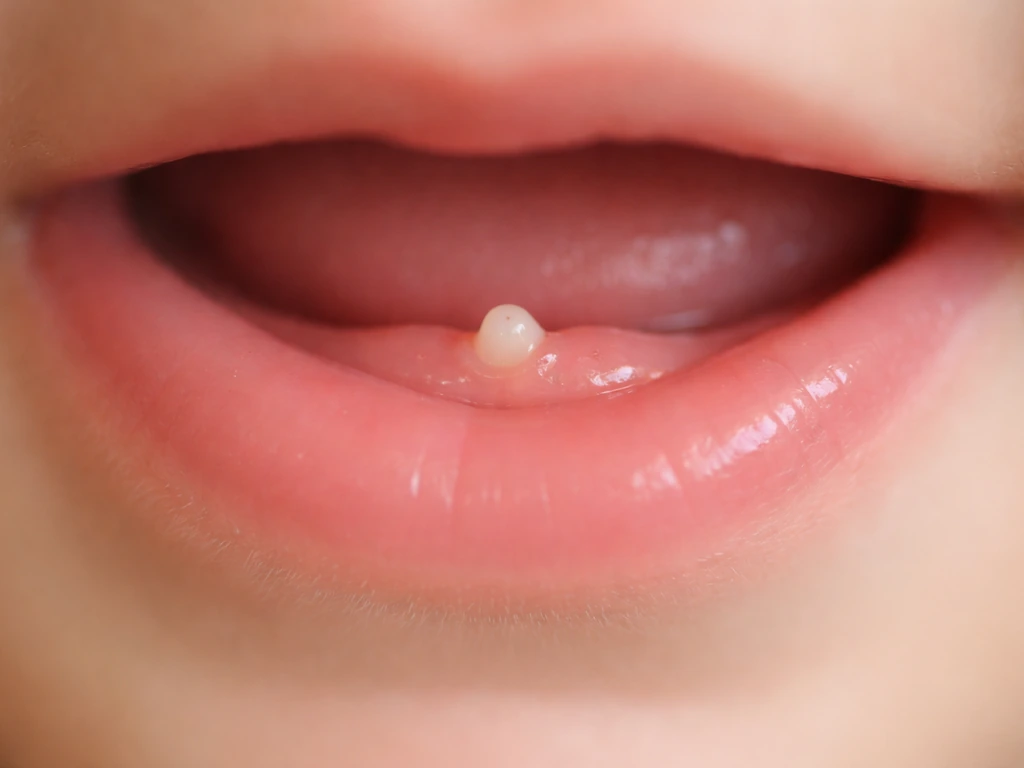
What "Growing Teeth" Actually Means at Age 4
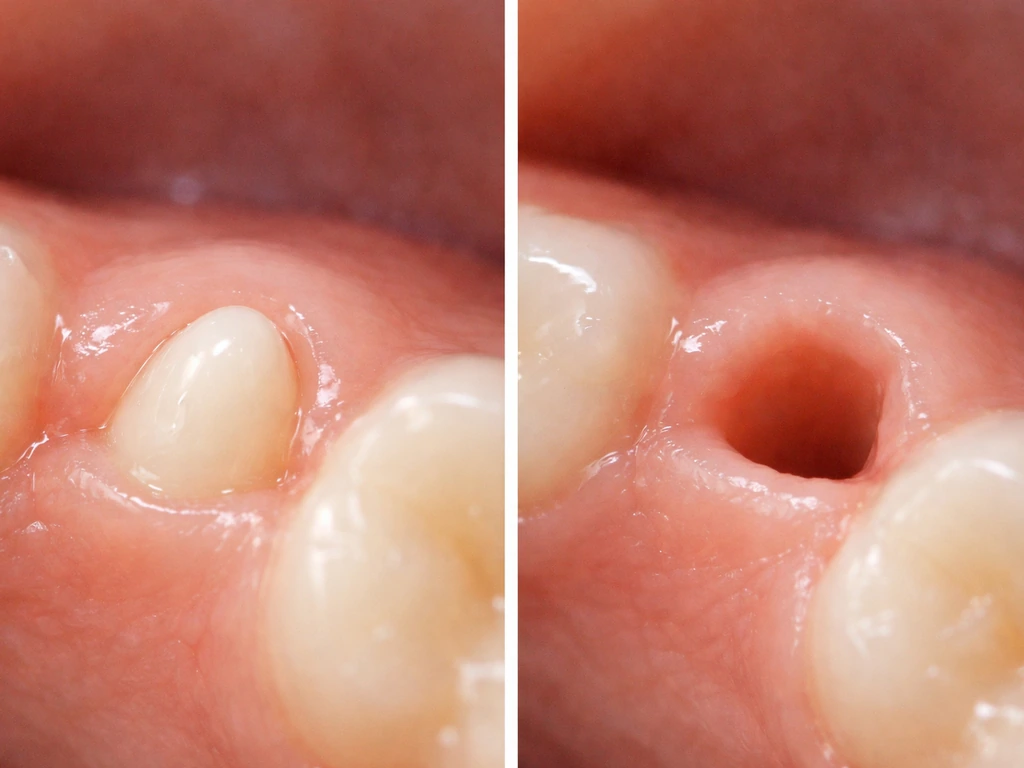
There's a real difference between tooth eruption and tooth regrowth, and mixing the two up causes a lot of unnecessary worry (and sometimes false hope). Eruption is simply a tooth that already formed inside the jaw pushing its way up through the gum tissue. Every tooth your child will ever naturally have is already developing in the jaw from very early in life. No new tooth is being created from scratch at age 4. Regrowth would mean a missing or destroyed tooth rebuilding itself, and that simply does not happen in humans. We get two sets of teeth: primary and permanent. That's it. So when a parent asks "is my 4-year-old growing teeth?" the honest answer is yes, they may still be completing their primary set, and the permanent set is quietly forming in the jaw below, but nothing is regenerating.
Which Teeth Usually Come In Around Age 4
Most children have all 20 primary teeth by the time they turn 3, but there's a normal range. If your child is 4 and still has a tooth or two working its way in, that can be completely normal. The last primary teeth to erupt are usually the second molars, which typically come through between 23 and 33 months. By age 4, those should generally be in. Here's a quick look at the full primary eruption timeline so you know where age 4 fits:
| Tooth Type | Upper (Maxillary) | Lower (Mandibular) |
|---|---|---|
| Central incisors | 8–12 months | 6–10 months |
| Lateral incisors | 9–13 months | 10–16 months |
| First molars | 13–19 months | 14–18 months |
| Canines (cuspids) | 16–22 months | 17–23 months |
| Second molars | 25–33 months | 23–31 months |
By age 4, your child should have all or nearly all of these in place. If several are still missing or there are obvious gaps where teeth haven't erupted, that's worth mentioning to a pediatric dentist.
When the Permanent Teeth Start Showing Up
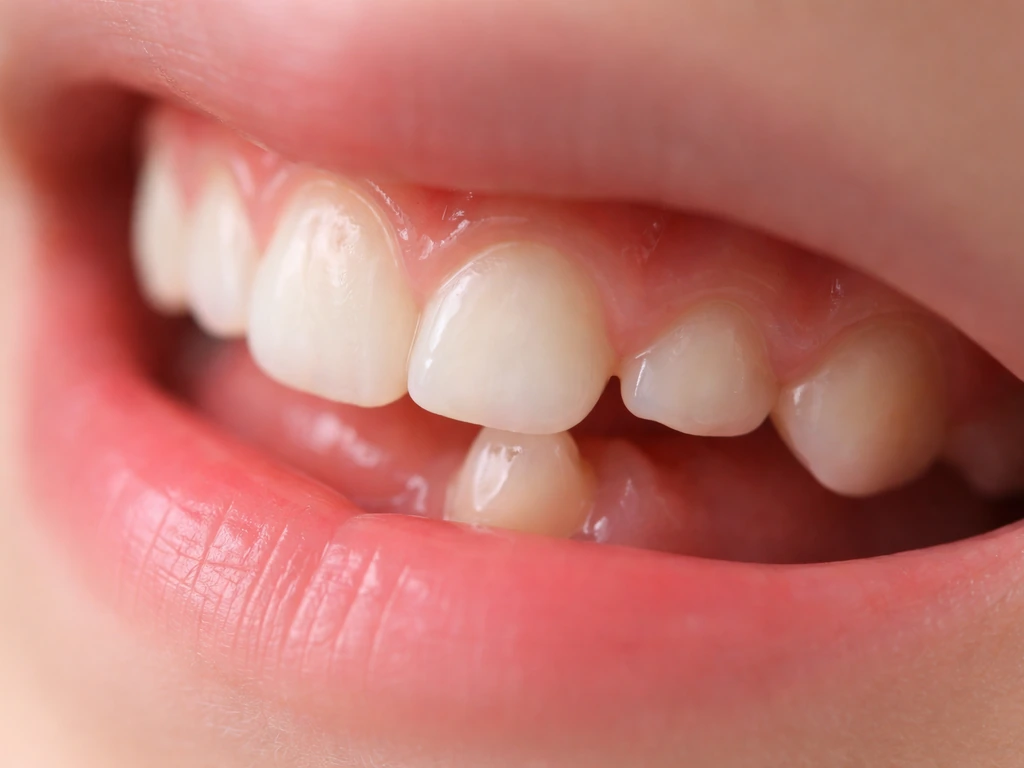
The transition from baby teeth to permanent teeth typically begins around age 6, give or take a year. The first permanent teeth to arrive are usually the lower central incisors and the first permanent molars (sometimes called the "six-year molars"). These come in behind the existing baby teeth, not replacing them immediately. At age 4, your child is still a year or two away from this shift, so you shouldn't be seeing any permanent teeth breaking through yet. If you notice a permanent-looking tooth coming in at 4, or a baby tooth loosening very early, it's worth getting a dental check. That said, some kids do start the transition a little earlier than average, and a dentist can confirm with a simple exam whether it's within normal limits. The full permanent set (minus wisdom teeth) isn't complete until the early teens. At age 13, the focus is usually on maintaining permanent teeth and managing braces, not on expecting new teeth to grow fully in the early teens. Topics like what teeth come in at 12, 13, or 14 are worth exploring once your child gets closer to those ages, since the transition spans nearly a decade. As kids get closer to middle childhood and early teens, you may wonder what teeth grow in at 12, which depends on the normal permanent eruption timeline what teeth come in at 12.
Normal Eruption Signs vs. Red Flags at Age 4
Not every gum event needs a dentist visit, but some do. Here's how to tell the difference.
What's Normal
- Mild gum tenderness or drooling as a late primary tooth finishes erupting
- Small gaps between baby teeth (actually desirable, since it signals room for the larger permanent teeth coming later)
- Slight crankiness or chewing on objects around the time a molar is finishing its push through
- A full set of 20 primary teeth in place by around age 3, fully settled by 4
- Baby teeth that appear slightly spaced or uneven in color, since primary teeth are naturally whiter and smaller than permanent teeth
Red Flags That Need a Dental Visit
- A tooth that should have erupted by age 3 but still hasn't appeared by age 4
- Swelling, pus, or a visible abscess on the gum, which can signal infection
- Severe or persistent pain that disrupts sleep or eating
- A baby tooth knocked out or broken from injury (even baby teeth need prompt evaluation)
- Visible dark spots, pitting, or holes in the baby teeth, which may indicate early decay
- Thumb-sucking or pacifier use that seems to be shifting teeth noticeably out of alignment
- A permanent-looking tooth erupting before age 5
Thumb-sucking is worth a special mention. It's very common at age 4, and occasional thumb-sucking generally doesn't cause long-term damage if it stops before the permanent teeth start coming in around age 6. If it's intense and constant, though, it can affect the shape of the palate and how baby teeth sit, which can influence permanent tooth positioning later. Your pediatric dentist can assess whether intervention makes sense.
Can Teeth, Enamel, or Gums Actually Grow Back?
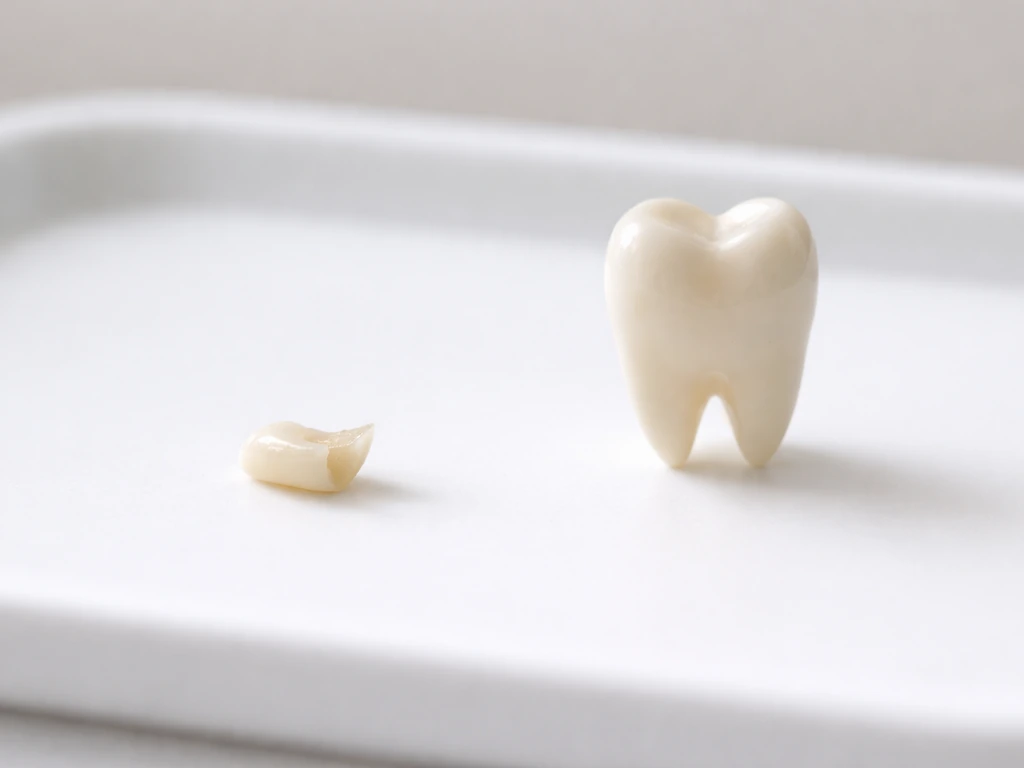
This is the question the internet gets badly wrong, so let's be very direct. Human teeth cannot regrow. If a baby tooth is lost to injury or pulled due to decay, no replacement will come through until the permanent tooth underneath is ready to erupt on its own schedule, which at age 4 is still years away. At age 15, you still can't expect new teeth to grow in the way people imagine; any missing or damaged teeth usually need dental treatment. A space maintainer from your dentist can hold that gap open so the permanent tooth has room to come in correctly, but nothing biological fills that gap on its own.
Enamel is similarly non-renewable. Enamel is produced by cells called ameloblasts, which are active only during tooth formation. Once a tooth has fully erupted, those cells are gone. This means enamel worn down by acid, abrasion, or cavities cannot regenerate on its own. You can remineralize early surface damage with fluoride, which helps draw calcium and phosphate back into softened enamel, but this only works on very early-stage demineralization, not visible holes or structural loss.
Gum tissue can heal from minor irritation, and some volume can return after treating gum disease, but gum tissue that has significantly receded does not simply grow back to its original level. For a 4-year-old, severe gum recession isn't a typical concern, but it underscores the broader biological truth: maintaining what you have is far more effective than trying to recover what's been lost.
There is ongoing research into dental stem cells and lab-grown tooth structures, and it's genuinely exciting science. But as of right now, none of it is available as a clinical treatment. No supplement, oil, or product you'll find online can trigger a human tooth to regrow.
Home Comfort and Daily Dental Care at Age 4
At age 4, your child should be brushing twice a day with a soft-bristled, child-sized toothbrush. The American Academy of Pediatric Dentistry (AAPD) and the American Dental Association (ADA) both recommend a pea-sized amount of fluoridated toothpaste for kids aged 3 to 6. This is a step up from the rice-grain smear used for infants and toddlers under 3. The reason to be precise about the amount is that young children tend to swallow rather than spit, and regularly swallowing too much fluoride can affect developing permanent teeth (a condition called dental fluorosis). A pea-sized amount keeps the fluoride benefit while keeping the risk minimal.
Parents should still be doing most of the brushing at age 4. Kids this age lack the motor control to clean all surfaces effectively on their own. Think of it as a team effort: let them have a turn, then you finish the job. Flossing should also begin once any two teeth are touching, which for most kids happens well before age 4 with the back molars.
If your child is teething late (still getting those second molars), a cold washcloth to chew on, a chilled (not frozen) teething ring, or gentle gum massage with a clean finger can ease discomfort. For significant pain, consult your pediatrician or dentist before using any oral gels, since some products that were once common are no longer recommended for young children.
Diet and Habits That Protect Baby Teeth
- Limit sugary drinks, including juice, to mealtimes rather than sipping throughout the day
- Avoid putting a child to bed with anything other than water in a bottle or cup
- Offer water as the main between-meal drink, especially fluoridated tap water if available
- Encourage fruit and vegetables over sticky, chewy candies that cling to tooth surfaces
- Don't share utensils or clean a pacifier with your own mouth, since cavity-causing bacteria can transfer from parent to child
When to Call a Pediatric Dentist and What to Expect
If your child hasn't had a dental visit yet, age 4 is overdue. blank" rel="noopener noreferrer">The AAPD recommends establishing a dental home by the child's first birthday. That said, better late than never. A routine 4-year-old dental visit typically includes a visual exam of all the teeth and gums, a cleaning, a fluoride treatment, and a conversation about diet, brushing habits, and any habits like thumb-sucking. The AAPD states that establishing a dental home by a child's first birthday and continuing routine pediatric dental care helps ensure early exams and appropriate preventive treatments like fluoride blank" rel="noopener noreferrer">a 4-year-old dental visit typically includes a visual exam of all the teeth and gums, a cleaning, a fluoride treatment. Dental X-rays at this age are generally only taken if there's a specific concern, such as pain, suspected decay between teeth, or a missing tooth, not as a routine step.
If you're concerned about eruption timing, here are direct questions worth asking the dentist:
- Are all 20 primary teeth present and accounted for?
- Is there any sign of early decay I should be aware of?
- Does the spacing between baby teeth look appropriate for the permanent teeth that will follow?
- Is my child's thumb-sucking or pacifier use affecting tooth alignment?
- When should I expect the first permanent teeth to start coming in, and what will I see?
- Are there any signs of enamel problems or unusual wear I should watch?
Call sooner rather than later if your child has tooth pain, swollen gums, a visible abscess, a knocked-out or broken tooth, or if you notice any tooth that looks like it's erupting out of sequence. Dental injuries in particular need same-day evaluation, since the treatment approach for a baby tooth and a permanent tooth differs significantly, and timing matters.
The bottom line: a 4-year-old is right in the window where their primary teeth should be fully in and healthy, sitting in place until the permanent teeth start arriving a couple of years from now. Keeping those baby teeth clean and intact matters more than most parents realize, because they hold the space and guide the path for the permanent teeth that follow. Nothing lost early will grow back on its own, but everything you do now to protect those baby teeth sets your child's permanent smile up for a much better start. If you're wondering what teeth grow in at 13, the answer is that your permanent set has usually largely formed, while wisdom teeth may be coming in Nothing lost early will grow back.
FAQ
If my 4-year-old is missing a baby tooth, should I expect another to fill the gap soon?
No. A missing or lost baby tooth does not regrow. What usually happens is that the permanent tooth underneath may come later, on its own eruption schedule (often years away). If the gap is from an early loss, ask the dentist whether a space maintainer is needed to prevent neighboring teeth from shifting.
Is it normal for a permanent tooth to show behind a baby tooth at age 4?
Most of the time, you would not expect the classic first permanent teeth to erupt until closer to age 6. However, timing can vary, and an exam is the only way to know for sure whether a tooth is still part of the primary set, coming in early, or is a developmental variation. If it looks like it is erupting out of sequence, schedule an evaluation.
What counts as a “delayed” eruption for the last baby teeth at this age?
If by age 4 there are still obvious gaps, especially involving the back teeth (second molars), it may be outside typical timing. Second molars generally come in roughly between 23 and 33 months, so persistent absence at 4 is a good reason to mention it at a dental visit so the dentist can confirm what is happening and whether imaging is needed.
Does thumb-sucking always affect permanent teeth, or is it only if it lasts past age 6?
Occasional thumb-sucking is common at age 4 and often does not cause long-term problems if it stops before the permanent teeth begin coming in. The risk is higher when thumb-sucking is intense and frequent because it can influence palate shape and how teeth sit. Ask the dentist to assess whether your child’s bite looks affected now.
Can I treat a chipped baby tooth with home remedies until the permanent tooth comes in?
Home care cannot replace dental treatment for a chipped tooth, because the key issue is what happened to the inside of the tooth (for example, whether the pulp is irritated). A dentist should check soon if the chip is large, there is pain, discoloration, or the tooth is sensitive, since baby-tooth damage can still lead to infection or premature loss.
If a baby tooth is loose at age 4, is that the start of the normal tooth-swap?
Baby teeth usually stay in place until the broader transition around age 6, so a noticeably loose tooth at age 4 may have a cause like trauma, decay, or an eruption pattern issue. Because treatment differs depending on whether the tooth is a primary tooth being exfoliated early or something else, ask the dentist to evaluate rather than waiting.
When should I start flossing, and do I need to floss if my child has no obvious gaps?
Flossing should begin once teeth are touching, since food and plaque can build up between contact points even when there are no visible gaps. With many kids, the back molars contact before age 4, so flossing the sides of those teeth is usually appropriate. If it is hard to do, ask the dentist about easier techniques or tools.
What brushing amount is safest at age 4, and does using more help?
Use a pea-sized amount of fluoridated toothpaste, and avoid “more is better.” Swallowing too much fluoride frequently can increase the risk of dental fluorosis. Supervise brushing closely because at age 4 many children cannot reliably spit and still need help with coverage.
Should my child get dental X-rays at age 4 if everything looks fine?
Not usually as a routine step. X-rays are more commonly used when there is a specific concern like suspected decay between teeth, pain, a missing tooth, or other exam findings. Ask the dentist whether imaging is warranted based on your child’s risk factors and what they see visually.
Are there signs that a tooth problem is serious even if my child seems mostly okay?
Yes. Seek prompt dental care if you notice a gum boil or abscess, persistent tooth pain, swelling, bad taste with gum drainage, a tooth that looks like it is erupting abnormally, or any tooth injury (especially a knocked-out or broken tooth). These situations can affect infection risk and the timing of treatment for baby versus permanent teeth.
Next Articles
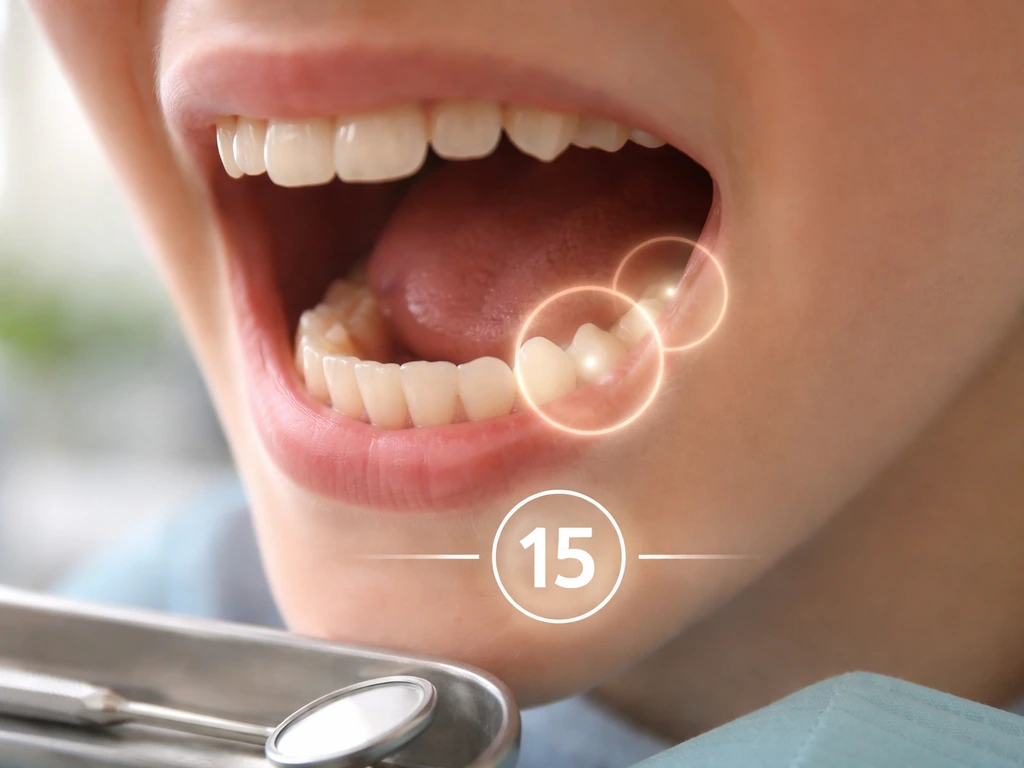
Can Teeth Grow at Age 15? Eruption, Enamel, and Treatment Options
Learn what can change at 15: late eruption, wisdom teeth timing, and limits on enamel and tooth regrowth, plus next step
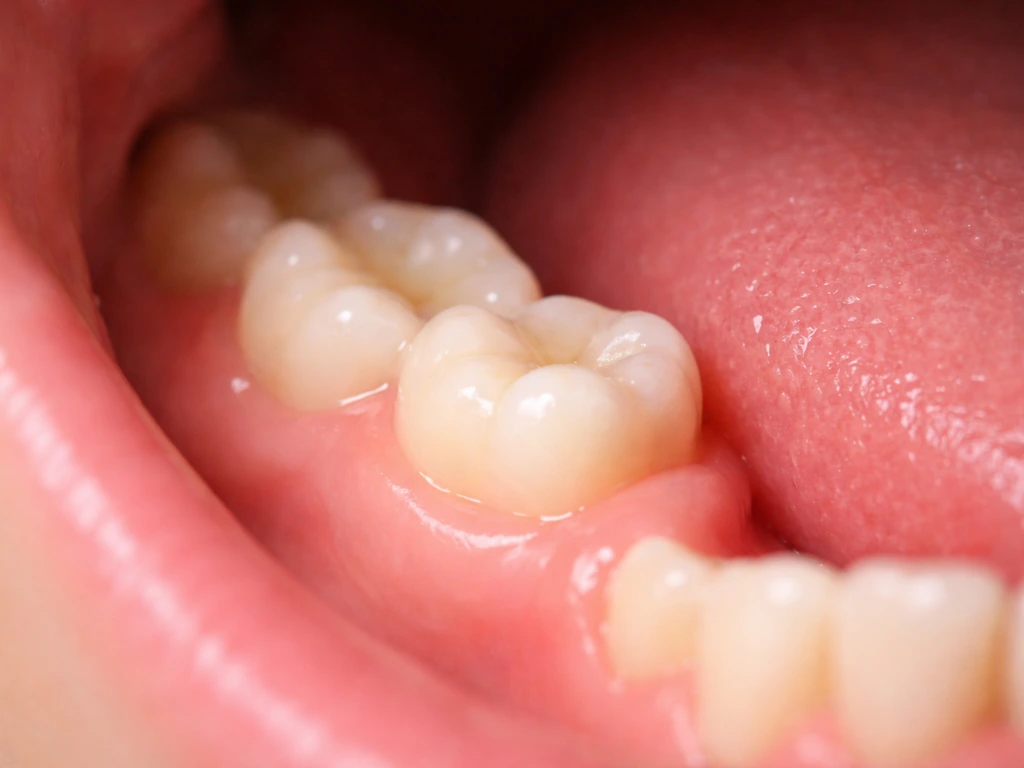
What Teeth Grow In at 14: Molars, Incisors, Wisdom Teeth
Teeth erupting around 14: molars, incisors and wisdom teeth timing, normal signs, red flags, and limits of regrowth

What Teeth Grow In at 12: Timing, Signs, and Next Steps
Teeth eruption at 12: which permanent teeth come in, signs it is on track, and what cannot regrow vs options