No, your teeth cannot grow back at 21. By the time you reach adulthood, your two sets of natural teeth (baby and permanent) have already come and gone. Once a permanent tooth is lost, extracted, or severely damaged, your body has no biological mechanism to replace it with a new natural tooth. That said, "growing back" can mean different things depending on what part of the tooth is affected, and some dental tissues do have limited regenerative capacity. Knowing exactly what can and can't happen gives you a much clearer path forward.
Can Your Teeth Grow Back at Age 21? What’s Possible

Marcus Holloway
11 Jun 2026

Tooth regrowth at 21: what's possible vs not
At 21, your dental development is essentially complete. Humans only get two natural sets of teeth in a lifetime: the 20 primary (baby) teeth, which are shed between ages 6 and 12, and the 32 permanent teeth that replace them. By 21, all of your permanent teeth except possibly your wisdom teeth have been in your mouth for years. There is no biological third set waiting in the wings. This is a hard biological rule, not a myth or oversimplification.
Where people get confused is in mixing up a few different ideas: a lost tooth coming back, a damaged tooth healing itself, gum tissue growing back over an exposed root, or a wisdom tooth finally erupting. These are four completely different things. Some are biologically impossible at 21, some have limited natural capacity, and some are achievable through clinical treatment. Breaking it down by tissue type is the most useful way to think about it.
Enamel vs dentin vs pulp vs gums: what can regenerate naturally
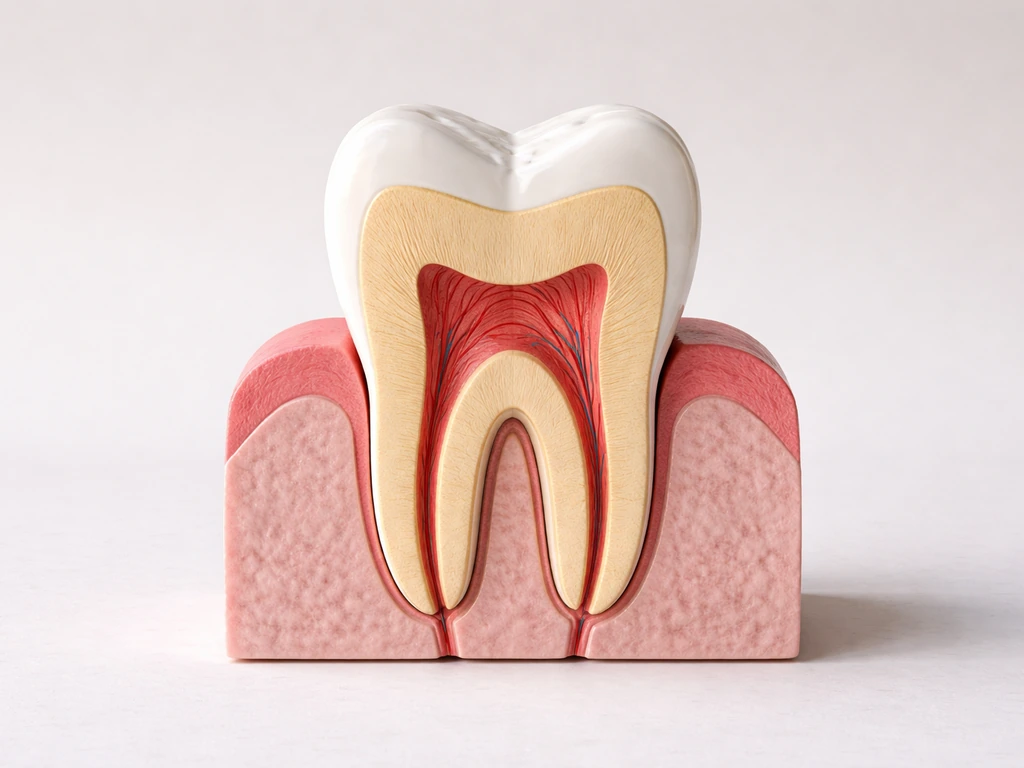
Each part of a tooth behaves very differently when it comes to healing and regeneration. Here is what the science actually says about each one.
Enamel
Enamel is the hard outer shell of your tooth, and it cannot regenerate itself after a tooth has erupted. The cells responsible for making enamel (called ameloblasts) are lost once the tooth fully forms and erupts into the mouth. There is no way for your body to produce new enamel on its own to replace enamel that has been worn, chipped, or dissolved by acid. Research into biomimetic enamel rebuilding is ongoing, but this is still largely a laboratory and experimental space, not a clinical reality available to you today.
Dentin
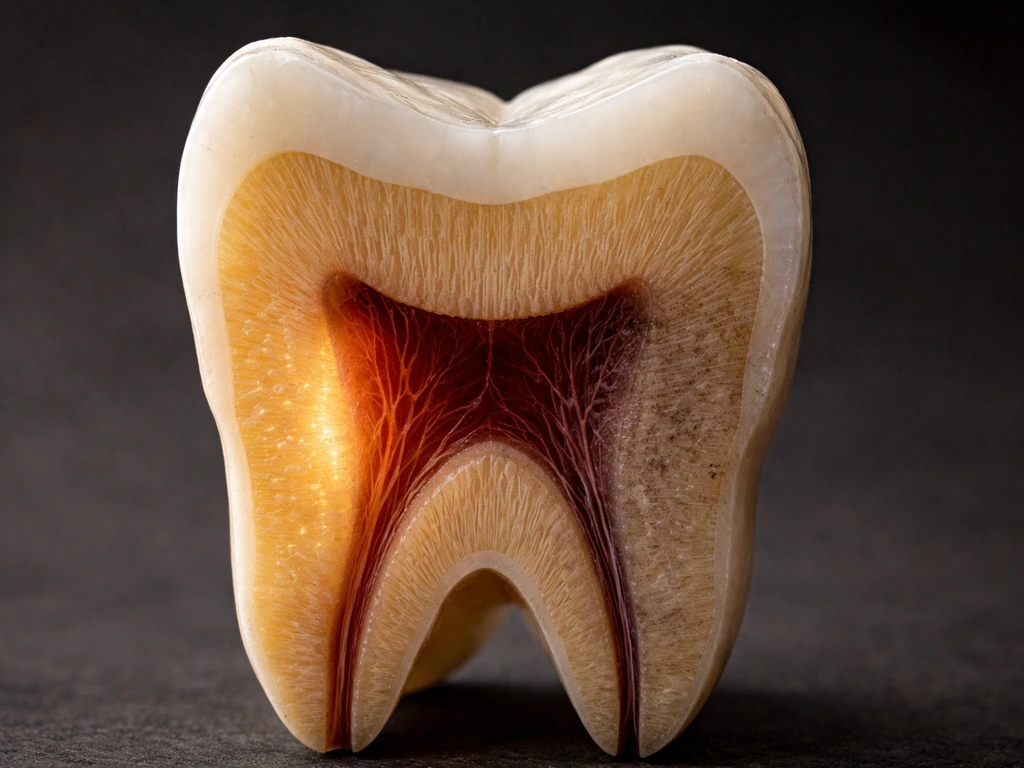
Dentin, the layer beneath enamel, has slightly more regenerative potential than enamel. The cells that produce dentin (odontoblasts) can remain active inside the pulp and deposit what is called tertiary or reparative dentin in response to injury or decay. This is your tooth's way of walling off a threat. It is not the same as full regrowth, but it means your tooth is not completely passive. This response is slow, limited in volume, and depends on the pulp still being healthy.
Pulp
The pulp is the living core of the tooth containing nerves and blood vessels. Regenerative endodontic procedures exist, but they are primarily designed for immature permanent teeth in younger patients where continued root development is the goal. In a mature tooth at 21, pulp regeneration after the pulp has died is not a reliable or standard clinical outcome. Research confirms that regenerative response in the pulp is incomplete without revascularization and re-establishment of key cellular components, which is far harder to achieve in a fully developed tooth than in an immature one.
Gums and periodontal ligament
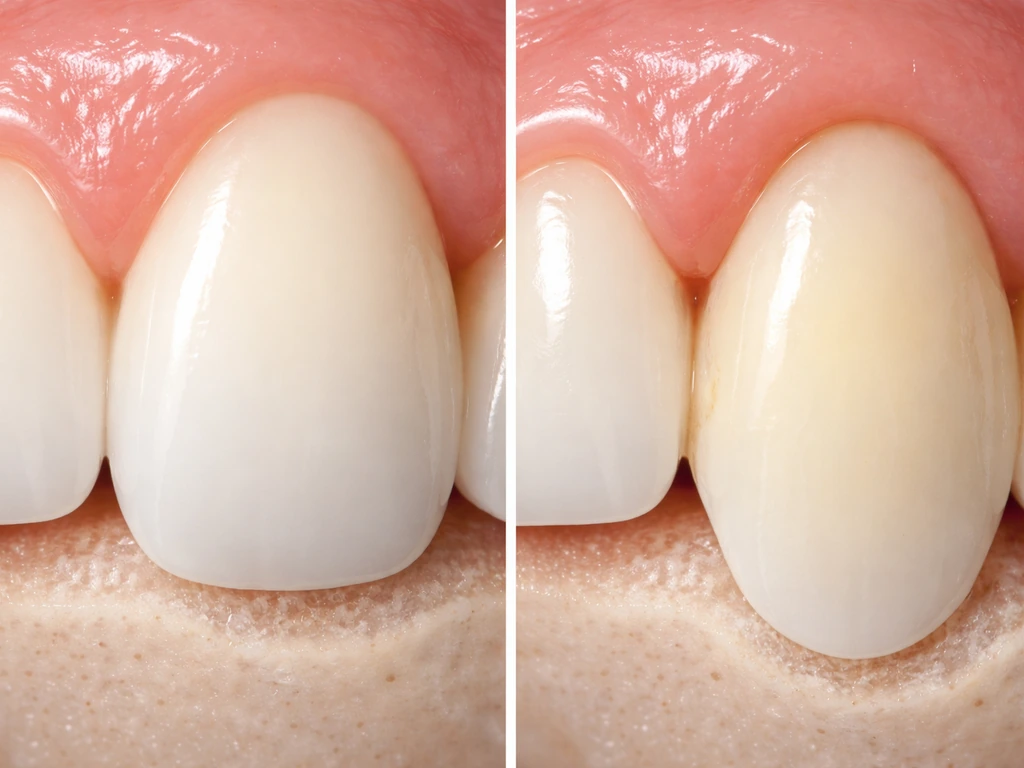
Gum tissue (gingiva) can heal from minor injuries and inflammation when the source of irritation is removed, but receded gum tissue generally does not grow back on its own. The periodontal ligament (the connective tissue attaching the tooth to the bone) and cementum (the thin layer covering the root) have very limited natural regeneration capacity.
Full regeneration of the cementum-PDL-bone complex after periodontal disease remains one of dentistry's more difficult challenges, and current strategies rely heavily on tissue engineering and guided regeneration techniques rather than spontaneous healing. Cementum can heal to some degree, but true/complete regeneration of the cementum-PDL-bone complex after periodontal disease remains a major challenge, so regenerative goals may not fully restore the original structure [true/complete regeneration is a major challenge](https://journals. sagepub. com/doi/pdf/10.
1177/154411130201300605).
| Tissue | Natural Regeneration Capacity | Clinical Treatment Available |
|---|---|---|
| Enamel | None after eruption | Bonding, veneers, crowns |
| Dentin | Limited (reparative dentin only) | Fillings, crowns, root canal |
| Pulp | Very limited in mature teeth | Root canal, regenerative endo (mainly for immature teeth) |
| Gums | Minor healing only; no regrowth of receded tissue | Gum graft, scaling and root planing |
| Cementum/PDL/Bone | Minimal; incomplete without treatment | Guided bone/tissue regeneration, bone grafts |
| Whole tooth | None | Implant, bridge, partial denture |
Can cavities reverse and teeth "grow back" after damage?
Early-stage cavities (technically called incipient or pre-cavitation lesions) can be remineralized if caught before the decay breaks through the enamel surface. This is where fluoride toothpaste, fluoride treatments, and a low-sugar diet genuinely help. Minerals from saliva (calcium and phosphate) combined with fluoride can harden those early weak spots and stop decay from progressing. In this very specific sense, a tooth can partially "repair" early damage. This is not the tooth growing back, but it is real and clinically meaningful.
Once a cavity has broken through the enamel surface and entered the dentin, remineralization cannot reverse it. The physical hole in the tooth structure does not fill itself back in. At that point you need a filling, which removes the decayed material and replaces the lost structure with a restorative material. If decay reaches the pulp, a root canal is typically needed before the tooth can be restored with a crown. So the earlier you catch it, the more options you have, but there is a clear biological line where natural reversal stops being possible.
Chipped or cracked teeth are a different story. A chip removes enamel and sometimes dentin permanently. There is no biological repair for that. Depending on the size and location, options include dental bonding (a tooth-colored resin applied directly), a veneer (a thin porcelain or composite shell bonded to the front surface), or a crown if the damage is more extensive. None of these are the tooth "growing back," but they restore function and appearance effectively.
Root exposure, gum recession, and bone: what can regrow and what needs treatment
Gum recession is when the gum tissue pulls back and exposes part of the tooth root. It is very common in young adults who brush too aggressively, have a history of grinding, or have early periodontal disease. The exposed root surface is not protected by enamel (roots are covered by cementum, which is much softer), so recession often comes with sensitivity to cold and sweet foods. Receded gums do not grow back on their own, but the tissue can be surgically restored through a gum graft procedure where tissue is moved from the palate or a donor source to cover the exposed root.
Bone loss around the teeth is more serious. Periodontal disease (the advanced gum infection most people call gum disease) destroys the bone that holds teeth in place. Like gum tissue, lost bone does not regenerate spontaneously. Guided bone regeneration (GBR) uses membranes and sometimes bone graft material to encourage new bone formation, and these procedures have solid evidence behind them, especially in the context of preparing a site for a dental implant. But the outcome depends heavily on how much bone is left, whether the infection is controlled, and individual healing capacity.
The bottom line on gums and bone is that treatment works best when problems are caught early. If your gums bleed when you brush, if teeth feel loose, or if you can see your roots in the mirror, see a dentist soon. These are not problems that wait patiently.
Wisdom teeth vs "regrowing" teeth: eruption timelines and misconceptions
One of the most common reasons a 21-year-old thinks a tooth is "growing back" is actually a wisdom tooth (third molar) erupting for the first time. Wisdom teeth typically erupt between ages 17 and 25, so it is completely normal to feel a new tooth pushing through at 21. This is not regrowth of a lost tooth. It is a tooth that was always there, developing in the jaw, finally making its way to the surface.
Wisdom tooth eruption is genuinely different from the regrowth idea. The wisdom tooth has its own tooth bud that formed in childhood, and it is erupting on its own timeline. It does not fill the space of any other missing tooth. If you lost a first molar at age 18, for example, and you feel something new in the back of your mouth at 21, that new feeling is almost certainly a wisdom tooth, not the molar regenerating. The location matters: wisdom teeth come in at the very back of each arch, behind the second molars.
This is also worth comparing to the experience of younger ages. A 10 or 11-year-old who loses a baby tooth and then feels a new tooth coming in is experiencing normal permanent tooth eruption, which really is the next tooth arriving. If you are wondering, “can your teeth grow back at age 10,” the answer is that it is usually normal tooth eruption, not true regrowth of a lost permanent tooth A 10 or 11-year-old. At 21, that process is done except for wisdom teeth. There is no similar "late permanent tooth" waiting to erupt in place of a damaged or missing premolar, canine, or incisor.
If your wisdom teeth are erupting, your dentist will want to assess whether they have enough room to come in properly aligned (many people's jaws do not have space for all four), whether they are impacted (stuck under the gum or angled into the adjacent tooth), and whether they need to be extracted. An X-ray answers most of these questions quickly.
What to do next at 21: dental exam, imaging, and decision path
If you are searching this question, something is going on with your teeth and you want to know your options. Here is the most practical path forward.
- Book a comprehensive dental exam, not just a cleaning. Tell the dentist specifically what you have noticed: a missing tooth, sensitivity, bleeding gums, a tooth that feels loose, or something new coming through in the back. This context helps them focus the exam properly.
- Get X-rays. A full-mouth series of periapical X-rays (individual shots of each tooth root and the surrounding bone) combined with bitewing X-rays (which show decay between teeth and bone levels) gives the dentist a complete picture. If wisdom teeth are a factor, a panoramic X-ray (an OPG) shows all four wisdom teeth and the jaw in one image. These are quick, low-radiation, and genuinely essential for making decisions.
- Ask specifically about what you are dealing with. Once the dentist has the X-rays and has done the clinical exam, ask them to explain: Is this decay? Is this bone loss? Is this a wisdom tooth erupting? What is the prognosis of this tooth? Getting clarity on the diagnosis is the foundation of every decision after it.
- Understand your treatment pathway based on what is found. If decay is caught early, remineralization or a simple filling. If a cavity is deeper, a filling or root canal plus crown. If a tooth is fractured beyond repair or already missing, a dental implant (the gold standard for single-tooth replacement, typically placed after age 18 when the jaw is fully developed), a fixed bridge, or a removable partial denture. If gum recession is present, scaling and root planing first to stop the infection, then evaluation for a gum graft if roots are exposed. If bone loss is significant, periodontal therapy and possibly bone grafting, especially if an implant is planned.
- Ask about timeline and cost upfront. Implants, for example, typically take 3 to 6 months from placement to final crown because the implant needs to integrate with the bone (osseointegration). Knowing this ahead of time helps you plan. Many dental offices also offer payment plans or financing, so do not let cost be a reason to delay a conversation.
- Follow through on any recommended follow-up. Periodontal disease in particular tends to progress quietly. One cleaning and no follow-up is not a treatment plan. If your dentist recommends a specific follow-up schedule (every 3 or 4 months for active gum disease, for example), that schedule is doing real work to prevent further bone loss.
The honest summary is this: at 21, your teeth will not grow back, but your options for restoring, repairing, and protecting what you have are genuinely good. Modern dentistry can replace a missing tooth with an implant that looks and functions like the real thing, rebuild damaged enamel with durable restorations, treat gum disease before it becomes tooth loss, and even graft tissue to cover exposed roots. None of that is your tooth "growing back," but the functional outcome can be just as good, and sometimes better, than waiting for a biological miracle that is not coming. The earlier you act, the more you protect what you still have.
FAQ
If I lost a permanent tooth at 18 or 19, can it grow back naturally by 21?
No. If you are missing a permanent tooth at 21, it will not regrow as a new natural tooth. The usual options depend on the location and adjacent teeth: a dental implant (often best when enough bone is present), a fixed bridge (uses neighboring teeth for support), or a removable partial denture. Your dentist may also suggest orthodontic space management if you lost a tooth that affects bite alignment.
How can I tell whether my tooth is healing after damage, or whether it needs treatment?
It depends on what part is affected. A tooth that feels “different” after trauma might just be a crack, ligament injury, or a pulp response. True enamel or dentin cannot regenerate after eruption, but early warning signs like lingering sensitivity or pain with biting should be evaluated because treatment timing (for example, bonding versus root canal versus crown) changes outcomes.
Can regenerative root canal treatments regrow pulp tissue at age 21?
Regenerative endodontic approaches are mainly for immature permanent teeth with developing roots. At 21, your tooth roots are fully formed, so if the pulp is dead, the predictable standard is root canal therapy, possibly followed by a crown, not “pulp regrowth.” A key next step is a vitality test and X-rays to determine whether the pulp is still alive or irreversibly damaged.
If I have a white spot on a tooth, can it fully repair itself at 21?
Incipient cavities can be stabilized, but they cannot be erased completely once there is a cavity with a visible hole or clear enamel breakdown into dentin. If you suspect a “white spot” lesion, a dentist can confirm whether it is truly early-stage. Then daily fluoride and reducing sugar exposures matter, but monitoring is important because some lesions progress even with home care.
My gums are receding and my tooth is sensitive, will it go away on its own?
That depends on how much structure is lost. If you have gum recession, the gum tissue generally does not return on its own, but a gum graft can cover exposed root and reduce sensitivity. If your tooth is sensitive due to enamel wear or a crack, the fix might be different (for example, desensitizing agents, bonding, or a night guard). A dental exam is needed to match the cause to the treatment.
How do I know if the new growth I feel at 21 is a wisdom tooth versus an infection?
Wisdom teeth can erupt normally, but “new tooth feeling” can also be an abscess, inflamed gum flap (pericoronitis), or even a cystic issue. If pain, bad taste or odor, swelling, or trouble opening your mouth is present, don’t wait for it to “figure itself out.” An X-ray helps determine angulation, impaction, and whether infection control is needed first.
If I get bone or gum grafting, does it keep working long-term, or can bone loss return?
Yes, you can lose more bone after treatment if periodontal inflammation is not controlled. Gum grafting and guided bone regeneration can restore tissue in the treated area, but they rely on good plaque control and follow-up therapy. Your dentist may recommend a specific maintenance schedule and sometimes adjunctive treatments to prevent repeat breakdown.
If my gums bleed when I brush, does that mean I’m “losing teeth already,” or can it reverse?
Bleeding gums can signal gingivitis, but there can be other causes such as irritation from brushing, a poorly fitting dental appliance, or localized inflammation. If bleeding happens repeatedly (for example, most days for more than a week or two) or you have loose teeth or visible recession, get a periodontal evaluation rather than just switching toothpaste. The main prevention lever is controlling inflammation, then maintaining it.
Next Articles
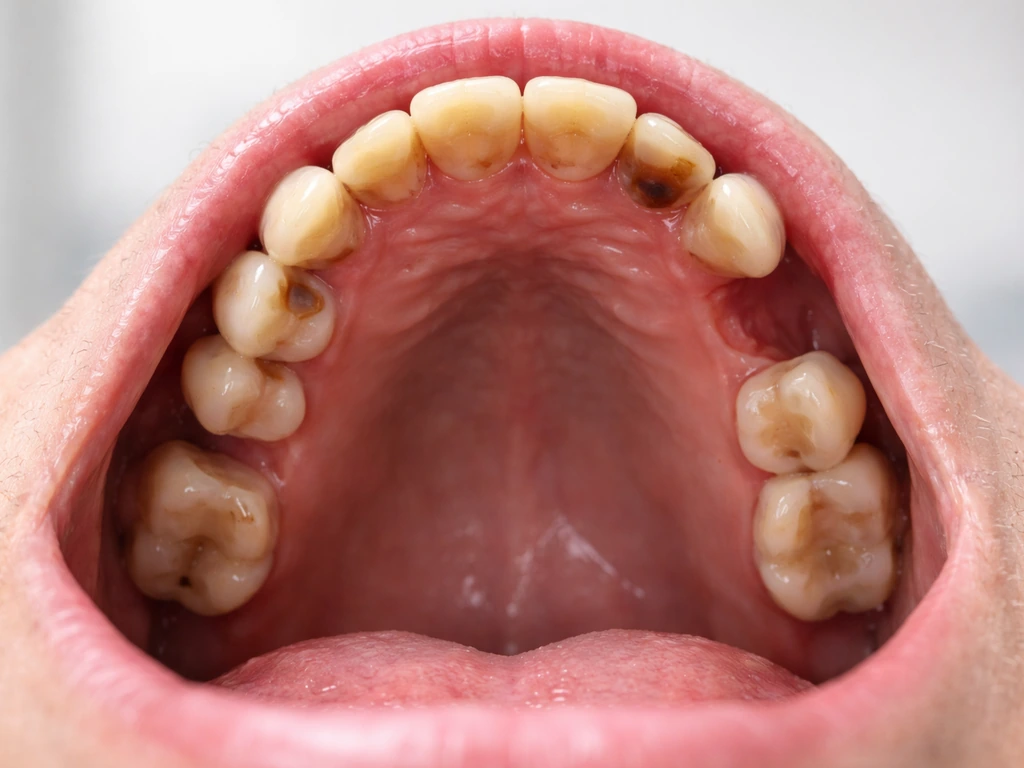
Do You Grow New Teeth After 100? What’s Real and Options
Explains if you can grow new teeth after 100, what’s biologically possible, and realistic replacement options for senior
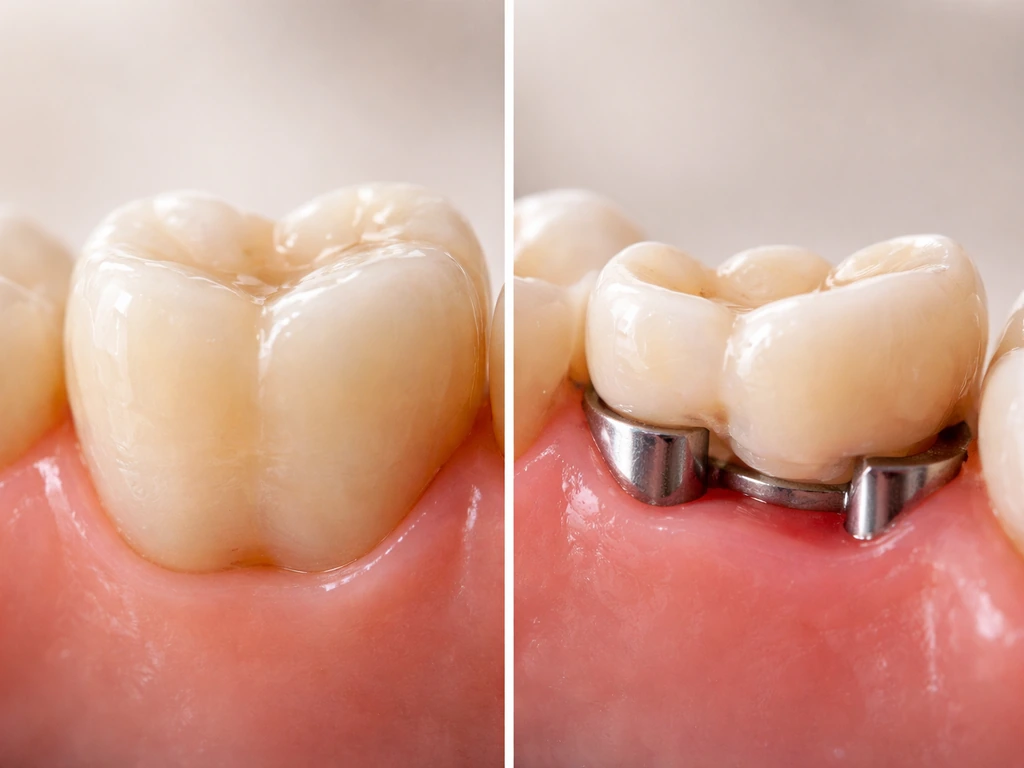
Do Teeth Grow Back After 100? What’s Realistic and Options
Do teeth grow back after 100? Realistic enamel and repair limits, myths, urgent signs, and treatment options like dentur
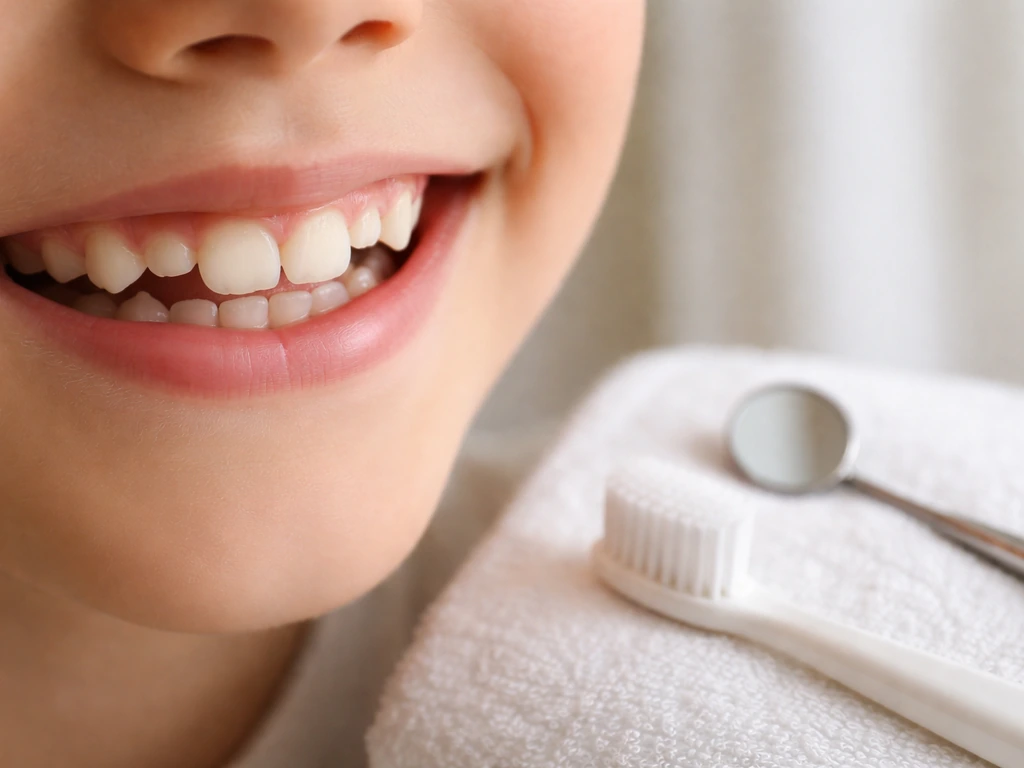
Can Your Teeth Grow Back at Age 10? What’s Real
Learn if teeth regrow at age 10, what can’t return, and what to do after loss, cavities, or trauma.