No, you do not grow new teeth after 100. Humans get two sets of teeth in a lifetime: baby teeth and permanent teeth. Once your permanent teeth are in, that's it. No third set is waiting in the wings, no matter how old you get. At 100, if a tooth is lost, gone, or extracted, nothing natural is going to fill that gap. The biology simply doesn't support it.
Do You Grow New Teeth After 100? What’s Real and Options

Marcus Holloway
8 Jun 2026
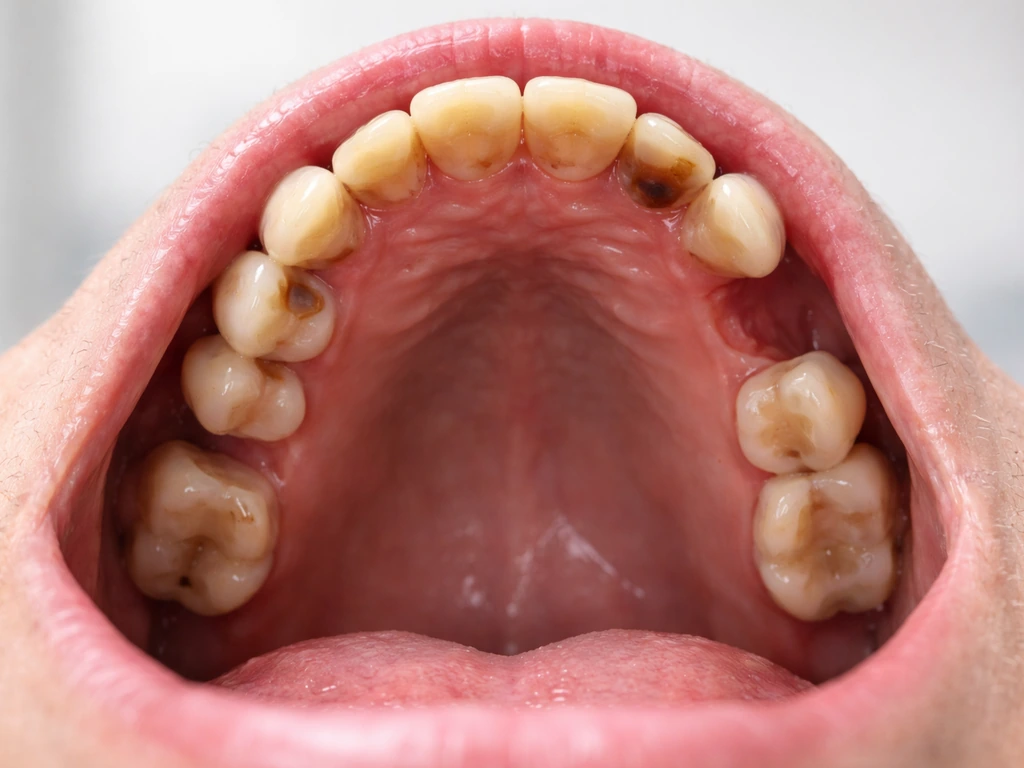
Let's kill the myth right away
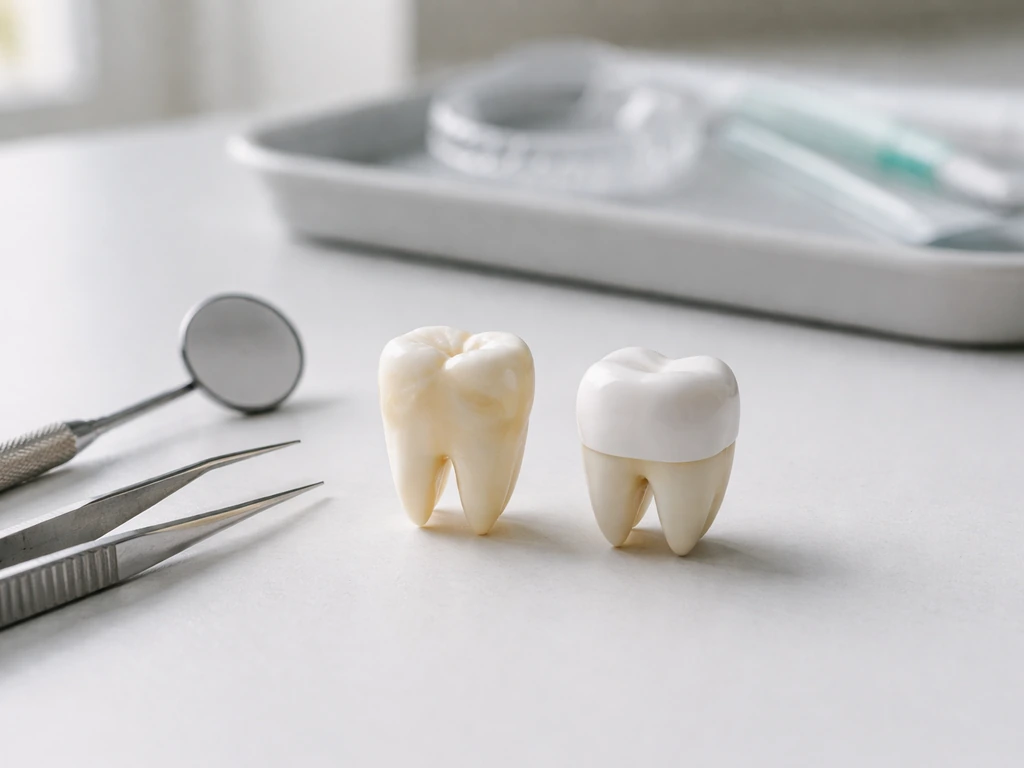
The idea that teeth can grow back at extreme old age gets floated around sometimes, usually in the form of stories like "my grandmother grew a new tooth at 95" or claims that certain supplements or treatments stimulate regrowth. None of that holds up to scrutiny. The mainstream dental and scientific consensus is clear: adults do not naturally regenerate replacement teeth. This isn't a gap in current research, it's settled biology. The cells responsible for forming enamel (called ameloblasts) are actually lost once a tooth finishes erupting. After that, enamel production is done for good. There's no mechanism left in the body to build a new tooth from scratch after your permanent dentition is in place.
Researchers are exploring tooth regrowth through stem cell therapy, and there have been promising results in mice and ferrets, but that work is still at an early experimental stage. It's nowhere near being something a 100-year-old, or anyone, can access as a real treatment today. Don't let internet headlines about "scientists regrowing teeth" give false hope that this is an option now. It isn't.
What do people actually mean by "new teeth"?
When someone asks whether teeth grow back after 100, they're usually asking one of a few different things, and it's worth unpacking each one separately.
- Natural regrowth: a biologically new tooth forming and erupting where one was lost. This does not happen in adults of any age, and certainly not at 100.
- Enamel or structure growing back: the idea that worn or damaged enamel can rebuild itself. It can't, though limited remineralization is possible (more on that below).
- Retained tooth parts re-emerging: sometimes what looks like a "new" tooth is actually a retained root or fragment that was never fully removed. This is not new tooth growth.
- Replacement teeth: dentures, implants, bridges, and partials are all realistic options that restore function and appearance. This is what's actually achievable.
Most of the time, when an older adult or their caregiver is asking this question, what they really need is information about replacement options, not regeneration. That's completely solvable, and there are good choices available even at age 100.
Tooth eruption vs. actual regrowth: very different things
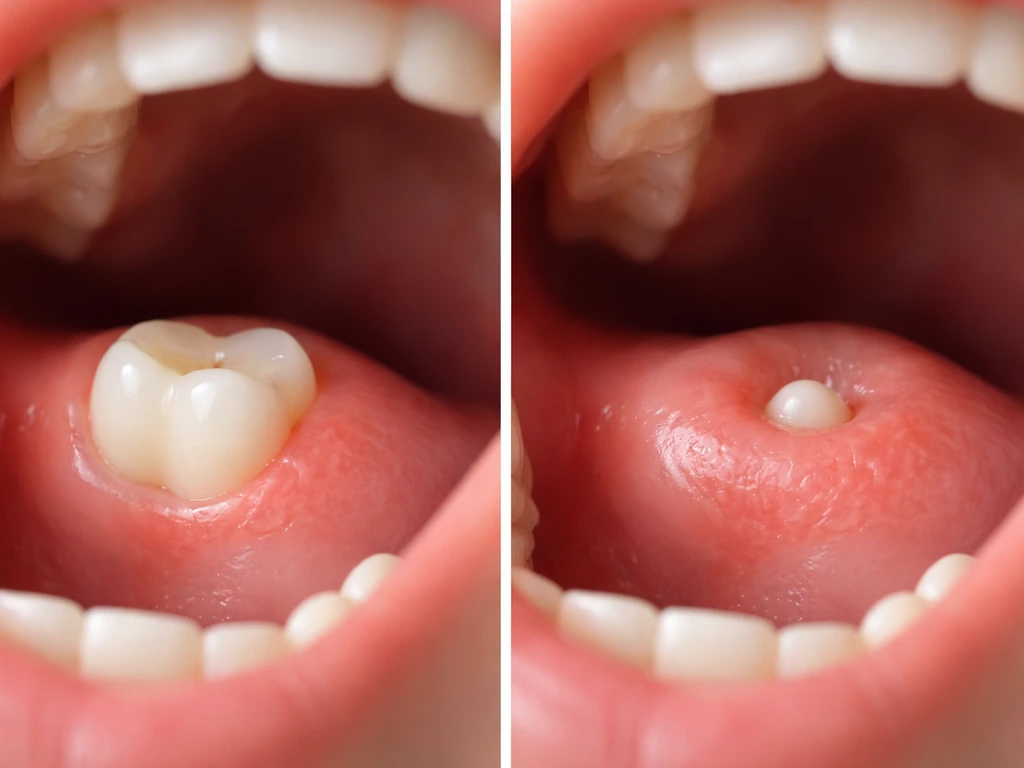
Eruption means a tooth that has already formed inside the jaw moves upward through the gum and becomes visible. That's what happens when babies get their first teeth around 6 months, and again when kids lose their baby teeth and permanent ones come through, starting roughly around age 6 or 7 for the lower front teeth. At age 12, most kids are still in the process of losing baby teeth and getting permanent teeth, not regrowing new ones. Wisdom teeth can erupt as late as the mid-20s. But all of these are teeth that formed during fetal development or early childhood.
They were always there, just waiting to push through. Age-related content elsewhere on this site covers questions like whether teeth grow back at age 10, 11, or 12, and the answer there hinges on whether baby teeth are still in the picture. If you’re wondering about regrowth at age 10, the key point is whether baby teeth are still present and adult teeth are still coming in can your teeth grow back at age 10.
For younger kids, that answer depends on whether the baby-to-permanent tooth transition is still underway can your teeth grow back at age 12. By adulthood, that window is fully closed.
Regrowth would mean a completely new tooth forming after one is lost, which requires stem cells differentiating into all the tissues of a tooth (enamel, dentin, pulp, cementum, periodontal ligament) in a coordinated way. For questions like can your teeth grow back at age 21, the answer is that your body does not naturally regenerate lost adult teeth Regrowth would mean a completely new tooth forming. That process doesn't happen spontaneously in humans. At 100 years old, the development machinery for tooth formation has been inactive for the better part of a century. There's no restart button.
What actually can and can't regenerate in your mouth
Not all tooth tissues are equally rigid in terms of repair capacity. Here's what the science actually says:
Enamel: cannot regenerate
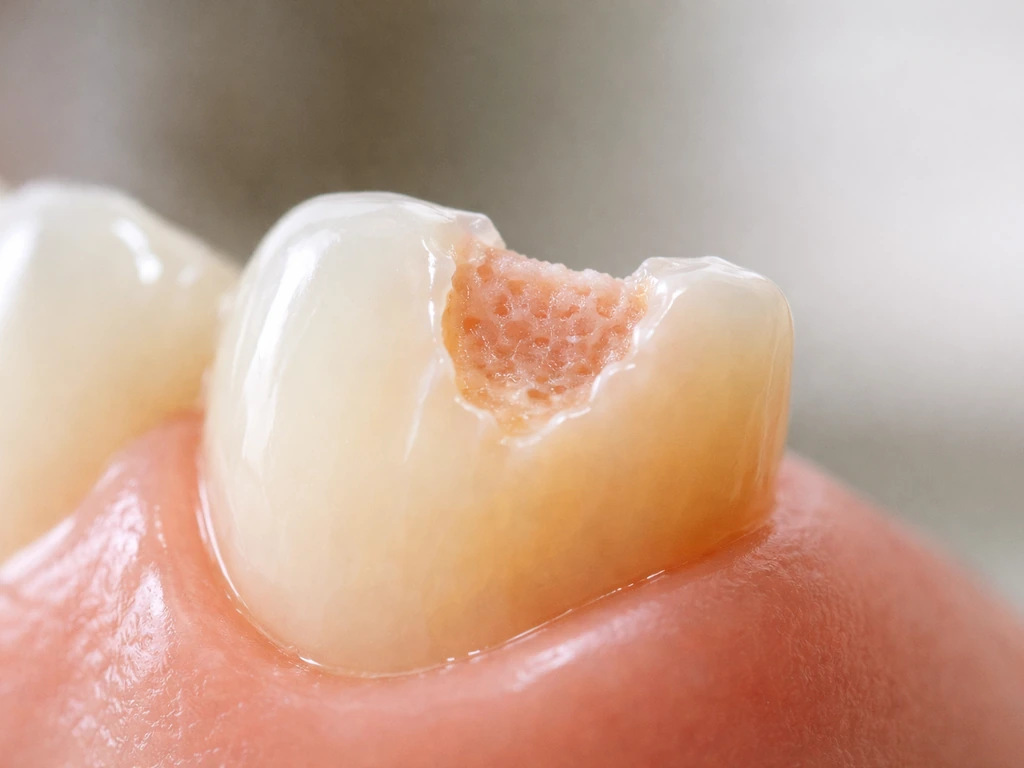
Enamel is the hardest substance in the human body, but it's also completely unable to repair itself once damaged or lost. The reason is structural: mature enamel is acellular, meaning it contains no living cells. The ameloblasts that built it during tooth development disappear after eruption. Once enamel is gone, it's gone. Fluoride and certain minerals can help remineralize early-stage surface softening, but that's not the same as regrowing lost enamel. And no, whitening products do not rebuild enamel. They remove surface stains. There's an important difference.
Dentin: limited repair possible
Dentin sits beneath the enamel and is produced by cells called odontoblasts, which do persist inside the living pulp. When a tooth is injured or a cavity reaches deep enough to threaten the pulp, the body can sometimes deposit reparative (tertiary) dentin as a defensive wall. Dentists can sometimes encourage this with pulp capping procedures. This is a real biological capacity, but it's localized repair within an existing tooth, not regrowth of a missing one.
Pulp: self-defense, not regeneration
The dental pulp (the soft core of a tooth) has immune and repair responses. It can fight infection to a point and signal dentin repair. But if the pulp is severely infected or the tooth is extracted, there's no pulp to work with. And again, this is about maintaining an existing tooth, not growing a new one.
Bone: remodels but also shrinks
The jaw bone (alveolar bone) does remodel throughout life, which is why it can accept implants. However, after tooth extraction, alveolar bone actually undergoes resorption, meaning it shrinks back over time. This matters a lot for implant planning, because a 100-year-old who lost teeth years or decades ago may have significantly reduced bone volume, which affects what implant solutions are even possible.
When people think teeth "came back": what's really going on
There are a handful of scenarios that can genuinely look like a tooth is appearing where one wasn't visible before. Late-forming supernumerary teeth can develop after the eruption of the permanent dentition, and they may be misinterpreted by non-experts as “teeth growing back.” late-forming supernumerary teeth can appear after permanent teeth have erupted. None of them are true regrowth, but they're worth understanding.
- Retained roots: After a tooth is extracted or breaks off, a root fragment can remain embedded in the jaw. Over time it may shift, cause swelling, or partially emerge through the gum. This looks alarming and can be mistaken for something new forming. It's actually old tooth structure that was never fully removed, and it usually needs to be dealt with by a dentist.
- Supernumerary (extra) teeth: Some people have extra teeth that developed abnormally during childhood but didn't erupt until later, sometimes well into adulthood. These are developmental anomalies, not spontaneous regrowth. They can appear in molar regions or other unexpected spots, and non-clinicians understandably find them confusing.
- Ectopic teeth: In rare cases, a tooth erupts in an abnormal location entirely, including documented cases of teeth erupting inside the nasal cavity. Again, these were always there anatomically, just in the wrong position.
None of these scenarios represent true tooth regeneration. If something unexplained appears in the mouth of a very elderly person, a dental examination is the right call, not celebration that the body is doing something miraculous.
Real replacement options for missing teeth after 100

About 1 in 10 adults aged 65 to 74 have lost all their teeth according to CDC data, so managing tooth loss in older adults is very common territory for dentists. Tooth decay and gum disease are the main culprits. At 100, the goal shifts entirely to restoring comfort, function, and appearance through prosthetics. Here's what's on the table:
| Option | How It Works | Best For | Key Considerations at 100 |
|---|---|---|---|
| Complete dentures | Removable full plate covering upper or lower arch | Fully edentulous patients (no remaining teeth) | Non-invasive, no surgery required, may need periodic relining as gum tissue changes |
| Partial dentures | Removable appliance that clips to remaining teeth | Patients with some natural teeth remaining | Less invasive than implants, affordable, adjustable |
| Fixed bridge | Artificial tooth anchored to crowns on adjacent natural teeth | Replacing one or a few teeth with healthy neighbors | Requires grinding down healthy adjacent teeth; not suitable if no anchor teeth nearby |
| Implant-retained dentures (overdentures) | Implants placed in jaw bone to anchor a removable or fixed denture | Patients with adequate bone and acceptable health status | Requires surgery; bone density, medications, and healing capacity must be evaluated carefully |
| Single dental implants | Titanium post surgically placed into bone with crown on top | Replacing individual missing teeth | Most invasive; bone volume, bleeding risk, medication review all critical at this age |
For most people at 100, complete or partial dentures are the most accessible and lowest-risk path. They require no surgery, can be fitted relatively quickly, and can dramatically improve chewing ability and quality of life. Implant-supported options are more stable and feel more like natural teeth, but they involve surgery and come with a longer list of health considerations to clear first.
Implants at 100: possible, but the screening matters a lot
Implants are not automatically ruled out at age 100, but they're also not a casual choice. The main concerns at very advanced age include bone volume (since alveolar bone shrinks after extractions), overall systemic health (healing capacity slows significantly with age), medication interactions, and specific drug risks. Anyone on bisphosphonate medications for osteoporosis or certain cancer treatments carries a risk of medication-related osteonecrosis of the jaw (MRONJ), a serious condition where jaw bone fails to heal properly after implant surgery.
The American College of Prosthodontists and the American Association of Oral and Maxillofacial Surgeons both have guidance on this, and it requires careful risk-benefit evaluation, sometimes including a drug holiday (a temporary pause in the medication) before surgery. A prosthodontist or oral surgeon experienced with geriatric patients is the right person to make this call.
Safety, expectations, and how to actually get help
If you're helping a centenarian (or someone approaching that age) get their dental situation sorted, here's a practical approach to take to the dentist:
- Bring a complete medication list: every prescription, supplement, and over-the-counter product matters. Drug interactions and MRONJ risk both depend on what's being taken.
- Get a full dental assessment including X-rays: this shows remaining bone, any retained roots, existing teeth, and what restoration options are anatomically viable.
- Ask specifically about non-surgical options first: in very advanced age, minimizing procedural risk is often the priority. Well-fitted conventional dentures can do a lot.
- Discuss dry mouth: many older adults deal with xerostomia (dry mouth) from medications or aging, which affects how dentures fit and how quickly remaining teeth decay.
- Set realistic goals: the aim is comfort, the ability to eat well, clear speech, and confidence. Perfect looks or implant-level permanence may not always be the right priority at this age.
- Plan for follow-up: gum tissue and bone continue to change over time, so dentures and partials may need relining or adjustment. Build that into the plan.
ADA guidance and geriatric oral health resources consistently emphasize that older adults face compounded risks including reduced healing, medication complexity, functional limitations, and dry mouth. None of that means nothing can be done. It means the plan needs to be tailored carefully, and the right specialist (often a prosthodontist with geriatric experience) makes a real difference.
Busting the most common myths about tooth regrowth in old age
Let's run through the claims that keep circulating and put them to rest:
- "Teeth can grow back naturally at 90 or 100." False. Mature enamel is acellular and ameloblasts are gone after tooth eruption. There is no biological mechanism for spontaneous tooth regeneration in humans of any age after the permanent dentition is established.
- "Certain supplements can regrow missing teeth." False. No supplement on the market triggers new tooth formation. Calcium, vitamin D, and fluoride support existing tooth and bone health, but they do not regenerate a tooth that's already lost.
- "Stem cell tooth regrowth is available now." Not yet. Animal research is promising, but human clinical trials for tooth regrowth therapy are not yet established as standard care. This is not something available at a dentist's office today.
- "Whitening or enamel-strengthening products rebuild lost tooth structure." No. Whitening removes surface stains. Remineralizing products can help reinforce slightly softened enamel surfaces. Neither rebuilds lost enamel or replaces a missing tooth.
- "A tooth appeared in my elderly relative's mouth, so teeth must grow back." What most likely happened is a retained root shifted position, a late-erupting supernumerary tooth finally broke through, or an ectopic tooth moved into a visible spot. None of these are new tooth formation.
The bottom line
After 100 years of life, the biology for growing new teeth has been finished for decades. Waiting for natural regrowth isn't a plan. But needing functional, comfortable teeth absolutely has solutions, and those solutions are real, accessible, and can dramatically improve daily life even at very advanced ages. The first step is a thorough dental assessment to understand what's there, what the health picture allows, and which replacement option fits best. Stop waiting for biology to do something it can't do, and start the conversation with a dentist who has experience with older adults.
FAQ
Do you grow new teeth after 100 if you lose them earlier in life?
No. Even if teeth were lost decades ago, your body does not restart natural tooth formation in adulthood. What you can do is replace missing teeth, typically with dentures or implant-supported options depending on jaw bone volume and overall health.
Could a new tooth appearance in an elderly person be regrowth?
Usually not. It can be something like gum tissue changes, an unerupted tooth that was never fully visible, a denture-related spot that changes how you see the area, or a growth that needs evaluation. Any unexplained “new tooth” in an older adult should be assessed promptly by a dentist.
If enamel cannot regrow, can fluoride still help at age 100?
Fluoride can help remineralize early, superficial enamel softening and reduce the risk of new decay. But it will not rebuild missing enamel or close a gap from a lost tooth. It works best as prevention and early-stage repair support.
Can a cavity or damaged tooth “heal” without a crown or extraction at very old age?
Sometimes within an existing tooth, yes. If the pulp is still viable, dentists may use approaches like deep cavity management, resin restoration, or pulp capping in selected cases. However, if the tooth is deeply infected or non-restorable, replacement becomes the safer path.
Are there any supplements that truly make adult teeth grow back?
There is no supplement that has been shown to regenerate lost adult teeth. Products may reduce sensitivity, mask staining, or support oral health indirectly, but they do not recreate enamel, dentin, or the supporting tooth structures.
What replacement option is usually best at age 100, dentures or implants?
Often dentures first, because they are lower risk and avoid surgical healing demands. Implants can be excellent when the person is medically suitable and has adequate bone, but decision hinges on bone volume, healing ability, medication profile, and infection risk.
How does dry mouth at age 100 affect denture or implant outcomes?
Dry mouth increases cavity risk, irritation, and inflammation, which can affect both dentures (more sore spots) and implants (higher risk of complications if hygiene is hard). Dentists may recommend saliva support strategies, adjusted cleaning routines, and more frequent monitoring.
Does having osteoporosis medication automatically rule out dental implants?
Not automatically, but it can change the risk level. People taking bisphosphonates or certain cancer therapies may face medication-related osteonecrosis of the jaw (MRONJ). A prosthodontist or oral surgeon will evaluate the specific drug, timing, and your overall risk, and may recommend a specialized plan.
If the jaw bone shrinks after extractions, can anything be done before implants?
Sometimes. Dentists may consider options like bone preservation at the time of extraction, ridge preservation, or bone grafting procedures to improve implant success when bone volume is reduced. Your eligibility depends on your medical history and how much time has passed since tooth loss.
What is the right first step if a 90- or 100-year-old thinks teeth are “coming back”?
Schedule a comprehensive dental exam to confirm what is actually present and rule out problems that can look tooth-like. Ask the dentist to discuss replacement options that match comfort goals, chewing needs, and safety based on medications and health conditions.
Next Articles
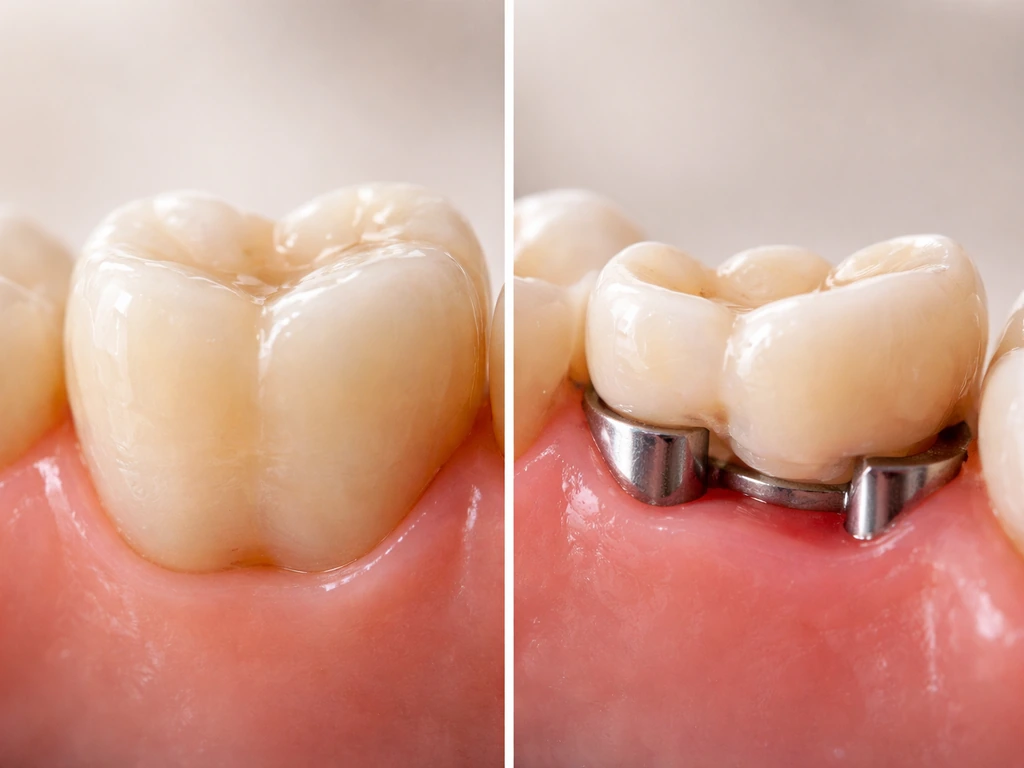
Do Teeth Grow Back After 100? What’s Realistic and Options
Do teeth grow back after 100? Realistic enamel and repair limits, myths, urgent signs, and treatment options like dentur
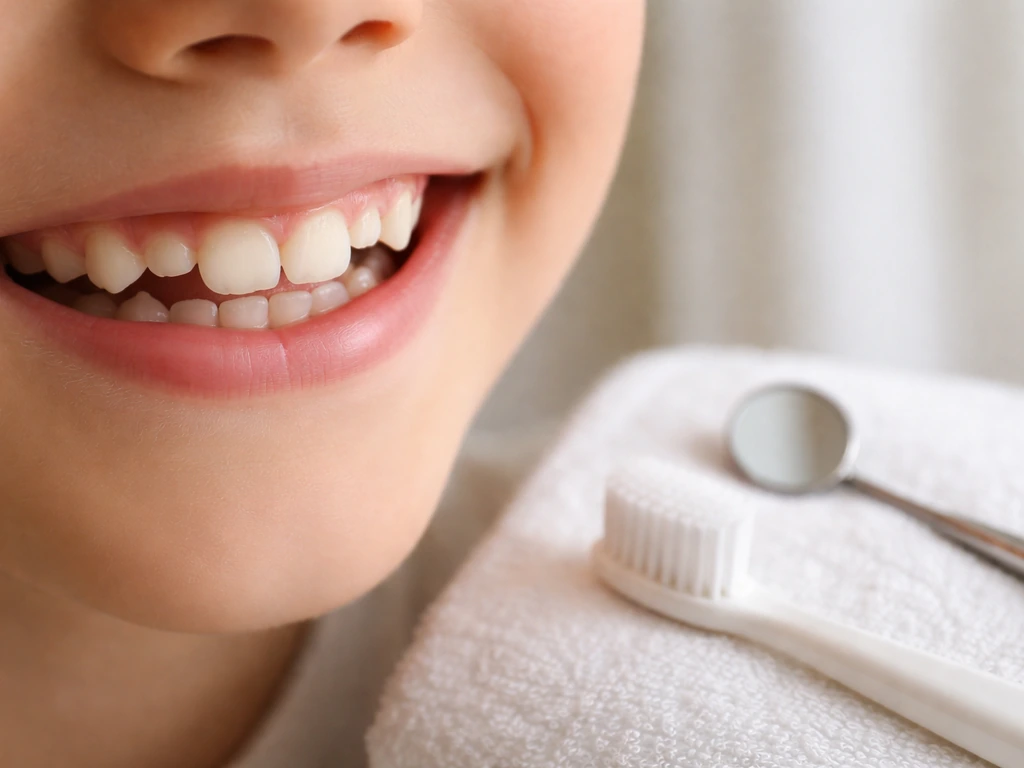
Can Your Teeth Grow Back at Age 10? What’s Real
Learn if teeth regrow at age 10, what can’t return, and what to do after loss, cavities, or trauma.

Can your teeth grow back at age 11? What to know
Can teeth grow back at 11? Baby teeth replace naturally, but lost enamel or permanent teeth don’t regrow. Next steps.