
Rat teeth do not grow into the brain in the way most people fear. The image of an incisor slowly spiraling upward into a rat's skull is more horror movie than biology. That said, the underlying worry is not completely baseless: rat incisors grow continuously and fast, and when something disrupts normal wear, the consequences can be serious, even life-threatening. They just look more like starvation, facial abscesses, and nasal trauma than brain penetration. If your rat has visibly overgrown or crooked teeth right now and has stopped eating, treat that as a same-day veterinary emergency.
Do Rats Teeth Grow Into Their Brain? Real Risks and What to Do

Marcus Holloway
3 May 2026

How rat teeth normally grow and stay safe
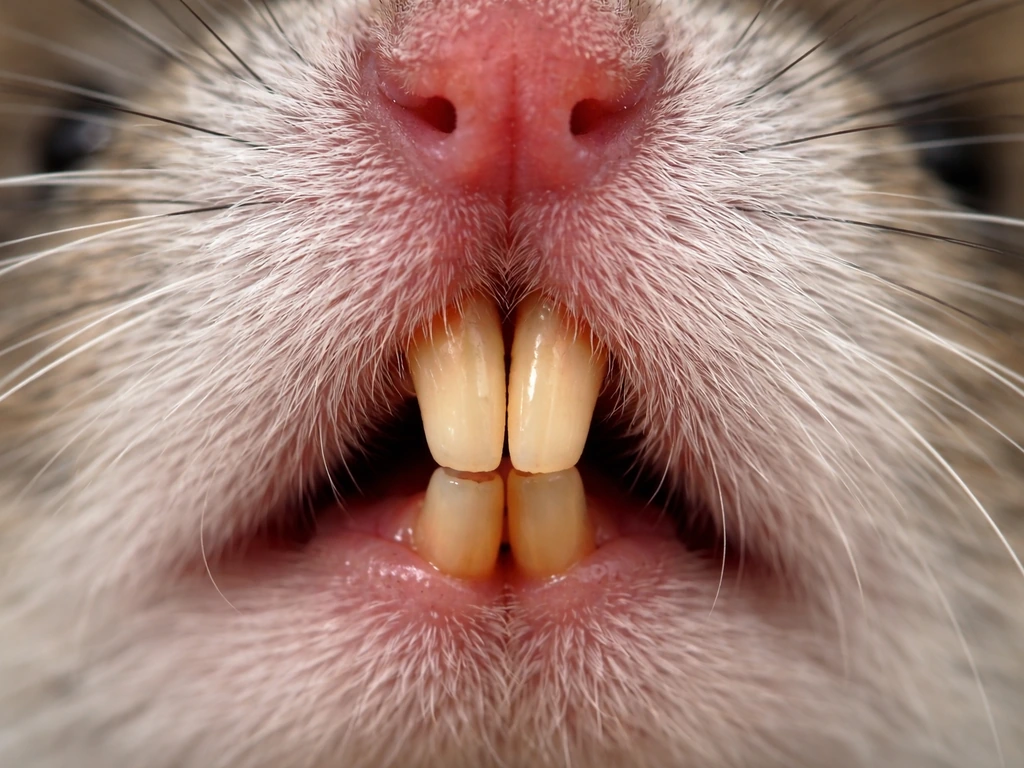
Rat incisors are what biologists call blank" rel="noopener noreferrer">hypselodont, meaning they grow continuously throughout the animal's life. Because rat incisors are hypselodont, you should assume their teeth keep growing unless wear stays balanced with growth Rat incisors are what biologists call hypselodont. The growth rate is genuinely impressive: upper incisors erupt at roughly 2.2 mm per week, and lower incisors push out even faster at about 2.8 mm per week. Left completely uncontrolled, those numbers would add up to a serious problem very quickly. But in a healthy rat with a normal bite, they never get the chance to pile up.
The key is the wear-and-growth balance. When a rat's upper and lower incisors meet correctly, gnawing constantly shaves the tips down at roughly the same rate they come in. The incisors are also self-sharpening: harder enamel covers the front of each tooth while softer dentin sits behind, so normal wear keeps them naturally angled and pointed rather than flat. This is a completely different biological situation from human teeth, where adult enamel cannot regenerate through cellular replacement once it is lost. Rat incisors are fueled by a reservoir of adult stem cells at the root end that keeps production going for life. In rodent molars, continuous growth is maintained by persistent stem-cell niches at the base, including cervical loops, which mineralize the tooth throughout life (PMC) blank" rel="noopener noreferrer">stem-cell niches at the base (cervical loops) that persist and produce cells that mineralize the tooth throughout life. Humans lost that mechanism through evolution, which is one reason cavities in adult teeth are permanent damage rather than something the tooth repairs on its own.
Diet and behavior play a supporting role in keeping things balanced. Rats given appropriate hard foods, wooden chew toys, and a varied diet maintain wear naturally. Owners who provide that environment, and whose rats have normally aligned teeth, rarely need a vet to trim incisors at all.
So can rat teeth actually grow into the brain? What really happens
The direct answer is: not in the way the question usually imagines. Rat incisors grow forward and slightly downward in a curve, not straight back toward the skull. An overgrown upper incisor curves down and can puncture the palate or grow into the nasal cavity. An overgrown lower incisor curves upward and can trap the tongue, block the mouth, or cut into soft tissue. Neither trajectory points toward the brain.
There is one documented exception worth knowing about, and it is important precisely because it shows where the real risk lives. A research study on prairie voles found that severely overgrown molar teeth, not incisors, broke through the base of the cranial floor and invaded brain tissue. Unlike rats' incisors, sharks do not simply keep growing brand-new teeth from the root, but they do replace teeth throughout life, so you can see fresh ones come in as old ones are lost molars. That is a real finding, and it confirms that unchecked overgrowth can ultimately reach critical structures. But it involved cheek teeth, not the incisors that people typically worry about, and it was a case of extreme, untreated overgrowth. The more common and realistic danger for a pet rat is not brain invasion. Do squirrels teeth continue to grow throughout their lives like rats do? It is starving to death because the teeth have grown so long the animal physically cannot eat.
Overgrown incisors also cause mouth trauma, cheek injuries, tongue entrapment, nasal cavity penetration, and infections that can spread to the jaw and face. These are serious, painful, and potentially fatal outcomes. They just are not the dramatic brain-penetration scenario most people picture.
When things go wrong: what causes overgrown teeth in rats
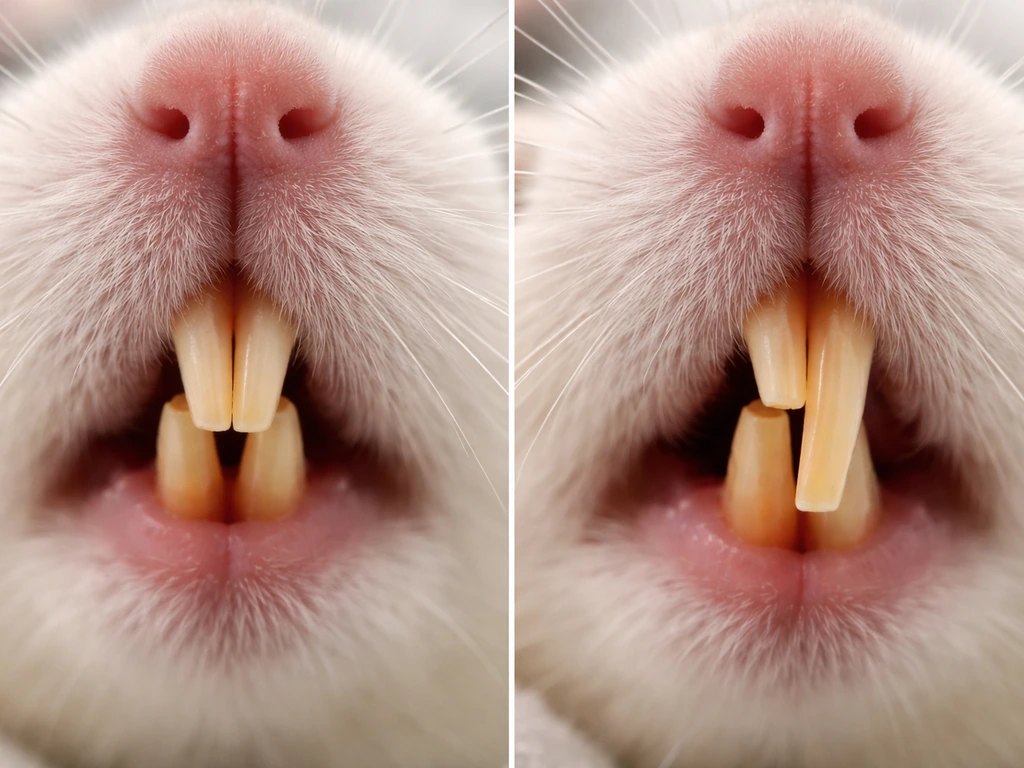
The most common culprit is malocclusion, which simply means the upper and lower teeth no longer meet properly. When alignment is off, the natural wear mechanism breaks down and growth outpaces reduction. Malocclusion can be congenital (the rat was born with it) or acquired after an injury, a fall, a cage accident, or even getting a tooth caught on a cage bar. Older rats are more vulnerable because injuries accumulate and underlying health conditions become more common.
Beyond alignment, other factors that disrupt the growth-wear balance include:
- A soft-food-only diet with no hard items to gnaw on
- Illness or pain that reduces normal chewing behavior
- Missing or broken opposing teeth (if one tooth is gone, the other has nothing to wear against)
- Dental abscesses that alter jaw mechanics or cause the rat to favor one side
- Neurological or systemic disease affecting gnawing strength or coordination
It is also worth knowing that trimming itself, if done incorrectly, can accelerate the problem. Research shows that after trimming, incisor eruption rate can spike to around 1.0 mm per day, roughly double the baseline. That is the body compensating. It means improperly managed trimming without addressing the root cause can create a cycle of faster growth and repeated problems.
Warning signs you can spot at home
You do not need a veterinary degree to notice that something is wrong with your rat's teeth. The behavioral signs often show up before you can even see the teeth clearly.
- Dropping food while eating, or picking food up and then putting it down
- Reluctance to eat hard foods but still attempting soft ones
- Loss of appetite or noticeable weight loss over days to a week
- Excessive drooling or wetness around the chin and chest
- Pawing at the mouth or face repeatedly
- Visibly uneven, crossed, or excessively long incisors when you look at the front teeth
- Swelling on the face, jaw, cheek, or chin (possible abscess)
- Weakness, lethargy, or hunched posture
- Labored breathing (especially concerning if facial swelling is present)
Not all of these signs mean the teeth are the problem. Some point to other illnesses. But in a rat that has any of these signs alongside visible tooth changes, dental disease is the first thing to rule out. Rats dehydrate and lose body condition fast, so do not wait to see if things improve on their own.
What to do today: immediate steps and when to call an emergency vet
If your rat has stopped eating or is struggling to chew, same-day care is the right call. Rats are small animals with fast metabolisms, and they go downhill quickly when they cannot take in food or water. Do not wait for a Monday morning appointment if it is the weekend and your rat has not eaten in 24 hours.
- Look at the front teeth without forcing the mouth open: visibly long, crossed, or curved incisors are a clear red flag.
- Offer soft foods immediately (cooked pasta, mashed banana, pureed baby food) to help a rat that cannot chew hard items get some calories in while you arrange a vet visit.
- Make sure water is accessible in a way the rat can manage, including a shallow dish if the bottle seems hard to use.
- Do not attempt to clip or trim the teeth yourself. Home clipping risks fracturing the tooth into the root, which can cause deep infection and significant pain.
- Call a vet with exotic animal or small mammal experience. General practice vets vary widely in rodent dental expertise; a specialist or exotics vet is worth the extra effort to find.
- If you see facial swelling, the rat is not eating at all, or there are signs of breathing trouble, treat it as an emergency and go to the nearest emergency exotic vet today.
When you call ahead, mention that you have a rat with suspected dental overgrowth or malocclusion. This helps the clinic prepare, since proper rat dental work typically requires sedation or anesthesia for a safe and thorough examination.
How dental disease in rats is actually treated
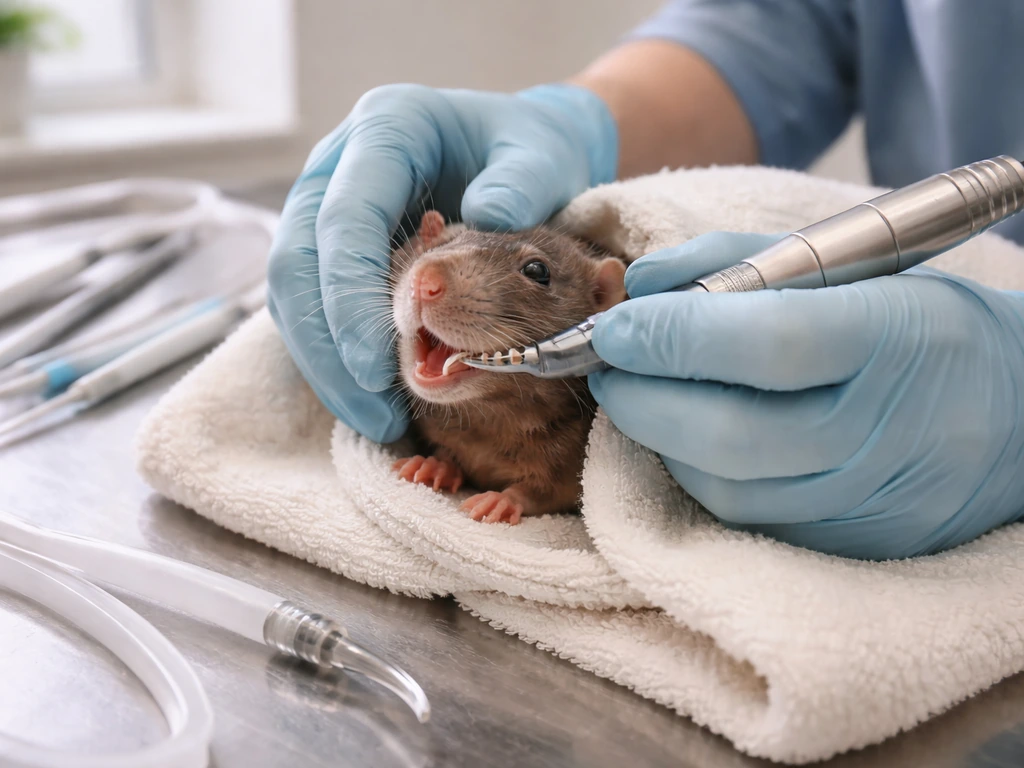
Veterinary trimming, done properly under sedation, is the first-line treatment for overgrown incisors. The vet uses a dental burr or rotary tool rather than clippers, which reduces the risk of the tooth-shattering fractures that home clipping causes. In severe cases, extraction of the offending tooth (and sometimes its opposing tooth) may be necessary, though removing an opposing tooth without a plan can worsen malocclusion, so the approach needs to be tailored.
Because incisor growth rate actually speeds up after trimming, most rats with malocclusion need repeated procedures, sometimes every four to six weeks, to keep things manageable. The goal of ongoing management is not just shortening the teeth but addressing the underlying alignment problem and maintaining quality of life. Some rats live comfortably for years with a regular trimming schedule.
If an abscess is present, treatment typically involves drainage, curettage of the infected tissue, antibiotics, and pain management. Skull X-rays may be needed to assess root involvement and check for bone damage, though interpreting rat skull radiographs is tricky given how small and overlapping the anatomy is. That is another reason to seek a vet with small mammal experience.
On the prevention side, providing appropriate enrichment matters more than most owners realize. Wooden chew blocks, hard lab blocks, and varied textures give the teeth something to work against every day. Regular at-home visual checks of the front teeth, once a week or so, let you catch overgrowth early before it becomes a crisis.
Rats vs. humans: what can actually regrow in dental tissue
Rat continuous tooth growth is often compared to human dental biology as if they are close cousins. They are not. The underlying cellular machinery is fundamentally different, which is why so many dental regrowth myths about human teeth fall apart under scrutiny.
| Feature | Rats | Humans |
|---|---|---|
| Incisor growth | Continuous throughout life, fueled by stem cells at the root base | Stops after adult tooth fully erupts; no further growth |
| Enamel regeneration | New enamel is continuously produced at the growing end | Adult enamel cannot regenerate; dental epithelial tissue is lost after eruption |
| Tooth replacement sets | No replacement sets; one set of incisors that grows forever | Two sets (baby and adult); no third set after adult teeth are lost |
| Risk of overgrowth | High if wear is disrupted; can cause starvation, trauma, abscess | Teeth do not grow significantly after eruption; overgrowth is not a clinical concern |
| Dental stem cells | Active adult stem cells maintain continuous incisor production | Stem cell activity in dental tissue does not produce new enamel or replace lost teeth |
The bottom line for humans is that what looks like 'tooth regrowth' is almost always mineral redeposition on the surface, not true cellular regeneration. Adult human enamel is essentially a nonvital surface: once it is gone, the body has no way to replace it through the same kind of stem-cell-driven production that keeps a rat's incisors coming. This is why cavities require fillings and why there is no pill or supplement that genuinely rebuilds enamel from scratch. Rats evolved a completely different solution to tooth wear, and while it works brilliantly under normal conditions, it creates its own set of serious risks when the wear side of the equation breaks down.
It is worth noting that other animals solve the tooth-wear problem differently too. Horses have hypsodont teeth that are very tall and wear down slowly over a lifetime, squirrels have continuously growing incisors like rats, and sharks replace entire tooth rows repeatedly through their lives. Compared to all of these, human dental biology is actually quite conservative, and understanding those differences helps explain why the myths around dental regrowth in people are so persistent and so wrong.
FAQ
If do rats teeth grow into their brain is not likely, why do people still see scary tooth-related fatalities?
Because uncontrolled incisor overgrowth usually causes mouth trauma, tongue entrapment, nasal cavity penetration, and severe infections that can spread to the jaw and face. These complications can become rapidly life-threatening due to pain, dehydration, and inability to eat, even though the teeth are not migrating toward the brain.
How can I tell the difference between normal continuous growth and an actual malocclusion problem?
Normal growth typically stays paired with wear, so the front teeth look pointed and the rat can chew normally. A problem is more likely when you see teeth getting visibly longer, noticeably crooked, or when chewing changes (drooling, dropping food, pawing at the mouth) alongside tooth length changes.
What does “stopped eating” mean in rats, and when should I treat it as an emergency?
It means the rat is not taking normal bites and either refuses food entirely or can only lick without chewing. If your rat has not eaten within 24 hours, or is struggling to chew, that is same-day veterinary care, even if it is a weekend.
Is it ever safe to trim a rat’s teeth at home with clippers or nail tools?
It is risky because home clipping can shatter teeth or create jagged edges, and trimming without addressing the underlying bite problem can cause eruption rates to spike, leading to a repeat cycle. If trimming is needed, have a small mammal vet do it under sedation or anesthesia.
Why do some vets recommend sedation for dental work on rats?
Rat dental procedures often require a thorough exam of bite alignment and careful shaping with a burr or rotary tool. Sedation improves safety and lets the vet assess for abscesses or root involvement, instead of only trimming what is visible.
If my vet trims the teeth, why do I still have to come back every few weeks?
Because growth is continuous, and malocclusion keeps disrupting the wear-and-growth balance. After proper trimming, eruption can speed up temporarily, so ongoing scheduled maintenance is often needed while the underlying alignment issue is managed.
Can an injured tooth or a tooth caught on a cage bar cause dental overgrowth later?
Yes. Injuries can shift bite alignment (acquired malocclusion), which breaks the normal wear pattern. A rat might look fine at first, then develop progressive overgrowth and mouth or nasal complications over subsequent weeks.
What other illnesses can look like dental trouble in rats?
Respiratory issues, GI problems, pain from abscesses elsewhere, and systemic illness can reduce appetite and cause lethargy. That is why you should treat visible tooth changes as a dental red flag and still have a vet rule out infection or non-dental causes.
Do molars ever cause brain invasion, or is that a pure myth?
Brain invasion from tooth overgrowth is not the typical scenario. The documented extreme case involved severely overgrown molars in another species research context, with untreated, severe overgrowth reaching the cranial floor. For pet rats, the common threats are infections and feeding failure from incisor or mouth-nasal trauma.
What foods should I switch to immediately if my rat is having trouble chewing?
Use soft, easy-to-chew options so the rat can eat while you arrange veterinary care. Avoid hard pellets or items that require strong gnawing if chewing is compromised, but do not treat diet changes as a substitute for an urgent dental evaluation.
How often should I check my rat’s teeth at home?
A weekly visual check of the front incisors is a practical baseline. More frequent checks may be needed for older rats, rats with known bite issues, or rats recovering from recent trimming, since problems can worsen faster than owners expect.
When would tooth extraction be considered, and what’s the tradeoff?
Extraction is considered in severe cases where trimming cannot control the problem or when there is a complex infection or damaged tooth. Removing an opposing tooth without a plan can worsen the bite alignment, so vets tailor the approach based on how the malocclusion behaves after removal.
If my rat has a suspected abscess, what signs should I look for besides tooth length?
Look for facial swelling, reduced appetite with facial pain, nasal discharge or noisy breathing, and sometimes asymmetry around the jaw or cheeks. Because root involvement can be present, vets may recommend antibiotics and imaging, with pain control as a priority.
Next Articles
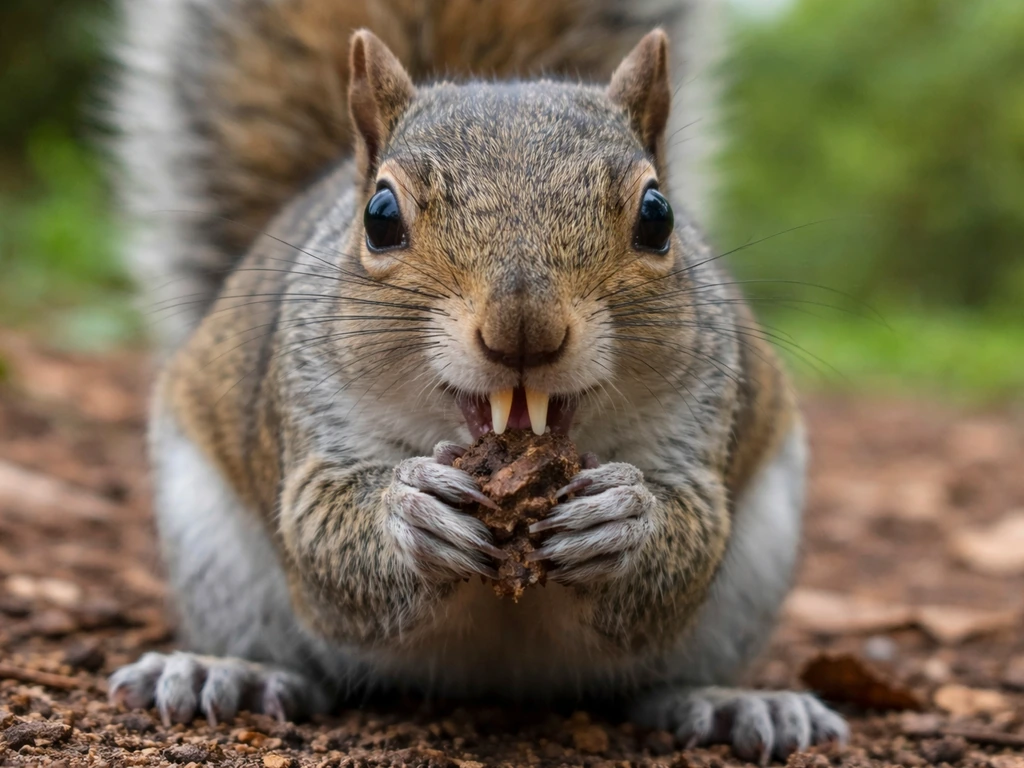
Do Squirrels Teeth Continue to Grow and Can They Regrow?
Explains why squirrel incisors keep growing, when wear balances it, and what broken teeth can and cannot regrow.
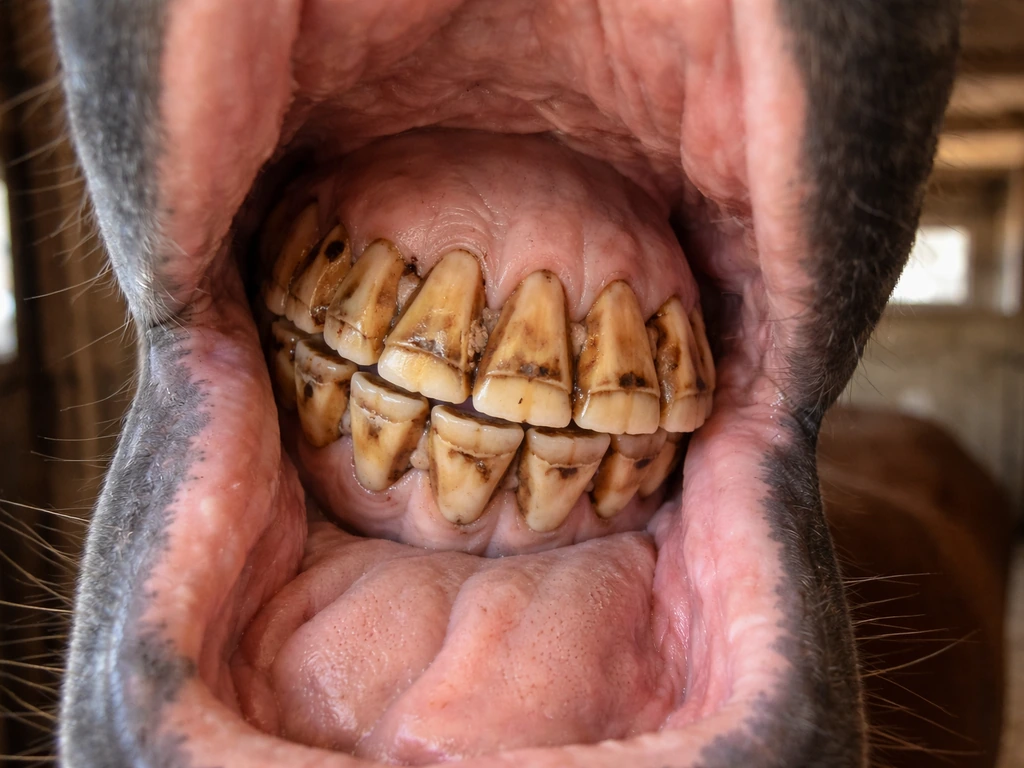
Do Horse Teeth Continue to Grow? What to Expect and Myths
Learn why horse teeth keep erupting, not regenerating, plus signs of overgrowth and when to seek vet dental care.

Do Sharks Grow New Teeth How Replacement Works
Yes, sharks replace teeth throughout life. Learn how new teeth form, how often it happens, and why it differs from human