
Elephant tusks grow from the second upper incisors, not the canines. Specifically, they develop from a pair of modified upper lateral incisors that first erupt as small deciduous teeth called "tushes" when a calf is around one year old, and are then replaced by the permanent tusks by about age two to three. So tusks are not some exotic extra feature bolted onto an elephant's face. They are, anatomically, just teeth doing what teeth do: erupting on a developmental schedule.
Which Teeth of Elephants Grow Into Tusks? Key Facts

Marcus Holloway
16 Jun 2026
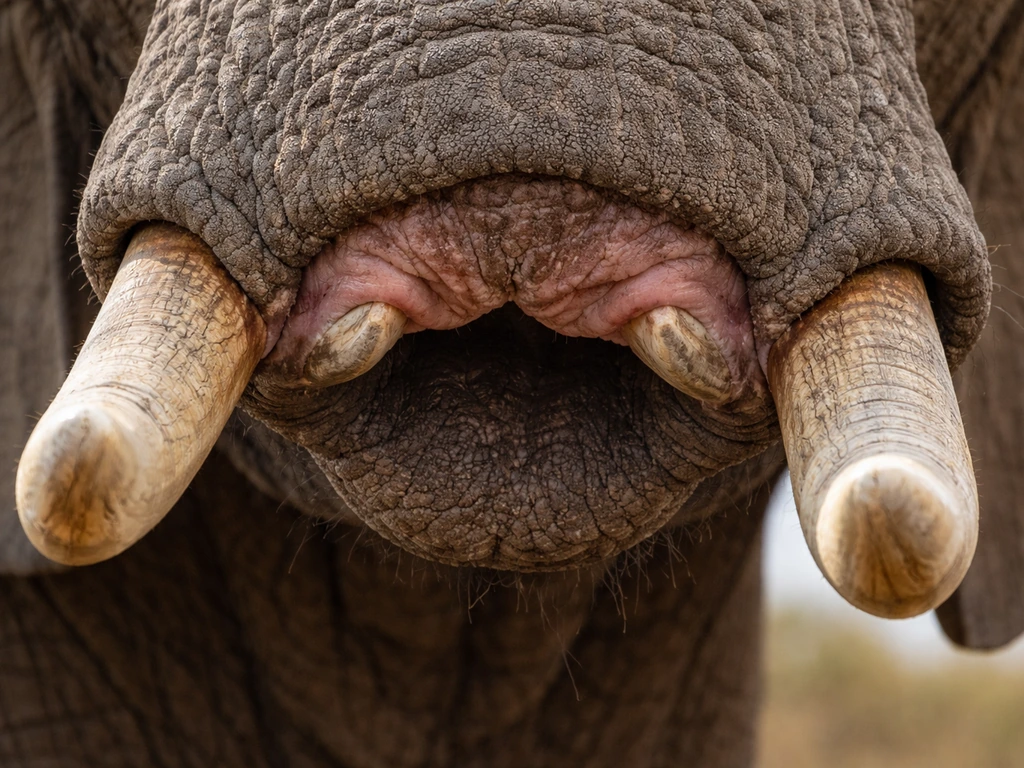
Which elephant teeth actually become tusks
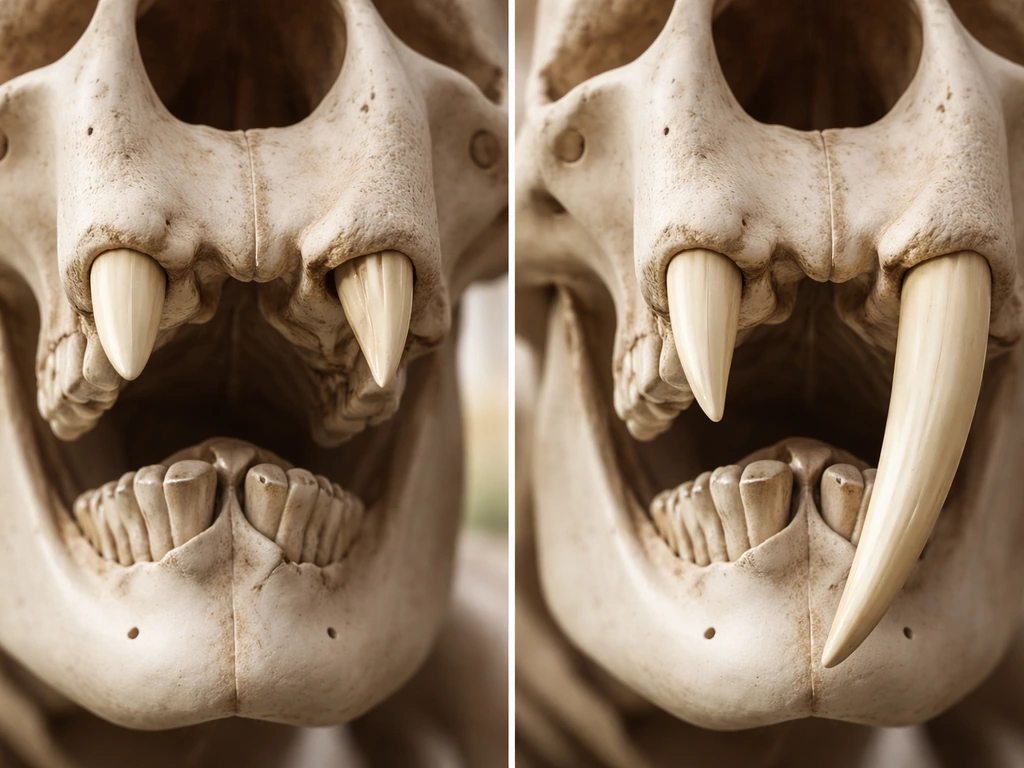
The short version: tusks are the upper second incisors, and they follow a classic deciduous-to-permanent tooth sequence. The baby version (the tush) erupts first, provides orientation for the permanent successor, and then gives way to the tusk itself. This is normal dental succession, not some special tusk-specific process.
It is worth clearing up a common mix-up right away. Many people assume tusks must be canine teeth because they look like enlarged fangs. They are not. Canine teeth in the mammalian dental formula sit in a different position entirely. Elephant tusks occupy the incisor slots, specifically the lateral upper incisors. Elephants actually have no true canines at all.
There is also an important sex difference. In African elephants, both males and females typically develop tusks, but in Asian elephants the picture shifts: most female Asian elephants either have very small tushes that never fully erupt or remain entirely vestigial. In some populations of African elephants under heavy poaching pressure, tusklessness in females has jumped from a natural baseline of about 2 to 4 percent to over 21 percent (as documented in Ruaha National Park). Research tracing that genetic shift found that the tuskless females also had smaller or missing maxillary lateral incisors, exactly the teeth that would have become tusks. That is strong evidence confirming which tooth slot tusks occupy.
What tusks are actually made of (and how they keep growing)
Tusks are overwhelmingly made of dentin, the same tissue that forms the bulk of any mammal tooth, including yours. A PubMed discussion of ivory structure similarly describes tusks as having a main core of dentin (ivory) with a minor peripheral component Tusks are overwhelmingly made of dentin. The outer surface carries a thin layer of cementum (another familiar tooth tissue), and the very tip of a young tusk has a thin cap of enamel that wears away fairly quickly. Inside the tusk runs a pulp cavity, containing living pulp tissue connected to the odontoblast layer that keeps producing dentin throughout the elephant's life.
That continuous dentin production is the key to understanding tusk growth. Unlike the molars in your mouth, which stop growing once fully formed, a tusk is an ever-growing tooth. The pulp stays vital for decades, odontoblasts keep laying down new dentin from the inside, and the tusk pushes forward. Tusk size at any given age depends on sex, diet, genetics, and how much breakage and wear the tusk has accumulated. In female African elephants, tusk growth tends to plateau around age 40, after which the tusks may actually get shorter from wear and breakage rather than longer.
Biologists use the growth bands visible in cross-sections of ivory (similar to tree rings) to reconstruct lifetime histories of individual elephants. The layered microstructure of dentin, known as the Schreger pattern in ivory, is what makes this possible and also what makes elephant ivory visually distinctive.
Do tusks grow back if they break?
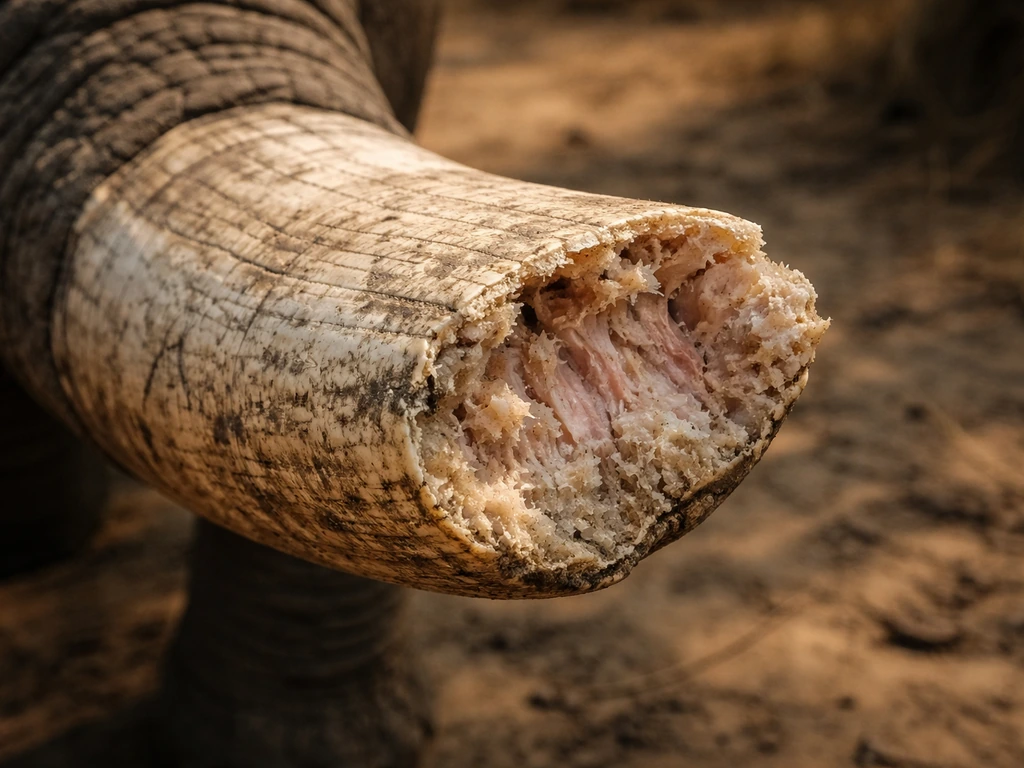
Here is where the biology gets interesting, and where a lot of internet misinformation lives. If a tusk snaps off, the broken portion does not grow back. There is no re-eruption of a new tusk from a new tooth germ. Elephants are not sharks. Sharks, for example, can continuously replace their teeth throughout life, so the total number can be extremely high Sharks can continuously replace their teeth. Unlike sharks (which are polyphyodont in the extreme, continuously cycling through thousands of replacement teeth), elephants get one permanent tusk per side, and that is it.
What can happen after a fracture is more nuanced. If the pulp is exposed but stays vital, the living odontoblasts inside the remaining stump can keep depositing dentin. A classic study on tusk injuries documented cases where a snapped tusk left the socketed root portion in place, and ivory continued to be deposited within the pulp cavity. The tusk did not regrow from scratch, but it did continue forming from the base. A case report on a juvenile Asian elephant with traumatic tusk fracture showed that two years after endodontic treatment, the former pulp cavity had filled with reparative dentin and osteodentin. That is repair, not regeneration. The distinction matters.
The broken tip is simply gone. The elephant loses that length permanently. What continues is the slow forward growth from the socket end, which can lengthen the remaining tusk base over time as long as the pulp survives. If the pulp dies or becomes infected, even that process stops.
How this compares to human tooth regeneration
Understanding tusk biology is actually a useful lens for thinking about what human dental tissues can and cannot do. The comparison breaks down tissue by tissue.
| Tissue | Elephant tusk | Human tooth |
|---|---|---|
| Dentin | Continuously produced by odontoblasts throughout life; tusk keeps growing | Produced by odontoblasts throughout life (tertiary/reparative dentin possible); stops when pulp dies |
| Enamel | Thin cap at tusk tip only; wears away early; not replaced | Cannot be regenerated after eruption; ameloblasts are lost permanently |
| Cementum | Thin outer layer; not regenerated after damage | Limited regeneration possible in periodontal therapy, but complex and incomplete |
| Pulp | Stays vital for decades; supports continued dentin growth; can deposit reparative dentin after injury | Can produce reparative dentin if vital; pulp capping works in some cases; once dead, no new dentin forms |
| Whole tooth regrowth | Not possible; one permanent tusk per side, no replacement | Not possible in adults; humans get two sets only |
The big takeaway for human teeth: dentin is the most forgiving of the hard tooth tissues, because odontoblasts in the pulp keep working as long as the pulp is healthy. This is why catching a cavity early matters so much. Once the decay reaches the pulp and kills it, you lose that reparative capacity entirely. Enamel is the opposite story: once it is gone, it is gone. Ameloblasts (the cells that build enamel) undergo programmed cell death after finishing their job, so there is no cellular machinery left to rebuild enamel after eruption. Research into enamel regeneration is ongoing, but no clinically available treatment can replace lost enamel with true biological enamel today.
Common myths worth busting
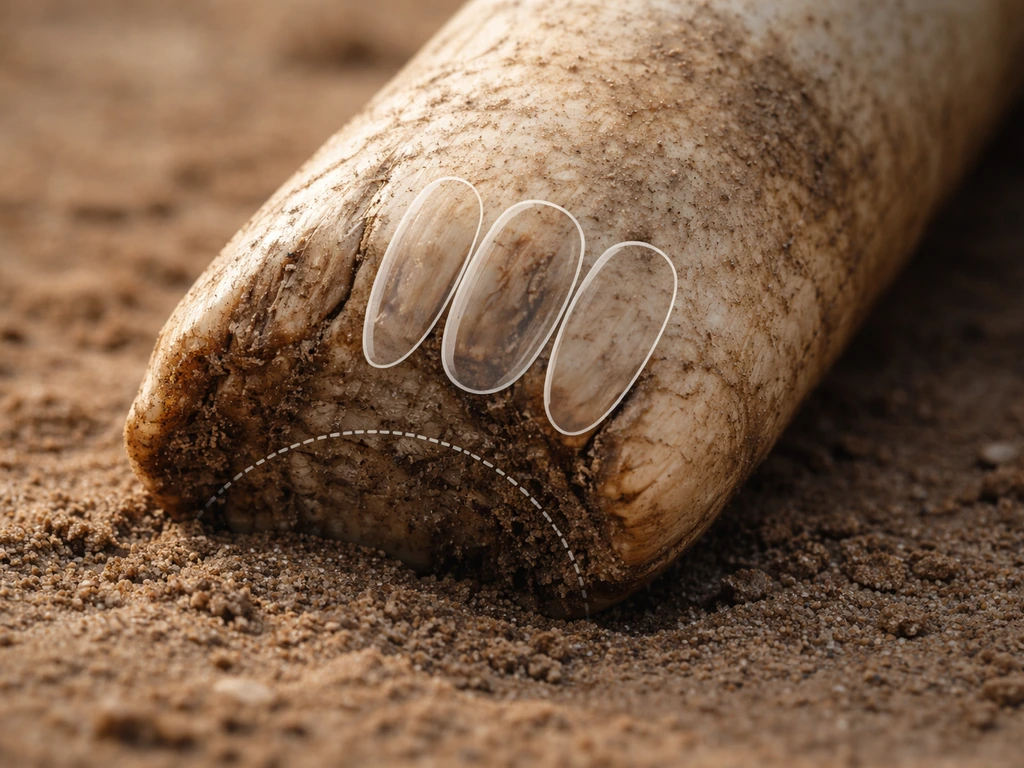
A few misconceptions come up repeatedly whenever tusk biology crosses into dental regeneration discussions. Here are the ones worth addressing directly.
- Myth: Tusks are canine teeth. They are not. Tusks are upper lateral incisors. Elephants have no canine teeth.
- Myth: Tusks are "extra" teeth that grow in addition to normal elephant teeth. Tusks are normal teeth. They follow the same deciduous-to-permanent sequence seen in many mammals, including humans.
- Myth: A broken tusk grows back like a fingernail. It does not. The broken portion is permanently lost. Continued dentin deposition from an intact pulp can lengthen the base of the remaining stump, but that is not the same as regrowing what snapped off.
- Myth: Tusk regrowth proves that human teeth can also regrow if given the right conditions. Tusk elongation is not regrowth. It is the normal lifelong eruption of an ever-growing tooth. Human permanent teeth have fully formed roots and do not have this mechanism.
- Myth: Tusklessness in elephants means those elephants grew tusks and lost them. Tuskless elephants never developed functional permanent tusks to begin with. In the genetic studies, the missing tusks correlate with absent or reduced lateral incisors, the same tooth that would have become the tusk.
- Myth: Ivory is bone. Ivory is dentin. It is a tooth tissue, not skeletal tissue, with a completely different microstructure and cellular origin.
A practical way to think about tooth eruption timelines
Whether you are a parent tracking your child's dental development or just trying to make sense of animal tooth biology, eruption timelines follow a predictable logic: the tooth germ forms first, the deciduous (baby) version erupts, and then the permanent successor replaces it. For elephants, molar replacement follows a horizontal conveyor-belt system rather than the vertical up-and-down replacement humans use, but the underlying principle holds. Knowing when a tooth is supposed to arrive helps you know when something is off.
For elephant tusks specifically, blank" rel="noopener noreferrer">the tush (deciduous version) appears around one year of age, and the permanent tusk takes over by age two to three. After that, the tusk grows continuously for decades. Because tusks are continuously growing for decades, an elephant can develop very large teeth over its lifetime, sometimes approaching the staggering figure of 3000 teeth. By comparison, the cheek teeth (molars) cycle through six sets over an elephant's lifetime, with the last set typically wearing out around age 60 to 70, which is roughly when wild elephants die from starvation.
For humans, the parallel is simpler: you get 20 baby teeth starting around 6 months, then 32 permanent teeth (including wisdom teeth) erupting between ages 6 and 25 or so. Once those are in, that is the complete set. There is no third set waiting in reserve, no matter what you may have read online. The regeneration question becomes entirely about maintaining and repairing what you already have, which is why early cavity treatment, gum health, and pulp preservation matter so much clinically.
If you are trying to understand whether a specific tooth issue in yourself or your child involves normal development or a genuine problem, the best move is to map where you are in the expected eruption timeline and consult a dentist or pediatric dentist. Eruption can be early, late, or blocked (impacted), and none of those situations resolve themselves without some outside help. The same principle applies in elephant care: wildlife veterinarians monitor tusk development using the same kind of age-and-eruption framework that pediatric dentists use for kids.
Other animals handle dental replacement very differently, which makes for a useful comparison when thinking through these questions. Continuously growing teeth are not unique to elephants, and understanding which animals rely on ever-erupting teeth versus which produce fixed, finite sets helps clarify why human enamel loss is permanent while tusk dentin keeps accumulating. If you are curious about the broader picture of which animals have continuously growing or self-replacing teeth, those comparisons can sharpen your understanding of what makes human dental biology both limited and worth protecting.
FAQ
Do elephant tusks come from the same teeth as human incisors, or is it a different kind of tooth?
They are the same general tooth category as incisors (teeth in the front of the jaw). Elephant tusks specifically originate from the upper second incisors, which are modified lateral upper incisors, not canines. That matters because it explains why elephants lack functional canines in the way many mammals do.
If the tushes erupt around age one, can an elephant end up without tusks later even if it had tushes?
Yes, particularly in many female Asian elephants where the tushes are often tiny, fail to fully erupt, or stay vestigial. In African elephants, female tusklessness can also increase in some populations due to genetic changes, and those tuskless females tend to have smaller or missing maxillary lateral incisors (the very tooth slot that would become tusks).
Are African elephant tusks always present at birth, or do they become visible later?
They become visible later. The deciduous tush appears first, then the permanent tusk replaces it around ages two to three. Even after the permanent tusk forms, its apparent length depends on later growth plus the amount of breakage and wear over time.
If an elephant loses part of a tusk, will it regrow from the broken tip like a nail growing back?
No, not from the broken tip. The snapped portion is gone permanently, because the tooth does not re-erupt as a new tooth germ. If the pulp in the remaining stump stays vital, the tusk can continue depositing dentin from the base, which can lengthen the remaining portion over time.
What determines whether a fractured tusk continues growing, pulp health or something else?
Pulp vitality is the key factor. If the pulp stays alive and uninfected, odontoblasts can keep laying down dentin from inside the stump. If the pulp dies or becomes infected, dentin production stops, so growth and repair slow or stop.
Do tusks ever keep growing indefinitely without limits?
They do not grow without limit. Growth continues for decades, but patterns differ by sex and life history. For example, female African elephants often show a growth plateau around about age 40, after which wear and breakage can make tusks appear shorter.
Is ivory really a growth record, and does it reflect overall tusk length changes or just age?
It reflects more than age. The layered dentin structure (including the Schreger pattern) can be used to reconstruct age and lifetime history, because growth conditions influence how dentin is deposited over time. That means banding can track periods of faster or slower growth, not just a single uniform rate.
Why do people confuse tusks with canine teeth, if tusks are actually incisors?
Because tusks are long and tusk-shaped, they visually resemble enlarged fangs. But tooth position and developmental origin differ: tusks occupy the incisor slots as modified upper lateral incisors, and true canines are absent in elephants.
If tusks are ever-growing, could an elephant have more than one permanent tusk per side?
No. Elephants get one permanent tusk per side (per jaw side that develops tusk), then that is it. They do not continuously replace tusks throughout life, unlike some animals with multiple replacement cycles.
Next Articles
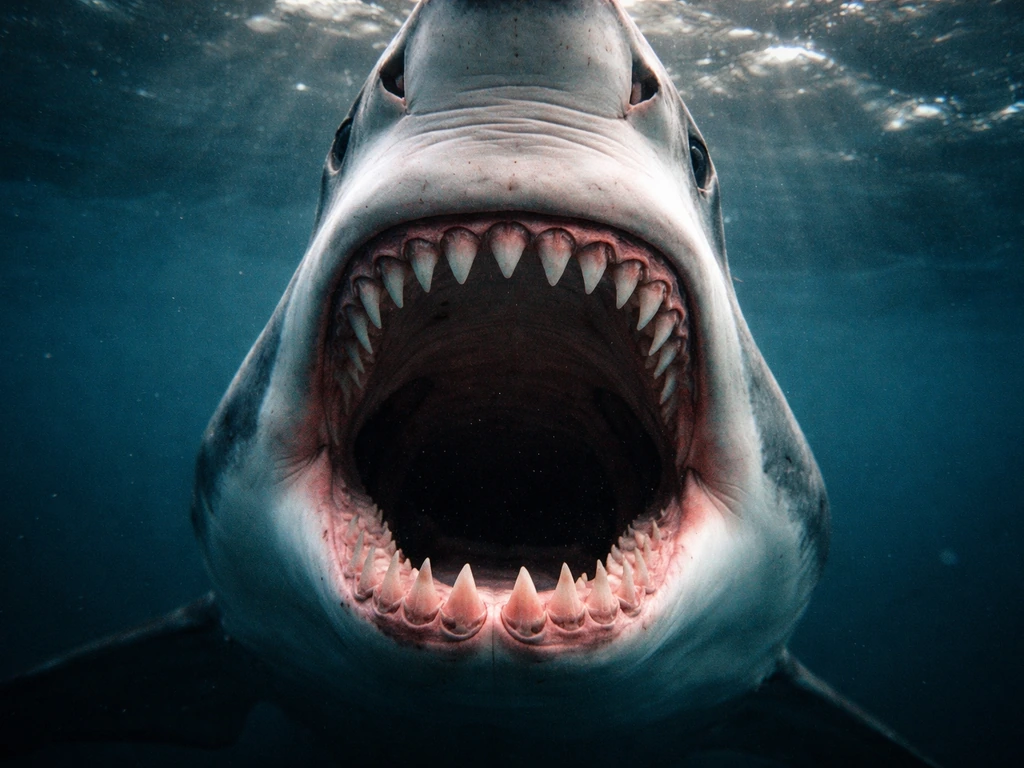
How Many Teeth Can a Shark Grow in Its Lifetime?
Learn how many teeth sharks replace over a lifetime, typical cycles, and the range behind this tooth regrowth estimate.
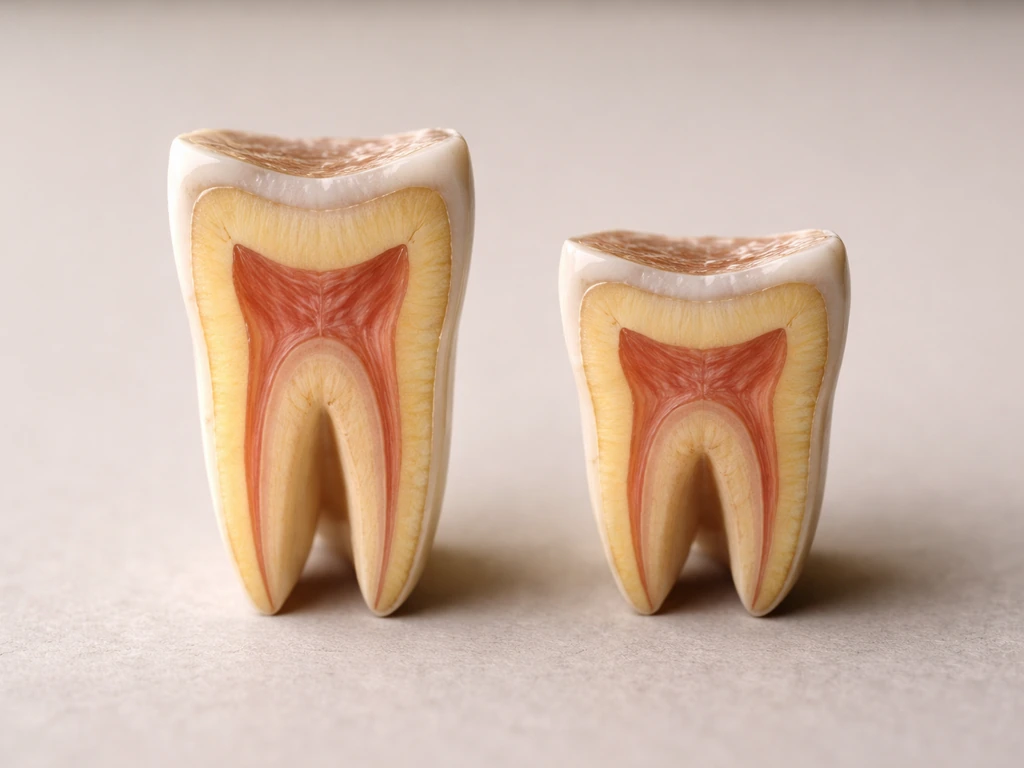
Do Hypsodont Teeth Grow Continuously and How Wear Works
Hypsodont teeth can erupt continuously to replace worn crown height, but not regrow enamel or tooth roots.
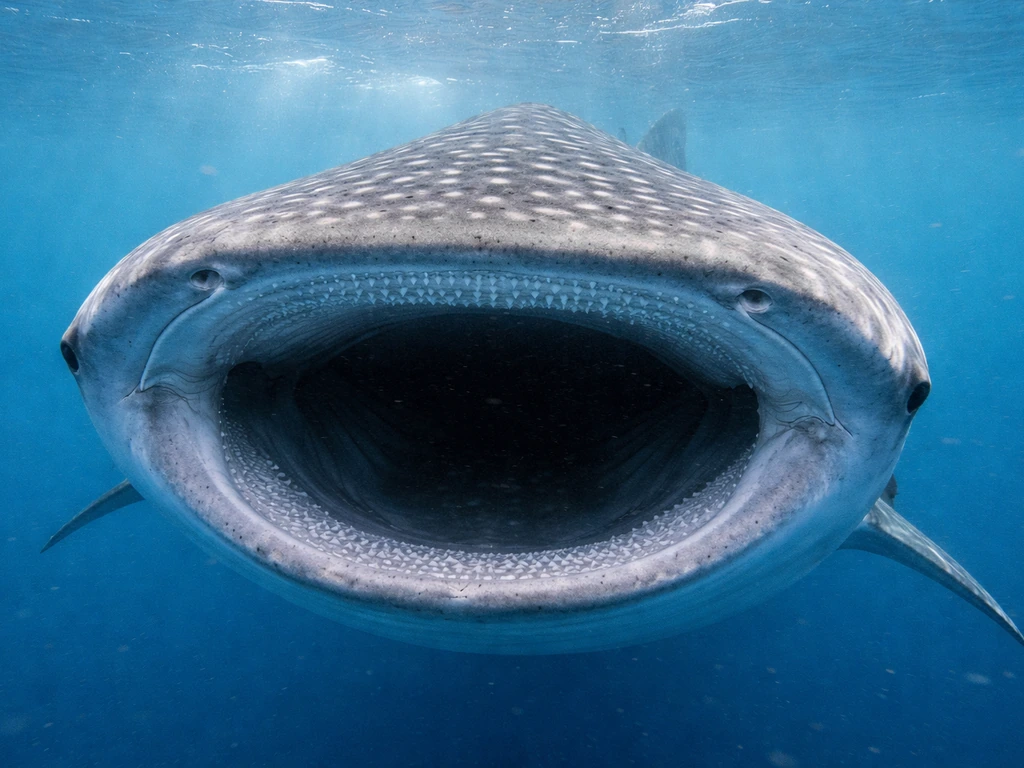
Animal With Up to 3000 Teeth: What the Claim Really Means
Unpack the 3000-teeth claim: which animal replaces teeth for life, why it happens, and what regrowth means for humans