
Rodents are the animals most people are thinking of when they ask this question. Rats, mice, beavers, rabbits, and their relatives all have teeth that never stop growing throughout their lives. In some animals, continuously growing teeth can add up to astonishing numbers over a lifetime, such as the animal that can grow up to 3000 teeth teeth that never stop growing.
The Teeth of What Animal Continue to Grow

Marcus Holloway
16 May 2026
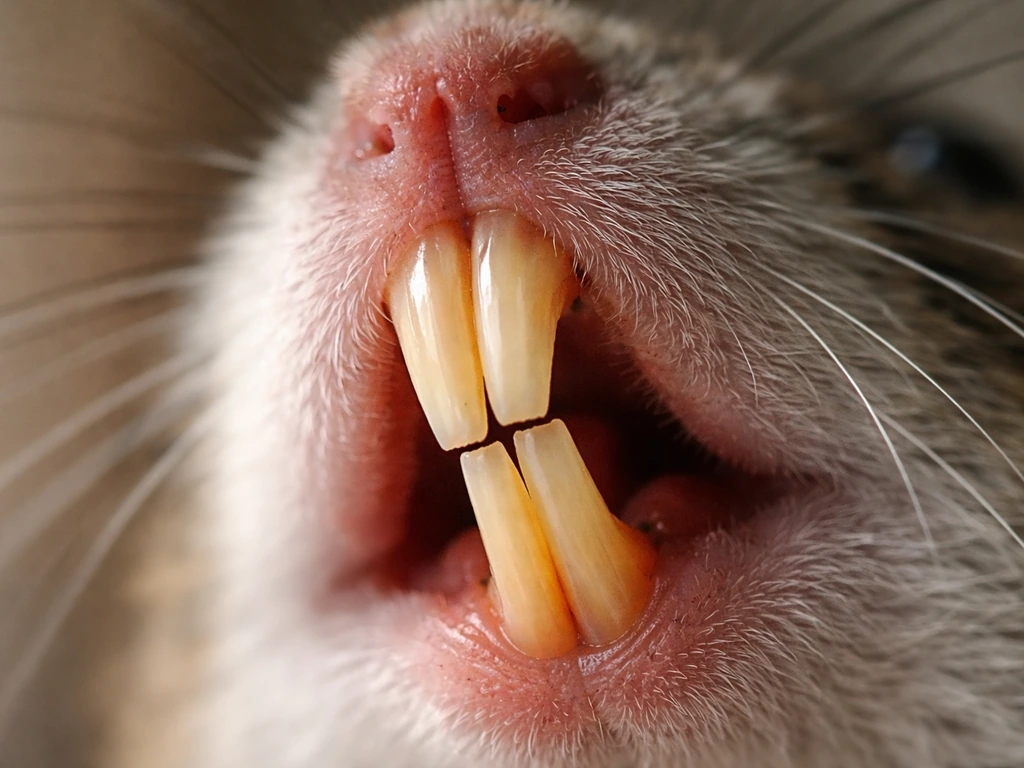
In that same sense, people also wonder about cows, but the special kind of continuous tooth eruption is not how bovine teeth work teeth that never stop growing. But they're not the only ones. Several other animal groups, from sharks to crocodiles to horses, have their own versions of teeth that keep erupting, replacing, or wearing continuously.
This tooth-replacement pattern is also what underlies the question of how many teeth can a shark grow in its lifetime, even though it is not one tooth growing forever. The biology behind each is a little different, and none of it works the way human teeth do. If you are asking the related question, "how many teeth can a shark grow in its lifetime," it comes down to repeated polyphyodont replacement driven by the dental lamina rather than a single tooth growing forever.
Which animals have continuously growing teeth

The clearest examples are rodents and lagomorphs (rabbits, hares, and pikas). These animals have what veterinary and dental biology texts call "aradicular hypsodont" or "hypselodont" teeth, meaning the teeth have open roots and never stop erupting from the jaw. A rabbit's molars and incisors both fall into this category. A beaver's incisors keep pushing out from the gum throughout the animal's entire life. Same with rats, mice, squirrels, guinea pigs, and chinchillas.
Beyond rodents, here are the other major groups where continuous tooth growth or replacement is a defining feature: (Related consideration: elephants also have distinctive tooth growth patterns, including which teeth of elephants grow into tusks.).
- Horses and other equids: their large, high-crowned teeth erupt slowly over decades to compensate for heavy grinding wear
- Elephants: their molars move forward like a conveyor belt and are replaced sequentially, with only one or two usable molars in each jaw at a time (their tusks, which are elongated incisors, also grow continuously)
- Sharks and rays (elasmobranchs): teeth are replaced in a continuous conveyor-belt system from a dental lamina deep in the jaw, meaning new teeth are always forming behind the ones in use
- Crocodilians: polyphyodont animals that can replace each tooth up to around 50 times over a lifetime, with new teeth developing from odontogenic stem cells beneath each functional tooth
- Manatees: unique among mammals in that worn molars are replaced by new ones moving in from the back of the jaw throughout life
Each of these animals uses a different biological strategy, but the common thread is that tooth tissue is either continuously produced or continuously replaced so the animal always has functional grinding or cutting surfaces.
What 'continuously growing' actually means (and what it doesn't)
This is where a lot of confusion creeps in, so it's worth being precise. There are two very different things happening across these animals, and calling them both "continuously growing teeth" can muddy the picture.
The first is continuous eruption, or open-rooted growth. In rodents and rabbits, the tooth itself is alive and actively being produced at the base. The root apex stays open, and stem cells in the jaw keep generating new enamel, dentin, and pulp tissue. The tooth is essentially being pushed upward from below in a permanent, ongoing process. This is what biologists mean by "hypselodont" or "aradicular hypsodont" dentition.
The second is polyphyodonty, or repeated tooth replacement. Crocodilians are widely described as polyphyodont (multiple rounds of tooth replacement), with replacement associated with dental lamina and odontogenic stem cells and continued replacement throughout life. Sharks and crocodiles aren't growing one tooth forever. They're cycling through many successive teeth. A shark doesn't have one set of teeth that never stops growing; it has a continuous production line of replacement teeth forming in layers behind the active teeth. If a tooth is lost or worn down, a new one moves into position. It's more like having an unlimited supply of spare parts than having a single immortal tooth.
Neither of these is the same as regrowing a tooth from scratch after it's been lost or damaged, which is a completely separate process. That distinction matters a lot when people start asking whether humans could ever do something similar.
The biology behind why rodent teeth never stop growing
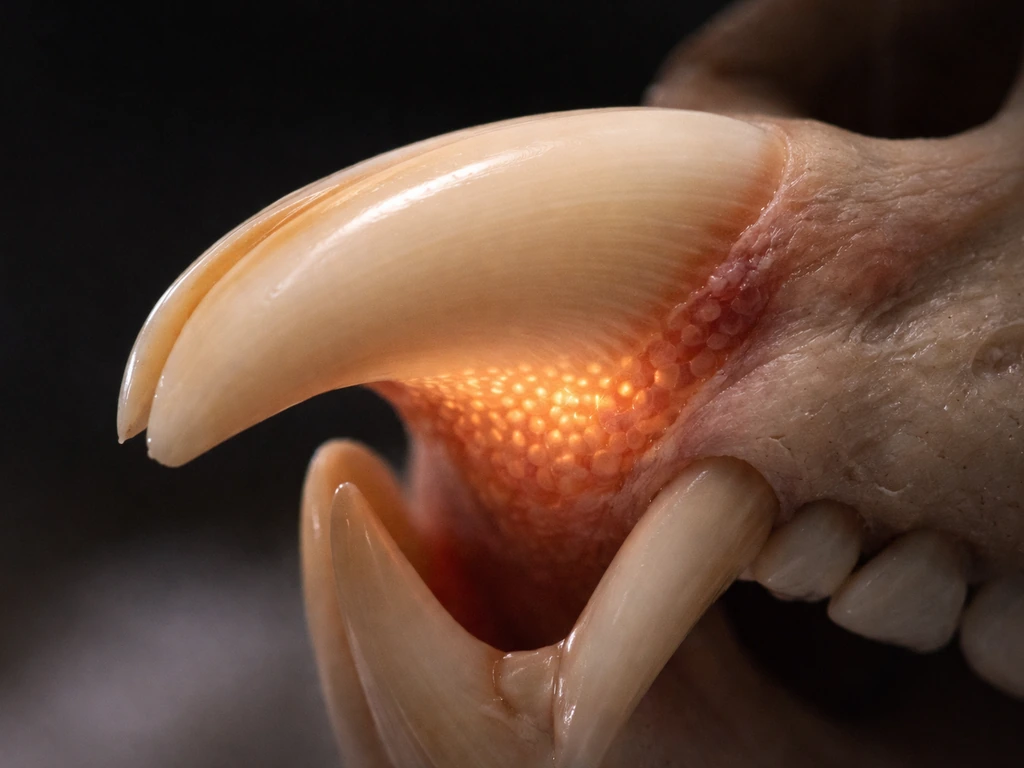
In a typical mammal tooth, including every tooth in your mouth, the cells responsible for making enamel (called ameloblasts) are only active during tooth formation. Once the tooth erupts through the gum, the ameloblasts are shed and disappear. At that point, your body has permanently lost the ability to build more enamel on that tooth. The root apex closes off, the pulp becomes a contained chamber, and growth stops.
Rodent incisors work differently at the cellular level. Research on mouse incisors has shown that the tooth harbors both epithelial and mesenchymal stem cell populations that remain active throughout the animal's life. These stem cells keep generating new enamel-forming and dentin-forming cells continuously, which is what drives the ongoing eruption. The tooth is essentially a living production line. Because wear at the tip is matched by new growth at the base, the tooth stays at a functional length. If you prevent a rodent from gnawing, the teeth overgrow and can eventually curve back into the jaw, which is a real and painful veterinary problem.
For sharks, the mechanism is different again. Their tooth replacement originates from a continuous dental lamina, a strip of tissue inside the jaw that keeps generating new tooth buds in sequence. It's not that one tooth keeps growing; it's that the dental lamina never shuts down the way it does in humans after the second set of teeth forms.
Why this doesn't apply to human teeth (and the myths it's spawned)
Humans are diphyodont, meaning we get exactly two sets of teeth: baby teeth and adult teeth. After the adult set, the dental lamina activity that drives new tooth formation shuts down. There's no third set waiting in reserve. Wisdom teeth are simply the last of the second set to erupt, not a sign of ongoing tooth production.
The myth that human teeth "can grow back if you give them the right nutrients" or "regrow like hair" comes from misapplying animal biology to humans. Hair and nails do grow continuously because the cells that produce them stay active for life. Teeth don't work that way in humans. Do hypsodont teeth grow continuously because their roots stay open and the tooth is kept erupting throughout life Teeth don't work that way in humans. <a data-article-id="1C2E1F41-3F1F-46B1-962B-73FE319E4210">Do hypsodont teeth grow continuously because their roots stay open and the tooth is kept erupting throughout life?
. Human enamel is acellular after it forms, meaning there are no living cells in it that could regenerate lost tissue. Once enamel wears away or a cavity destroys it, your body cannot rebuild it. Dentin can add small amounts of secondary or tertiary dentin as a defensive response, but this is not the same as regrowing a tooth or reversing decay.
Some internet sources blur the line between "remineralization" (which is real and involves fluoride and saliva helping to repair very early enamel lesions) and "regeneration" (which, for a fully formed adult tooth, your body cannot do). Remineralization can strengthen early-stage enamel damage, but it cannot rebuild a lost tooth, fill a cavity, or reverse significant enamel erosion. That requires a dentist.
A quick comparison across the main animal types

| Animal group | Tooth type | Growth mechanism | Parallels to humans? |
|---|---|---|---|
| Rodents and rabbits | Hypselodont (open-rooted) | Continuous eruption via active stem cells at tooth base | None: humans lose stem cell activity after eruption |
| Horses and elephants | High-crowned hypsodont | Slow continuous eruption over decades to offset wear | None: human teeth are low-crowned and stop erupting once in place |
| Sharks and rays | Polyphyodont (replacement) | Conveyor-belt tooth replacement from dental lamina | None: human dental lamina shuts down after second set |
| Crocodilians | Polyphyodont (replacement) | Repeated replacement cycles from odontogenic stem cells | None: humans have no reserve replacement teeth |
| Manatees | Sequential molar replacement | New molars migrate forward as worn ones fall out | None: human molars are permanent with no successors |
How to verify this and spot the bad information
If you want to dig deeper or check specific claims, here's where to focus your attention.
For rodent and rabbit dental biology, veterinary sources like VCA Animal Hospitals and university vet school pages are reliable starting points. They describe hypselodont dentition in practical clinical terms and explain why overgrowth is a common health issue in pet rabbits and guinea pigs. That clinical framing is a useful reality check against vague claims online.
For shark tooth replacement, look for sources that use the phrase "polyphyodont" and explain the dental lamina mechanism. The key distinction to verify is replacement versus continuous single-tooth growth. A source that says "sharks grow thousands of teeth in a lifetime" is accurate; a source that says "sharks' teeth never stop growing" is slightly misleading because it conflates replacement with continuous single-tooth eruption.
For human teeth specifically, StatPearls (published through NCBI) is one of the cleaner clinical references. It confirms plainly that enamel is acellular post-eruption and has no regenerative capacity. Any website claiming human teeth can fully regrow through diet, supplements, or "oil pulling" is contradicting established dental physiology.
A few misconceptions worth watching out for:
- "Continuously growing" does not mean the same thing across all animals: it means open-rooted eruption in rodents, sequential replacement in sharks and crocodiles, and slow high-crowned eruption in horses
- Remineralization is not the same as regeneration: early enamel lesions can be partially reversed with fluoride and good saliva flow, but lost tooth structure cannot be rebuilt by the body
- Wisdom teeth are not a sign that humans can grow new teeth: they are simply the last of the adult set to erupt, and many people's jaws don't have room for them
- Sharks don't have teeth that grow back from a single root: they have successive replacement teeth that develop in layers
- Hypsodont teeth (horses) and hypselodont/aradicular hypsodont teeth (rodents) are related terms but not identical: horses' teeth have long crowns but do eventually wear out, while rodent teeth are truly open-rooted and grow for life
If you have questions about what this means for your own dental health, like whether enamel loss is reversible or whether your child might be getting a third set of teeth, those are exactly the kinds of questions worth bringing to a dentist directly. The biology is clear that human teeth don't regenerate, but a dentist can help you make the most of what you have and catch problems before they cross the line from remineralizable to irreversible.
FAQ
Do any animals regrow lost teeth from scratch the way humans cannot?
Most tooth “never stops” stories are actually about continuous eruption or repeated replacement. True regrowth, where an entirely new tooth forms after loss or major damage, is not the common pattern across these animals, so it is usually a different process than what humans experience after cavities.
How can I tell if an animal has continuous eruption versus repeated tooth replacement?
Look for whether the tooth itself keeps erupting from an open root (continuous eruption), or whether teeth are shed and replaced by new teeth forming behind or in sequence (polyphyodonty). If a source describes multiple successive tooth generations, it is likely replacement rather than a single tooth growing forever.
Is the “thousands of teeth” number about one tooth growing nonstop?
Usually no. The high counts come from continuous production of replacement teeth over time. A common mistake is taking “thousands of teeth” to mean one immortal tooth keeps growing, but the more accurate idea is a long replacement queue.
Do all rodent teeth keep erupting, or only some teeth?
In rodents and lagomorphs, it is especially clear for the incisors, and many molars also fit the continuously erupting or open-rooted pattern. The exact tooth types can vary by species, so “rodent teeth” is not one uniform blueprint across all teeth in all species.
What happens if a rodent cannot wear its teeth down?
Without enough gnawing and grinding, the tooth tips can overgrow and the teeth may curve back into the jaw. That can create severe, painful problems and often requires veterinary dental trimming under proper care.
Are shark teeth always actively growing, or do they just keep getting replaced?
They are replaced, not endlessly extended as a single tooth. The dental lamina keeps generating new tooth buds, so a worn or lost tooth is swapped for a new one that forms in sequence.
Could humans ever develop third-set teeth or “continuous” tooth production?
Humans are diphyodont, meaning the developmental signals that produce adult teeth turn off afterward, and there is no normal third set waiting in reserve. Even if some dentin responses can occur in limited ways, third-set regrowth is not part of standard human tooth biology.
Does remineralization mean a cavity can be reversed at any stage?
No. Remineralization can help very early enamel lesions, but it cannot restore missing tooth structure after a cavity fully forms. Once there is a true cavity or significant enamel loss, dental treatment is typically required.
Do dental injuries to children ever cause “replacement” beyond normal timing?
Baby teeth do normally shed and make way for adult teeth, but that is not the same as additional extra teeth forming later. A dentist should evaluate delays or unusual eruption patterns, since the cause can include crowding, missing teeth, or abnormal development.
Why do some animal myths say nutrients, oil pulling, or supplements can regrow human teeth?
Because they borrow concepts from tissues that truly regenerate or grow continuously, like hair and nails, where producing cells stay active. Enamel and the key tooth-forming pathways in humans do not work that way after eruption, so these claims do not match human dental physiology.
Next Articles
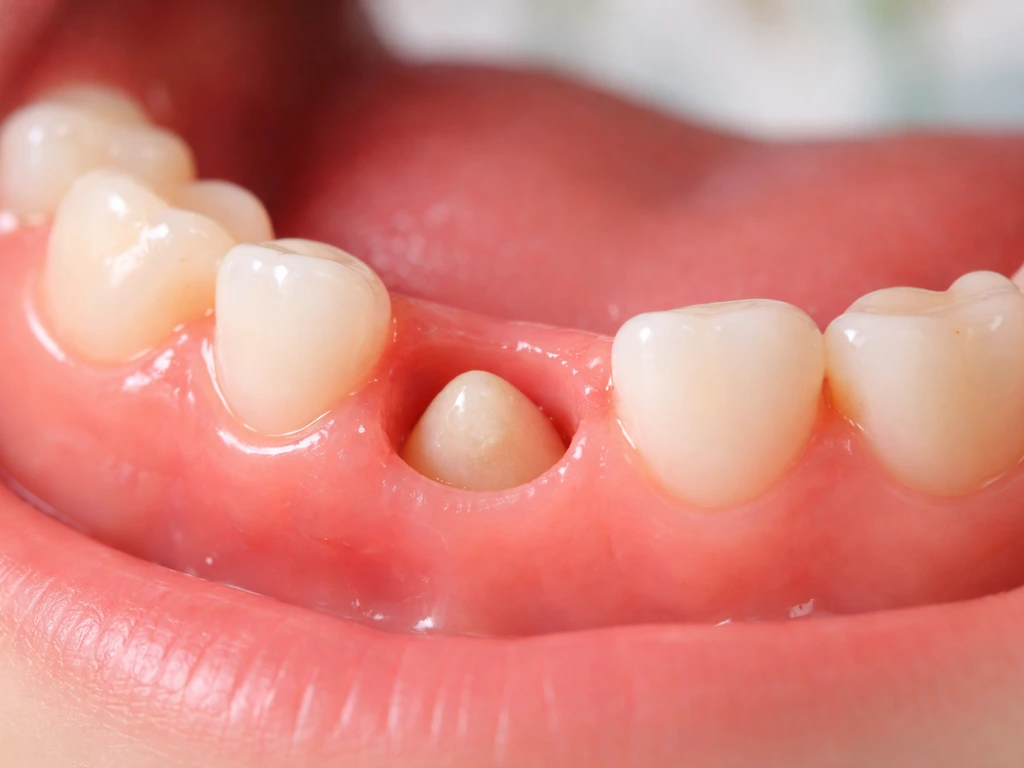
Do Milk Teeth Grow Back? Timelines, What to Do, Red Flags
Learn if milk teeth regrow, typical timelines for permanent teeth, what to do after loss or injury, and red flags.
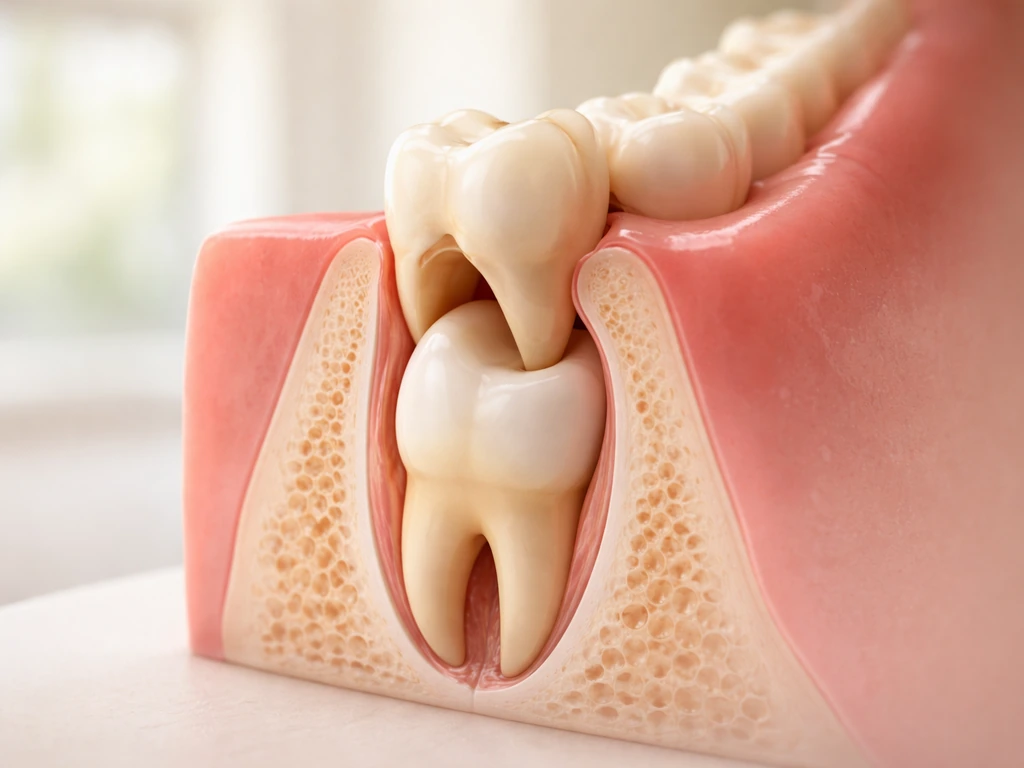
Can Milk Teeth Grow Twice? Replacement vs True Regrowth
Can milk teeth grow twice? Learn why baby teeth usually only get replaced, not regrown, and what to do if one falls out
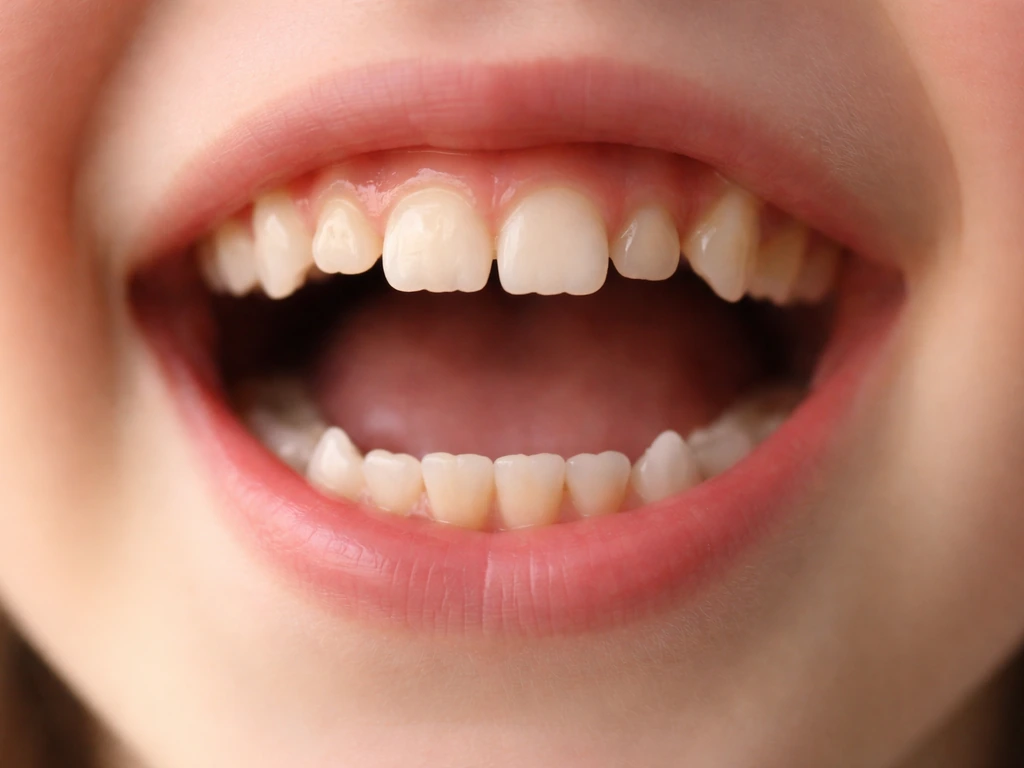
Why Do Teeth Only Grow Twice? Baby vs Permanent Explained
Why humans have only baby and permanent teeth: eruption timeline, limits of enamel regrowth, and common exceptions to kn