
Hypsodont teeth do not grow continuously in the way rodent incisors do. Instead, they have an unusually tall reserve crown buried deep in the jawbone that slowly erupts upward over the animal's lifetime to replace what grinding wears away at the surface. It is a slow-motion dispensing system, not true unlimited regrowth. Once that reserve crown is used up, the tooth is gone, and no new enamel or root structure is ever rebuilt.
Do Hypsodont Teeth Grow Continuously and How Wear Works

Marcus Holloway
20 May 2026
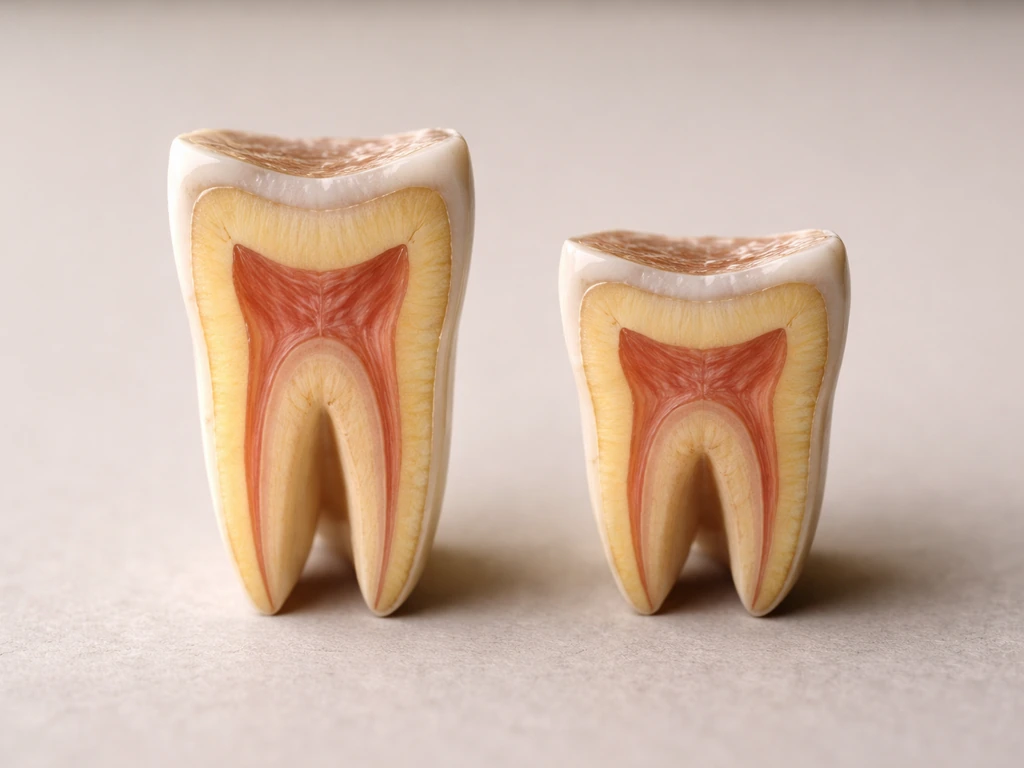
What hypsodont teeth actually are
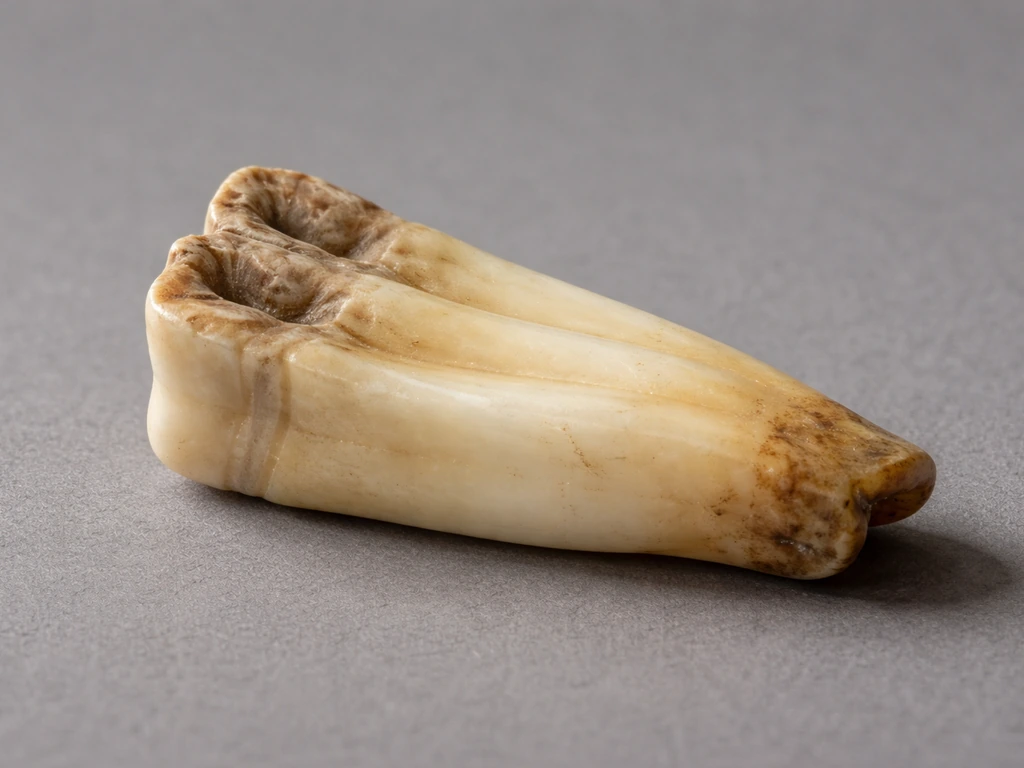
The word hypsodont comes from the Greek for 'high tooth.' A hypsodont tooth has a much taller crown relative to its width and length than a normal mammal tooth does. The opposite type, brachydont (low-crowned), is what humans have: a modest crown that sits mostly above the gumline, with a defined root below. In a hypsodont animal like a horse, a huge portion of each cheek tooth is embedded in the jaw as a reserve crown, hidden from view. The visible grinding surface is just the tip of a very long tooth.
Horses are the textbook example. Their cheek teeth can be several inches long from root to occlusal surface, with most of that length packed into the jawbone. As the horse grinds food and the surface wears down, the embedded portion slowly pushes upward to maintain a working grinding surface. Vets can actually estimate a horse's age by how much reserve crown is left and what the wear patterns look like, because eruption and wear happen in predictable stages across the horse's life.
Continuous eruption vs. continuous growth: these are not the same thing
This is the most important distinction to nail down. 'Continuous eruption' means the tooth keeps moving upward through the jaw over time. 'Continuous growth' means new tooth material is actively being produced at the base, so the tooth can keep getting taller indefinitely. Hypsodont teeth do the first thing, not the second. They erupt continuously, but the total amount of tooth material was fixed at birth. There is no factory at the bottom manufacturing more enamel or dentin as the top wears away. In rodents, however, the teeth of what animal continue to grow because specialized stem cells keep adding new tooth material at the base.
True continuous growth belongs to animals like rodents, whose incisors are driven by epithelial stem cells tucked in a structure called the cervical loop at the base of the tooth. These stem cells continuously supply new ameloblasts (enamel-forming cells) and support new odontoblast activity (dentin-forming cells), so a mouse incisor literally grows new tooth tissue throughout the animal's life. Clip those incisors and they grow back. In mammals, the capacity for de novo tooth regeneration is largely lost, with sustained renewal mainly seen in continuously growing teeth such as rodent incisors. That is fundamentally different from what happens in a horse's jaw, and it is light-years away from what happens in your mouth.
Why grazing animals evolved this system
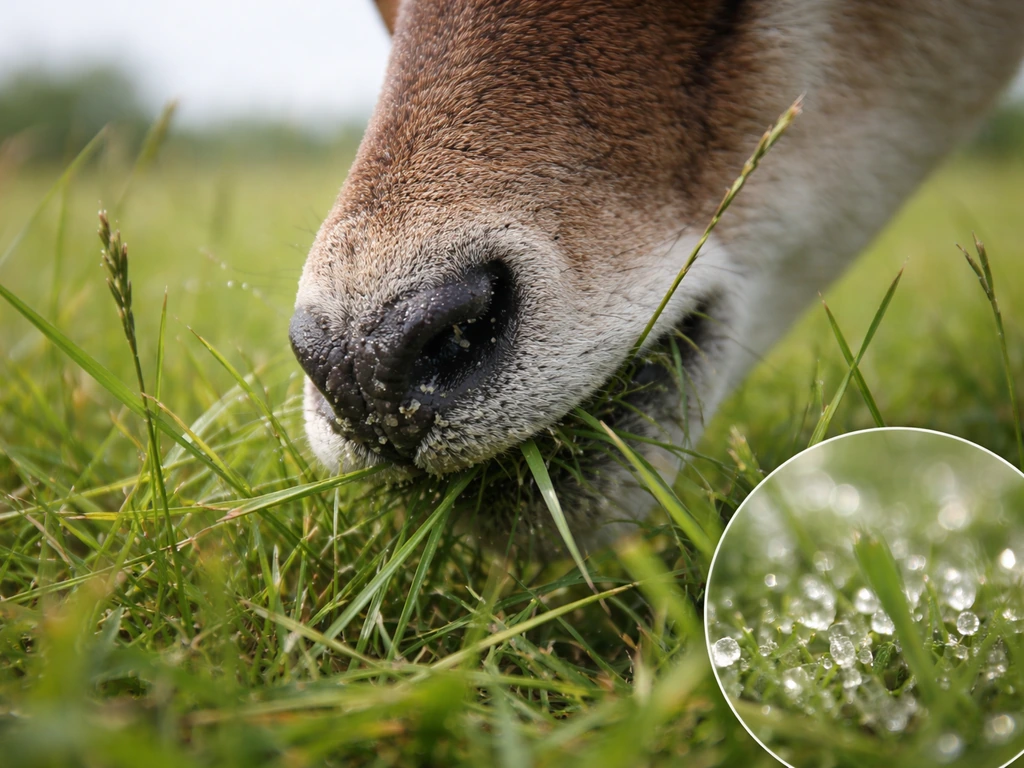
The driving force behind hypsodonty is diet, specifically the abrasiveness of what an animal eats. Grasses and low-growing vegetation are loaded with silica-rich phytoliths, which are microscopic mineral structures inside plant cells. On top of that, grazing animals inevitably ingest dust and grit from the soil surface. Both sources act like fine sandpaper on tooth enamel over thousands of meals. A brachydont tooth in that environment would grind down to the gumline within years, leaving the animal unable to process food and effectively condemning it to starvation.
Hypsodonty is the evolutionary solution: build a tooth with far more crown material than is immediately needed, bury the surplus in the jaw as a reserve, and let it erupt gradually as wear demands it. Research linking hypsodonty index measurements to dietary ecology shows that high-crowned teeth are consistently associated with abrasive, grit-laden feeding environments, whether from grassland phytoliths or exogenous mineral dust on vegetation. Animals that browse softer tree leaves tend to have lower-crowned teeth because the wear rate simply does not demand the extra reserve.
What actually regenerates inside a hypsodont tooth (and what does not)
Inside any tooth, including a hypsodont one, you have three hard tissues doing different jobs: enamel on the outside (made by ameloblasts), dentin underneath that (made by odontoblasts), and cementum anchoring the root (made by cementoblasts). Understanding what each tissue can and cannot do is key to understanding why these teeth are not magic.
- Enamel: formed before the tooth erupts. Once the ameloblasts that made the enamel complete their job and the tooth emerges, those cells die and are gone. No new enamel is ever produced. The enamel you are born with on a tooth is all you get.
- Dentin: the odontoblast layer inside the pulp can deposit limited secondary or reparative dentin in response to irritation or slow wear, but this is a modest, protective response, not regeneration in any meaningful sense.
- Cementum: has almost no remodeling capacity in normal healthy tissue and only very limited regrowth in cases of disease-related resorption.
- Reserve crown: the 'extra' crown in a hypsodont tooth. This is pre-formed tooth material, not newly generated material. It is a budget, and once spent, it is gone.
So when a horse's tooth erupts over the years, it is not building new crown material. It is spending down a fixed deposit. The pulp and root structures at the base eventually reach the surface as the reserve is used up, and at that point the tooth fails functionally. Older horses can and do lose dental function precisely because the reserve is exhausted, which is why equine vets pay close attention to dental wear throughout a horse's life.
Hypsodont vs. brachydont: how these teeth compare across animals
| Tooth Type | Examples | Crown Height | Eruption Pattern | True Regrowth? | Reserve Crown? |
|---|---|---|---|---|---|
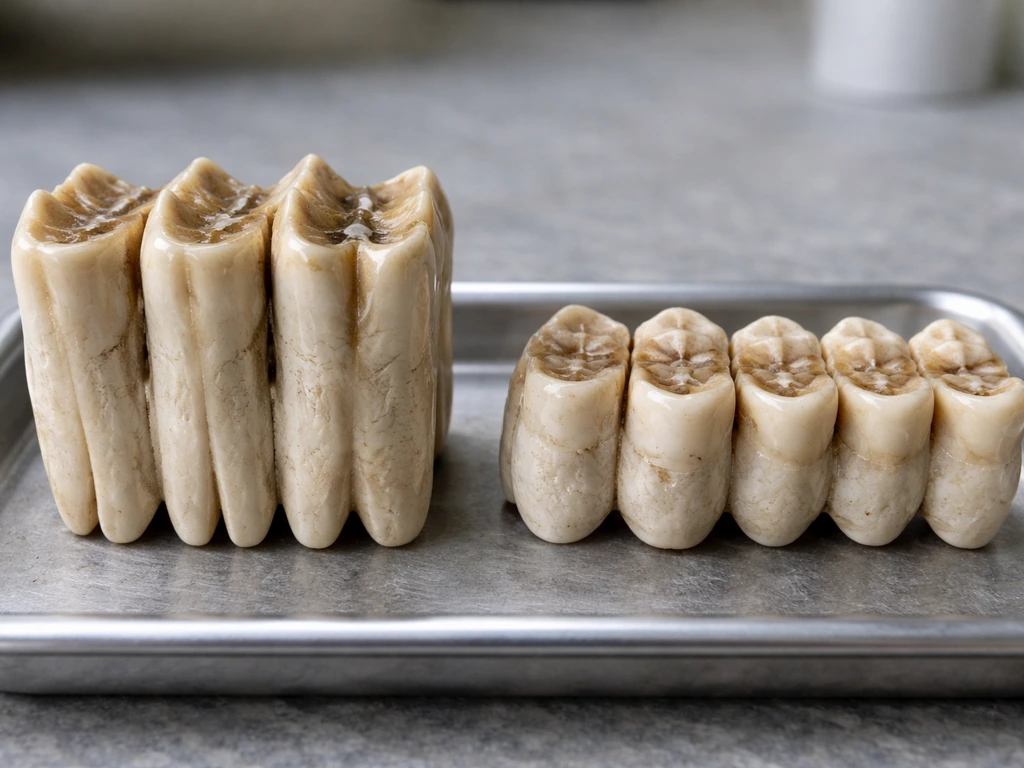
| Hypsodont | Horses, cows, sheep, elephants | Very high | Continuously erupts over lifetime | No | Yes, large embedded reserve |
| Brachydont | Humans, dogs, cats, pigs | Low | Erupts once, then static | No | No |
| Continuously growing (aradicular hypsodont) | Rodent incisors, rabbit incisors | Effectively unlimited | Grows and erupts throughout life | Yes (stem-cell driven) | Effectively unlimited via active growth |
| Polyphyodont replacers | Sharks, crocodiles, many reptiles | Varies | Teeth replaced repeatedly throughout life | Yes (whole tooth replacement) | No (new teeth form instead) |
It is worth noting that some animals take entirely different approaches to the wear problem. Sharks, for instance, do not bother with long-lasting teeth at all. They cycle through thousands of replacement teeth over a lifetime, essentially treating teeth as disposable. In fact, some animals can replace teeth at an extreme pace, reaching an eye-watering total number of teeth over their lifetime cycle through thousands of replacement teeth. In fact, scientists estimate how many teeth a shark can replace over its lifetime to understand how disposable this system really is how many teeth can a shark grow in its lifetime. Elephants use a different strategy: their molars move forward in the jaw sequentially, like a conveyor belt, with new molars pushing older worn ones out from behind, and they get through a limited set of these before the last one wears out. Elephants develop and replace their tusks, but their tusk form comes from different tooth structures and growth patterns than hypsodont cheek teeth. These are all distinct biological solutions to the same problem of dental wear, and none of them involve spontaneous regeneration of lost hard tissue.
What this means for your own teeth
Here is the honest takeaway for human readers: none of this applies to your mouth in a useful way. Humans are brachydont. Our teeth erupt once (twice if you count baby teeth), and that is the end of the eruption story. We have no reserve crown tucked in the jaw waiting to emerge. We have no cervical-loop stem cells making fresh enamel. Once your enamel is gone, it is gone, because the ameloblasts that made it died when the tooth erupted. Research confirms that human teeth have very low to almost absent regeneration potential overall, with enamel being the most irreversible loss.
Dentin has a small margin of response. The odontoblasts lining the pulp can produce limited secondary dentin when provoked by slow wear or mild irritation, which is why some people with gradual grinding have slightly thicker dentin over time. But this is not regeneration in any sense comparable to what rodent incisors do. It will not restore a cavity or replace enamel that acid erosion has dissolved away. Cementum, the tissue anchoring your roots, has essentially no remodeling capacity under normal circumstances. Mammals, as a class, largely lost the capacity for robust tooth regeneration that fish and many reptiles still have, and humans are firmly in the 'mostly stuck with what you have' category.
Common myths worth clearing up
- Myth: 'Teeth keep growing throughout life like nails or hair.' False for humans and most mammals. Hair and nails have active stem-cell-driven growth cycles. Teeth do not, in humans.
- Myth: 'Brushing harder will wear down teeth and they will regrow.' No. Abrasion removes enamel permanently. There is no regrowth to follow.
- Myth: 'Animals with hypsodont teeth can grow new teeth if they wear out.' The reserve crown is finite. Once gone, it is gone. Old horses that have used up their dental reserve cannot regrow teeth.
- Myth: 'If rodents can grow teeth back, humans might be able to with the right treatment.' Rodents maintain specialized stem-cell niches that humans do not have in adult teeth. Researchers are working on this in dental regeneration science, but as of now there is no approved therapy that restores lost enamel or replaces a worn-out human tooth with a new biological one.
- Myth: 'Fluoride grows enamel back.' Fluoride helps remineralize early enamel lesions at the surface and makes enamel more resistant to acid, but it does not regenerate lost enamel structure.
Signs you need a dentist (or a vet) now
For humans dealing with tooth wear, the warning signs that mean you should book an appointment rather than wait are pretty clear. Sensitivity to temperature or sweet foods is often the first signal that enamel is thinning and dentin is getting exposed. Visible changes on the biting surfaces, like cupping or flattening where the tooth once had a more rounded shape, means structural loss is underway. Chips, pitting, or a general loss of the texture and sheen enamel normally has are all signals. Discoloration in areas that used to look uniform can point to dentin showing through. If you grind or clench at night, ask your dentist about an occlusal guard, because protecting what enamel you still have is the only realistic strategy since none of it is coming back on its own.
For horse owners, the equivalent red flags include difficulty chewing, dropping food (called 'quidding'), unexplained weight loss, or an obvious change in chewing behavior. Horses need regular dental floating (filing down sharp points on the cheek teeth) because the continuous eruption process can create uneven wear patterns. A vet should examine horse teeth at least once a year and more frequently in older animals where the reserve crown is getting shallow.
Practical steps for humans concerned about wear
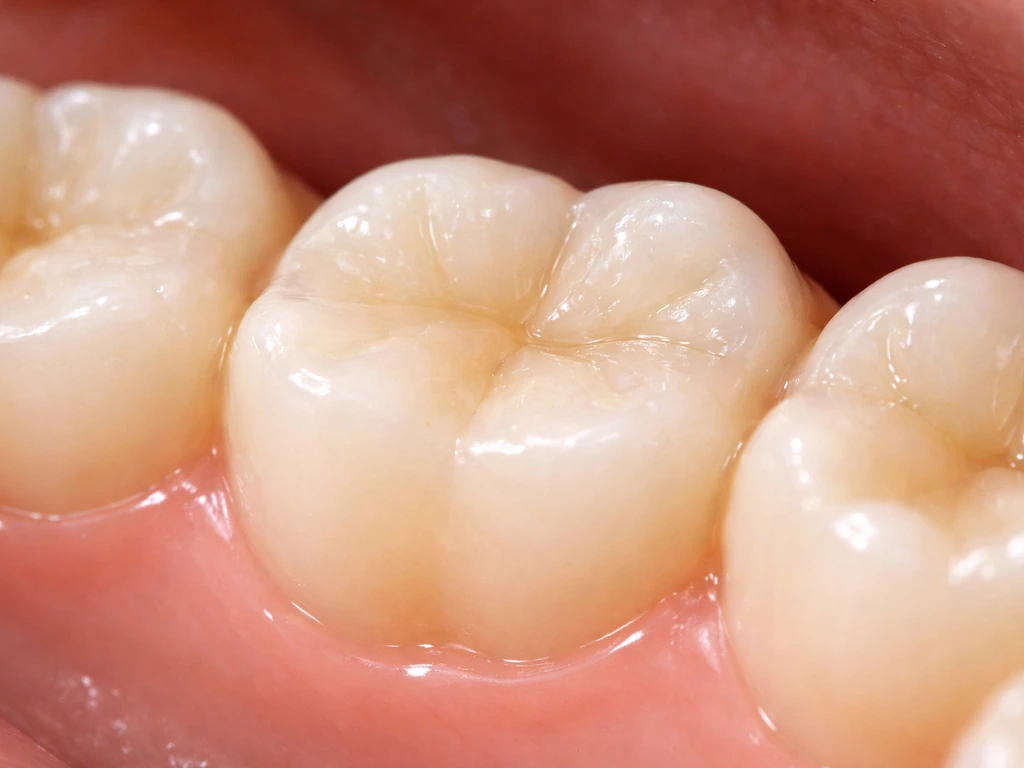
- See your dentist if you notice sensitivity, visible flattening, or texture changes on your teeth. Early intervention stops progression; it cannot reverse what is already lost.
- If you grind at night, ask about a custom-fitted night guard. Over-the-counter versions offer some protection, but a dentist-fitted occlusal guard is more effective and more comfortable long-term.
- Reduce dietary acid exposure: sodas, citrus, and acidic sports drinks all accelerate enamel erosion. Rinsing with water after consuming them helps.
- Use fluoride toothpaste and ask your dentist about prescription-strength fluoride if wear is already visible. Remineralization of early lesions is possible; regrowth of fully lost enamel is not.
- Do not brush immediately after acidic foods or drinks. Wait 30 minutes so the temporarily softened enamel can re-harden before mechanical brushing.
- If a child's teeth are showing wear patterns, mention it at their next checkup. Pediatric enamel is thinner than adult enamel and wears faster.
The bottom line is that hypsodont teeth are a remarkable evolutionary adaptation, but they are not magic. They give animals like horses and cows more mileage on a fixed tank of tooth material, not an infinite supply. This works similarly for do cows grow teeth in their hooves, where the extra tooth reserve helps keep a usable grinding surface as wear occurs horses and cows more mileage. And for humans, the tank is smaller and there is genuinely no refilling it. Protecting the enamel and dentin you have is the whole game, which makes preventive dentistry more important the more clearly you understand what your teeth actually can and cannot do.
FAQ
If hypsodont teeth erupt “continuously,” does that mean they keep growing forever?
No. Hypsodont teeth erupt upward to replace what is worn away, but the total amount of tooth material is predetermined, once that reserve crown is spent the tooth can no longer function. There is no new enamel or dentin manufacture that keeps the tooth growing taller indefinitely.
What’s the difference between continuous eruption and continuous growth in hypsodont teeth?
Some people mix up “continuous eruption” with tooth regeneration. Continuous eruption is movement of an existing tooth structure toward the chewing surface, driven by wear over time. Regeneration means actively rebuilding lost tissue, as happens in certain animals with stem-cell driven growth. Hypsodont teeth do the former, not the latter.
Can hypsodont teeth “wear out early” even if the reserve crown is still present?
In horses, uneven wear can make a tooth present a shorter effective grinding surface even before the reserve crown is fully exhausted. That is why routine dental floating matters, it can correct sharp points and improve contact so the tooth wears more evenly and lasts longer functionally.
Does diet change how fast hypsodont teeth erupt or lose function?
Yes, hypsodonty depends on a long-term wear environment. If an animal eats a less abrasive diet and ingests less grit, wear rate may be lower, so the eruption progression is slower. Conversely, higher abrasiveness or more dust can accelerate wear and reserve spending.
How much does soil dust versus plant silica contribute to hypsodont tooth wear?
For many grazing animals, mineral dust and soil grit contribute significantly to wear alongside plant silica. That means management practices that reduce dust exposure, like limiting hay from dusty storage or addressing contaminated feed sources, can influence how quickly cheek teeth wear.
Why might a horse develop dental problems even though hypsodont teeth are built for wear?
Most tooth wear in horses is mechanical loss at the grinding surface, but health and behavior issues can affect chewing forces and contact patterns. If chewing becomes abnormal, the resulting stress distribution can increase localized wear, leading to earlier functional failure.
If dentin can respond, can humans still “regrow” enough tooth structure to reverse enamel loss?
In humans, you cannot rely on the body to rebuild enamel after it is lost. Mild thickening of dentin may occur due to irritation, but it will not restore enamel thickness or “fill in” a cavity or erosion site. Treat remaining enamel as nonrenewable structural protection.
My teeth feel gradually flatter and more sensitive, could clenching be the cause, and what should I do?
Night grinding or clenching can speed wear and can create microfractures and surface cupping that progress gradually. A common practical step is asking about an occlusal guard and having your bite assessed, because protection works best when the grinding pattern is also addressed.
Are hypsodont teeth managed the same way in all hypsodont animals, like horses versus other grazers?
Hypsodont systems vary by species, but the key pattern is that the tooth has a reserve portion in the jaw that slowly erupts. The practical takeaway is species-specific dental maintenance, for horses that often means regular veterinary exams and more frequent checks as animals age or if behavior changes.
What are the most important “go now” symptoms to watch for in a horse with dental wear issues?
Yes. If a horse cannot chew normally, drops food (quidding), shows weight loss, or has a clear change in chewing behavior, those are red flags to book an exam promptly. Waiting is risky because uneven wear and sharp enamel points can worsen contact problems.
Next Articles
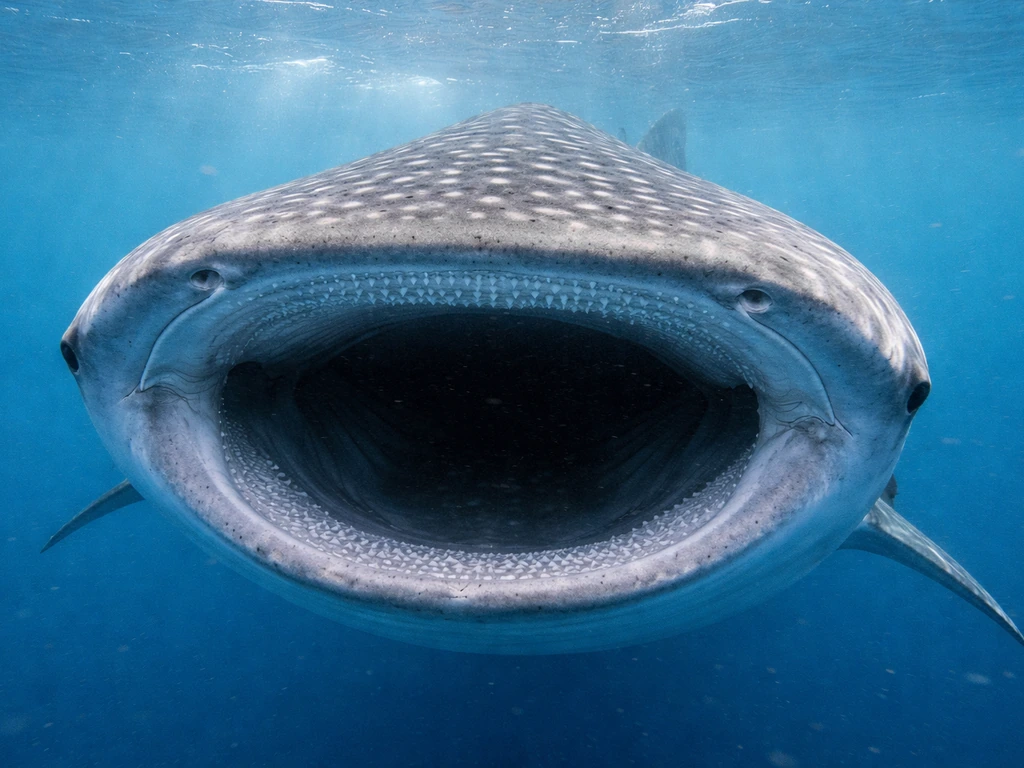
Animal With Up to 3000 Teeth: What the Claim Really Means
Unpack the 3000-teeth claim: which animal replaces teeth for life, why it happens, and what regrowth means for humans
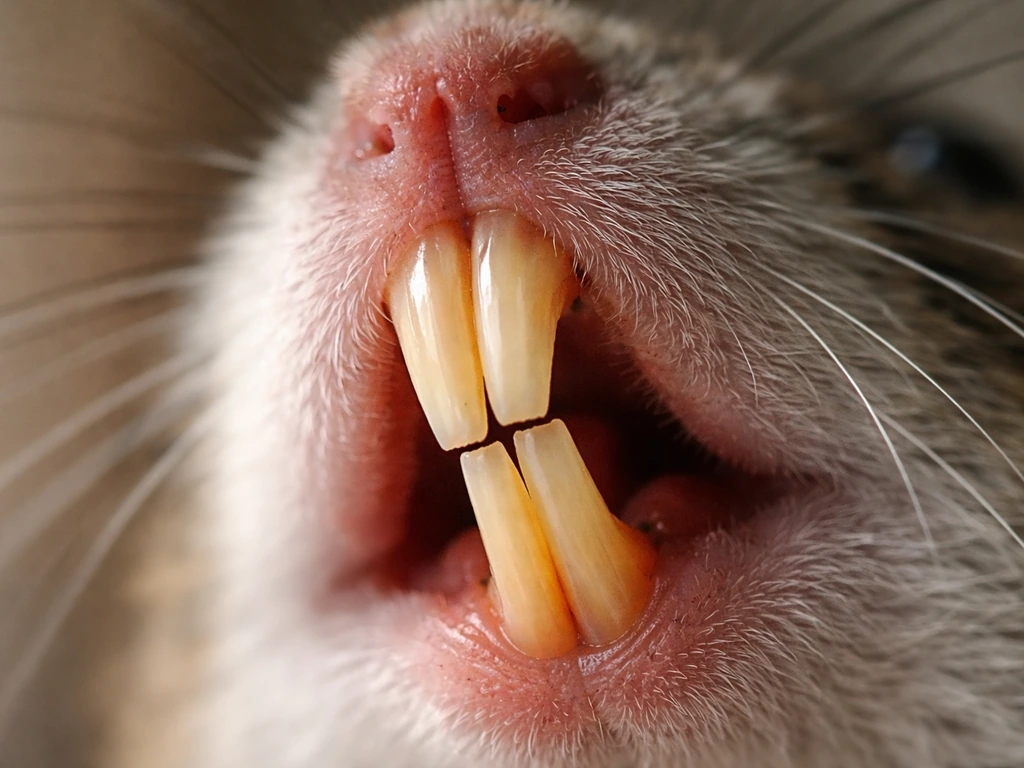
The Teeth of What Animal Continue to Grow
Learn which animals have continuously erupting teeth, why they grow, and how it differs from tooth regrowth myths.
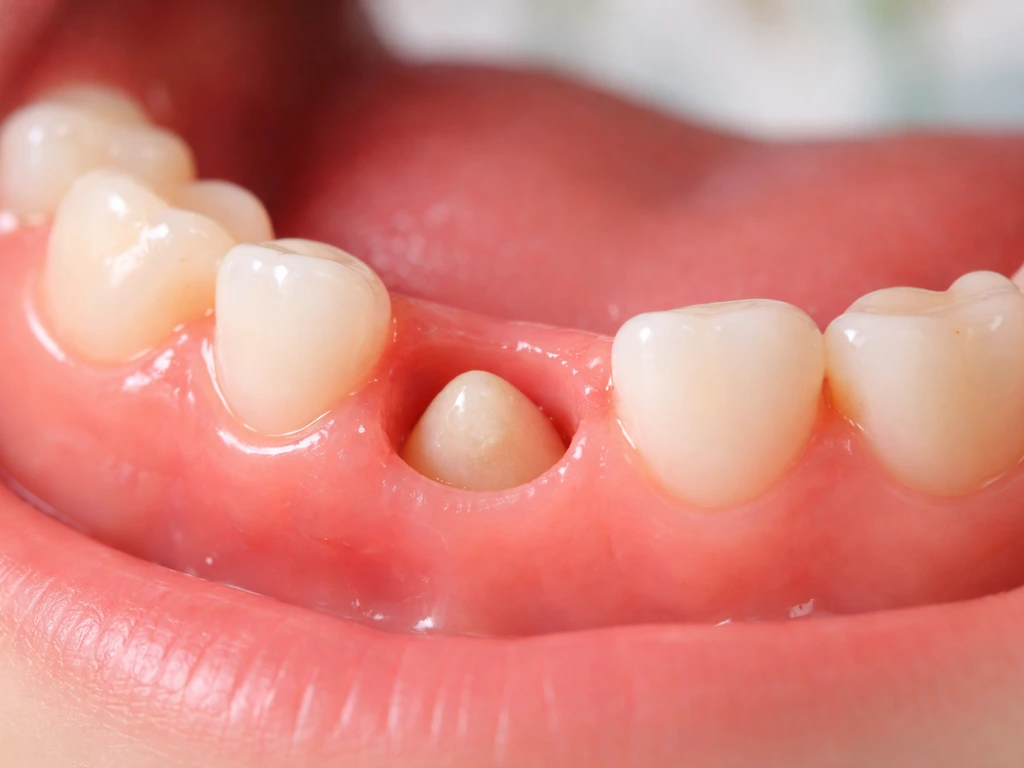
Do Milk Teeth Grow Back? Timelines, What to Do, Red Flags
Learn if milk teeth regrow, typical timelines for permanent teeth, what to do after loss or injury, and red flags.