No, your gums will not grow back on their own after dipping. Once gum tissue has receded from chronic smokeless tobacco use, that lost tissue is gone for good without professional intervention. The honest answer here is that true gum regeneration does not happen naturally in adults, no matter what you read online. What CAN change is the inflammation and puffiness that comes with active tobacco irritation, and that can resolve when you quit. But actual recession, meaning the gumline physically pulling away from your teeth, does not reverse itself.
Do Your Gums Grow Back From Dipping? What to Expect

Marcus Holloway
16 May 2026
What dipping actually does to your gums
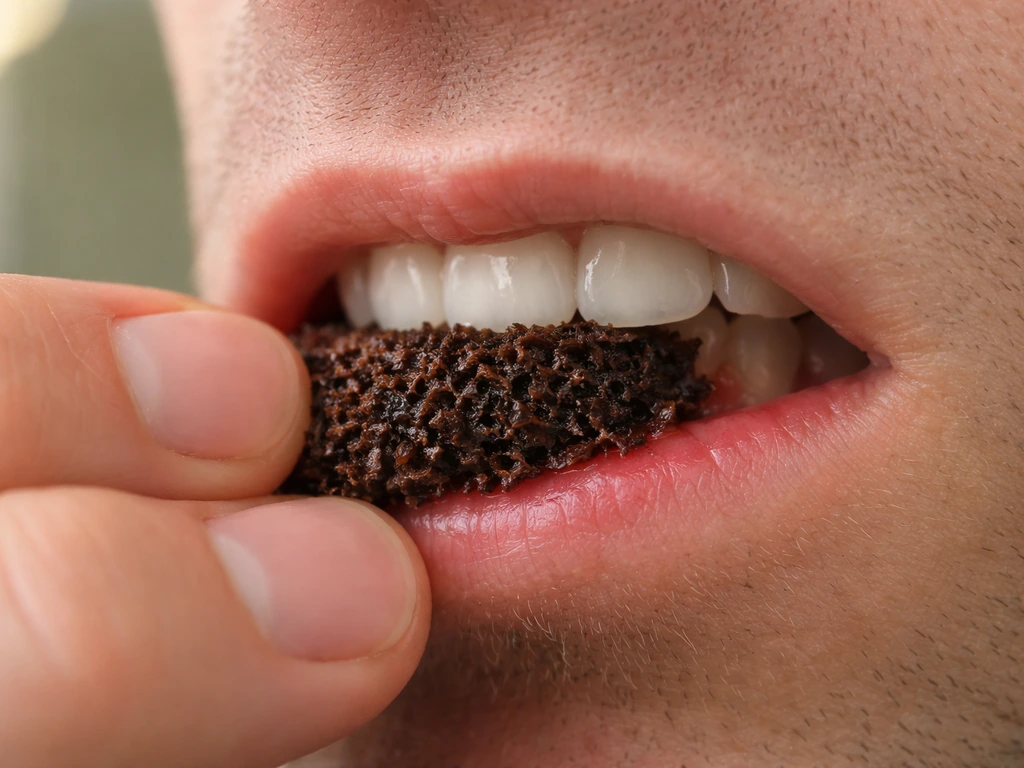
When you hold a pinch of dip in your mouth, you are placing a concentrated wad of tobacco directly against your gum tissue for extended periods, often hours at a time. That sustained contact triggers a cascade of damage. The tobacco chemicals cause chronic irritation and inflammation, which the CDC directly links to gum disease development. Over time, the constant chemical assault breaks down the gum tissue and underlying bone that anchor your teeth.
There are a few distinct things happening at once. First, the nicotine and other compounds in smokeless tobacco create persistent inflammation in the gum tissue. Second, that inflammation gradually destroys the connective tissue that keeps your gums attached firmly to your teeth. Third, and this is the one that causes lasting damage, the gumline starts to pull back from the teeth, a process called gingival recession. Studies and CDC data confirm that gum recession occurs in a significant portion of smokeless tobacco users, particularly in the spot where the tobacco is habitually placed.
There is also a tricky paradox with nicotine specifically: it constricts blood vessels, which can actually reduce the bleeding and swelling you would normally see with gum disease. This masks how bad the damage really is, which is part of why people using smokeless tobacco sometimes do not realize how far their gums have receded until the problem is severe.
The truth about whether receding gums can grow back
This is where a lot of people get misled by hopeful articles online. If you are worried that a chunk of gum missing will it grow back, the key point is that true gum recession usually will not regrow on its own without periodontal treatment. Gum tissue does NOT regenerate on its own once it has receded. Adult gum tissue is not like skin that heals over a cut. The cells responsible for forming new gum attachment, called periodontal ligament cells and the connective tissue matrix, do not repopulate lost areas without surgical help. This is a hard biological limit, not a matter of trying harder at brushing or taking the right supplement.
Here is the distinction that matters: if your gums are swollen and inflamed from active tobacco irritation, removing that irritant (quitting dipping) can let the inflammation subside, and your gums may look slightly fuller or healthier. If you have a question like “if your smiley rips will it grow back,” the key takeaway is that true gum regrowth does not naturally happen in adults; what changes after quitting is usually inflammation, not the attachment level. That is not regrowth. That is swelling going down. Actual gum recession, where the attachment level has dropped and root surface is exposed, will remain even after you quit, unless you get professional treatment.
It is worth knowing that questions like how long recovery takes, what missing gum tissue looks like after other causes like extractions, or how different types of gum trauma heal are topics that follow similar rules. The core biology is the same: gum recession of any origin does not reverse naturally in adults.
What you can do starting today
Stop dipping
This one is non-negotiable. The FDA specifically advises talking to a clinician about quitting smokeless tobacco, and for good reason. As long as you are still dipping, you are actively accelerating gum recession, increasing your risk of gum disease, and making it harder for any healing to occur. The CDC is direct about this too: tobacco use in any form makes healing harder, including making periodontal (gum disease) treatment less effective. You cannot outrun ongoing tobacco exposure with better brushing.
Upgrade your home care
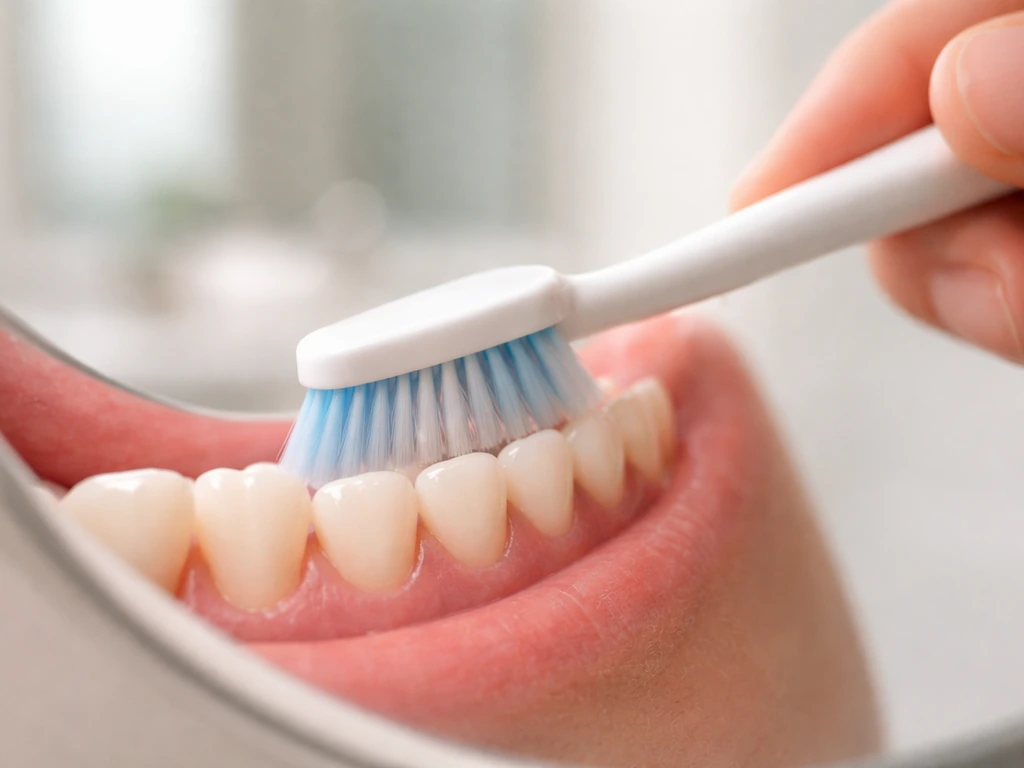
- Switch to a soft-bristled toothbrush and brush gently at a 45-degree angle to the gumline. Hard scrubbing can worsen recession on already-compromised tissue.
- Use a fluoride toothpaste. Exposed root surfaces from recession are more vulnerable to decay, and fluoride gives them some protection.
- Floss daily. Removing bacteria from between teeth reduces the inflammatory load on already-stressed gum tissue.
- Consider a therapeutic mouthwash with chlorhexidine or cetylpyridinium chloride, especially if your dentist recommends it, to reduce bacteria around affected areas.
- Stay well hydrated. Smokeless tobacco causes dry mouth, and saliva is a natural antibacterial and tissue-protective fluid.
When to see a dentist, and do not wait
Book a dental appointment now if you have been dipping regularly, especially if you can see that your gumline looks lower than it used to, if teeth look longer, if roots feel sensitive to cold or touch, or if you notice any sores, white patches, or unusual tissue changes in your mouth. The FDA highlights that smokeless tobacco users have a strongly increased risk of oral cancer, so any persistent sore or patch in the mouth needs professional evaluation without delay. Do not talk yourself out of going just because it does not hurt. Gum recession rarely hurts much until it is advanced.
Professional treatments that can actually restore gum coverage
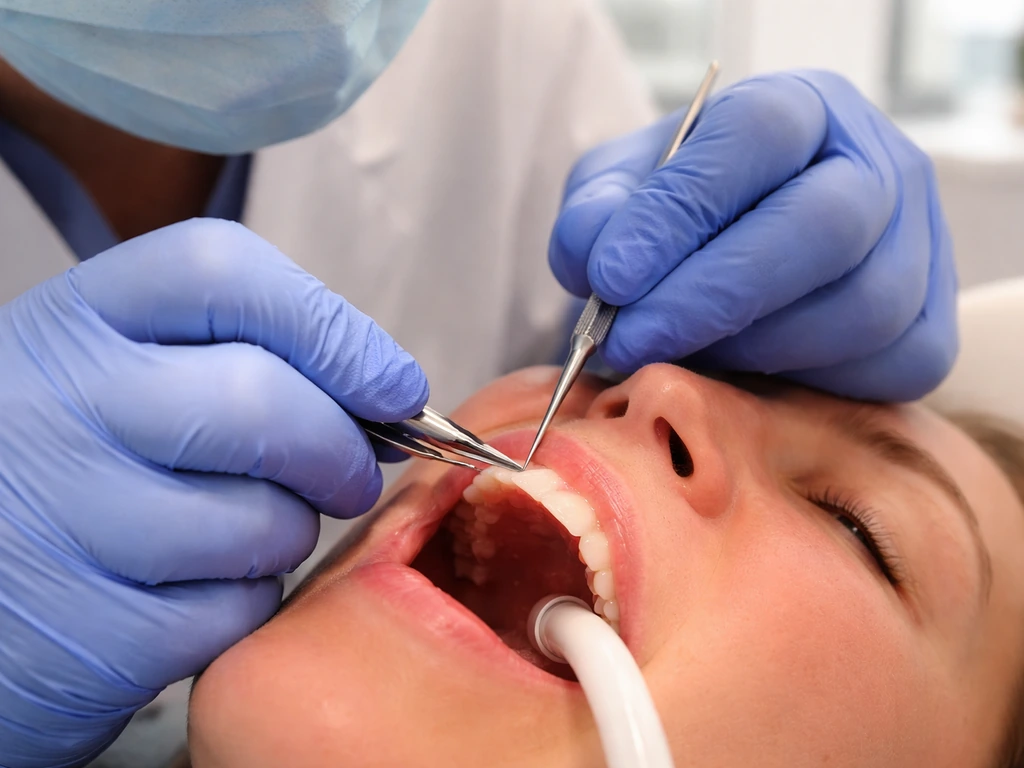
Once recession has happened, the realistic path to recovering gum coverage is periodontal treatment, not waiting for natural regrowth. Here are the main options a periodontist or dentist might recommend depending on severity:
| Treatment | What It Does | Best For |
|---|---|---|
| Scaling and Root Planing | Deep cleaning below the gumline to remove bacteria and calculus that drive ongoing recession | Mild to moderate gum disease; first step before any surgical option |
| Connective Tissue Graft (CTG) | Tissue taken from the roof of your mouth is sutured over the receded area to physically cover exposed roots | Moderate to significant recession, especially in one localized spot like a dip pouch site |
| Free Gingival Graft | Similar to CTG but uses a slightly thicker tissue sample; often used when more attached gum tissue is needed | Areas with very thin or minimal remaining gum tissue |
| Pinhole Surgical Technique | Minimally invasive method where existing gum tissue is loosened and repositioned over exposed roots without grafting | Multiple adjacent teeth with recession; less recovery time |
| Guided Tissue Regeneration (GTR) | A membrane is placed to encourage regrowth of bone and ligament tissue lost due to gum disease | Cases with significant bone loss alongside recession |
Of these, connective tissue grafts are the most commonly performed and have a strong track record for covering exposed roots in localized recession, which is exactly the pattern you often see with dip users. The procedure involves taking a small piece of tissue from your palate and placing it at the recession site. Success rates are high when the patient has also stopped tobacco use, which is another reason quitting first matters enormously.
It is important to understand that none of these treatments work as well, or in some cases work at all, if you keep dipping. The CDC makes it explicit that tobacco use interferes with healing and recovery after periodontal treatment. Your periodontist may actually decline to perform grafting surgery until you have quit or significantly reduced tobacco use.
Realistic expectations: what heals, what does not, and how to stop making it worse
What can improve after quitting
Within weeks to a few months of quitting dipping, you will likely notice reduced inflammation, less bleeding during brushing, and gum tissue that looks and feels healthier. That is real improvement, and it matters because healthier gum tissue responds better to any professional treatment you pursue. But the gumline itself, meaning the actual attachment level of your gums to your teeth, will not move back up on its own.
Post-treatment timelines
If you have a gum graft, initial healing takes about two weeks for the surgical site to close. Full tissue maturation and final coverage results are typically assessed at three to six months. Most people who quit tobacco and follow through with grafting see meaningful root coverage, often 80 to 90 percent or more in favorable cases. Patients who continue tobacco use post-surgery have significantly worse outcomes and higher rates of graft failure.
What will not come back without surgery
Any recession that has already occurred before you seek treatment is permanent without surgical intervention. Bone loss that accompanied that recession is also not going to regenerate on its own. The deeper the recession and the longer it has gone untreated, the more complex the surgical correction. This is why acting sooner is genuinely better, not just a line dentists use to get you in the chair.
Preventing further loss
- Quit dipping completely. Even reducing frequency helps, but only quitting stops the ongoing chemical damage entirely.
- Get professional cleanings every three to four months if you have active gum disease, rather than the standard twice-yearly schedule.
- Ask your dentist about a custom night guard if you also grind your teeth, since grinding accelerates recession on already-weakened tissue.
- Monitor exposure areas at home. If roots look more exposed month over month, that is a sign recession is still progressing and you need to escalate care.
- Address dry mouth proactively. Use dry mouth rinses or lozenges, since reduced saliva flow (common with tobacco use) speeds decay on exposed roots.
The bottom line is this: stopping dipping is the single most impactful thing you can do right now for your gum health. It will not reverse what has already been lost, but it will stop the active damage and give professional treatment the best chance of actually working. If you have noticeable recession, a conversation with a periodontist is worth having sooner rather than later, because the window for simpler, more effective treatments gets smaller the longer recession progresses.
FAQ
If I stop dipping now, will my gums look fuller even if they cannot grow back?
Brushing, mouthwash, and supplements can improve cleanliness and reduce inflammation, but they cannot rebuild the lost gum attachment once recession has happened. If your dip use caused true root exposure, the only realistic way to regain coverage is periodontal treatment, often a graft, combined with quitting so healing can actually proceed.
How can I tell whether my gum problem is inflammation or true recession?
Yes. You may see less redness, less bleeding, and reduced swelling within weeks after quitting. But those changes are usually the gums calming down, not the gumline moving back to its original attachment level. A dentist or periodontist can tell the difference by measuring recession depth and probing attachment.
Should I wait for pain before seeing a dentist about recession from dipping?
Use the evidence-based clues: teeth that look longer, a visible root surface, or a notch along the gumline that has formed over time points to recession. Sensitivity to cold or touch and “tighter” or rougher gum margins can also suggest root exposure. If you are unsure, periodontal probing during a visit is the most accurate way to confirm.
What should I do right now if I still dip but I want to protect my gums while waiting for an appointment?
No. Nicotine can reduce visible bleeding and swelling, so recession can progress even when you feel fine. You should get evaluated if you notice any gumline changes, persistent white patches or sores, or areas that do not heal within two weeks, because oral lesions need prompt assessment.
Can I use nicotine patches or gum instead of dipping without making recession worse?
Arrange the dental visit first, then stop as soon as you can. While you are still using nicotine, you are still exposing the same spot to irritants, which can limit healing and treatment success. If quitting immediately feels hard, ask your clinician about a quit plan or nicotine replacement options that do not require holding tobacco against the gums.
Will a cleaning or scaling alone fix gum recession from dip?
Nicotine replacement can reduce reliance on smokeless tobacco, but it depends on what you use. Patches or certain products that do not place residue directly on the gum tissue generally avoid the repeated, localized chemical contact that drives recession. Avoid products like pouches or anything that keeps tobacco or tobacco-like residue pressed against your gums.
Why might a periodontist delay gum graft surgery if I am still dipping?
Scaling and root planing can reduce gum inflammation and treat gum disease, but it usually does not “pull” recessed gum tissue back up by itself. If recession has already exposed root surfaces, you may still need surgical options such as grafting, especially when the goal is true coverage.
What happens if I keep dipping after getting a gum graft?
Ongoing smokeless tobacco use interferes with blood flow and healing, increasing risks like poor graft take, complications, and higher failure rates. Many clinicians require quitting, or at least major reduction, before proceeding because the success depends heavily on healthy healing conditions.
What are realistic timelines for noticing improvement after quitting, and how do I know it worked?
Outcomes typically worsen. Continued tobacco exposure is associated with higher rates of graft failure and less complete root coverage, even when the procedure itself is done correctly. Quitting after surgery is one of the strongest predictors of whether the grafted tissue will stabilize and mature.
Can smoking or vaping replace dipping effects on gum recession?
You may notice reduced bleeding and less inflammation within weeks, but final coverage evaluation is usually done months later because tissue maturation takes time. Your clinician will re-measure recession depth and attachment clinically, not just by how things look in photographs.
If my recession is only on one side where I used to dip, will treatment be simpler?
They are different risks. Dipping causes long, direct contact of tobacco against a specific gum area, which strongly drives localized recession. Smoking and some other nicotine delivery can also affect periodontal health and healing, but the pattern and mechanics differ. If you have recession, tell your dentist every nicotine source you use so they can tailor treatment.
Does bone loss from dip reverse along with gum recession?
Often it is more localized, which can make certain graft approaches more straightforward. Local recession (one habitually p touched area) is commonly treated with connective tissue grafts or related techniques. A periodontist will still assess bone levels and how deep the recession is, because those factors determine how much coverage is realistically achievable.
Are there any red flags that mean I should seek care even sooner than a routine appointment?
Bone loss associated with long-standing gum disease typically does not regenerate on its own in adults. Treatment may help stop further breakdown and sometimes improve the environment for stabilization, but when bone has been lost, periodontal surgery and disease control are usually the path, not natural regrowth.
Next Articles
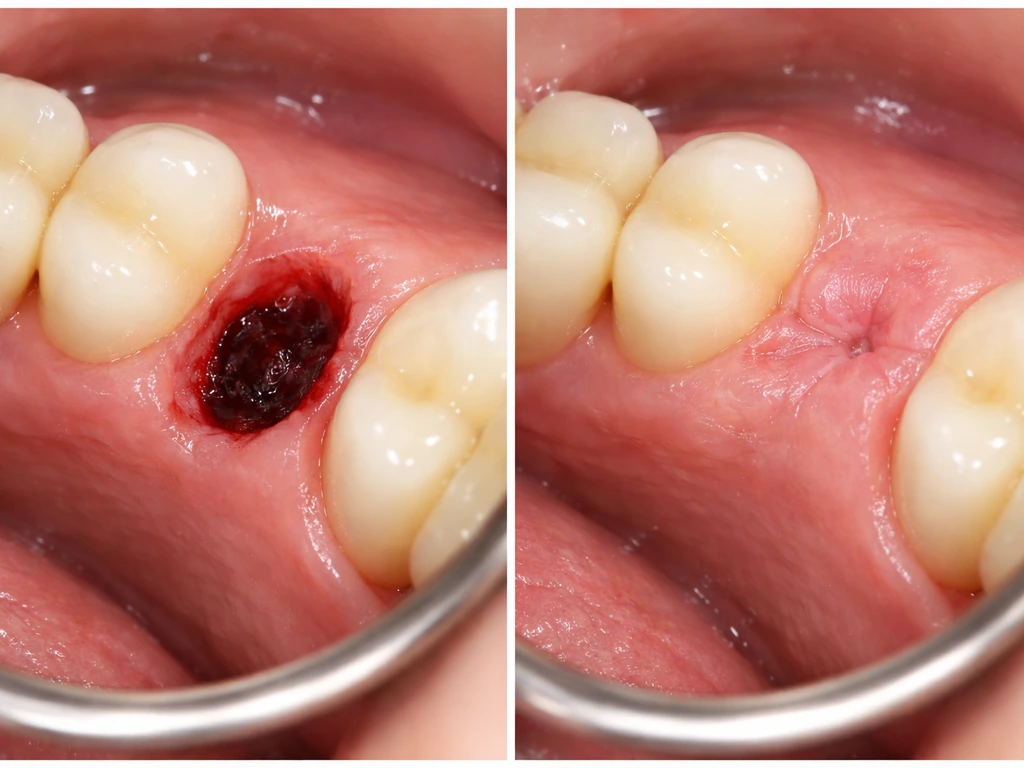
Does Gum Tissue Grow Back After Extraction? What to Expect
Find out if gum tissue regrows after extraction, what’s normal healing, red flags, and aftercare to protect the site.
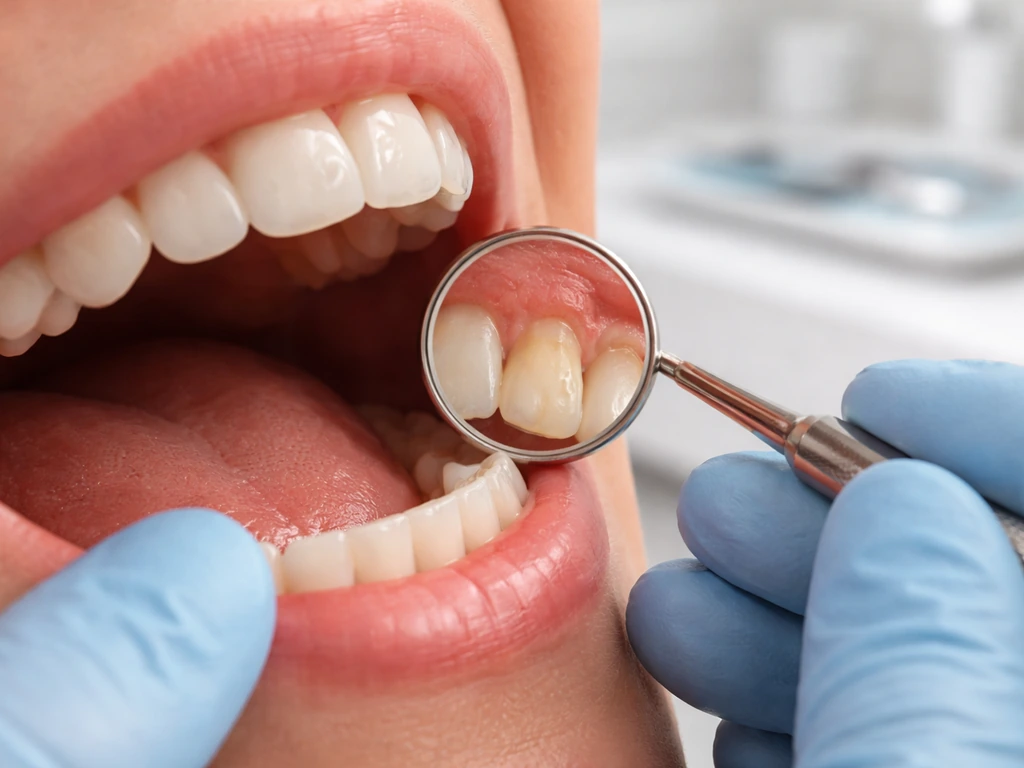
Can Gums Grow Back? Reddit Answers and What to Do Now
Why receding gums often do not fully grow back, and the real options to stop recession and rebuild tissue.
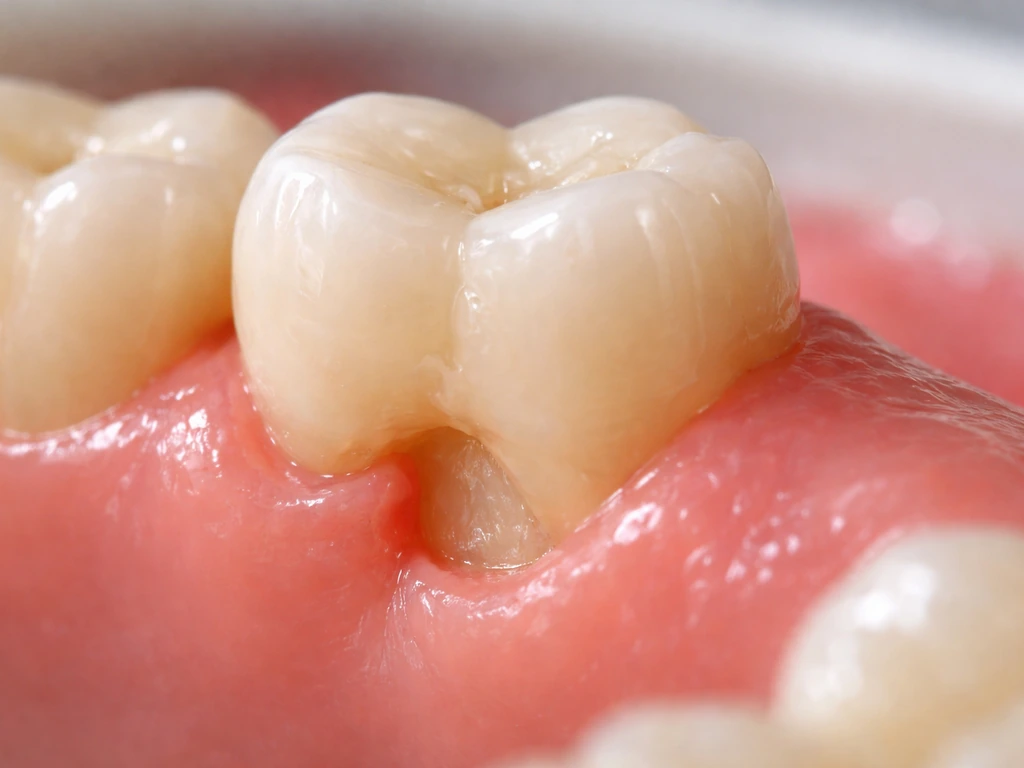
Chunk of Gum Missing: Will It Grow Back?
When a chunk of gum is missing, get clear answers on regrowth limits, causes, healing timelines, and next steps.