
No, a broken tooth cannot grow back. Not a cracked one, not a decayed one, not a half-broken one. Once your adult teeth are in, that's the set you get. There is no biological process in humans that repairs a fractured or badly damaged tooth on its own. The internet is full of hopeful myths about teeth "reconnecting" or enamel "regrowing," but the honest, evidence-based answer is that human teeth simply do not work that way. What does exist are some genuinely useful options for early decay, and a solid menu of dental treatments that restore function so well you may not even notice the difference. Let's get into all of it.
Does a Broken Tooth Grow Back? Cracks, Decay, and Fixes

Marcus Holloway
10 Apr 2026
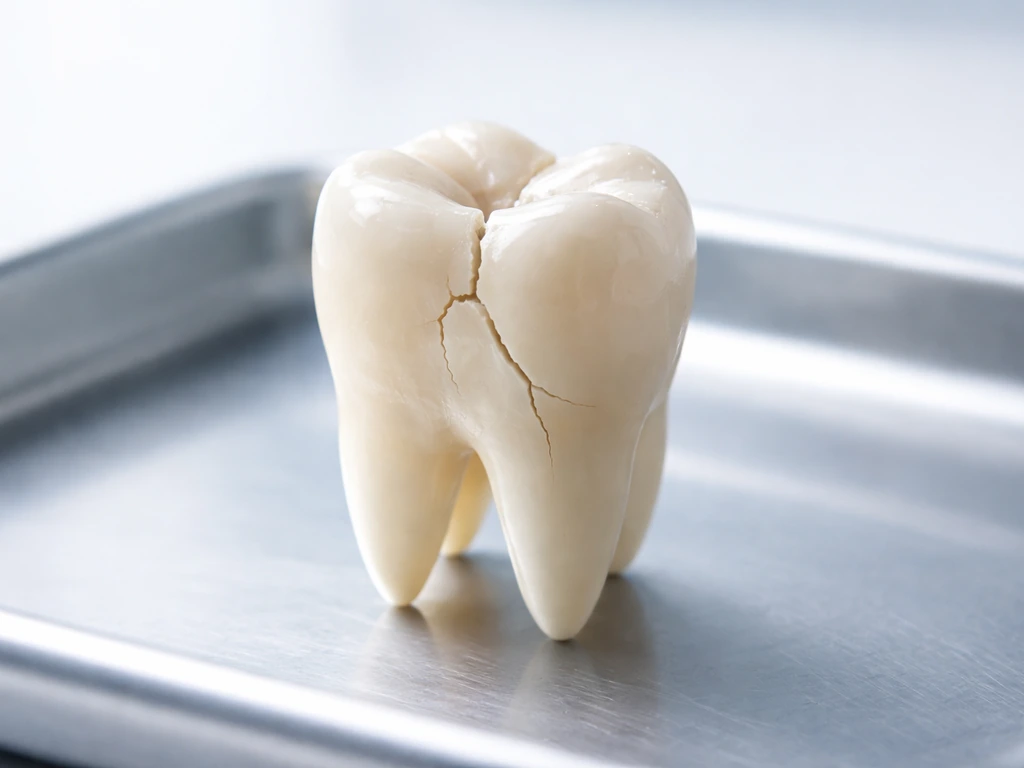
What "grow back" actually means for each part of a tooth
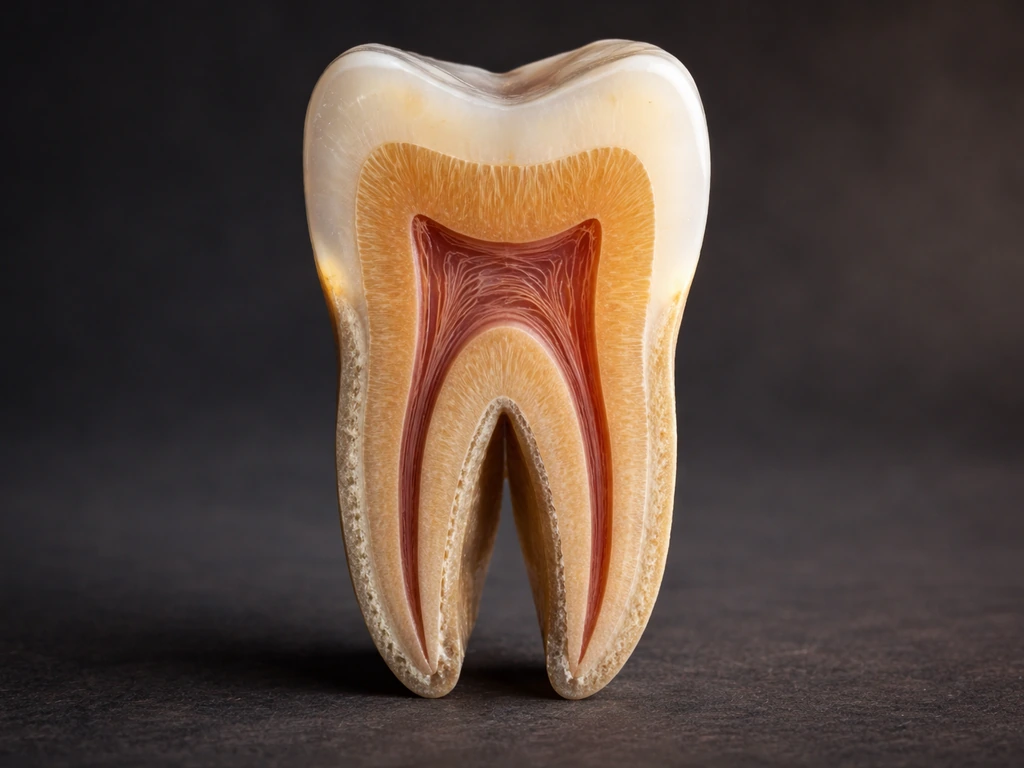
A tooth isn't one uniform material. It has four distinct layers, and each one has a very different relationship with the word "repair."
Enamel is the hard outer shell you can see. It's almost entirely mineral, which makes it the hardest substance in the human body, but it also means the cells that built it (ameloblasts) die off before you even finish growing the tooth. Once enamel is gone, it cannot regenerate naturally. Period. Early tooth decay can be "reversed" in a limited sense: if decay is caught before it breaks through the enamel surface (called a noncavitated lesion), fluoride and remineralization can actually restore that smooth surface. But the moment a cavity punches through and creates a physical hole, you're past the point of no return for natural repair. A filling or other restoration becomes the only real fix. This is why understanding whether a chipped tooth can grow back matters so much: a chip is a physical loss of enamel, and no amount of fluoride or wishful thinking brings that material back.
Dentin sits under the enamel and is softer and more sensitive. Unlike enamel, dentin can produce a limited amount of secondary dentin over time, essentially laying down a thinner reactive layer in response to slow-moving irritation. This is not "growing back" in any meaningful sense. It's more like scar tissue: a protective response, not a restoration of structure. It won't fill a crack or rebuild a broken cusp.
The pulp (nerve and blood supply at the center of the tooth) can heal itself from mild irritation, but only up to a point. Once a crack or decay reaches the pulp, that self-healing window closes quickly. As the American Association of Endodontists notes, the pulp can eventually become damaged beyond its ability to recover, particularly when a crack extends directly into it. At that stage, root canal treatment is usually the path forward. If you're wondering exactly whether tooth pulp can grow back, the short answer is: minimally and temporarily, not in any way that rescues a badly damaged tooth.
The root and cementum (the layer covering the root) also have very limited repair capacity. Significant root damage from deep cracks or trauma generally cannot reverse itself, and in those cases the prognosis for keeping the tooth long-term gets complicated fast.
Broken vs. cracked vs. decayed: why the distinction matters
These three words get used interchangeably, but clinically they describe very different situations with different urgencies and treatment paths.
A broken tooth typically means a visible chunk of the tooth is gone, either from trauma (biting something hard, a fall, a sports injury) or from a large cavity that weakened the structure until it gave way. The size of the break determines everything: a small chip at the edge of a tooth is very different from a cusp snapping off to the gumline. Broken teeth with exposed nerve tissue are a dental emergency. The more tooth structure lost, the more complex the fix.
A cracked tooth is trickier because the crack may not be visible. Cracks can range from tiny superficial crazes on the enamel (essentially harmless) to deep vertical fractures that split the root. The danger with cracks is that they are dynamic: biting forces can drive a crack deeper over time, eventually involving the pulp or splitting the root entirely. Crack lines can be genuinely hard to spot, and a clinician may use focused light (similar to shining a small light source on the crown) to visualize them. Prognosis depends heavily on how far the crack has traveled.
Decayed teeth are the one scenario where some natural-ish repair is technically possible, but only in the earliest stages. If the decay is still a noncavitated lesion, meaning the enamel surface hasn't physically caved in yet, fluoride treatments and improved oral hygiene can remineralize that area and stop or reverse the process. Once a cavity forms (cavitation), the structure is gone and a restoration is needed. Early decay in kids is particularly worth monitoring carefully because baby teeth and newly erupted permanent teeth respond well to remineralization strategies.
When you need to see a dentist today, not tomorrow
Most dental issues can wait for a regular appointment, but a handful of situations genuinely require same-day or emergency care. If you have any of the following, don't wait:
- Visible nerve or pulp exposure (the inner pink tissue is visible in the broken tooth)
- Severe, throbbing pain that doesn't ease up or worsens with heat
- Swelling in your jaw, face, or neck
- Fever alongside dental pain (this combination suggests infection spreading beyond the tooth)
- A permanent tooth that has been knocked out or knocked out of position
- Bleeding that won't stop
- Difficulty swallowing or breathing (go to an emergency room immediately)
Swelling, redness, and fever together are especially serious because a dental abscess can spread to surrounding tissues. A knocked-out adult tooth is treated as a dental emergency, and guidance recommends being seen within an hour if at all possible. If you can, gently rinse the tooth and try to place it back in the socket while you travel to the dentist. Even if that isn't possible, keeping the tooth moist (in milk, or tucked between your cheek and gum) preserves it better than letting it dry out. Anyone asking themselves whether a permanent tooth that falls out will grow back needs to hear this clearly: it will not, which is exactly why speed matters when a tooth is knocked out.
What a dentist actually does to fix a broken or cracked tooth
Modern dentistry has genuinely excellent options for replacing lost structure. None of them involve the tooth regrowing, but the end results are durable, natural-looking, and often painless once treatment is done. Here's how dentists typically approach each scenario.
Bonding and fillings
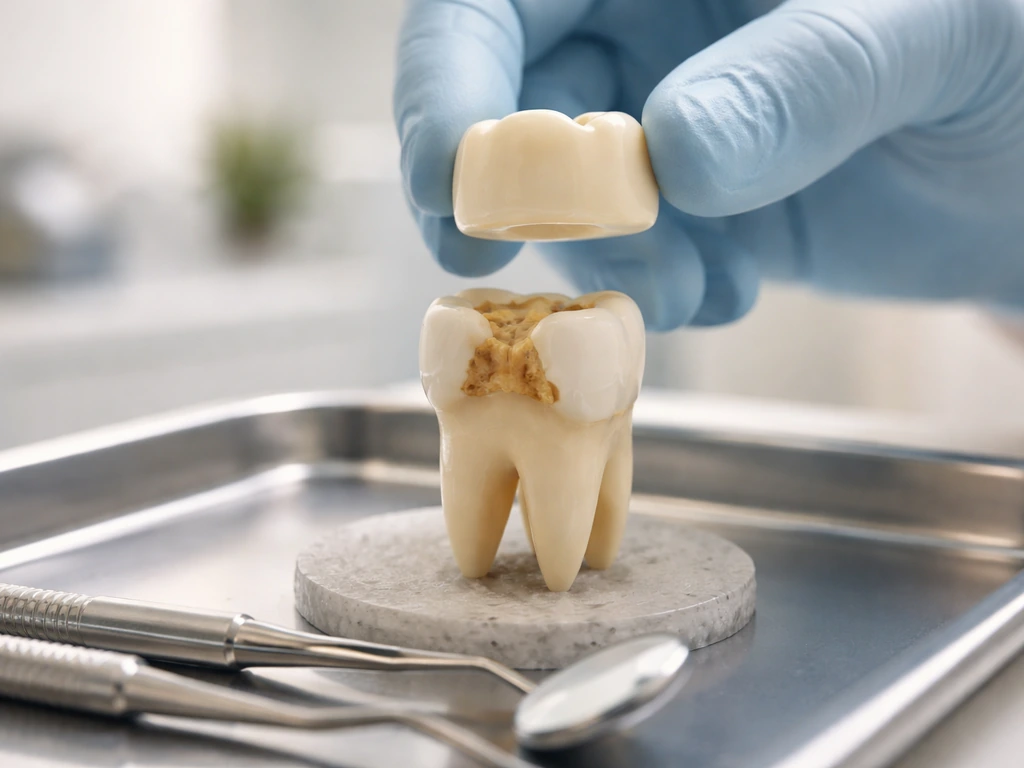
For small chips and minor breaks that haven't reached the pulp, tooth-colored composite bonding or a simple filling is usually all that's needed. The American Association of Endodontists notes that a chipped or fractured tooth’s crown is often repairable, such as by reattaching the broken piece or using a tooth-colored filling, depending on the situation tooth-colored composite bonding or a simple filling. The dentist etches the surface slightly, applies the resin material, and shapes it to match. It's quick, relatively cheap, and looks natural. For trauma fractures contained within enamel and dentin (without pulp exposure), a dentist can also sometimes rebond a broken fragment if you've saved it, though this requires actual dental adhesive materials, not natural healing.
Crowns
When a significant portion of the tooth is gone, a crown (a cap that covers the entire remaining tooth structure above the gumline) is the standard fix. Crowns protect what's left of the tooth and restore full biting function. They're also the go-to after root canal treatment, since a treated tooth becomes more brittle over time and needs that extra protection. The question of whether a tooth can grow back after a filling or crown comes up surprisingly often, and the answer is no: those restorations are replacing structure the body can't rebuild.
Root canal treatment
When a break or crack reaches the pulp, or when deep decay has infected the nerve, root canal treatment is usually the option that saves the tooth. The dentist removes the infected or damaged pulp tissue, cleans and shapes the canals, fills them with a biocompatible material, and seals the tooth. A crown typically follows. Root canal treatment has a reputation for being painful, but the procedure itself is done under anesthesia and most people report it's no worse than a standard filling. The NHS describes it as removing infection from inside the tooth, and it's often what stands between keeping a tooth and losing it entirely.
Vital pulp therapy (especially in younger patients)
For younger patients with deep decay where the dentin barrier is still intact and the pulp is healthy or only mildly irritated, there are less aggressive options before jumping to a full root canal. These include indirect pulp treatment, direct pulp capping, or partial pulpotomy, where only the affected portion of the pulp is addressed and the rest is preserved. These approaches are especially relevant for teeth with immature, still-developing roots, where keeping the pulp alive allows the root to finish forming.
Extraction and replacement
When a crack extends deep into the root, or when the tooth is too far gone to save, extraction may be the only realistic path. Losing a tooth doesn't have to mean living with a gap, though. Implants, bridges, and partial dentures are all well-established replacement options. A dental implant replaces both the root and the crown and is considered the closest thing to a natural tooth in terms of function. The broader question of whether teeth grow back after extraction is a firm no for adults, which makes choosing the right replacement option worth discussing carefully with your dentist.
Broken vs. cracked vs. decayed: treatment comparison
| Condition | Can it heal naturally? | Typical treatment | Urgency |
|---|---|---|---|
| Small chip (enamel only) | No | Bonding or smoothing | Low, but see dentist soon |
| Crack (superficial craze line) | No | Monitor, possibly crown | Low unless pain present |
| Crack reaching pulp | No | Root canal + crown | High |
| Deep crack into root | No | Possible extraction + implant/bridge | High |
| Early decay (noncavitated) | Partial (remineralization) | Fluoride, improved hygiene, possible sealant | Low, but act quickly |
| Cavitated decay | No | Filling, crown, or root canal depending on depth | Moderate to high |
| Broken cusp (no pulp exposure) | No | Crown or onlay | Moderate |
| Broken tooth with exposed nerve | No | Root canal + crown, or extraction | Emergency |
Preventing further damage after a break or crack
Once a tooth is damaged, the priority shifts to stopping things from getting worse. A cracked tooth left untreated doesn't stay the same: biting forces, temperature changes, and bacterial entry can all drive that crack deeper. Here are the practical steps that actually matter.
- See a dentist promptly even if there's no pain. Cracks and fractures that don't hurt yet can still be progressing silently.
- Avoid chewing on the affected side until you've been evaluated. Hard or crunchy foods can split a cracked tooth further.
- Use fluoride toothpaste and, if your dentist recommends it, a fluoride rinse. This matters most for early-stage decay to prevent cavitation.
- Wear a night guard if you grind your teeth. Bruxism is one of the top contributors to cracked and broken teeth, and the forces involved are substantial.
- After a root canal or crown, follow your dentist's aftercare instructions carefully. Crowned teeth can still develop decay at the margins if oral hygiene slips.
- Get regular checkups. Early caries and early cracks caught at routine appointments are dramatically easier and cheaper to treat than advanced damage.
If you have a child who's had dental trauma, keep in mind that the management approach varies depending on whether it's a baby tooth or a permanent tooth, and whether the root is fully formed. Immature permanent teeth have different treatment priorities than fully mature ones. A pediatric dentist or endodontist can walk you through what applies to your child's specific situation.
Myths vs. reality: the half-broken tooth question
Let's address the most persistent myth directly: can a half-broken tooth ever reconnect naturally? No. There is no biological mechanism in adult humans that reattaches a broken tooth fragment, seals a crack, or fills in lost structure. You'll find forum posts and wellness blogs suggesting that certain diets, supplements, or remineralization protocols can "heal" a broken tooth. This conflates two completely different things: the partial remineralization of early, noncavitated decay (which is real and documented) versus the structural repair of a physically fractured tooth (which does not happen in humans).
Some animals, like sharks and crocodilians, grow new teeth continuously throughout their lives. Researchers are actively studying the genes that govern this, and there is fascinating early-stage science exploring whether those pathways could theoretically be activated in humans. But none of that science has translated into a clinical treatment available today. If someone tells you a supplement or oil pulling can mend a broken tooth, that's folklore, not dentistry.
The broader question of whether any tooth can grow back in humans has a consistent answer across all the evidence: adults have one permanent set, and damage to those teeth requires human intervention to restore. Even the idea that decay can "reverse" only applies to the very earliest stage before structural loss occurs. Once you have a broken piece, a visible crack, or a cavity with a hole in it, a dentist is the path forward, not waiting for biology to fix it.
There's also a specific version of this myth around cracked teeth: the idea that if you rest the tooth and avoid chewing on it, the crack will "knit back together." It won't. What can happen is that a cracked tooth with a crown placed over it promptly may not need a root canal at all. Research has found that when a crown was placed on teeth with marginal ridge cracks and reversible pulpitis, only around 20% required root canal treatment within a six-month follow-up period. That's a real benefit of acting early, but it's the crown stabilizing the crack and preventing it from progressing, not the tooth healing itself.
What to do right now based on your situation
If you're reading this because something just happened to your tooth, here's how to triage it. If you have severe pain, swelling, fever, or an exposed nerve, call a dentist or dental emergency line today. Don't wait for a regular appointment slot. If you have a chip or crack with no pain and no sensitivity, you have a little more time, but still book an appointment within the next few days. Don't ignore it because it doesn't hurt: many serious cracks are painless until they become a root canal situation.
If you're dealing with early decay that a dentist has flagged but that hasn't yet formed a cavity, lean hard into remineralization strategies: fluoride toothpaste twice daily, fluoride varnish applications at your dental visits, cutting down on sugary and acidic foods, and using xylitol products if your dentist recommends them. Early decay is genuinely the one scenario where doing the right things can stop the damage from getting worse, and sometimes even restore that enamel surface.
And if you're a parent wondering about a child's broken or cracked tooth, the same urgency rules apply, but the treatment approach may differ depending on the child's age and whether the tooth is a baby tooth or a developing permanent tooth. A baby tooth that's badly broken may simply be extracted if the permanent tooth is close to erupting anyway. A young permanent tooth with an open root apex gets different treatment than a fully mature tooth. Either way, get it assessed quickly rather than hoping it sorts itself out.
FAQ
If I have a chipped tooth, will it eventually fill in on its own if I stop chewing on it?
No. Resting a cracked tooth can reduce stress, but it will not rebuild missing enamel or seal the fracture line naturally. The practical move is to get the tooth evaluated, because the right fix (often a bonded composite or crown depending on depth) can prevent the crack from progressing.
Can enamel grow back after it wears down or gets shaved by grinding?
Enamel cannot regenerate naturally once it is lost. What can improve is sensitivity and early demineralization, by using fluoride and reducing the causes (acid exposure, frequent snacking, grinding). If wear is from bruxism, a night guard or bite adjustment is often needed to stop further loss.
What should I do immediately if my adult tooth was knocked out?
Time matters. Try to reinsert it into the socket right away if you can do it gently, then see an emergency dentist as soon as possible (around an hour if feasible). If reinsertion is not possible, keep the tooth moist by placing it in milk or holding it in your cheek against the gum, and do not let it dry out.
If a crack is painless right now, can I wait and see if it worsens?
Waiting can be risky. Many deep cracks do not hurt early, and biting forces plus temperature changes can drive the crack deeper over time. A dentist may need imaging and careful visual inspection, so booking within days is the safer choice even when symptoms are mild.
Are there any supplements, oils, or special diets that make a broken tooth regrow?
No for structural repair. Supplements and oil pulling may support overall oral health, but they do not reattach fragments, seal fractures, or rebuild lost tooth tissue. If someone promises regrowth of a broken tooth, treat it as misinformation.
What’s the difference between a tooth filling that “closes a cavity” and something that lets a tooth heal itself?
A filling replaces structure that cannot be naturally rebuilt after cavitation. True “self-healing” only applies to very early, noncavitated demineralization, where the surface is still intact. Once there is a hole or missing chunk, the dentist’s restoration is what stops further breakdown.
Can a root canal make a cracked tooth last longer, or does the crack still mean failure?
A root canal can remove infected tissue and allow the tooth to be restored, but it does not automatically guarantee the crack will heal. The usual strategy for strength is adding a crown afterward to protect the remaining structure. The prognosis depends on how far the crack extends, especially whether it involves the root.
For cracked teeth, does putting on a crown always prevent root canal later?
No, it reduces risk but does not eliminate it. Studies and clinical experience show some cracked teeth improve when stabilized early, yet a subset still develops pulp problems later. Your dentist will base the plan on the crack location, pulp symptoms, and how easily the crack is progressing.
If I have a baby tooth with a big chip, should I treat it the same way as an adult tooth?
Not exactly. Management depends on whether it is a baby tooth versus a developing permanent tooth and how close the permanent tooth is to eruption. Sometimes extraction is preferred if the permanent tooth is about to come in, while other times bonding or other protective treatment is chosen to maintain space and function.
What imaging should I ask about if my dentist suspects a crack but I do not see anything?
Ask whether bitewing or periapical X-rays, transillumination, and possibly advanced imaging are appropriate for your case. Cracks can be hard to detect visually, and different tools help reveal whether the crack is superficial or has reached deeper structures like the pulp or root.
Next Articles
If Permanent Tooth Falls Out Will It Grow Back? What to Do
Know if a permanent tooth regrows after it falls out, why it usually won’t, and what to do immediately and next.
Can Chipped Tooth Grow Back? What’s Possible and Next Steps
Learn if a chipped tooth can grow back, why enamel cannot regrow, and what to do for quick, realistic repair.
Can Tooth Grow Back? What to Expect and Your Options
Learn why permanent teeth don’t regrow, what can regrow after loss or removal, and realistic timelines plus replacement