
A tooth abscess can grow from a minor ache to a dangerous spreading infection within 24 to 48 hours, and in some cases the situation can become life-threatening within hours if the infection reaches the floor of the mouth or the throat. If you are wondering how long a small cavity takes to grow into an abscess, the timing can vary a lot, but it often depends on how quickly the decay reaches the pulp. That timeline is not meant to scare you, but it is meant to be taken seriously. This is not something you monitor at home for a week while hoping it settles down. If you suspect an abscess right now, you need a same-day dentist appointment, or an emergency department if you have any of the red-flag symptoms described below. An NHS dental abscess should be treated urgently by a dentist blank" rel="noopener noreferrer">same-day dentist appointment.
How Fast Can a Tooth Abscess Grow and What to Do

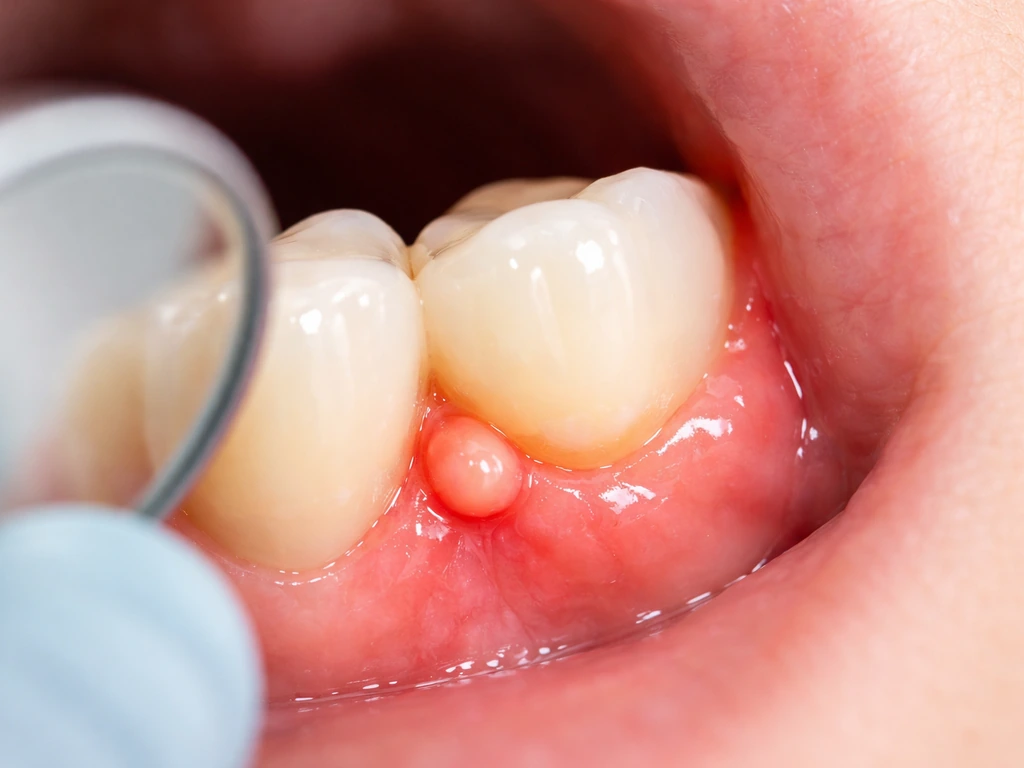
What a tooth abscess actually is (and why growth rate varies so much)
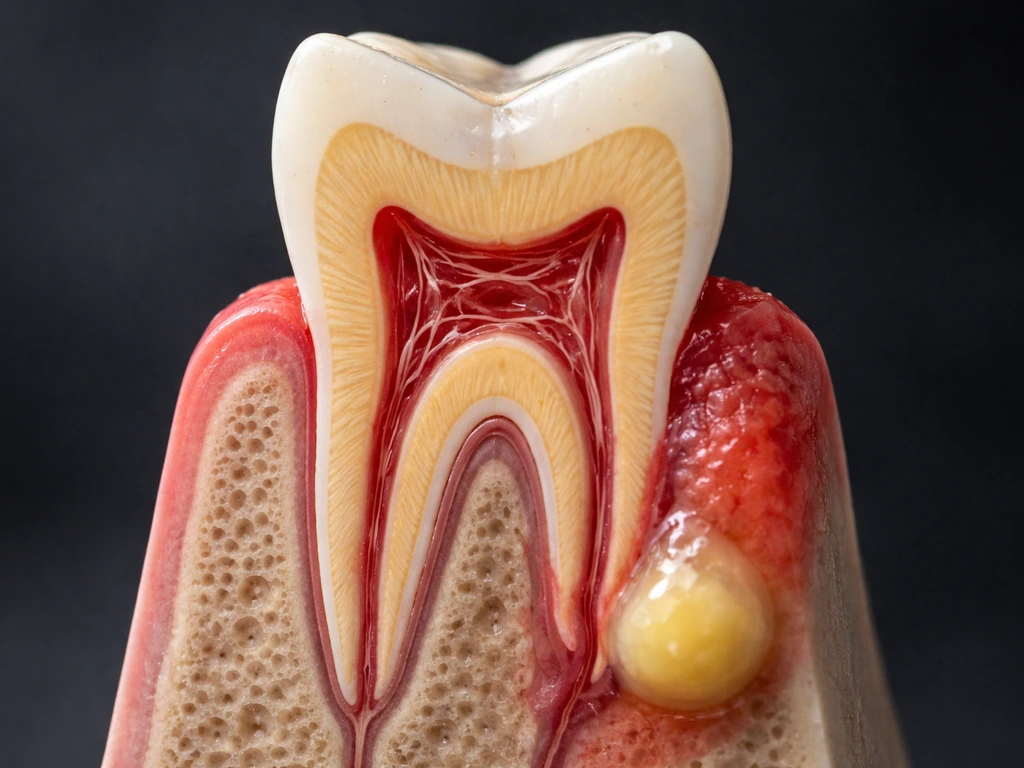
A dental abscess is a pocket of pus caused by a bacterial infection. It can start at the tip of the tooth's root (a periapical abscess, usually from untreated tooth decay or a dead pulp) or in the gum alongside the tooth (a periodontal abscess, usually linked to gum disease). Either way, bacteria have gotten into a space where the body cannot easily clear them, so the immune system essentially walls the infection off, creating a swollen, pus-filled pocket.
Here is the key thing about growth rate: it is not predictable, and it is not the same for everyone. How fast an abscess progresses depends on which bacteria are involved, how strong your immune system is, whether the infection is still contained or has already started spreading along tissue planes, and which tooth is affected. A lower back molar, for instance, sits much closer to the submandibular space (the tissue under the jaw and floor of the mouth) than a front tooth does, which means that type of abscess has a shorter path to a dangerous area. Someone with diabetes, who is on chemotherapy, or who takes long-term steroid medication faces a faster and more aggressive course because their immune response is suppressed. The bacterial strain also matters: certain strains, like Streptococcus anginosus, are associated with more rapid progression than others.
One myth worth clearing up immediately: there is no natural way for the tooth or surrounding tissue to "heal" an abscess. Your enamel cannot regrow to seal out bacteria, and the pulp tissue inside the tooth cannot regenerate once it has become infected and necrotic. This is a common misconception, especially among people who have read about remineralization or cavity reversal. While early-stage cavities can sometimes be slowed, an abscess is a completely different situation. The infection is already inside the tooth or bone, and the body's ability to fight it without help is very limited. In fact, when the pulp is dead, systemic antibiotics struggle to reach the infection site because there is no blood supply carrying the medication into necrotic tissue. The only real fix is professional treatment.
How abscesses typically progress: a realistic timeline
Abscesses rarely appear out of nowhere. Usually there is a history: a cavity that was not treated, a cracked tooth, gum disease, or a previous filling that has leaked. A cavity can worsen over time as bacteria continue to damage the tooth, which can eventually lead to an abscess. What changes suddenly is when the pulp finally dies or the bacterial load in the pocket tips over into a full infection. That transition can feel very abrupt even though the underlying problem was building for months.
In the early stage (often the first day or two), you might notice a throbbing toothache that is worse when you bite down, sensitivity to temperature, and maybe a small pimple-like bump on the gum near the tooth. If you are wondering how much a cavity or infection can grow in a month, the key point is that timing can vary a lot, but untreated decay can progress from a localized problem to swelling over weeks how much can a cavity grow in a month. The swelling at this point is usually localized and the pain, while significant, is manageable. This is the best time to call a dentist, because the infection is still contained.
Within 48 to 72 hours without treatment, the infection commonly spreads into the surrounding bone and soft tissue. Swelling can become visible on the face or jaw. Pain intensifies and often becomes constant rather than intermittent. A low-grade fever can develop. The gum around the tooth may look red, shiny, and feel warm.
Beyond 72 hours, if the infection has not been drained or treated, it can begin tracking along the fascial planes: the connective tissue sheets that run through the jaw, neck, and throat. This is where the situation can escalate from a dental problem to a medical emergency. Submandibular space infections (below the jaw) can cause airway obstruction within hours, faster than almost any other neck infection. Ludwig's angina, a severe form of this, is a rapidly spreading cellulitis of the floor of the mouth involving multiple tissue spaces simultaneously. It is rare but directly linked to untreated dental abscesses, and it can become airway-threatening very quickly.
Red flags: signs the infection is spreading beyond the tooth
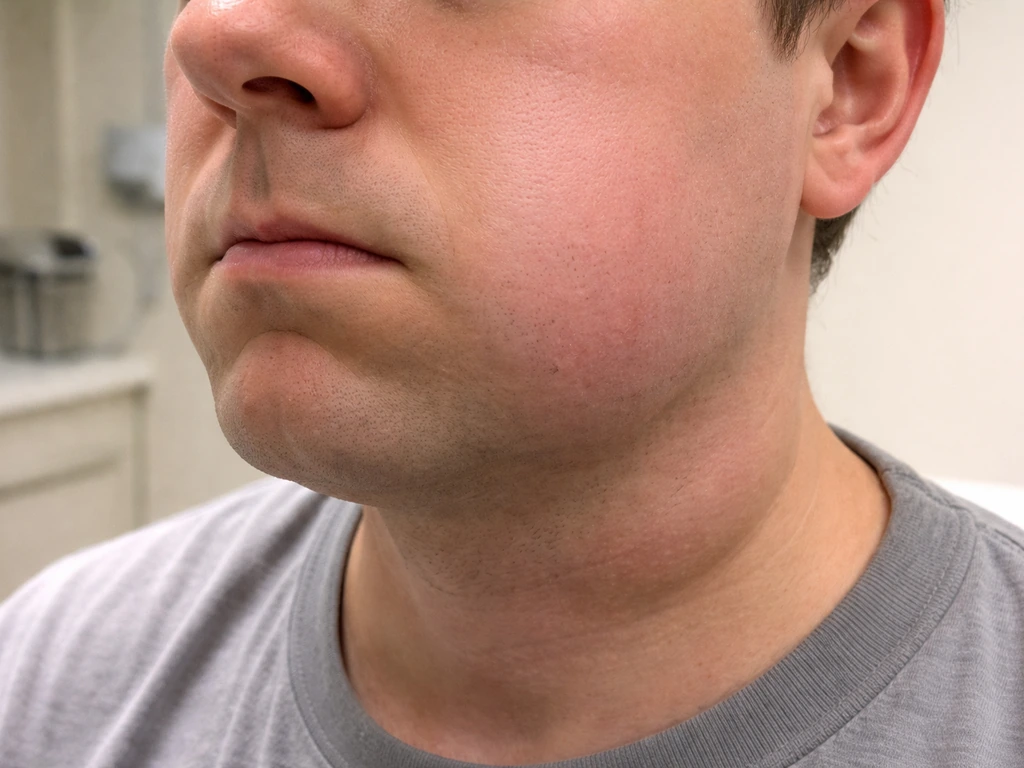
These symptoms mean you are past the "schedule an appointment this week" stage and into emergency territory. If you experience any of the following, go to an emergency department immediately or call emergency services:
- Difficulty swallowing or a sensation that your throat is closing
- Any trouble breathing, shortness of breath, or stridor (a high-pitched breathing sound)
- Swelling on the floor of the mouth, under the chin, or spreading down the neck
- Trismus: difficulty fully opening your mouth (often described as the jaw feeling "locked")
- Tongue swelling, elevation of the tongue, or drooling you cannot control
- High fever (above 38.5°C / 101.3°F) combined with feeling seriously unwell, shaking, or rapid heartbeat
- Rapidly spreading redness or swelling across the face, jaw, or neck
- Confusion, difficulty staying awake, or feeling faint
The NHS and multiple clinical guidelines are clear: if you have difficulty breathing or swallowing, do not wait for a dentist. Go straight to the emergency department. For anything short of those airway symptoms but still involving facial swelling, fever, or worsening pain that is not controlled with over-the-counter painkillers, the same-day urgent dentist route is the right call. In the UK, NHS 111 can direct you to an urgent dental service. Do not go to a GP surgery for a dental abscess; they are not equipped to treat it.
Why some abscesses grow faster than others
Several factors can push an abscess from slow-burning to rapidly dangerous. Understanding these helps you assess your own risk level honestly.
| Factor | Why it matters | Effect on speed |
|---|---|---|
| Bacteria type | Some strains (e.g., Streptococcus anginosus) are inherently more aggressive | Significantly faster spread |
| Immune system health | Diabetes, chemotherapy, steroids, or HIV reduce the body's ability to contain the infection | Much faster, more severe course |
| Which tooth is involved | Lower molars sit near the submandibular and sublingual spaces; upper teeth can spread toward the eye socket | Location determines which critical structures are at risk |
| Delay in treatment | Each day without drainage gives bacteria more time and space to spread along fascial planes | Linear increase in risk |
| Dead vs. vital pulp | Necrotic pulp has no blood supply, limiting antibiotic delivery into the infected site | Harder to treat; infection more established |
| Poor oral hygiene or existing gum disease | More bacteria present, more pathways for infection to enter and spread | Higher baseline bacterial load |
The fascial plane spread is the mechanism that makes dental abscesses dangerous rather than just painful. Unlike infections that spread primarily through the lymphatic system (which is slow), dental abscess spread travels through direct extension along these tissue planes, meaning it can cover significant anatomical ground in a short amount of time with no obvious external warning until the swelling is already in a dangerous location.
What to do today: home care while you wait vs. when to go now

Let's be direct: home care does not treat an abscess. It manages symptoms while you get professional help. Nothing you do at home will drain the infection, kill the bacteria at the source, or reverse what is happening inside the tooth or bone. If someone is telling you that oil pulling, garlic, or saltwater rinses will clear up an abscess, that is not accurate.
That said, while you are waiting for your appointment (which should be today or tomorrow at the latest), here is what actually helps:
- Take over-the-counter pain relief: paracetamol is safe for adults and helps manage pain while waiting; ibuprofen can also help with inflammation (check dosage guidelines and suitability for your health situation)
- Avoid very hot or very cold food and drinks, which tend to intensify abscess pain
- A cold compress held against the outside of the cheek can reduce swelling and ease discomfort
- Warm saltwater rinses (not as a cure, but to help keep the area clean and provide minor relief)
- Do not press, poke, or try to pop the abscess yourself; this risks pushing bacteria deeper into tissue
If you are in the UK, call NHS 111 to find an urgent dental appointment. If you are anywhere and you have any of the red-flag symptoms listed above (breathing difficulty, swallowing difficulty, significant facial or neck swelling, high fever with systemic illness), skip the dentist and go directly to the emergency department or call emergency services.
What treatment actually looks like, and how long recovery takes
The goal of all abscess treatment is the same: remove the source of the infection and drain the pus. Antibiotics alone will not do this. The clinical guidelines from the American Dental Association are clear that definitive dental treatment (not antibiotics) should be the first priority for a localized abscess in an otherwise healthy adult. Antibiotics are added when the infection has spread systemically, shown by fever or feeling genuinely unwell, not as a substitute for treating the tooth.
Incision and drainage
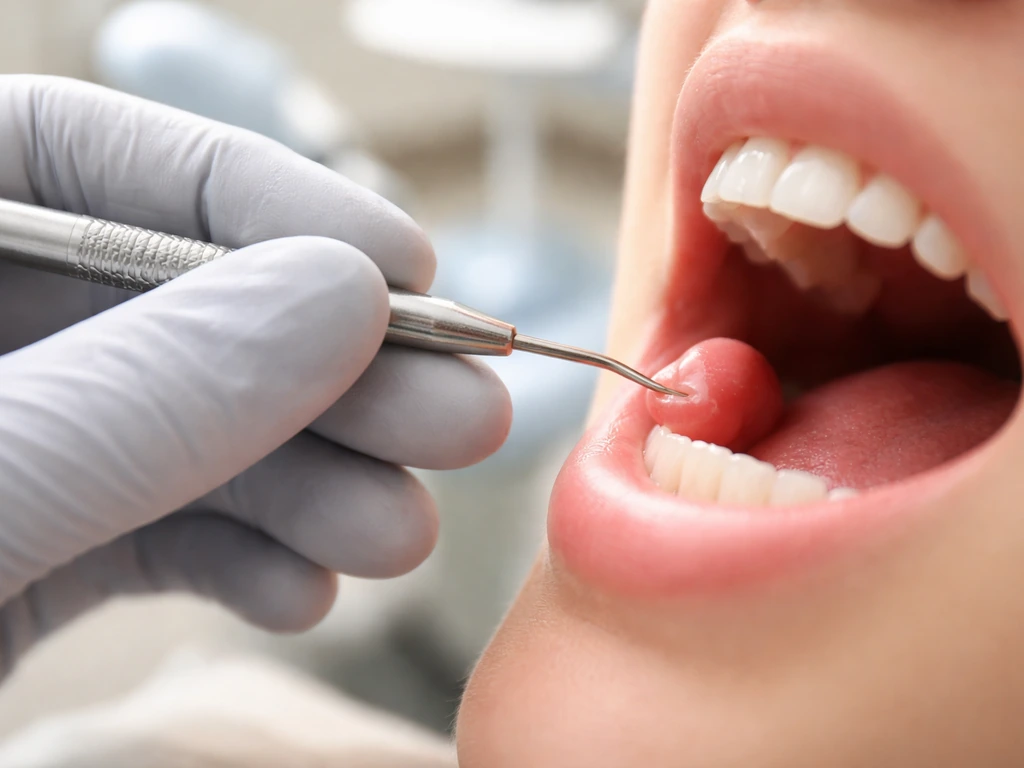
For an acute abscess with significant swelling, the dentist will often make a small cut in the gum to release the pus directly. This gives immediate relief and reduces pressure. It is usually a temporary measure while the definitive treatment (root canal or extraction) is planned.
Root canal treatment
If the tooth structure is intact enough to save, root canal treatment is typically the preferred route. The dentist removes the infected pulp tissue, disinfects the root canals, and seals the tooth. This removes the source of infection while keeping the tooth. Most people feel significantly better within a day or two of the procedure, though full recovery and any crown placement afterward can take a few weeks.
Extraction
When the tooth cannot be saved (too much structural damage, a fracture below the gum line, or in certain clinical situations), extraction removes the source entirely. Swelling typically subsides within a few days after extraction. Post-procedure care usually includes warm saltwater rinses every 2 to 3 hours for 3 to 5 days, anti-inflammatory pain relief, and a follow-up appointment.
Antibiotics
Antibiotics are prescribed when the infection has spread systemically (fever, malaise, swelling beyond the immediate area of the tooth) or when the patient is immunocompromised. They are not a standalone treatment. Because the necrotic tissue inside the tooth has no blood supply, antibiotics cannot reliably penetrate the infection site without a drainage procedure or pulp removal happening alongside.
Hospital treatment
For severe infections involving deep fascial spaces, difficulty breathing or swallowing, floor-of-mouth swelling, or significant trismus, the treatment is hospital-based: intravenous antibiotics, surgical drainage under general anaesthetic, and airway management if needed. This is the escalation path for cases that were not caught early.
Preventing recurrence and protecting the rest of your mouth
Once you have had a dental abscess, the factors that caused it (tooth decay, gum disease, a cracked tooth, a failed filling) need to be properly addressed, or you are at risk of another one. The same pathways that let bacteria into the tooth or gum the first time can do it again.
The basics matter more than anything else here. Brushing twice daily, flossing, and cutting down on sugary food and drinks reduces the bacterial load and acid exposure that drives both decay and gum disease. Excellent oral hygiene is the best way to reduce the risk of a periodontal abscess, according to Cleveland Clinic. If gum disease was the underlying cause, treatment such as scaling and root planing (a deep clean below the gumline) or, in more serious cases, gum surgery may be needed to eliminate the pockets where bacteria accumulate. Regular dental checkups, ideally every six to twelve months, allow problems to be caught when they are still small. Cavities that are caught early can often be treated before they ever progress to a pulp infection; a cavity that sits untreated for months is a future abscess risk.
If you have a health condition that affects your immune system, including diabetes, talk to your dentist about it. Managing blood sugar well reduces infection risk, and your dentist needs to know about any medications that suppress immunity so they can monitor you more closely and act faster if early signs appear.
It is also worth knowing how abscesses relate to the broader question of dental damage and what the body can and cannot repair. There is a lot of internet content claiming that teeth can remineralize or that cavities can reverse themselves. Early-stage enamel demineralization can genuinely be slowed or partially reversed with fluoride and diet changes, but once decay has reached the pulp or an abscess has formed, that window is closed. The tooth cannot grow new structure to resolve the infection, and the pulp cannot regenerate once it is necrotic. Unfortunately, a tooth generally cannot grow back to replace what was destroyed by a cavity once decay has reached the pulp can your tooth grow back from a cavity. The only path forward is treatment. Keeping that biological reality in mind is the best motivation for staying on top of checkups and not leaving dental problems to run their course.
FAQ
If my pain improved after a few hours, does that mean the abscess is shrinking?
Not reliably. Some abscesses stay localized for days, but others progress quickly once pressure builds or bacteria spread along tissue planes. Your best decision aid is the timeline of symptoms, especially any facial or neck swelling, fever, worsening pain, or trouble swallowing or breathing.
Can an abscess “quiet down” and then get worse later?
Possible, but it is also common for pain to temporarily lessen as pressure changes, not because the infection is gone. If you had worsening pain that later eases, you still need urgent dental evaluation because the abscess can remain active and spread.
How can I tell if my infection is spreading beyond one tooth?
Yes, but it is usually a sign the infection is already beyond the immediate tooth area. Fever with malaise, feeling generally unwell, or swelling that is moving beyond the gum near one tooth are reasons to seek same-day urgent dental care or emergency care if airway symptoms appear.
Will antibiotics alone cure a tooth abscess?
Antibiotics can help slow spread in certain situations, but they do not drain the pus pocket or remove the infected pulp or bone. Definitive care is still required, so antibiotics without dental drainage or root canal or extraction often fail to fix the source.
If I can control the pain with ibuprofen or acetaminophen, should I still go urgently?
Do not. Over-the-counter pain relief can reduce discomfort, but it does not stop the infection from spreading. If symptoms are worsening, you are past the time window for a “wait and see” approach.
If the gum bump drained by itself, do I still need a dentist?
A “pimple on the gum” can be a draining point from an abscess, but it does not guarantee it is resolving. Drainage can look better while deeper infection persists, so you still need treatment and monitoring.
What does trouble opening my mouth (trismus) mean with a tooth abscess?
Trismus, meaning trouble opening your mouth, can indicate deeper tissue involvement and can accompany spreading infection. If you have trismus along with swelling, fever, or worsening pain, treat it as urgent and seek same-day care or emergency care depending on severity.
When should facial or neck swelling be considered an emergency?
If the swelling is significant, you cannot swallow normally, you have breathing difficulty, drooling you cannot control, or voice changes, go to emergency care immediately. If you are unsure but symptoms are escalating, it is safer to use emergency services rather than waiting for an appointment.
What should I do right now if I might need emergency care but I feel stable?
In general, you should avoid driving yourself if you might need emergency treatment or sedation. Also avoid eating or drinking if you are having swallowing trouble or if you may need urgent procedures.
Does a tooth abscess grow faster in people with diabetes or on steroids?
Yes. Diabetes and other immune-compromising conditions can make progression faster and symptoms less typical. If you have these conditions, the safest plan is same-day dental assessment for any suspected abscess, even if symptoms seem mild.
Can a tooth abscess start without a visible cavity?
This can happen. A tooth can crack or have a filling fail and create an entry pathway for bacteria even without obvious cavity pain initially. Any persistent, localized toothache, bite pain, or gum swelling near a specific tooth should be examined.
If I cannot reach a dentist today, what home measures are actually reasonable?
If you cannot get same-day care, focus on symptom management while arranging urgent treatment. Warm saltwater rinses may help comfort, keep the area clean, and reduce irritation, but they do not replace drainage or definitive treatment.
Should I go to an urgent dental clinic or an emergency department for my case?
If you are immunocompromised, have uncontrolled diabetes, have rapidly spreading swelling, or have any airway-related symptoms, do not delay. If symptoms are severe or progressing, the more appropriate destination is emergency care, not a routine clinic visit.
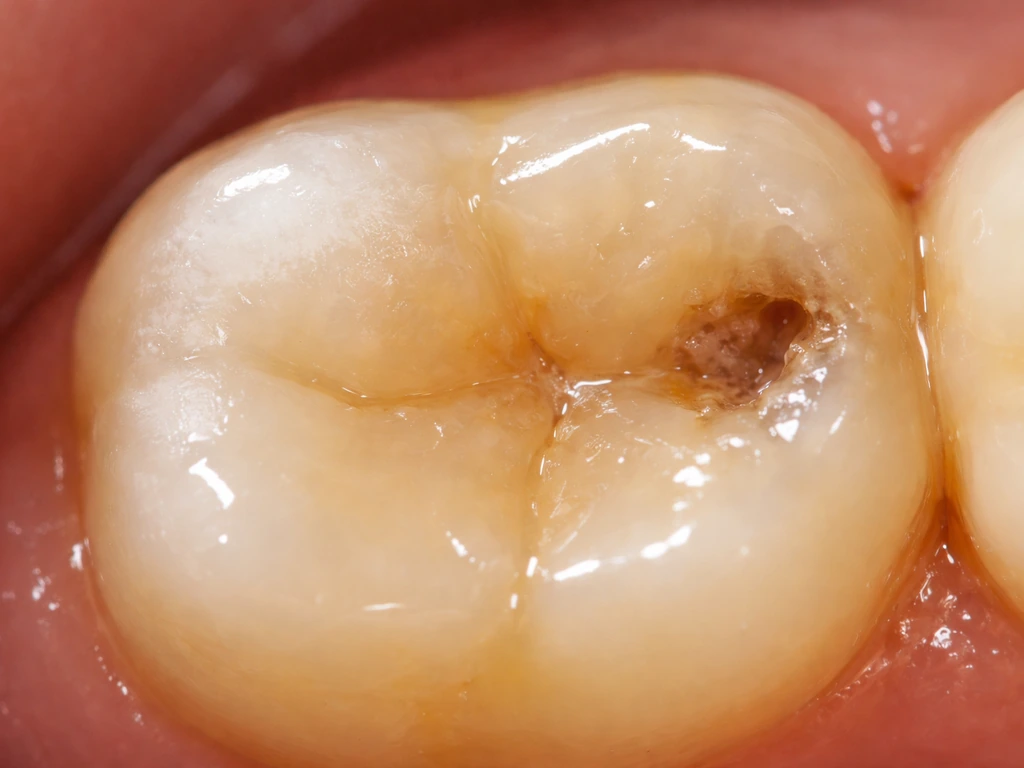
How fast a cavity can grow in a month, from early white spots to cavitation, and what can be remineralized.
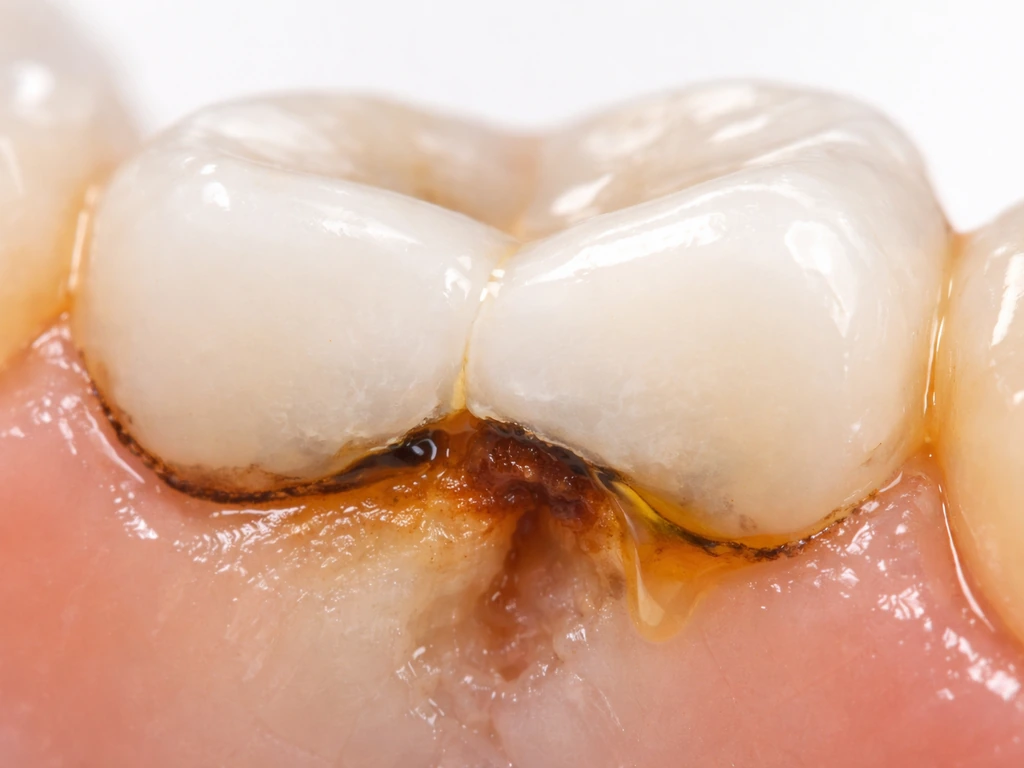
Yes, cavities can form under or around fillings due to gaps and microleakage. Learn signs, tests, and next steps.
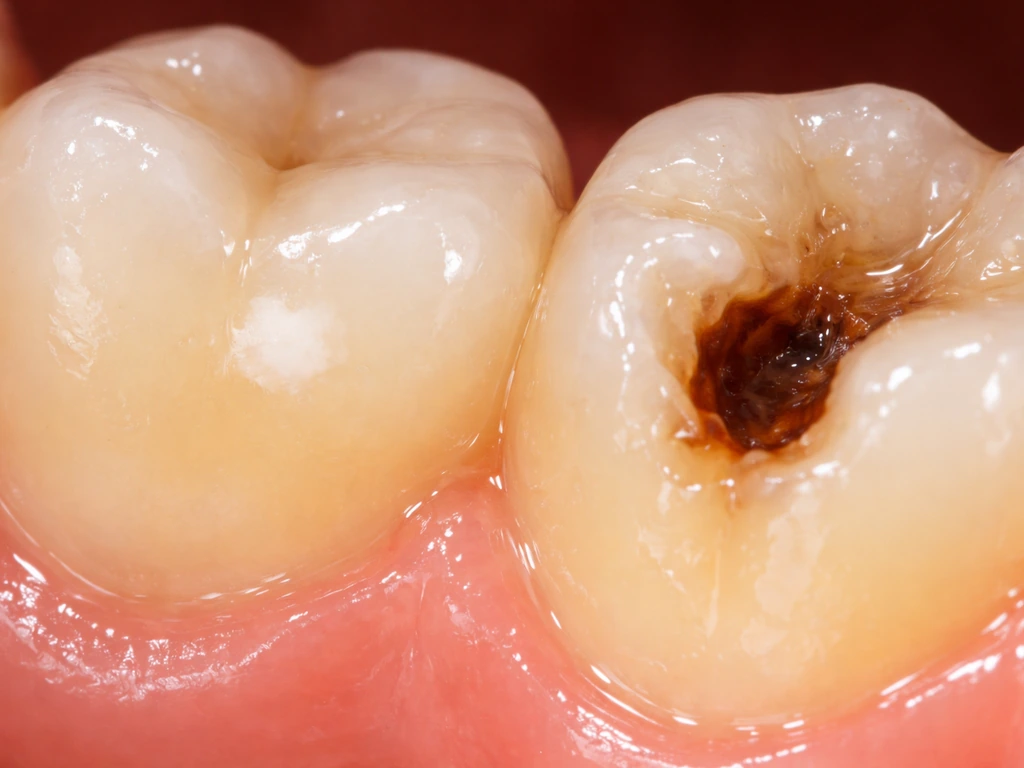
Learn if cavities grow, where decay spreads, how it reaches dentin and pulp, and what stops progression now.