
A small cavity can go from early enamel damage to dentin involvement anywhere from a few months to several years, depending on your diet, saliva flow, oral hygiene, fluoride exposure, and where in your mouth the decay is sitting. There is no single fixed timeline, but the practical answer is this: early-stage cavities caught in enamel can sometimes be slowed or even reversed, but once decay breaks through into dentin, it accelerates and your tooth cannot grow that structure back on its own. If you are sitting there wondering whether to book an appointment, that uncertainty itself is usually a sign you should.
How Long Does It Take a Small Cavity to Grow

Marcus Holloway
9 Jun 2026
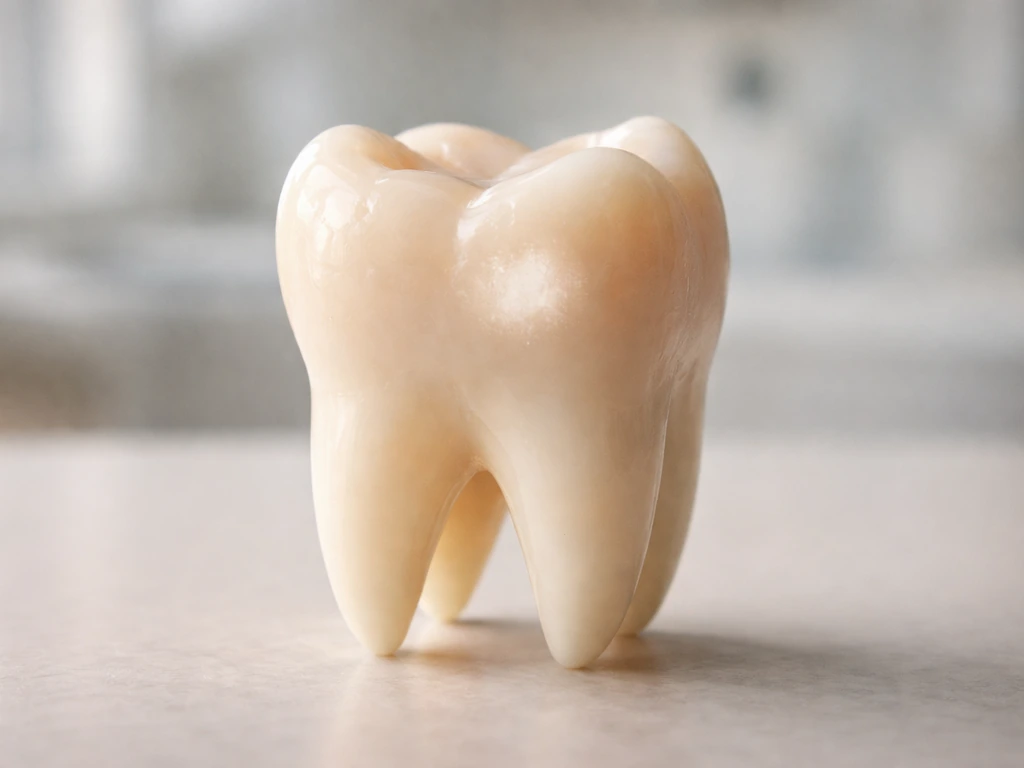
What 'growing' actually means for a small cavity
Cavity growth is not like a plant getting taller. It is a continuum of structural breakdown moving inward through your tooth, layer by layer. Dentists use systems like ICDAS (International Caries Detection and Assessment System) to stage this progression on a scale from 0 to 6, where 0 is a healthy tooth and 6 is extensive cavitation reaching deep into the tooth. Understanding what stage you are at completely changes how fast things can get worse.
The outermost layer is enamel, the hardest substance in your body. The very first sign of a cavity is demineralization: acid from bacteria dissolves calcium and phosphate out of the enamel, creating a white or chalky spot called an initial lesion. At this stage, there is no physical hole yet. If conditions improve (better hygiene, fluoride, less sugar), the enamel can actually remineralize and the lesion can arrest. This is the one window where your tooth can partially 'fight back.'
Once the surface breaks open (cavitation), bacteria get inside and the decay reaches dentin, the softer, more porous layer beneath enamel. Dentin has tiny tubules running toward the nerve, which is why cavitated cavities can start to ache or become sensitive. Dentin decays much faster than enamel because it is softer and less mineralized. From there, if nothing is done, the decay can reach the pulp (the nerve and blood supply at the center of the tooth), at which point you are looking at a root canal or extraction rather than a simple filling.
The important point for anyone wondering about cavity regrowth: enamel cannot regenerate once a true hole forms. Dentin has some limited ability to produce a defensive 'tertiary' layer when the pulp is threatened, but that is a protective response, not a healing one. The tooth is not growing back. For more on what teeth can and cannot regenerate, the sibling topic on whether your tooth can grow back from a cavity covers that question in detail. For more on whether the tooth itself can regrow after decay starts, see whether your tooth can grow back from a cavity.
How fast does a small cavity actually progress?
This is where the internet tends to give you a comforting but misleading answer. You will often see 'it takes years for a cavity to form,' which is partially true for the very earliest stages. But once a cavity is established and active, the pace can be surprisingly fast. Do cavities grow? In most cases, yes, if they become active and are not treated cavity is established.
In general terms, an early enamel lesion with no surface breakdown can remain stable for months or even years if you clean well and use fluoride. An active cavitated lesion hitting dentin can double in depth in as little as a few months with a high-sugar diet and poor hygiene. A cavity on a molar chewing surface (occlusal) tends to progress differently than one between teeth (interproximal), where X-rays are the only reliable way to catch it early.
Several factors push the accelerator or hit the brakes on cavity growth. Children and teenagers often have faster decay because their enamel is still maturing and their diets tend to be higher in sugar. Older adults frequently deal with root surface cavities, which progress faster than enamel cavities because the cementum covering roots is even softer than dentin. Dry mouth (xerostomia), often caused by medications, removes saliva's natural buffering and remineralizing effect, dramatically speeding up decay. Someone who sips sugary or acidic drinks throughout the day is giving bacteria a constant acid bath, pushing even a small cavity forward quickly.
| Factor | Effect on Cavity Speed | Notes |
|---|---|---|
| High sugar/acid diet | Accelerates significantly | Constant acid exposure keeps pH low, blocking remineralization |
| Good fluoride use | Slows or arrests | Fluoride supports remineralization in early lesions |
| Dry mouth / low saliva | Accelerates significantly | Saliva buffers acid and delivers minerals to enamel |
| Location between teeth | Harder to clean, often faster | Interproximal lesions are invisible without X-rays |
| Child or teenager | Often faster | Maturing enamel less resistant; diets often higher in sugar |
| Root surface cavity | Faster than enamel | Cementum is softer than enamel, decays more readily |
| Consistent brushing and flossing | Slows or arrests | Removes plaque before acid damage accumulates |
Signs a cavity is getting worse, not staying small
This is the part most people really want to know. Your mouth will usually give you signals that a cavity is advancing, though the tricky part is that early-stage decay often has no symptoms at all. By the time you feel something, the cavity has usually already broken through enamel.
Watch for these warning signs that suggest a cavity is progressing beyond the early enamel stage:
- Sensitivity to cold that lingers more than a few seconds after the cold source is removed
- Sensitivity to sweet foods or drinks (a classic early dentin symptom)
- A visible dark spot, stain, or discoloration on the tooth surface that looks different from a stain
- A feeling of roughness or a small pit you can feel with your tongue
- Mild aching that comes and goes, especially after eating
- Sensitivity to heat (this is a more serious sign suggesting the nerve may be involved)
- Spontaneous pain that starts without any trigger
If you are only noticing a brief cold twinge that passes immediately, you may still be in an early stage. If sensitivity is lingering, heat is triggering pain, or you have any spontaneous aching, that cavity is no longer small in the way that matters. The question of how much a cavity can grow in a month is worth thinking about if you are trying to assess urgency between now and your next appointment.
How dentists figure out how far along a cavity is
A dentist does not just poke around and guess. There is a real diagnostic process, and understanding it helps you know what to expect at your appointment and why certain tools matter.
Visual and tactile exam
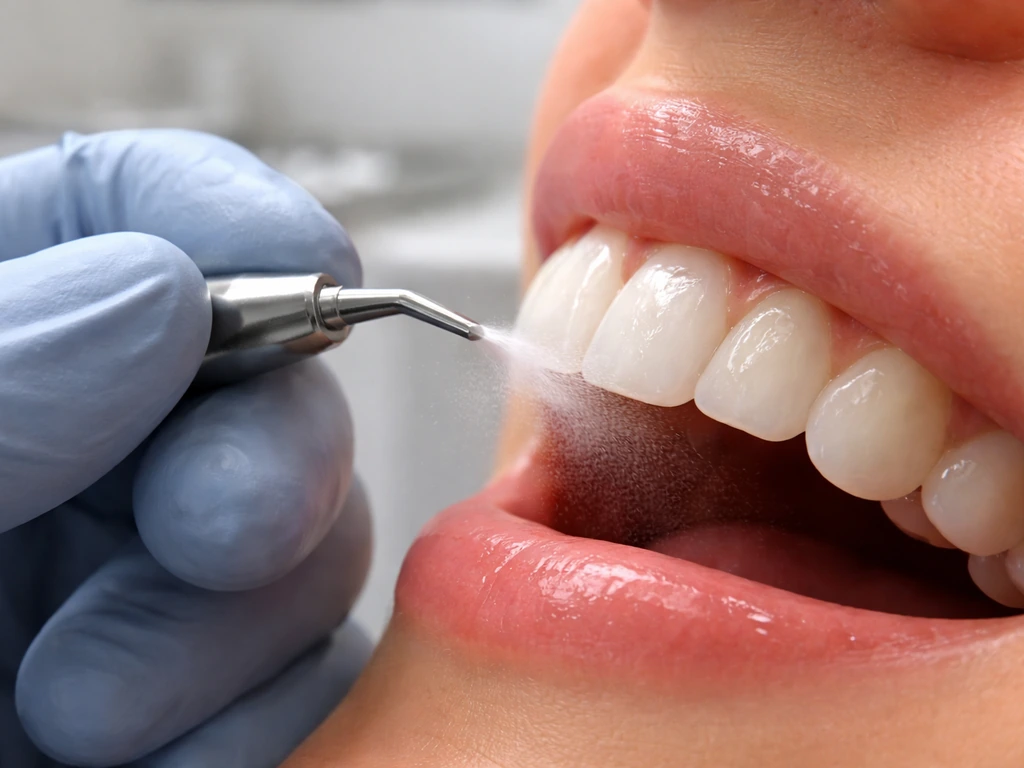
The dentist will dry your teeth with air (moisture masks early lesions) and examine each surface under good lighting. They are looking for white spot lesions, chalky opacity, brownish or dark cavitation, and whether any cavitation is exposing dentin. Drying is critical because an early enamel lesion that is invisible when wet becomes visible as a white spot when dried. Using the ICDAS framework clinically, a cavitation that exposes dentin is classified at the most advanced visual category, a definitive signal that conservative approaches alone are not going to cut it.
Bitewing X-rays
Bitewing radiographs are the standard for catching cavities between teeth that no exam can see from the surface. They show the crowns of upper and lower back teeth on a single film, revealing the depth of interproximal decay (between teeth) and whether decay has reached dentin. If an X-ray shows a dark shadow approaching the pulp, the urgency level jumps considerably. Most adults should have bitewings taken every one to two years depending on their cavity risk; high-risk patients may need them annually.
Probing and additional imaging
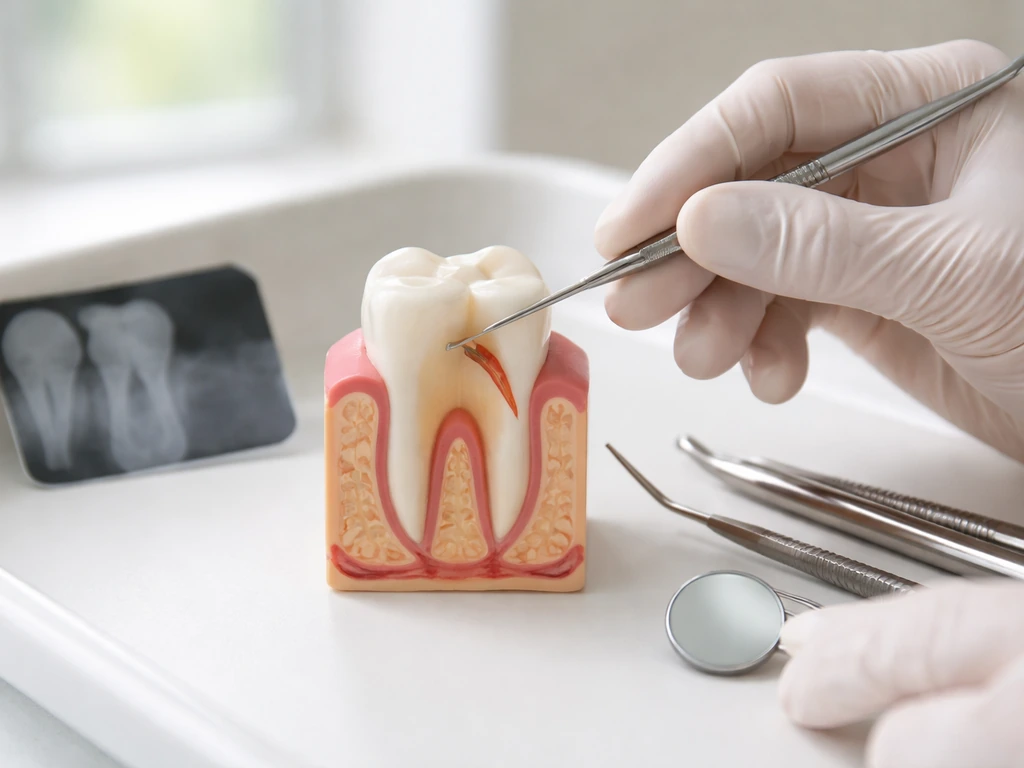
A periodontal probe can help confirm whether a suspected pit is truly cavitated or just a stain. For more complex cases or suspected deeper involvement, some practices use CBCT (cone beam CT) imaging or laser fluorescence devices (like DIAGNOdent) to detect decay in pits and fissures that standard X-rays might miss. The dentist also uses the ICCMS framework, which layers activity assessment on top of severity staging, meaning they are not just asking 'how big' but also 'is this actively progressing or has it arrested?' That distinction changes the treatment recommendation significantly.
What happens if you just wait
A lot of people put off the dentist for financial reasons, dental anxiety, or the hope that it will somehow stay small. Here is the honest picture of what waiting tends to produce.
An active cavity does not pause on its own. Without removing the decay and restoring the tooth, bacteria continue acidifying the area and dissolving structure. A cavity that required a simple filling at 150 dollars can become a crown situation at over a thousand dollars if it breaks into deep dentin or causes the tooth to crack under chewing stress. From there, if it reaches the pulp, you are looking at a root canal (often 800 to 1,500 dollars or more) or extraction followed by an implant or bridge if you want to replace the tooth.
Beyond cost, untreated decay can develop into a dental abscess, a bacterial infection that spreads into surrounding tissue. Abscesses cause severe, throbbing pain and can become dangerous if the infection spreads into the jaw, neck, or airway. This is a genuine medical emergency. How fast a tooth abscess can grow is something worth understanding if you are already noticing swelling or pain around a problem tooth. The same urgency applies to a tooth abscess, where knowing how fast a tooth abscess can grow helps you decide whether you need emergency care right away.
For children specifically, cavities in baby teeth matter even though the teeth will eventually fall out. Active decay in a baby tooth can spread to neighboring teeth and, in severe cases, damage the developing permanent tooth underneath. Treating baby tooth cavities is not optional just because the tooth is temporary.
Treatment options matched to cavity stage
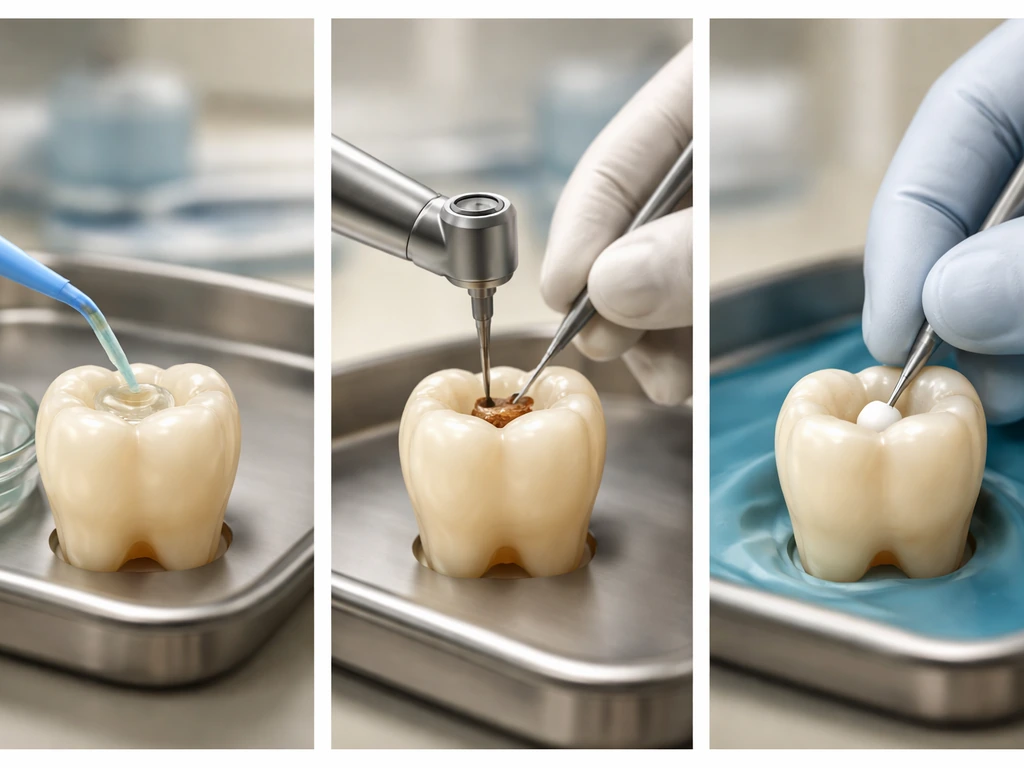
Treatment is not one-size-fits-all. What happens at your appointment depends heavily on how far the cavity has progressed. Here is how the options map to each stage.
| Cavity Stage | What It Means | Typical Treatment |
|---|---|---|
| Early enamel (no cavitation) | White spot or mild demineralization, surface intact | Fluoride varnish, remineralizing agents, improved hygiene, monitoring |
| Enamel cavitation (no dentin) | Surface broken, decay confined to enamel | Small filling (composite or amalgam), sometimes sealant over early pit |
| Dentin involvement (no pulp) | Decay into dentin, possible sensitivity | Filling; larger lesions may need a larger restoration or inlay/onlay |
| Deep dentin (approaching pulp) | Near nerve, possible significant sensitivity or aching | Large filling or crown; indirect pulp cap in some cases |
| Pulp involvement | Nerve infected or dead, possible abscess | Root canal treatment followed by crown, or extraction |
| Extensive destruction | Little tooth structure remaining | Extraction, then implant, bridge, or denture |
Dental sealants deserve a specific mention: they are a thin coating applied to the grooves of back teeth, primarily in children and teens, to prevent food and bacteria from sitting in those pits. They work as prevention for teeth without cavities and can sometimes be placed over very early, non-cavitated lesions to arrest them, but they are not a treatment for an established cavity.
Can a small cavity stop growing or reverse itself?
This is one of the most common questions on a site focused on dental regeneration, and the answer requires drawing a sharp line. Yes, early enamel lesions (white spots, initial demineralization with no physical hole) can remineralize and arrest. This is real dental science, not wishful thinking. Fluoride works by incorporating into the enamel crystal structure to make it more acid-resistant and by promoting remineralization. Calcium phosphate-based products (like those containing casein phosphopeptide-amorphous calcium phosphate, or CPP-ACP) can also help. Saliva itself is your built-in remineralizing system.
But here is the limit that matters: once a cavity is cavitated, meaning there is a physical hole and bacteria are established below the surface, remineralization cannot close that hole or restore the tooth structure that was lost. If you already have a filling, you can also wonder about whether can cavities grow on fillings and what that means for replacement versus repair. You cannot grow back enamel or dentin once it has been destroyed by an active lesion.
The cavity may arrest (stop progressing) under ideal conditions, but the structural damage stays. You will need a filling or other restoration to seal out bacteria and restore function. This is a hard biological limit, not a gap that better toothpaste can bridge.
Arrested lesions are a real thing: cavities that stop progressing because the environment changed (diet improved, fluoride exposure increased, saliva flow returned). They often appear darker and harder than active lesions. A dentist can assess whether a lesion is active or arrested using the ICCMS approach. An arrested lesion on a surface that is easy to clean may not need a filling immediately, just monitoring. But that is a clinical judgment your dentist makes, not a call to make at home.
Whether cavities grow and whether they can be stopped are related questions worth reading more about if you want to understand the full biology here.
When to call a dentist right now
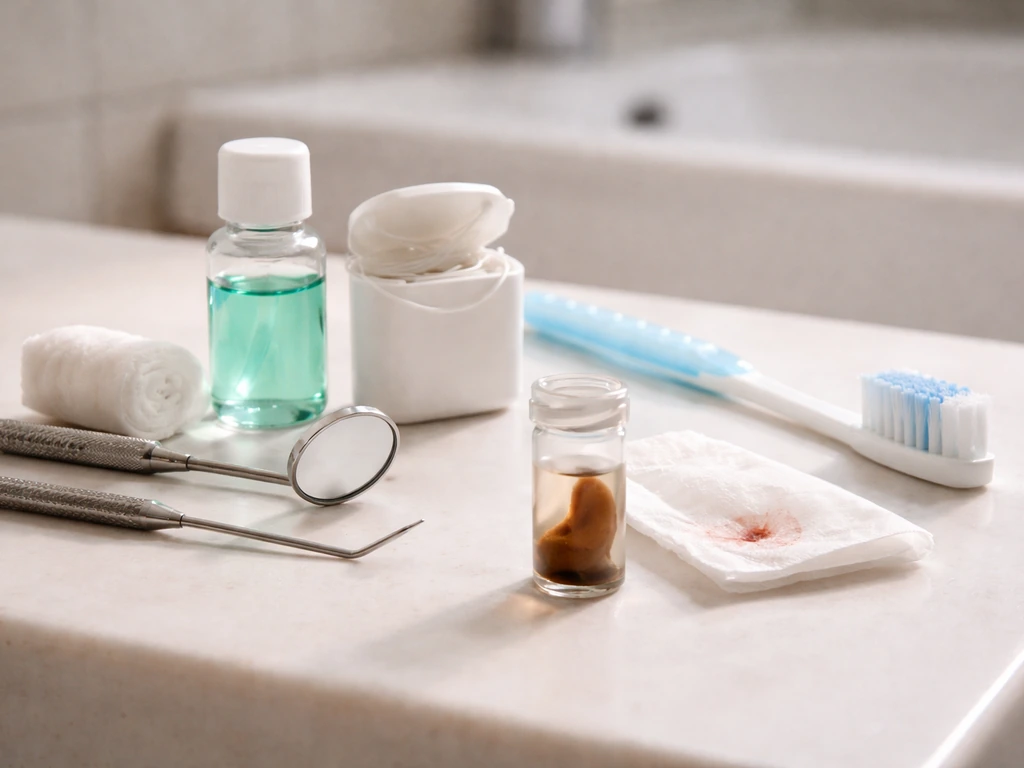
If you have been on the fence about booking an appointment, use this as your checklist. Any one of these means you should call today, not next month.
- Spontaneous tooth pain with no obvious trigger (biting, temperature, sweets)
- Pain that lingers for more than 30 seconds after a cold stimulus is removed
- Any sensitivity to heat, which can signal pulp involvement
- Visible hole, pit, or dark cavity you can see or feel with your tongue
- Swelling in your gum, jaw, or face near the problem tooth
- A bad taste or smell coming from one area of your mouth
- Fever along with tooth pain (possible sign of spreading infection)
- A cavity that a dentist spotted more than 6 months ago that you have not had treated
If none of those apply and you just have a small, asymptomatic cavity that was recently diagnosed, your urgency level is lower but the appointment still should not drag on indefinitely. Most dentists recommend treating active cavitated lesions within a few weeks to a few months at most. Waiting a year or more on a known cavity is rarely a good outcome.
The bottom line: a small cavity is only small until it is not. The difference between a 200-dollar filling and a 1,500-dollar root canal is often just a matter of months plus a missed appointment. If you caught this article because you are already thinking about a cavity, that is your signal. Call the dentist, get the X-rays, and find out exactly what stage you are dealing with. Then you will have a real answer instead of an estimate.
FAQ
If I just found out I have a small cavity, how soon should I see a dentist for timing purposes?
If the cavity is already cavitated, most dentists aim to treat it within weeks to a few months, not a full year. If you have lingering sensitivity, heat-triggered pain, visible darkening, or you see food catching in the area, shorten the timeline and book sooner. If it was just diagnosed as an early white spot without surface breakdown, your dentist may suggest a tighter follow-up interval to confirm it does not become active.
Can a cavity stop growing on its own if I improve my brushing and cut sugar?
It can, but usually only at the earliest, non-cavitated enamel stage. Once there is a true hole, improved habits may slow progression or help it arrest, but the structural loss will not “heal” back, and you still typically need a seal or filling to stop bacteria from getting under the surface.
What does “active” versus “arrested” mean, and how does it change how fast a cavity grows?
Active means the demineralization process is ongoing, so it is more likely to deepen over months. Arrested means conditions shifted, such as better fluoride exposure and diet changes, so progression has slowed or stopped. Dentists use systems like ICDAS combined with an activity assessment to decide whether monitoring is reasonable or whether you should restore it now.
How long does it take for a small cavity to reach the nerve?
There is no universal number, but once decay is into dentin and especially if it is close to the pulp, the risk of symptoms and pulp involvement rises over months rather than years. The most reliable way to estimate urgency is your dentist’s staging and bitewing X-rays (and sometimes additional imaging), because distance to the pulp cannot be judged accurately from symptoms alone.
Why do cavities sometimes hurt quickly even when they seem small?
Tooth pain often reflects dentin tubules being exposed or irritated, not the size of the surface lesion. Heat-triggered pain, longer-lasting cold sensitivity, or spontaneous aching suggests deeper involvement or inflammation rather than a purely superficial problem.
Can I tell if my cavity is between teeth without getting X-rays?
Usually no. Interproximal decay can be hidden from direct sight, and an exam often cannot confirm depth. Bitewing radiographs are specifically used to reveal whether decay is approaching dentin and the pulp, which is the key factor for how fast it may progress.
Does the location of the cavity (between teeth, on a biting surface, near the gumline) change the timeline?
Yes. Enamel lesions on smooth surfaces can remain stable longer with fluoride and good cleaning, while molar grooves and interproximal areas are harder to keep clean and can progress faster. Root surface cavities in older adults can also progress more quickly because the tissue covering the root is softer and more vulnerable.
How does dry mouth or frequent snacking affect how long a cavity takes to grow?
Dry mouth reduces saliva’s buffering and remineralizing effect, so acid stays on the tooth longer and lesions can become active sooner. Frequent sipping of sugary or acidic drinks throughout the day keeps the pH low repeatedly, which can accelerate progression compared with occasional sugar exposure.
If my dentist says “we’ll monitor it,” what should I expect for follow-up timing?
Monitoring typically involves a planned recheck interval to see whether the lesion becomes darker, more cavitated, or clearly shows no change. Ask your dentist when they want the next exam and whether you should get repeat X-rays at that visit, since monitoring works only if the lesion remains in an arrested or stable stage.
What should I do differently after I learn I have an early enamel lesion?
Focus on daily fluoride use (often a fluoride toothpaste twice a day, and sometimes prescription-strength options if recommended), improve technique to reach the area that is most at risk, and reduce frequency of sugar and acids. Also avoid “scrubbing” the spot aggressively with abrasive DIY methods, since that can irritate enamel and gums without reversing a lesion.
Can I use a whitening product or charcoal to stop a cavity?
Whitening products and charcoal do not regenerate lost enamel structure. They may temporarily change appearance, but they do not address established decay activity. If you are trying to arrest an early white-spot lesion, the most evidence-based approach is fluoride and saliva protection, not cosmetic stain removers.
If I already have a filling, can new decay still grow there, and does it change the growth timeline?
Yes. Margins of old fillings can allow bacteria access if gaps or worn edges develop, leading to recurrent decay. Depending on how much dentin is involved, progression may still be relatively slow at first but can accelerate if it becomes active under the restoration, which is why dentists often reassess with X-rays when patients report sensitivity or food trapping.
When should sensitivity be treated as urgent rather than something I can wait on?
Seek prompt care if sensitivity lingers after hot or cold, you develop spontaneous pain, you feel throbbing pain, or you notice swelling or a pimple-like bump on the gum near the tooth. These signs suggest the problem has moved beyond an early enamel lesion and may involve deeper dentin inflammation or an abscess.
Next Articles
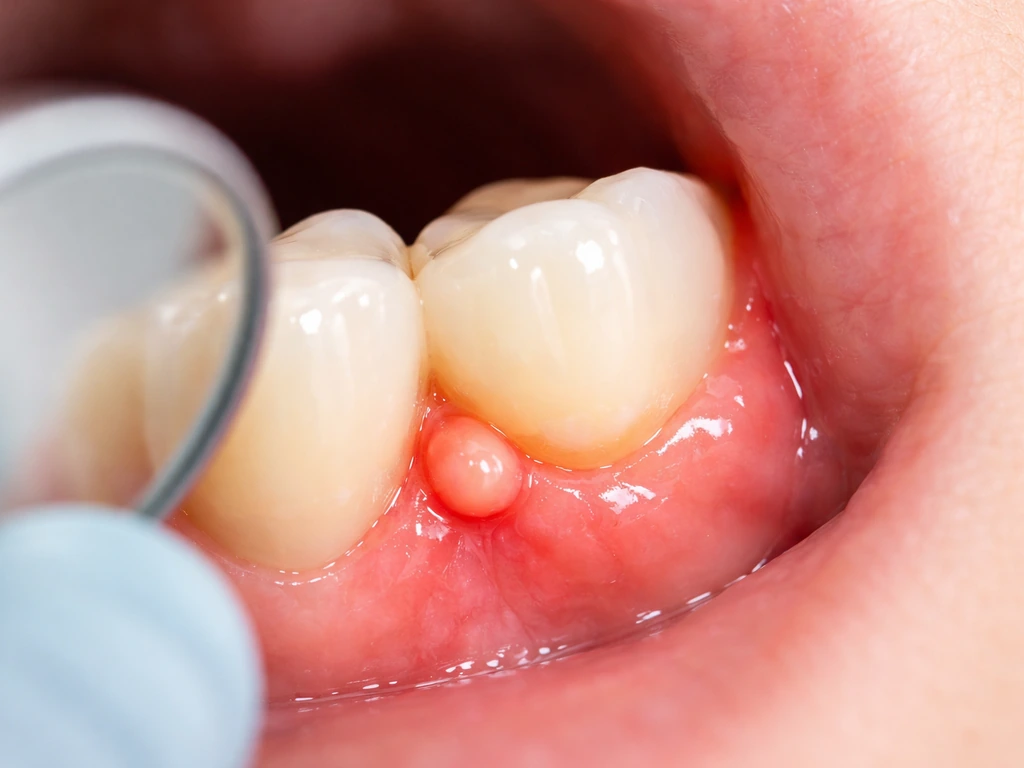
How Fast Can a Tooth Abscess Grow and What to Do
Realistic timelines for tooth abscess growth, red flags for urgent care, and next steps for drainage, antibiotics, and p
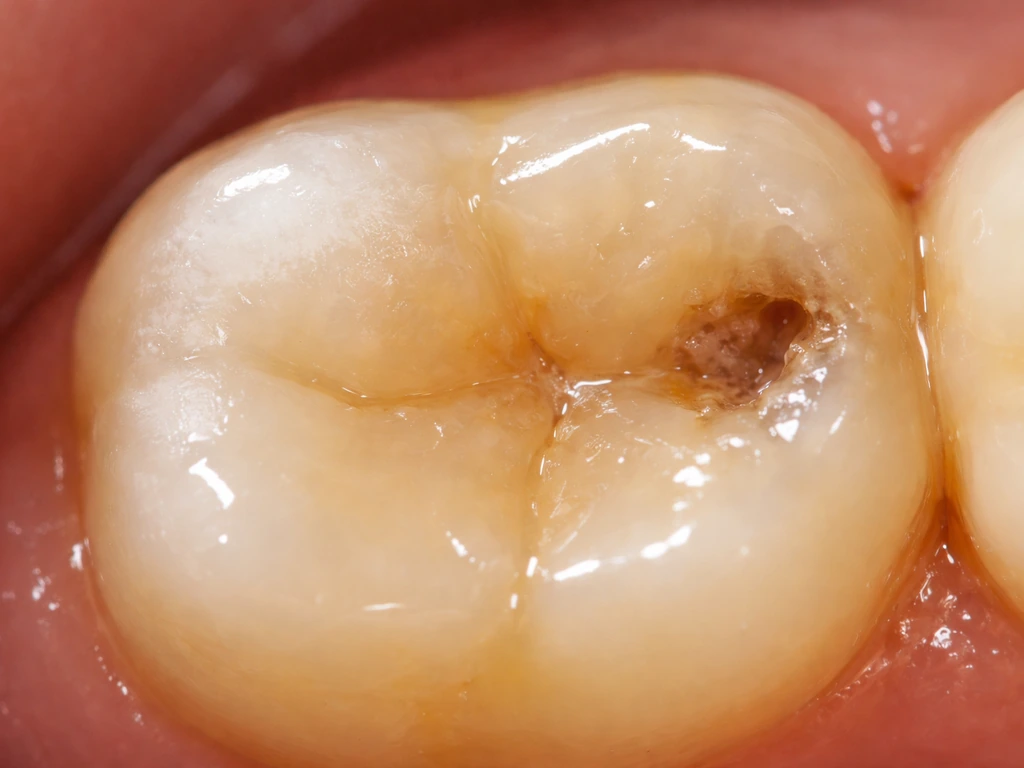
How Much Can a Cavity Grow in a Month? Timelines
How fast a cavity can grow in a month, from early white spots to cavitation, and what can be remineralized.
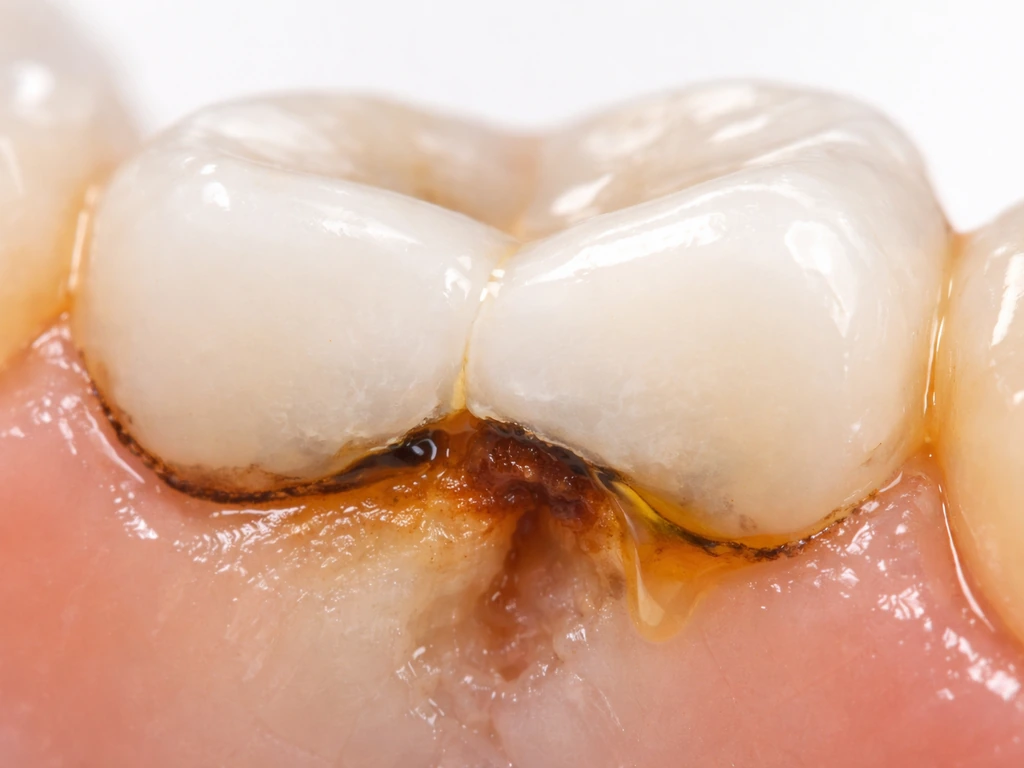
Can Cavities Grow on Fillings? Signs, Causes, and Next Steps
Yes, cavities can form under or around fillings due to gaps and microleakage. Learn signs, tests, and next steps.