
No, real teeth cannot grow on fingers. It is biologically impossible for a true tooth to form on a digit. Teeth require a very specific combination of tissues and signaling events that only occur in the developing jaw, and those conditions simply do not exist anywhere on your hand. If you or someone you know has a hard, tooth-like bump on a finger, it is not a tooth. But that does not mean it is nothing. A handful of real medical conditions can produce hard, calcified lumps on fingers that look alarming, and a few of those do deserve a doctor's attention. Some conditions that can cause a disease where teeth grow everywhere are not actually teeth, even when they look tooth-like hard, calcified lumps on fingers.
Can Teeth Grow on Fingers? Real Facts, Myths, and Options

Marcus Holloway
24 May 2026
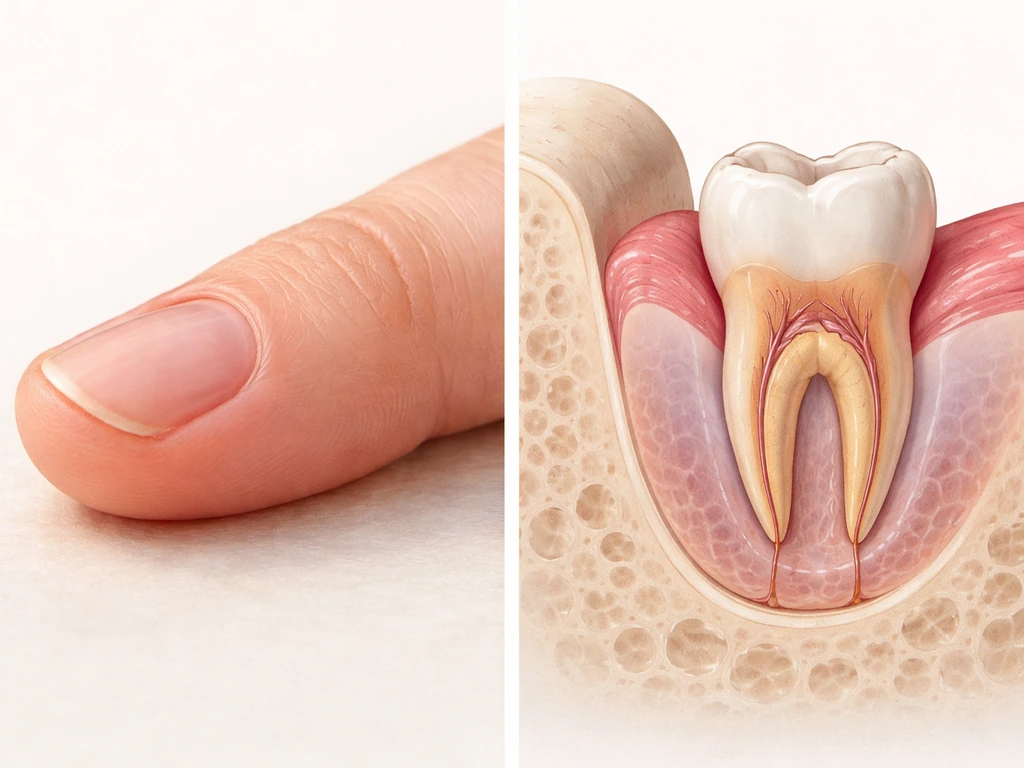
Why teeth only form in the jaw (and nowhere else)
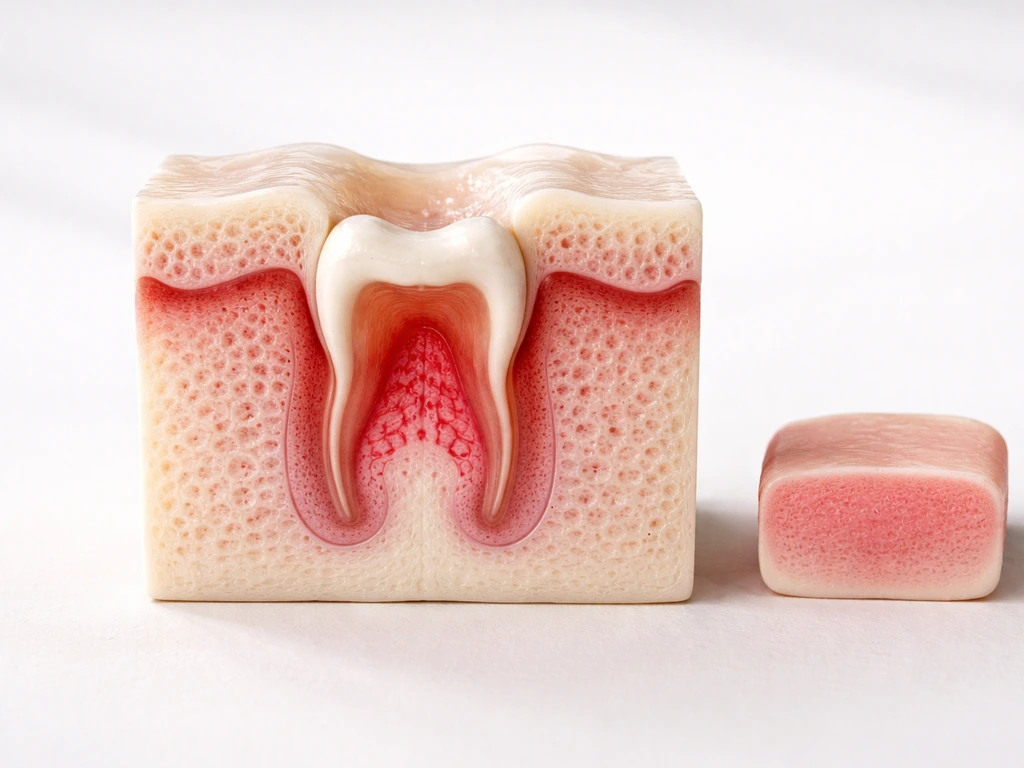
To understand why a tooth cannot grow on a finger, you need to know what it actually takes to build a tooth in the first place. The process is called odontogenesis, and it is one of the most tightly choreographed events in human development. It begins in the embryo when two very specific types of tissue meet: oral ectoderm (the epithelium lining the developing mouth) and neural crest-derived mesenchyme (specialized cells that migrate from the developing nervous system). These two tissue types exchange a complex series of chemical signals, including BMP, FGF, Wnt, Shh, and EDA proteins, to produce a structure called a tooth germ.
The tooth germ has three components: the enamel organ, the dental papilla, and the dental follicle. The enamel organ produces the cells (called ameloblasts) that lay down enamel. The dental papilla gives rise to dentin and eventually the pulp. The dental follicle becomes the periodontal ligament that anchors the tooth in the jaw. Without all three of these working together in the right place at the right time, no tooth forms. Period. The skin on your fingers contains none of these specialized tissues and none of the signaling environment needed to trigger tooth development. That is not a limitation that can be worked around with injury or unusual circumstances. It is a fundamental biological barrier.
Once a person's adult teeth have formed and erupted, the ameloblasts that produced the enamel disappear entirely. They are simply gone. This is also why human enamel cannot regenerate itself, even on existing teeth. The cells responsible for making it no longer exist in your body after the tooth erupts. So not only can teeth not form on fingers, they cannot even fully regrow on the jaw where they do belong.
Myths vs. reality: what 'teeth on fingers' actually means
The idea that teeth can grow on fingers is a persistent piece of internet folklore, and it sometimes gets tangled up with real (but very different) medical phenomena. Let's separate the noise from the actual science.
The fight-bite tooth fragment
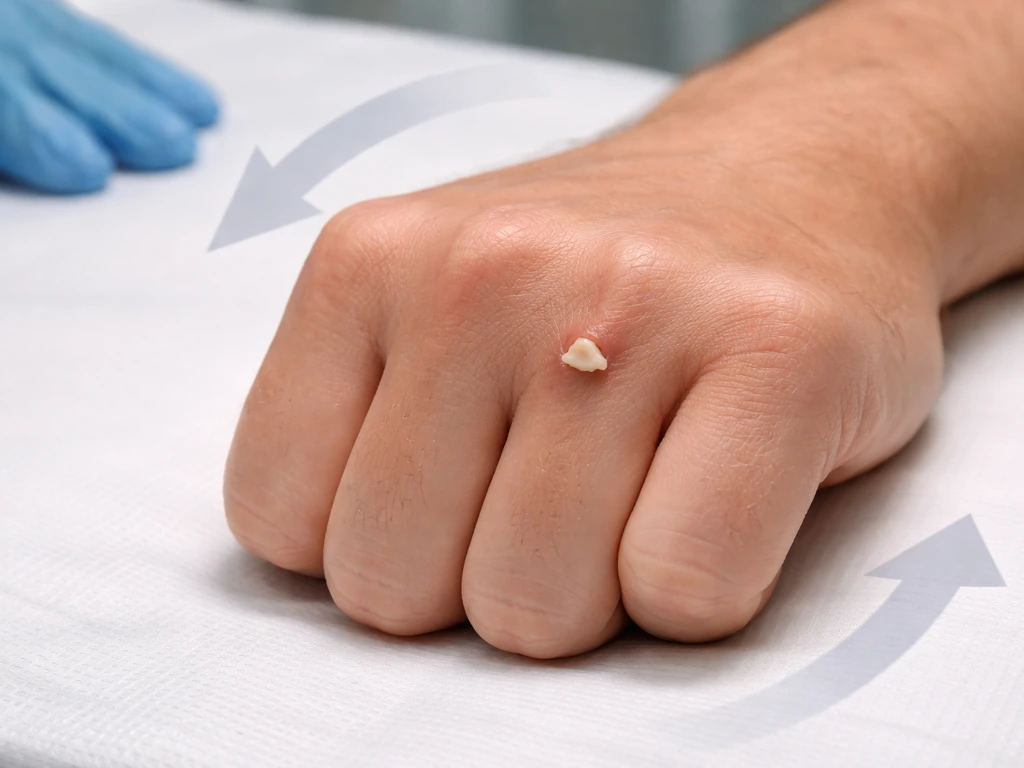
One documented case involved a human tooth embedded in someone's hand after a fight-bite injury, where a punch to another person's mouth drove a tooth fragment into the knuckle. That is not teeth growing on a finger. That is a foreign body traveling from one person's mouth into another person's hand through trauma. It is a real medical emergency (because mouth bacteria in a puncture wound is genuinely dangerous), but it has nothing to do with dental tissue forming on the skin.
Teratomas and dermoid cysts
Teratomas and dermoid cysts are benign or sometimes malignant tumors derived from germ cells. Because germ cells carry the genetic instructions to build many different tissue types, these tumors can contain hair, skin, and occasionally tooth-like structures. They have been found in ovaries, the brain, and other locations far from the mouth. This is real, documented science, not fantasy. But these are tumors with their own origin story, not rogue teeth erupting through your fingernail. They also tend to form deep inside the body, not on digits.
Odontogenic choristomas and odontomas
An odontogenic choristoma is a rare condition where tooth-like tissue appears in an unusual soft-tissue location. Weird places teeth can grow are usually explained by rare developmental misplacements of tooth-like tissue rather than true teeth erupting on fingers. One published case described this occurring in the cheek. Odontomas are hamartomas (essentially benign overgrowths of normal tissue) composed of enamel, dentin, cementum, and sometimes pulp. They can produce calcified tooth-like masses visible on imaging and occasionally erupt into the mouth. Both of these are real but rare, and they are still within the head and neck in virtually every reported case. They are not growing on fingers.
Calcifications that look like teeth
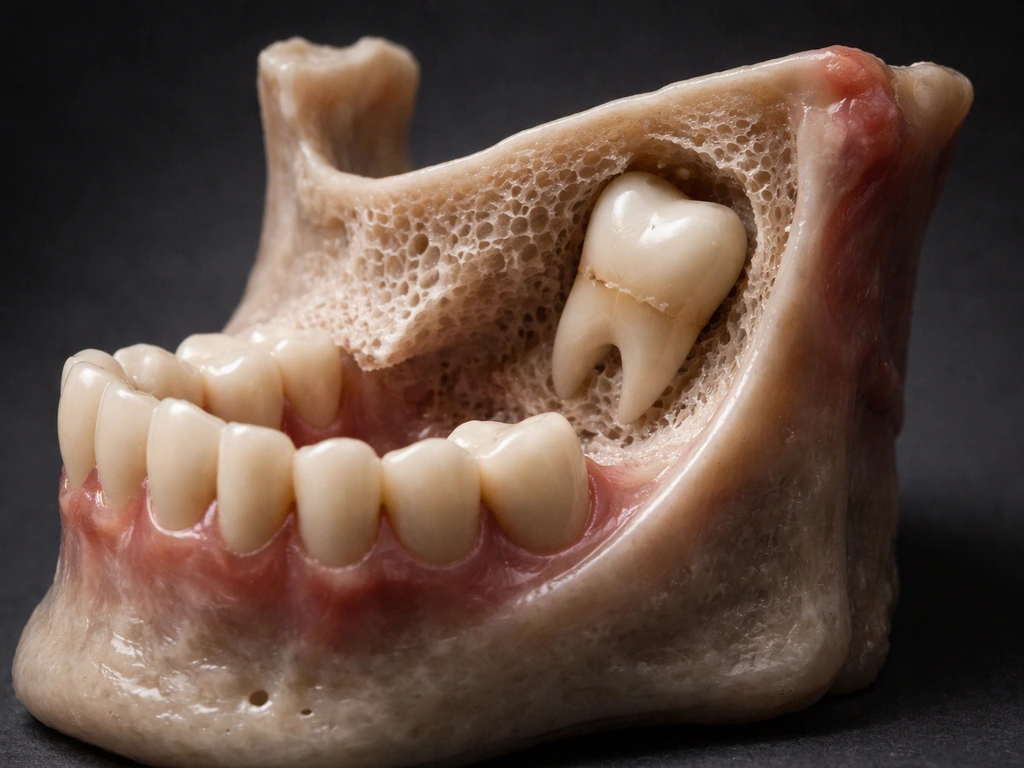
This is the category most likely to affect someone's finger. Dystrophic calcification, tumoral calcinosis, and heterotopic ossification (HO) are all conditions where calcium deposits form in soft tissue. Published case reports specifically describe calcified lesions at fingertips that looked alarming on imaging. One report documented mirror-image calcified lesions at two fingertips. Another described tumoral calcinosis in an index finger that initially resembled an infection. These hard, calcified lumps are real, they can occur on fingers, but they are not teeth. They do not contain enamel or dentin. They are calcium salt deposits in soft tissue, a completely different phenomenon.
Ectopic eruption (still in the jaw)
You may have come across the term 'ectopic teeth' while researching this topic. Ectopic eruption means a tooth erupts outside its normal position, but this is still within the craniofacial anatomy, meaning in unusual spots inside or near the jaw, nose, or sinuses. It does not mean teeth growing on skin or fingers. Every documented case of ectopic eruption in the medical literature occurs within head and neck anatomy. If you want to go deeper on where teeth can and cannot show up in the body, that overlaps with broader questions about whether teeth can grow in other parts of the body entirely, which is a separate topic covered elsewhere on this site.
What dental structures can and cannot regrow
Since this site focuses on dental regeneration, it is worth being direct about what the current science actually says. The limits are significant.
| Dental structure | Can it regenerate? | What actually happens |
|---|---|---|
| Enamel | No | Ameloblasts are lost after eruption. Enamel cannot regrow. Fluoride and remineralization can harden early lesions but cannot replace lost enamel. |
| Dentin | Partially | Reparative dentin (a bridge of mineralized tissue) can form in response to injury or pulp-capping procedures, but it is not identical to original dentin. |
| Pulp | Experimental only | Animal studies using stem cell transplantation have regenerated vascularized pulp-like tissue, but this is not routine clinical care yet. |
| Whole tooth | No (in humans) | Humans are diphyodonts: we get two sets of teeth and that is it. Once adult teeth are gone, no third set forms naturally. |
| Gum tissue | Partially | Gum tissue can heal after injury, but significant gum recession does not reverse without treatment such as grafting. |
For adults who have lost teeth, the practical options are dental implants, bridges, partial or full dentures, and in some cases orthodontic movement of existing teeth to close gaps. None of these are 'regrowing' teeth in a biological sense, but they are effective, durable, and evidence-based. Expecting a lost adult tooth to grow back on its own, whether in the jaw or anywhere else on the body, is not realistic with current biology. Teeth also do not grow in other parts of the body, because the embryonic conditions required for odontogenesis only exist in the developing jaw grow back on its own, whether in the jaw or anywhere else on the body.
Warning signs worth taking seriously on a finger
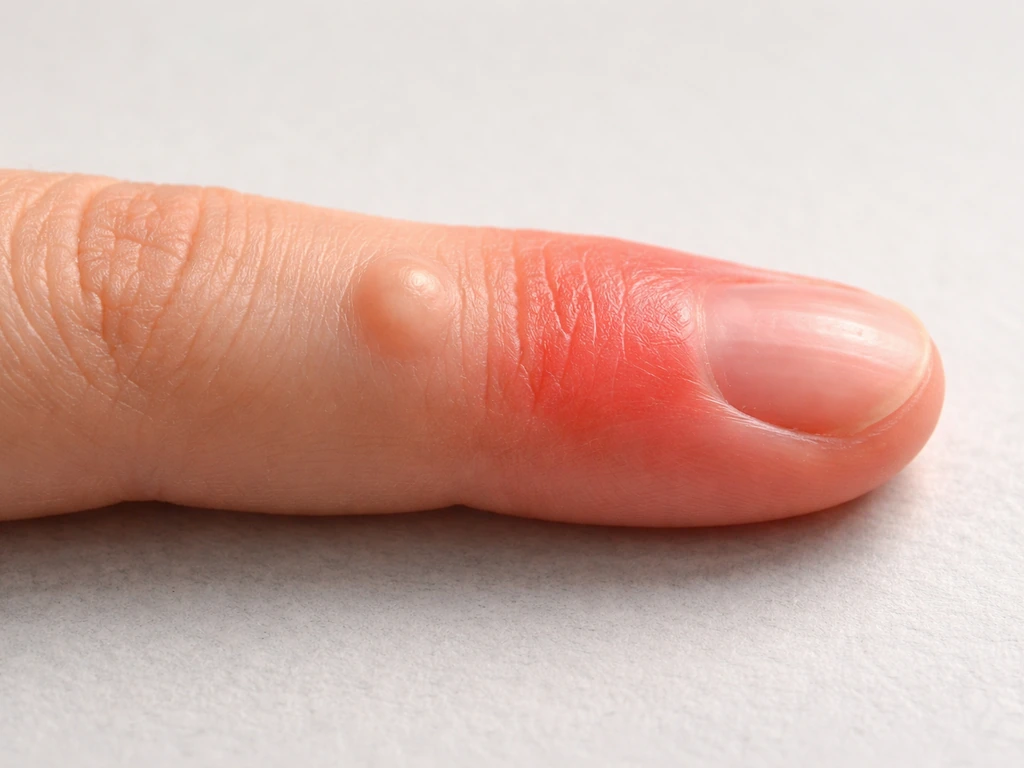
Most hard lumps on fingers are benign and common, things like ganglion cysts, bony spurs from arthritis, or minor calcifications. But some symptoms should prompt you to get checked promptly rather than waiting. If you develop sudden or severe pain or swelling in a finger with a suspected infection or enlarging abscess, seek emergency care for immediate evaluation.
- A lump that is painful, warm to the touch, or has visible redness around it, especially near the fingertip, could indicate a felon (a serious fingertip abscess). Harvard Health and the Cleveland Clinic both flag sudden or severe finger pain and swelling as reasons to seek urgent evaluation, because an untreated abscess can compromise blood supply to the finger.
- A hard, growing lump under the skin that does not move, does not fluctuate in size, and has been there for weeks or months deserves imaging. X-ray can detect calcified deposits or bony changes. CT is better if your doctor suspects bony erosion or needs more detail.
- Discharge of any kind from a lump near a finger joint or nail, especially after a hand injury or a bite wound, is a reason to seek care the same day.
- A hard bump that appeared after any kind of trauma to the area (including a punch to someone's mouth, even if it seemed minor) needs evaluation for embedded foreign material, including tooth fragments.
- A bump that is growing quickly, changes color, or is accompanied by systemic symptoms like fever warrants prompt medical attention.
Heterotopic ossification (abnormal bone formation in soft tissue) is worth mentioning here because it can take up to six weeks to become visible on a standard X-ray. If imaging comes back normal but symptoms persist, a follow-up or bone scan may be needed. CT can often detect evolving calcification earlier than plain X-ray.
What actually happens when you go get it checked
If you show up to a doctor or dentist with a hard lump on your finger, here is the typical path the evaluation takes.
- History and physical exam: The clinician will ask when you first noticed the lump, whether it has grown, whether you had any recent injury to the hand (especially bites or punches), and whether it is painful. They will feel the lump, assess its texture, mobility, and any skin changes over it.
- X-ray: This is usually the first imaging step. It can confirm whether the lump is calcified or contains bony material, and whether there is any underlying bony erosion or involvement of the joint.
- Ultrasound: Useful for distinguishing fluid-filled cysts (like ganglion cysts) from solid masses. Providers also use ultrasound to check for abscess if infection is suspected.
- CT scan: Ordered when the X-ray raises questions about bony detail, or when the clinician needs a better picture of the lump's relationship to surrounding structures. StatPearls notes CT is superior for delineating bony changes and can detect evolving calcification earlier than plain films.
- Biopsy or excision: If imaging is inconclusive or the lump looks suspicious, a tissue sample may be taken. For many calcified finger lesions, surgical removal both treats and diagnoses the problem at the same time. Histology (examining the tissue under a microscope) is often needed for a definitive answer.
- Referral: Depending on what is found, you may be referred to a hand surgeon, rheumatologist (for calcinosis related to connective tissue disease), or in rare cases an oncologist.
What you should not do is try home remedies, attempt to drain or cut a finger lump yourself, or dismiss a painful or growing lump just because 'it cannot be a tooth.' The right answer is always a clinical exam with appropriate imaging first. Radiological evaluation should happen before any biopsy or manipulation, particularly when bony erosion or unusual calcification is a possibility.
The bottom line
Teeth cannot and do not grow on fingers. The biology simply does not allow it. Tooth formation requires a very specific embryonic signaling environment that exists only in the developing jaw, and once your adult teeth have formed, even the cells that built them are gone. Hard lumps on fingers are real and sometimes need attention, but they are calcifications, cysts, bony growths, or occasionally embedded foreign bodies, not teeth. To learn why this myth persists and how “teeth-like” lumps are explained medically, see the section on teeth that grow on top of teeth. In most cases, a tooth cannot grow under another tooth because the needed tissues and signaling do not exist, and what looks like it is usually an impaction, eruption issue, or other dental condition can a tooth grow under another tooth. If you have a hard, painful, growing, or suspicious bump on your finger, see a doctor, get it imaged, and follow the diagnosis pathway. That bump deserves a proper explanation, just not the one the internet is offering you.
FAQ
If it looks like a tooth on my finger, how can I tell what it really is?
Not usually. Many finger bumps that look tooth-like are calcifications or cysts, but a true tooth or enamel-like material would be identifiable only with targeted medical imaging and, if needed, pathology. If the lump is hard, enlarging, or painful, get examined rather than assuming it is harmless.
Can a normal X-ray miss the cause of a hard finger lump?
Yes, but timing matters. Some calcified soft-tissue conditions can take weeks to show clearly on plain X-ray. If symptoms persist after a normal X-ray, ask about follow-up imaging (such as CT or a bone scan) based on the exam findings.
Should I wait and see if the bump on my finger goes away?
Teeth do not regrow, and “waiting for it to come out” is rarely a good plan for a hard finger mass. While some cysts may fluctuate, calcified lesions and bone-related growths typically persist or slowly change, so delayed evaluation can prolong pain or complications.
Is it safe to cut or drain a finger lump at home?
You should not. Cutting, draining, or scraping a hard finger lump at home risks infection, bleeding, nerve or tendon injury, and it can also make later diagnosis harder. The safe next step is an in-person exam with imaging first.
Could a tooth end up on my finger after an injury or bite?
Biting or trauma can move a foreign fragment, including a tooth fragment from another person, into the skin after an injury. This is different from growth, and puncture wounds are time-sensitive. If there was a bite or puncture, seek urgent care so clinicians can clean the wound and decide on imaging and antibiotics.
When should a painful finger bump be treated as urgent?
Pain alone does not rule out benign causes, but it is a reason to be evaluated sooner, especially if the lump is getting bigger, changing color, draining fluid, or limiting finger motion. Combine “pain plus growth” with an exam because some calcified conditions initially resemble infection.
Does “ectopic teeth” ever mean teeth growing on fingers?
Ectopic eruption refers to teeth erupting in unusual spots within the head and neck (near jaw or sinuses), not through finger skin. So the term will not explain a tooth-like structure on a finger.
If imaging shows something tooth-like, what should doctors confirm before treating it?
Sometimes. Conditions that form calcified deposits can look alarming on imaging, but they do not behave like teeth under treatment. A correct diagnosis may require distinguishing calcification from actual bone, foreign material, or a lesion pattern, which is why clinicians often choose imaging and only then consider further steps.
Next Articles
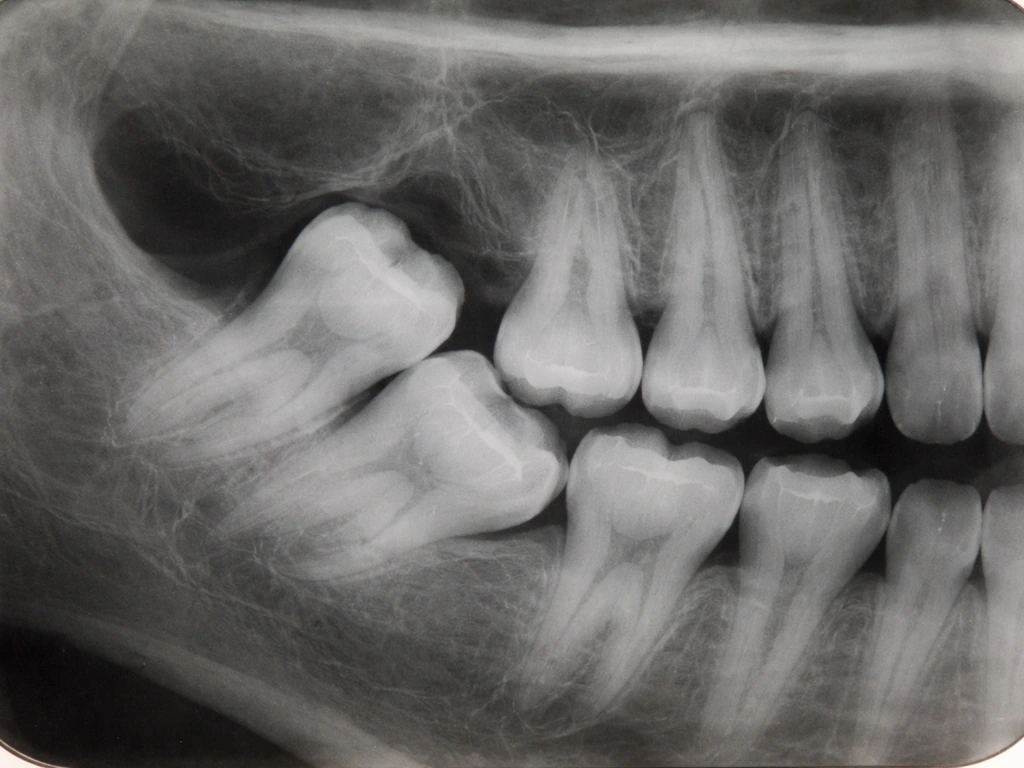
Weird Places Teeth Can Grow: Causes, Signs, and Next Steps
Know why teeth erupt in odd spots, how to spot red flags, and what dentists do next for impacted or extra teeth
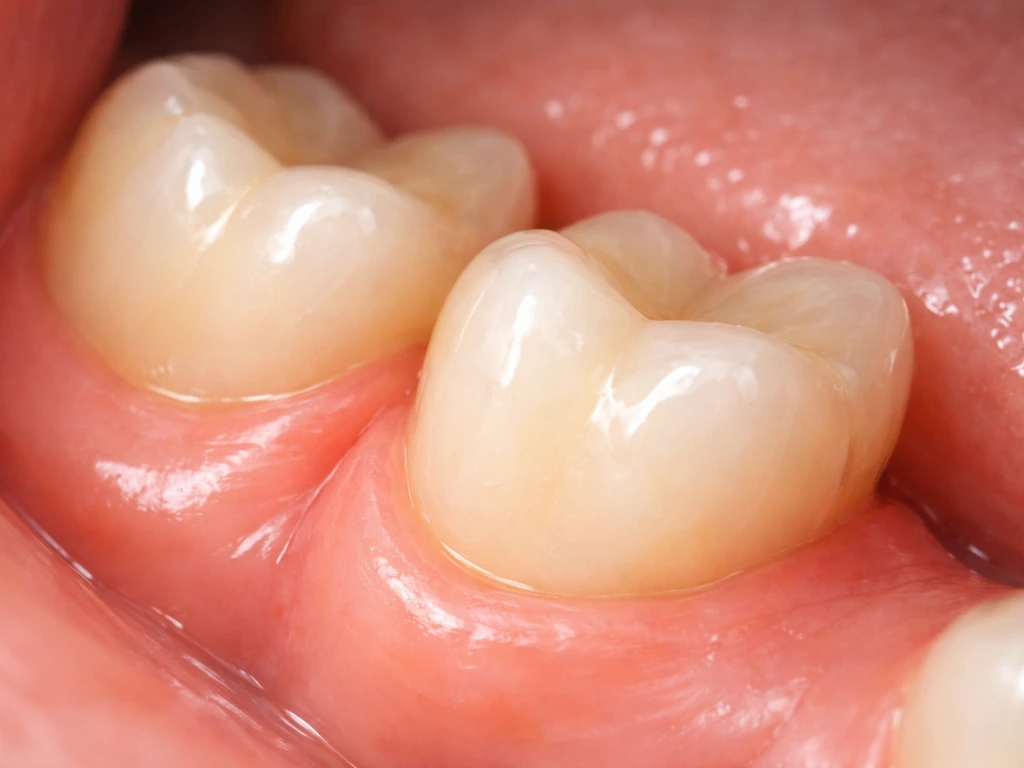
Can a Tooth Grow Under Another Tooth? What It Means
Yes, teeth can erupt behind or under others due to impaction or extra teeth, but true regrowth is rare. What to do.
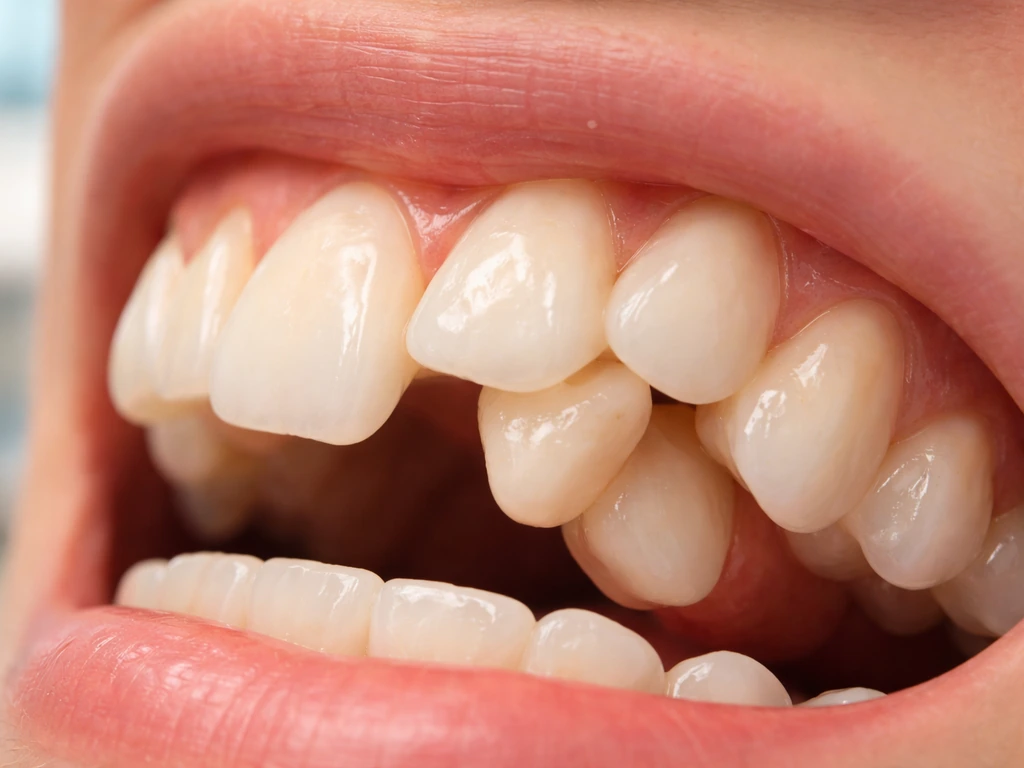
Teeth That Grow on Top of Teeth: Causes and What to Do
Causes of teeth that appear over others, true regrowth limits, symptoms, diagnosis steps, and treatment options by age.