
Yes, you can grow bone in your mouth, but the honest answer depends heavily on what kind of bone you mean, how much was lost, and what caused the loss. Your jawbone can partially regenerate with the right dental procedures. The thin layer of bone holding each tooth in its socket can regrow to a meaningful degree after periodontal treatment. An extraction socket will naturally fill in with new bone over a few months, though you'll lose significant ridge width and height if you don't protect it. What cannot happen is spontaneous, complete bone regeneration on its own once serious loss has occurred. For that, you need a dentist or periodontist to step in.
Can You Grow Bone in Your Mouth? What’s Possible and Next Steps

Marcus Holloway
15 Jun 2026
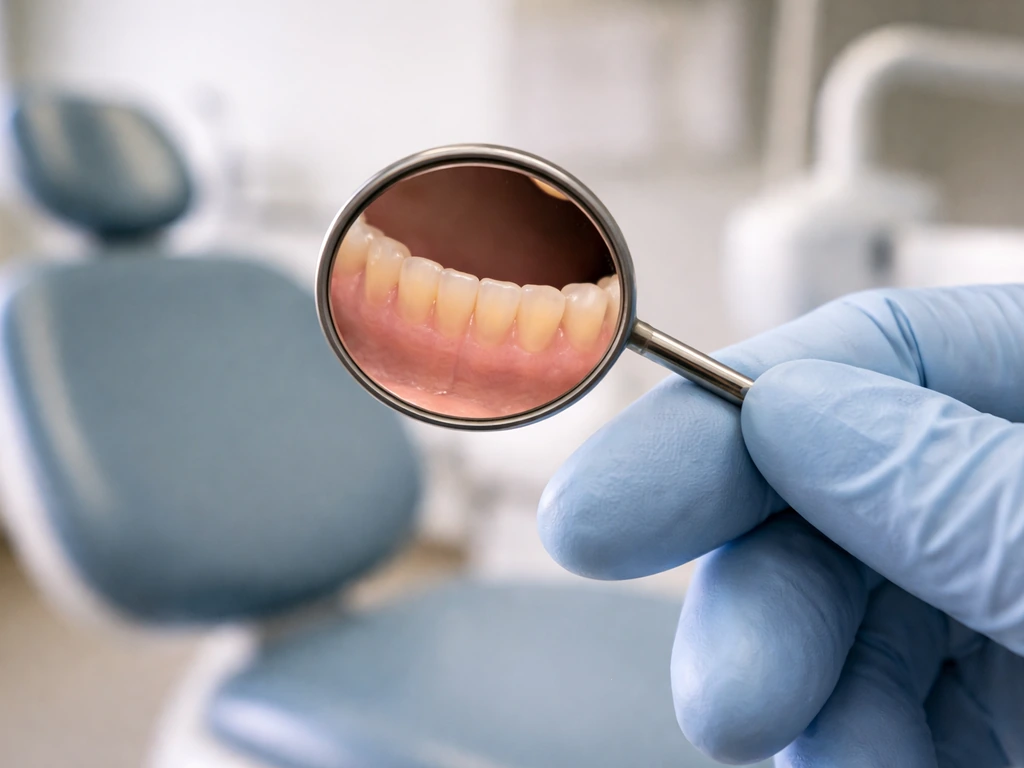
What "growing bone in your mouth" can actually mean
When people ask this question, they usually have one of three different things in mind, and those three things have very different answers. Getting clear on which one you're asking about saves a lot of confusion.
The first is the alveolar bone, which is the ridge of jawbone that holds your teeth in their sockets. This is what people mean when their dentist says they have "bone loss" from gum disease or after an extraction. The second is the periodontal ligament and cementum system, which is the thin, specialized connective tissue layer that attaches each tooth root to that surrounding bone.
This is technically bone-adjacent tissue, not bone itself, but it behaves differently and requires its own regeneration approach. The third is the extraction socket, which is the hole left when a tooth is pulled. That socket does fill in with new bone naturally, but at the cost of significant ridge shrinkage over the first six months if nothing is done to preserve the shape.
One thing this article is not about: regrowing teeth themselves. Bone and teeth are different structures. Adults do not regrow tooth enamel, dentin, or whole teeth. This is why the phrase “grow teeth meaning” usually refers to whether new teeth themselves can regrow, not just bone healing. If you're wondering whether lost or broken teeth can regenerate on their own, the short answer is no, and that question gets into a different biological territory entirely. The focus here is strictly on the jaw ridge and the bone supporting your existing teeth.
Natural healing vs. true bone regrowth: where the line actually is
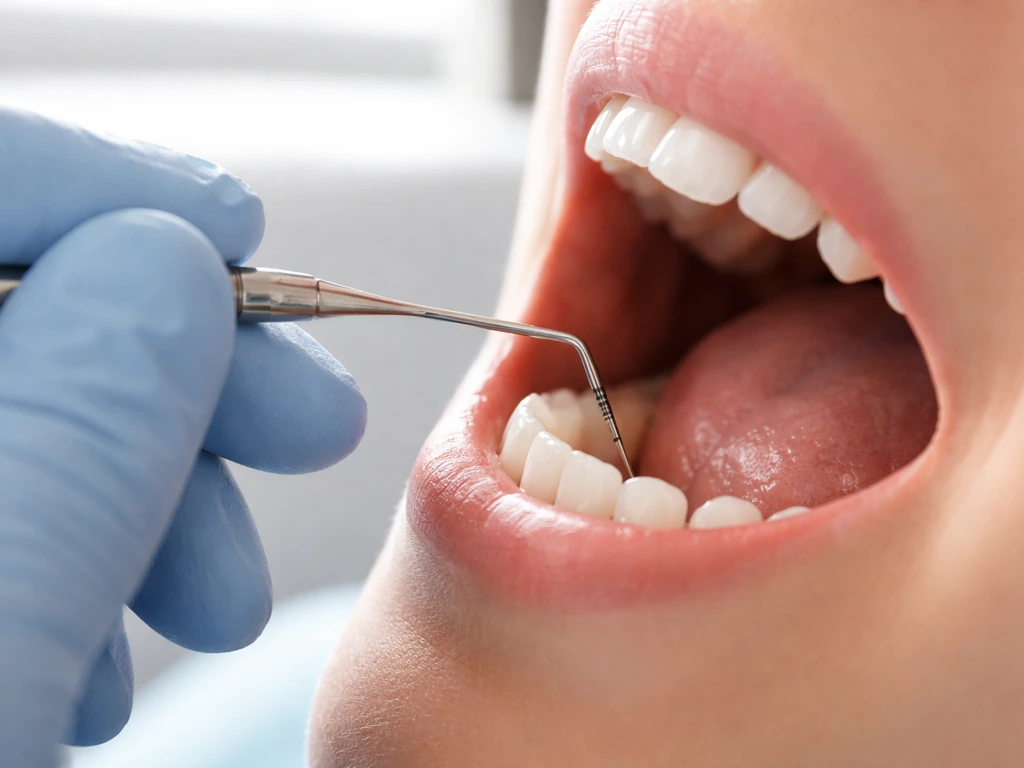
Your mouth is actually a remarkably active healing environment. After an extraction, new bone cells begin filling the socket within days, and the socket is substantially filled with woven bone within about 8 to 12 weeks. That part happens naturally. The problem is that along with the new bone formation, you also lose ridge volume. Research shows the alveolar ridge loses an average of about 3.8 mm in width and 1.24 mm in height during the first six months after extraction without any intervention. That's a meaningful loss if you're planning an implant or want to preserve the shape of your jaw.
True periodontal bone regeneration is a different and more demanding process. Clinicians define it precisely: real regeneration means you've grown new cementum on the root surface, a new functional periodontal ligament of normal width and fiber orientation, and new alveolar bone. Radiographic bone fill alone, the kind that just looks better on an X-ray but doesn't restore the full attachment apparatus, doesn't count as true regeneration by that clinical definition. Achieving all three components requires targeted surgical procedures, not just healing time.
The bottom line on natural healing: small defects, like a clean extraction socket in a healthy non-smoker, will heal well on their own. Anything involving significant bone loss from gum disease, trauma, or infection needs professional intervention to have a realistic chance at meaningful recovery.
What causes mouth and jaw bone loss in the first place
Understanding why bone was lost matters because the cause directly affects whether regenerative treatment will work and how well. Here are the most common scenarios:
- Periodontal (gum) disease: Chronic bacterial infection under the gumline triggers an immune response that destroys the bone supporting your teeth. This is the leading cause of jaw bone loss in adults. The deeper and longer the infection, the more bone is typically gone.
- Tooth extraction without preservation: Once a tooth is removed, the bone that supported it no longer has a functional reason to stay, so the body resorbs it. This process begins within weeks and continues for months to years.
- Dental infections and abscesses: An untreated periapical abscess (infection at the tooth root tip) can hollow out surrounding bone as the infection spreads. The damage left behind after the infection is cleared can be substantial.
- Trauma: A blow to the face, a broken jaw, or an avulsed (knocked-out) tooth can all damage or destroy bone directly, with the extent depending on the force and location.
- Wearing ill-fitting dentures: Dentures that rest on the gum and bone without implant support accelerate bone resorption over time because the underlying ridge is no longer being stimulated by chewing forces through tooth roots.
- Peri-implantitis: This is bone loss specifically around dental implants caused by bacterial infection and inflammation. It's a distinct disease process from periodontal disease, and even regenerative strategies have more limited success once peri-implantitis is established.
- Systemic conditions: Poorly controlled diabetes, osteoporosis, and autoimmune diseases all impair healing and can make bone loss worse or harder to treat.
Smoking deserves its own mention because it shows up as a significant negative factor across essentially every bone-related healing scenario in the mouth. Research shows smoking leads to significantly less bone gain after periodontal regenerative treatment, higher rates of dry socket after extractions, and elevated risk of peri-implant disease. Vaping isn't an established safe alternative for oral healing either. If you smoke and have bone loss, that's a critical conversation to have with your periodontist before any treatment begins.
How dentists evaluate bone loss
You can't tell how much bone you've lost by looking in a mirror, and neither can your dentist without proper diagnostic tools. Here's how a thorough evaluation typically works.
Clinical exam and periodontal probing
A dentist or periodontist uses a thin probe to measure the depth of the pockets between your gums and teeth at six points around every tooth. Healthy pockets are 1 to 3 mm. Pockets of 4 mm or deeper signal attachment loss and possible bone destruction. They'll also check for tooth mobility, bleeding on probing, and furcation involvement (whether bone loss has reached the point where the roots of multi-rooted teeth are exposed to infection).
X-rays and CBCT imaging
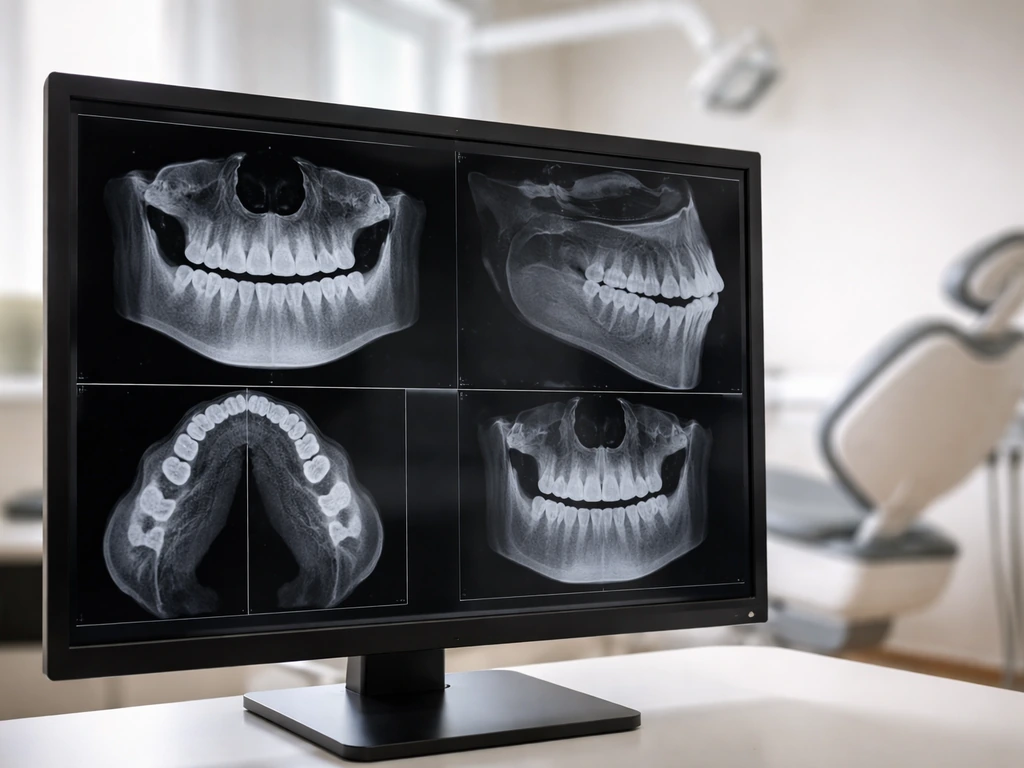
Standard periapical and bitewing X-rays show bone levels around teeth in two dimensions and are the starting point for most evaluations. For more complex cases, cone beam computed tomography (CBCT) provides a three-dimensional picture of the jaw, showing the actual volume of bone present, the thickness of bony walls around a defect, and the anatomy of a ridge before implant placement. CBCT is increasingly used in socket preservation and guided bone regeneration planning because it reveals defect geometry that flat X-rays simply miss.
Symptoms you might notice yourself
- Gums that bleed when you brush or floss
- Gums that look like they're pulling away from your teeth (recession)
- Teeth that feel loose or have shifted position
- Persistent bad breath or a bad taste that doesn't go away with brushing
- Pain, swelling, or pus around a tooth or implant
- A visible notch or sunken area in the gum ridge where a tooth was removed
Many of these symptoms are subtle until the situation is fairly advanced. That's why regular dental check-ups with periodic X-rays matter more than most people realize. Bone loss caught early is far easier to treat than bone loss discovered when teeth are already mobile.
Treatment options that actually rebuild bone
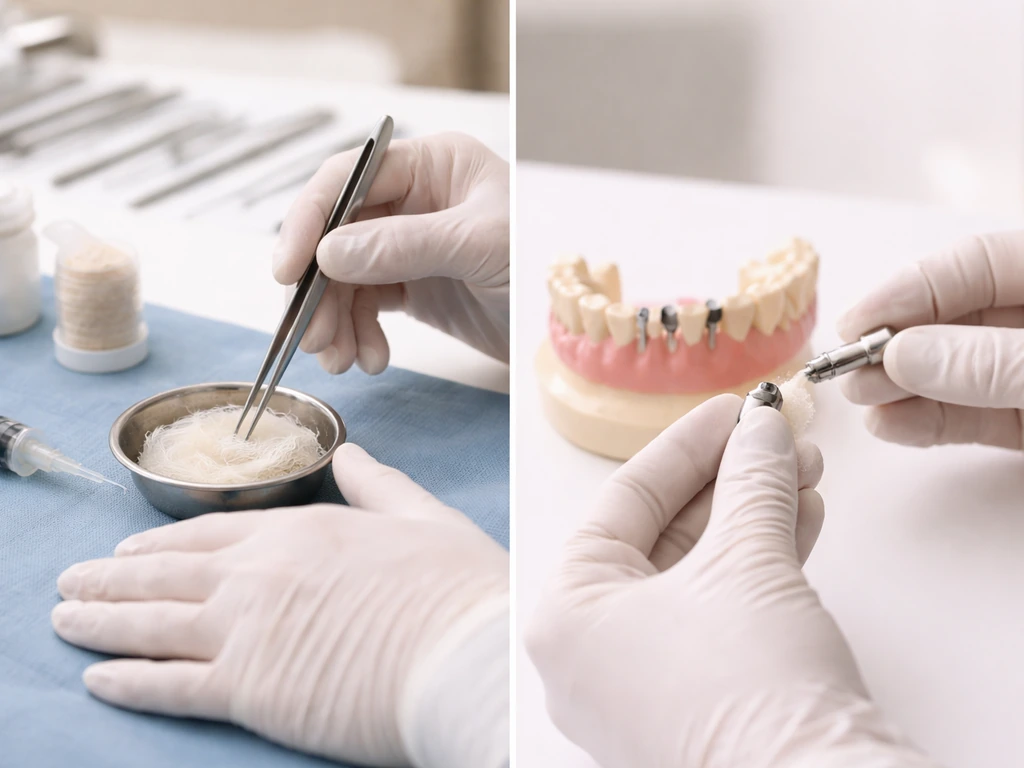
Modern dentistry has several evidence-based tools for promoting bone regeneration or restoring lost volume. Which one is right for you depends on the type and extent of the defect, where it is, and what your end goal is.
Guided tissue regeneration (GTR) for periodontal defects
GTR is specifically designed to regenerate the full periodontal attachment: new bone, new cementum, and a new periodontal ligament. During the procedure, a periodontist folds back the gum tissue, cleans the root surface and the defect, then places a barrier membrane over the defect area. The membrane physically blocks fast-growing gum tissue cells from colonizing the space first, buying time for slower-moving bone and ligament cells to populate the area.
Long-term systematic review data shows GTR produces significant gains in clinical attachment level and reduction in pocket depth compared to open-flap cleaning alone. It works best on deep, narrow intrabony defects with three bony walls to support the membrane. Defects with fewer walls are harder to treat with good outcomes because there's less containment.
Guided bone regeneration (GBR) for ridge defects
GBR is used when the goal is to rebuild volume in the jaw ridge itself, typically before or alongside implant placement. It uses bone graft material (more on that below) combined with a barrier membrane placed over the graft. The membrane keeps soft tissue out of the space while the graft material acts as a scaffold for new bone ingrowth. GBR works well for dehiscence defects around implants and for ridge augmentation when the ridge has resorbed after extraction.
Consensus definitions for peri-implant diseases distinguish peri-implant bone loss from periodontal regeneration as different biologic disease processes, and peri-implant inflammation or infection can still drive progressive hard-tissue loss even when regenerative strategies are used peri-implant “bone loss” and periodontal regeneration are different biologic disease processes.
The quality of outcomes is heavily influenced by how well the space is maintained under the membrane and whether the graft material stays contained.
Socket preservation (alveolar ridge preservation)
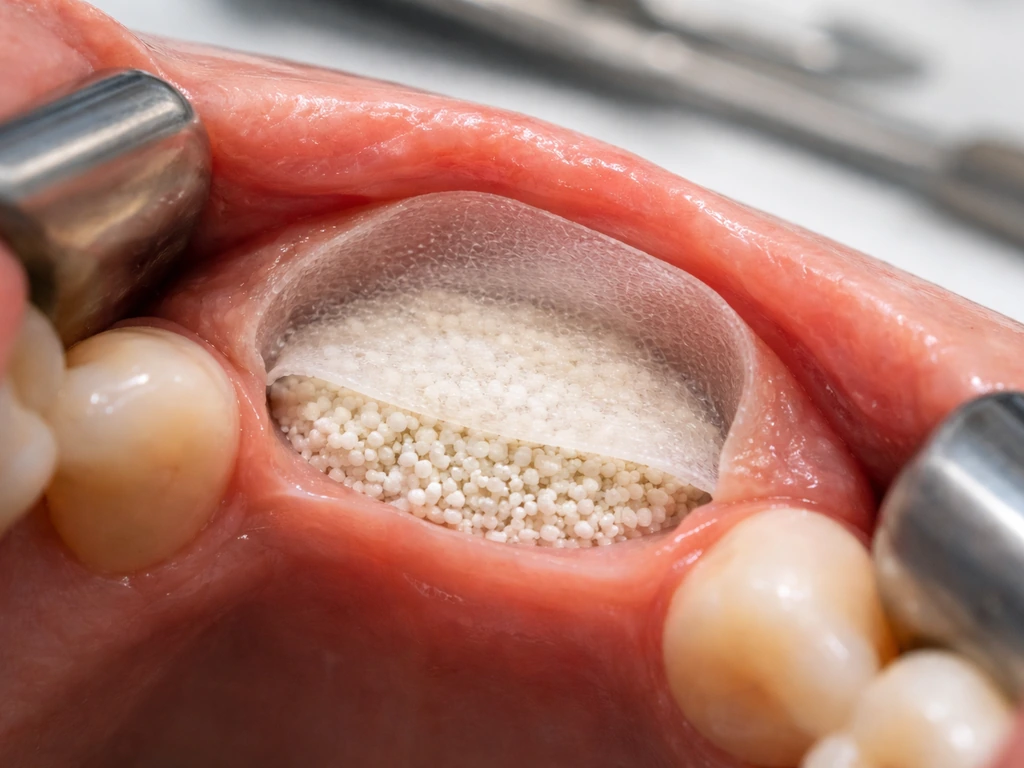
This is done at the time of tooth extraction to minimize the ridge shrinkage that naturally follows. The empty socket is filled with graft material and usually covered with a membrane or collagen plug. Studies show socket preservation significantly reduces the average bone width and height loss compared to leaving the socket to heal on its own. It's considered a prerequisite for predictable implant placement in most cases, not just a nice-to-have. The decision about exactly what technique to use depends on the shape of the socket (whether the bony walls are intact or have been damaged), which clinicians classify using systematic decision frameworks.
Bone graft materials: what goes into these procedures
Not all bone grafts are the same material, and it's worth knowing the differences when your dentist discusses options with you.
| Graft Type | Source | How It Works | Common Uses |
|---|---|---|---|
| Autograft | Your own body (chin, ramus, hip) | Contains live cells and growth factors; gold standard biologically | Large augmentations; combined GBR procedures |
| Allograft | Human donor bone (processed, sterilized) | Acts as scaffold; osteoinductive properties from proteins | Socket preservation; periodontal defects; ridge augmentation |
| Xenograft | Animal bone, usually bovine (processed) | Scaffold for ingrowth; very slow to resorb | Socket preservation; GBR; commonly combined with other grafts |
| Alloplast | Synthetic materials (hydroxyapatite, tricalcium phosphate) | Scaffold; completely synthetic | Mixed use; often combined with biologics or other grafts |
Many procedures use a combination of materials, for example a xenograft mixed with an allograft covered by a resorbable membrane. Your periodontist or oral surgeon will choose based on the defect size, your anatomy, and what evidence supports for your specific situation.
How long bone regrowth actually takes and what to expect
There's no fast option here. Bone is slow tissue. For a simple socket preservation procedure, you're typically looking at 3 to 6 months of healing before the site is ready for an implant, and that timeline assumes uncomplicated healing with no infection or membrane exposure. Ridge augmentation with GBR for more significant defects can require 6 to 9 months or longer before the area has enough volume and density for implant loading.
Periodontal regeneration with GTR follows a similar timeline for initial healing, but the full maturation of new bone and periodontal ligament continues for a year or more. Clinical improvements, meaning reduced pocket depths and better attachment levels, are typically measured at 6 to 12 months post-surgery. Long-term studies following patients for 5 or more years show that the gains from GTR on intrabony defects are durable in patients who don't smoke and who stick to consistent supportive periodontal therapy visits. That last point isn't optional. Without ongoing maintenance, even successfully regenerated bone can be lost again.
One thing to set realistic expectations about: partial regeneration is the typical outcome, not complete restoration to what you had before disease began. Regenerative procedures improve the situation meaningfully and can make teeth that might otherwise be extracted viable for years longer, but they rarely restore every millimeter of lost bone perfectly. For more stable results, focus on correcting alignment early through an orthodontic plan rather than expecting your teeth to shift on their own. Your periodontist should show you before-and-after imaging and give you a realistic picture of what the procedure is likely to achieve in your specific case.
Red flags: when to get urgent care
Bone loss itself is usually a slow, painless process, but the infections that cause it can become emergencies quickly. Get to an emergency room or call emergency services immediately if you have any of the following alongside dental pain or swelling:
- Difficulty swallowing or breathing
- Swelling that is spreading toward your neck, throat, or floor of the mouth
- Fever above 101°F (38.3°C) combined with facial swelling
- Inability to open your mouth fully (trismus)
- Feeling of airway constriction
A dental abscess that spreads can become life-threatening within hours. Don't wait to see if it improves on its own, and don't rely on antibiotics alone. The ADA and emergency medicine guidelines are clear: definitive treatment of the infection source (drainage, root canal, or extraction) is the priority. Antibiotics are an adjunct, not the solution, and systemic involvement is a true emergency.
For situations that are urgent but not life-threatening, such as an abscess with localized swelling, a mobile tooth with significant bone loss, or a dry socket that isn't healing, call your dentist the same day. The sooner infection is controlled, the less bone you'll lose and the better your options for future regenerative treatment.
Protecting the bone you have and keeping what you rebuild
Prevention is genuinely easier than regeneration. If you're trying to figure out how to grow teeth bone back after loss, the best first step is preventing further breakdown with the right dental or periodontal care Prevention is genuinely easier than regeneration.. Once bone is lost in significant amounts, you're managing a reconstructive problem with significant time and cost. Here's what actually moves the needle on protecting jawbone long-term.
- Get periodontal disease treated and stay on maintenance. Supportive periodontal therapy every 3 to 4 months (rather than standard 6-month cleanings) is recommended once you've had significant gum disease. Long-term data show this is the single biggest factor in maintaining regenerative gains.
- Control diabetes if you have it. There's solid evidence linking periodontal disease severity and glycemic control in both directions. Better blood sugar control improves periodontal treatment outcomes, and treating periodontitis can modestly improve HbA1c levels. If you have diabetes and bone loss, both need to be managed together.
- Stop smoking. The research on this is unambiguous. Smoking significantly reduces bone gain from regenerative procedures, increases dry socket risk after extractions, and raises the risk of peri-implant disease around implants. No regenerative procedure works as well in smokers as it does in non-smokers.
- Don't leave extraction sites unprotected. If you're having a tooth pulled and there's any chance you'll want an implant or bridge later, talk to your dentist about socket preservation at the time of extraction. It's much easier to preserve the ridge than to rebuild it later.
- Address bone loss early. Small intrabony defects respond much better to regenerative treatment than large ones. Annual X-rays with a dentist who takes periodontal probing seriously gives you the best chance of catching loss before it becomes a major reconstruction challenge.
- Maintain implants like natural teeth. Peri-implantitis is an infection, and once it causes bone loss around an implant, management options are more limited than for natural teeth. Professional cleaning of implants and regular check-ups are not optional.
One practical note on what you can't do at home: no supplement, oil pulling routine, or herbal remedy has evidence supporting bone regeneration in the mouth. If your goal is how to grow broken teeth naturally, the key point is that true regrowth usually requires professional treatment, not home remedies bone regeneration in the mouth. That doesn't mean good nutrition doesn't matter (adequate calcium, vitamin D, and protein do support bone healing), but they work in the background, not as primary treatment. If you have documented bone loss, that conversation needs to start with a periodontist or oral surgeon, not a supplement aisle.
FAQ
Can you grow back bone in your mouth without surgery or a graft?
Sometimes, mild defects can partially fill in on their own, especially after a clean extraction socket. If you have gum disease-related attachment loss, most meaningful recovery requires procedures that stop soft tissue from filling the space first, like guided tissue regeneration, or a volume approach like ridge preservation and GBR. If you only rely on time after serious periodontitis, the limiting factor is usually ridge shrinkage and loss of the attachment apparatus.
How soon after an extraction can bone regeneration start?
Bone formation in an extraction socket begins within days. The socket often appears substantially filled with woven bone by roughly 8 to 12 weeks, but the larger issue is that ridge width and height keep shrinking during the first six months unless you do socket preservation.
Will socket preservation always prevent bone loss?
It can significantly reduce average ridge width and height loss compared with leaving the socket to heal naturally, but it does not guarantee you will keep all dimensions. Outcomes depend on socket anatomy and whether bony walls are intact, the stability of the clot, and whether there is early membrane or material exposure.
What’s the difference between “bone fill” on an X-ray and true periodontal regeneration?
Radiographic bone fill may look better on imaging but still not restore the full attachment complex. True regeneration means new cementum on the root, a new functional periodontal ligament with normal fiber orientation, and new alveolar bone. That distinction matters most when a clinician is deciding whether a defect qualifies for GTR versus other maintenance or restorative plans.
How do I know which condition I have, alveolar bone loss, periodontal ligament issues, or a socket defect?
It is diagnosed with a combination of probing measurements and imaging. Pocket depths and attachment levels help identify periodontal disease severity, tooth mobility and furcation involvement add context, and CBCT helps evaluate defect geometry and remaining bony walls. A mirror or symptoms alone cannot reliably distinguish these causes.
Do I need CBCT, or are X-rays enough?
Flat X-rays (bitewings and periapicals) are a starting point, but CBCT is often chosen when treatment depends on the 3D shape of a defect, such as guided bone regeneration planning, ridge augmentation, or implant placement with thin bony walls. If your clinician can already determine defect dimensions and plan reliably from 2D imaging, CBCT may not be necessary.
Can smoking or vaping affect regrowth if I do GTR or GBR?
Smoking is clearly associated with less bone gain after regenerative periodontal treatment, higher dry socket rates after extractions, and increased risk of peri-implant disease. Vaping is not established as a safe alternative for oral wound healing. If you smoke, the periodontist should treat it as a modifiable risk factor before you proceed.
How long will regenerative procedures take before I can get an implant?
For simple extraction socket preservation, healing is often around 3 to 6 months before implant placement if everything heals uneventfully. Larger ridge augmentation cases with GBR can require 6 to 9 months or longer to reach volume and density suitable for loading. Your timeline may change if you have infection, graft exposure, or insufficient stability.
If GTR works, will my gum pockets and attachment improve immediately?
You may see early clinical changes, but maturation of the new attachment complex continues for months, often extending to a year or more. Many clinicians track improvements at 6 to 12 months, and long-term durability depends on maintenance visits and controlling risk factors like smoking.
What are the most common reasons regenerative treatment fails or results are limited?
Common drivers include inadequate defect containment (not enough bony walls for the technique), graft or membrane exposure, uncontrolled infection, and poor supportive periodontal maintenance afterward. If a defect is not well suited for the method chosen, the result can be partial improvement rather than the level of regeneration you expected.
Are there any supplements or home remedies that can rebuild mouth bone?
No supplement, oil pulling routine, or herbal regimen has solid evidence for rebuilding jaw bone lost to periodontitis or restoring attachment. Nutrition like adequate protein, calcium, and vitamin D supports healing generally, but it should not replace professional diagnosis and treatment when bone loss is documented.
When should I treat dental pain or swelling as urgent rather than waiting for a routine appointment?
If you have a spreading dental abscess, facial swelling, fever, or signs of systemic involvement, treat it as an emergency. Antibodies do not replace definitive infection source treatment such as drainage, root canal, or extraction. If you have urgent but localized issues like a non-healing dry socket or localized abscess with a mobile tooth, call the same day to limit further bone loss.
If my teeth are shifting because of bone loss, can bone regeneration fix the bite automatically?
Bone regeneration usually does not restore lost ridge dimensions perfectly or cause predictable tooth movement. If alignment and forces contribute to long-term stability, a clinician may recommend correcting alignment early with an orthodontic plan, alongside periodontal treatment, to improve long-term outcomes.
Next Articles
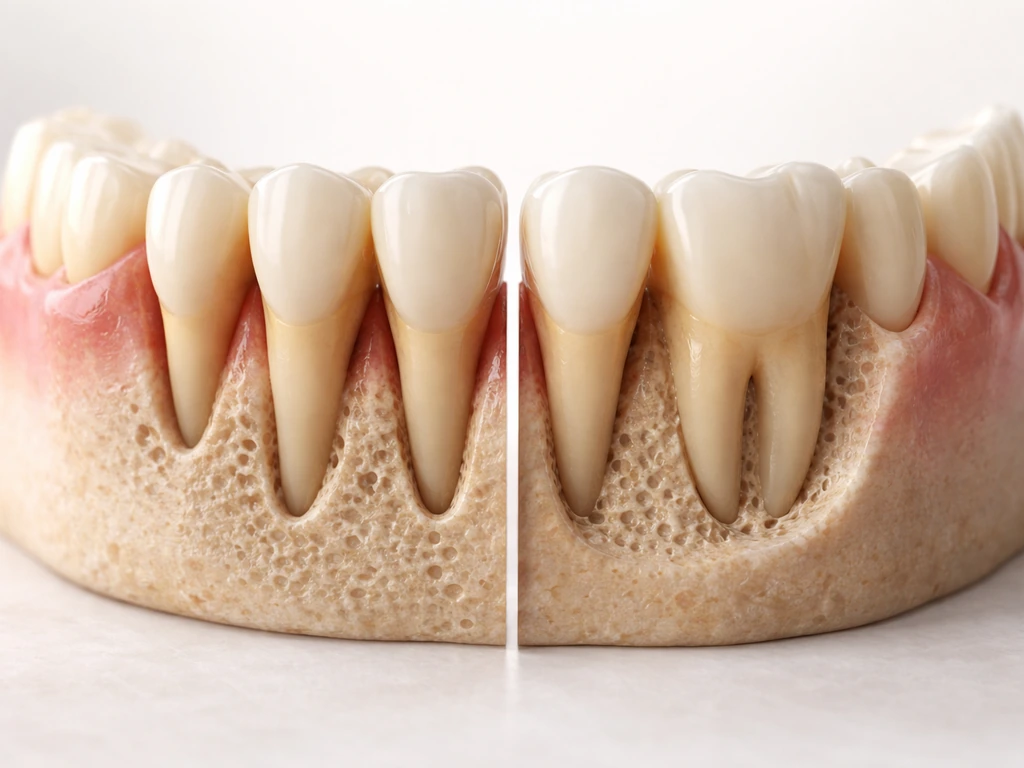
How to Grow Teeth Bone Back: What Works and What Doesn’t
Evidence based ways to regrow tooth supporting bone, realistic limits, tests to request, and steps to stop further loss.
How to Grow Sharper Teeth: What’s Possible and Next Steps
Evidence-based plan to prevent rounded teeth and protect enamel, plus realistic options to restore sharper edges safely.
How to Grow Straight Teeth: What Works and What Doesn’t
Debunks regrowing straight teeth, explains why misalignment happens, and shows step-by-step options like braces and reta