When people search 'grow teeth meaning,' they're usually asking one of a few very different questions: Can a lost adult tooth grow back? Are my wisdom teeth finally coming in? Can damaged enamel repair itself? The honest, biology-based answer is that humans get exactly two sets of teeth, full stop. Once your permanent teeth are in, none of them will naturally regrow if lost. But 'growing teeth' can mean several real and meaningful things depending on your age and situation, and some dental tissues can partially recover in ways that genuinely matter.
Grow Teeth Meaning: Can Teeth Really Regrow Again?

Marcus Holloway
27 May 2026
What people actually mean when they search 'grow teeth'
The phrase covers a surprising range of situations. A parent might be asking whether their toddler's first teeth are on schedule. A teenager might be wondering why their back molars are suddenly hurting (spoiler: wisdom teeth). An adult might be hoping a broken tooth can heal on its own. And someone who just had a tooth pulled might be desperately searching for whether it will come back. All of these questions deserve a specific answer, not a vague 'see your dentist.'
- A child's baby teeth or permanent teeth erupting for the first time
- Wisdom teeth (third molars) emerging in the late teens or early twenties
- Enamel remineralization, meaning early decay partially reversing
- Gum or bone tissue regenerating after periodontal treatment
- A lost or extracted adult tooth coming back, which is not biologically possible without intervention
Knowing which scenario applies to you changes everything about what to do next. So let's work through each one clearly.
Can teeth regrow in adults vs. kids? The age-based reality
Children have genuine tooth 'growing' happening in two distinct phases. Baby teeth (primary dentition) start erupting around 6 months of age and continue through about age 3. Then, starting around age 6, those baby teeth begin falling out and permanent teeth take their place, with the process typically completing by the early teens (excluding wisdom teeth). This is a programmed biological sequence, not regeneration in the healing sense. The body has always planned for two sets.
Adults get no such second chance with permanent teeth. Once a permanent tooth is lost, whether through decay, trauma, or extraction, your body has no mechanism to replace it on its own. There is no third dentition waiting in the wings. This is one of the most common misconceptions I see people hold onto, sometimes for years, delaying treatment that could genuinely help them. If you're an adult and you've lost a tooth, the only way to get it back is through a dental replacement option. If you are asking how to grow straight teeth, the best results usually come from orthodontic treatment rather than expecting natural regrowth replacement option.
What actually can regrow (or at least recover): enamel and soft tissue
Here's where it gets genuinely interesting. While you can't grow a new tooth, certain dental tissues have a real capacity to recover under the right conditions.
Enamel remineralization: the closest thing to tooth repair
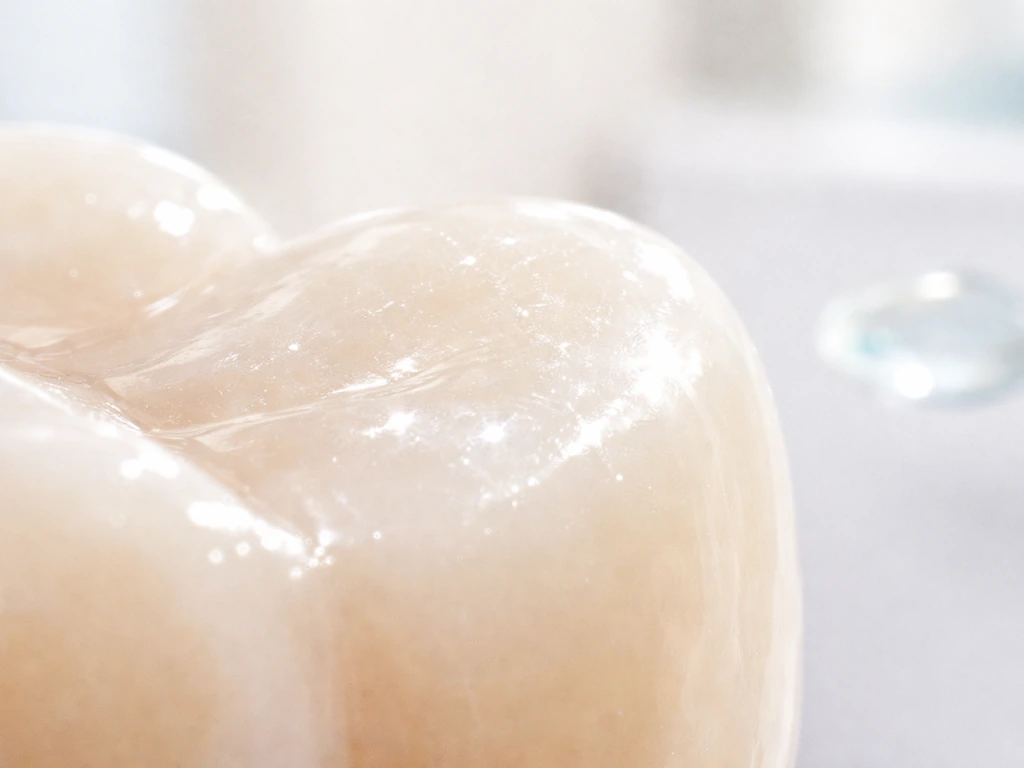
Enamel is the hardest tissue in your body, but it can't be rebuilt by living cells the way bone can, because enamel-forming cells (ameloblasts) are lost after a tooth fully erupts. However, early-stage enamel damage, specifically what's called a 'white spot lesion,' which is demineralization beneath an intact enamel surface without a cavity yet forming, can be partially reversed. Saliva naturally delivers calcium and phosphate to remineralize these spots.
Fluoride toothpaste and fluoridated water accelerate this process by incorporating fluoride into the enamel structure and reducing acid-producing bacteria. Remineralizing agents like CPP-ACP (casein phosphopeptide-amorphous calcium phosphate) have shown real evidence in systematic reviews for healing non-cavitated white spot lesions. The key word is 'non-cavitated': once a cavity has physically broken through the enamel surface, remineralization can't close that hole. At that point you need a filling.
Periodontal tissue and bone: partial regeneration is possible
Gum tissue and the bone supporting your teeth have more regenerative capacity than enamel. Periodontal regeneration procedures, including guided tissue regeneration (GTR) and treatments using enamel matrix derivatives (EMD), have been used clinically for over 30 years to help rebuild lost periodontal tissue and bone around teeth damaged by gum disease. EMD works by biomimicking aspects of root development to promote tissue regeneration.
These aren't miracle cures, and outcomes vary based on the extent of damage, but they represent genuine evidence-based regenerative approaches, not internet folklore. If you're curious about bone regeneration in the mouth specifically, that's a topic worth exploring on its own. If you're wondering how to grow teeth bone back after gum disease, a dentist can explain which periodontal procedures may actually help restore supporting tissue bone regeneration in the mouth.
What can't regrow naturally: the hard limits
Let's be completely clear about the non-negotiable biological limits, because this is where a lot of misinformation circulates online.
- A lost permanent tooth will not grow back on its own, ever, under any currently available natural method
- A tooth root, once gone, cannot regenerate without surgical intervention
- Enamel that has already cavitated (formed a physical hole or breakdown) cannot seal itself back up through remineralization alone
- Teeth that have been extracted leave a gap that will remain a gap without treatment
- No supplement, diet change, or home remedy can cause a new tooth to form in an adult
You may have seen claims online about regrowing teeth naturally through oil pulling, certain herbs, or special minerals. None of these have clinical evidence for regrowing actual tooth structure. Remineralization of early enamel lesions, as described above, is real, but that's a far cry from growing a new tooth or regrowing a tooth root. For practical next steps when you want sharper-looking teeth, focus on enamel health and ask your dentist whether early white spots can be reversed Remineralization of early enamel lesions. Related searches like how to grow broken teeth naturally or how to grow teeth bone back often reflect genuine hope, but the biology simply doesn't support those outcomes without professional intervention.
Wisdom teeth and eruption timelines: teeth 'growing in' vs. regrowing
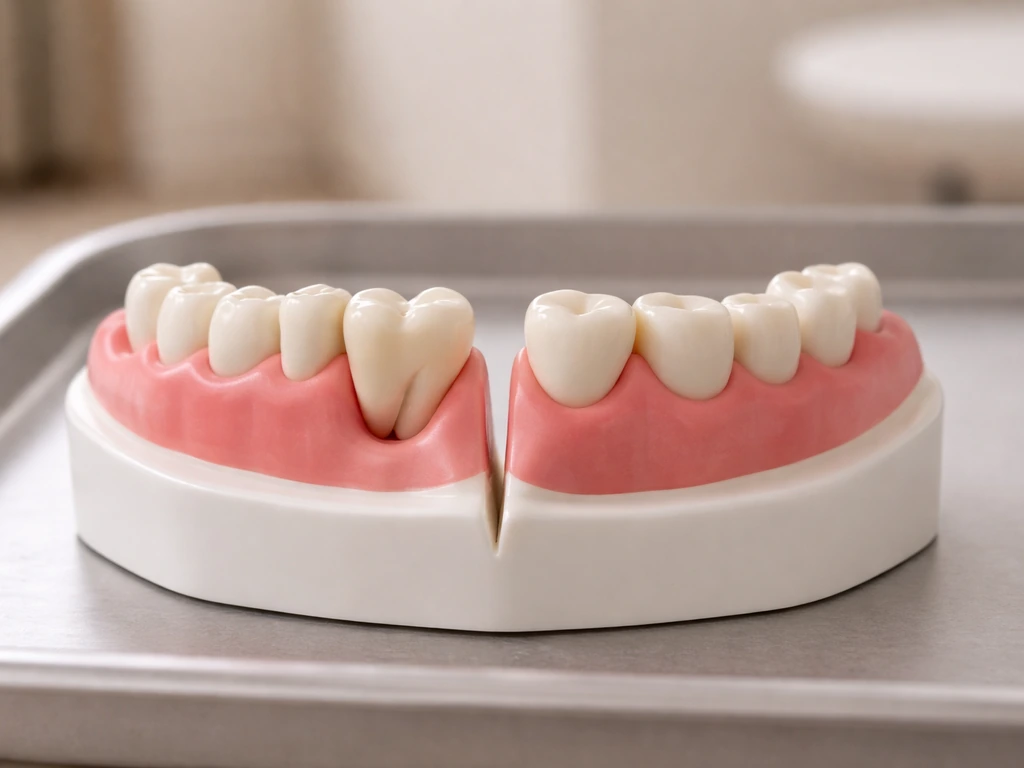
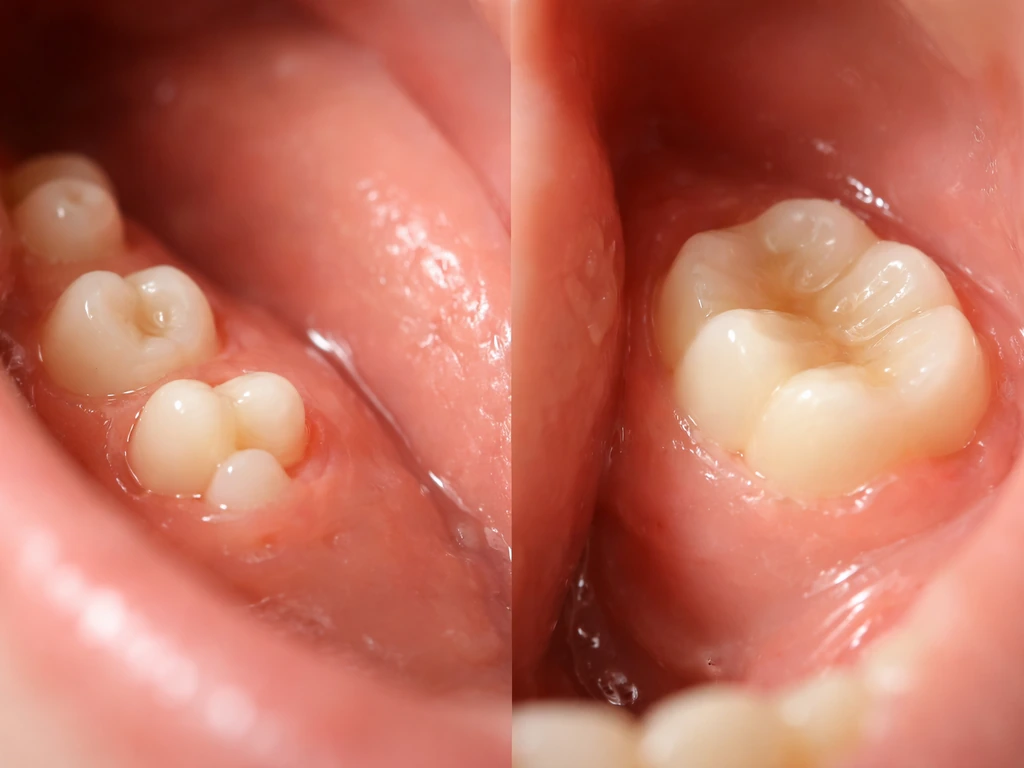
Wisdom teeth, the third molars, are the most common example of adult teeth genuinely 'growing in' for the first time. According to the American Association of Oral and Maxillofacial Surgeons (AAOMS), wisdom teeth are the last to develop and typically erupt between ages 17 and 25. So if you're in that age range and suddenly feel pressure or pain in the back of your mouth, there's a good chance a wisdom tooth is trying to come through, not a tooth regenerating.
Wisdom tooth eruption can be straightforward or complicated. When there isn't enough room in the jaw, wisdom teeth can become impacted (stuck partially or fully beneath the gum), [leading to a condition called pericoronitis, which is an infection and inflammation of the gum tissue overlying the erupting tooth](https://www. ncbi. nlm.
nih. gov/sites/books/NBK576411/). This is genuinely painful and needs to be evaluated by a dentist or oral surgeon. Many specialists recommend removing impacted wisdom teeth in the late teens or early twenties, when the roots are less developed and recovery tends to be easier, though guidelines like NICE (UK) recommend surgical removal specifically when there's evidence of pathology such as infection, cysts, or damage to neighboring teeth.
For detailed clinical guidance on the management of impacted third molars, AAOMS provides a management framework outlining eruption context and surgical standards of care impacted wisdom teeth.
Treatment options when you're missing teeth
If you've lost a permanent tooth, the good news is that modern dentistry has excellent ways to replace it. None of them are your 'real' tooth growing back, but the functional and aesthetic results can be very close.
| Option | How it works | Best for | Key consideration |
|---|---|---|---|
| Dental implant | Titanium post placed in the jawbone, topped with a crown | Single missing tooth or multiple teeth with adequate bone | Requires sufficient bone; most natural-feeling result |
| Fixed dental bridge | Adjacent teeth are shaped down to anchor a cemented bridge over the gap | When neighboring teeth already need crowns or implants aren't possible | Healthy adjacent teeth must be permanently altered |
| Removable partial denture | Removable appliance with artificial tooth/teeth attached | Multiple missing teeth, lower cost option | Less stable than implants or bridges; may feel bulky |
| Full denture | Complete arch replacement for total tooth loss | Full arch edentulism | Requires adjustment period; can affect eating and speech |
| Periodontal regeneration (GTR/EMD) | Surgical procedure to rebuild lost gum/bone tissue around existing teeth | Gum disease with bone loss around still-present teeth | Supports existing teeth, not a replacement for lost ones |
One special situation worth knowing: if a permanent tooth is knocked completely out (avulsed), there is a brief window where reimplantation may be possible. This is a dental emergency. The tooth should be handled by the crown (not the root), kept moist (ideally in milk or saliva), and you should get to a dentist or emergency room within minutes if possible. Prognosis depends heavily on how long the periodontal ligament cells on the root remain viable. This is not the same as the tooth 'regrowing,' but it is a way a lost tooth can potentially be saved if you act fast.
Practical next steps: figuring out what applies to your situation

Before you do anything else, it helps to identify which situation you're actually in. Here's a quick way to think through it:
- If you're a child or parent of a child: check an eruption chart (the ADA provides detailed primary and permanent tooth development charts) and see whether the timeline matches. Most variation is normal. If a tooth seems very late or there's pain, ask a pediatric dentist.
- If you're between 17 and 25 with new pain at the back of your mouth: this is likely wisdom tooth eruption. See a dentist for an X-ray to assess whether the teeth are erupting normally or becoming impacted.
- If you have a white or chalky spot on a tooth but no hole yet: ask your dentist about remineralization options, including prescription fluoride, fluoride varnish, or CPP-ACP products. This is a genuinely treatable early stage.
- If you have a visible hole, chip, or fracture in a tooth: remineralization won't fix this. You need a filling, crown, or other restoration. Book an appointment.
- If you've lost a tooth completely (knocked out or extracted): you need to discuss implants, bridges, or dentures with a dentist. The sooner the better, because bone in the jaw begins to shrink after tooth loss.
- If a tooth was just knocked out in an accident: treat it as an emergency. Reimplant or store it properly and get to a dentist or emergency room immediately.
- If you have gum disease with bone loss: ask your periodontist specifically whether you're a candidate for regenerative procedures like GTR or EMD treatment.
The questions to ask your dentist are simpler than people think. 'Is this tooth saveable?' and 'What are my replacement options if not?' cover most of the ground. If you're dealing with enamel concerns, ask directly: 'Is this a cavity yet, or can we try to reverse it?' Dentists can use laser fluorescence tools and clinical assessments to tell the difference between remineralizable early demineralization and a cavity that needs a drill.
The bottom line is that 'growing teeth' is real in children and for wisdom tooth eruption, partial in the case of early enamel remineralization and periodontal tissue regeneration, and simply not possible for lost adult teeth without a replacement procedure. Knowing which category you're in points you directly toward the right next move, and that's a much better starting point than hoping biology will do something it isn't designed to do.
FAQ
If I just had a tooth pulled, will it grow back on its own?
In most adults, no. A pulled permanent tooth does not regenerate because there is no remaining tooth-forming tissue to create a new tooth. What you may notice instead is gum and bone healing, which can change how the area looks and feels, but it is not a replacement tooth. If function or appearance matters, ask about the timeline for options like an implant or bridge after the socket heals.
How can I tell the difference between a white spot lesion and a cavity?
White spot lesions are early demineralization where the enamel surface is still intact, while cavities involve breakdown through the surface. A home check is unreliable, because visually similar spots can behave differently. Your dentist can confirm with bitewing x-rays, visual-tactile exam, and sometimes light-based or caries-detection tools, then recommend remineralization versus a filling based on that result.
Does enamel remineralization reverse chips, cracks, or worn edges?
It may help areas that are primarily demineralized (for example, early white spots), but remineralization cannot rebuild missing enamel structure after a physical defect like a crack line or chipped edge. For chips and worn edges, your dentist may recommend protective bonding, sealants, crowns, or night guards depending on the cause and severity.
Can gum grafting or periodontal regeneration make teeth “come back” if they are already loose?
Gum and bone procedures can sometimes reduce pocket depth, improve support, and stabilize teeth, but they do not guarantee that a severely weakened tooth will become fully firm again. The prognosis depends on how much attachment loss occurred, the tooth’s mobility, and infection control. Ask whether your case is suitable for guided tissue regeneration or enamel matrix derivative based on measured probing depths and bone level imaging.
Are oil pulling, herbs, or mineral rinses able to regrow a lost tooth structure?
No evidence-based approach reliably regrows lost tooth structure in the way a new tooth forms. Some products may support saliva flow or general oral health, but they do not replace enamel-forming cells or rebuild an extracted tooth. If you are trying to reverse early enamel changes, prioritize proven remineralization strategies and have your dentist confirm the lesion stage.
If my wisdom tooth is coming in, how do I know when it is normal discomfort versus pericoronitis?
Normal eruption may cause mild pressure, tenderness, or occasional gum soreness. Pericoronitis is more likely when you have increasing pain, swelling over the back gum, bad taste or bad breath, trouble opening your mouth, fever, or drainage. Those symptoms warrant prompt evaluation because infection can worsen quickly and may need medication or surgical management.
What should I do if a tooth is knocked out (avulsed) and I want the best chance of saving it?
Act immediately. Handle the tooth by the crown, rinse briefly only if it is visibly dirty, keep it moist (milk or saliva are often recommended), and get to emergency dental care fast. The critical factor is time, because the ligament cells on the root lose viability as they dry. Even when reimplantation is possible, follow-up care and splinting decisions determine the outcome.
If an adult wants straighter teeth, does waiting for natural regrowth work?
Natural regrowth is not a realistic method for moving or replacing adult teeth into alignment. For alignment changes, orthodontic treatments like braces, clear aligners, or other orthodontic appliances are the typical path. If there is underlying tooth loss or bone issues, replacement and periodontal stabilization may need to happen first, so ask your dentist whether an implant or graft affects the orthodontic plan.
Can damaged teeth repair themselves if I stop sugary foods and brush better?
Some early enamel damage can improve through remineralization, especially non-cavitated lesions, but cracks, fractures, and established cavities do not heal back to normal structure. Better habits reduce further demineralization and can support gum and bone health, yet they do not replace the need for fillings or other restorative care when the damage has progressed.
Next Articles
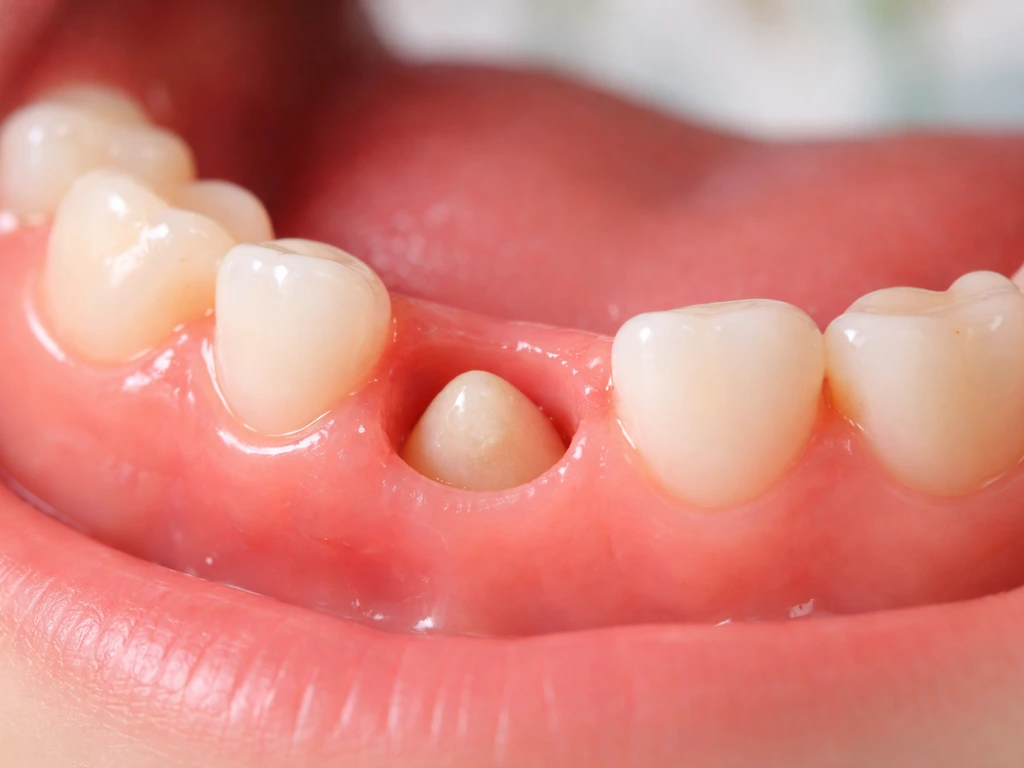
Do Milk Teeth Grow Back? Timelines, What to Do, Red Flags
Learn if milk teeth regrow, typical timelines for permanent teeth, what to do after loss or injury, and red flags.
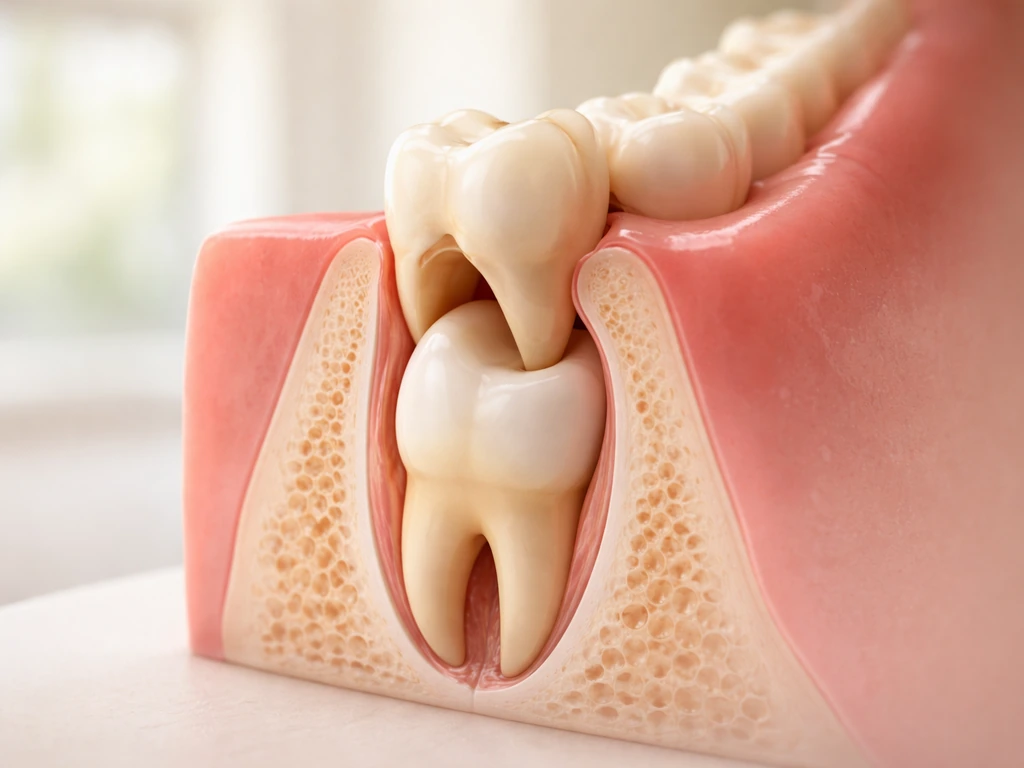
Can Milk Teeth Grow Twice? Replacement vs True Regrowth
Can milk teeth grow twice? Learn why baby teeth usually only get replaced, not regrown, and what to do if one falls out
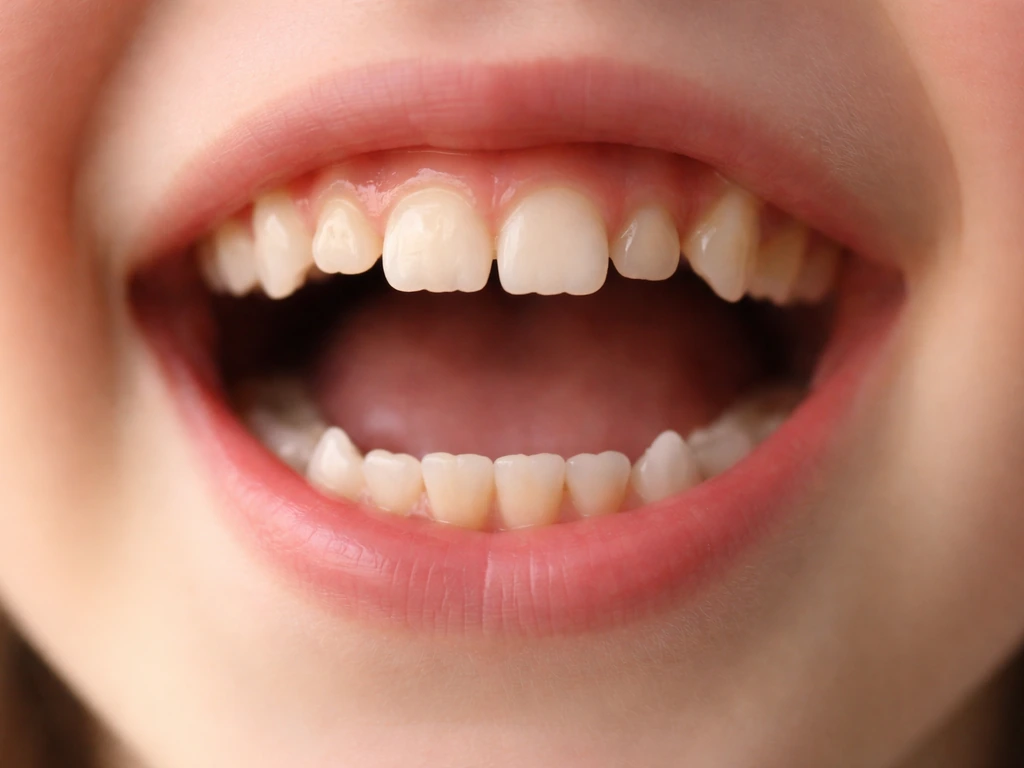
Why Do Teeth Only Grow Twice? Baby vs Permanent Explained
Why humans have only baby and permanent teeth: eruption timeline, limits of enamel regrowth, and common exceptions to kn