You cannot grow a broken adult tooth back naturally. Once mature enamel is lost, it does not regenerate, and a missing chunk of tooth structure is gone for good. That said, there are real, evidence-based steps you can take today to protect what remains, reduce pain, prevent the damage from getting worse, and make the best decision about when to see a dentist and what treatment actually makes sense for your situation.
How to Grow Broken Teeth Naturally: What Works and Limits

Marcus Holloway
17 Jun 2026
What people actually mean when they search this
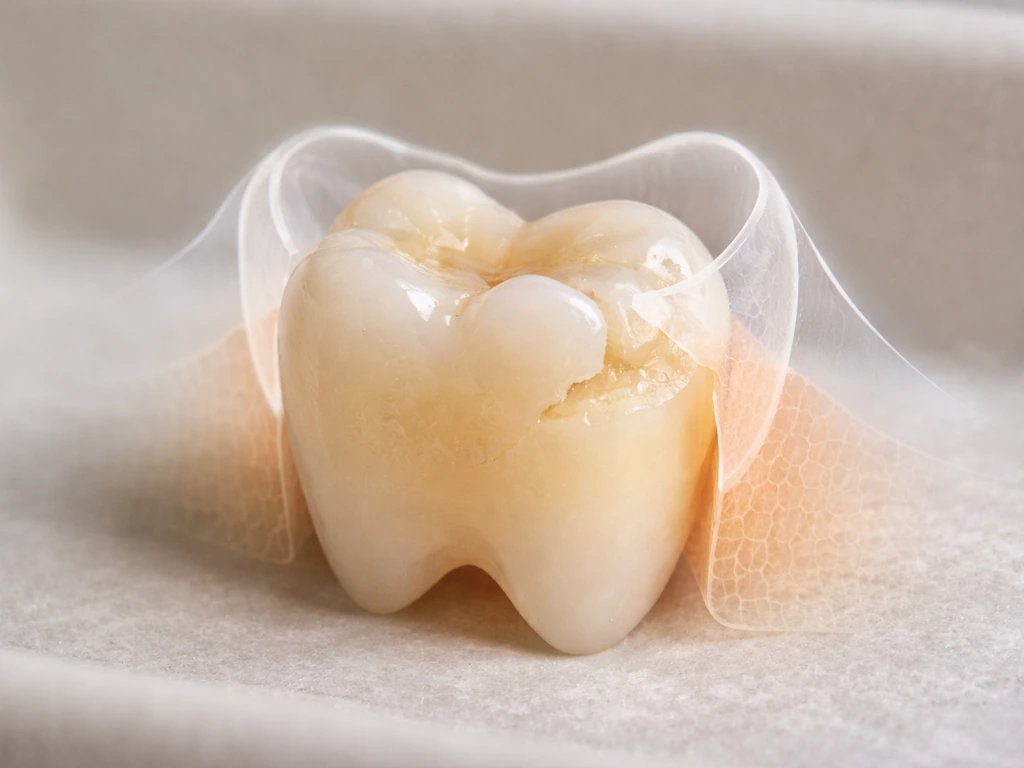
When someone types 'how to grow broken teeth naturally,' they usually want one of a few things: to know if a chipped or cracked tooth can repair itself, to find a home remedy that avoids a dental visit, or to understand if there is any biological process that could restore their tooth. These are reasonable questions, but they need to be separated carefully because the answers are different for each one.
True tooth regrowth means the body generates new tooth structure to replace what broke off. Grow teeth meaning varies by context, but in medicine it generally refers to true regeneration of lost tooth tissue, which does not happen naturally in adults. That does not happen in adults with permanent teeth. Tooth repair, on the other hand, refers to supporting the existing tooth structure, reducing further damage, and letting limited biological processes like remineralization do what little they can. There is also dental reconstruction, where a dentist restores your tooth using materials like bonding, a crown, or other restorations. Only the second two are actually available to you. The first one is not, at least not yet outside of experimental research.
It is worth noting that questions about growing back lost dental structures come up in other forms too, like whether you can grow back jawbone after loss or whether teeth can grow back straight on their own. The biology applies across all of them: some limited repair is possible, but true regeneration of lost adult tooth tissue is not a reality today.
Why a broken adult tooth will not grow back: the biology
This is the part most people find frustrating, but it is important to understand. Adult teeth are made up of several layers, and each one has different (and very limited) regeneration potential.
Enamel: the layer that is truly gone once it is gone
Enamel is the hard outer layer of your tooth, and it is the hardest substance in the human body. The reason it cannot grow back is actually baked into how it forms. Enamel is produced by cells called ameloblasts, but once your permanent tooth finishes developing, those cells die off. Mature enamel is completely acellular, meaning it has no living cells in it at all. There is nothing to trigger regrowth. When enamel breaks or chips away, the body has no mechanism to replace it. The 'enamel regrowth' products and hacks circulating online misuse the term. What they can do at best is help remineralize early, microscopic enamel lesions, which is genuinely useful for cavity prevention but has nothing to do with regrowing a physical chip or crack.
Dentin: limited response, not true regrowth
Beneath the enamel is dentin, which is slightly softer and is alive in the sense that it is connected to the pulp. The pulp can lay down a small amount of what is called reactionary or reparative dentin in response to damage, essentially a thin biological patch, but this is a protective response, not a restoration of lost structure. It does not replace broken-off dentin and is not enough to rebuild a cracked or fractured tooth. Research into dentin-pulp regeneration using stem cells and bioactive materials is active and genuinely exciting, but it is still largely in the animal-model and early clinical trial stage. It is not something you can harness at home today.
Pulp: responds to injury but cannot fix a broken tooth
The pulp is the soft inner tissue containing nerves and blood vessels. When a crack reaches the pulp, it can become inflamed or infected. The pulp does not regenerate the broken parts of the tooth above it. What it can do is tell you something is seriously wrong, usually through sharp pain, sensitivity to temperature, or persistent aching. If the pulp is exposed or infected, that is a clinical emergency, not something to manage at home.
What about kids and baby teeth?
If your child breaks a baby tooth, the situation is different in some ways. Baby teeth do not 'grow back' in the sense of repairing themselves either, but they will eventually be replaced by the permanent tooth underneath. However, a broken baby tooth still needs professional evaluation because trauma can affect the developing permanent tooth below it. Similarly, if an older child or teenager breaks a permanent tooth that is still actively developing, some limited reparative processes may be somewhat more robust than in fully mature adult teeth, but the core biology still applies: a missing chunk of tooth does not grow back.
What you can actually do today: practical steps that help
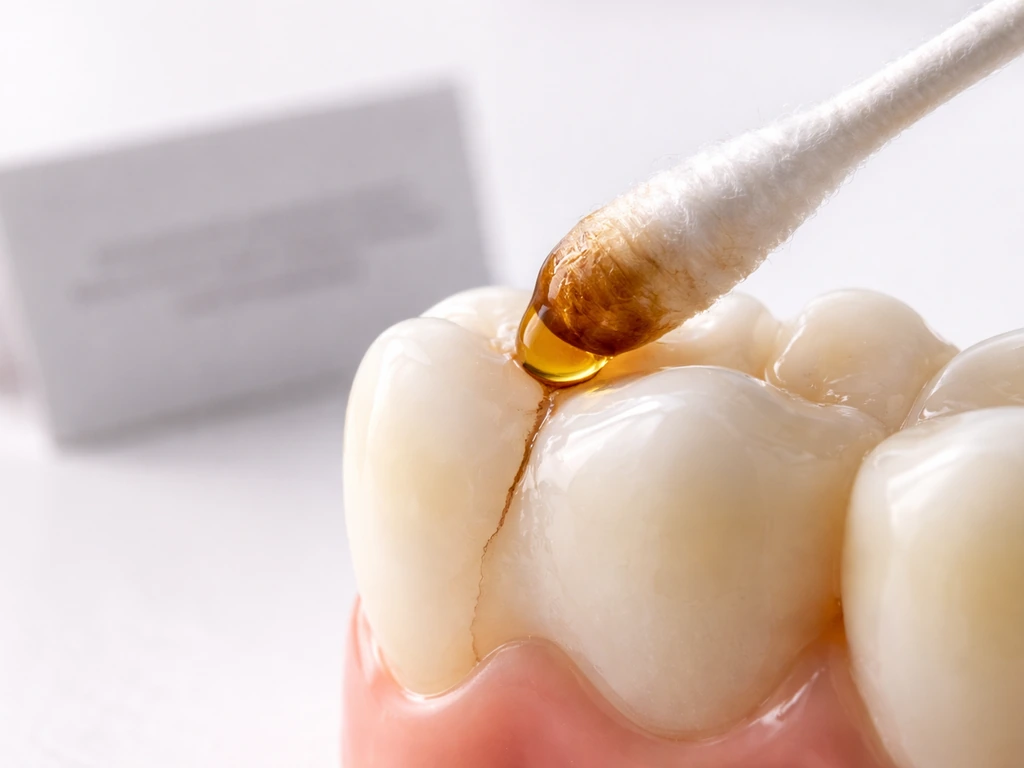
Even though regrowth is off the table, there is a real list of things you can do right now that are backed by dental science. The goal is to protect what you have, manage discomfort, and keep the situation from getting worse while you arrange evaluation. The American Association of Endodontists advises contacting an endodontist right away when a cracked or injured tooth is present, and notes that endodontic offices may offer flexibility for emergencies, including weekends in some instances arrange evaluation.
Managing pain and sensitivity immediately
If cold air or fluids are causing sharp pain, the American Association of Endodontists recommends biting gently on clean, moist gauze or cloth to help relieve symptoms. Over-the-counter pain relievers like ibuprofen or acetaminophen can help with discomfort in the short term. Avoid temperature extremes in what you eat and drink. Do not bite on the side of the damaged tooth.
Protecting the tooth from further damage
- Avoid chewing hard, crunchy, or sticky foods on the affected side
- Do not try to bite down on the cracked tooth to test it, which can deepen a crack
- If a sharp edge is cutting your tongue or cheek, dental wax (available at pharmacies) can cover it temporarily
- Do not use super glue, household adhesives, or DIY repair kits to try to bond a broken piece back; these are not safe for oral tissue and can create more problems for your dentist to fix
Basic hygiene that actually helps
Keep brushing and flossing, but be gentle around the broken area. Use a fluoride toothpaste. If you are also trying to correct crooked teeth, ask your dentist whether alignment options like braces or clear aligners are the right next step, since straightening is mechanical and treatment-based rather than a matter of regrowing tooth structure fluoride toothpaste. Fluoride supports remineralization of the tooth surface, which can help slow additional mineral loss even if it cannot rebuild broken structure. The ADA supports low-abrasion fluoride toothpaste as a safe baseline for enamel protection. Rinse with plain water after eating or drinking acidic foods and beverages to reduce acid contact time on the tooth surface.
Monitor at home vs. get to a dentist urgently: how to decide
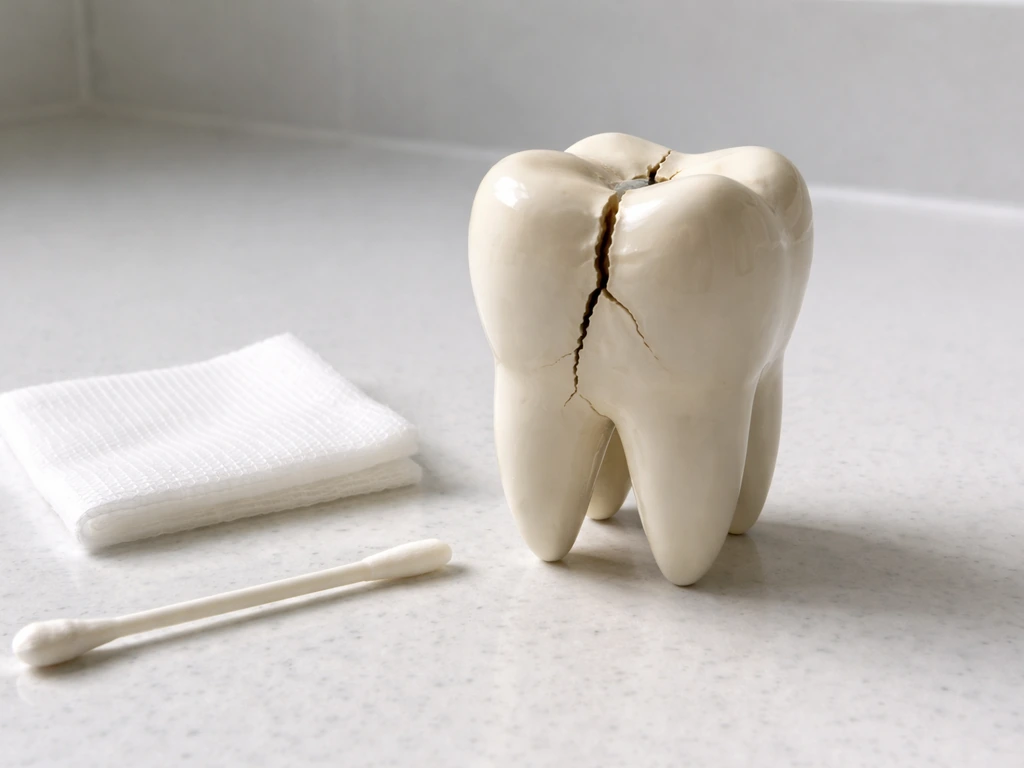
Not every broken or chipped tooth is a same-day emergency, but some definitely are. Here is how to think about it.
| Situation | What it likely means | Action |
|---|---|---|
| Small chip, no pain, no sharp edges | Craze line or minor enamel chip | Schedule routine dental appointment within days to weeks |
| Sensitivity to cold or biting that resolves quickly | Possible cracked tooth or dentin exposure | See a dentist promptly, within a few days |
| Pain when biting down that improves when you release pressure | Classic cracked tooth symptom (AAE) | See a dentist or endodontist soon, do not delay |
| Persistent aching or throbbing pain | Possible pulp inflammation or early infection | See a dentist urgently, same day if possible |
| Visible crack extending toward the gumline | Risk of split tooth or root involvement | Urgent dental evaluation, do not wait |
| Swelling, fever, difficulty swallowing or opening mouth | Signs of dental abscess, potentially serious | Seek emergency dental or medical care immediately |
The AAE classifies cracked teeth into five clinical categories: craze lines (surface only), fractured cusp, cracked tooth, split tooth, and vertical root fracture. The treatment and prognosis differ significantly across these. A craze line might need nothing beyond monitoring, while a split tooth or vertical root fracture may require extraction. You cannot reliably tell which category you are in without a professional exam, which is why prompt evaluation matters when symptoms are present. Common symptoms of a fractured or cracked tooth can include sensitivity to temperature changes and pain related to chewing or biting, and diagnosis typically involves questions about symptoms and bite testing common symptoms include sensitivity to temperature changes and pain when chewing or biting.
If you have swelling in your face or jaw, fever, or difficulty swallowing or opening your mouth, those are warning signs of a spreading dental abscess. That is not a wait-and-see situation. Get to an emergency dental provider or an urgent care facility right away.
Home remedies and internet claims that will not fix a broken tooth
A lot of advice circulates online about 'natural' ways to heal or regrow broken teeth. Most of it ranges from ineffective to actively harmful. Here is a direct rundown.
Oil pulling
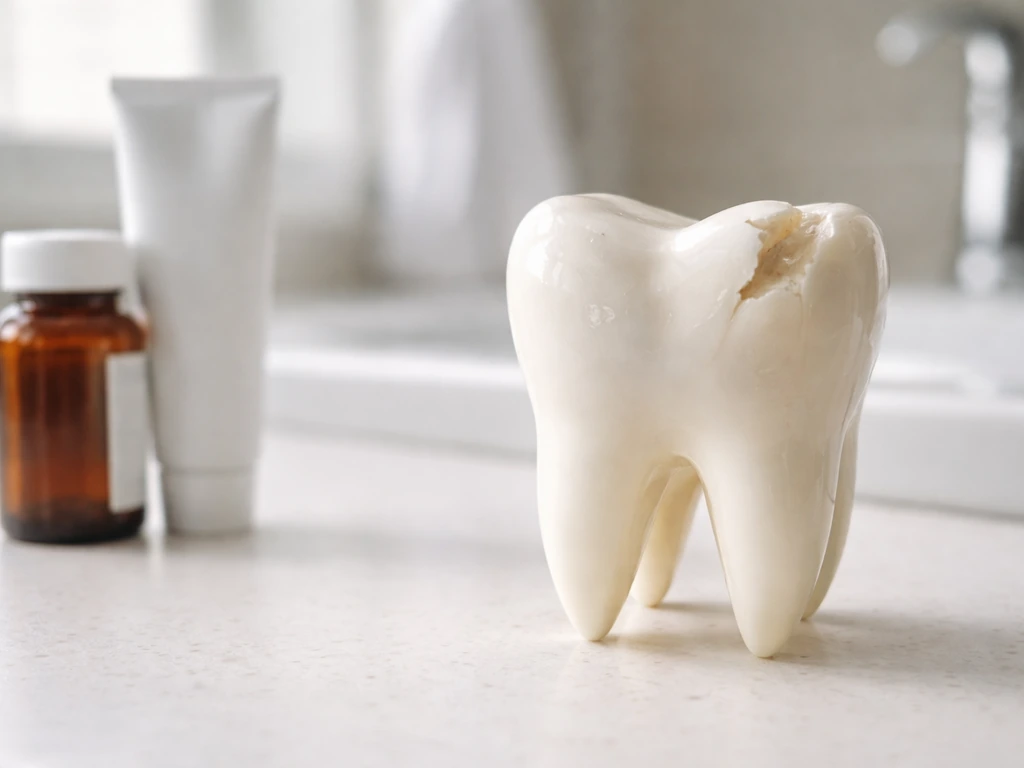
Oil pulling (swishing oil around your mouth) has some mild plaque-reduction evidence as a hygiene add-on, but it has no mechanism for repairing cracked or broken tooth structure. It will not remineralize enamel, fill a crack, or regenerate dentin. Using it while hoping it will fix a broken tooth is time spent not getting the actual care you need.
'Enamel regrowth' supplements and toothpastes
Products marketed as regrowing enamel are using the word 'regrowth' very loosely. Fluoride and hydroxyapatite-based products can help remineralize early enamel lesions at the microscopic level, which is real and useful for cavity prevention. They cannot rebuild a fractured or chipped tooth. Mature enamel is acellular and does not regenerate. No supplement, powder, or paste currently available can change that biological fact.
Calcium and vitamin D megadosing
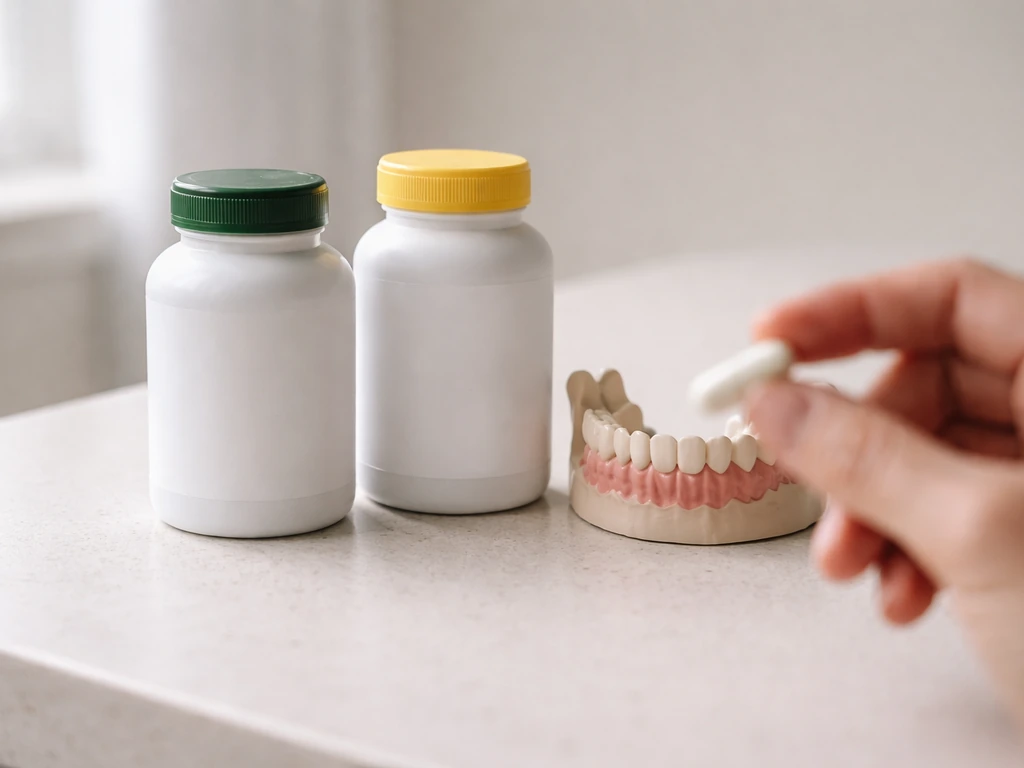
Adequate calcium and vitamin D are genuinely important for bone health and overall oral health, including supporting the jawbone that holds your teeth. But taking extra-high doses to 'regrow' a broken tooth does not work. Your teeth are not going to absorb dietary calcium and rebuild themselves. This connects to the broader question of whether you can grow back lost dental bone, which is a separate and more complex topic, but the principle is the same: diet supports health, it does not regenerate lost hard tissue. This also relates to whether you can grow bone in your mouth, since bone and tooth structure do not regenerate from a broken tooth either grow back lost dental bone.
Clove oil and herbal pastes as repairs
Clove oil contains eugenol, which has genuine mild analgesic and antibacterial properties and is actually used in some dental materials. Applying it topically might offer temporary pain relief, and that is a reasonable short-term comfort measure. But it does not repair tooth structure, seal a crack, or address infection. It is a symptom management tool at best, not a treatment.
What real dental regeneration looks like right now
The science of dental regeneration is genuinely advancing, and it is worth knowing what is actually in the pipeline versus what is available today.
Remineralization of early enamel lesions is real and clinically applicable. Fluoride, casein phosphopeptide-amorphous calcium phosphate (CPP-ACP), and hydroxyapatite-based products can deposit minerals into early non-cavitated lesions. This is meaningful for cavity prevention and protecting enamel from further breakdown, but it is a mineral repair process on existing surface, not structural regrowth of lost tooth.
Direct pulp capping with bioactive materials like mineral trioxide aggregate (MTA) or biodentine is a real clinical procedure where, in cases of very small pulp exposures, a bioactive material is placed to encourage the pulp to lay down a dentin bridge. This can preserve a tooth that might otherwise need a root canal. However, it is a procedure done by a dentist under specific conditions, not something that happens naturally or at home.
Stem cell research for pulp-dentin complex regeneration is progressing, with studies in animal models and some early human contexts showing that stem cells from dental pulp can be used to attempt tissue regeneration. Systematic reviews are cautiously optimistic but honest that outcomes vary significantly depending on stem cell source and context. This is not available as a consumer treatment today. It is a research direction, and an exciting one, but not something you can access for a broken tooth in 2026.
For children, the developmental biology does include natural tooth replacement in the form of permanent teeth erupting after baby teeth. If a child's tooth is still forming and has not fully erupted, there is more biological activity happening, but a broken piece of tooth still does not regrow even in kids with developing teeth.
Your practical next steps: what to do starting today
Here is a realistic action plan depending on where you are right now.
- Assess your symptoms honestly: Is there pain when biting or releasing pressure? Sensitivity to temperature? Visible crack or missing chunk? Swelling or fever? Your answers determine urgency.
- For mild chips with no pain: Protect the area with dental wax if there is a sharp edge, avoid chewing on it, and call your dentist to schedule a non-urgent evaluation.
- For pain when biting, sensitivity, or a visible crack running toward the gumline: Call a dentist or endodontist today. The AAE notes that endodontic offices often accommodate emergencies including on weekends.
- For swelling, fever, difficulty swallowing or breathing, or severe unmanaged pain: Go to an emergency dental provider or urgent care immediately. This may indicate an abscess that needs prompt treatment.
- In the meantime: Bite gently on moist gauze for sensitivity relief, take OTC pain relief as directed, use fluoride toothpaste, avoid temperature extremes and hard foods on the affected side.
- When you see your dentist: Ask specifically what type of crack or fracture you have (using the five AAE categories is a useful reference), what the treatment options are based on the extent, and what the prognosis is with and without treatment.
- Set realistic expectations: The dentist cannot make your tooth regrow, but depending on the crack type and extent, options range from simple bonding or a crown to root canal treatment or, in severe cases, extraction and replacement. Timely treatment almost always leads to a better outcome than waiting.
The bottom line is this: protecting and repairing a broken tooth is very much possible, but regrowing it is not something biology or any current product can deliver. The best thing you can do for a broken tooth today is stop the damage from progressing, manage pain safely, and get it evaluated by someone who can actually diagnose the type and extent of the break. In general, the quickest path toward restoring function and appearance after a damaged tooth is to understand what can and cannot regrow and then discuss evidence-based options with a dentist broken tooth today. That is the realistic, evidence-based path forward.
FAQ
If my broken tooth stops hurting, does that mean it is healed naturally?
Usually, no. A cracked or chipped adult tooth can sometimes be stabilized and made less sensitive, but “closing” a crack at home does not happen. Even if it feels better after a day or two, the crack can still extend toward the pulp or create pathways for bacteria, so you still need an exam if there is persistent pain, visible fracture, or food trapping.
How do I know whether a crack has reached the nerve, not just the enamel?
Yes, but only when the pulp is involved. If the crack reaches the pulp, you can end up with inflammation or infection that requires dental treatment. Clues include lingering sensitivity to cold that lasts more than about 30 seconds, spontaneous throbbing pain, a pimple-like gum bump, bad taste, or swelling. In those cases, the “natural” option is not sufficient.
How soon do I need to see a dentist for a chipped tooth?
If the tooth is a small chip without symptoms, an urgent appointment is not always required. However, if the break is large, the tooth is biting differently, you have heat or cold sensitivity that lingers, or you see a fracture line, you should arrange a prompt dental evaluation, ideally within a few days. Split teeth and vertical root fractures can worsen quietly, so timing matters.
What should I do if I think the inside of the tooth is exposed?
If the pulp might be exposed (for example, you can see red tissue, the break is deep, or pain is sharp and immediate), do not “seal it” with home glues, wax, or strong adhesives. Rinse gently, cover with a temporary dental material if you have one, and seek urgent dental care. Exposed or infected pulp is not something to manage naturally at home.
Are clove oil or peroxide home treatments safe for a broken tooth?
Avoid clove oil, alcohol-based rinses, or strong hydrogen peroxide pastes directly on the broken area. They may numb briefly or irritate tissue, and irritation can worsen inflammation. If you want a safe comfort step, use OTC pain relief as directed, keep the area clean, and use lukewarm rinses until you are evaluated.
What is the safest way to protect enamel after eating acidic foods?
Plain water rinses after acidic drinks or foods help, but the timing matters. Avoid brushing immediately right after an acidic beverage, wait about 30 minutes, then brush gently with fluoride toothpaste. Brushing too soon can abrade softened enamel, even though enamel does not regrow.
How can I tell whether a product is actually remineralizing or just marketing “enamel regrowth”?
Look for a cavity prevention approach, not a “regrow the chip” claim. For surface issues, fluoride toothpaste plus consistent brushing, flossing, and professional guidance for remineralization are the realistic tools. If you already have a physical fracture, the priority becomes preventing further breakdown with appropriate restoration.
Does diet change anything for a cracked tooth, or is it only about dental work?
Carbonated drinks, sports drinks, and frequent sipping can increase acid exposure even if the tooth “looks fine.” If you keep eating or drinking regularly through the day, you extend acid contact time and reduce the chance for saliva to neutralize. Try to limit frequency, use water between sips, and avoid chewing hard foods on that side.
What restoration options might exist, and why does waiting sometimes reduce choices?
Yes. A dentist can often restore function with bonding, a crown, or a different restoration depending on the crack category and whether the tooth is still restorable. For some fracture types, delaying care can reduce options and increase the chance of needing extraction, so asking about “restorability” is a key next step.
How should I brush and floss when the broken area keeps trapping food?
Brushing is still important, but technique changes. Use gentle pressure, avoid aggressive scrubbing over the fracture, and floss carefully without snapping at the gumline. If floss gets caught repeatedly, that is a sign the tooth structure is likely fractured enough to warrant evaluation.
What symptoms mean this is an emergency rather than a wait-and-see situation?
If you have swelling, fever, facial/jaw tenderness, trouble swallowing, or trouble opening your mouth, seek urgent or emergency care. These signs suggest a spreading infection, and waiting for “natural healing” can allow it to progress quickly.
If a child breaks a tooth, is regrowth more possible than in adults?
For children and teens, the tooth may behave differently than a fully mature adult tooth, but a missing chunk still does not regrow. The urgent part is evaluating whether trauma affects the developing permanent tooth underneath (for baby teeth) or whether reparative capacity is possible because of incomplete development (for younger permanent teeth).
Next Articles
Can You Grow Bone in Your Mouth? What’s Possible and Next Steps
Learn if you can grow bone in your mouth, what regrows vs won’t, and evidence-based next steps for bone loss.
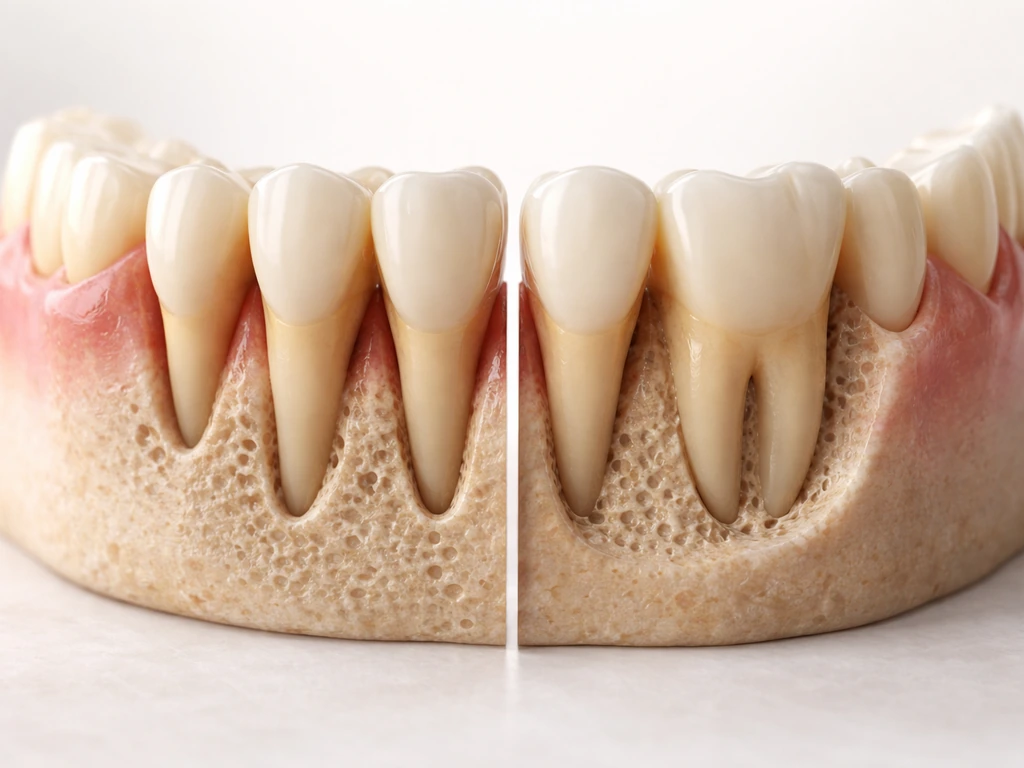
How to Grow Teeth Bone Back: What Works and What Doesn’t
Evidence based ways to regrow tooth supporting bone, realistic limits, tests to request, and steps to stop further loss.
How to Grow Sharper Teeth: What’s Possible and Next Steps
Evidence-based plan to prevent rounded teeth and protect enamel, plus realistic options to restore sharper edges safely.