You cannot grow straight teeth the way you grow a plant or regrow a fingernail. Teeth don't regenerate into a new shape, and there is no biological process that makes a crooked tooth slowly drift into alignment on its own. What you can do is move existing teeth into straighter positions using orthodontic treatment, and the science behind that is genuinely fascinating. Braces, clear aligners, and retainers work by applying controlled pressure that triggers real bone remodeling around each tooth root. The result is straight teeth, but it's movement, not growth.
How to Grow Straight Teeth: What Works and What Doesn’t

Marcus Holloway
30 May 2026
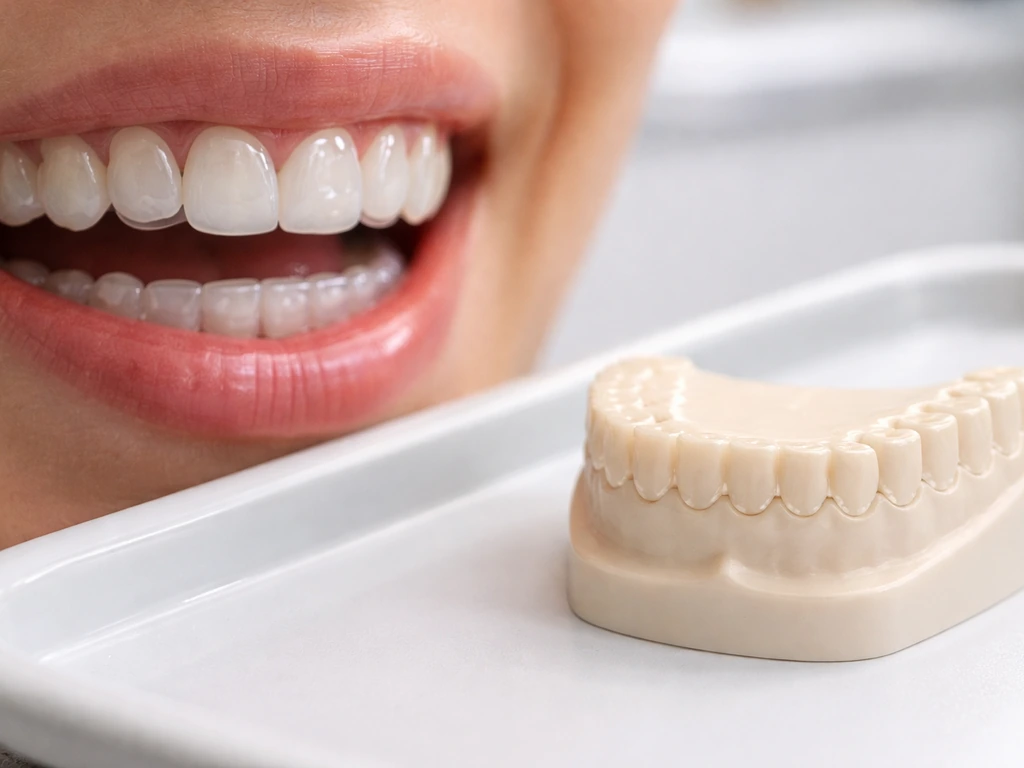
Reality check: teeth can be moved, not regrown straight
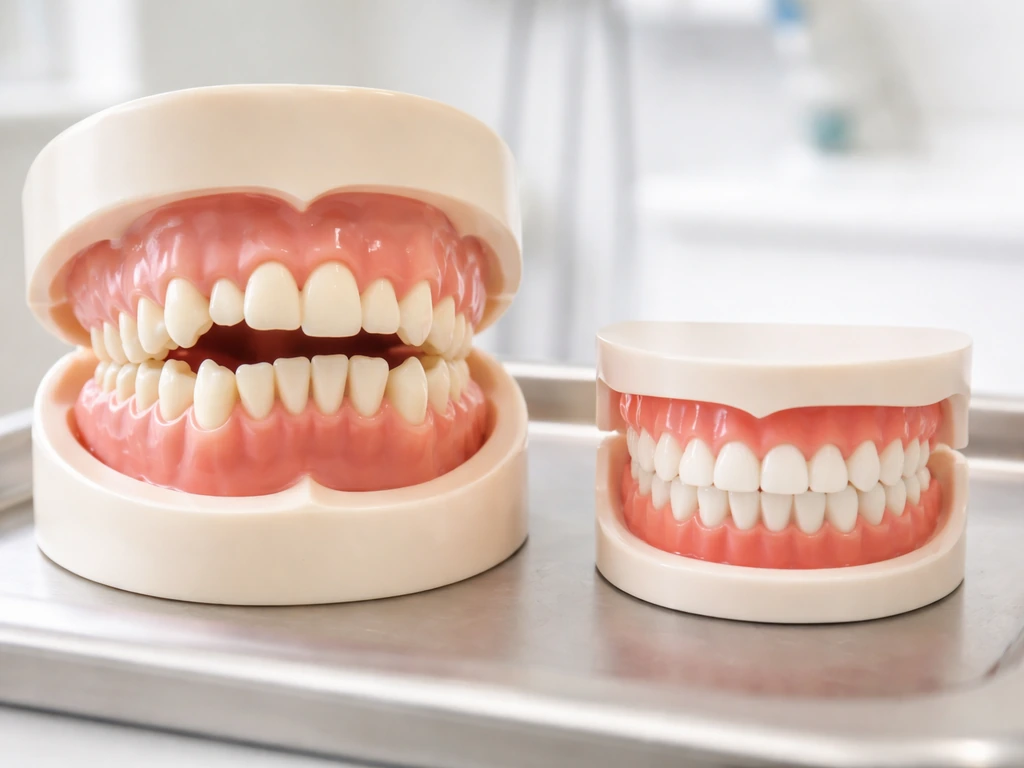
This is the core misconception worth clearing up immediately. When people search for how to "grow straight teeth," they're usually hoping for a natural fix, maybe a habit, a food, or some remedy that coaxes teeth into alignment. That idea is sometimes phrased as “grow teeth meaning,” but it really comes down to tooth movement with orthodontic care rather than true regrowth grow straight teeth. That's not how dental biology works. Once your adult teeth have erupted, their position is set by bone, ligaments, and the forces acting on them over time. They don't rearrange themselves because you want them to.
What orthodontic treatment actually does is apply gentle, sustained force to a tooth. That force compresses the periodontal ligament (PDL) on one side and stretches it on the other. The compressed side triggers bone-dissolving cells (osteoclasts) to resorb bone, while the stretched side triggers bone-building cells (osteoblasts) to form new bone. Over weeks and months, the tooth physically migrates through the jaw. It's a coordinated remodeling process involving the PDL and the surrounding alveolar bone, and it's well-established in the research literature.
Enamel is a separate story. Once enamel is truly destroyed by decay, your body cannot rebuild it. You can remineralize early, non-cavitated lesions with fluoride and saliva, but you cannot regrow a cavity away. This distinction matters for orthodontic planning: moving teeth with compromised enamel requires extra hygiene care to avoid making things worse during treatment. The biological limits of enamel repair are real, and no supplement or oil-pulling routine changes that.
If you've read articles on this site about whether broken teeth can grow back naturally, or whether teeth bone can regenerate, you already have a sense of this theme. The honest answer is almost always: biological regeneration of dental structures is very limited in humans. But movement? That's absolutely possible, and it works at almost any age.
Why teeth come in crooked in the first place
Understanding the cause matters because some causes are correctable at the source, while others just require fixing the result. Crooked teeth usually come from one or more of these overlapping factors.
Crowding and jaw size mismatch
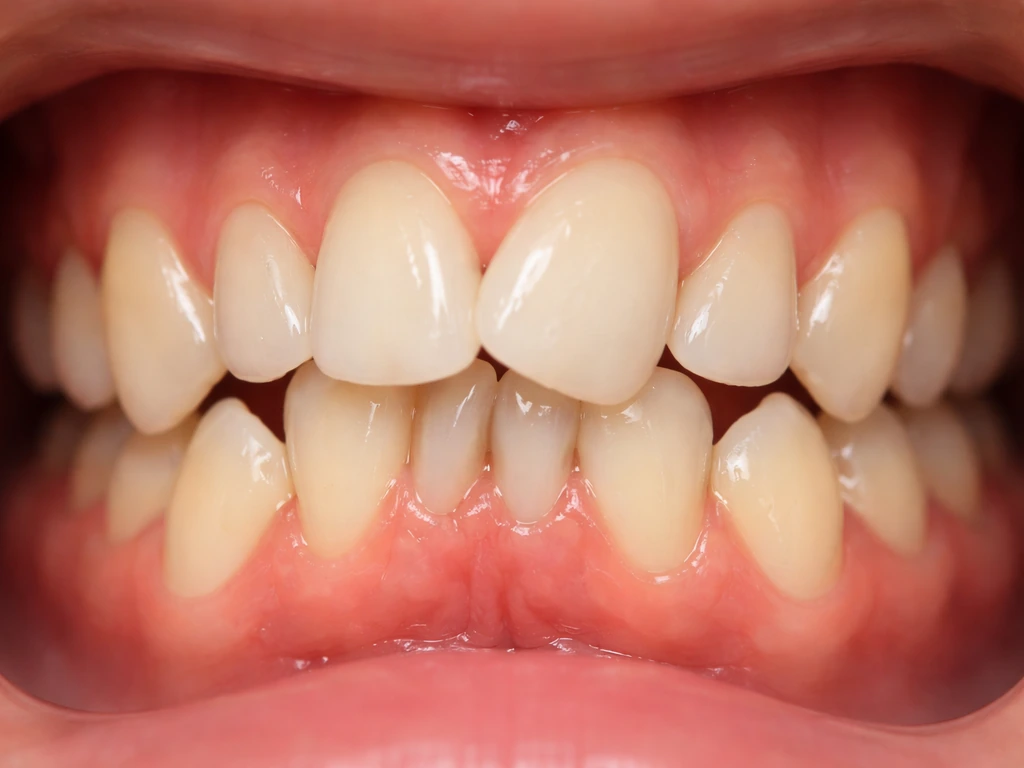
The most common reason teeth come in crooked is simple: there isn't enough room. If your jaw is narrower than the space your teeth need, they pile up, rotate, or get pushed forward or backward to fit. This is largely genetic. You might inherit your dad's big teeth and your mom's smaller jaw, and the combination creates crowding that no habit or diet fix will resolve.
Eruption problems
Teeth don't always erupt in the right direction or sequence. A tooth blocked by a neighbor, erupting at an angle, or impacted entirely can displace surrounding teeth. The American Association of Orthodontists notes that unerupted teeth sometimes can't push through the gum without help, and when they do erupt off-course, they knock other teeth out of position. Genetics plays a big role in eruption abnormalities, and the sequencing of eruption during development can directly produce malocclusion.
Bite issues
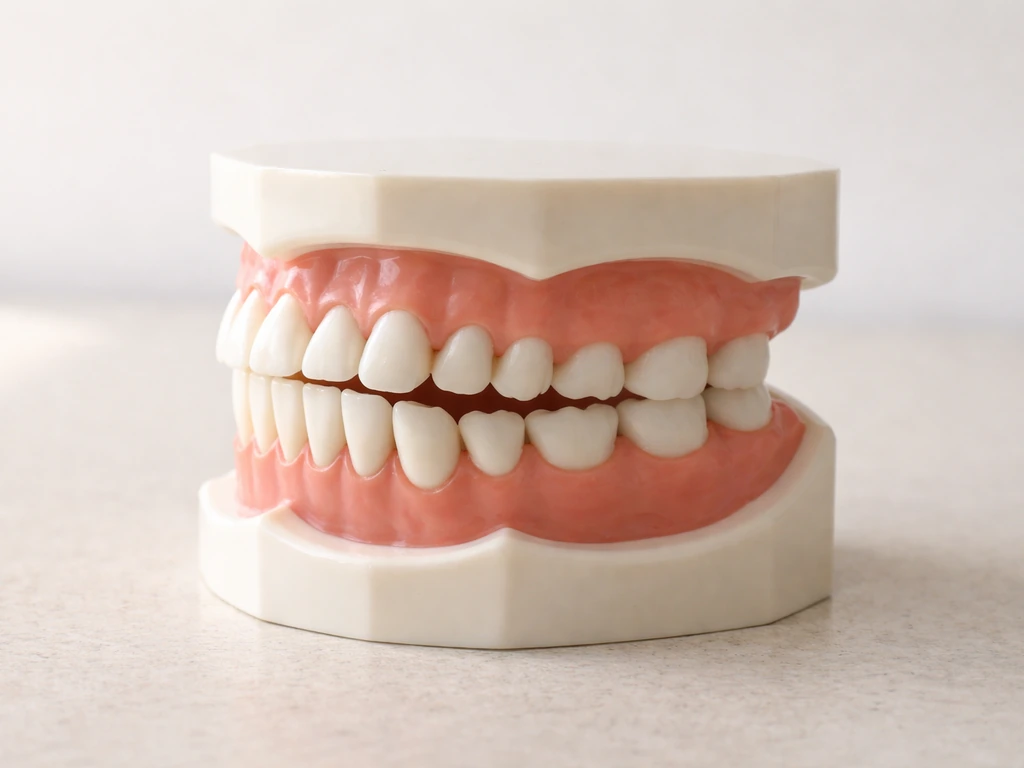
Overbites, underbites, crossbites, and open bites all describe how the upper and lower teeth meet, or fail to. These bite patterns can cause individual teeth to drift, wear unevenly, or create functional problems with chewing. Some bite issues have a jaw-size or jaw-position component that goes beyond just tooth positioning.
Oral habits
Prolonged thumb-sucking, pacifier use past toddler age, and tongue-thrusting patterns during swallowing are all associated with changes in tooth position. Tongue thrust, in particular, has been correlated in research literature with anterior open bite and changes in incisor position. The relationship isn't perfectly one-directional (sometimes the open bite causes the tongue posture rather than the reverse), but habits that push on teeth repeatedly do apply the same kind of force that orthodontic treatment uses, just in an uncontrolled, often damaging direction.
Wisdom teeth eruption
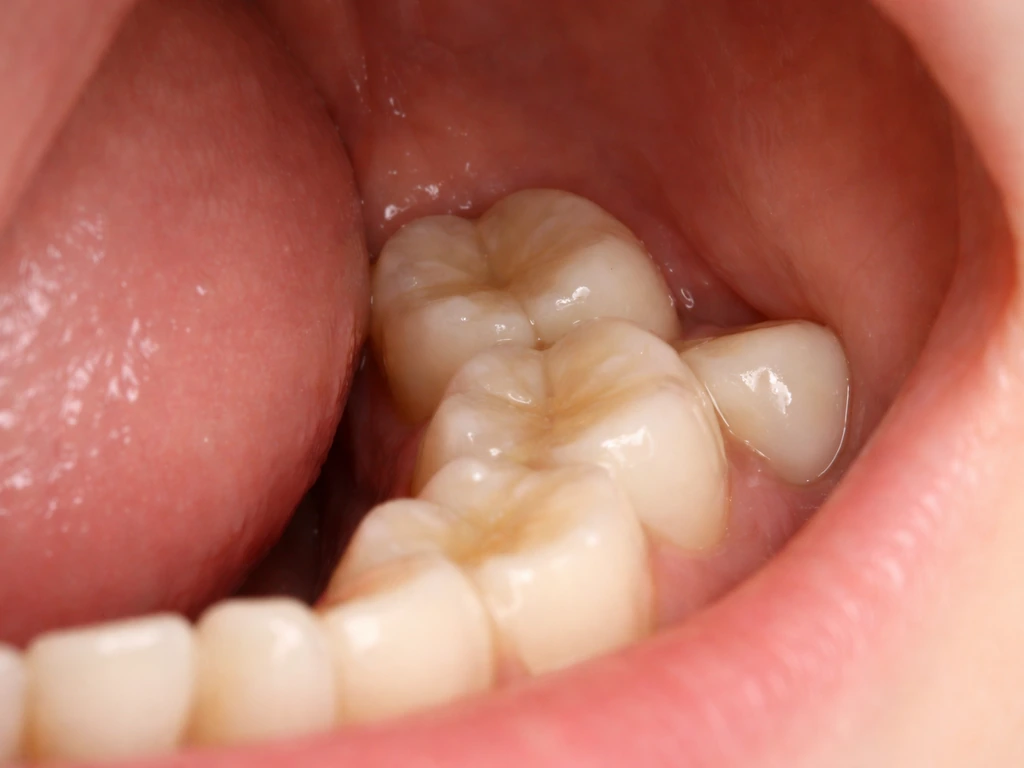
Wisdom teeth typically erupt in the late teens or early 20s, and if there isn't enough space, they can come in at angles that crowd the teeth in front of them. Whether wisdom teeth directly cause significant crowding of the front teeth is debated in orthodontic research, but impacted or partially erupted wisdom teeth do create alignment and hygiene problems. If you're noticing new crowding in your late teens or early 20s, wisdom tooth eruption timing is worth discussing with your dentist.
Your real options for getting straighter teeth
There are three main orthodontic pathways, plus some supportive options. The right one depends on your specific situation, age, and the severity of misalignment.
| Option | Best for | Typical duration | Key consideration |
|---|---|---|---|
| Traditional braces (metal or ceramic) | Moderate to severe crowding, complex bite issues, all ages | 18 months to 3 years | Most precise control over tooth movement; fixed to teeth so compliance isn't an issue |
| Clear aligners (e.g., Invisalign) | Mild to moderate cases; adults and teens who want removability | 6 months to 2+ years | Requires near-constant wear (20-22 hrs/day); effectiveness depends on case complexity and compliance |
| Retainers (post-treatment) | Maintaining alignment after braces or aligners | Indefinite (especially first 1-2 years) | Not a correction tool on their own; essential for preventing relapse |
| Removable functional appliances | Growing children with jaw-growth issues; early intervention cases | Varies widely | Works best when growth is still occurring; timed by orthodontist |
Traditional braces give your orthodontist the most precise control over tooth movement, especially for rotations and torque corrections. Ceramic braces work the same way but blend with tooth color. Clear aligners like Invisalign have solid systematic review evidence for clinical effectiveness across a range of cases, but the evidence is stronger for some tooth movements (tipping, minor crowding) than others (complex torque, significant rotation). Your orthodontist can tell you whether your case is well-suited to aligners or whether braces would give a more predictable result.
Age and timing: what's different for kids, teens, and adults
Kids (ages 7 to 11)
The American Association of Orthodontists recommends a first orthodontic evaluation by age 7. At this point, most kids still have a mix of baby and permanent teeth. The goal isn't usually to straighten everything yet; it's to identify problems early, like ectopic eruption, crowding that will need space management, crossbites that are affecting jaw growth, or habits that should be addressed before they cause lasting damage. The American Academy of Pediatric Dentistry also emphasizes that early/mixed dentition is when planning for space management and eruption guidance can reduce the need for more complex treatment later. Some kids get early (Phase 1) treatment, others are simply monitored until they're ready for comprehensive treatment.
Teenagers (ages 12 to 17)
This is the sweet spot for orthodontic treatment. Most permanent teeth have erupted (wisdom teeth aside), jaw growth is still occurring or just wrapping up, and the alveolar bone is more responsive to orthodontic forces than adult bone. Comprehensive treatment with braces or aligners typically happens during these years, and treatment tends to be faster and more predictable in adolescents than adults.
Adults (18 and older)
Adult orthodontics absolutely works, but it does come with some additional considerations. Adult bone is denser and less metabolically active, which means tooth movement tends to be somewhat slower. Research literature also notes that adults can experience more pronounced alveolar bone changes during treatment compared to adolescents, so monitoring periodontal health is important. Orthodontic treatment can use bone remodeling to move teeth through the jaw, which is why “growing teeth bone back” is usually a misunderstanding of what’s medically possible alveolar bone changes. Treatment may take slightly longer than a comparable case in a teenager. That said, there is no age cutoff for orthodontic treatment. Adults in their 40s, 50s, and beyond successfully complete treatment every day. If you have existing gum disease or bone loss, that needs to be treated and stabilized before orthodontic forces are applied.
What you can safely do at home
There's a clear line between what you can manage at home and what requires professional care. Staying on the right side of that line protects both your wallet and your teeth.
- Wear your retainer as prescribed. If you've already completed orthodontic treatment, consistent retainer use is the single most important thing you can do to keep teeth straight. Teeth have a biological tendency to drift back toward their original positions, and only a retainer counteracts that.
- Break harmful habits. If you're a thumb-sucker (or your child is), a tongue-thruster, or a mouth-breather, addressing these habits won't straighten teeth on their own, but it removes forces that actively push teeth in the wrong direction. A myofunctional therapist can help with tongue posture and swallowing patterns.
- Maintain excellent oral hygiene. Clean teeth and healthy gums are prerequisites for orthodontic treatment and for keeping teeth stable afterward. Brush twice a day, floss daily, and use fluoride toothpaste to support enamel remineralization.
- Use fluoride consistently. While enamel that's already cavitated can't be regrown, early non-cavitated lesions can remineralize with consistent fluoride exposure and reduced sugar frequency. This matters especially during orthodontic treatment when brackets or aligners make cleaning harder.
- Watch for signs of problems. Teeth shifting after previous treatment, new pain, or changes in your bite are signals to call your dentist, not to wait and see.
What you should never do at home: attempt to move teeth with rubber bands, DIY wire, hair ties, or any mail-order system that hasn't involved a proper in-person exam and X-rays. The ADA and the AAO have both issued clear warnings about this. DIY orthodontics can cause permanent damage including tooth loss, gum damage, root resorption, and bite changes that are expensive to fix. These aren't edge-case horror stories; they're documented and increasingly common outcomes. If something sounds too cheap and easy, it's probably skipping the diagnostics and oversight that make orthodontic treatment safe.
During treatment: comfort, hygiene, and avoiding relapse
Managing discomfort
Some soreness after wire adjustments or aligner changes is normal. Over-the-counter pain relief (ibuprofen or acetaminophen), soft foods for a day or two, and orthodontic wax for bracket irritation all help. Clear aligners tend to cause less acute discomfort than braces at adjustments, though individual experiences vary.
Hygiene during treatment
Hygiene gets harder with braces because brackets and wires create more surfaces for plaque to accumulate. Interdental brushes, floss threaders, and water flossers all help. This matters beyond just cavity prevention: orthodontic tooth movement next to inflamed, plaque-laden gum tissue is less efficient and more likely to cause gum recession. If you're in clear aligners, rinse and brush before reinserting trays, and never eat with them in. Enamel cannot regrow once cavitated, so protecting it during treatment is non-negotiable.
Preventing relapse after treatment
Orthodontic literature consistently identifies retention as one of the most challenging aspects of treatment, and relapse is a real biological tendency. The PDL and surrounding tissues have a memory, and without retention, teeth drift. The standard recommendation is to wear retainers full-time (except for eating and cleaning) for at least the first several months after treatment, then nightly long-term, potentially indefinitely. Research on adult patients with periodontal conditions shows that with proper retention, stability is good but slight relapse can occur. Skipping retainer wear, even for a few weeks, can undo months of movement. Fixed (bonded) retainers behind the front teeth are another option that removes the compliance variable entirely.
How to get started: evaluation, questions to ask, and next steps
What a proper evaluation looks like
A legitimate orthodontic consultation includes a clinical exam, a review of your dental and medical history, and almost always X-rays, typically a panoramic X-ray and in many cases a lateral cephalometric X-ray or CBCT scan. The AAO is explicit that X-rays are necessary to accurately diagnose orthodontic problems. They reveal root positions, bone levels, impacted or unerupted teeth, and jaw structure that you simply cannot assess from looking at the teeth alone. Any treatment plan offered without this diagnostic foundation is guesswork, and potentially dangerous guesswork.
Questions worth asking at your first appointment
- What is causing the crowding or misalignment in my specific case?
- Am I a good candidate for clear aligners, or would braces give better results for my situation?
- Will I need any teeth extracted, and what factors are driving that recommendation?
- How long do you expect treatment to take, and what affects that timeline?
- What retention protocol do you recommend after treatment?
- Do I have any gum or bone concerns that need to be addressed before we start?
- What happens if I don't treat this now, will it get worse?
Red flags to avoid
Be cautious of any orthodontic service that doesn't require an in-person exam before starting treatment, skips X-rays, or offers to mail you aligners based solely on impressions you take at home. The AAO has formally reported concerns about mail-order orthodontic models to the FDA and has documented cases of patients needing retreatment or corrective care after these products caused damage. Extraction vs. non-extraction decisions, bone levels, root health, and eruption status are all things that require X-rays and clinical judgment, not a selfie and an app.
A realistic timeline and plan
- Book a consultation with an orthodontist or your general dentist for a referral. If you're a parent, the AAO recommends the first evaluation by age 7.
- Get a full set of diagnostic records, including X-rays. Don't skip this step.
- Treat any active gum disease or significant cavities before orthodontic forces are applied.
- Choose a treatment approach with your provider based on your case complexity, lifestyle, and goals.
- Commit to the full treatment duration and every follow-up appointment. Missing adjustments adds time.
- Maintain rigorous hygiene throughout treatment to protect enamel and gum health.
- After treatment, wear your retainer as directed, long-term. This is not optional if you want results to last.
Straight teeth are achievable for most people, at most ages, through proper orthodontic care. The path isn't growing teeth into a new shape; it's understanding how the bone and ligament system around your teeth responds to controlled force, and letting a qualified professional apply that knowledge to your specific case. This is also why people generally cannot grow new bone in their mouth to “make teeth straight” without professional orthodontic treatment bone and ligament system. That's the honest answer, and it's actually a pretty good one.
FAQ
Can I grow straight teeth naturally with oils, supplements, or special foods?
No. Once adult teeth are erupted, their position is stabilized by the periodontal ligament and surrounding bone. Oils, supplements, and diets may improve gum health or reduce inflammation, but they cannot reposition teeth into a new alignment without orthodontic force. If you have cavities or enamel damage, these approaches also do not rebuild cavitated enamel.
At what point should I see an orthodontist for crowded or crooked teeth?
If teeth look crowded, bite feels off, or you have new shifting, schedule a consult rather than waiting. A common early checkpoint is around age 7 for risk screening, but earlier is reasonable if there is crossbite, significant eruption problems, or a developing habit (thumb-sucking or tongue thrust). For adults, any noticeable change in alignment is a reason to evaluate periodontal health and tooth position.
Why do teeth sometimes seem to look worse right after starting braces or aligners?
Early movement can cause temporary “gapiness,” sharper edges feeling more noticeable, or visible bite changes as teeth tip and de-rotate. This is often expected during alignment stages, but if you develop persistent pain, a tooth feels unusually loose, or your bite stops contacting normally, contact your orthodontist promptly to check mechanics and fit.
Are clear aligners always better than braces for straightening?
Not always. Aligners are often strong for tipping and mild crowding, but complex torque control and significant rotations can be less predictable depending on the case. Braces may provide more precise 3D control, especially when the root position, deep bite corrections, or detailed bite finishing are important. Your orthodontist should match the appliance to the specific movement required.
Will orthodontic treatment hurt my roots or cause tooth shortening?
Orthodontics can occasionally lead to root resorption, but the risk varies by individual anatomy, force magnitude, and treatment planning. A proper evaluation with X-rays helps assess root shape and current bone levels, and careful monitoring reduces risk. If you have a history of fragile roots or prior orthodontic treatment, mention it early so your clinician can adjust mechanics.
How long do I need to wear retainers, and what if I miss a few days?
Most people need full-time wear initially for several months, then nightly long-term for years, potentially indefinitely. Missing wear for even a short stretch can trigger measurable relapse because the periodontal ligament and supporting tissues adapt back toward their prior position. If you miss retainer time, resume wearing and contact your orthodontist before your next scheduled adjustment.
Can I stop retention once my teeth look straight?
Usually no. Stability after active treatment depends on long-term retention because relapse is a biological tendency, not just a habit issue. Some people do well with indefinite nighttime retention, others need a fixed retainer, but the decision should be based on your original malocclusion, age, and periodontal conditions.
What if my gums are inflamed or I have gum disease, can I still do orthodontics?
You may still be able to straighten your teeth, but active gum disease should be treated and stabilized first. Orthodontic forces move teeth through bone, so compromised periodontal health can increase the risk of recession or instability. Ask your dentist or periodontist about a periodontal status plan before starting braces or aligners.
Does orthodontic treatment work if I have missing teeth or need dental implants?
Often it can still work, but the plan may require sequencing. Your orthodontist may coordinate with a prosthodontist or implant specialist to decide whether to close spaces, open spaces, or maintain space for later replacement. X-rays are especially important to assess bone levels and the root positions around missing or failing teeth.
Is it safe to get mail-order aligners or DIY orthodontics?
No for most people. Without an in-person exam and proper imaging, clinicians cannot evaluate root position, bone levels, impacted teeth, or bite mechanics. DIY systems and mail-order models can lead to damage such as gum injury, uncontrolled tooth movement, and the need for retreatment. If an aligner company cannot explain diagnostics and treatment boundaries clearly, treat it as a red flag.
How do I protect enamel and reduce cavities while in braces or aligners?
Treat it like a daily prevention routine. Brush and floss after meals, use interdental brushes or floss threaders as recommended, and for aligners, never eat with trays in. If you have a history of decay or enamel defects, ask about fluoride regimen options and cavity risk strategies during treatment, since enamel cannot be rebuilt once a cavity has formed.
Why do my aligners feel tight, and how many days should I wait before contacting my orthodontist?
Some initial tightness is normal, especially at tray changes. However, if a tray will not seat after gentle cleaning and recommended pressure, or if you have severe pain, contact your orthodontist. They may need to check whether you missed a step, damaged a tray, or need an expedited refinement to avoid forcing teeth too aggressively.
Next Articles
Grow Teeth Meaning: Can Teeth Really Regrow Again?
Explains grow teeth meaning, whether teeth can regrow, what can regenerate by age, and next steps to ask a dentist.
Do Milk Teeth Grow Back? Timelines, What to Do, Red Flags
Learn if milk teeth regrow, typical timelines for permanent teeth, what to do after loss or injury, and red flags.
Can Milk Teeth Grow Twice? Replacement vs True Regrowth
Can milk teeth grow twice? Learn why baby teeth usually only get replaced, not regrown, and what to do if one falls out