
You cannot regrow the bone that supports your teeth on your own at home, but you can stop further loss and, with professional treatment, partially rebuild it in certain cases. Modern periodontal procedures like guided tissue regeneration and bone grafting can recover measurable amounts of lost bone in the right defect types, but they work alongside professional care, not instead of it. If you are already noticing loose teeth, receding gums, or have been told you have bone loss, the most important thing you can do right now is book an appointment with a periodontist, because time is the one variable that works completely against you here.
How to Grow Teeth Bone Back: What Works and What Doesn’t

Marcus Holloway
13 Jun 2026
What 'grow teeth bone back' actually means
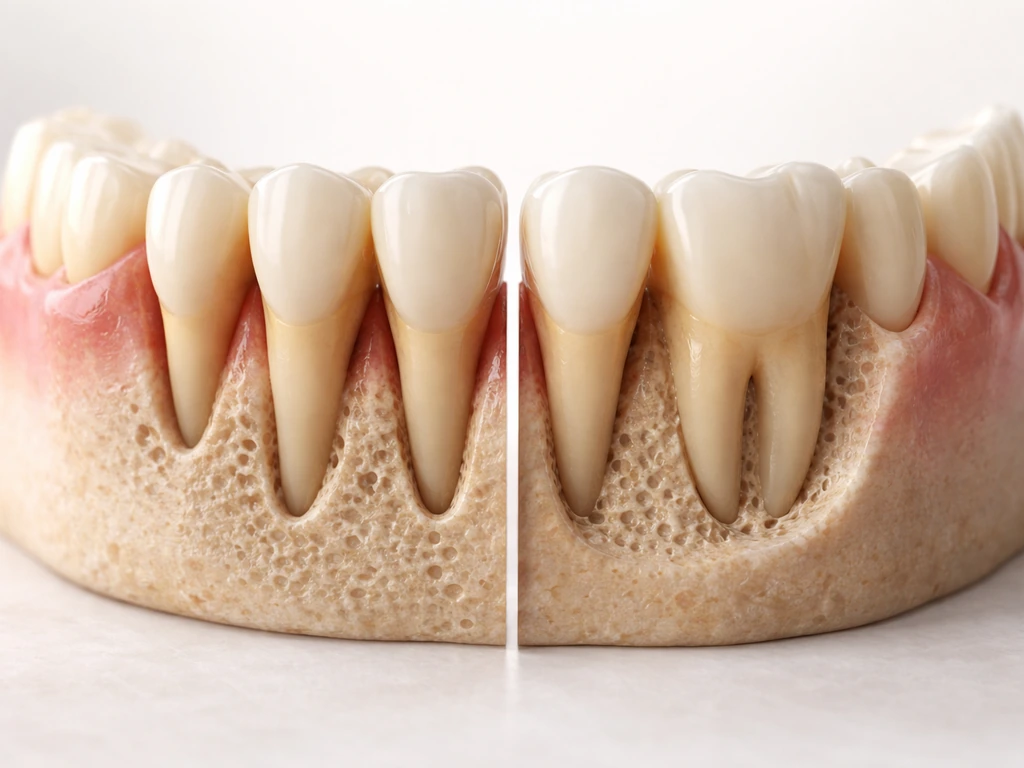
When people search for how to grow teeth bone back, they are usually talking about three very different things: the tooth itself, the enamel surface of the tooth, or the jaw bone that holds the tooth in place. In other words, the phrase “grow teeth meaning” is often used online, but what’s really possible usually comes down to periodontal bone support and measurable clinical recovery. Each one has a completely different biological story, and mixing them up leads to a lot of confusion and wasted effort.
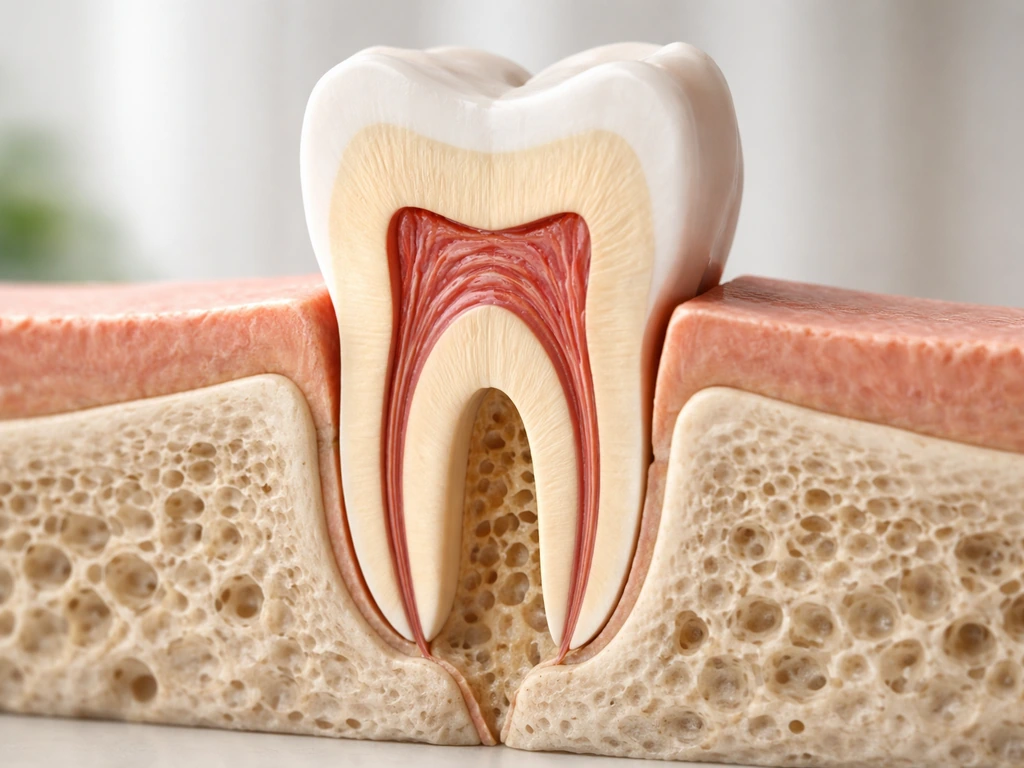
Tooth enamel is the hard white outer layer you can see. It is acellular, meaning once it is fully formed, there are no living cells inside it that can rebuild it. It does not regenerate in any meaningful bulk sense. Small surface mineral losses can be partially reversed through remineralization with fluoride, but a chip, a cavity, or worn enamel does not grow back. Period. Dentin (the layer beneath enamel) has some limited regeneration capacity driven by dental pulp cells, but it is slow, minor, and mostly a defensive response to irritation rather than actual rebuilding. Cementum, which coats tooth roots, also has very limited regrowth ability, especially when damaged by disease.
Alveolar bone is the jaw bone that surrounds and anchors your tooth roots. This is what most people are actually asking about when they want to 'grow bone back in teeth.' Unlike enamel, bone is a living tissue with cells that can remodel, and under the right clinical conditions, some of that lost volume can be partially recovered. This is the one area where modern dentistry has real, measurable tools. The topic of whether bone can be grown in the mouth more broadly is related but distinct from what happens specifically around teeth in periodontitis.
Why bone loss happens around teeth
The overwhelming cause is periodontitis, a chronic bacterial infection of the gums and supporting structures. Specific bacteria in dental plaque trigger an inflammatory response in your body, and it is actually your immune system's own response that destroys the bone and periodontal ligament over time. Left unchecked, this leads directly to tooth loss. What is sneaky about it is that it often causes no pain until it is advanced, which is why so many people are shocked when a dentist shows them bone loss on an X-ray.
Beyond gum disease, other contributors include uncontrolled diabetes (which dramatically worsens periodontal inflammation), smoking (which reduces blood flow to gum tissue and masks early warning signs like bleeding), poorly fitting dental appliances, grinding and clenching teeth, and certain medications that affect gum tissue. Genetics also plays a role in susceptibility. Rapid bone loss at a younger age or without obvious cause is a red flag worth investigating urgently.
Red flags that warrant an urgent periodontist visit include: gums that bleed every time you brush, teeth that feel loose or have shifted, persistent bad breath that does not respond to brushing, gums that have pulled away from teeth exposing darker root surfaces, pain when chewing, or being told at a checkup that you have pockets deeper than 4 mm.
Can you actually regrow dental bone? Realistic expectations
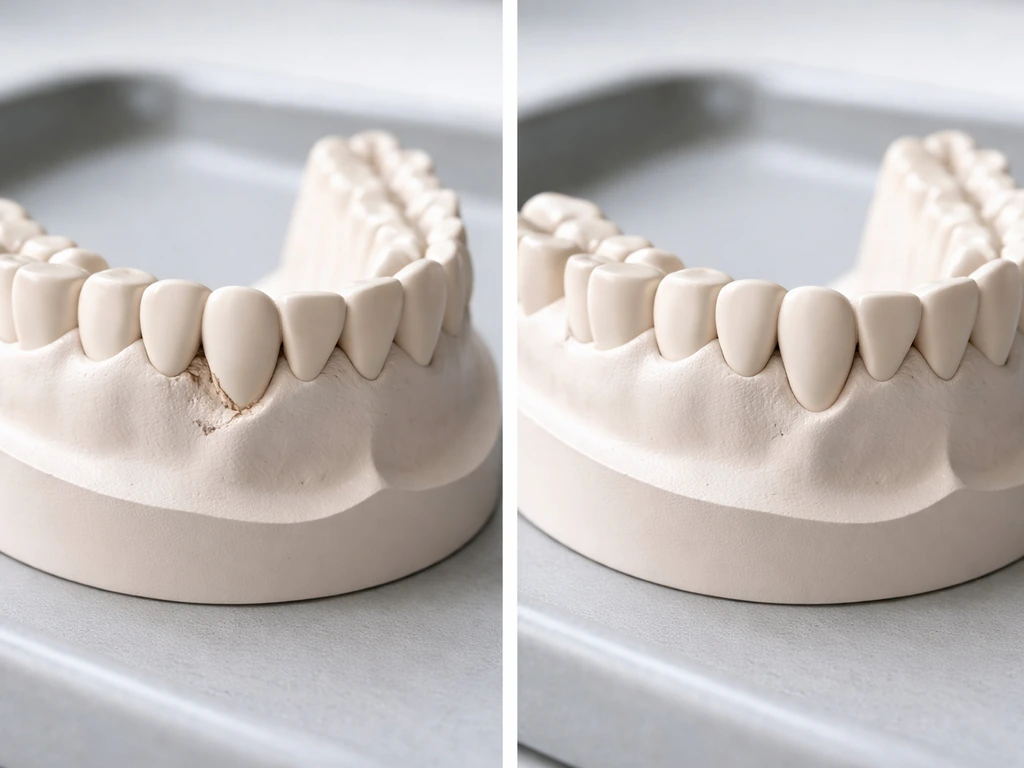
Here is the honest answer: true regeneration of bone back to its original pre-disease levels is not reliably achievable in most people. While bone fill can be partially restored in specific defects, straightening your teeth still depends on the orthodontic plan your periodontist and orthodontist build together. What is achievable is partial recovery, stabilization, and in certain defect shapes, clinically meaningful bone fill. Research on guided tissue regeneration in deep intrabony defects (the pockets that form between tooth and bone) shows average clinical attachment gains of roughly 1 to 1. A systematic review and meta-analysis of trials with at least 5-year follow-up reports that GTR provides significant clinical attachment gain and probing depth reduction versus baseline in deep intrabony defects blank" rel="noopener noreferrer">guided tissue regeneration in deep intrabony defects. 4 mm compared with just cleaning the area, and at longer follow-up periods of five or more years, gains of around 3 mm in probing depth reduction have been reported. That sounds modest, but in periodontal terms, it is the difference between keeping a tooth and losing it.
Several factors determine how much recovery is realistic for you specifically. The shape of the bone defect matters enormously: narrow, deep, three-walled intrabony defects respond much better to regenerative procedures than wide shallow defects or horizontal bone loss. Severity at the time you first get treated matters too, because waiting until bone loss is advanced dramatically narrows your options. Smoking, uncontrolled diabetes, and poor plaque control all shift your disease grade toward rapid progression and reduce how much you can expect to gain from any procedure. Age matters less than people think, but systemic health matters a lot.
The framework periodontists use today classifies periodontitis by both stage (how bad it is right now) and grade (how fast it is likely to progress and what systemic factors are involved). Grade C, rapid progression, means outcomes from treatment are less predictable and risk factor control becomes the priority. If you smoke, quit. If your blood sugar is poorly controlled, managing it can literally change your grade and improve your treatment prognosis.
How to get assessed fast
Start by calling your dentist or going directly to a periodontist. A periodontist is a specialist in exactly this problem, and if bone loss is already confirmed or suspected, going straight to the specialist saves time. If you are looking for how to grow broken teeth naturally, the most realistic path is stopping further damage with evidence-based home care and getting periodontist-led treatment when bone loss is involved. When you call, mention specifically that you have concerns about gum disease and bone loss around your teeth. That usually gets you triaged appropriately.
At your appointment, these are the assessments you want and should ask for if they are not offered automatically:
- Full-mouth periodontal probing: a thin probe measures the depth of the pocket between your gum and tooth at six sites per tooth. Anything above 3 mm is a warning; above 5 or 6 mm with bleeding indicates active disease.
- Radiographic bone level assessment: full-mouth X-rays or a CBCT (cone beam CT) scan shows the height and shape of bone around each root. This tells the clinician the severity and defect type.
- Bleeding on probing score: this measures what percentage of your probing sites bleed, which is a direct marker of active gum inflammation.
- Furcation and mobility assessment: furcation involvement means bone has been lost between roots on multi-rooted teeth, a more advanced finding. Tooth mobility indicates significant bone support has been compromised.
- Systemic history review: tell your clinician about smoking history, diabetes, medications, and family history of gum disease. These shape both the diagnosis and the treatment plan.
Ask directly: 'What stage and grade is my periodontitis?' and 'Are my defects the type that can respond to regenerative treatment?' These specific questions push the conversation toward actual clinical decision-making rather than general advice.
What you can do at home right now
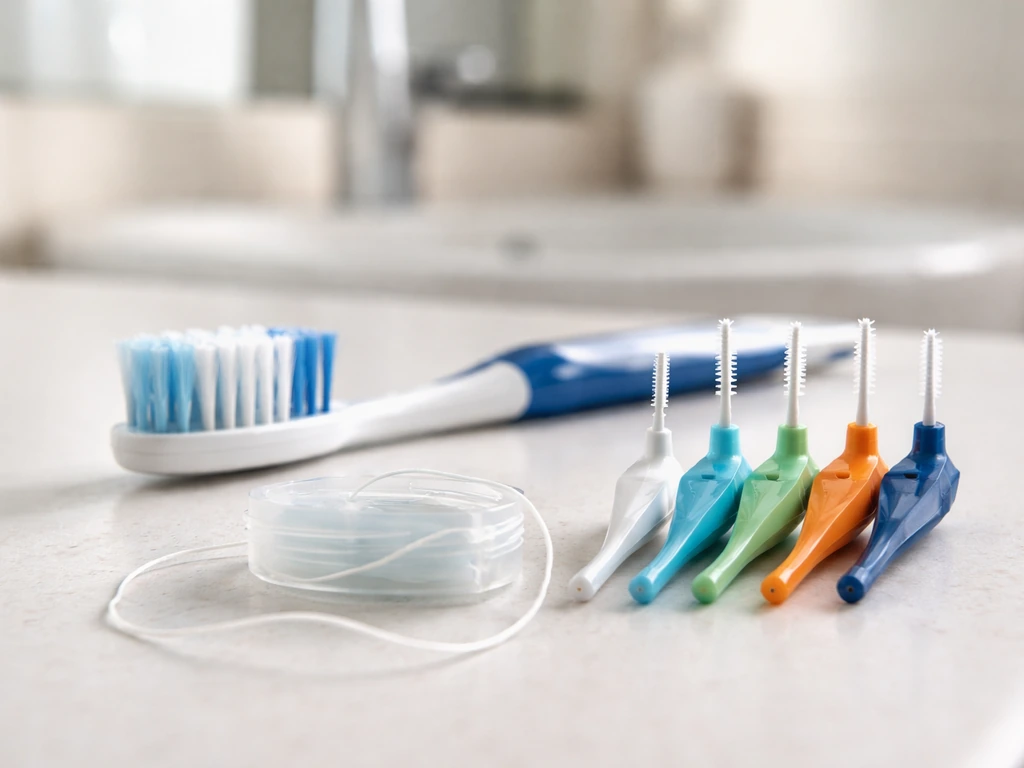
Let's be direct: nothing you do at home will regrow lost bone. But at-home care is genuinely critical for two reasons. The American Academy of Periodontology also emphasizes that gum disease prevention relies on daily at-home care plus regular professional visits, and it lists risk factors such as age and smoking. First, it controls the bacterial infection driving further bone loss. Second, it determines whether professional treatments can work at all. Periodontists will not do regenerative surgery on a mouth with uncontrolled active infection and poor plaque control, because the surgery will fail.
Plaque control in the spaces between teeth is the single most impactful daily action you can take. Research comparing interdental cleaning tools shows that interdental brushes and rubber picks outperform floss for patients who already have some interdental recession (which is common with bone loss), reducing plaque and gingival inflammation more effectively than toothbrushing alone. A water flosser (oral irrigator) also shows meaningful reductions in bleeding on probing. Use whatever tool you will actually use consistently, but do use something interdental every single day.
Beyond cleaning, the most powerful at-home actions that directly influence outcomes are quitting smoking and controlling blood sugar if you have diabetes. Smoking not only accelerates bone loss but suppresses the bleeding that normally signals disease, meaning you can have severe gum disease with minimal obvious symptoms. Evidence shows periodontal outcomes improve noticeably after quitting, even years after the habit ends. For diabetes, research confirms that better glycemic control measurably improves periodontal treatment outcomes, and the relationship works both ways: treating periodontitis produces modest but real reductions in HbA1c.
Nutrition also plays a supporting role. Vitamin C deficiency is directly linked to impaired immune-inflammatory response in gum tissue, and deficiencies in vitamin D and B12 have also been associated with worse periodontal outcomes. This does not mean supplements replace treatment, but it does mean eating a diet with adequate micronutrients supports your body's ability to respond to professional care.
Professional treatments that can rebuild lost bone
Professional treatment follows a logical sequence. Non-surgical therapy comes first, always. Surgical and regenerative options only make sense once infection is controlled.
Step 1: Non-surgical periodontal therapy (scaling and root planing)
This is the foundation. A periodontist or hygienist removes bacterial biofilm and hardened calculus from below the gum line using specialized instruments, often with local anesthesia. The goal is to remove the infection source so your body can begin healing. After scaling and root planing, you wait approximately four weeks before re-evaluating, because that is how long the tissues need to show their best response. Many patients see significant improvement in pocket depths and bleeding with non-surgical therapy alone, and for less severe cases, this may be all that is needed.
Step 2: Reassessment and decision about surgery
If residual pockets remain deep, especially those associated with intrabony defects, surgical options come into discussion. The type of defect visible on imaging, your health status, smoking history, plaque control compliance, and the specific teeth involved all feed into which approach is chosen.
Regenerative and reconstructive surgical options
| Procedure | What it does | Best for | Typical clinical gain |
|---|---|---|---|
| Guided Tissue Regeneration (GTR) | A membrane is placed over the defect to exclude fast-growing gum tissue and allow slower-growing bone and ligament cells to repopulate | Deep, narrow intrabony defects with defined walls | ~1.1 to 1.4 mm clinical attachment gain over open flap debridement; ~3+ mm probing depth reduction at 5+ years |
| GTR with bone substitute | Combines a membrane with a bone grafting material (human, animal, or synthetic origin) to fill the defect | Wider defects or where additional scaffold is needed | ~1.25 mm additional attachment vs debridement alone |
| Enamel Matrix Derivatives (EMD) | A gel derived from developing tooth proteins (Emdogain is the common brand) that promotes regeneration of the periodontium | Intrabony and some furcation defects | ~1.27 mm additional clinical attachment gain vs debridement |
| Bone grafting alone | Graft material fills the bone defect to act as a scaffold for new bone formation | Various defect types; often combined with membranes | Variable; best in contained defects |
| Open flap debridement (OFD) | Surgical access to thoroughly clean root surfaces and defects without regenerative materials | When defects are not favorable for regeneration; or as baseline comparator | Less gain than regenerative procedures but better access than non-surgical alone |
These are not one-size-fits-all decisions. A periodontist selects based on defect morphology, tooth prognosis, your systemic health and risk factors, and your demonstrated ability to maintain plaque control. Regenerative surgery on a patient still smoking heavily, with uncontrolled diabetes, and poor home care is unlikely to produce meaningful or lasting results.
Myths and at-home claims that will not grow your bone back

The internet is full of claims about regrowing bone and gums naturally. Let's go through the most common ones plainly.
- Oil pulling: There is no evidence oil pulling reverses bone loss or regenerates the periodontium. It may have minor effects on surface bacteria but does not reach subgingival pathogens where the damage is happening.
- Turmeric, clove oil, or herbal pastes: These have mild anti-inflammatory or antimicrobial properties in the mouth but zero evidence for reversing alveolar bone loss. Using them instead of professional care delays treatment and allows progression.
- Calcium and vitamin D supplements as a bone regrowth strategy: Adequate calcium and vitamin D matter for overall bone health, but supplementing above normal levels does not selectively rebuild jaw bone lost to periodontal disease. Deficiency correction is worthwhile; megadosing is not.
- Collagen supplements: One RCT found a collagen peptide supplement reduced bleeding on probing as an adjunct to professional aftercare, which is an anti-inflammatory benefit, not proof of bone regrowth. This is interesting but does not replace or replicate professional treatment.
- Mouthwashes marketed for 'gum health' or 'bone support': Antimicrobial mouthwashes like chlorhexidine have a genuine evidence base as adjuncts to professional treatment, but no mouthwash rebuilds bone.
- Attempting to grow broken teeth naturally or grow sharp teeth back: Adult tooth structures cannot regenerate from scratch. Those topics reflect the same biological limit: once the tooth or its supporting bone is damaged past a threshold, the body cannot self-repair it.
If something claims to 'regrow' bone or teeth at home without professional treatment, it is not supported by current dental science. The biology simply does not allow it: bone grafting and regenerative surgery exist precisely because the body cannot do this on its own.
Keeping bone loss from coming back
Periodontal disease is a chronic condition, not a one-time fix. Even after successful treatment, the bacteria that cause it are still in your mouth and your genetic susceptibility does not change. Maintenance is how you protect everything that was gained.
Periodontal maintenance appointments (usually every three to four months rather than the standard six) involve professional cleaning of pockets, reassessment of probing depths, and monitoring for any signs of recurrence. Research consistently shows that patients who skip maintenance lose the clinical gains from their treatment over time. Most patients who receive periodontal therapy need ongoing maintenance indefinitely.
At home, the habits that matter most long-term are daily interdental cleaning (not occasional), twice-daily brushing with a fluoride toothpaste, not smoking, managing any systemic conditions like diabetes, and staying on schedule with your maintenance appointments. Catching a pocket that has deepened from 4 mm back to 6 mm early means a non-surgical clean. Catching it when it has reached 8 mm means surgery. The difference is how often you show up.
If you have been treated for bone loss before, ask your periodontist specifically: 'What signs should I watch for that would indicate recurrence?' Knowing your personal red flags means you can act quickly rather than waiting for your next scheduled visit if something feels wrong.
FAQ
If I have bone loss on my X-ray, can I realistically get it back to normal?
It depends on what’s lost and what you mean by “grow back.” Enamel cannot regrow in any meaningful way. The jaw bone that supports teeth can sometimes partially rebuild when the defect type and infection control allow it. To know your potential, ask your periodontist to describe your bone defect on imaging and whether it is an intrabony pattern that can respond to regenerative treatment.
Do supplements, oils, or “natural” gels help regrow teeth bone back?
Most home products will not reverse bone support loss. Evidence-based at-home care mainly slows further destruction by reducing plaque and controlling inflammation, which protects the bone from getting worse. Bone fill procedures, when appropriate, require guided periodontal therapy because they depend on defect anatomy and surgical infection control.
Should I start better gum care at home immediately, even before my appointment?
If you start interdental cleaning and improve plaque control before seeing the periodontist, that helps the success of future treatment, but it will not “regrow” lost bone by itself. The practical goal is to lower bacterial load and inflammation so the periodontist can assess and treat with the best chance of measurable gains.
How soon after scaling and root planing will I know if I can regrow any bone?
Ask for a timeline: when you should have your re-evaluation after scaling and root planing, and when surgery or regenerative options are considered if pockets remain. Many people are told to wait several weeks for tissue to respond, and skipping this step can lead to premature procedures or misreading inflammation as permanent bone loss.
If my periodontitis is “fast progressing,” does that mean bone regrowth is impossible?
Periodontitis treatment uses risk stratification, stage and grade, and defect morphology. If you have Grade C (rapid progression), outcomes can be less predictable, so your periodontist may prioritize aggressive risk factor control and maintenance frequency even before considering regeneration. Asking about stage and grade helps set realistic expectations.
Will quitting smoking improve my chances of getting measurable bone fill?
Yes. Smoking can reduce the predictability of regenerative outcomes and can also mask early symptoms like bleeding. If you smoke, tell your periodontist and discuss a quit plan, including what level of tobacco reduction is acceptable before surgery and how long you may need to be smoke-free for the best results.
My diabetes is under control sometimes. Should I delay periodontal procedures until it’s consistently stable?
With diabetes, the key detail is how controlled it is at the time of treatment (not just that you have it). Ask your clinician how your glycemic control is affecting your periodontal risk, and coordinate timing of periodontal therapy with diabetes management so healing conditions are favorable.
If my pockets are deep now, does that automatically mean I need bone grafting?
Deep pockets can deepen from active inflammation even without major additional bone loss. Your periodontist will use probing depths, bleeding patterns, and imaging to judge whether a pocket is likely associated with a specific intrabony defect that might benefit from regeneration versus inflammation that needs more non-surgical therapy first.
After I’m treated, what early warning signs should make me contact my periodontist right away?
Recurrence monitoring is personalized. Ask your periodontist what probing depth changes or bleeding signs should trigger an earlier call, and whether your maintenance should be every 3 to 4 months based on your history. Having a written “call me sooner if…” plan prevents waiting until the next routine visit.
If my teeth feel loose, can regenerative procedures still help?
Tooth mobility and shifting matter, but bone support is only one piece. Ask about tooth prognosis and whether splinting or orthodontic movement is safe after periodontal stabilization. If loose teeth are present, the decision about regeneration vs stabilization depends on mobility grade and overall periodontal architecture.
What’s the best interdental cleaning method for someone with gum recession?
Oral irrigators, interdental brushes, or picks can work, but consistency and fit to your anatomy are crucial. If you have recession, you may need smaller interdental brushes or a different technique to reach the right spaces comfortably, so you keep cleaning daily without skipping.
Can I straighten teeth and still try to rebuild bone support?
Yes, but only as part of a combined plan. If your goal includes aligning teeth, stabilization of the periodontal situation usually comes first, and orthodontics may be staged around maintenance. Ask your periodontist and orthodontist how your current bone defect affects movement limits and what maintenance schedule will be required during treatment.
Next Articles
How to Grow Sharper Teeth: What’s Possible and Next Steps
Evidence-based plan to prevent rounded teeth and protect enamel, plus realistic options to restore sharper edges safely.
How to Grow Straight Teeth: What Works and What Doesn’t
Debunks regrowing straight teeth, explains why misalignment happens, and shows step-by-step options like braces and reta
Grow Teeth Meaning: Can Teeth Really Regrow Again?
Explains grow teeth meaning, whether teeth can regrow, what can regenerate by age, and next steps to ask a dentist.