You cannot make your teeth physically grow longer as an adult through natural means. Once your permanent teeth have fully erupted, that biological process is done. Enamel, the hard outer layer you see, cannot regenerate because the cells that built it are gone by the time you're a teenager. But here's the thing: a lot of people searching for ways to make their teeth longer are actually dealing with one of three very different problems, and two of them do have real, practical solutions you can act on today.
How to Make Teeth Grow Longer Naturally: What Works

Marcus Holloway
6 May 2026
What 'teeth growing longer' actually means
When people say they want longer teeth, they usually mean one of three things, and it helps to be clear about which one you're actually dealing with before you do anything else.
True eruption is when a tooth physically moves through the jawbone and gum tissue toward its final position. This is the only biological process where teeth actually become longer in a functional sense. If what you mean is true eruption, it is the only real situation where teeth actually become longer, which is closely related to the goals people search for when asking how to make your teeth grow. It's driven by coordinated mechanisms in the periodontal ligament that push the tooth from the bone toward the biting plane. This process is active in kids and teenagers and continues in a limited way until the late teens or early twenties for most teeth, including wisdom teeth.
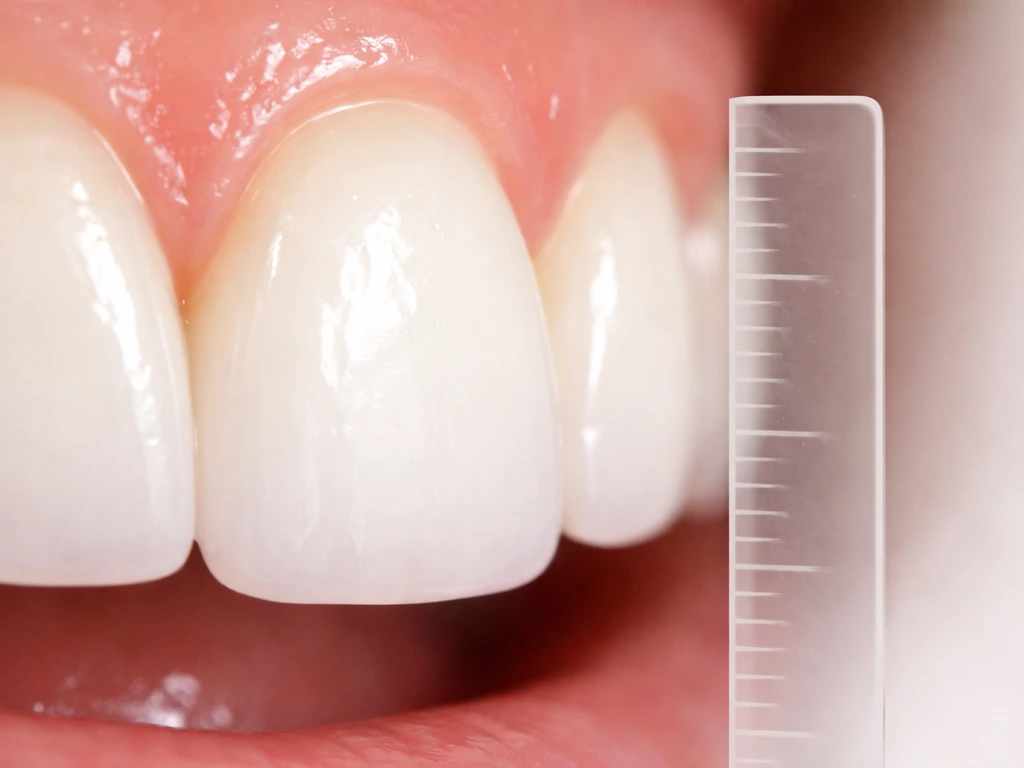
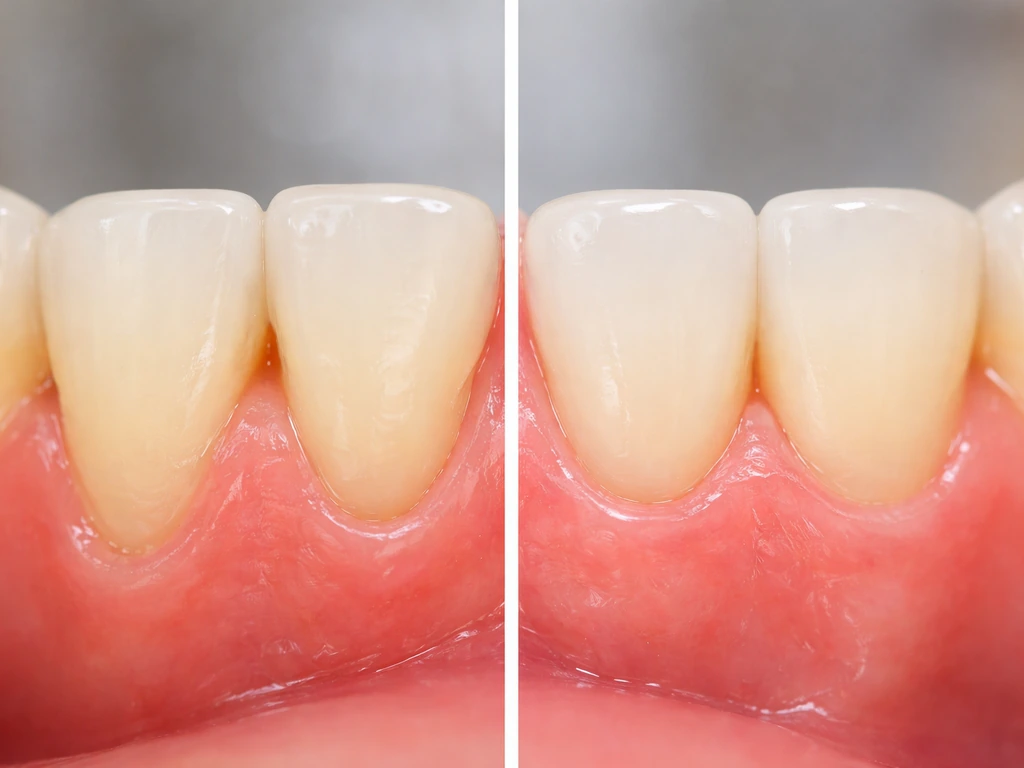
Gum recession is what makes teeth look longer when they've actually stayed the same size. When the gumline migrates downward (toward the root tip, which dentists call apical migration), more of the root becomes visible. Gingival recession is the apical migration of the gingival tissue margin, exposing root surfaces, including migration to apical to the cementoenamel junction (CEJ). Clinically, recession is measured as the distance between the cementoenamel junction (the natural boundary between crown and root) and where the gum margin actually sits. When that margin drops below the junction, you're looking at root surface, not enamel. The teeth haven't grown. The gums have shrunk.
Wear and tooth loss is the third cause of short-looking teeth. Grinding, acidic erosion, and physical abrasion can remove enamel from the biting edges and surfaces over time. Teeth that once had sharp edges or full crowns can look stubby or worn down. This is also irreversible without dental intervention because, again, enamel does not grow back.
The honest biology: what can and cannot regrow
Let's be direct because there's a lot of internet folklore around this topic. Enamel cannot regenerate in humans. The cells that build enamel, called ameloblasts, complete their job during tooth development and are no longer present after the tooth erupts. Once enamel is gone, whether from erosion, grinding, or decay, there is no natural process that replaces it. Current research into enamel regeneration is still entirely preclinical. There are no human trials showing that any supplement, oil, food, or home remedy regrows functional enamel. Anyone claiming otherwise is misleading you.
Dentin (the layer under enamel) can produce a small amount of secondary or reparative dentin in response to mild irritation, but this is a protective response from inside the tooth, not visible lengthening from the outside. Gum tissue and bone, on the other hand, are living tissues that do respond to treatment, which is why dentists can graft gum tissue to cover receded roots. But even that is a repair and restoration, not true natural regrowth triggered by lifestyle habits alone.
Eruption in children and teenagers is entirely natural and real. If a child's permanent tooth is coming in, supporting good oral health and nutrition helps the process go smoothly, but you are not speeding up eruption from the outside in any meaningful way. Related questions about how to make specific teeth erupt faster, including wisdom teeth and molars, come up a lot, and the honest answer is the same: eruption timing is mostly set by genetics and development, not by anything topical you apply. If your question is about how to make molars erupt faster, the key point is that eruption timing is mostly genetic and not something you can speed up from the outside how to make specific teeth erupt faster, including wisdom teeth and molars. If you are asking how to make your teeth grow in faster, the key point is that eruption timing is mostly set by genetics and development rather than what you apply at home.
Why your teeth look shorter: figuring out what's actually happening
Before you do anything, you need to figure out which problem you actually have. The cause determines everything about what you should do next.
| Cause | What you see | What it feels like | Reversible naturally? |
|---|---|---|---|
| Gum recession | More root visible, gumline has pulled back, triangular spaces between teeth | Sensitivity to cold/hot, sometimes none | No, but treatable by a dentist |
| Enamel wear (erosion/attrition) | Flattened or chipped biting edges, cupped or dished surfaces, teeth look shorter overall | Sensitivity, roughness, chips | No, enamel does not regrow |
| Tooth not fully erupted (kids/teens) | Tooth partially visible, gum tissue covering part of the crown | May feel tight or tender around gum | Yes, in active eruption phase |
| Crowding or alignment issue | Teeth tilted, rotated, or pushed out of line making them appear shorter | Often no pain but visible asymmetry | Requires orthodontic treatment |
| Abfraction/fracture | Notches at the gumline, cracked edges | Sharp sensitivity to pressure or temperature | No, needs restorative treatment |
If your teeth have gotten visibly longer over time, recession is the most likely explanation. If they've gotten shorter or flatter, wear is more likely. If you're a teenager and a tooth just seems slow to come in fully, you may genuinely be in the eruption phase. For canine teeth that look short, the same rule applies: first figure out whether it is true eruption, gum recession, wear, or delayed eruption before trying any “growth” claims. And if the issue seems to affect how your teeth line up, an orthodontic evaluation makes more sense than anything else.
Safe, practical steps to protect what you have
You can't grow new enamel or move your gums back into place through home care, but you absolutely can stop making things worse and create the best possible conditions for your dental tissues. These steps are backed by evidence and recommended by dental organizations.
Brush gently with fluoride toothpaste
Aggressive brushing is one of the leading causes of gum recession and enamel abrasion. Use a soft or extra-soft bristle toothbrush and brush for about two minutes twice a day. Apply light pressure, using circular or modified Bass technique strokes rather than scrubbing back and forth. For toothpaste, fluoride is your main tool for protecting remaining enamel from acid attacks. The CDC recommends fluoride toothpaste for everyone, with age-based guidelines on amount for young children (a rice-grain smear under age 3, a pea-sized amount from ages 3 to 6).
Reduce acid exposure

Dental erosion from acid is progressive and irreversible. Once that enamel is gone, it's gone. The ADA recommends drinking water alongside acidic foods and rinsing your mouth with water after acidic drinks, citrus, sodas, or vinegar-based foods. Don't brush immediately after eating acidic foods because softened enamel is more vulnerable to abrasion. Wait at least 30 minutes. Fluoride treatments from your dentist can help protect against further erosion, though they cannot rebuild what's already lost.
Address grinding and clenching
Bruxism (grinding and clenching, especially during sleep) is one of the most destructive forces your teeth face. Signs include flat or chipped biting edges, jaw soreness, headaches in the morning, and abnormal wear patterns that a dentist can identify. An occlusal splint (night guard) won't regenerate lost enamel, but it physically protects remaining tooth structure from further damage. The evidence on whether splints reduce the grinding behavior itself is mixed, but protection of the teeth is a clear practical benefit. If you clench during the day, stress management and awareness can help.
Take gum health seriously
Periodontal disease is a major driver of gum recession. It's a chronic infection that destroys the gum tissue, periodontal ligament, and alveolar bone that support your teeth. The basic non-surgical treatment is professional cleaning combined with consistent daily plaque removal at home. Floss or use interdental brushes daily, keep up with professional cleanings, and don't ignore bleeding, swollen, or tender gums. Catching gum disease early is the single best way to prevent recession from advancing.
Diet and nutrition

Calcium and phosphate-rich foods (dairy, leafy greens, nuts) support the mineral environment around your teeth and may help with remineralization of the very surface layer of enamel, which is different from regrowing bulk enamel. Staying hydrated supports saliva production, and saliva is your mouth's natural defense against acid and bacteria. Limiting sugar reduces the bacterial fuel that causes decay. None of this grows new tooth structure, but it protects what you have.
Age matters a lot here
The realistic options for teeth becoming 'longer' depend heavily on how old you are, because eruption is only biologically happening during specific developmental windows.
Children (roughly ages 6 to 12)
This is the primary eruption window for permanent teeth. Central incisors typically erupt around ages 6 to 8, with upper centrals coming in slightly later than lower ones. Canines and premolars follow through the late elementary years. During this phase, teeth are actively emerging and moving into position. Supporting this process with good nutrition and oral hygiene matters, but there is no safe way to speed eruption significantly. If a tooth seems delayed (typically defined as significantly behind the standard chart timing), that is a conversation for a dentist, not a home remedy situation.
Teenagers (roughly ages 12 to 21)
Most permanent teeth are in place by the early teens, but wisdom teeth (third molars) are the exception. They most commonly erupt between ages 17 and 21, though the range extends to around 25. Wisdom teeth are usually in the eruption window in the late teens or early twenties, but if they seem stuck or poorly aligned, a dentist can evaluate impaction and the available orthodontic or surgical options. Many people want to know how to make their wisdom teeth come in faster or grow straight, but the reality is that wisdom tooth eruption is largely genetically timed and positionally determined by the space available in the jaw. If you want your wisdom teeth to erupt faster, the most important factor is the jaw space they have, so talk with a dentist for individualized guidance how to make a tooth grow in faster. Impaction is common precisely because there often isn't enough room. If wisdom teeth are partially erupted or causing pain in your late teens or early twenties, that's a dentist evaluation, not a wait-and-see or home-treatment situation.
Adults and older adults
By adulthood, eruption is complete. The only biological change in tooth length you're likely to see as an adult is unwanted: gum recession making teeth look longer, or wear making them look shorter. The focus for adults is entirely on prevention, early identification of problems, and working with a dentist when intervention is needed. There is no natural process that makes adult teeth longer.
When to see a dentist and what to ask
Some signs are clear red flags that you should not try to manage at home or wait on.
- Teeth that have visibly gotten longer over months or years (likely recession, especially if accompanied by sensitivity)
- Gums that bleed regularly when brushing or flossing (a possible sign of active gum disease)
- Red, swollen, or tender gums that don't improve with better brushing and flossing within two weeks
- Teeth that look noticeably shorter, flatter, or more worn than they used to
- Notches or grooves at the gumline (abfraction)
- A permanent tooth in a child that is significantly delayed compared to eruption chart timelines
- Jaw soreness or headaches on waking (grinding sign)
- Sensitivity that is new, sharp, or getting worse
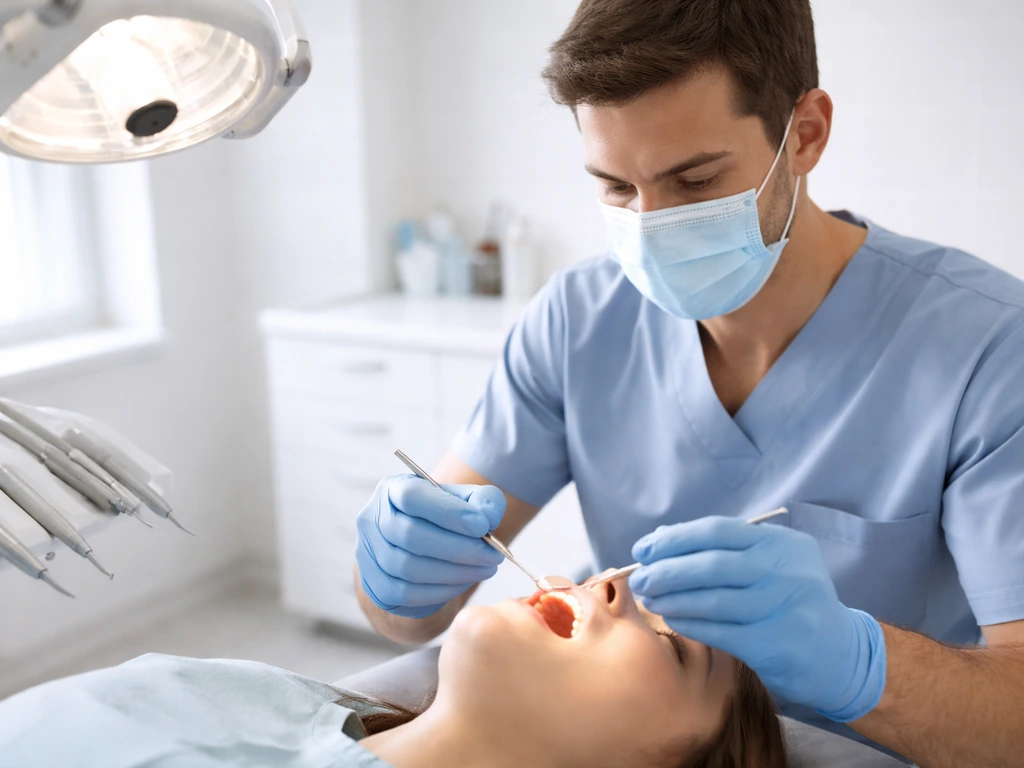
When you go, ask specifically for a periodontal assessment (probing to measure pocket depths and recession), a tooth wear evaluation that identifies whether your wear is from acid erosion, tooth-to-tooth grinding (attrition), or physical abrasion, and a bite/occlusion check if you suspect grinding. For kids with delayed eruption, ask whether an X-ray is appropriate to confirm the tooth is present and positioned normally. These specific diagnostic questions get you to the right treatment faster than a general 'my teeth look short' complaint.
When natural lengthening isn't possible: evidence-based options
If your self-assessment and dental exam confirm that natural lengthening isn't happening or isn't possible, there are several categories of professional treatment, each addressing a different root cause.
For gum recession
Gum graft surgery is the primary treatment for covering exposed root surfaces when recession is significant. The procedure repositions or adds gum tissue to cover the root, which reduces sensitivity, protects against decay at the root surface, and improves appearance. It does not make the tooth itself longer but restores the visible proportion of crown to gum. Non-surgical management focuses on stopping the cause (improving brushing technique, treating gum disease) to prevent further recession.
For tooth wear
Composite bonding can restore worn biting edges and surfaces, adding back tooth structure that was lost to erosion or grinding. It is the least invasive restorative option. Veneers and crowns are used for more extensive wear or when aesthetics are a larger part of the goal. These do not grow new tooth structure but rebuild the external shape and length of the tooth. A night guard is typically recommended alongside any restorative work to protect the investment.
For alignment and eruption issues
If crowding, rotation, or tipping is making teeth appear short or misaligned, orthodontic treatment (braces or aligners) can reposition teeth into correct alignment, which often improves both function and the visible length and proportion of teeth. In specific cases where a tooth needs to be brought further into the mouth for restorative purposes, orthodontic extrusion (forced eruption) can move the tooth coronally, which repositions the attachment and may allow the gum and bone to follow. This is a specialist procedure used in selected cases, not a general cosmetic option.
Crown lengthening surgery
If a tooth has a short clinical crown due to excessive gum coverage (sometimes called a gummy smile) or because a fracture or decay extends below the gumline, crown lengthening surgery can reposition the gum and sometimes the underlying bone to expose more of the natural tooth structure. This is a real way to make a tooth look and function as longer, though it's a surgical procedure with specific indications and is not appropriate for everyone.
The right path depends entirely on diagnosis. Gum recession, wear, eruption delay, and alignment issues each have different solutions, and mixing them up (treating recession with bonding, or treating wear with gum grafts) wastes time and money. The most useful thing you can do today is get a clear diagnosis so you know which category your situation falls into, and then choose from the options that actually match.
FAQ
If enamel cannot regrow, can I still “remineralize” it so my teeth look longer?
Remineralization can make early surface damage harden again, mainly helping with sensitivity and roughness. It does not rebuild lost enamel volume or length, so it will not truly lengthen teeth, but it can help prevent further shortening from erosion or abrasion.
How can I tell the difference between gum recession and tooth wear at home?
A practical clue is where the change started. Recession usually involves a visible lowering of the gumline with more tooth root showing, often with exposed root sensitivity. Wear usually looks like flattened or shortened biting edges or grooves, with the gumline appearing relatively stable. If you are unsure, a periodontal probe and wear assessment give a clear answer.
Is it safe to brush harder or use an electric brush more aggressively to “make teeth longer”?
No. Forceful brushing is a common driver of recession and abrasion. You want soft bristles, light pressure, and technique that avoids scrubbing, because the goal is stopping further enamel and gum loss, not reversing it.
What should I do if my teeth look longer after I started a new whitening toothpaste or mouthwash?
Some products can increase irritation or dryness, and aggressive cleaning routines can contribute to abrasion. Stop any product that makes gums feel tender, and consider a fluoride toothpaste with gentle technique. Also check whether the change is actually recession, since whitening does not make teeth grow.
Can mouth breathing or posture changes make gums recede and make teeth look longer?
Mouth breathing can worsen dry mouth and saliva protection, which can increase risk for gum inflammation and decay. While posture alone does not “pull gums down,” habits that worsen gum health can contribute indirectly. If you notice persistent dryness, discuss it with your dentist and consider evaluating sleep or nasal obstruction.
Does flossing cause gum recession if I am not doing it perfectly?
Flossing itself, when done gently at the gumline, is protective because it helps remove plaque that drives periodontal disease. Recession risk usually comes from aggressive technique, skipping floss, or ongoing gum infection. Use a gentle C-shape motion and avoid snapping into the tissue.
If I get a gum graft, will my teeth become permanently “longer” and never change again?
A gum graft can increase the visible gum coverage over time and can improve appearance and root protection. However, it does not stop future recession if the underlying cause persists, such as active gum disease, trauma from brushing, or untreated bite-related wear. Ongoing prevention matters after surgery.
Will a night guard make my teeth longer over time?
A night guard will not regenerate enamel or regrow gum tissue, so it will not make teeth longer. Its benefit is protecting remaining tooth structure from further grinding and helping prevent additional shortening or chipping.
At what point should I stop trying home methods and ask for specific evaluations?
If you have visible gumline changes, exposed root, recurring bleeding, or significant wear with chips or flattening, schedule a dental visit promptly. Ask for a periodontal assessment, a structured wear evaluation, and an occlusion or bruxism check if grinding is suspected, rather than relying on generic “cosmetic” advice.
Can adult orthodontics make teeth look longer even if they are not truly growing?
Yes, orthodontics can change visible length through repositioning. Aligning teeth and correcting tipping can improve proportion and exposure. In selected cases, orthodontic extrusion can bring a tooth coronally, which changes what portion of the crown is visible, but it is highly dependent on diagnosis and periodontal support.
Are supplements or oils marketed for “longer teeth” likely to help?
Most do not have evidence for regrowing enamel or reversing recession in humans. The highest-value approach is addressing the actual cause, such as gum disease treatment, reducing acid erosion, protecting against grinding, and using fluoride with gentle technique.
If a wisdom tooth is “late,” what symptoms mean it should not wait?
If you are in the late teens or early twenties and you have pain, recurring swelling, difficulty chewing, bad taste or drainage, or a tooth that is partially erupted and keeps irritating tissue, seek evaluation. Those patterns can indicate impaction or gum inflammation, where imaging and individualized options are important.
Next Articles
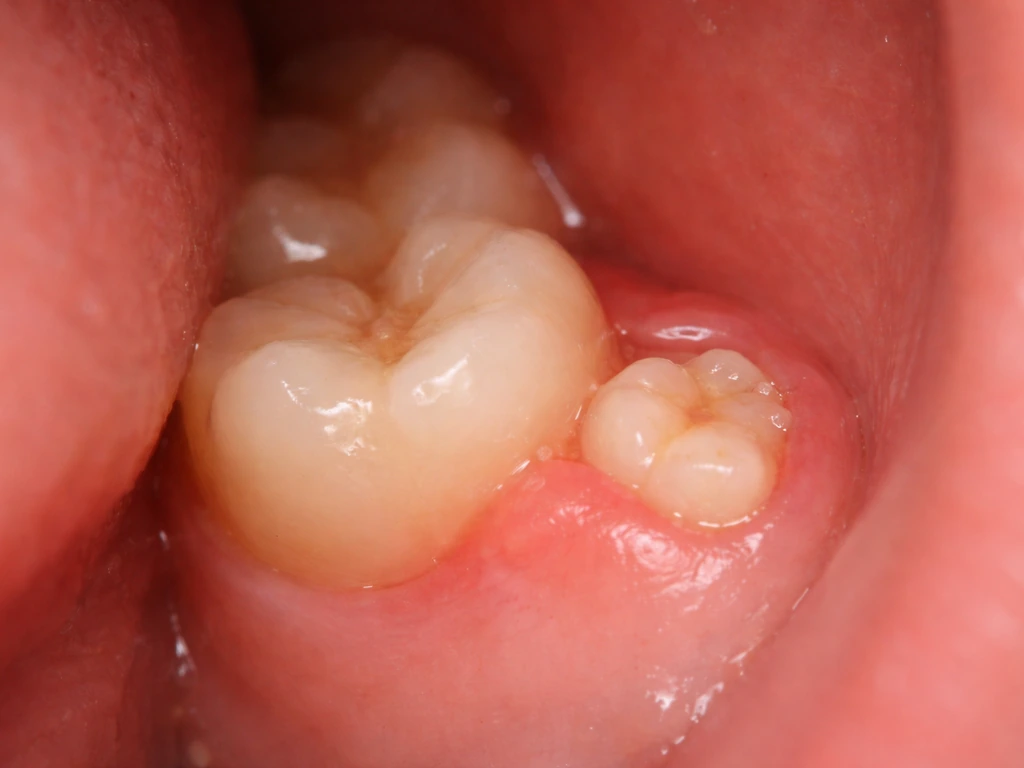
How to Make Wisdom Teeth Erupt Faster: Reality and Next Steps
Learn why wisdom teeth eruption timing varies, what affects it, and safe next steps for pain relief and dental care.
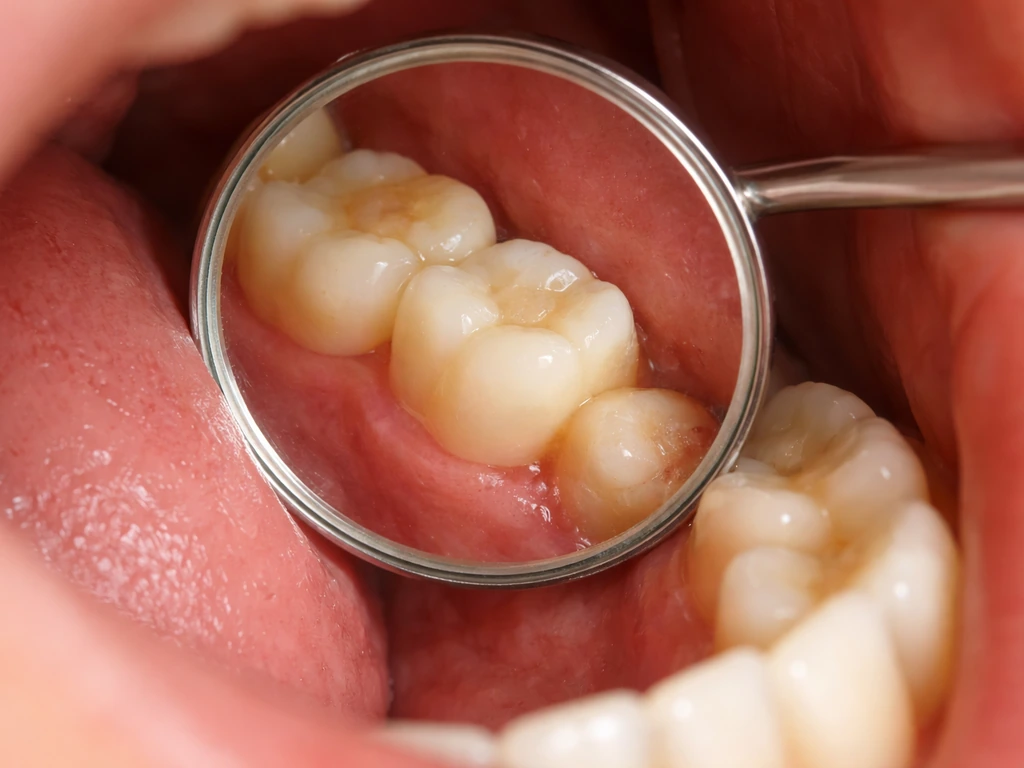
How to Make Wisdom Teeth Grow Straight: What Actually Works
Evidence based ways to manage wisdom teeth eruption, avoid complications, and what cannot truly “grow” straight
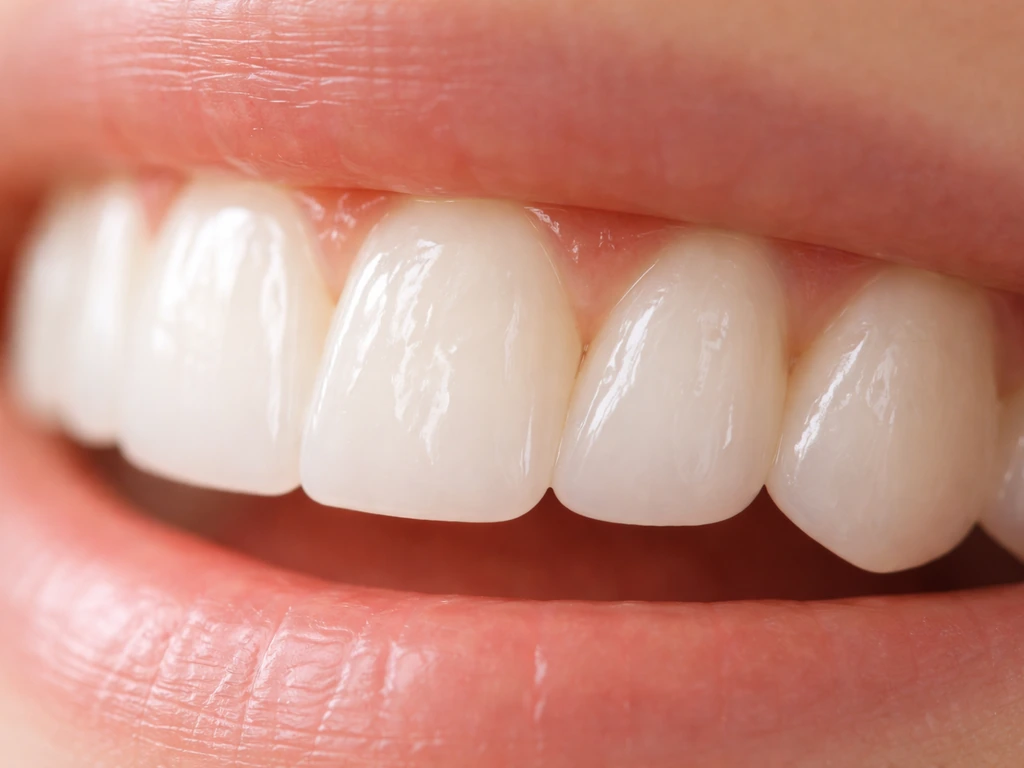
How to Make Your Teeth Grow: What’s Possible and What Isn’t
Learn what can regrow in teeth, why enamel won’t, and safe options for missing, broken, or delayed eruption.