You cannot make wisdom teeth grow in faster. If you are wondering how to make your molars grow in faster, the key point is that eruption speed is largely determined by genetics, jaw anatomy, and the available space. There is no supplement, cream, exercise, or home remedy that speeds up eruption. Wisdom tooth timing is set by your genetics, jaw anatomy, and tooth position, and none of those respond to anything you can do at home. What you can do is understand whether your delay is normal, recognize the warning signs that need a dentist's attention right now, and know exactly what to ask at your appointment so you leave with a real plan.
How to Make Wisdom Teeth Erupt Faster: Reality and Next Steps

Marcus Holloway
6 May 2026
Reality check: can wisdom teeth actually be 'made' to grow faster?
When people search for ways to speed up wisdom tooth eruption, they are usually hoping a vitamin, a massage technique, or some herbal remedy will do the trick. It will not. Tooth eruption is a biological process driven by the development of the tooth root, the resorption of overlying bone, and the available space in your jaw. None of those mechanisms are triggered or accelerated by anything topical or dietary. This site covers a lot of ground on what teeth can and cannot regenerate or regrow, and this falls firmly in the 'cannot be externally controlled' category, just like you cannot force any other tooth to grow in faster than its timeline allows.
The reason this matters: if you spend weeks trying supplements or gum massages while an impacted wisdom tooth is quietly causing bone damage, infection, or pressure on the neighboring molar, you are losing time that actually counts. The productive path is understanding the timeline, watching for red flags, and getting the right imaging done.
Normal wisdom tooth eruption timeline and what affects timing
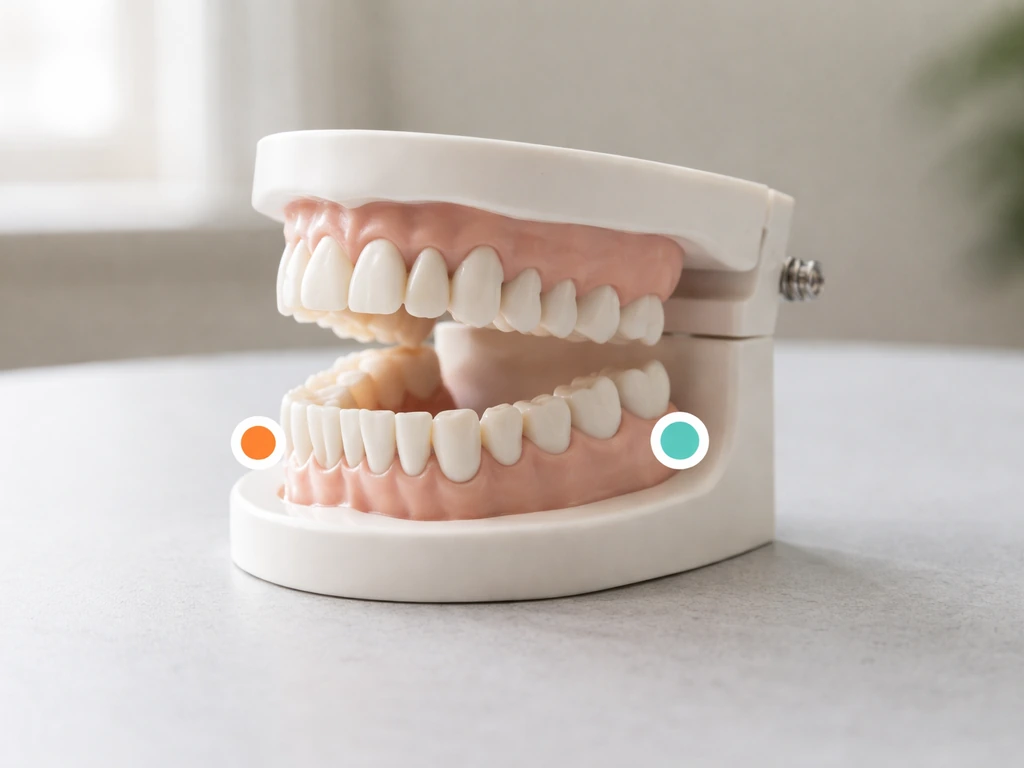
The American Dental Association notes that the major milestone for third molars typically happens between ages 17 and 21. The American Association of Oral and Maxillofacial Surgeons extends that window to roughly 17 to 25. So if you are 19 and your wisdom teeth have not broken through yet, you are not behind. If you are 24 and they are still partially buried, that is also within a plausible normal range, especially if your dentist has seen them on x-ray and they appear to be moving.
Several real biological factors influence where your timing falls within that window. Genetics is the biggest one. Jaw size is the second. If your jaw is smaller, there may not be enough space for the teeth to fully erupt, which can slow or halt the process entirely. Tooth angulation also matters hugely: a tooth angled toward the second molar, growing sideways, or pointing straight back is not going to erupt on a clean timeline the way an upright tooth might. The thickness and density of overlying gum tissue can slow breakthrough as well. None of these factors are influenced by what you eat or take as a supplement. Because these factors are structural, there is no reliable home method to make your wisdom teeth grow straight. If your goal is to make a tooth erupt faster, the key is recognizing that eruption timing is largely structural and can only be supported, not accelerated, by home care wisdom tooth eruption.
Normal delay vs. red flags that need urgent dental care
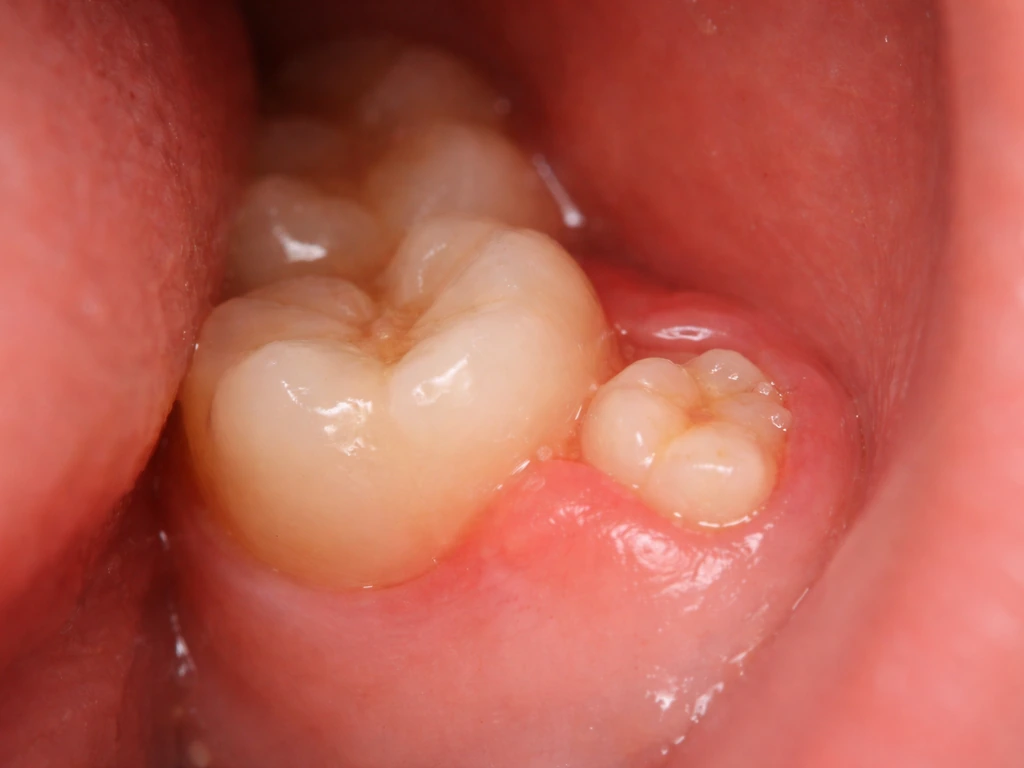
Slow or gradual eruption with mild, occasional aching is generally normal. Partial eruption, where just a flap of gum covers part of the tooth, is also common and can persist for months. The tissue flap (called the operculum) can get irritated when you bite down on it, which causes tenderness, but that alone is not an emergency.
What is not normal and needs prompt dental evaluation: These are signs of pericoronitis (infection under the gum flap) or a more serious developing problem, and they should not be managed with home remedies while you wait.
- Severe or throbbing pain that does not ease within a day or two
- Swelling of the gum, jaw, or cheek around the tooth
- Difficulty opening your mouth (trismus)
- Fever or feeling generally unwell alongside jaw pain
- Pus or a bad taste coming from around the tooth
- Pain radiating to the ear, throat, or neck
- Swollen lymph nodes under the jaw
If you have any combination of the above, call a dentist the same day. Pericoronitis can escalate into a spreading infection, and infections in the jaw can become serious quickly. This is not a 'wait and see if it calms down' situation.
What actually supports healthy eruption (and what definitely does not)
What has real support
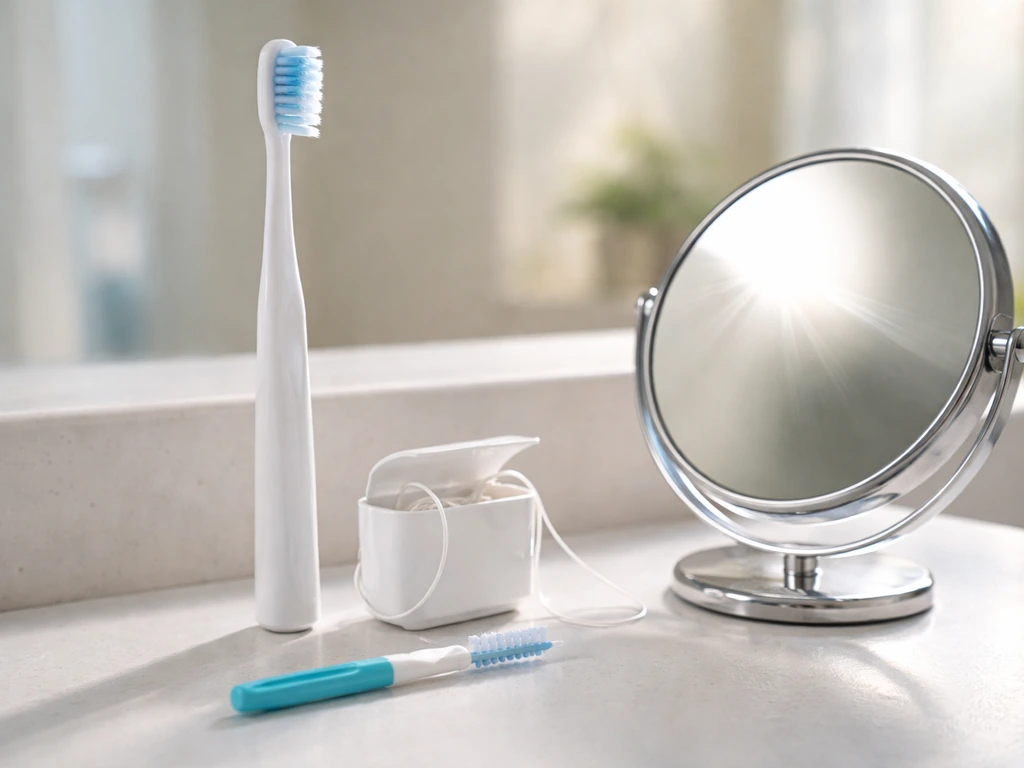
Good overall oral health gives an erupting tooth the best environment. Keeping the area clean reduces the risk of infection stalling the process or forcing early extraction. Staying hydrated and eating a balanced diet supports your body generally, including bone and tissue health, but this is maintenance, not acceleration. If you are wondering how to make your teeth grow faster, the key takeaway is that eruption is largely set by biology, so focus on safe support and timely dental evaluation instead. If you are nutritionally deficient in vitamin D or calcium, correcting that deficiency supports normal tooth development, but this only applies if you have an actual deficiency. Correcting a deficiency, such as vitamin D or calcium, supports normal tooth development but does not make teeth grow longer on demand. Taking extra vitamins beyond your normal needs does nothing to speed up an already-developing tooth.
What does not work
- Gum massage or jaw exercises (no evidence of any effect on eruption timing)
- Topical clove oil, turmeric, or other herbal applications (may ease pain briefly but do not affect development)
- Calcium or vitamin supplements beyond addressing a known deficiency
- Oil pulling or any 'detox' rinse
- Chewing hard foods to 'push the tooth through' (this can cause injury or inflammation)
The internet has a lot of folklore on this topic. If someone is claiming a specific food, oil, or supplement 'activates' wisdom tooth growth, that claim has no basis in dental biology. Wisdom tooth eruption is not like a plant that grows faster with more water. If you are looking for how to make your canine teeth grow longer, it is best to discuss your goals with a dentist, because tooth length changes depend on development and health, not at-home tricks wisdom tooth eruption. The developmental clock is set and the limiting factors are structural.
How dentists actually evaluate what's going on
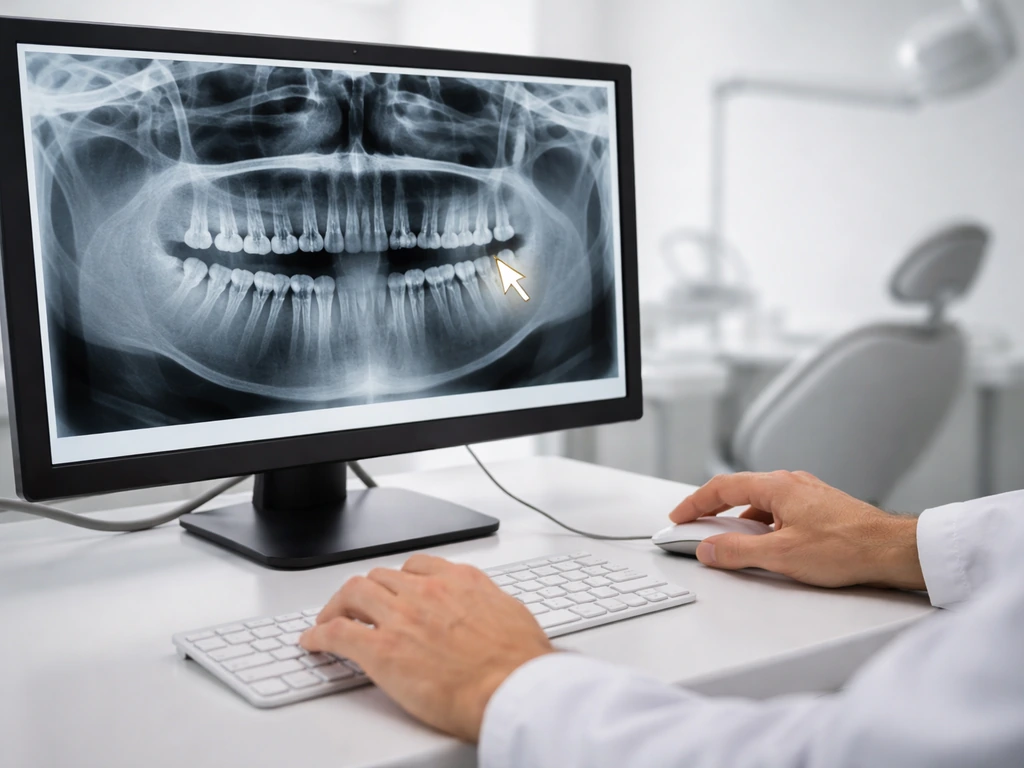
The single most important step if your wisdom teeth are delayed or partially erupted is getting a proper dental exam with imaging. A panoramic x-ray (called an OPG) shows all four wisdom teeth, their angulation, root development, proximity to the inferior alveolar nerve, and how much space exists. This is how a dentist or oral surgeon determines whether a tooth is impacted, whether it has a realistic path to full eruption, or whether it is heading toward problems.
At your appointment, ask specifically: Is the tooth impacted? What type of impaction is it? Is there enough space for full eruption? Are there signs of damage to the adjacent tooth? Is watchful waiting appropriate or is intervention indicated now? These are the questions that matter, not whether a supplement can help. The AAOMS emphasizes that radiographic evaluation and clinical monitoring are the foundation of third molar management, not home interventions.
Dentists classify impactions by position. A tooth can be mesially angulated (tilted toward the front), distally angulated (tilted toward the back), horizontal (lying on its side), or vertical but still under bone. Each type has a different prognosis for natural eruption, and the classification directly influences what treatment is recommended. A vertical tooth with some space may continue erupting. A horizontal tooth almost certainly will not.
Treatment options when wisdom teeth will not come in on their own
If imaging shows that natural eruption is unlikely or that the tooth is already causing damage, there are a few directions the conversation can go. The right choice depends on the specific situation.
| Option | When it applies | What it involves |
|---|---|---|
| Watchful waiting (monitoring) | Tooth is moving slowly, upright, no damage to neighbors, no infection | Periodic x-rays (every 6-12 months) to track progress and watch for complications |
| Surgical exposure | Tooth is close to erupting but blocked by gum tissue only, and there is adequate space | Oral surgeon removes overlying gum tissue; sometimes a bracket and chain are attached for orthodontic guidance |
| Orthodontic space management | Crowding is a factor in limited eruption space | Creating space via braces or extractions elsewhere may occasionally be a factor, but this is rarely the main solution for wisdom teeth specifically |
| Extraction | Tooth is impacted with no eruption path, causing root damage to adjacent teeth, recurrent infection, cyst formation, or other complications | Surgical removal by an oral surgeon; complexity varies by depth and angulation |
Extraction is the most common outcome for problematic wisdom teeth, and that is not a failure. If a tooth has no realistic eruption path, removing it protects the second molar next to it, eliminates the infection risk from the gum flap, and resolves the problem cleanly. Many people feel the urge to preserve wisdom teeth at all costs, but a tooth that cannot erupt properly is not functioning and carries ongoing risks. Your oral surgeon or dentist can walk you through the risk-benefit picture for your specific anatomy.
What you can safely do at home while you wait

Pain relief
Over-the-counter ibuprofen (400 to 600 mg with food, following package directions) is the most effective option for wisdom tooth discomfort because it addresses both pain and inflammation. Acetaminophen is a reasonable alternative if you cannot take ibuprofen. Topical benzocaine gels (like Orajel) can numb the area temporarily and are fine for short-term use. A warm salt water rinse, about half a teaspoon of salt in a cup of warm water, helps reduce gum inflammation and keeps the area clean.
Keeping the area clean
A partially erupted wisdom tooth is one of the hardest areas in the mouth to keep clean. The gum flap traps food and bacteria, which is exactly how pericoronitis develops. Use a soft-bristled toothbrush and angle it carefully into the back of the mouth. A water flosser on a low setting is genuinely useful here because it can flush debris from under the operculum without irritating the tissue the way traditional floss can. Chlorhexidine mouthwash (0.12%) is sometimes recommended by dentists for high-risk areas, but use it only short-term as it can stain teeth with prolonged use.
Diet and irritant avoidance
While the area is tender or actively erupting, stick to softer foods. Avoid hard, crunchy foods (chips, crusty bread, raw vegetables) that can lodge under the gum flap or traumatize the tissue. Avoid very hot foods and beverages that increase inflammation. Tobacco use significantly increases the risk of pericoronitis and post-extraction complications, so if you smoke, this is a good window to try reducing or stopping. Alcohol-based mouthwashes can irritate sensitive gum tissue, so choose an alcohol-free rinse during this period.
The sibling question of how to make your wisdom teeth grow straight is worth reading alongside this one, because angulation is often the core issue when teeth are delayed and understanding what 'straight' even means for a third molar in your specific jaw helps you have a much better conversation with your dentist.
FAQ
If I’m 19 to 21 and my wisdom teeth haven’t broken through yet, should I worry or just wait?
Most people are still within a typical eruption range at 17 to 21, and even into the mid-20s. The practical next step is to get an exam with a panoramic x-ray, since “no break-through” can still be normal or it can reflect limited space, an angled tooth, or a developing impaction. Waiting without imaging is riskier than confirming it’s truly progressing normally.
What does “impacted” mean in real life, and how is it different from “partially erupted”?
Partially erupted means some of the tooth has emerged and a gum flap (operculum) may cover the rest, which can become irritated. Impacted means the tooth is blocked by bone, other teeth, or lack of space, so it may not reach the chewing surface and can be more likely to cause issues like infection or pressure on the second molar.
Can gum massages, face exercises, or specific chewing patterns help wisdom teeth erupt faster?
No. These actions cannot change the structural drivers of eruption like root development, bone resorption, and available jaw space. They can sometimes irritate the operculum or inflame the area, which may make symptoms worse even if the tooth is not moving any faster.
Are there signs that my wisdom tooth is getting worse even if pain comes and goes?
Yes. Recurrent pain localized to the back molar area, foul taste or odor, swelling around the gum flap, pus, bad breath that returns repeatedly, and difficulty opening your mouth are concerning. Mild, occasional aching can be normal, but infection-type symptoms should be evaluated promptly even if the pain temporarily improves.
If my wisdom tooth flap is sore, when should I call the dentist the same day?
Call the same day if you suspect infection, such as increasing swelling, fever, pus, rapidly worsening pain, trouble swallowing, or spreading redness. Waiting a few days is not appropriate if you have red-flag symptoms, because pericoronitis can escalate quickly.
Will taking extra vitamin D or calcium speed up eruption if I’m not deficient?
Usually not. Vitamins support normal tooth development only when a deficiency exists. If your blood levels are normal, extra supplements generally do not “accelerate” an already scheduled eruption, and taking high doses unnecessarily can cause other health problems.
Does chlorhexidine mouthwash actually help, and can I use it long-term?
It can help in high-risk situations by reducing bacterial load around the gum flap, but it is intended for short-term use because prolonged use can stain teeth. Your dentist should tell you the duration and frequency based on your risk level.
What’s the safest pain control approach if I have stomach issues or can’t take ibuprofen?
If you cannot take ibuprofen, acetaminophen is a common alternative when used as directed. Also take any anti-inflammatory medication with food if your dentist or pharmacist recommends it. If you have kidney disease, ulcers, blood-thinner use, or chronic liver disease, ask a clinician before choosing medication.
Can a dentist tell from symptoms alone whether I’ll need extraction?
Symptoms help, but imaging and clinical evaluation decide the likely path. A panoramic x-ray shows angulation, root development, space, and proximity to important structures. Two people can have similar pain patterns but very different eruption prognosis based on tooth position and available space.
If imaging shows a horizontal or sideways wisdom tooth, is extraction always the outcome?
Not always, but the prognosis for natural eruption is typically poor for horizontal impactions. The decision depends on factors like symptoms, damage to the adjacent molar, risk to nearby nerves, your oral health, and whether there is any realistic path for eruption. Your dentist or oral surgeon can map the risk-benefit for your specific anatomy.
What can I do to prevent the gum flap from getting irritated while waiting?
Keep the area clean, use a soft-bristled toothbrush angled carefully at the back of the mouth, and consider a low-setting water flosser to flush debris under the operculum. Avoid hard or crunchy foods that can lodge under the flap, and choose an alcohol-free rinse if your gums are sensitive.
Is it possible for a wisdom tooth to eventually erupt on its own even after months of partial eruption?
Yes. Partial eruption can persist for months, and some teeth do continue emerging if the tooth position is favorable and there is adequate space. However, persistent symptoms or signs of recurrent pericoronitis should trigger re-evaluation, because ongoing irritation can lead to infection or damage to the adjacent tooth.
Next Articles
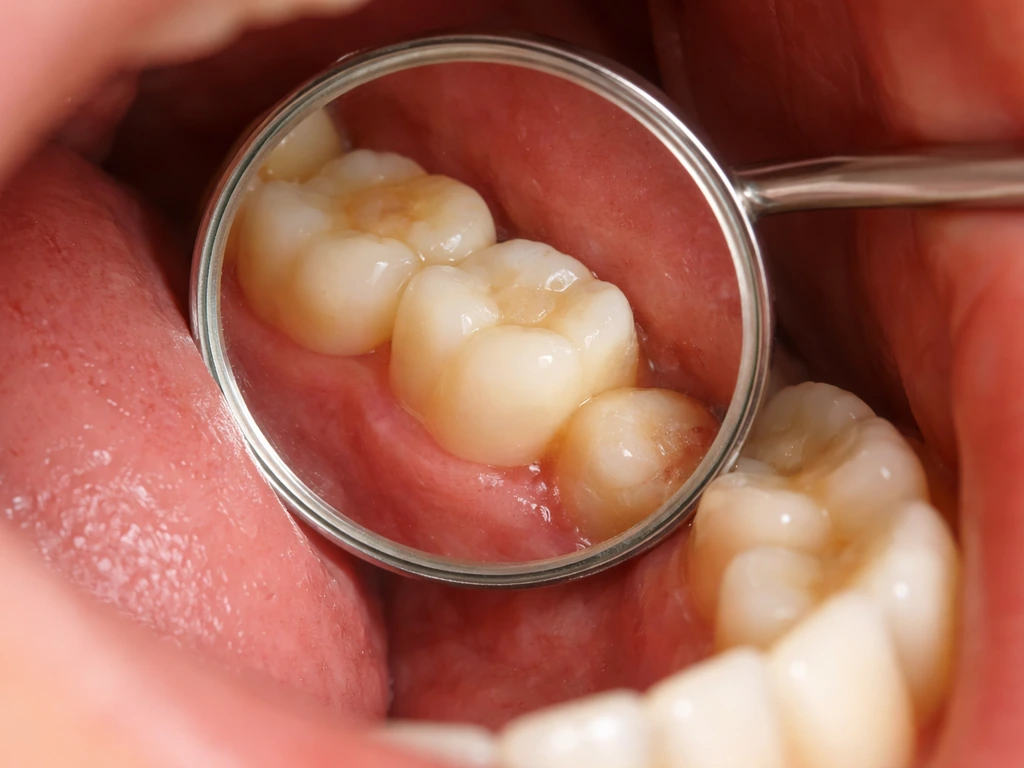
How to Make Wisdom Teeth Grow Straight: What Actually Works
Evidence based ways to manage wisdom teeth eruption, avoid complications, and what cannot truly “grow” straight
How to Make Your Teeth Grow: What’s Possible and What Isn’t
Learn what can regrow in teeth, why enamel won’t, and safe options for missing, broken, or delayed eruption.
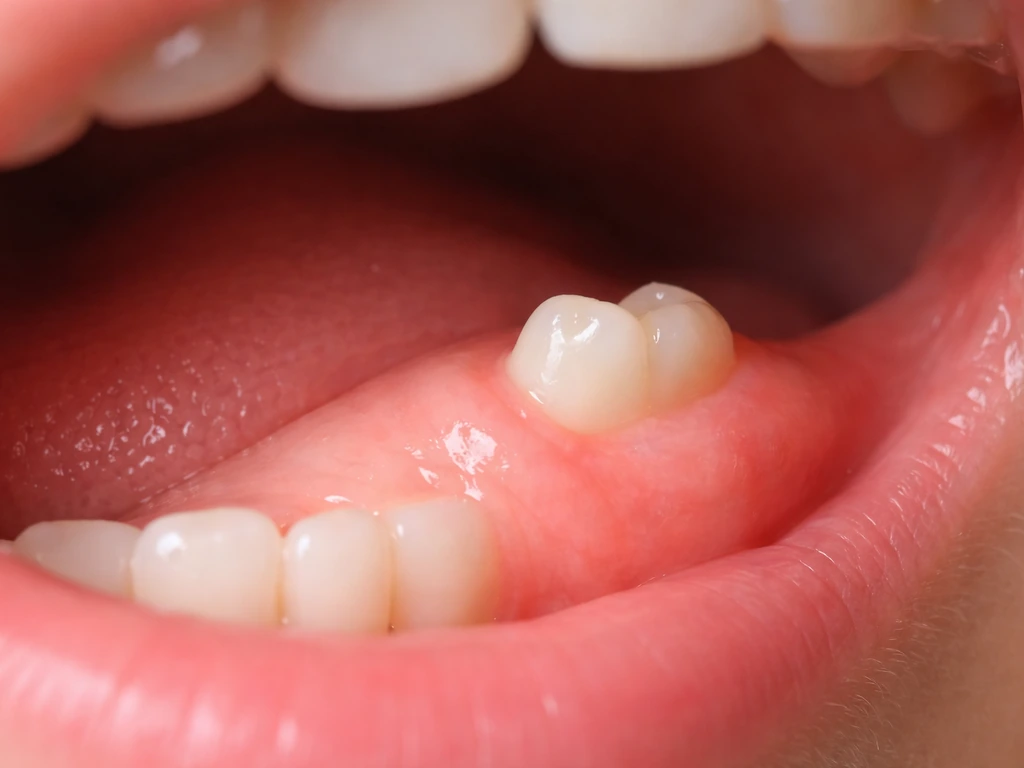
How to Make a Tooth Grow Faster: What’s Possible
Myths vs reality on making a tooth grow faster, eruption timelines, safe habits, and dentist options for teens and adult