
Gums do not reliably grow back on their own to fill gaps once tissue is lost. In some limited situations, like when early inflammation is controlled and the cause is removed, gum tissue can partially recover and look fuller. But true regrowth to original height after recession or bone loss? That almost never happens without professional treatment. The honest answer most people need to hear is: gums can stabilize, improve modestly, and be restored with procedures, but they are not going to regenerate themselves back to where they were.
Do Gums Grow to Fill Gaps? What to Expect and Next Steps

Marcus Holloway
15 Jun 2026
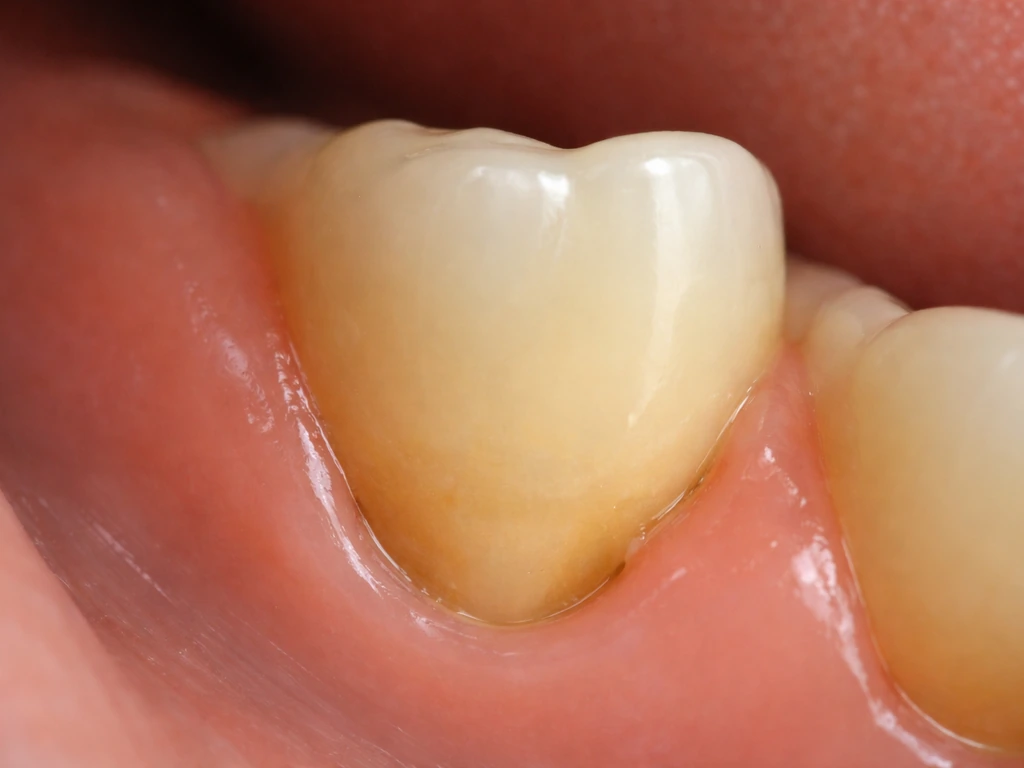
What "gaps" in gums actually look like
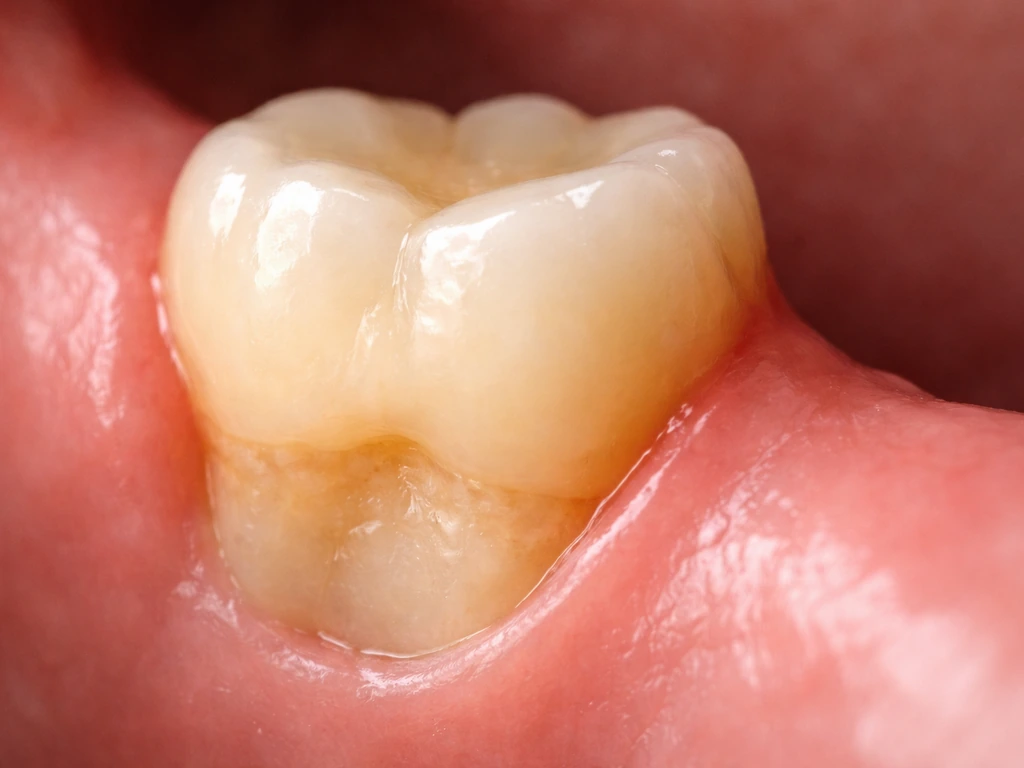
The word "gap" means different things depending on where you're looking. There are two main scenarios people usually mean, and they behave very differently.
Gum recession along the tooth
This is when the gumline pulls away from the tooth and exposes the root surface. You'll notice the tooth looks longer than it used to, or you may feel sensitivity near the base of the tooth. The Merck Manual defines this precisely as loss of tissue at the gumline that exposes the root. Merck also notes that when gum recession becomes more severe, treatment may require soft-tissue grafting to cover the exposed root surface blank" rel="noopener noreferrer">The Merck Manual defines this precisely as loss of tissue at the gumline that exposes the root.. It's common, it's progressive if untreated, and it does not fix itself. blank" rel="noopener noreferrer">Causes range from aggressive tooth brushing and thin gum tissue to full-blown periodontal disease with bone loss underneath.
Spaces between teeth (the "black triangle" problem)
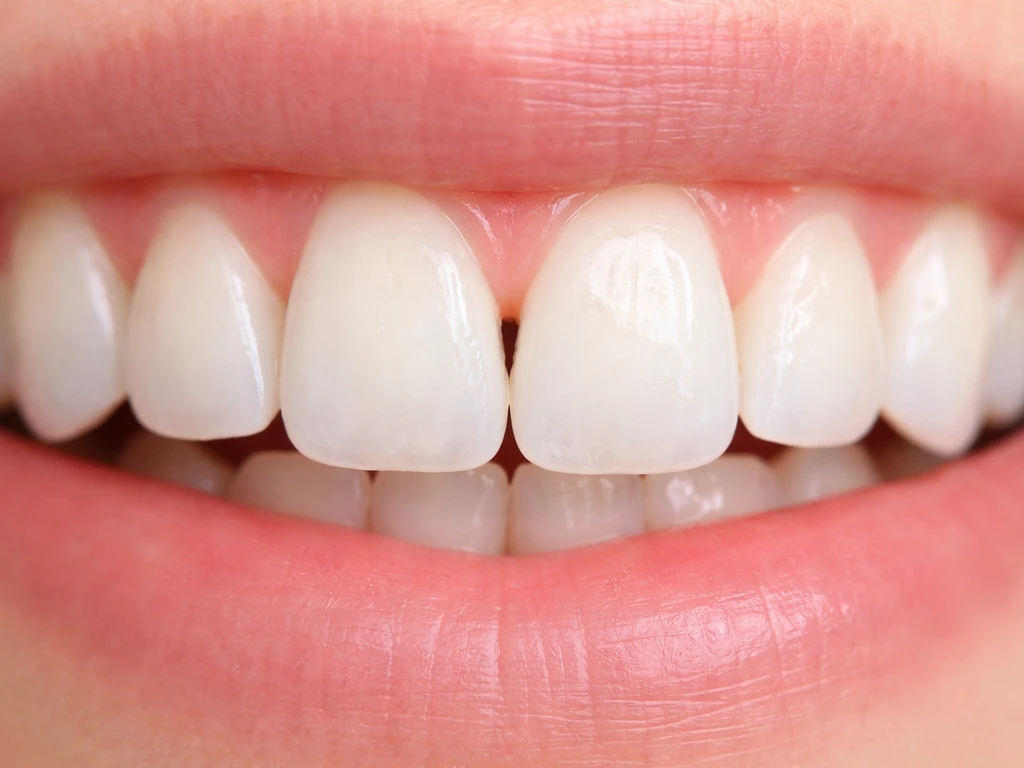
The second type is the dark triangular space visible between two teeth near the gumline, especially in the front. This happens when the interdental papilla, the small triangle of gum tissue that normally fills the space between teeth, shrinks or disappears. Research consistently links these black triangles to interproximal bone loss from periodontal disease. When the bone that supports that papilla is gone, the papilla has nothing to rest on, and it collapses. This type of gap is notoriously difficult to restore because it depends on underlying bone, not just soft tissue.
Can gums actually regrow on their own?
Let's be direct about the biology here. Gum tissue, called gingiva, does have some capacity to remodel and tighten after inflammation is controlled. If your gums are puffy and swollen from gingivitis, consistent brushing, flossing, and a professional cleaning can reduce that swelling, which sometimes makes the gumline look slightly better. But that's inflammation resolving, not new tissue growing. The gum wasn't actually gone, it was just unhealthy.
True recession, where the tissue has actually moved away and the root is exposed, does not reverse on its own. The connective tissue attachment to the tooth and the bone beneath it do not regenerate spontaneously in adults. Once that attachment is lost, you need intervention to get it back. Research published in peer-reviewed literature confirms that the prognosis for recession defects depends heavily on how much attachment and bone remains, and that surgical options like soft-tissue grafting are required when the goal is actual root coverage.
Timeline-wise: if you control the cause of early, mild gum inflammation within a few weeks, you may see the gums look healthier and slightly fuller within four to eight weeks. Beyond that, waiting longer without treatment does not produce further improvement. It usually produces the opposite.
What decides whether your gums can fill in
Several factors determine how much natural improvement is realistic and whether you're a candidate for restorative treatment.
| Factor | Why It Matters | Better Outlook | Worse Outlook |
|---|---|---|---|
| Cause of recession | Determines whether the trigger can be removed | Brushing trauma, orthodontic movement | Untreated periodontitis, smoking |
| Severity and depth | Deeper recession leaves less tissue to work with | Shallow, localized recession | Advanced recession exposing significant root surface |
| Bone level underneath | Papilla and tissue depend on underlying bone support | Bone intact or minimally affected | Significant interproximal or alveolar bone loss |
| Current oral hygiene | Ongoing inflammation blocks any recovery | Good home care already established | Persistent plaque, bleeding gums |
| Smoking status | Smoking impairs healing and worsens periodontal disease | Non-smoker | Active smoker |
| Age | Younger tissue heals faster; kids/teens have more rebound potential | Children and younger adults | Older adults with chronic periodontitis |
Kids and teenagers do have a modest advantage here. Their gum tissue tends to be thicker, more vascular, and more responsive. Recession caused by orthodontic forces in a teenager may partially recover after treatment if oral hygiene is good and the bone wasn't damaged. In adults, especially those over 40 with a history of gum disease, that rebound potential is significantly reduced.
What you can do right now to improve your odds
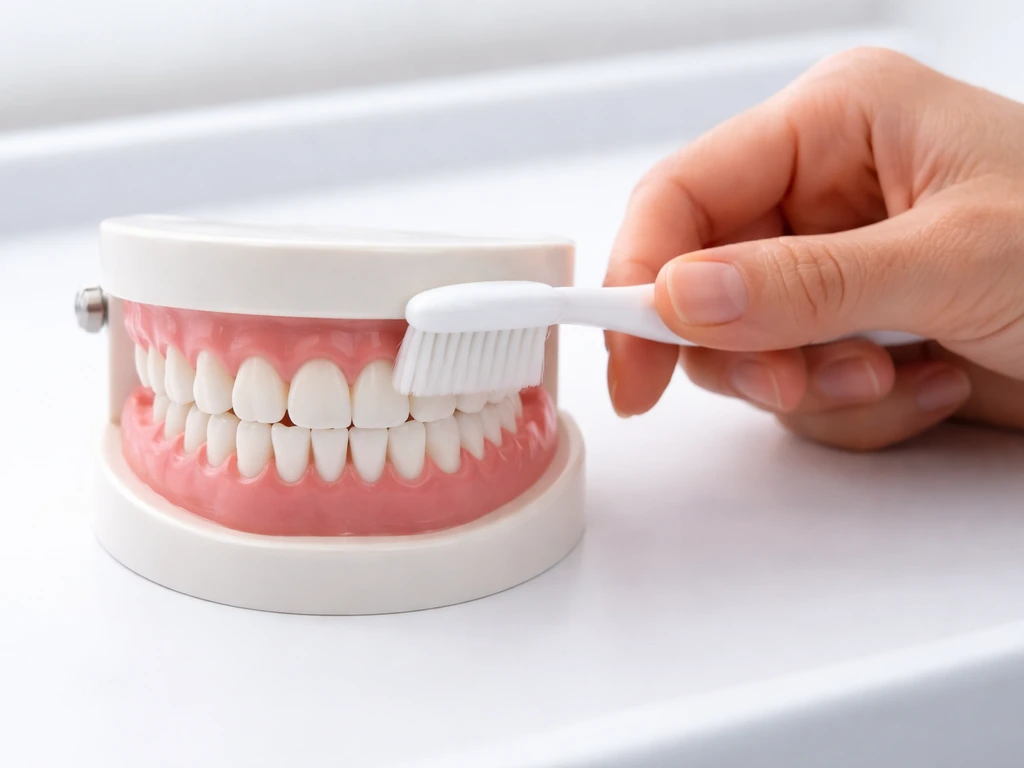
Even if your gums cannot fully regrow, what you do today determines whether things stay stable or keep getting worse. Stopping ongoing damage is the most important first move.
Fix your brushing technique first
Aggressive scrubbing with a hard-bristled toothbrush is one of the most common causes of recession, and it's entirely reversible as a habit. Switch to a soft-bristled brush immediately. Use a gentle, circular or modified Bass technique rather than a side-to-side scrub. If you use an electric toothbrush, let it do the work without pressing hard. You should feel like you're guiding it along the gumline, not grinding it in.
Get your home care consistent
- Floss or use an interdental brush once daily, especially near any gaps or spaces between teeth
- Use a fluoride toothpaste to protect exposed root surfaces from sensitivity and decay
- Avoid alcohol-based mouthwashes that can irritate already-sensitive gum tissue
- Stay hydrated and manage dry mouth if it's a factor, since saliva protects gum tissue
- If you grind or clench at night, talk to your dentist about a nightguard, since clenching stresses the periodontal ligament and can worsen recession
Stop the habits that accelerate damage
Smoking is a major one. It directly impairs gum healing, masks bleeding (so disease progresses silently), and dramatically reduces the success rate of any restorative treatment you might pursue later. If you smoke, stopping is the single highest-impact change you can make for your gum health. Similarly, if you use any tobacco products or regularly clench your jaw, address those now before pursuing any professional treatment.
Professional treatments that can actually close or fill gum gaps
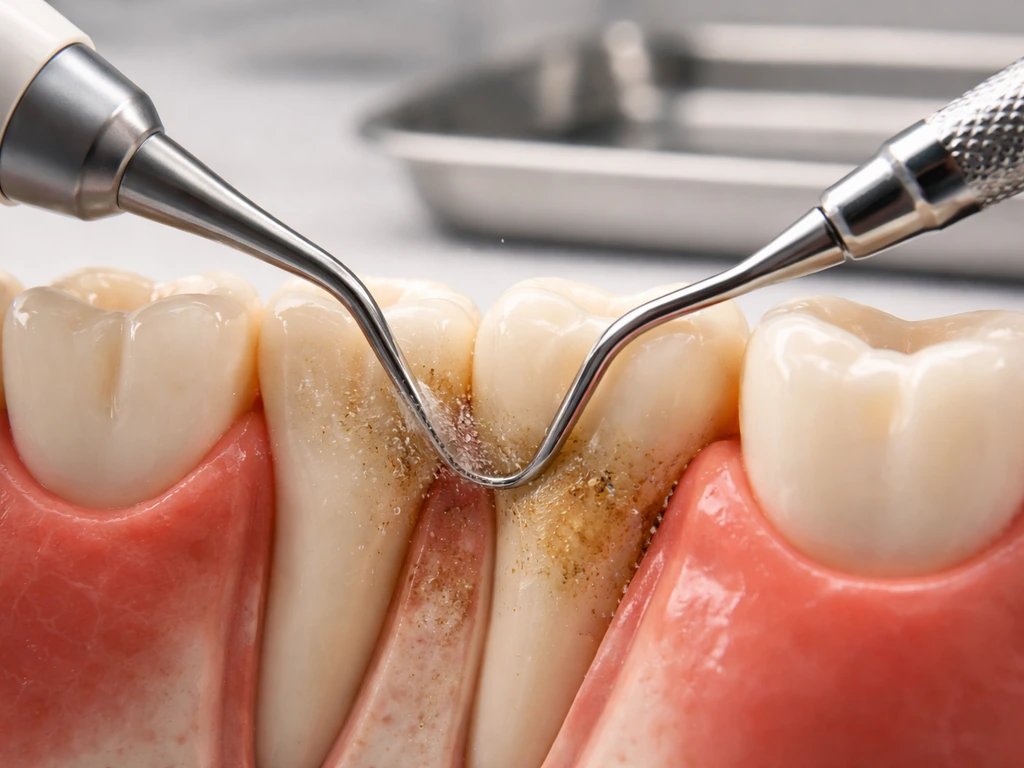
When home care alone isn't enough, and it often isn't once recession is established, there's a clear ladder of professional options.
Scaling and root planing
This is a deep cleaning procedure that removes tartar and bacterial deposits from beneath the gumline and along the root surface. It's the foundational treatment for gum disease and a required first step before any surgical option. For early to moderate periodontal disease, scaling and root planing can reduce pocket depth and allow gum tissue to reattach more tightly to the tooth. It won't regrow lost tissue, but it can stop the downward progression and allow the tissue that remains to firm up and look better.
Connective tissue grafts and soft-tissue grafting
For recession that exposes root surfaces, soft-tissue grafting is the gold standard. If you are wondering does gum grow around implant, the answer depends on your implant-supporting bone, healing period, and whether a periodontist uses grafting or other methods to help the gum contour settle properly soft-tissue grafting. A connective tissue graft (CTG) involves taking a small amount of tissue, usually from the roof of your mouth, and placing it over the exposed root. Cochrane reviews confirm that root coverage procedures are the accepted surgical approach for recession-type defects. When done on appropriate candidates, these procedures can cover 70 to 100 percent of the exposed root surface. Success depends on the depth of recession, root morphology, and how much tissue remains at the margins.
Guided tissue regeneration (GTR)
For cases involving bone loss alongside soft-tissue recession, guided tissue regeneration uses a membrane placed between the bone and gum tissue to encourage the right cells to repopulate the area. This is typically used in conjunction with bone grafting when there's significant underlying bone defect contributing to the recession or black triangle problem. Bone grafting may be part of GTR when there is a significant underlying bone defect contributing to the recession. It's a more involved procedure with longer recovery but can achieve meaningful attachment gain in the right candidate.
Papilla reconstruction for black triangles
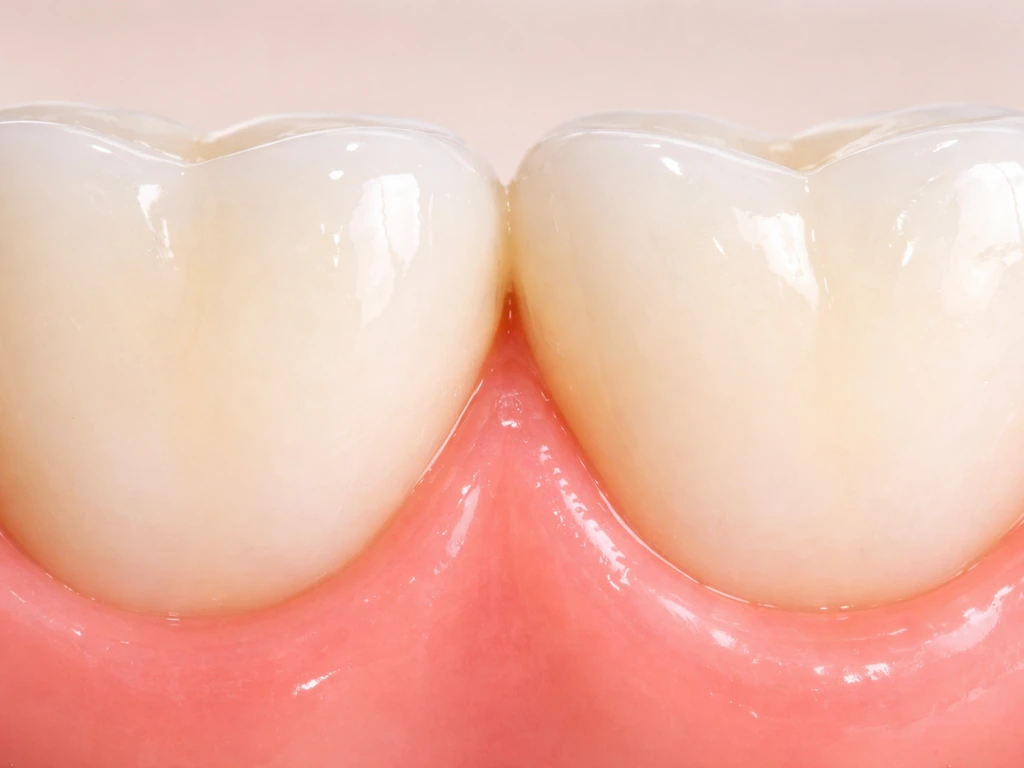
Restoring the interdental papilla (the gum between teeth) is genuinely one of the hardest things in periodontics. Because papilla height depends on the bone level beneath it, any reconstruction attempt must account for that. Surgical techniques like rotational flaps or connective tissue augmentation exist, but results are unpredictable and improvements are often partial. Hyaluronic acid injections have been explored with modest early results in some studies. In many cases, the most predictable option for managing black triangles is reshaping the teeth with composite bonding or veneers to close the visual space, rather than trying to regrow the papilla itself. This is worth discussing with your dentist as a realistic alternative. Similar considerations come up when gum tissue behavior is relevant to other dental work, like how gum tissue responds around crowns, bridges, implants, or during orthodontic treatment with braces. This is especially true for questions like whether gums grow around crowns, bridges, and implants after tissue changes gum tissue behavior is relevant to other dental work. Many people ask, “Will my gum grow around my crown,” and the answer depends on whether the tissue loss is recession and how much bone and attachment remain gum tissue responds around crowns, bridges, implants.
Myths vs. what the evidence actually shows
There's a lot of misinformation floating around about gum regrowth, and it's worth naming the common ones directly.
| The Claim | The Reality |
|---|---|
| "Gums will grow back if you just brush better" | Improved brushing stops further damage and lets inflammation resolve. It does not regrow lost tissue or refill recession. |
| "Oil pulling and natural remedies can restore receded gums" | No clinical evidence supports oil pulling or herbal rinses regrowing gum tissue. They may reduce bacterial load slightly but cannot reverse structural loss. |
| "Young people always grow back gum tissue" | Younger tissue heals better and rebounds more from inflammation, but true structural recession in teenagers also requires treatment to correct. |
| "If you can't see the root, your gums are fine" | Pocketing and bone loss can be significant without visible recession. Periodontal damage often progresses silently until it's advanced. |
| "Gum grafts are just cosmetic" | Root coverage protects against sensitivity, decay on exposed roots, and continued attachment loss. It's a functional treatment, not merely aesthetic. |
| "Waiting to see if gums recover is safe" | Gum recession and periodontitis are progressive conditions. Waiting without treatment almost always means more loss, not natural recovery. |
When to see a dentist or periodontist and what to ask
Don't wait if you're seeing any of the following signs. These indicate active disease or recession that needs professional evaluation now, not at your next routine checkup in six months.
- Visible root surface or teeth that appear longer than they used to
- Tooth sensitivity to cold, air, or sweet foods near the gumline
- Bleeding gums that persist beyond two weeks of consistent flossing
- Dark triangular spaces appearing between teeth that weren't there before
- Any tooth that feels loose or has shifted position
- Gums that are pulling away from multiple teeth, not just one
When you get to a dentist or periodontist, ask specific questions so you leave with a clear picture. Ask them to measure your pocket depths and recession levels and explain the numbers to you. Ask whether there is bone loss visible on X-rays and how that affects your options. Ask whether your recession is classified as treatable with grafting or too advanced for predictable coverage. If gum grafting is recommended, ask about expected coverage percentage and realistic outcomes for your specific recession pattern. And ask what happens if you delay, so you understand the cost of waiting.
A general dentist can handle early-stage gum disease and refer when things are more complex. If you have significant recession, pocketing deeper than 4 to 5 millimeters, bone loss on X-rays, or multiple teeth affected, ask for a referral to a periodontist. They specialize specifically in gum and bone tissue and are the right person to evaluate whether grafting or regenerative procedures make sense for you.
The bottom line: gums have real limits when it comes to regrowth, but the situation is almost never hopeless. Catching recession early, eliminating the cause, and getting the right professional treatment at the right time gives you the best shot at stable, healthy gum tissue, even if it won't look exactly like it did before. That's a realistic goal worth pursuing rather than waiting around for a natural recovery that isn't coming.
FAQ
If my gums look like they are filling in a little, does that mean the recession is reversing?
It usually means inflammation is settling, the gumline is temporarily appearing higher, or swelling has gone down, not true regrowth of lost attachment. Ask your dentist to measure recession in millimeters and check pocket depths, then compare with any prior measurements to confirm whether tissue position has actually changed.
How can I tell whether I have true gum recession versus just swelling?
Swelling often comes with bleeding, tenderness, or a puffy gum margin that improves after cleanings and better home care. True recession shows a root surface that looks exposed (tooth appears longer) and persists after inflammation is controlled. A periodontal probe and X-rays help confirm which pattern you have.
Will changing from a hard brush to a soft brush stop recession immediately?
It can stop new trauma quickly, but visible improvement may lag because your gum tissues need time to calm and firm up. Expect a stabilization window first, then modest changes over weeks if the cause was mechanical. If recession is still progressing after consistent gentle technique, you likely need a deeper evaluation.
Can I use whitening or other topical products if I have gum recession?
Be cautious with strong agents on exposed root areas, because sensitivity is common when root surfaces are uncovered. Ask your dentist which desensitizing toothpaste and ingredients are appropriate, especially if you are also managing gum disease or actively recovering from a cleaning.
Does gum regrowth happen after a deep cleaning without surgery?
Scaling and root planing can lead to better gum health, reduced pocket depths, and a tighter fit of existing tissue. It typically does not recreate lost root coverage the way a graft can. Your provider can estimate whether your situation is likely to respond with stabilization only or whether grafting would offer meaningful coverage.
How long should I wait after starting treatment before considering that I need grafting?
A common practical approach is to reassess after the initial healing period, often within about 4 to 8 weeks for early changes, then again after the full stabilization phase. If recession remains unchanged and the measurements confirm attachment loss, waiting longer usually does not create the regrowth you are hoping for.
What measurements should I ask for at my periodontal visit?
Request the recession measurement for the affected tooth or area (in millimeters), the pocket depths, and whether there is bleeding on probing. Also ask about the presence and amount of bone loss on X-rays, because those factors largely determine whether grafting or regenerative options are predictable.
Is gum grafting always possible, even if my recession is severe?
Not always. Predictability depends on the amount of remaining tissue at the margins, root morphology, and how much bone support is left. If attachment or bone loss is advanced, procedures may still improve comfort and appearance but may not achieve the coverage percentage you want. This is why classification and candidacy questions matter.
Will smoking affect my results if I plan to get a graft or other surgery?
Yes, smoking impairs healing and lowers the success rate of periodontal procedures, and it can also hide warning signs because bleeding may be less obvious. Most clinicians recommend stopping before surgery and maintaining abstinence afterward, but the exact timeline should come from your periodontist.
Can gum issues around a crown or bridge get better on their own?
If the problem is active inflammation or plaque around the margins, improving cleaning and getting a professional adjustment or maintenance can help. If you have established recession with underlying attachment or bone loss, it often will not correct itself. Ask whether your crown margin is contributing to tissue trauma or whether there is bone loss driving the change.
For black triangles between teeth, do injections or minor procedures always restore the papilla?
They can help some people, but results are often limited because papilla height depends on underlying bone level. If bone support is significantly reduced, the papilla may not fully reappear even with injections. The article’s practical next step is to discuss realistic options like orthodontic/periodontal approaches versus cosmetic contouring.
Do gums grow around implants after placement?
They can settle and shape as healing progresses, but the outcome depends on the implant’s supporting bone level and how the gum contour is managed during healing. If you already have recession risk or thin tissue, your periodontist may discuss soft-tissue grafting or other techniques to improve the long-term contour.
If I’m clenching or grinding, how does that relate to gum recession or gum stability?
Forceful clenching and bruxism can increase trauma to teeth and the supporting tissues, and it can complicate healing after periodontal treatment. Address it early with your dentist, because correcting the underlying habit can improve your odds of stabilization and better long-term tissue outcomes.
Next Articles
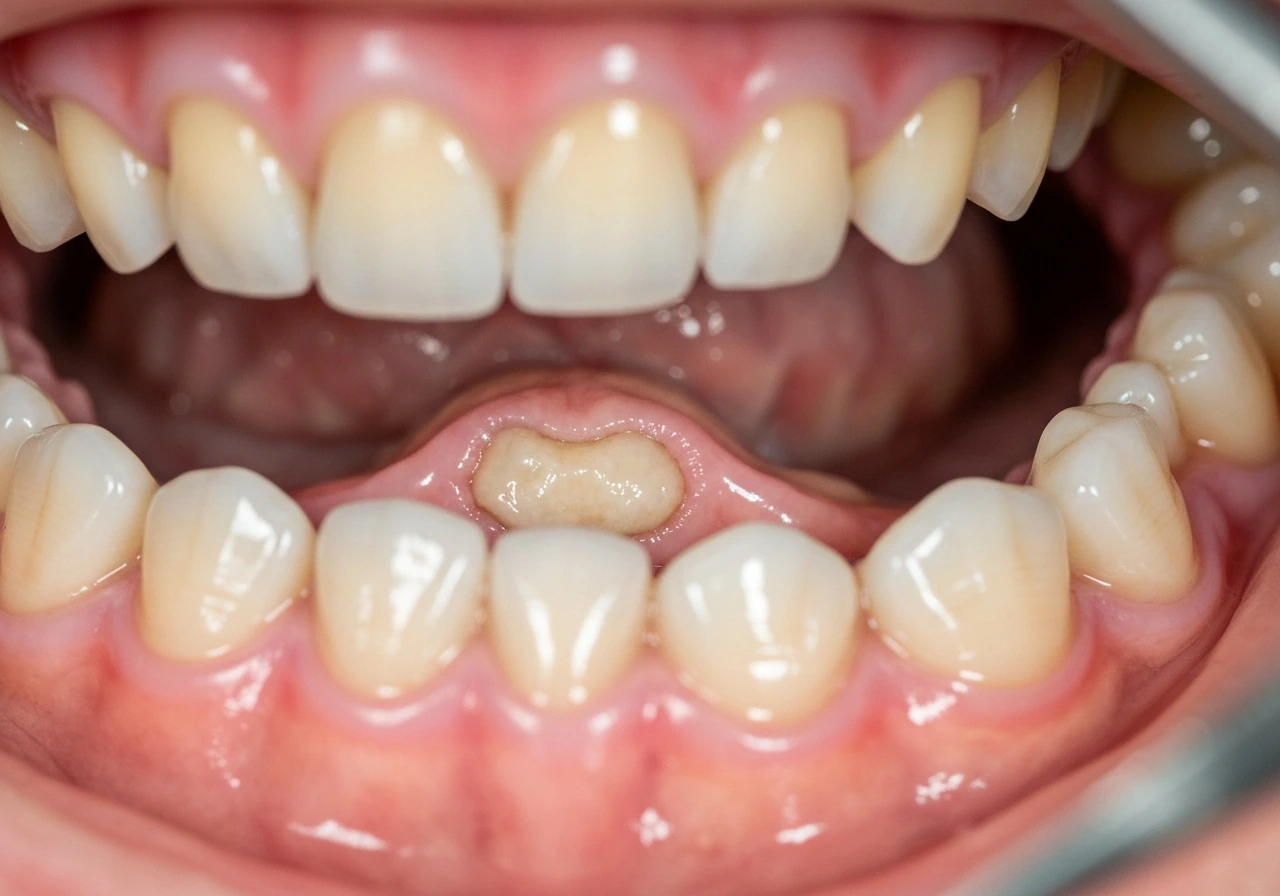
Does Gum Grow Over Bone Graft? What to Expect and Next Steps
Learn if gums can cover a bone graft, why exposed graft fails, healing timeline, red flags, and next steps.
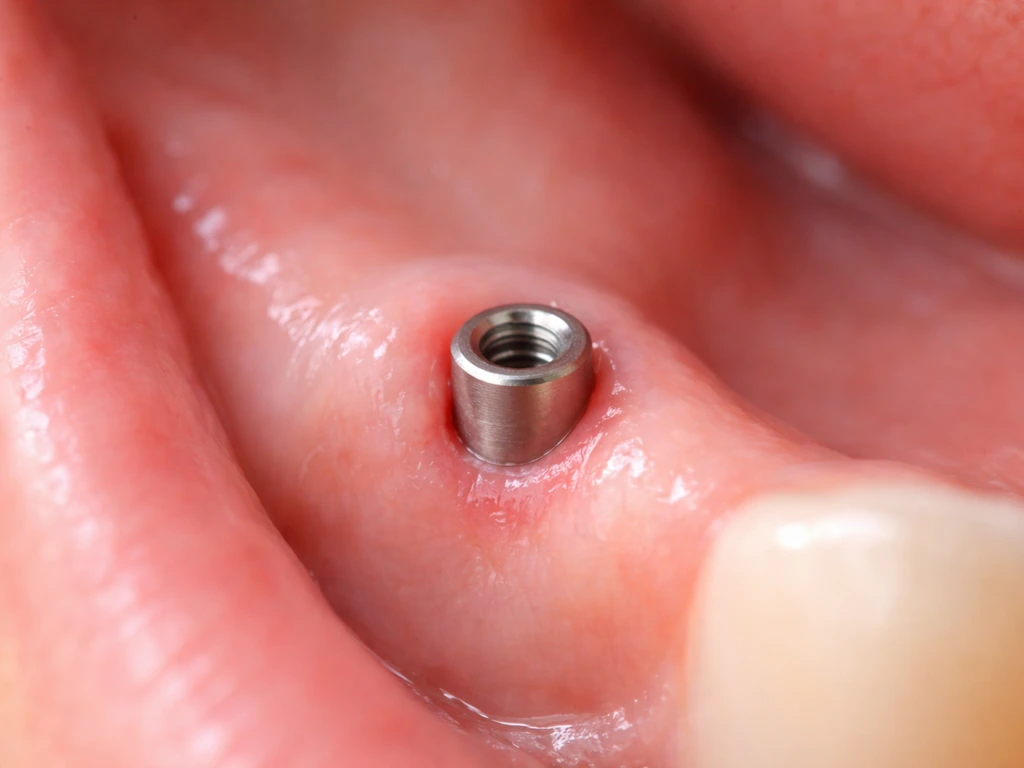
Does Gum Grow Around Implant? What to Expect and Fix
Explains if gum can grow around or over a dental implant, what’s normal healing, and how to address recession risks.
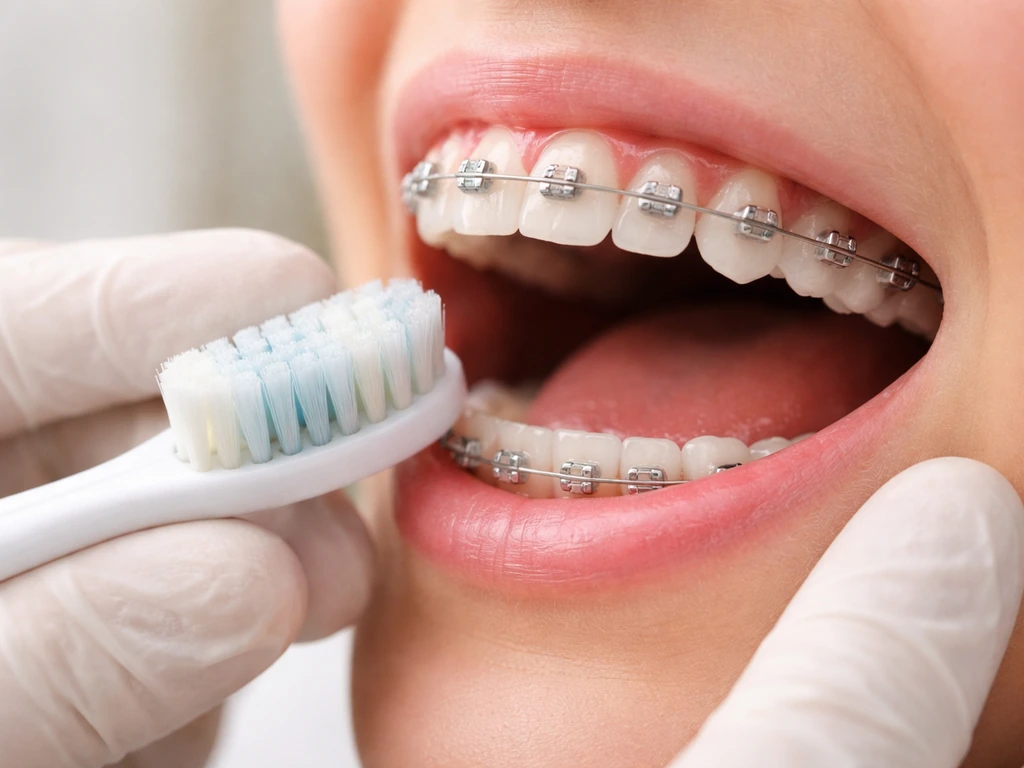
Why Do Gums Grow Over Braces? Causes and What to Do
Learn why gums cover braces and what to do now with hygiene steps, red flags, and orthodontist treatments.