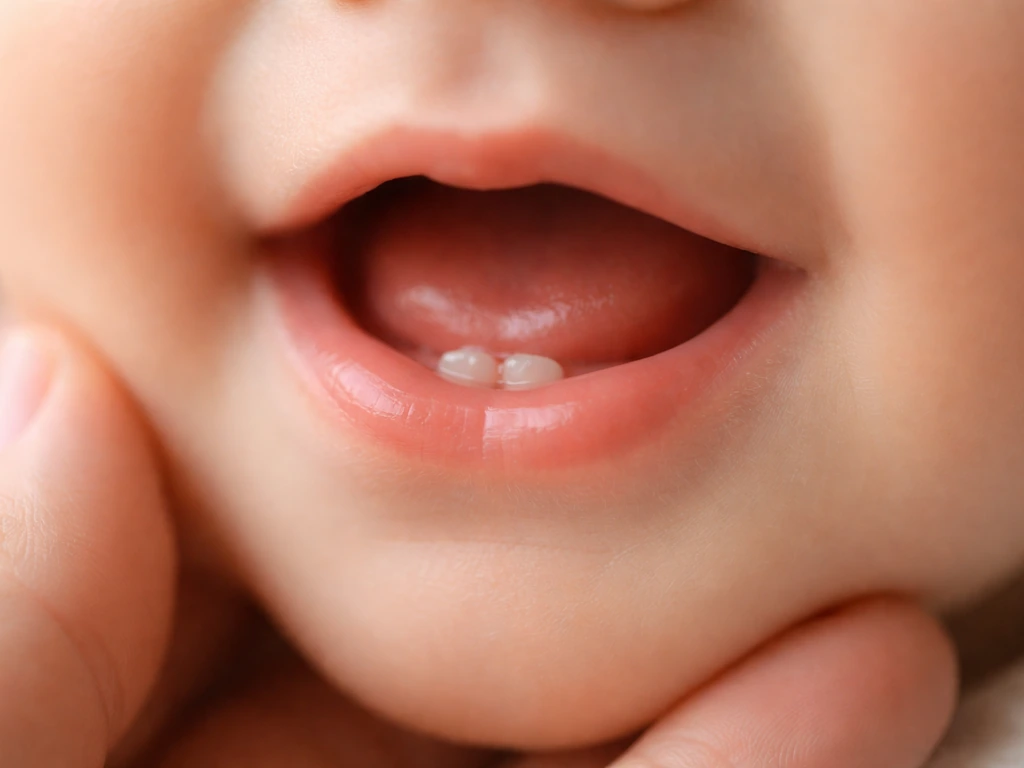
The first teeth to grow in are almost always the lower central incisors, the two tiny teeth right in the front bottom of your baby's mouth. They typically break through the gums somewhere between 5 and 9 months of age, with most babies hitting around the 6 to 8 month mark. The upper central incisors follow close behind, usually appearing by 8 to 12 months. From there, the rest of the primary set fills in over the next couple of years, finishing up around age 2 to 3. If you're watching for signs of teething and wondering whether your baby is on track, the short answer is: lower front teeth first, upper front teeth second, then everything else works outward and back from there.
Which Teeth Grow in First? Baby Tooth Eruption Order

Marcus Holloway
22 Apr 2026
The typical eruption order, tooth by tooth

Primary teeth (also called baby teeth or deciduous teeth) erupt in a fairly predictable sequence, though the timing window for each tooth is wide enough that almost any healthy child can fall within normal range. The sequence follows a rough pattern of front to back and bottom before top, with a few exceptions. Here is the general order most children follow, along with approximate age windows:
| Tooth | Location | Typical Eruption Age |
|---|---|---|
| Central incisors | Lower jaw (first) | 5–9 months |
| Central incisors | Upper jaw | 8–12 months |
| Lateral incisors | Upper jaw | 9–13 months |
| Lateral incisors | Lower jaw | 10–16 months |
| First molars | Upper jaw | 13–19 months |
| First molars | Lower jaw | 14–18 months |
| Canines (cuspids) | Upper jaw | 16–22 months |
| Canines (cuspids) | Lower jaw | 17–23 months |
| Second molars | Lower jaw | 23–31 months |
| Second molars | Upper jaw | 25–33 months |
Notice that the second molars, the very last primary teeth to come in, can appear anywhere from about 23 to 33 months, which means some kids finish their full set of 20 baby teeth just before age 2 while others aren't done until closer to age 3. Both are completely normal. The "which teeth grow last" question has a clear answer: the upper second molars are almost always the final primary teeth to erupt.
What actually happens when a tooth "grows in"
One thing worth clearing up right away: teeth don't grow in the way a fingernail grows out. The tooth crown (the visible white part) is already fully formed inside the jawbone before it ever breaks through the gum. What you're watching happen is eruption, the process of the tooth moving upward through the bone and gum tissue until it reaches its functional position. If you are wondering how quickly that eruption happens from one stage to the next, this guide on how fast do teeth grow walks through the typical pace. If you want a more exact timeline by tooth, see how long it takes teeth to grow in for the typical age ranges. For a front tooth specifically, you can compare that eruption timeline to this guide on how long for front tooth to grow in. The tooth was always there. It just had to travel.
This also means that "growing in" is not the same as regeneration or regrowth. The tooth doesn't build itself from scratch at the gum surface. Primary teeth form during fetal development, beginning calcification as early as the fourth month of pregnancy. By the time a baby is born, all 20 primary tooth crowns are already developing inside the jaws, waiting for their turn to erupt. There is no biological mechanism in humans that grows a genuinely new tooth to replace a lost one once both sets (primary and permanent) are gone, which is a key reality this site explores in depth.
Normal teething vs. a real problem: how to tell the difference
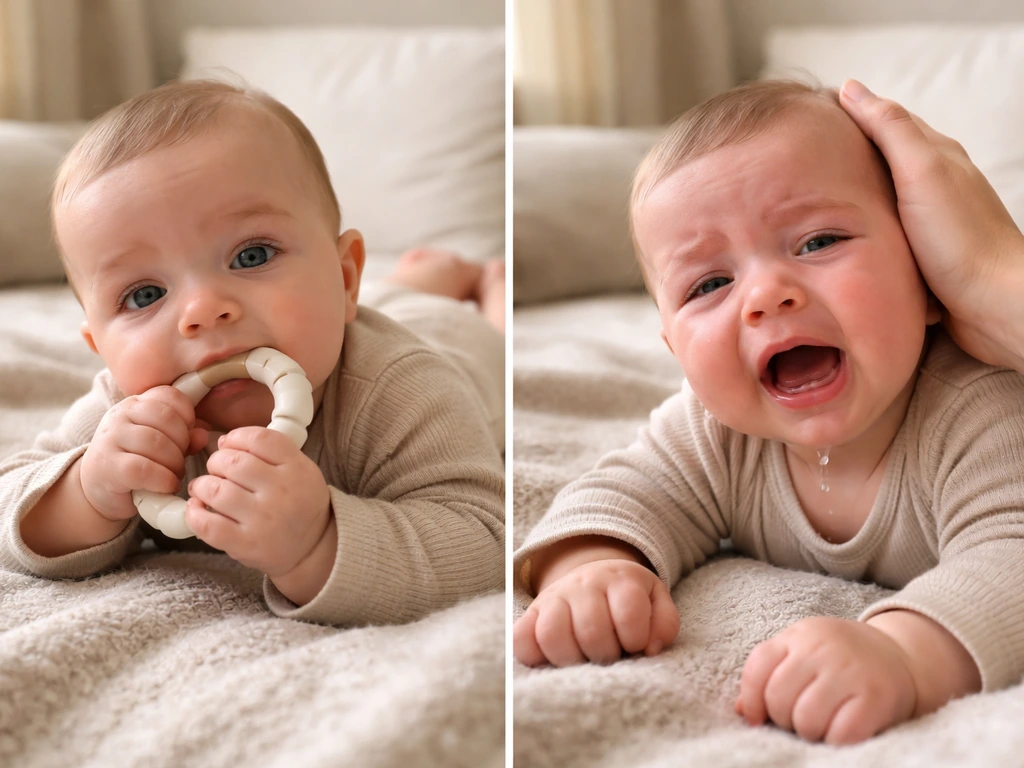
Teething has a reputation for being miserable, but the clinical reality is more nuanced. Many babies sail through the entire primary eruption period with minimal drama. The symptoms that are genuinely associated with teething are local and relatively mild: increased drooling, irritability, disrupted sleep, and sore or swollen gum tissue right over the erupting tooth. Those are real and reasonable. What teething does not cause is high fever, diarrhea, or serious illness.
This is one of the most persistent myths in parenting: if a baby has a fever while teething, parents often chalk it up to the teeth. But both the American Academy of Pediatrics and major children's hospitals are clear that teething does not cause fever. If your baby has a temperature above 100.4°F (38°C) or seems genuinely sick around the time a tooth is coming in, treat it as a potential infection that happens to be occurring at the same time. Don't let "it's just teething" delay a call to the pediatrician.
Another myth worth busting: over-the-counter teething gels containing benzocaine are not safe for babies. The FDA has specifically warned against them due to a rare but serious risk of a blood oxygen condition called methemoglobinemia. Skip the numbing gels and stick to approaches that are actually supported by evidence: chilled (not frozen) teething rings, gentle gum massage with a clean finger, or a conversation with your pediatrician if your baby seems to be in real distress.
The table below breaks down what falls in the normal range versus what deserves a closer look:
| Symptom or Sign | Normal Teething | Worth Evaluating Further |
|---|---|---|
| Drooling | Yes, very common | Only if accompanied by rash that worsens |
| Fussiness/irritability | Mild and temporary | Persistent for more than a few days |
| Swollen/red gum at eruption site | Yes, normal | Spreading swelling, blistering, or pus |
| Disrupted sleep | Mild short-term disruption | Prolonged sleep issues unrelated to gum discomfort |
| Fever | NOT caused by teething | Any fever above 100.4°F (38°C) needs separate evaluation |
| Diarrhea | NOT caused by teething | Evaluate for illness or dietary cause |
| No tooth by 13 months | Not normal | Talk to a dentist or pediatrician |
What can shift the timing earlier or later
Eruption timing has a genuinely wide normal range, and several factors can push it earlier or later in a healthy child. Understanding these helps parents avoid unnecessary worry when timing doesn't match a chart exactly.
- Genetics: Family patterns matter a lot. If both parents teethed late, their children are more likely to as well. Ask grandparents when you started teething if you're concerned about your own child's timing.
- Prematurity: Babies born prematurely are typically assessed using their corrected age (adjusted for how early they were born) rather than their chronological birthday. A baby born 2 months early who is 8 months old by the calendar is developmentally closer to 6 months, which affects eruption expectations.
- Birth weight and nutrition: Low birth weight and nutritional deficiencies, particularly of calcium, phosphorus, and vitamin D, can slow tooth formation and eruption timing.
- Systemic health conditions: Certain medical conditions including hypothyroidism, Down syndrome, and some rare genetic syndromes are associated with delayed or absent tooth eruption. Chronic illness in early childhood can also shift timing.
- Sex: Research suggests girls tend to erupt primary teeth slightly earlier than boys on average, though the difference is modest and both sexes share the same broad normal windows.
- Ethnicity and geographic factors: Large international studies show population-level differences in primary tooth eruption timing, which is why some eruption charts specify their reference population.
The bottom line on timing: a single tooth being a few months off from a chart average is almost never a concern on its own. It's when there is no tooth at all by a certain age, or when eruption stops progressing entirely, that it deserves professional attention.
When permanent teeth start coming in
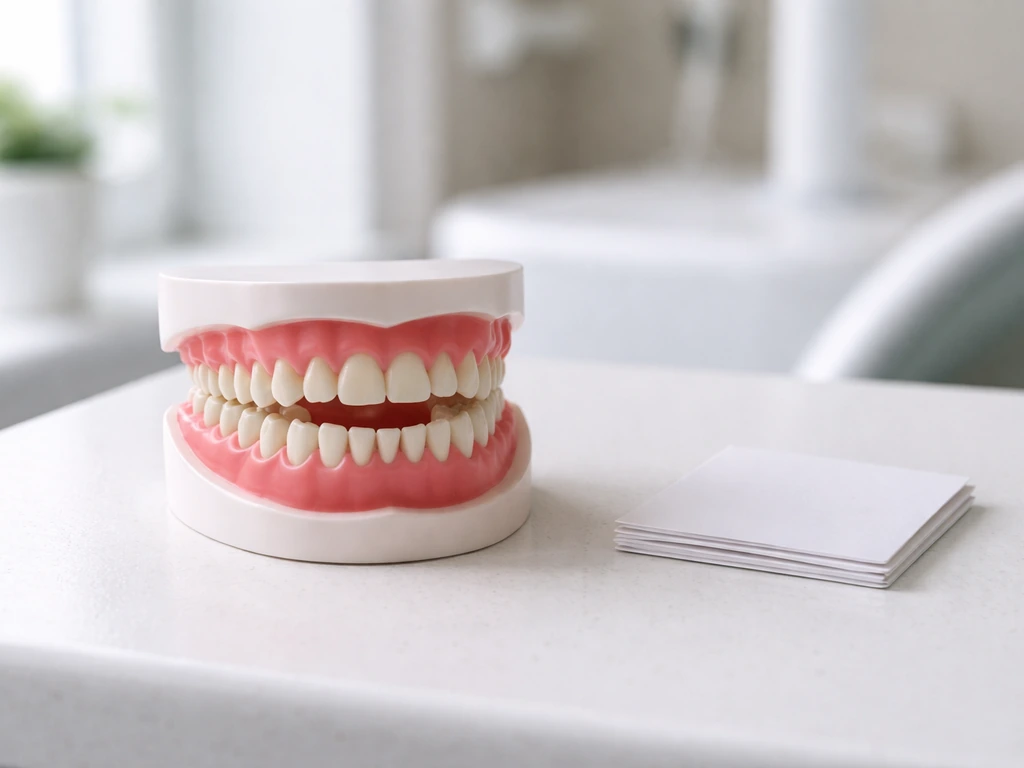
The permanent teeth don't wait until all the baby teeth are gone. The first permanent teeth to erupt are typically the first permanent molars, which appear at the very back of the mouth (behind all the baby teeth, not replacing any of them) at around age 5.5 to 7 years. At roughly the same time, the lower permanent central incisors start to come in, usually pushing out the baby lower front teeth in the process. This marks the start of the mixed dentition period, when a child has both primary and permanent teeth in the mouth at the same time.
The mixed dentition phase runs from around age 6 all the way to approximately age 11 or 12, when the last primary teeth are typically shed and replaced. The permanent teeth follow their own eruption sequence, which is covered in more depth in companion articles on when permanent teeth grow and how long the full transition takes. If you want the typical timeline by tooth, see our guide on when permanent teeth grow. The important point here is that the permanent process starts earlier than most parents expect, well before a child starts losing obvious front teeth, and the first permanent molars are easy to miss because they don't replace anything.
A quick look at early permanent eruption timing
| Permanent Tooth | Approximate Eruption Age |
|---|---|
| First molars (upper and lower) | 5.5–7 years |
| Lower central incisors | 6–7 years |
| Upper central incisors | 7–8 years |
| Lower lateral incisors | 7–8 years |
| Upper lateral incisors | 8–9 years |
When to actually call a dentist

The American Academy of Pediatric Dentistry recommends that a child's first dental exam happen within six months of the first tooth erupting, and no later than age 12 months regardless of how many teeth have appeared. That first visit isn't about drilling or fillings; it's about establishing a dental home, getting a baseline assessment of eruption progress, and giving parents guidance specific to their child. Most parents wait much longer than this, and the early visit window is genuinely useful for catching issues while options are still wide open.
Beyond that first visit, here are the specific situations where you should make an appointment or call your child's dentist or pediatrician rather than waiting:
- No teeth have appeared at all by 9 months of age (MedlinePlus lists this as a threshold for seeking provider input).
- Still no teeth by 12 to 13 months with no family history of very late teething.
- A tooth seems to be taking unusually long to fully emerge after you first see it at the gumline, especially if the gum looks dark, blistered, or the tooth appears stuck.
- Teeth are erupting in a noticeably unusual order or position, such as a molar appearing before any front teeth, or a tooth coming in visibly outside the arch.
- A permanent tooth starts coming in while the baby tooth it should replace is still firmly in place with no sign of loosening.
- Your child has a high fever, swollen face or lymph nodes, or seems genuinely ill around a tooth eruption, since that combination suggests possible infection rather than normal teething.
- You have any family history of conditions associated with missing or extra teeth, or if a sibling had significant eruption anomalies.
At key developmental moments, specifically around the time lower incisors first erupt and when the first permanent molars appear, dentists may recommend diagnostic X-rays to check that the right number of teeth are developing and that nothing unusual is forming. This is a normal and valuable part of monitoring the developing dentition, not a cause for alarm if it's suggested.
The practical takeaway for parents
Most healthy babies will show their first tooth somewhere between 4 and 10 months, with the lower front two teeth leading the way. Cleveland Clinic includes a blank" rel="noopener noreferrer">primary tooth eruption chart with typical example eruption windows, such as lower central incisors around 6, 8 months and upper central incisors around 8, 12 months, plus an overall timeframe for when the full set erupts. The full set of 20 primary teeth will be in by around age 2 to 3. Permanent teeth start arriving at around 6 years, beginning with the first molars in the back and the lower front incisors. If you are trying to pinpoint the final teeth to grow in, keep in mind this is typically the last stage of the primary eruption timeline before the permanent set takes over. All of this plays out over a wide normal range shaped by genetics, nutrition, and individual biology. Mild gum soreness, drooling, and fussiness are genuinely part of teething. Fever is not. Get your child to a dentist by their first birthday, sooner if a tooth shows up early, and don't wait for a full set of teeth before making that appointment.
FAQ
If my baby’s first teeth are not the bottom two front teeth, is that a problem?
Lower central incisors are the usual first teeth, but some babies get their first tooth on a different schedule. If no tooth has appeared by about 10 months, it is reasonable to call your pediatrician or dentist for a quick check on development, especially if your baby was not premature but is still otherwise healthy.
Does getting first baby teeth early mean my child will lose teeth early too?
If a tooth comes in early, it does not usually mean permanent teeth will come in early as well. The eruption patterns are related but not perfectly synchronized. Focus on whether the sequence continues and whether there are signs of normal eruption across the next months, rather than comparing to one chart month.
How can I tell if a tooth is actually erupting versus just a gum bump?
Check for true eruption versus the appearance of gums. A tooth is considered “out” when you can see part of the crown above the gumline. A pale spot, a bump, or a gap in the gums without any tooth visible may just be early movement under the gum.
What symptoms during tooth eruption mean it is not just teething?
Teething typically causes local symptoms at the gum site, like drooling, gum redness, irritability, and disturbed sleep. If you see symptoms like diarrhea, vomiting, a persistent cough, or lethargy, treat it as an illness that may be happening around the same time as eruption and contact your clinician.
What is the safest way to soothe teething pain at home?
It is safest to avoid benzocaine-containing teething gels for infants. If you want relief, use non-medicated options like chilled teething rings (not frozen), gentle gum massage with a clean finger, and age-appropriate pain relief only if your pediatrician advises it.
If teeth seem delayed, will my dentist automatically order X-rays or braces?
Braces and other orthodontic work for primary teeth are usually rare. More commonly, early dental visits help identify spacing issues, missing teeth, or delayed eruption. If eruption seems to stall, the dentist may recommend monitoring first, and diagnostic imaging only when it affects decision-making.
How long should I wait before I worry about slow tooth eruption?
Do not use the absence of one tooth at a single age as the main yardstick. Timing is wide for healthy kids, but it becomes more concerning if eruption stops progressing for several months, if several teeth are missing across the arch, or if there is no sign of eruption by the end of the expected window.
What should I do if my baby has a very swollen gum or looks like it hurts a lot?
If the gum area seems very swollen and painful, you may be seeing a tooth about to erupt, but persistent swelling, a foul smell, pus, or fever-like behavior is not typical. Those signs warrant a same-day or prompt call to your dentist or pediatrician to evaluate for infection rather than just teething.
Does my baby need a dental visit even if they have no teeth yet?
The first dental visit is still useful even if your baby has not started teething yet, because the dentist can review risk factors, oral hygiene, and eruption expectations. If your baby has first teeth already, keep the visit within the first birthday or within six months of the first tooth, whichever comes first.
Why did a back tooth show up before my child lost any baby teeth?
Permanent tooth eruption starts with molars and lower incisors, but your child might be in the mixed dentition stage without obvious baby tooth shedding at first. If you see a new back tooth while front primary teeth are still present, it is often normal and reflects the “not replacing anything” nature of the first permanent molars.
Next Articles
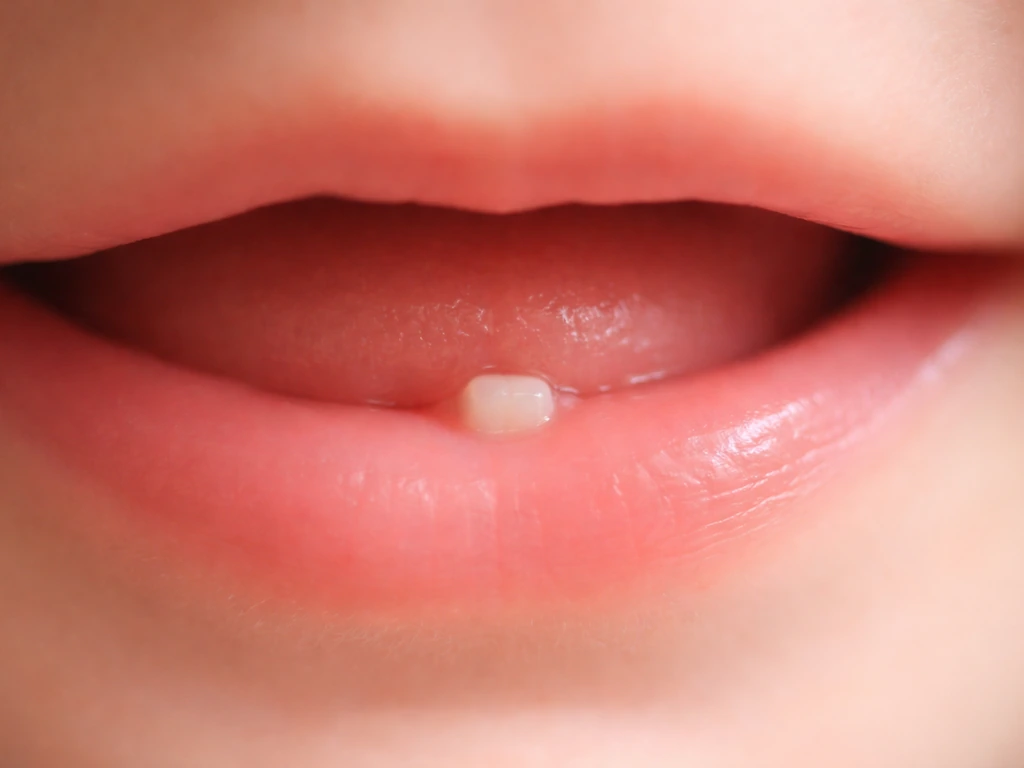
How Fast Do Teeth Grow Timelines for Eruption and Development
Timelines for tooth eruption and true dental growth, plus what affects speed, normal vs abnormal, and no enamel regrowth
When Do Teeth Grow In? Eruption Timeline by Age
Tooth eruption by age: when baby and permanent teeth arrive, wisdom teeth timing, and when delays mean you should see a
When Do Permanent Teeth Grow and Do They Keep Growing?
Learn when permanent teeth erupt, whether they keep growing after, typical changes by age, and when to see a dentist.