
Teeth "grow in" by erupting through your gums, not by generating new tissue out of nowhere. That distinction matters because a lot of people search "when do teeth grow back" hoping there is some natural regeneration happening, the way a fingernail grows back after you cut it. There is not. Once a baby tooth falls out, a permanent tooth replaces it because that permanent tooth was already forming in your jaw. Once that permanent tooth is gone, nothing grows back. So when we talk about when teeth "grow in," we are talking about eruption: the movement of an already-developing tooth up through the jawbone and gum tissue until it sits in a functional position in your mouth. Here is everything you need to know about when that happens, for every tooth in your mouth.
When Do Teeth Grow In? Eruption Timeline by Age

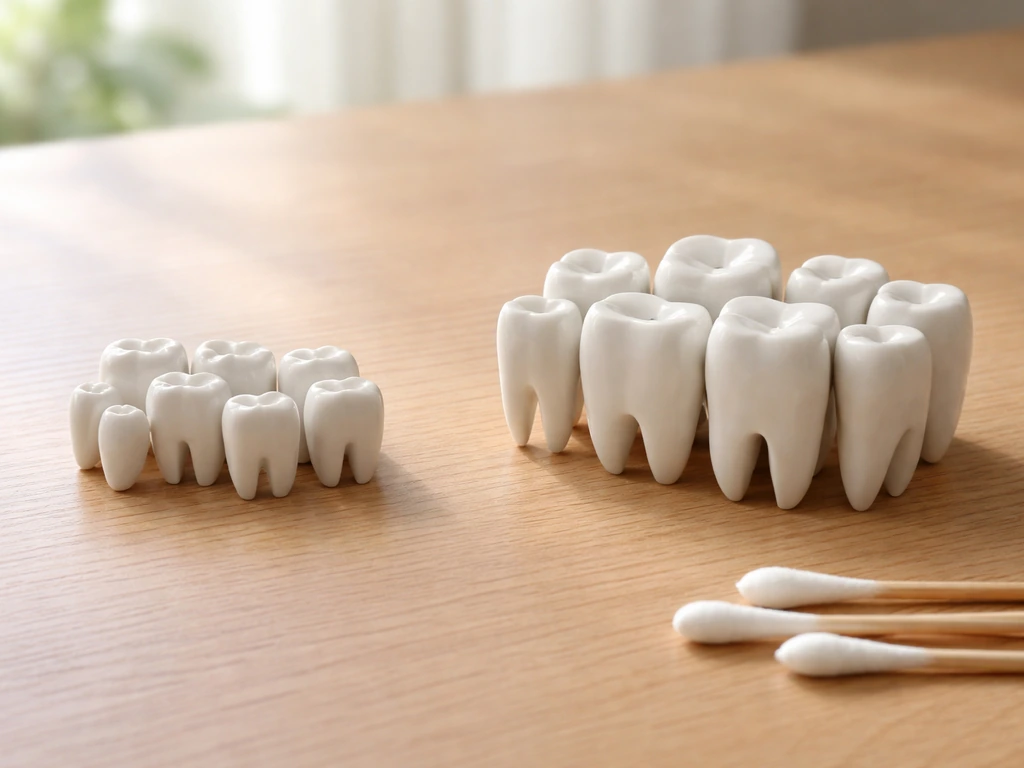
Baby teeth vs. permanent teeth: the full development timeline
You actually get two complete sets of teeth over your lifetime, and both sets start forming long before you ever see them in the mirror. Primary (baby) teeth begin developing in the womb and start erupting around 6 months of age. The American Academy of Pediatric Dentistry notes that primary dentition is complete somewhere between ages 3 and 6, meaning all 20 baby teeth are in and doing their job. Then, starting around age 6, permanent teeth begin pushing through, and you enter what dentists call the "mixed dentition" phase, roughly ages 6 to 13, where you have a mix of baby and adult teeth at the same time. By the early teens, most people have all 28 permanent teeth in place. The last four, the wisdom teeth, are the exception.
If you are curious about when permanent teeth grow in more detail, the short version is this: permanent teeth form in the jaw underneath the baby teeth. As the permanent tooth develops, it gradually dissolves the root of the baby tooth above it, which is why baby teeth get loose and fall out on their own. The permanent tooth then continues its upward journey through the bone and gum.
How teeth actually grow in (what eruption looks like stage by stage)
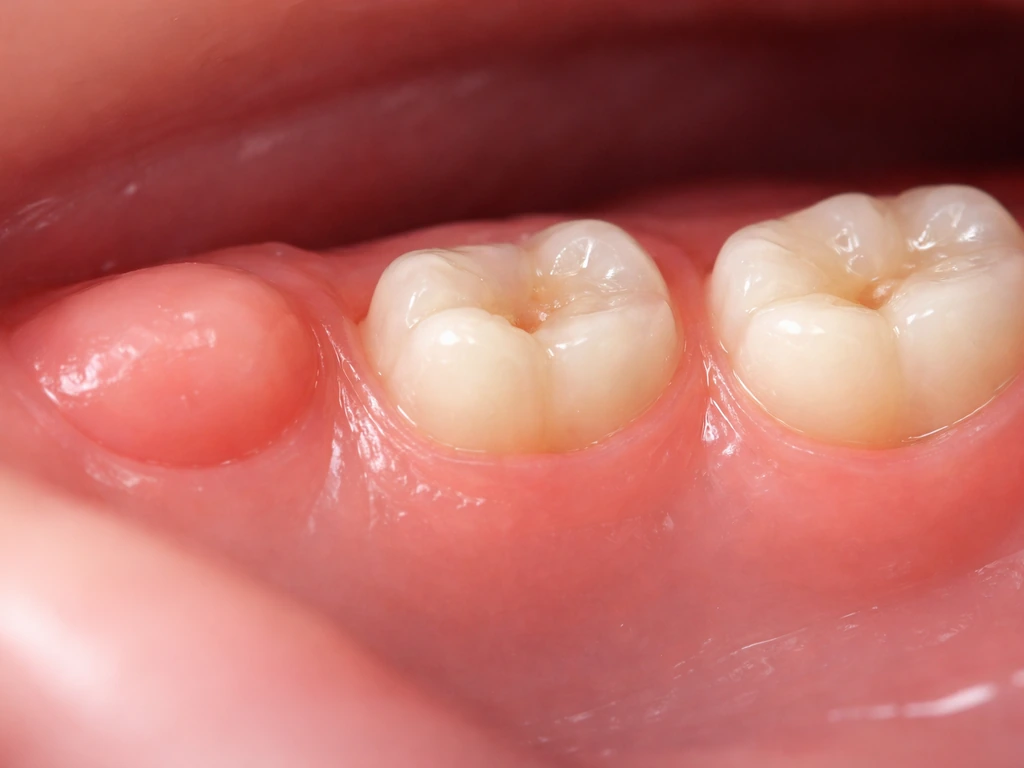
Tooth eruption is a multi-stage process that starts deep in the jaw. StatPearls describes it as a developing tooth moving from its position within the alveolar bone to a functional location in the oral cavity, and breaks it into phases: pre-eruptive movement, intraosseous eruption (moving through bone), mucosal penetration (breaking through the gum), pre-occlusal eruption (rising toward the bite), and post-occlusal eruption (settling into the final bite position). Most of this process is completely invisible. You only notice a tooth "coming in" during that mucosal penetration phase, when the tip starts poking through the gums.
In babies and toddlers, the gum over an erupting tooth often looks swollen, red, or slightly bluish before the tooth appears. That bluish swelling is usually a transient hematoma, basically a small pocket of fluid under the gum, and it is harmless. You may also notice drooling, irritability, and disrupted sleep during active teething. These are normal signs of the eruption process, not illness. The tooth typically breaks through within a few days to a couple of weeks after those signs appear.
For adults waiting on a wisdom tooth, the process is similar but slower and often more uncomfortable because the jaw is already crowded and fully developed. You might feel pressure, mild aching, or soreness in the back of the mouth weeks before the tooth actually emerges, and even longer before it fully erupts into its final position.
"Growing back" vs. coming in: clearing up the biggest misconception
People often search for "when do new teeth grow in" or "when do teeth grow back" with the hope that a lost adult tooth might eventually regenerate. It will not. Humans are diphyodont, meaning we get exactly two sets of teeth and that is it. When a permanent tooth is pulled or knocked out, no third tooth is waiting in the wings to replace it. What people sometimes confuse with regrowth is a delayed permanent tooth eruption, where a child has already lost a baby tooth but the permanent replacement takes months to appear. That is not regrowth. The permanent tooth was always there; it just takes time to move through the bone and gum. You can read more about how fast teeth grow through that eruption process, but the key point is that the tooth is always pre-formed. Nothing grows from scratch.
When all your teeth should be in: a practical age-by-age guide
Here is a realistic look at eruption timing by tooth type. These are typical windows, not hard deadlines. Individual variation is normal, and there is often a 6-month spread in either direction before a pediatric dentist starts investigating.
| Tooth type | Set | Typical eruption age |
|---|---|---|
| Central incisors (front teeth) | Primary | 6–12 months |
| Lateral incisors | Primary | 9–16 months |
| First molars | Primary | 13–19 months |
| Canines (cuspids) | Primary | 16–23 months |
| Second molars | Primary | 20–30 months |
| First molars (6-year molars) | Permanent | 5–7 years |
| Central incisors | Permanent | 6–8 years |
| Lateral incisors | Permanent | 7–9 years |
| Canines | Permanent | 9–12 years |
| Premolars (bicuspids) | Permanent | 9–12 years |
| Second molars (12-year molars) | Permanent | 11–13 years |
| Third molars (wisdom teeth) | Permanent | 17–25 years |
If you want a deeper look at which teeth grow in first, the pattern for primary teeth almost always starts with the lower central incisors, and the permanent teeth sequence typically kicks off with the first molars or lower central incisors around age 6. Understanding the sequence matters because teeth erupt in a coordinated pattern designed to build a functional bite, not randomly.
The first molars are particularly important. They are sometimes called the "6-year molars" and they are teeth that are typically the first to grow in from the permanent set, arriving before the baby front teeth have even fallen out. Many parents are surprised to find these back teeth coming through without any baby tooth falling out first, which is normal. By the time a child is around 12 to 13, they should have 28 teeth (minus wisdom teeth) if development is on track.
There is also useful context in thinking about how long it takes teeth to grow through the gum after they start moving. A tooth can take anywhere from a few months to over a year to fully emerge from the time it first becomes visible, so "partially in" is a real and normal stage that can last a while.
Front teeth specifically
Front teeth tend to get the most parental attention because they are visible. If your child loses a front baby tooth and the permanent one seems slow to appear, it is worth knowing more about how long it takes for a front tooth to grow in. Typically, after a baby incisor falls out, the permanent replacement appears within 3 to 6 months, though it can take up to a year in some kids without anything being wrong.
Wisdom teeth: why they are a category of their own
Wisdom teeth, or third molars, are the last teeth to erupt and the most unpredictable. The Merck Manual lists their typical eruption window as 17 to 25 years, which is a huge range compared to most other teeth. Some people see them erupt fully and uneventfully in their late teens. Others feel pressure and pain from impacted wisdom teeth well into their twenties. And some people never develop wisdom teeth at all, which is a completely normal anatomical variation.
Wisdom teeth are also which teeth grow last in nearly every case, and their late arrival is tied to jaw development. The problem is that by the time wisdom teeth try to erupt, most people's jaws are fully grown and there is simply not enough room. That is why impaction is so common: the tooth starts its eruption journey but gets blocked by the second molar or the bone itself. If you are in your late teens or early twenties and feel pressure at the very back of your jaw, wisdom teeth are the first thing to consider.
What counts as the final teeth to grow in the mouth? In most people, it is the upper wisdom teeth, which often erupt slightly later than the lower ones. But given the wide variation, the safest answer is that your full permanent dentition is not considered complete until your mid-twenties at the earliest.
When to worry and what to do next
Most eruption delays are completely normal and resolve on their own. But there are situations where you should not wait. Here is a practical breakdown of what warrants a dentist visit versus what you can monitor.
Signs that a dental check is a good idea
- A baby tooth has been lost for more than 12 months and no permanent tooth has appeared in that spot
- Your child is past age 3 and still has noticeable gaps where primary teeth have not come in
- You notice significant asymmetry, one side of the mouth erupting much later than the other side for the same tooth type
- A tooth appears to be coming in at a severe angle, pushing other teeth out of alignment
- There is persistent swelling, pain, or a pus-like discharge around an erupting tooth
- An adult is past age 25 with no sign of wisdom teeth but is experiencing unexplained jaw pressure or pain
- A permanent tooth appears to be erupting before the baby tooth has fallen out (overlapping teeth)
The AAPD recommends that a child visit the dentist within about 6 months of the first tooth erupting, or by age 1, whichever comes first. That first visit establishes a dental home and gives the dentist a baseline from which to track development over time. If you missed that window, it is not too late, but get it on the calendar now.
What a dentist will actually do
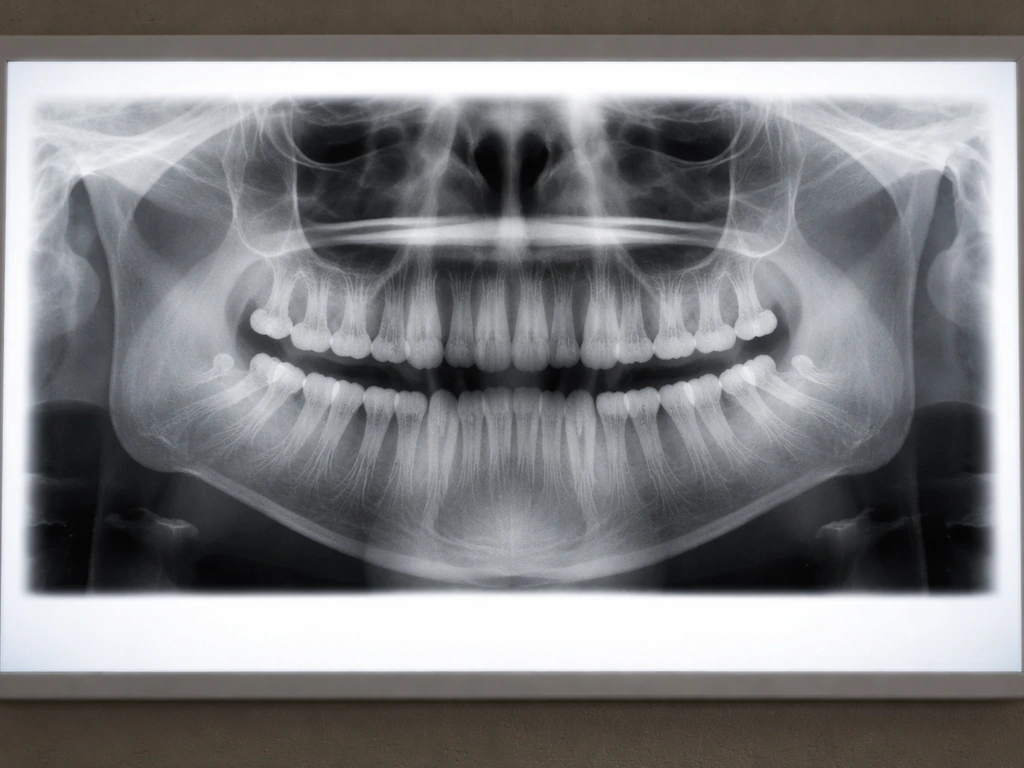
When you go in for a delayed eruption concern, the dentist starts with a clinical exam: checking the gum tissue, feeling for the tooth under the surface, looking at the alignment of adjacent teeth, and assessing whether there are signs of ankylosis (where a tooth fuses to the bone and cannot move). If more information is needed, they will take X-rays. The ADA notes that how often radiographs are taken depends on factors including age, current oral health status, disease risk, and any clinical signs or symptoms. For eruption concerns, a panoramic X-ray is often the most useful tool because it shows all the developing and erupting teeth in a single image, which lets the dentist see exactly where a tooth is, what angle it is traveling, and whether there is anything blocking it.
If a tooth is congenitally missing, the dentist will find no tooth bud in the X-ray at all. Tooth agenesis (congenitally missing teeth) is more common than most people realize. Research published through GeneReviews notes that the maxillary lateral incisors and premolars (excluding third molars) are among the most commonly missing permanent teeth. Knowing early gives you and your dentist time to plan for orthodontic space management or eventual implant placement, rather than scrambling later.
The bottom line: eruption timelines have real ranges, and most variation is normal. But if something looks off, a quick exam and an X-ray will tell you exactly what is happening. Do not spend months guessing when a single dentist visit can give you a clear answer.
FAQ
Is it possible for teeth to erupt early or late and still be normal?
Yes. Most eruption windows have a built-in range, commonly plus or minus about 6 months. Early or delayed eruption can still be normal, especially if family members had similar timing, but persistent delays across multiple teeth or major gaps between expected sequence steps should be evaluated.
How can I tell the difference between normal teething swelling and something that needs urgent care?
Normal eruption can cause mild swelling, redness, drooling, and disrupted sleep, usually improving as the tooth appears. Seek prompt dental or medical advice if there is high fever, worsening swelling that spreads, pus, a strong bad taste or odor, or the child looks unusually ill rather than just uncomfortable.
My child is missing a baby tooth, but the permanent tooth is taking longer than usual. When should I stop waiting?
After a baby incisor falls out, the permanent tooth often appears within 3 to 6 months, but up to a year can still be within normal variation. If a year passes without any sign of the permanent tooth, or if adjacent teeth start drifting into the space, schedule a dental visit to confirm position and whether guidance is needed.
What if a permanent tooth erupts but the baby tooth is still there?
That can happen when a baby tooth does not loosen and fall out as expected, sometimes because of reduced root resorption or ankylosis (fusion). Don’t wait for it to “eventually fix itself,” contact a dentist, because the extra tooth can interfere with alignment and may require removal.
Can an eruption delay be caused by a vitamin or mineral problem?
Sometimes. Conditions that affect bone and tooth development, such as significant nutritional deficiencies or certain endocrine disorders, can contribute to delayed eruption. However, most delays are benign. If the delay is substantial, a dentist may consider a broader evaluation alongside dental X-rays.
Why do some kids get gaps or crowded teeth around eruption time?
As teeth emerge, they can shift into new positions, and the jaw may not always match the size of the tooth set at the same rate. Temporary spacing or crowding is common during mixed dentition. A dentist can determine whether the pattern is self-correcting or if orthodontic monitoring is needed.
If I lose a permanent tooth, can it be replaced later by eruption of a hidden tooth?
In general, no. Humans are diphyodont, meaning there is not a third replacement tooth developing for that location. What sometimes looks like “replacement” is delayed eruption of an already-forming tooth elsewhere, or it is actually bone and tissue changes rather than a new tooth growing from scratch.
What does it mean if a tooth is ‘impacted’ and how does that affect timing?
An impacted tooth is blocked in its eruption path, it may be partially visible or remain fully covered while development continues underground. This can extend discomfort for months or longer, especially for wisdom teeth. A dentist will use X-rays to confirm position and whether the tooth can erupt normally or needs treatment.
Are wisdom teeth the only teeth that can erupt much later than expected?
Wisdom teeth have the widest and most unpredictable window, often in the late teens to mid-twenties, but other teeth can also be affected by space limitations, crowding, or ectopic eruption (emerging in an unusual angle). If any non-wisdom tooth is significantly late, imaging is still recommended rather than assuming it is normal.
How many months after a tooth becomes visible does it typically finish erupting?
A tooth that is partially through the gum can still take additional time to settle into its final bite position. Depending on the tooth and individual factors, completion can range from a few months to more than a year. If the tooth is visible but not progressing, ask a dentist to check alignment and eruption direction.
What should I expect at the first dental visit for eruption concerns?
Besides looking at gums and checking for a tooth under the surface, the dentist typically assesses bite relationships and whether neighboring teeth are moving into the area. If an X-ray is needed, a panoramic image often helps show the overall eruption path and identify blocked or missing tooth buds.
Is it possible for a permanent tooth to be congenitally missing even if all baby teeth erupted normally?
Yes. Some permanent teeth never develop tooth buds, so there is nothing to erupt. This can be associated with a child appearing to have “lost” a tooth on schedule but then not seeing a replacement. Early detection matters because it helps with orthodontic space planning and future options.
Learn when permanent teeth erupt, whether they keep growing after, typical changes by age, and when to see a dentist.
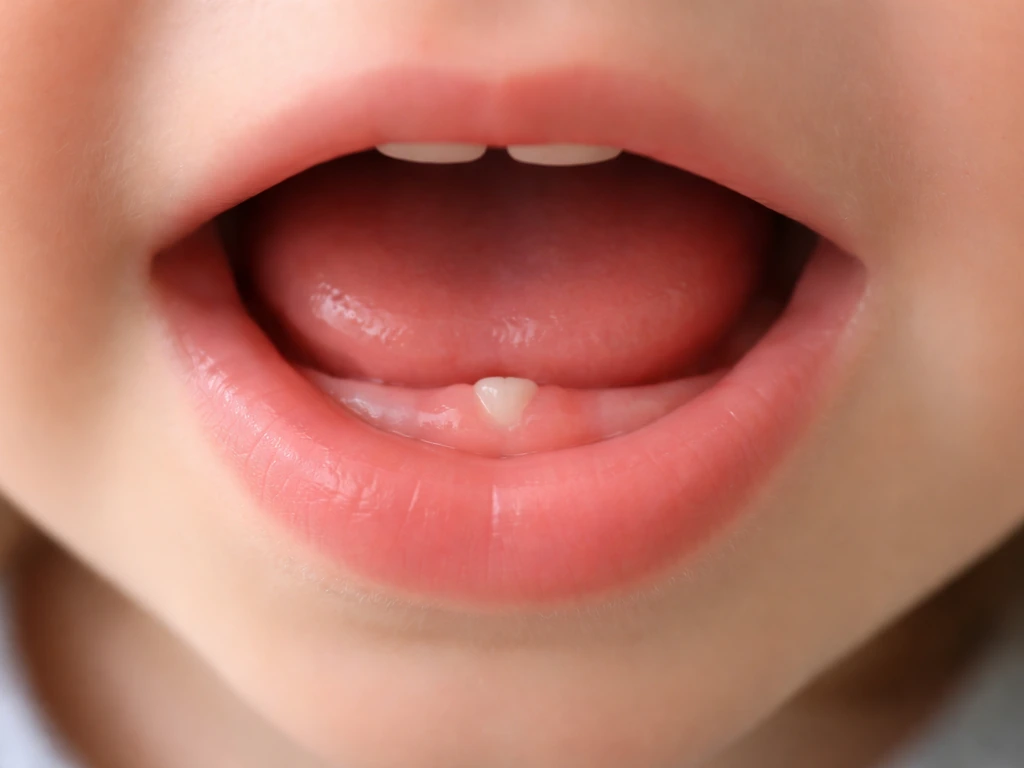
Typical front tooth eruption timeline, reasons for delays, myth busting regrowth, and when to see a dentist
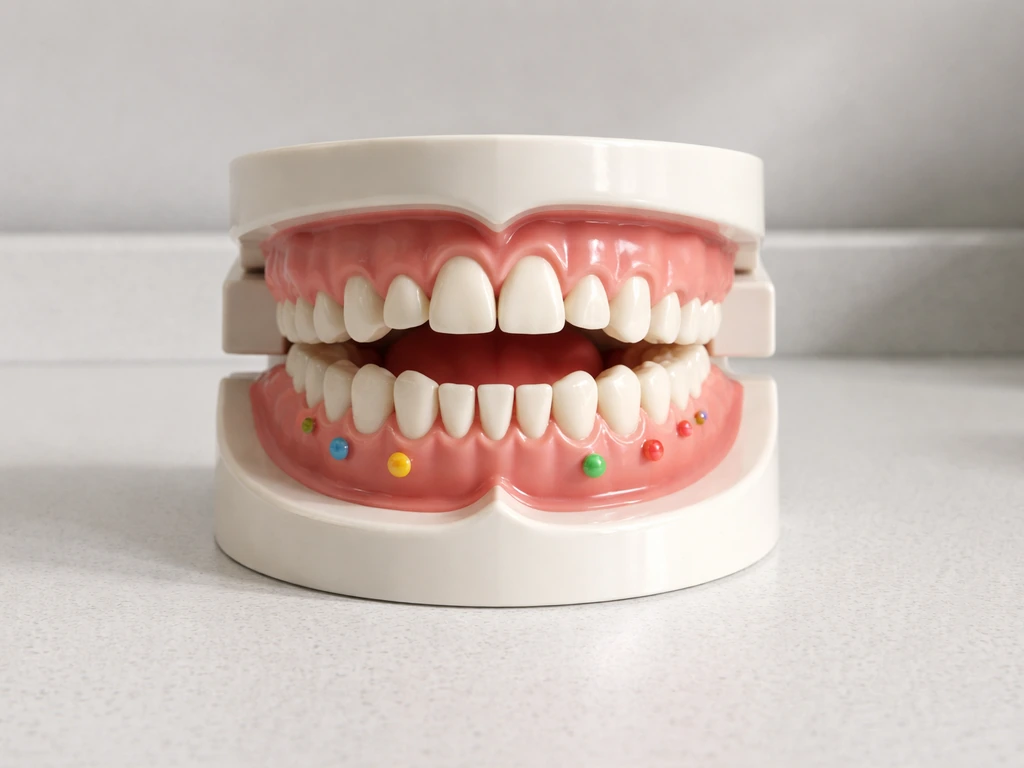
Tooth growth timelines for baby and permanent teeth, what regrowth is possible, and when to see a dentist