
Teeth do not grow the way fingernails or hair do. They do not keep lengthening, and once a permanent tooth is lost, nothing new grows to replace it. But 'how fast do teeth grow' is actually a reasonable question, because teeth absolutely do develop and erupt on a predictable schedule, and knowing that schedule helps you tell the difference between normal variation and a real problem worth a dentist visit.
How Fast Do Teeth Grow Timelines for Eruption and Development

Marcus Holloway
19 Apr 2026
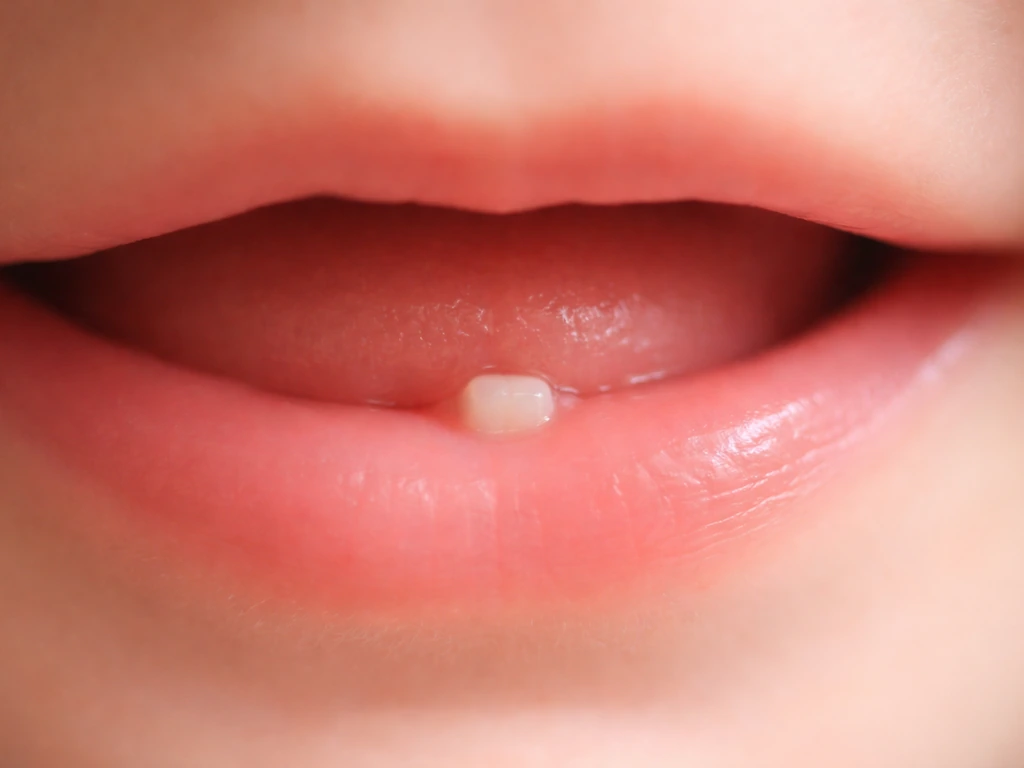
Average tooth development and eruption timing
The first tooth usually shows up around 6 months of age, typically a lower central incisor. That is the start of a process that plays out over roughly two decades. Primary (baby) teeth erupt in a fairly predictable sequence, and permanent teeth follow on their own timeline. If you are wondering when do teeth grow in for a specific tooth, the usual eruption windows depend on whether it is a primary tooth or a permanent one.
Primary teeth (baby teeth) timeline

Most babies cut their first tooth somewhere between 6 and 12 months. By around 2.5 to 3 years old, all 20 primary teeth are typically in place. The AAPD and Cleveland Clinic both put this milestone at approximately 2.5 to 3 years, and that lines up with what most pediatric dentists see in practice. Here is a general order:
| Tooth | Approximate Eruption Age |
|---|---|
| Lower central incisors | 6–10 months |
| Upper central incisors | 6–7 months (some sources say up to 12 months) |
| Lateral incisors (upper and lower) | 7–13 months |
| First molars (upper and lower) | 12–18 months |
| Canines (cuspids) | 16–23 months |
| Second molars (upper and lower) | 24–30 months |
A useful rule of thumb from dental literature is the 'Rule of 4s': roughly four teeth erupt every four months, starting with about four teeth around 7 months of age. This is not an official clinical guideline, but it is a helpful pattern check for parents keeping track.
Permanent teeth timeline
Permanent teeth begin appearing around age 5 to 7, usually starting with the first permanent molars and the lower central incisors. In many eruption timelines, the first permanent molars are among the teeth that are typically the first to grow in. The process of replacing all 20 baby teeth and adding extra permanent molars stretches through the early teens. Here are the general windows according to AAPD reference charts:
| Tooth | Approximate Eruption Age |
|---|---|
| First permanent molars | 5.5–7 years |
| Central incisors (lower) | 6–7 years |
| Central incisors (upper) | 7–8 years |
| Lateral incisors | 7–9 years |
| Canines (lower) | 9–11 years |
| Canines (upper) | 11–12 years |
| Premolars | 9–12 years |
| Second molars | 11–13 years |
| Third molars (wisdom teeth) | 17–25 years |
By the early teen years most people have their full set of 28 permanent teeth (not counting wisdom teeth). Related topics like which teeth grow first and what the final teeth to grow in the mouth are can give you even more detail on that sequence if you need it. Related topics like which teeth grow last can also help you understand the eruption sequence across the years. The final teeth to grow in the mouth are the wisdom teeth, which usually erupt in the late teens to mid-twenties what the final teeth to grow in the mouth. Knowing which teeth grow first can also help you spot when an eruption is right on track versus delayed.
How fast tooth structures change after birth vs. later in life
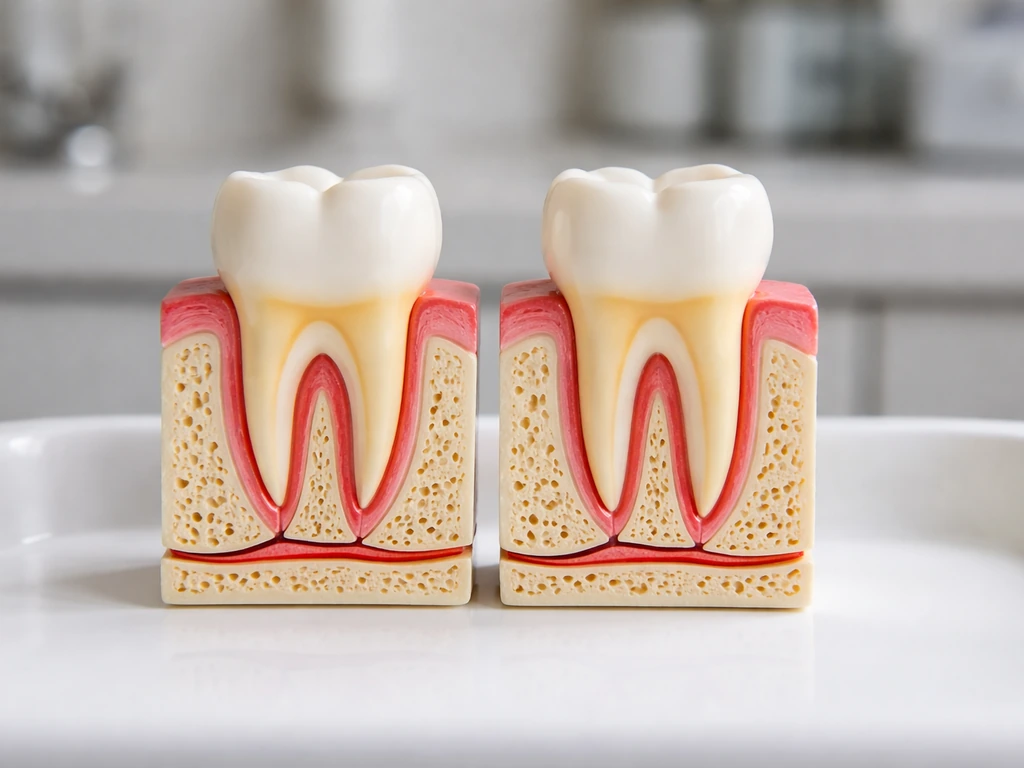
Here is something most people do not realize: a tooth is not finished when it pokes through the gum. Eruption is just one phase. Root formation continues for months to years after a tooth appears. For permanent teeth, roots may not be fully formed until one to three years after the tooth has erupted. And enamel, the hard outer shell, continues to mature even after eruption by absorbing mineral ions from saliva, a process called posteruptive maturation. Karger's Caries Research paper reports that enamel susceptibility to artificial caries decreases as posteruptive age increases, and it provides enamel depth or values by posteruptive age groupings (such as 0, 3 years vs 4, 10 years vs 11, 30 years vs over 30 years) posteruptive maturation.
Research published in Caries Research found that certain mineral-related changes at the outer enamel surface continue for up to 3.5 years after eruption. Other review articles confirm that enamel is not fully 'adult-like' at the moment it breaks through the gum, and that crystal structure and mechanical properties shift during the pre-eruptive and early post-eruptive period. So in a biological sense, teeth are still 'growing up' internally for a few years after you can see them.
In adults, this maturation has long since concluded. Adult teeth do not grow, lengthen, or regenerate new structure. The structures you have are the ones you keep, which is why protecting them matters so much.
What affects how quickly teeth grow
Eruption timing has a wide normal range, and several factors push it earlier or later. None of these are things you can usually control in the moment, but understanding them helps you know whether a delay is random variation or a red flag.
Genetics
Genetics is the single biggest driver of eruption timing. If both parents were late teethers, there is a good chance their child will be too. Family history is always worth mentioning to your pediatric dentist if you are concerned about a delay.
Nutrition, especially vitamin D
Vitamin D deficiency is a documented risk factor for delayed tooth eruption and for persistent primary teeth that do not fall out on time, according to published research. Calcium and phosphorus also play a role in how well enamel mineralizes during development. A balanced diet during infancy and early childhood genuinely matters for dental development.
Prematurity and birth factors
Babies born premature or with low birth weight tend to have delayed primary tooth eruption, even after correcting for adjusted age. A longitudinal cohort study confirmed this association, noting that neonatal factors influence the timing of when the first teeth appear.
Systemic health and medications
Thyroid hormone deficiency can delay craniofacial and dental development. Children with hypothyroidism may show noticeably later eruption across multiple teeth. Certain medications also have real effects: bisphosphonate therapy in children with osteogenesis imperfecta has been associated with a mean eruption delay of roughly 1.67 years in published research. If your child is on long-term medications, it is worth asking the prescribing doctor and dentist whether dental development effects are expected.
Local obstructions
Sometimes a tooth is delayed not because of a systemic issue but because something is physically in the way. Supernumerary teeth (extra teeth), retained baby teeth, and dense gum tissue can all slow or block eruption. This is a mechanical problem rather than a developmental one, and it is usually visible on an X-ray.
Tooth growth vs. enamel and gum changes: what can actually regenerate
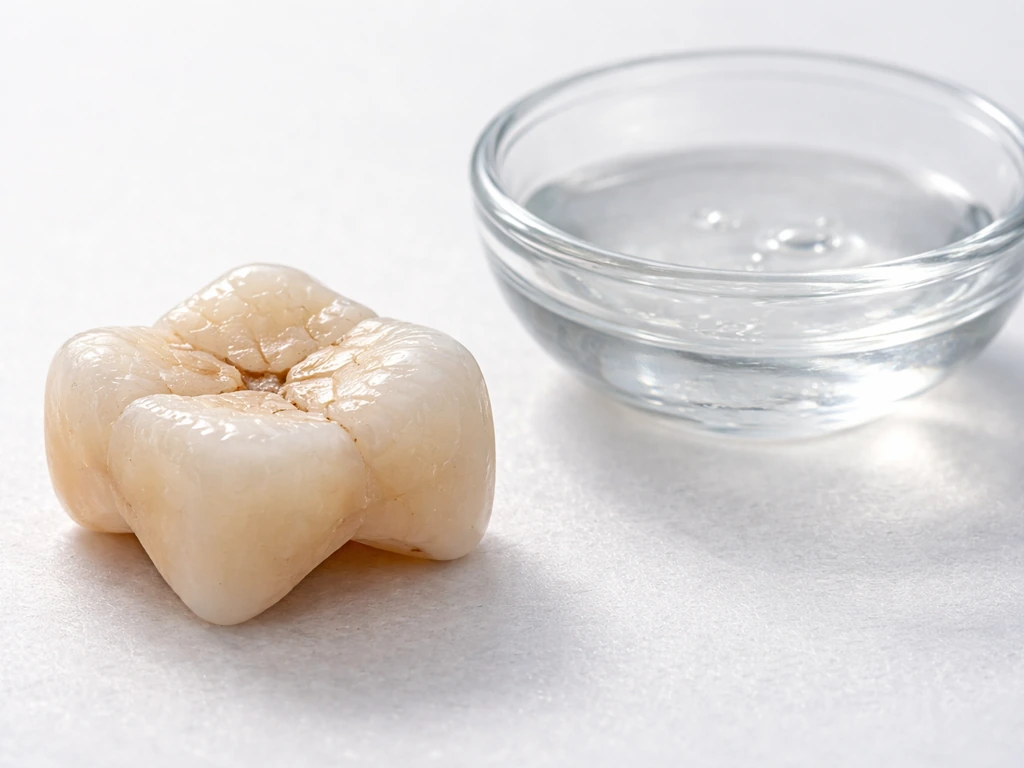
This is where a lot of internet confusion lives, so let's be direct about it. Human teeth do not regrow. If you lose a permanent tooth, your body does not grow a replacement. If enamel wears away or is dissolved by acid, your body cannot rebuild it. Enamel has no living cells once it is fully formed, so there is no mechanism for self-repair the way bone has.
What saliva can do is remineralize early, superficial enamel damage by depositing calcium and phosphate ions back onto the surface. This is real and useful, and it is why fluoride toothpaste helps: fluoride makes that remineralization process more effective. But this is surface-level mineral deposition, not growth. A cavity that has progressed past the outer enamel layer will not heal on its own.
Gum tissue is a different story. Gums can heal after minor trauma and respond to improved oral hygiene, but gums that have receded due to gum disease do not grow back on their own to their original position. Soft tissue grafts done by a periodontist can rebuild coverage, but that is a clinical intervention, not natural regeneration.
The bottom line: eruption and root maturation are the only meaningful ways a tooth 'grows' in humans. Once that window closes, the structure you have is fixed.
Wisdom teeth: how fast do they actually come in
Wisdom teeth (third molars) erupt later than any other teeth, typically between ages 17 and 25 according to the AAOMS and the ADA. Some sources narrow that window slightly to 17 to 21 years. Either way, the late teens to mid-twenties is the expected range.
The eruption process for wisdom teeth is slow compared to other teeth and can stretch over months or even years. Partial eruption is common, where the tooth breaks through the gum only partway and stays there. This is called being 'partially impacted,' and it creates a flap of gum tissue that traps bacteria and frequently causes inflammation and pain (pericoronitis). Some wisdom teeth never erupt at all, staying fully impacted inside the jaw.
The AAOMS recommends seeing an oral and maxillofacial surgeon in the late teens to assess what your wisdom teeth are doing, even if they are not causing pain yet. An X-ray at that stage gives the clearest picture of the trajectory and whether removal makes sense before the roots are fully formed and removal becomes more complicated.
When to worry: signs that eruption is abnormal or delayed
Not every late tooth is a problem, but there are clear thresholds where professional evaluation is the right call. Clinically, delayed eruption is often defined as a tooth failing to appear 12 months after the expected eruption window, or when the root is approximately three-quarters complete on an X-ray and the tooth has still not emerged.
For babies, the AAPD recommends the first dental exam within 6 months of the first tooth appearing and no later than 12 months of age. If no teeth have appeared at all by 12 to 13 months, that is worth discussing with a pediatric dentist.
Other patterns that should prompt a visit:
- Asymmetric eruption of the upper front teeth (one central incisor in but not the other after several months), which can signal a mesiodens or other obstruction
- A primary tooth that is way overdue to fall out but has not, potentially blocking the permanent tooth below
- Permanent teeth coming in behind baby teeth rather than pushing them out (common in lower incisors, but worth checking)
- No sign of a tooth that should have appeared based on age and the rest of the sequence
- Pain, swelling, or a visible cyst near a tooth that has not yet erupted
- An eruption pattern that is dramatically out of sequence compared to siblings or normal charts
For older teens worried about wisdom teeth: pain, swelling near the back of the jaw, difficulty opening your mouth fully, or a bad taste near the rear gum line are all signs that a partially erupted or impacted wisdom tooth is causing trouble and needs evaluation soon.
Practical next steps for parents and teens
If you are a parent tracking your child's teeth, the most useful thing you can do is know the general eruption sequence and compare it to your child every few months without obsessing over it. A baby tooth a month or two late is almost never a problem. A tooth that is six months or more overdue, or an asymmetric pattern in the front teeth, is worth a call to the pediatric dentist. If you mean a specific front tooth, the timeline can vary, so it helps to compare your child's eruption stage to typical windows.
- Schedule the first dental visit within 6 months of the first tooth or by 12 months, whichever comes first. This is an AAPD recommendation that gives your dentist a baseline.
- Keep up with regular checkups (every 6 months is the standard) so any eruption irregularities are caught early before they create space problems.
- Support enamel maturation in young teeth by using fluoride toothpaste as soon as teeth appear (a smear the size of a grain of rice for under-3s, a pea-sized amount for 3 and up).
- If your child has a known systemic condition (thyroid issues, bone disorders, premature birth history) or is on long-term medication, ask your dentist explicitly whether dental development monitoring is part of the plan.
- For teens in the 17-to-21 range: ask your regular dentist whether your wisdom teeth are visible on X-ray and whether an evaluation by an oral surgeon makes sense. Do not wait for pain to make this appointment.
- If you suspect delayed eruption based on the 12-month-past-normal threshold, ask for a panoramic X-ray. It shows all developing teeth, their roots, and any physical obstructions that are not visible from the surface.
- Do not rely on at-home remedies or supplements marketed to 'support tooth growth.' No supplement regrows lost permanent teeth or lost enamel. Good nutrition supports normal development in children, but it does not reverse damage or regrow what is already gone.
Tooth development follows a long arc from the first baby tooth around 6 months to wisdom teeth that may still be moving in your mid-twenties. Understanding where your own or your child's teeth fall on that timeline, and knowing the actual biological limits of what teeth can and cannot do on their own, puts you in a much better position to make smart decisions and ask the right questions at your next dental visit.
FAQ
If my child is late cutting teeth, should I measure it from birth or from an adjusted age for prematurity?
Use adjusted age when your child was premature, meaning subtract the early weeks or months from the age you would normally use, especially in the first 2 years. Dental delay thresholds are still based on expected eruption windows, so if you are not sure which calendar to use, ask the pediatric dentist to compare both actual and adjusted timelines.
How can I tell whether a “delayed tooth” is just normal variation versus something like a blocked eruption?
Look for patterns, not just a single tooth. If multiple teeth are delayed, or if a tooth is not erupting even as neighboring teeth move into place, that is more suspicious. Also watch for visible gum bulges that do not change over time, and expect that an X-ray is usually needed to distinguish delayed development from mechanical obstruction like a retained baby tooth or supernumerary tooth.
When should I worry if teeth erupt out of order in the front?
Mild swapping in the front sequence can happen, but significant asymmetry is a red flag, for example, one side erupting while the other has no sign of eruption for many months. If an upper or lower front tooth looks consistently behind by about 6 months or more compared with typical windows, call the pediatric dentist for an assessment rather than waiting for the “average” timeline.
Do teeth keep moving after they finish erupting, especially in children?
Yes. Even after a tooth erupts, its position can still change because the jaws and bite are still developing. Root formation can also take months to years after the tooth pokes through, so treatment decisions in kids often depend on both eruption stage and root completion, not just “how long it has been visible.”
Does fluoride or saliva really “grow” enamel after a tooth erupts?
No, it does not grow new enamel. Fluoride and saliva help remineralize early, surface-level mineral loss by restoring ions on the enamel surface, and this can slow or reverse very early decay. They do not repair enamel defects once a cavity has broken into deeper layers, so persistent spots, pits, or sensitivity still need dental evaluation.
If a baby tooth is late to fall out, does that automatically mean it will harm the permanent tooth?
Not automatically, but it can. When a primary tooth does not shed on time, it may block the permanent tooth’s path or contribute to crowding and malalignment. That is why the article’s “persistent primary teeth” risk factors are important, and you should discuss the timing with a dentist if a tooth is still present well beyond the usual replacement window.
What are the most common non-systemic reasons a tooth eruption seems stalled?
Local mechanical factors are frequent, including a retained primary tooth, an extra tooth (supernumerary), unusually dense gum tissue, or a tooth that is impacted. These are often detected on bitewing or panoramic X-rays, so if eruption stalls for months, imaging is usually the next practical step rather than waiting indefinitely.
My teenager is missing a tooth that should have erupted. What if they are only checking for wisdom teeth?
Wisdom teeth can be absent temporarily or never erupt, and their timing varies widely within the late teens to mid-twenties range. However, if the concern is pain, swelling near the back of the jaw, trouble opening the mouth, or recurring bad taste near the rear gum line, get assessed sooner. Those symptoms can indicate pericoronitis from partial eruption or impaction.
How do dentists decide that a tooth is delayed, besides “it hasn’t shown up yet”?
Clinicians typically combine time-based criteria with an X-ray look at root development. Delayed eruption is often considered when a tooth is more than 12 months past the expected eruption window, or when root formation is about three-quarters complete and the tooth still has not emerged. That combination helps avoid overreacting to normal variation while still catching cases that need intervention.
What should we do at the first dental visit for an infant, if no teeth are visible yet?
A first exam is still useful even without visible teeth, because the dentist can check oral development, assess risk factors, and guide feeding and hygiene. If no teeth have appeared by around 12 to 13 months, that timing is explicitly worth discussion, and the clinician can determine whether adjusted age, nutrition, or further evaluation is appropriate.
Next Articles
When Do Teeth Grow In? Eruption Timeline by Age
Tooth eruption by age: when baby and permanent teeth arrive, wisdom teeth timing, and when delays mean you should see a
When Do Permanent Teeth Grow and Do They Keep Growing?
Learn when permanent teeth erupt, whether they keep growing after, typical changes by age, and when to see a dentist.
How Long for a Front Tooth to Grow In: Timelines and Why
Typical front tooth eruption timeline, reasons for delays, myth busting regrowth, and when to see a dentist