
Permanent teeth grow in (erupt) between roughly ages 6 and 21, starting with the first molars and lower central incisors around age 6 and finishing with wisdom teeth sometime in the late teens or early twenties. After they come in, they do not keep growing in any meaningful biological sense. The crown you see in the mirror is essentially the same crown that emerged from the gum, and it will not get bigger over time. That said, there are some real nuances worth understanding, especially if you are watching a child's development or wondering why your teeth look different than they did years ago.
When Do Permanent Teeth Grow and Do They Keep Growing?

Marcus Holloway
15 Apr 2026
Tooth growth vs. tooth eruption: what people actually mean
When most people ask "when do permanent teeth grow," they are really asking about eruption, which is the process by which a tooth moves from its developmental position inside the jawbone into its functional position in your mouth. Eruption is not the same as growth. The crown of the tooth (the part you see) is almost fully formed inside the jaw before the tooth ever breaks through the gum. According to dental biology research, eruption typically begins once the tooth root has reached about two-thirds of its maximum length. So the tooth has already been "grown" in a structural sense long before you see it.
Root formation does continue after the crown has emerged. In fact, permanent tooth roots are not fully completed until roughly 2.5 to 3 years after the tooth erupts. This is a normal part of development, not a sign of a problem. The crown is done; the root is still catching up. Once the root is fully formed and the tooth has settled into occlusion (meaning it touches its opposing tooth properly), eruption is essentially complete. If you want a deeper look at the broader timeline of when teeth grow in from baby teeth through adulthood, that covers the full picture from infancy onward.
Do permanent teeth keep growing after they come in?
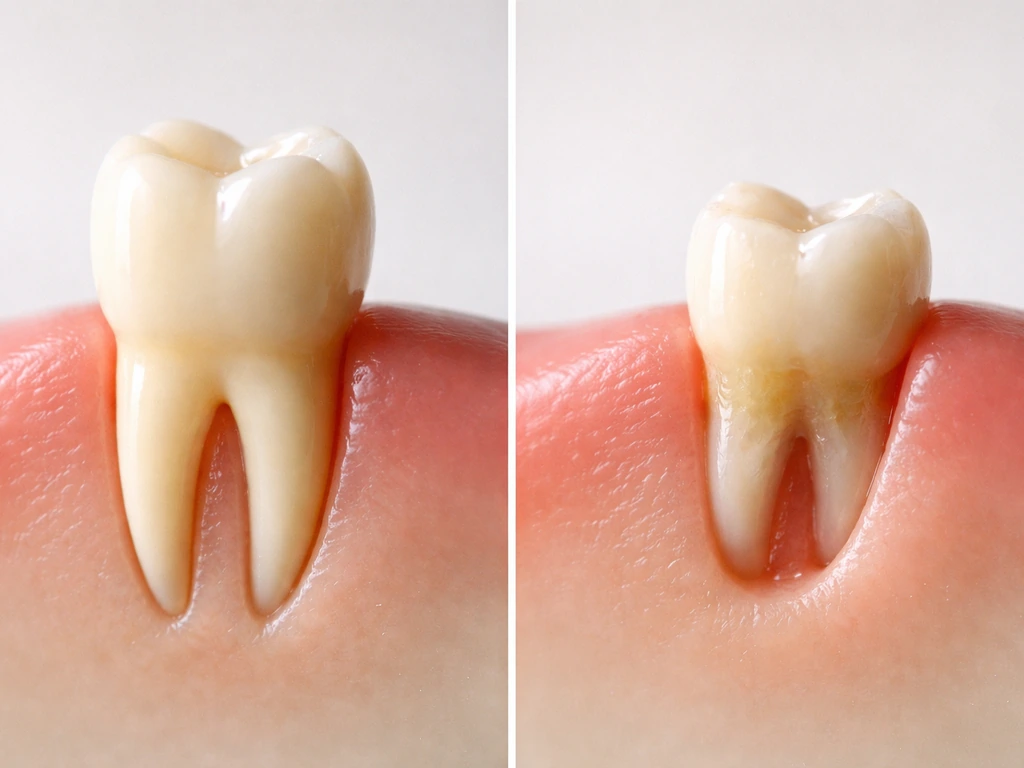
No, not in the way you might be imagining. Once a permanent tooth has fully erupted and the root is complete, meaningful biological growth stops. There is a concept called "continuous eruption" that researchers have documented, but it is minor positional movement rather than the tooth actually adding new tissue and getting bigger. A 16-year follow-up study confirmed that continuous eruption is a lifelong process, but we are talking about tiny incremental shifts in position, not visible enlargement of the tooth itself.
A 10-year longitudinal study did find that clinical crown lengths (the visible portion of the tooth) increased in adults over the study period, but the researchers attributed this largely to gingival recession, meaning the gum line moved down and exposed more of the root surface, making the tooth appear longer. That is not the tooth growing. That is the gum retreating. The distinction matters a lot when you are trying to understand what is actually happening in your mouth.
Post-eruptive enamel maturation is another process that continues after a tooth erupts. The enamel chemically hardens and becomes more resistant to demineralization for roughly the first 10 years after eruption. This is a change in the quality and strength of the enamel, not an increase in tooth size. It is one reason newly erupted teeth in children are more cavity-prone than the same teeth a decade later.
Do permanent teeth get bigger over time?
In almost every case, the answer is no, they actually get smaller. Teeth lose structure over time through a combination of attrition (tooth-to-tooth contact), abrasion (friction from brushing, food, or habits), and erosion (acid breakdown). Research published in the British Dental Journal estimates wear rates of around 15 microns per year at incisors and about 29 microns per year at molars. Over a lifetime, that adds up to real structural loss. Other estimates put average wear at roughly 30 microns per year across tooth types. You are not gaining tooth. You are slowly losing it.
There is one unusual exception worth knowing about: a condition called hypercementosis, where excessive buildup of cementum (the tissue covering the root) occurs around one or more teeth. This can make a tooth's root appear enlarged on an X-ray and give the tooth an odd shape, but it is not normal growth and is not something that happens to most people. It is classified as an anomaly, not a standard part of aging.
So if your teeth look longer than they used to, the most likely explanation is gum recession exposing more of the tooth surface, not the tooth itself growing. If they look shorter or flatter, wear is almost certainly the reason. How fast teeth grow and change is a question with a more nuanced answer than most people expect, precisely because eruption, maturation, and wear are all happening at different rates and at different life stages.
Which teeth actually grow continuously (spoiler: not yours)
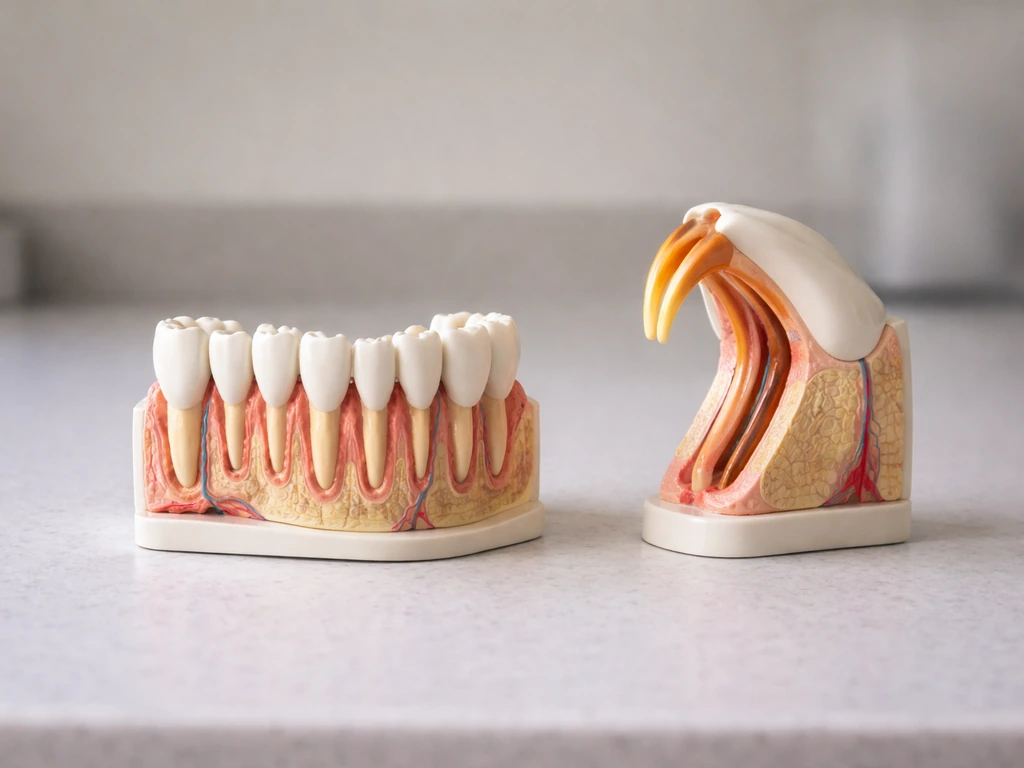
Continuously growing teeth are a real biological phenomenon, just not in humans. Rodents like mice and rats have incisors that never stop growing throughout their lives. This is called hypselodonty or elodont dentition, and it evolved as an adaptation to tooth wear from gnawing. The root canal in these teeth stays open, allowing ongoing growth to compensate for constant wear. Some other mammals, including certain rabbits and some African mole-rats, have similar adaptations. Many fish and reptiles take an even more extreme approach: they are polyphyodonts, meaning they replace their teeth continuously throughout life rather than having just two sets like humans.
Humans are diphyodonts. We get two sets: baby (deciduous) teeth and permanent teeth. That is it. Our permanent teeth are not designed to grow continuously, and once the permanent set is in, there is no natural biological backup. That biological reality is the foundation of why dental care matters so much. Which teeth grow last in humans (third molars, or wisdom teeth) still follow the same basic non-continuous growth model as every other permanent tooth.
The full permanent tooth eruption timeline
Here is how permanent teeth typically come in, based on widely accepted eruption charts from the ADA and supporting clinical data. StatPearls notes that the first permanent teeth to emerge are the first molars, and that mandibular incisors typically erupt around ages 6, 7 first molars erupt first and mandibular incisors at about ages 6–7. These are average ranges; there is normal variation of a year or more in either direction for many teeth.
| Tooth | Upper jaw (approx. age) | Lower jaw (approx. age) |
|---|---|---|
| Central incisors | 7–8 years | 6–7 years |
| Lateral incisors | 8–9 years | 7–8 years |
| Canines (cuspids) | 11–12 years | 9–10 years |
| First premolars | 10–11 years | 10–12 years |
| Second premolars | 10–12 years | 11–12 years |
| First molars | 6–7 years | 6–7 years |
| Second molars | 12–13 years | 11–13 years |
| Third molars (wisdom teeth) | 17–21 years | 17–21 years |
The first molars and lower central incisors are typically which teeth grow in first among permanent teeth, often arriving around age 6. From there, the process continues through the early teen years, with second molars coming in around 11 to 13, and most people finishing the full set when wisdom teeth erupt sometime between 17 and 21. The ADA notes that by age 21, all 32 permanent teeth have usually erupted. Root completion for each tooth lags about 2.5 to 3 years behind crown eruption, so the developmental process is not truly finished until the mid-twenties for the last teeth to arrive.
If you are curious about the earliest part of this process and how quickly things move once they start, how long it takes teeth to grow breaks down the timeline from initial formation to full eruption in more detail. And for parents watching a child's front teeth specifically, how long it takes a front tooth to grow in is a common source of anxiety that has some reassuring answers.
What happens to growth once all permanent teeth are in
Once the second molars are in and roots are complete (typically by the mid-teens for most teeth), the developmental window for the main permanent dentition closes. The jaw continues growing through the teen years, which is one reason orthodontic timing matters, but the teeth themselves are not adding new tissue. Third molars aside, the permanent dentition is structurally set. What the final teeth to grow in the mouth are is a question with a clear answer: it is the third molars, and for about 20 to 25 percent of people, one or more wisdom teeth are congenitally absent or impacted and never fully erupt at all.
When to actually worry: signs that something needs attention
Most variation in eruption timing is completely normal. But there are specific situations where you should not just wait it out and hope things resolve on their own.
Delayed eruption
A tooth is clinically considered delayed if it has not surfaced 12 months past its expected eruption window, or if X-rays show the root is at roughly three-quarters of its full length and the tooth still has not emerged. This threshold comes from established dental criteria for evaluating eruption anomalies. Causes of delayed eruption include overcrowding, supernumerary (extra) teeth blocking the path, ankylosis (where a tooth fuses to the bone), ectopic eruption (a tooth developing at the wrong angle), and occasionally systemic conditions. A practical red flag to watch for: if a tooth on one side of the mouth has erupted but the matching tooth on the opposite side is more than six months behind, that asymmetry warrants a dental evaluation.
Abnormal tooth size or shape
If a newly erupted tooth looks dramatically larger or smaller than expected, or has an unusual shape, it is worth getting it checked. Conditions like macrodontia (oversized teeth), microdontia (undersized teeth), and various structural anomalies can affect individual teeth. These are not the tooth "growing wrong" post-eruption; they reflect how the tooth developed before it erupted. None of these are things you can monitor and wait out without professional input.
Symptoms that mean go now, not later
- Pain or swelling around a tooth that should have erupted but has not appeared
- A baby tooth that is still present well after the permanent tooth's expected arrival window (for example, a primary incisor still in place at age 8 or 9)
- Visible shifting or crowding that seems to be getting worse quickly
- Any tooth that feels loose in an adult (permanent teeth should not be mobile)
- Gum tissue that looks inflamed or thickened over a spot where a tooth should be coming through
The practical standard from pediatric dental organizations is that every child should have an established relationship with a dentist blank" rel="noopener noreferrer">by age one, or within six months of the first tooth erupting. Regular checkups through the mixed dentition years (roughly ages 6 to 12) are the most reliable way to catch eruption problems early, when they are easiest to manage. Which teeth are typically the first to grow is actually a useful benchmark for parents: if you know what should appear first and when, you have a practical early-warning system built into normal development.
If you are an adult and your teeth seem to be changing in appearance, shrinking, or showing more sensitivity near the gum line, that is almost certainly wear or recession rather than any growth process. Both are worth discussing with your dentist, especially if the changes are progressing quickly. There is no version of this where waiting and hoping is the better strategy.
FAQ
If permanent teeth do not grow after eruption, why do some teeth look longer later on?
Usually, by the time a permanent tooth has fully erupted and the gum line has healed, it will not noticeably get taller because new tooth tissue is not being added. If you see it “growing” anyway, the most common explanations are gum recession (you are seeing more root) or slow changes in wear that alter tooth shape and edge position.
Can a permanent tooth still be developing even if I can already see it? (crown is out, but root not finished?)
Root completion takes time even after the crown appears, so a tooth can look in place but still be developing internally for years. Dentists judge this with X-rays, and it is normal for the root to keep forming roughly 2.5 to 3 years after eruption before the tooth is fully settled.
Do newly erupted teeth get stronger over time, or do they just sit there unchanged?
Yes, enamel “matures” after eruption, meaning it becomes more resistant to cavity-causing acid for about the first decade. That change is about hardness and resistance, not an increase in tooth size.
How can I tell if my teeth are actually wearing down versus just changing appearance from gum or bite changes?
Not always. Some adults notice teeth look “smaller” because wear can flatten biting surfaces, reduce sharp edges, and slightly shorten cusps, while orthodontic changes and restorations can also change how much tooth is visible. If it is progressive and accompanied by sensitivity, ask about both wear and gum recession.
What habits or conditions commonly speed up gum recession that makes teeth look longer?
Gum recession is often gradual, but it can accelerate with factors like aggressive brushing (especially horizontal scrubbing), smoking, untreated inflammation, misaligned bite pressure, and certain orthodontic movements. The key decision aid is that if recession is worsening, it should be assessed early to prevent further exposure and long-term sensitivity.
What counts as truly delayed eruption, and when should I stop waiting?
A tooth can be “late” and still be normal variation, but there are defined concern thresholds. If it has not erupted about 12 months past the expected window, or imaging suggests the root is around three-quarters formed yet it still has not emerged, that is a reason to schedule an evaluation rather than wait.
Is it normal for the same permanent tooth to erupt at different times on the left and right?
Asymmetry is a practical clue: if one side has erupted but the matching tooth on the other side is more than about 6 months behind, it is worth getting it checked. This does not diagnose a problem by itself, but it helps decide whether to monitor or image sooner.
If a permanent tooth looks bigger or smaller than my other teeth, is it because it kept growing after eruption?
Tooth shape differences that existed before eruption, like oversized or undersized teeth, can make a tooth appear “wrong” once it comes in. These are usually development-related rather than post-eruption growth, so monitoring alone is less helpful than an exam to confirm what you are seeing.
Could the idea of continuous eruption explain my teeth shifting in adulthood?
Sometimes, but in most cases the tooth is not actually moving by “growth.” Small positional movement can occur with continuous eruption, but it is minor and not visible enlargement. If there is noticeable movement or changes in bite, ask about orthodontic shifts, periodontal changes, or other causes.
What should I do if I think one permanent tooth never erupted?
If a permanent tooth is missing, it is often due to congenital absence (especially wisdom teeth), failure of eruption because of impaction, or less commonly an anomaly that affected development. Clinicians confirm with an exam and imaging, and the management depends on whether the tooth is absent, impacted, or simply delayed.
Are wisdom teeth the only permanent teeth that commonly erupt later or never erupt?
Yes, eruption timing depends on the tooth type, and third molars are especially variable. Even if other permanent teeth are on track, wisdom teeth may appear late, stay impacted, or be absent in a meaningful portion of people, so you usually need tooth-specific guidance.
How often should a child be seen by a dentist during the years permanent teeth are erupting?
In general, routine dental visits during mixed dentition are the best way to catch eruption issues early. The decision aid is timing: establish a dental relationship by around age one (or within 6 months of the first tooth erupting), then keep regular checkups through the years when permanent teeth start coming in (roughly 6 to 12).
Next Articles
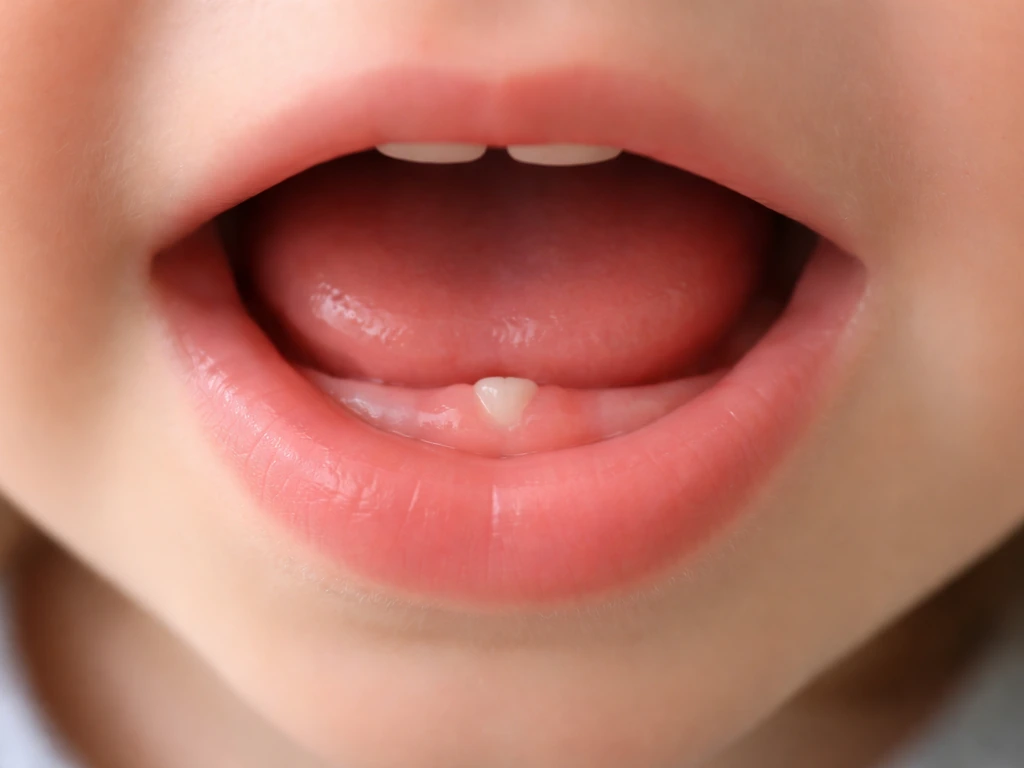
How Long for a Front Tooth to Grow In: Timelines and Why
Typical front tooth eruption timeline, reasons for delays, myth busting regrowth, and when to see a dentist
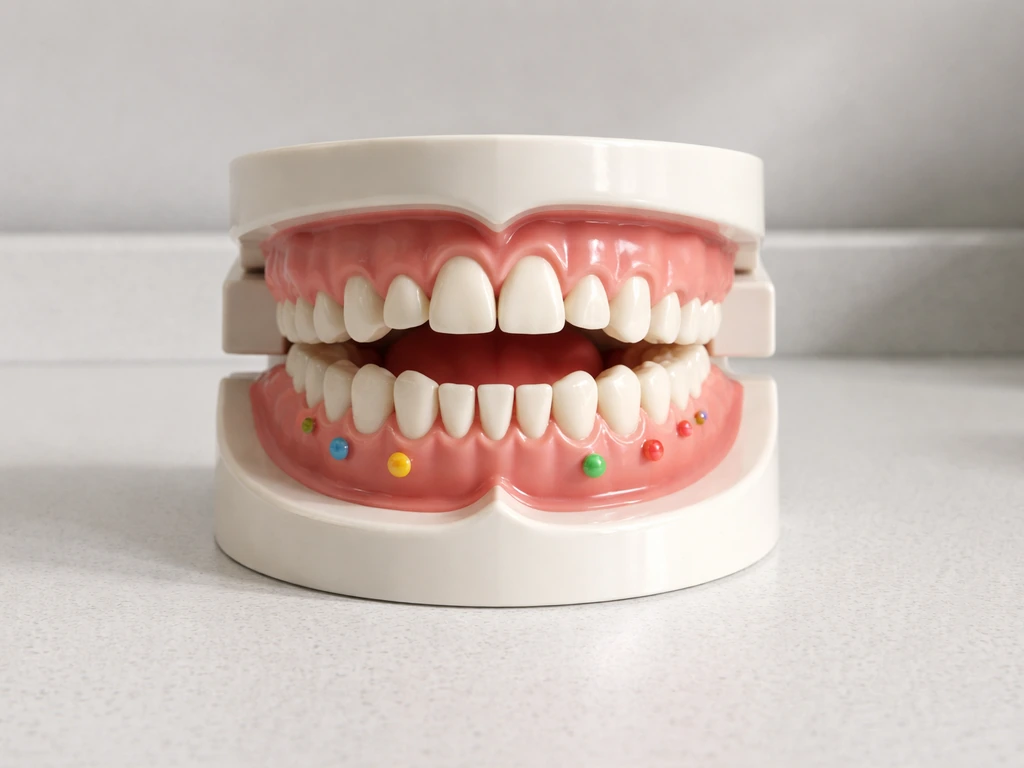
How Long Does It Take Teeth to Grow? Timelines Explained
Tooth growth timelines for baby and permanent teeth, what regrowth is possible, and when to see a dentist
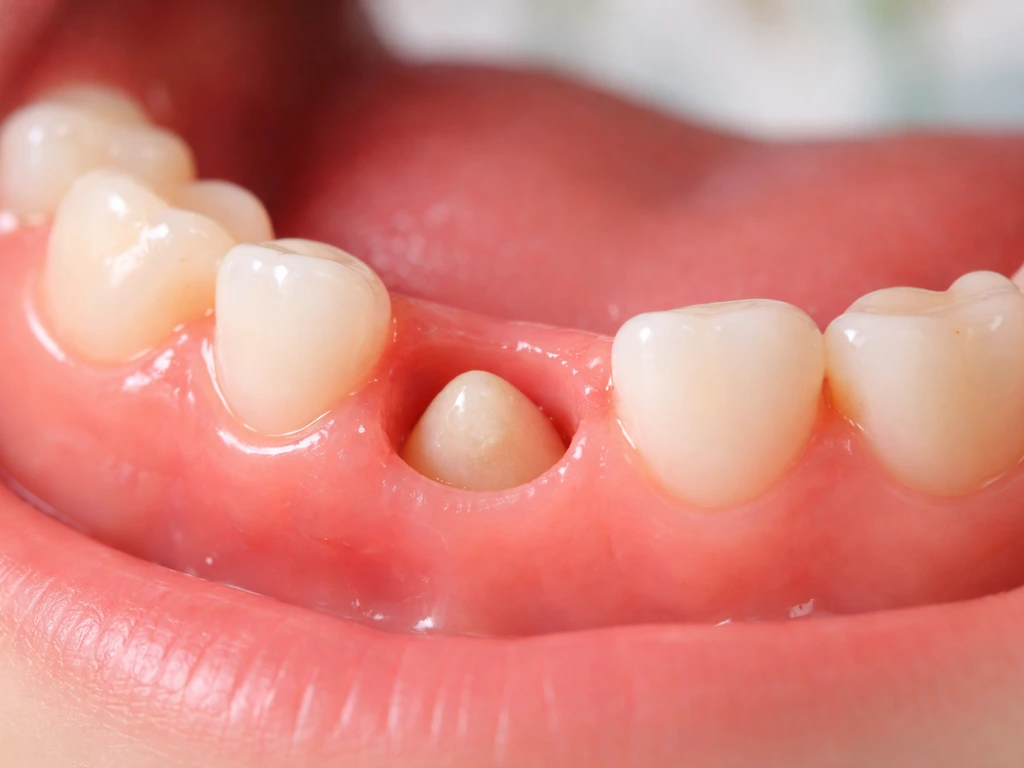
Do Milk Teeth Grow Back? Timelines, What to Do, Red Flags
Learn if milk teeth regrow, typical timelines for permanent teeth, what to do after loss or injury, and red flags.