
A permanent front tooth typically takes a few weeks to a few months to fully erupt once it starts breaking through the gum. The actual window depends heavily on age: for children, permanent upper central incisors usually emerge between ages 7 and 8, and the lateral incisors (the ones flanking them) follow at ages 8 to 9. But here is the honest answer most people want: if you are watching a tooth and wondering why it is taking so long, "growing in" and "growing back" are two very different things, and knowing which one you are dealing with changes everything.
How Long for a Front Tooth to Grow In: Timelines and Why

Marcus Holloway
14 Apr 2026
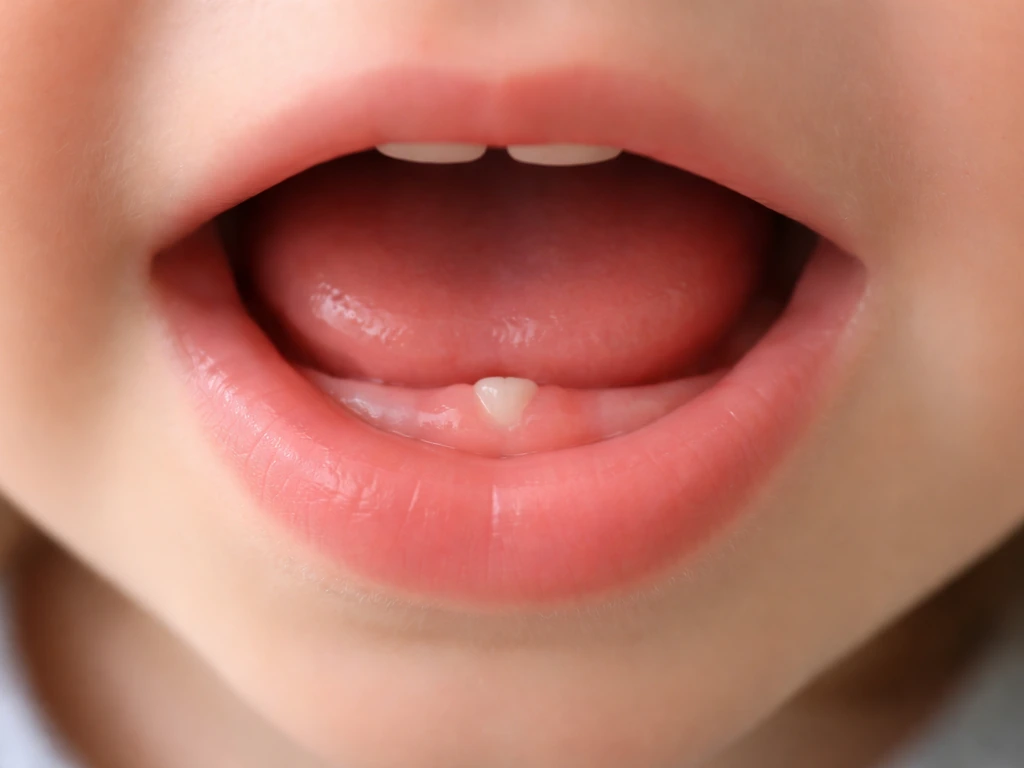
Normal timeline for front tooth eruption
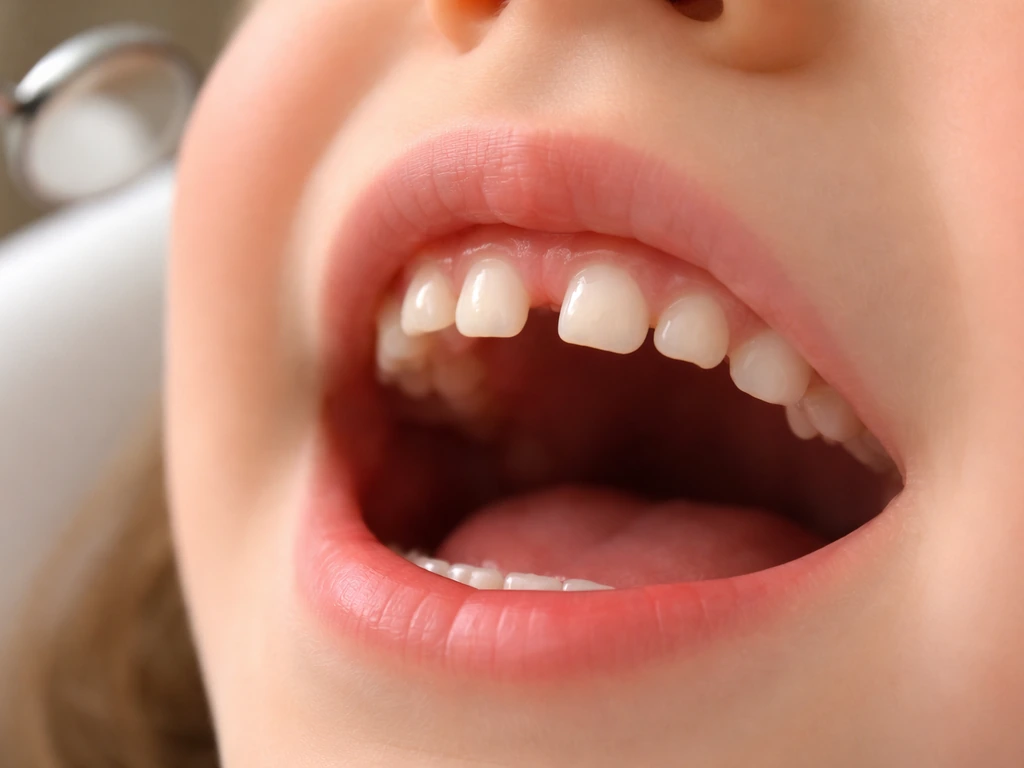
For children, the timeline for permanent front teeth is fairly predictable. blank" rel="noopener noreferrer">The permanent upper central incisors erupt around ages 7 to 8, and the upper lateral incisors follow between ages 8 and 9, according to AAPD eruption data. Lower central incisors tend to come in slightly earlier, often around age 6 to 7. Before any of that happens, the baby (primary) front teeth have to go first. blank" rel="noopener noreferrer">Primary upper central incisors typically erupt between 8 and 12 months of age, and the primary lateral incisors follow on a similar schedule.
Once a permanent incisor actually starts pushing through the gum tissue, you can expect to see visible movement over several weeks. Full eruption to the level of neighboring teeth usually takes 1 to 3 months, though the root continues developing for years after the crown is visible. Root completion typically wraps up about 2 to 3 years after the tooth first appears in the mouth. So the tooth may look "in" long before it is truly finished developing.
If you want a quick reference for where the front teeth fall in the overall eruption sequence, it helps to understand which teeth grow in first and how the incisors fit into that broader pattern of dental development.
| Tooth | Primary Eruption Age | Permanent Eruption Age |
|---|---|---|
| Upper Central Incisor | 8–12 months | 7–8 years |
| Upper Lateral Incisor | 8–12 months | 8–9 years |
| Lower Central Incisor | 6–10 months | 6–7 years |
| Lower Lateral Incisor | 10–16 months | 7–8 years |
Why front teeth sometimes take longer than expected
Clinically, a tooth is considered delayed if it has not surfaced 12 months after the normal eruption window, or when the root is already three-quarters complete but the tooth still has not broken through. That threshold matters because it tells your dentist something is likely getting in the way, not just running late.
The most common reason front teeth are slow is crowding. If there is not enough space in the arch, the incoming tooth has nowhere obvious to go and may sit just below the surface for months. A related issue is an over-retained baby tooth: if the primary incisor does not fall out on its own schedule, it can physically block the permanent tooth underneath. This is one of the most fixable delay causes and usually just requires extraction of the stubborn baby tooth.
Supernumerary teeth (extra teeth that form in the wrong place) are another common culprit, especially for the upper front region. If a child shows asymmetric eruption, meaning one upper central incisor is in but the other has not appeared months later, a dentist should suspect a supernumerary tooth sitting in the eruption path. X-rays can confirm this quickly, and removal is usually all it takes to get the permanent tooth moving again. After removal, AAPD guidelines recommend a follow-up at 6 months to confirm the incisor is erupting normally.
Other causes of delayed front tooth eruption include:
- Impacted teeth: a physical barrier (bone, another tooth, a cyst) is blocking the eruption path entirely
- Ankylosis: the tooth root has fused to the jawbone, stopping eruption; ankylosed teeth often sound solid and sharp when tapped and sit lower than neighboring teeth
- Mucosal barriers: thick or dense gum tissue that the tooth cannot easily push through
- Trauma to the baby tooth: an injury to a primary incisor can damage the developing permanent tooth bud underneath, delaying or distorting its eruption
- Gingival fibromatosis or benign tumors creating local obstruction
- Nutritional deficiencies or hormonal conditions affecting overall dental development
- Genetics: some families simply run late, and eruption timing has a known hereditary component
Understanding how fast teeth grow in general can help you put a delayed front tooth in context and tell the difference between a normal slow mover and something that genuinely warrants a closer look.
What to expect at different ages
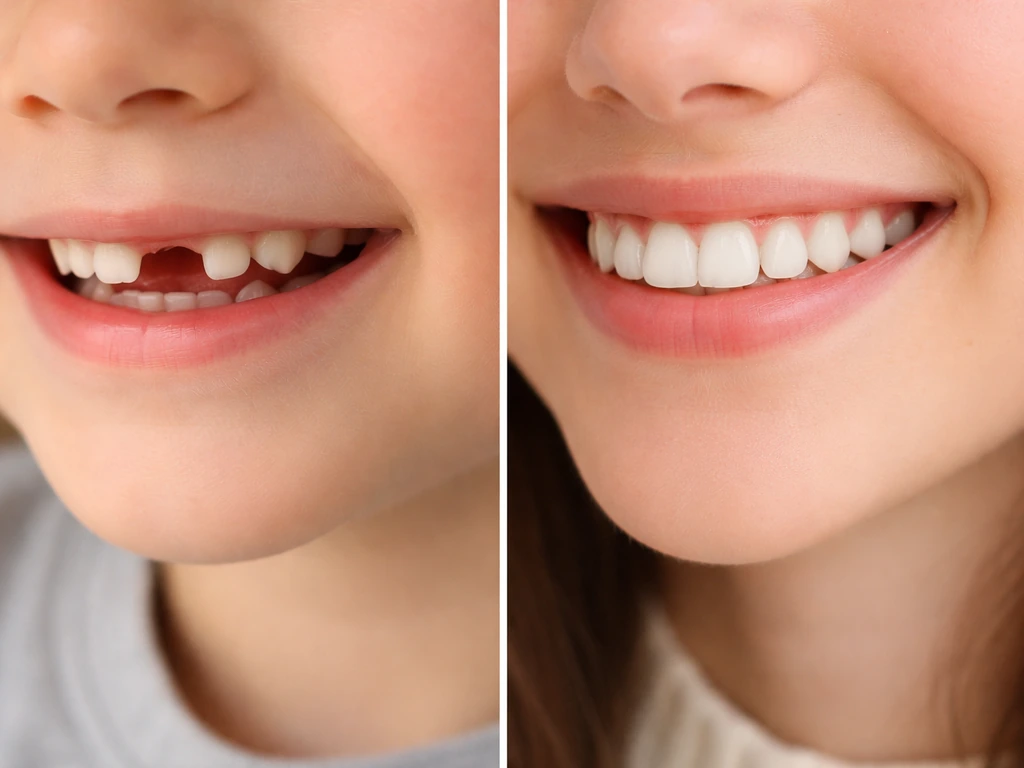
Kids (ages 5 to 12)
This is where most front-tooth eruption questions come from. A child loses a front baby tooth, and parents watch and wait. Under normal circumstances, the permanent replacement should show within a few weeks to a couple of months. If a baby front tooth fell out on the early side (before age 6 in the upper jaw), the permanent tooth might genuinely not be ready yet and could take up to a year.
That is not automatically a problem. But if a permanent incisor has not appeared by age 8 to 9 for upper centrals, or by 9 to 10 for upper laterals, that is worth discussing with a pediatric dentist. By age 21, all permanent teeth should normally have erupted, so the window is wide but not unlimited.
Teens (ages 13 to 21)
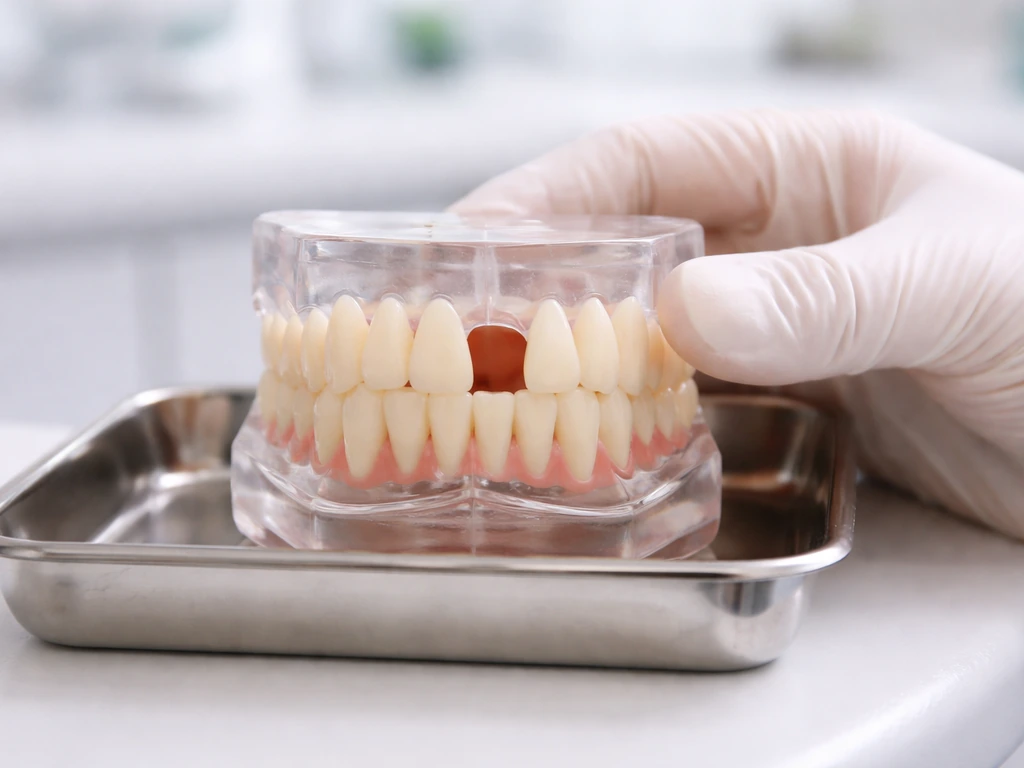
By the teenage years, front incisors should already be fully in. If a teen is missing a front tooth that never erupted, it is almost certainly impacted, congenitally missing, or has been blocked by something structural. This is not a "wait and see" situation at this age. Orthodontic intervention or surgical exposure may be needed to bring an impacted tooth into position. If the tooth is congenitally absent (it simply never formed), the teen and their dentist need to discuss options like implants, bridges, or space maintenance for later restoration.
Adults
Adults do not get new front teeth. If you are an adult and a permanent front tooth is "coming in," what is almost certainly happening is one of two things: a tooth that was previously impacted is finally erupting (rare, and usually something a dentist already knows about), or you are misinterpreting something else, like gum recession exposing more of a tooth's root, or a tooth shifting position. Permanent front teeth do not regrow after loss in adulthood. That is a hard biological limit, and the next section covers why.
What is actually happening under the gums before you see anything
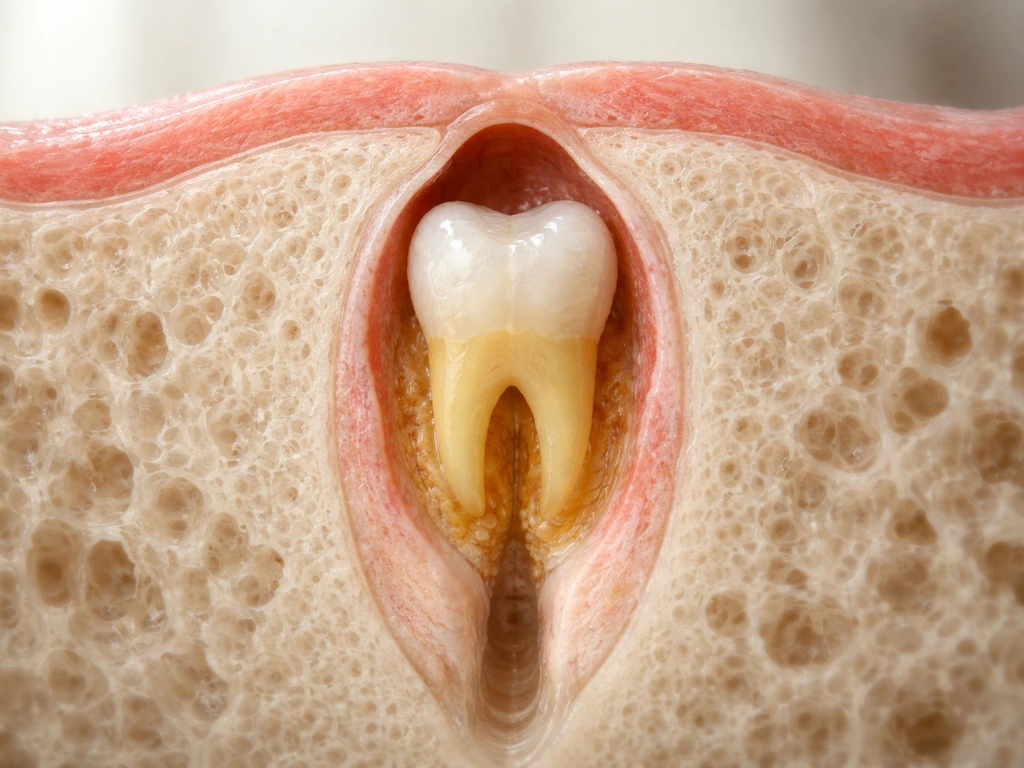
Long before a front tooth breaks through the gum line, a surprisingly complex process is already underway in the jawbone. The developing tooth sits inside a dental follicle, a connective tissue sac that plays a key role in the eruption process. The follicle helps signal the surrounding bone to resorb ahead of the tooth and deposit new bone behind it, essentially creating a path for the tooth to travel upward.
The tooth travels through a channel in the jawbone called the gubernacular canal, guided by a cord of tissue toward the gum surface. The periodontal ligament forms during this journey and helps anchor the tooth once it is in position. The whole process involves coordinated bone remodeling: old bone breaks down in front of the erupting tooth while new bone fills in behind it. This is why a tooth can feel like it appears "overnight" even though the actual process has been running for months beneath the surface.
The calcification of a permanent incisor's crown actually begins years before the tooth erupts. For upper central incisors, crown formation starts around 3 to 4 months of age and takes another 3 to 4 months to complete. Root development then takes several more years. So by the time you see the tooth peeking through the gum at age 7, it has been in development for the better part of a decade. How long it takes teeth to grow from calcification to full eruption is much longer than most people realize.
Signs that something is wrong and when to see a dentist
Most delayed front teeth are nothing dramatic, but some situations need professional attention sooner rather than later. Here are the red flags to watch for:
- A permanent upper central incisor has not appeared by age 9 or later (or age 10 for lateral incisors)
- One upper front tooth has erupted but the matching tooth on the other side has not appeared within 6 months (asymmetric eruption)
- A baby front tooth fell out more than a year ago and still no permanent tooth is visible
- There is visible swelling, pain, or a bump in the gum where the tooth should be coming in
- A tooth appears to be erupting in the wrong direction or position
- A child has not developed any primary teeth by 9 months of age (this signals a broader developmental issue worth investigating early)
When you go in, the dentist will almost certainly take X-rays, typically a panoramic film to see all the developing teeth at once, plus periapical or occlusal X-rays focused on the incisor area. These images can reveal impacted teeth, supernumeraries, cysts, missing tooth buds, or ankylosis. The right imaging makes diagnosis much faster and more accurate than guessing from the outside.
If trauma to a baby tooth is in the history, the stakes are higher. An injury to a primary incisor can affect the permanent tooth developing beneath it. After any significant injury to baby front teeth, follow-up should happen at 6 to 8 weeks and then again when the child approaches age 6, specifically to monitor the permanent successor's development.
Knowing when teeth grow in at each stage of development gives you the baseline you need to recognize when something is actually outside the normal range versus just running on the slower end of normal.
Can a front tooth actually grow back? The honest answer
No. Once a permanent front tooth is lost, whether from trauma, decay, or extraction, it will not grow back. Humans are diphyodonts, meaning we get exactly two sets of teeth: the primary (baby) set and the permanent set. There is no third set waiting in reserve. This is not a gap in dental science, it is a fundamental feature of human biology. The stem cells and follicular tissue needed to generate a new tooth simply are not present after permanent teeth have formed.
This is important to separate from eruption. A tooth erupting is not a tooth regrowing. When a permanent front tooth "grows in" after a baby tooth falls out, that tooth has been developing in the jaw for years. It is finally arriving at the surface, not being generated from scratch. The distinction matters because a lot of people see eruption happening and assume the body can regenerate teeth on demand. It cannot.
Research into dental stem cells and tooth regeneration is ongoing, but no clinically available treatment as of 2026 allows humans to regrow a lost permanent tooth. Replacement options for lost adult front teeth are dental implants, fixed bridges, or removable partial dentures. These are restorations, not regenerations. If you want a deeper look at how permanent dentition works overall, the article on when permanent teeth grow explains the full timeline from start to finish.
It is also worth knowing where front teeth sit relative to the entire lifespan of your dentition. The incisors come in relatively early in the permanent sequence, while other teeth like second molars and wisdom teeth come in much later. For context on the other end of that spectrum, what the final teeth to grow in the mouth are puts the whole developmental picture into perspective.
What you can actually do to help the process along
If you are dealing with a child whose front tooth is slow to come in, the first practical step is a dental visit with X-rays. There is genuinely no way to know from the outside whether a delay is benign or has an underlying cause. An X-ray takes about two minutes and answers most of the important questions immediately.
Beyond that, here are the things that actually matter:
- Remove the over-retained baby tooth if it is blocking the path: this is often all that is needed to get the permanent tooth moving within weeks
- Address crowding early: a space maintainer or early orthodontic assessment can prevent a permanent tooth from being locked out of its position
- Good nutrition supports dental development: calcium, vitamin D, and phosphorus are the core nutrients for tooth formation; deficiencies can slow things down
- If a supernumerary tooth is confirmed, have it removed and then schedule a 6-month follow-up X-ray to confirm the permanent incisor is erupting
- For impacted teeth in teens, talk to an orthodontist about surgical exposure combined with orthodontic traction, a well-established approach to bring impacted incisors into the arch
- For adults missing a front tooth, start the implant or bridge conversation sooner rather than later; preserving bone volume is easier before significant resorption sets in
There is no supplement, exercise, or home remedy that speeds up tooth eruption. What you can control is removing obstacles, maintaining the right conditions for development, and catching problems early enough that the available interventions are simpler. The teeth that are typically among the first to grow in set the stage for everything that follows, which is exactly why monitoring the front teeth closely during the mixed dentition years pays off.
One more thing worth knowing: the front teeth do not erupt in isolation. The entire dentition has an order and a logic to it. Understanding which teeth grow last helps you see the full map, so you can tell whether a delayed incisor is a standalone issue or part of a broader pattern worth discussing with your dentist.
FAQ
How can I tell if my child’s front tooth eruption is just slow, or truly delayed?
Not necessarily. “Slow” can be normal variation, but if the tooth has not surfaced within about 12 months of the expected window, or the root is already around three quarters complete without a visible break through, it is time to check in. Dentists use X-rays to tell delayed eruption from an actual blockage.
What if the baby tooth came out early, does that automatically explain a late permanent front tooth?
If a baby front tooth fell out early, the permanent incisor can take up to about a year to show because it may not be ready yet. The key decision point is the age-based surface expectations (upper central around 8 to 9, upper lateral around 9 to 10). If those ages pass, get it evaluated even if the baby tooth came out early.
I’m an adult and a front tooth looks like it’s coming in, is that possible?
Yes, and X-rays help differentiate them. Gum recession can expose more of a tooth that is already present, making it look like a tooth is “coming in,” while orthodontic shifting can change the visible position too. Adults usually do not get new permanent incisors erupting, so “coming in” is often a visibility or movement issue rather than eruption.
If the cause is fixed, how long should we expect before the permanent front tooth starts moving again?
Sometimes, but it depends on the underlying cause. If the delay is from lack of space or a retained baby tooth, removing the obstacle can allow eruption to resume over subsequent months. If it is due to an impacted tooth, the plan may involve orthodontics and, in some cases, surgical exposure rather than waiting alone.
My child has a bump on the gum where the tooth should be. Does that mean it will erupt soon?
Do not rely on a “palpable bump” as confirmation. A tooth can be felt under the gum yet still be impacted, positioned oddly, or blocked by another structure. Dentists consider the exact age milestone and use imaging to see the tooth’s location and whether anything is preventing its path.
How are supernumerary (extra) teeth versus congenitally missing teeth handled when eruption is delayed?
Missing or extra teeth can affect timing differently. A supernumerary tooth often causes asymmetric eruption (one side appears, the other does not) and may need removal. Congenital absence means the tooth never formed, so “waiting for it to grow in” will not change anything and the dentist will discuss options for replacement planning.
After a baby front tooth injury, when should we follow up to watch the permanent tooth development?
If the delay is linked to trauma of a primary incisor, the monitoring timeline matters. Follow-up is typically recommended around 6 to 8 weeks after a significant injury, then again as the child approaches around age 6 to assess the developing permanent successor.
Can orthodontics or other treatment speed up eruption, or is “waiting” the only option?
Yes, but it is case dependent and should not be attempted as a home fix. For example, if crowding is the reason, treatment might include spacing strategies orthodontically. If a retained baby tooth is blocking eruption, extraction of the retained tooth may be the key step. Your dentist can determine which approach matches the cause on X-ray.
What symptoms besides “not showing yet” should make us seek care sooner?
Avoid assuming any red or swollen area automatically means infection, but do pay attention to persistent pain, swelling, or a draining spot near the incisor area. These can signal issues like an inflammatory problem around an impacted tooth, and they warrant earlier evaluation rather than waiting for eruption.
Will brushing, flossing, or specific home care actually make a delayed front tooth come in faster?
Good oral hygiene does not speed eruption directly, but it reduces inflammation and helps you avoid complicating problems like decay or gum irritation around the eruption path. Keeping regular checkups is still the most practical way to catch obstacles early and prevent delays from becoming more complex.
Once the permanent incisor starts breaking through, how long until it looks fully grown in?
In most cases, the first sign of a permanent incisor is gradual crown emergence, with noticeable movement over weeks. However, full eruption to match neighboring teeth commonly takes 1 to 3 months after it starts, and root development continues for years, so the tooth may look “in” well before it is fully developed.
Next Articles
How Long Does It Take Teeth to Grow? Timelines Explained
Tooth growth timelines for baby and permanent teeth, what regrowth is possible, and when to see a dentist
Do Milk Teeth Grow Back? Timelines, What to Do, Red Flags
Learn if milk teeth regrow, typical timelines for permanent teeth, what to do after loss or injury, and red flags.
Can Milk Teeth Grow Twice? Replacement vs True Regrowth
Can milk teeth grow twice? Learn why baby teeth usually only get replaced, not regrown, and what to do if one falls out