
Extra teeth grow because something goes wrong during the very early stages of tooth development, usually an abnormal burst of activity in the dental lamina (the tissue band that gives rise to all your teeth). This produces an extra tooth bud, which can then develop into a real, fully formed tooth sitting right next to your normal ones.
Why Do Extra Teeth Grow? Causes, Timing, and What to Do

Marcus Holloway
29 Apr 2026
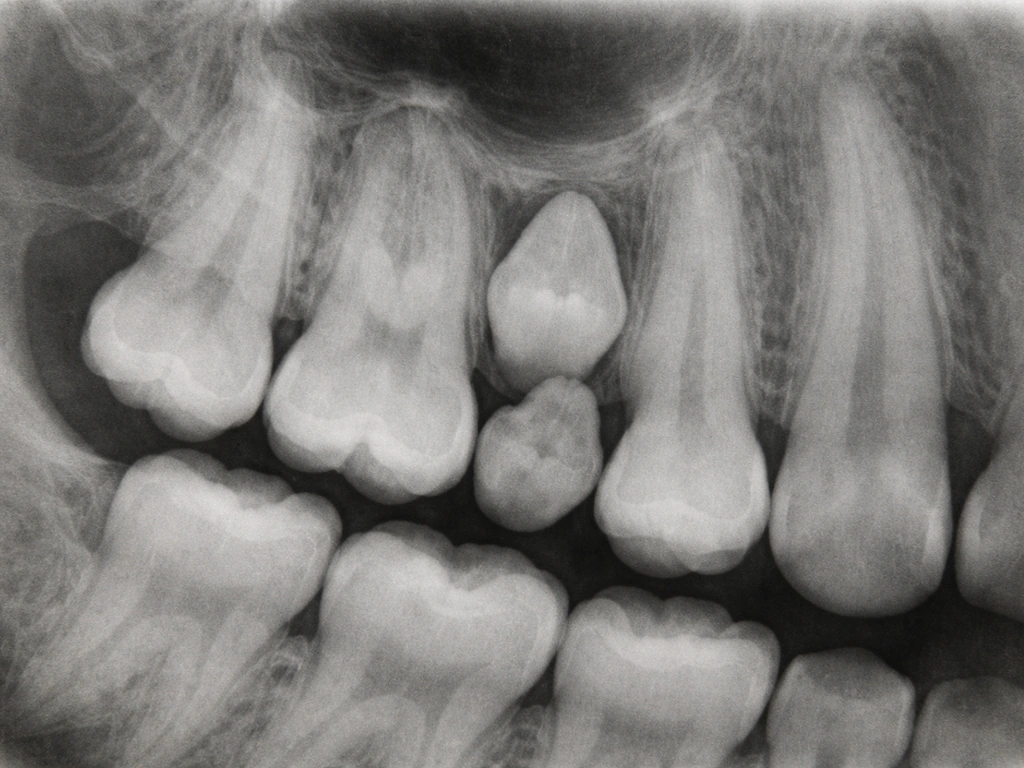
It's not a sign that your body is regenerating teeth the way sharks do, and it's not a new tooth replacing an old one. It's a developmental glitch that produces more teeth than the standard 20 baby teeth or 32 adult teeth your biology was aiming for. Understanding exactly where extra teeth come from can also help explain where the tooth tissue forms in the first place.
How extra teeth actually happen
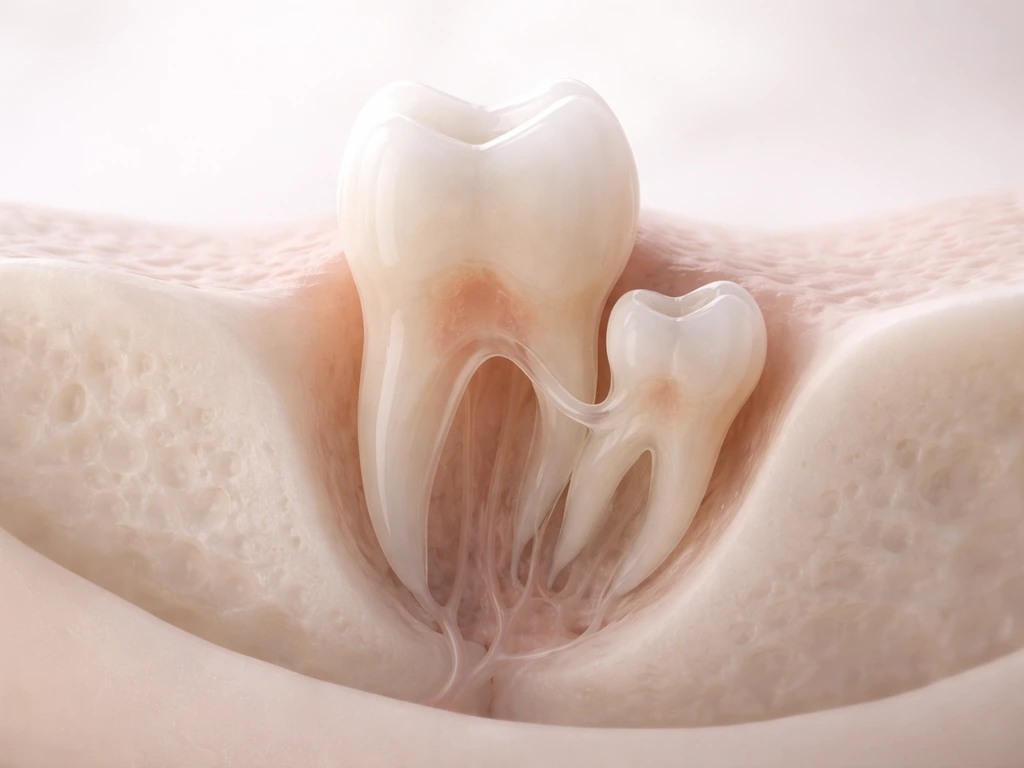
The technical name is hyperdontia, and the extra teeth themselves are called supernumerary teeth. Dentists and researchers have debated the exact mechanism for decades, but the most widely accepted explanation right now is hyperactivity of the dental lamina. Think of the dental lamina as a blueprint strip that your body reads during fetal development to know where to build each tooth. When a section of that strip gets over-stimulated, it can kick off an extra tooth bud that wasn't in the original plan.
A second theory, called dichotomy, suggests that an existing tooth bud can physically split into two, giving you a near-identical copy of a tooth you were already supposed to have. This is thought to explain a specific type of supernumerary called a mesiodens, which is an extra tooth that appears right between the two upper front teeth. In practice, the two theories aren't mutually exclusive, and the underlying biology likely varies from person to person.
One important myth to bust here: extra teeth growing is not the same as teeth regenerating. If you are wondering why your teeth grow in yellow, discoloration is often more about enamel thickness, stains, or habits than about extra teeth why teeth grow in yellow. Your body isn't rebuilding a tooth that was lost or damaged. Enamel doesn't regrow, and adult teeth that fall out don't get replaced by a natural third set. Supernumerary teeth are a separate developmental event entirely, something your body produced in addition to, not instead of, your normal teeth.
Can extra teeth actually grow in humans, and at what age?
Yes, extra teeth can absolutely grow in humans, and they can show up at nearly any stage of dental development. They appear in both the primary (baby) dentition and the permanent (adult) dentition. A retrospective study from Guangzhou found prevalence rates of about 6.1% in kids with primary teeth and 6.8% in kids in the mixed dentition phase (when they have a mix of baby and adult teeth), meaning the rates are roughly similar across early childhood regardless of which set of teeth is present.
The highest eruption rate in that same study was found in 6-year-olds, where about 57.8% of supernumerary teeth had actually broken through the gum. By age 7, prevalence in the studied pediatric cohort peaked. What this tells you practically: if your child is in the 5 to 8 age range and you're noticing something unusual in their mouth, that's actually the window where supernumerary teeth are most likely to show up or cause obvious problems.
In adults, extra teeth can still be discovered, often because they never erupted and were sitting impacted in the jaw for years before showing up on an X-ray. Wisdom teeth (third molars) complicate this picture a bit because they erupt late, usually between the late teens and early twenties, and a lot of people assume any late-appearing tooth must be a wisdom tooth. A true supernumerary is a different thing, a tooth formed outside the normal dental count, and it needs imaging to distinguish from a wisdom tooth erupting on a delayed schedule.
Why some people get extra teeth: causes and risk factors
Genetics and family history

Genetics plays a clear role. If a parent or sibling has had supernumerary teeth, your own risk is higher. Males are roughly twice as likely as females to develop supernumerary teeth in the permanent dentition, though that sex difference doesn't appear to hold in the primary dentition. Beyond general heredity, supernumerary teeth run much more prominently in certain inherited conditions.
Syndromes associated with extra teeth
Three syndromes come up repeatedly in dental literature as being strongly associated with supernumerary teeth. Cleidocranial dysplasia is probably the most well-known in dentistry: it's a bone and dental development disorder that causes multiple supernumerary teeth along with delayed or failed eruption of normal permanent teeth. Gardner syndrome (a form of familial adenomatous polyposis, or FAP) affects roughly 1 in 7,000 to 1 in 30,000 people and includes dental abnormalities including supernumerary teeth alongside colorectal polyps and other findings. Up to 30% of Gardner syndrome cases occur without any family history, so it can appear unexpectedly. Ehlers-Danlos syndrome and cleft lip and palate are also associated with higher rates of supernumerary tooth formation.
This is worth paying attention to if a child has multiple supernumerary teeth rather than just one. A single extra tooth is usually an isolated developmental quirk. Multiple supernumerary teeth across the mouth raise the possibility of an underlying syndrome, and that's a conversation worth having with a dentist and potentially a physician.
Local and developmental factors
Not every case has a clear genetic explanation. Local factors, such as disruptions to the dental lamina during fetal development, can produce a supernumerary tooth in isolation with no family history and no syndrome involved. In these cases, it's essentially a one-off developmental event. Cleft lip and palate is worth mentioning again here because the disruption to facial structure during development can directly affect how the dental lamina behaves in that region, making supernumerary teeth more likely near the cleft site.
Problems extra teeth can cause
A supernumerary tooth sitting quietly in the jaw and not causing any disruption might never need treatment. But in many cases, extra teeth create real problems that compound over time if left unmanaged. The most common issues include:
- Impaction: the extra tooth gets stuck and can't erupt normally, sometimes pushing against the roots of neighboring teeth
- Delayed eruption: the supernumerary blocks a permanent tooth from coming in on schedule, which is especially common with upper front teeth in children
- Crowding and spacing problems: an extra tooth takes up space that permanent teeth need, leading to overlapping, rotation, or gaps in unexpected places
- Root resorption: pressure from an impacted supernumerary can slowly eat away the root of an adjacent tooth
- Cyst formation: a follicular or dentigerous cyst can develop around an unerupted supernumerary, damaging nearby bone and teeth
- Pain, swelling, and infection: an impacted extra tooth, like an impacted wisdom tooth, can become a source of acute infection
- Bite problems: when extra teeth shift the positions of normal teeth, the way your upper and lower jaws meet can be thrown off
The most clinically significant scenario in children is a mesiodens blocking the upper central incisors from erupting at the normal age (around 7 to 8 years). Parents often notice that a permanent front tooth is simply not appearing on schedule, which is one of the most common ways supernumerary teeth get discovered.
The related topic of why teeth sometimes grow behind teeth is connected here too, since ectopic eruption (a tooth coming in at the wrong angle or position) is another downstream effect of having an extra tooth in the way.
The related topic of why teeth sometimes grow behind teeth is connected here too, since ectopic eruption (a tooth coming in at the wrong angle or position) is another downstream effect of having an extra tooth in the way why do teeth grow crooked. This can happen when an extra tooth causes ectopic eruption, shifting nearby teeth out of their normal path why teeth sometimes grow behind teeth. How do teeth grow through gums?
That usually happens when an extra or impacted tooth erupts from beneath the gum into the mouth over time why teeth sometimes grow behind teeth.
When to see a dentist today (and when it's urgent)
Some situations are a same-week call to your dentist, and a few are more urgent than that. Here's how to think about it:
| Situation | What to do | Timeline |
|---|---|---|
| Visible tooth in an unexpected location (child or adult) | Call your dentist for an evaluation | Within 1 to 2 weeks |
| Permanent tooth hasn't erupted and your child is 8 or older | See a dentist for X-rays | Within 1 to 2 weeks |
| Pain, swelling, or visible gum inflammation near the area | See a dentist promptly | Within a few days |
| Signs of infection: fever, significant swelling, spreading pain | Seek same-day dental or urgent care | Same day |
| Incidental finding on a routine X-ray, no symptoms | Discuss with your dentist at the appointment | At scheduled visit |
| Multiple unexplained extra teeth in a child | Dentist referral plus possible medical evaluation | Within 2 to 4 weeks |
Don't wait and hope an extra tooth sorts itself out if a child's permanent incisor is overdue. The window for early intervention, especially before permanent teeth establish their final positions, matters a great deal for how straightforward treatment will be. An unerupted supernumerary can cause more damage to neighboring roots the longer it sits there unaddressed.
How dentists diagnose extra teeth

The clinical exam gives a lot away just by looking, but most supernumerary teeth require imaging to understand what's actually going on under the gum. A dentist will usually start with a panoramic X-ray (the wide-angle film that shows all your teeth and jaw in one image), which gives an overview of position and eruption status. For cases where the exact 3D position matters, such as a tooth sitting close to the roots of neighboring teeth or impacted at an unusual angle, cone beam computed tomography (CBCT) offers a significantly more accurate picture.
Research has confirmed that CBCT is statistically better than traditional radiography for determining the exact location of impacted and supernumerary teeth and for assessing whether root resorption is occurring in adjacent teeth. That said, CBCT involves a higher radiation dose than conventional X-rays, so it's recommended when the information it provides is genuinely needed for treatment decisions, not as a routine first step for every case. For straightforward presentations, a panoramic or periapical X-ray is usually enough to start.
During the evaluation, your dentist will look at where the extra tooth is located (upper front jaw is most common), whether it has erupted or is impacted, what it looks like (tooth-shaped, cone-shaped, or malformed), how many there are, and whether any neighboring teeth show signs of displacement, root damage, or delayed eruption. If multiple supernumerary teeth are found, the dentist may also raise the possibility of an associated syndrome and discuss whether a referral makes sense.
Treatment options and what to expect
Watch and wait (when it applies)
Not every supernumerary tooth needs to come out immediately. If an extra tooth is erupted, not causing crowding, not impacting adjacent teeth, and the patient is maintaining it hygienically, monitoring over time is a reasonable approach. In young children, timing matters: the AAPD notes that removing an unerupted supernumerary during the primary dentition phase is generally avoided because surgery at that stage carries a risk of damaging the nearby developing permanent teeth. Instead, the approach is often to monitor and plan extraction for a more appropriate developmental window.
Extraction: the most common treatment
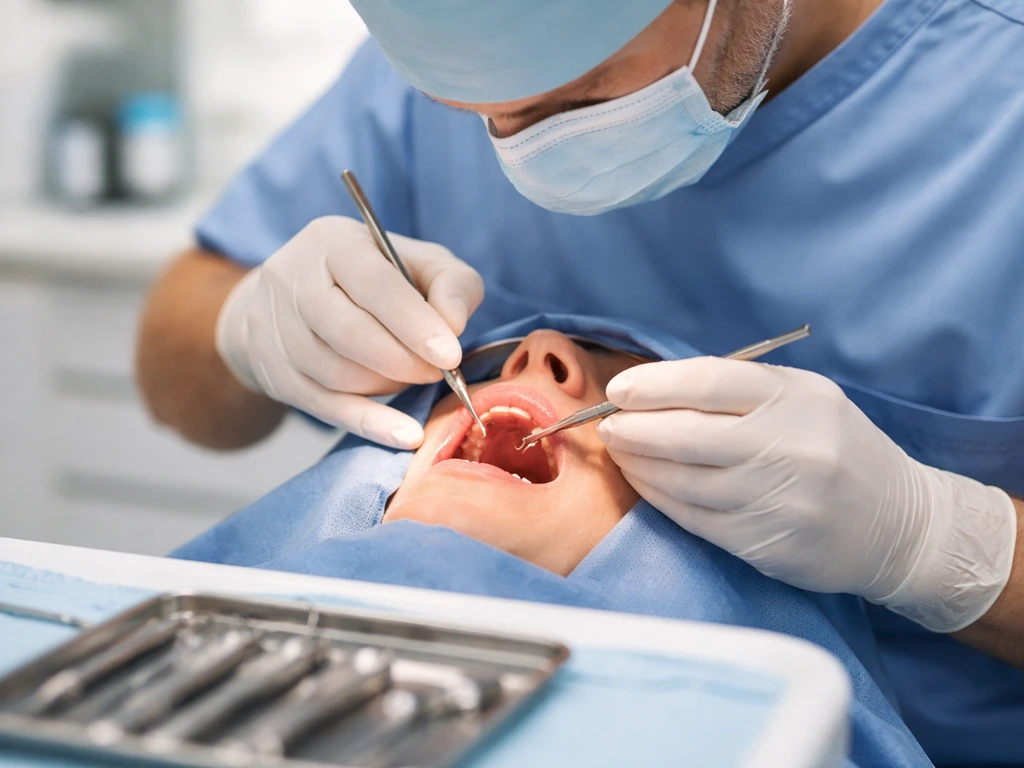
Surgical extraction is the standard treatment when a supernumerary tooth is causing problems or is at high risk of causing them. For unerupted teeth, this is an oral surgery procedure under local anesthesia (and sedation or general anesthesia for younger children, depending on the case). Timing is an active decision: removing it too early risks disturbing developing permanent teeth; waiting too long allows more root resorption and crowding to accumulate.
A comparative CBCT versus conventional radiography study in root resorption contexts used [paired measurements against a gold standard](https://pmc. ncbi. nlm. nih.
gov/articles/PMC5694742/) to evidence the extent of root resorption. Only about 25% of permanent mesiodens erupt on their own, which means the majority of cases in the upper front region do require surgical removal at some point.
Orthodontics after extraction
Surgery alone doesn't always fix the downstream effects. In the mesiodens literature, about 45% of patients who had a supernumerary tooth removed also needed orthodontic treatment afterward to correct the positioning of teeth that had been displaced or delayed. This is the combined pathway: remove the obstruction, then guide the teeth into correct alignment with braces or other appliances. If your child is already in or approaching the age for orthodontic evaluation (typically around 7 years old is when orthodontists like to assess), a supernumerary finding is a good reason to bring that evaluation forward.
A note on what treatment can and can't do
Removing a supernumerary tooth doesn't trigger regrowth of a new one, and it doesn't cause you to lose a normal tooth in the process. The body doesn't regenerate teeth after the primary and permanent sets are formed, so once an extra tooth is extracted, that space stays empty (or is closed orthodontically). This is fundamentally different from the folk belief that adult teeth can regrow or that removing a tooth stimulates the body to produce a replacement. It won't. Treatment here is about removing the disruptor and then correcting whatever alignment or eruption problems it left behind.
FAQ
How can I tell if an “extra tooth” is a true supernumerary versus something else like an impacted normal tooth?
A tooth that “looks extra” on the surface is not always a supernumerary. Dentists distinguish supernumerary teeth from delayed wisdom eruption, an impacted normal tooth, odontomas, and supernumerary-like findings using exam plus X-rays. If the extra-looking tooth is in the same area as teeth expected to erupt later (for example, behind the molars), ask specifically whether it is impacted, ectopic, or truly additional, and request the report’s description of root position.
If my child has no pain, why should we still worry about a supernumerary tooth?
In many children, the risk is not just “the extra tooth exists,” it is what it blocks or damages while it sits unerupted. A supernumerary can contribute to root resorption of adjacent teeth even without visible symptoms. If a permanent tooth is overdue, or if there is a clear space loss or delayed eruption pattern, prompt imaging is more important than waiting for pain or swelling.
When is it reasonable to monitor an extra tooth instead of extracting it immediately?
Not all extra teeth should be removed right away. A common conservative plan is monitoring when the tooth has erupted, is not crowding or displacing neighbors, and can be kept clean without trapping food. If any of those conditions are not met, discuss a time-based plan, because waiting too long can increase the chance that adjacent roots are affected.
Does having more than one extra tooth automatically mean there is a genetic syndrome?
A single extra tooth can be an isolated developmental quirk, but multiple supernumerary teeth across different areas raise the odds of an underlying syndrome. Ask your dentist whether the pattern (number, locations, and whether normal teeth are delayed or absent) fits an inherited condition and whether referral is needed. Practical next step, request a written summary of findings you can share with a pediatrician or genetic counselor if multiple extras are present.
Is there a difference in who gets extra teeth, or how often boys and girls are affected?
Yes, sex and pattern matter. In the permanent dentition, males are affected more often than females, but that difference does not appear the same way in baby teeth. Also, the location pattern helps, mesiodens are especially linked with delayed eruption of the upper incisors, so the “type” of extra tooth influences what the clinician checks next.
What signs typically lead to discovering extra teeth in kids, even before an X-ray?
The biggest clue is delayed or abnormal eruption of nearby teeth, especially in the upper front region around ages 7 to 8. If a child’s permanent incisor is not appearing on schedule, or if the arch looks narrower or shifted, supernumerary obstruction is one key possibility. Other clues include an unusual tooth position angle, a midline bulge, or a persistent spacing pattern that does not match the normal exfoliation timeline.
Can an extra tooth cause problems like crookedness or teeth coming in the wrong direction?
Mesiodens can cause a permanent incisor to fail to erupt, but they can also lead to ectopic eruption, where an adjacent tooth emerges at an angle or gets trapped. That means delayed eruption is not always “just missing,” it can be accompanied by abnormal direction of eruption that later affects alignment.
When is CBCT truly necessary for extra teeth, and when is a regular X-ray enough?
CBCT is most useful when the clinician needs 3D details that change the treatment plan, such as estimating proximity to adjacent roots, planning surgical access, or assessing suspected root resorption. If the extra tooth is clearly positioned and management would be the same regardless, many cases can start with a panoramic or periapical film, reserving CBCT for higher-stakes localization.
If an extra tooth is found in adulthood, does it need treatment, or can it be left alone?
An unerupted supernumerary may remain quiet for years and still become a discovery on routine imaging, especially if it is impacted. If it is close to nerves or adjacent roots, surgery timing is coordinated to minimize complications. The practical point is that “no symptoms” does not reliably predict “no effect,” so discuss what the X-ray shows about root proximity and whether monitoring vs removal makes more sense.
If a supernumerary tooth is removed, will orthodontic treatment be required, and what happens to the nearby teeth?
After extraction, a new tooth will not grow in to replace the removed supernumerary, and removing it will not create a new normal set. However, the teeth that were displaced may not automatically move back into place, so orthodontics is often needed if the eruption and alignment were already altered. Ask whether the goal is space preservation, alignment correction, or both, and whether orthodontic timing should start before or after surgery.
What are common misconceptions that lead to delays or wrong expectations about extra teeth?
There are edge cases where the “extra tooth” is actually a supernumerary that resembles a normal tooth shape, or it is malformed (for example cone-shaped), which can affect surgical complexity and eruption potential. Another common mistake is assuming all extra teeth erupt and can be brushed, when many remain impacted and only show on imaging. Ask the dentist to describe the tooth type and eruption status, because those details predict both risk and treatment options.
How should we think about timing, especially for kids in the 5 to 8 age range?
If a supernumerary is linked to blocked eruption, early action matters most before permanent teeth settle into their final positions. A practical approach is to treat delayed eruption as a time-sensitive finding rather than a wait-and-see issue, but avoid rushing to surgery in the earliest primary-teeth years unless a clinician says the benefits outweigh the risks to developing permanent teeth. Ask for a timeline that includes when reevaluation and any extraction should happen.
Next Articles
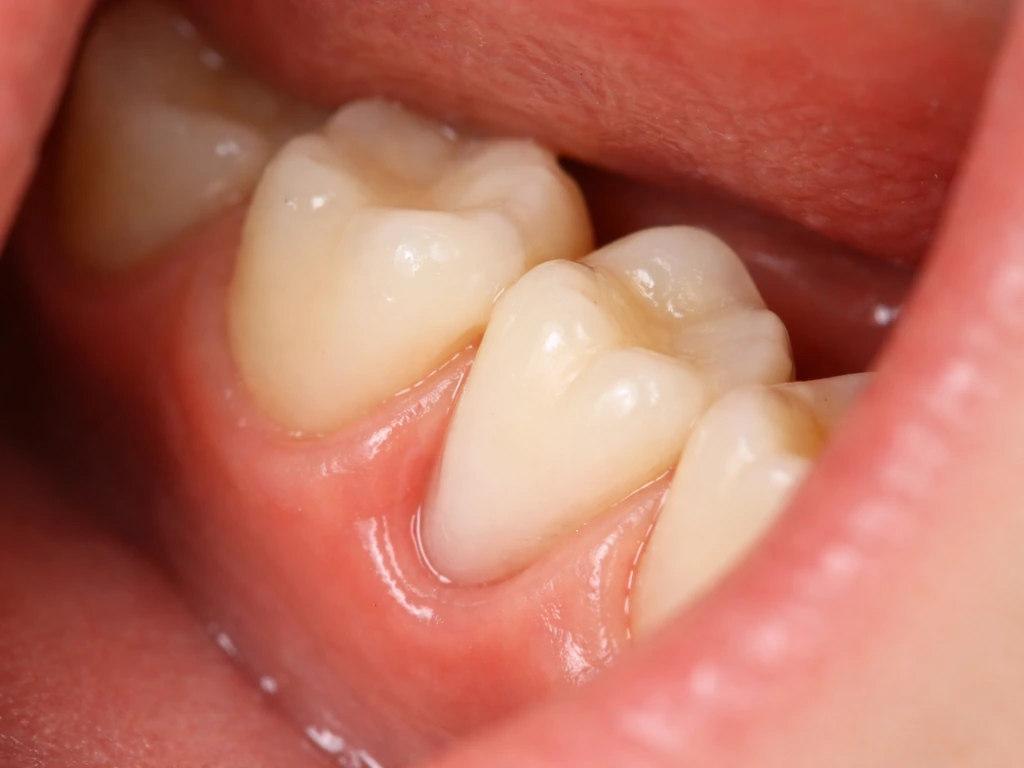
Why Do Teeth Grow Behind Teeth? Causes and What to Do
Learn why teeth appear behind others, normal vs impacted causes, and what dentists do to guide eruption safely.
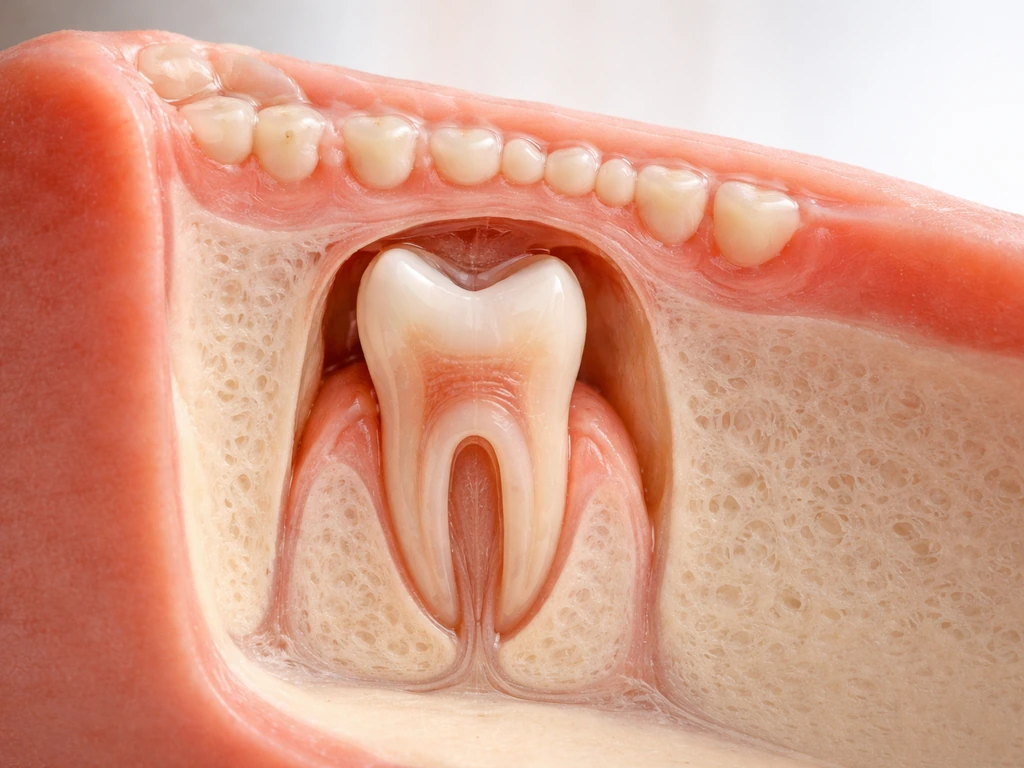
Where Do Teeth Grow From: Origins, Eruption, and Regrowth Limits
Explains where teeth start in jaw tissue, eruption timing, and why new teeth or enamel can’t regrow from random spots.
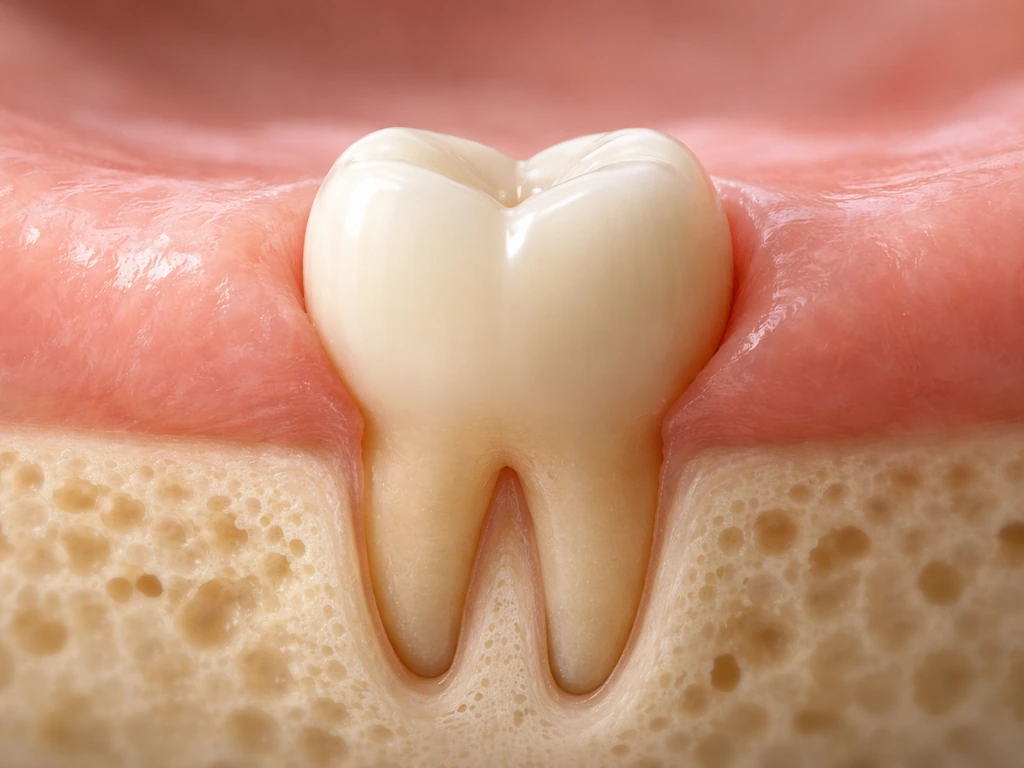
How Do Teeth Grow Through Gums: Eruption Timeline
Learn how teeth erupt through gums, typical timelines, wisdom teeth delays, and why enamel or teeth can’t regrow.